
Unit 2 Marine Biomes Pelagic Zone Benthic Zone

Unit 2 Marine Biomes


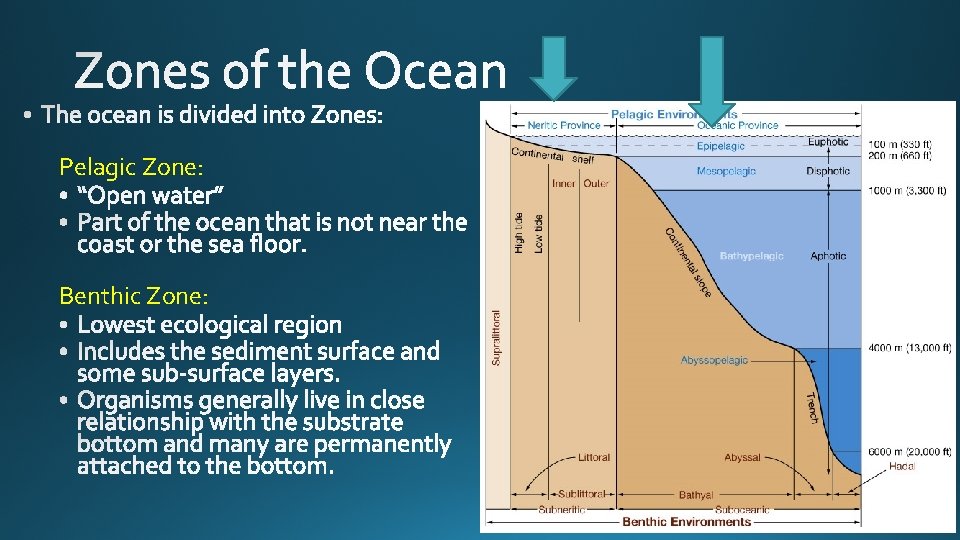
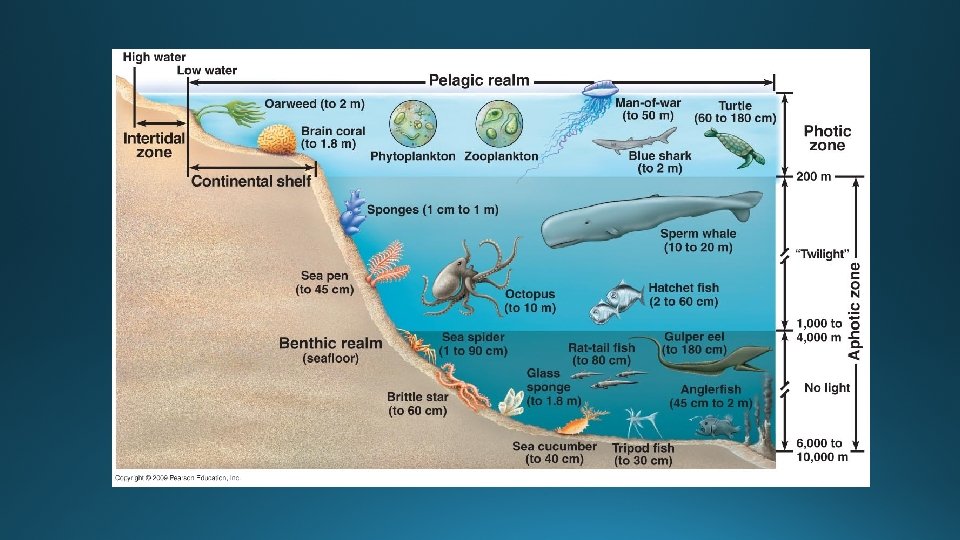
Pelagic Zone: Benthic Zone:
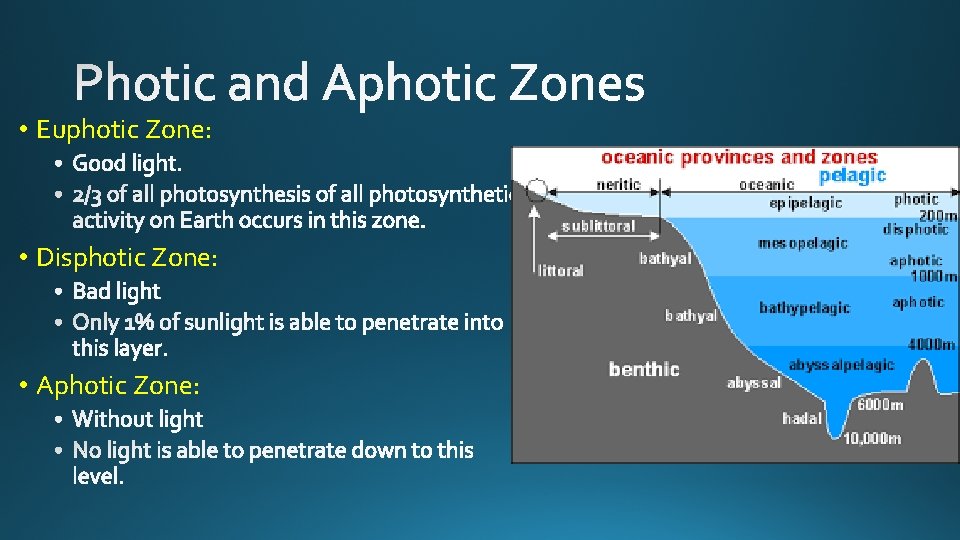
• Euphotic Zone: • Disphotic Zone: • Aphotic Zone:
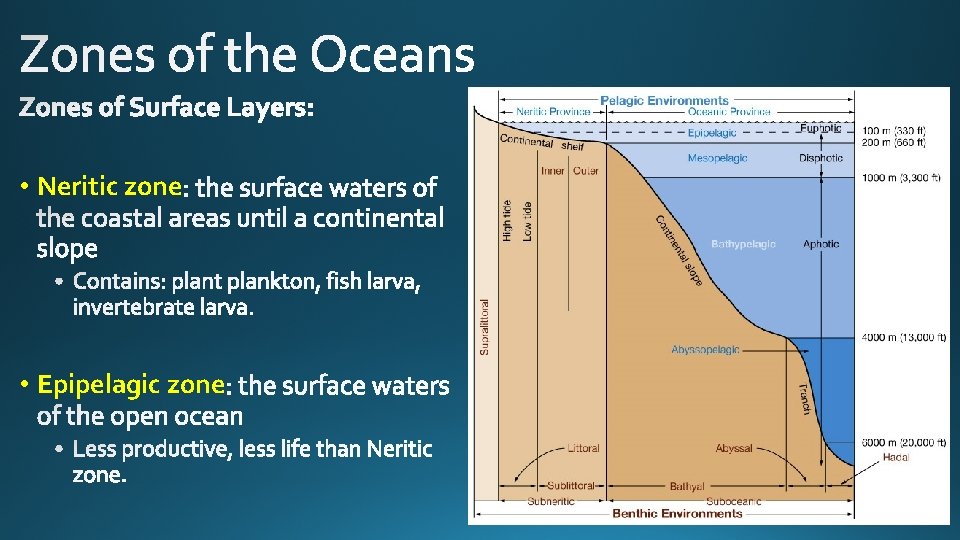
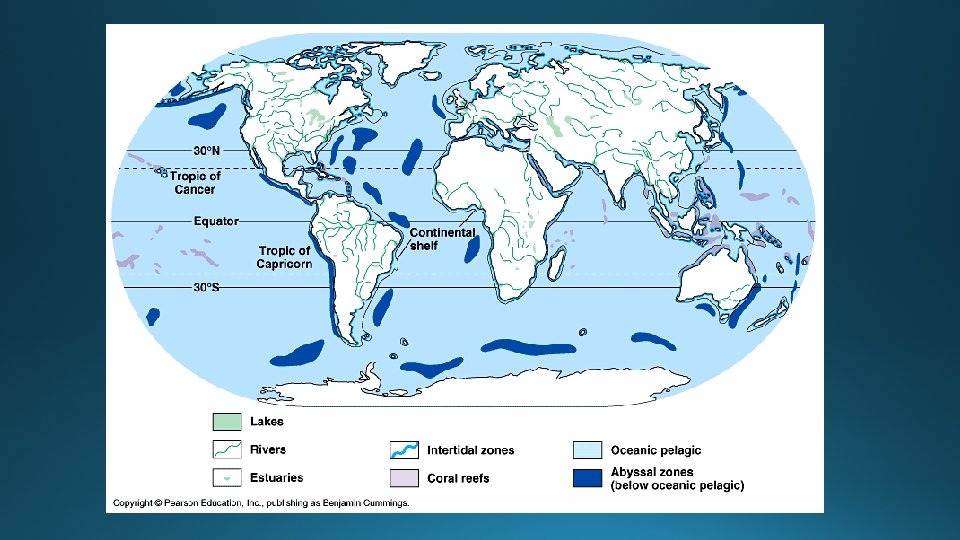
• Neritic zone • Epipelagic zone
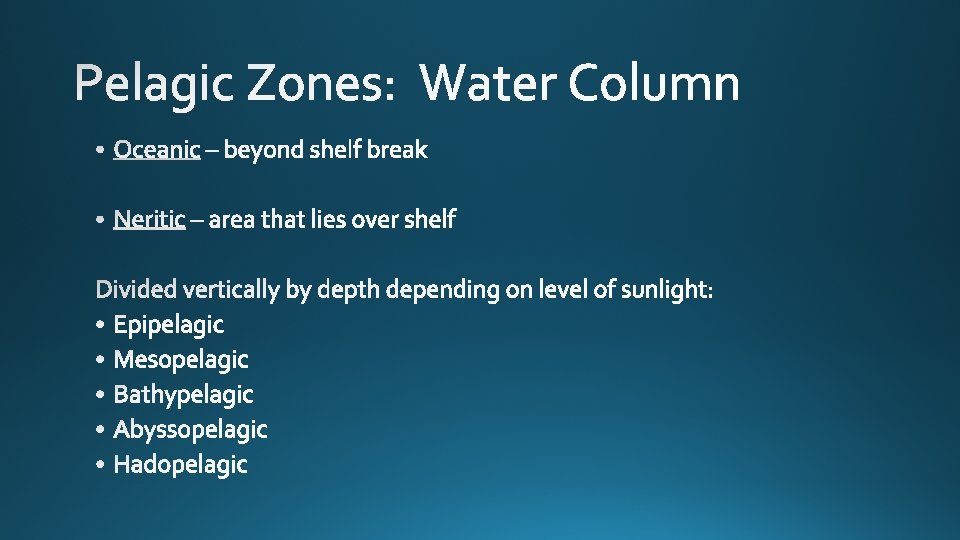
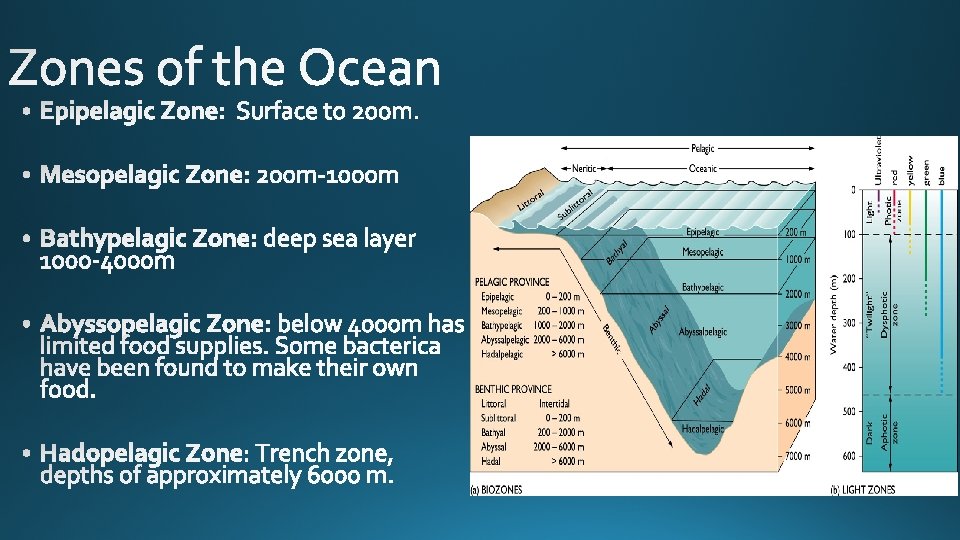
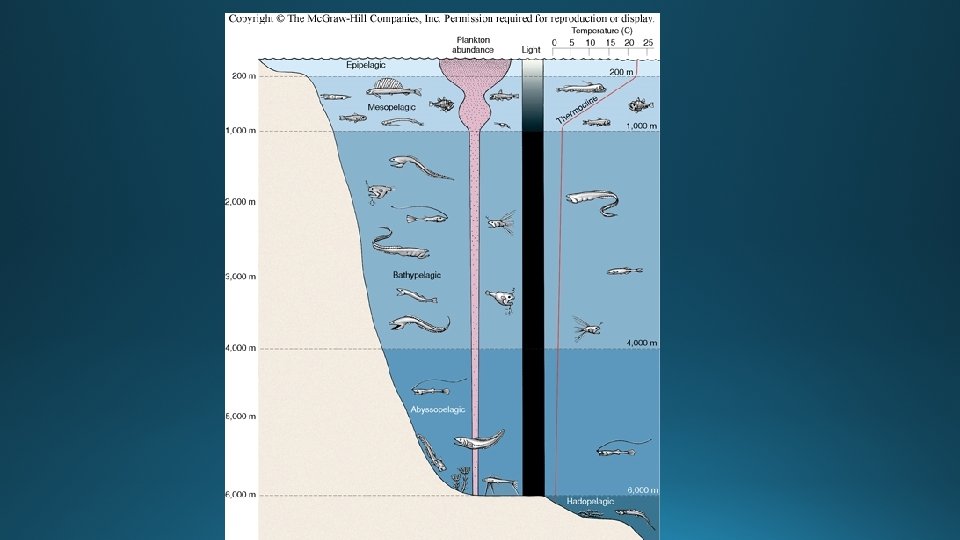
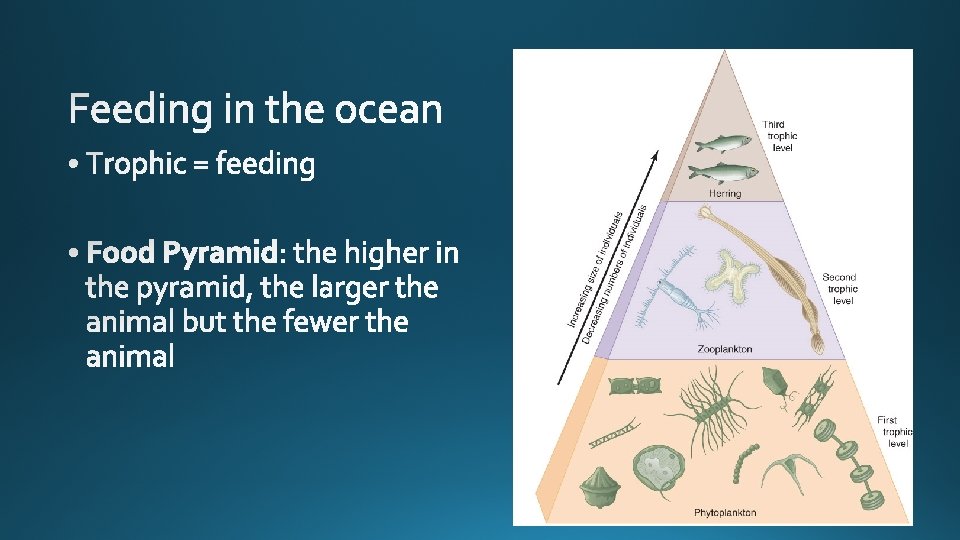
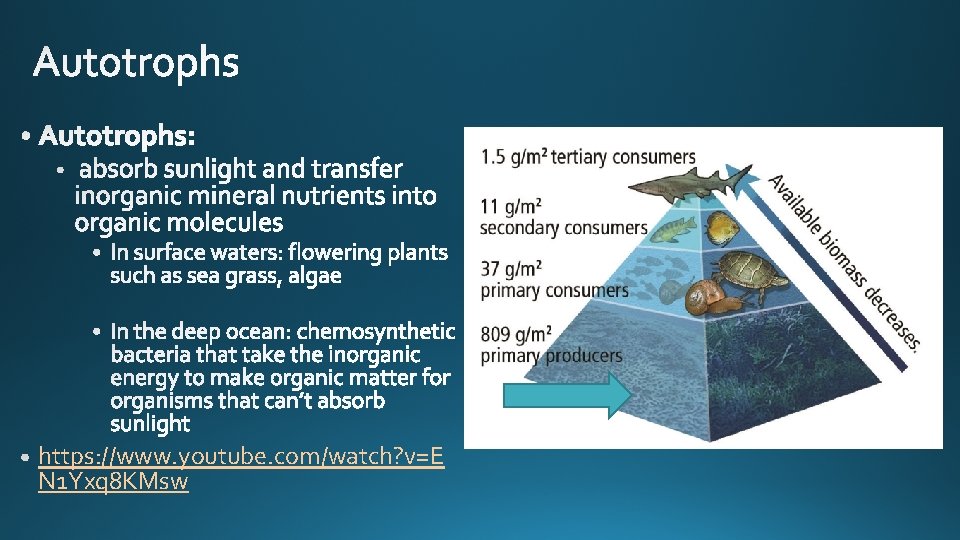
https: //www. youtube. com/watch? v=E N 1 Yxq 8 KMsw
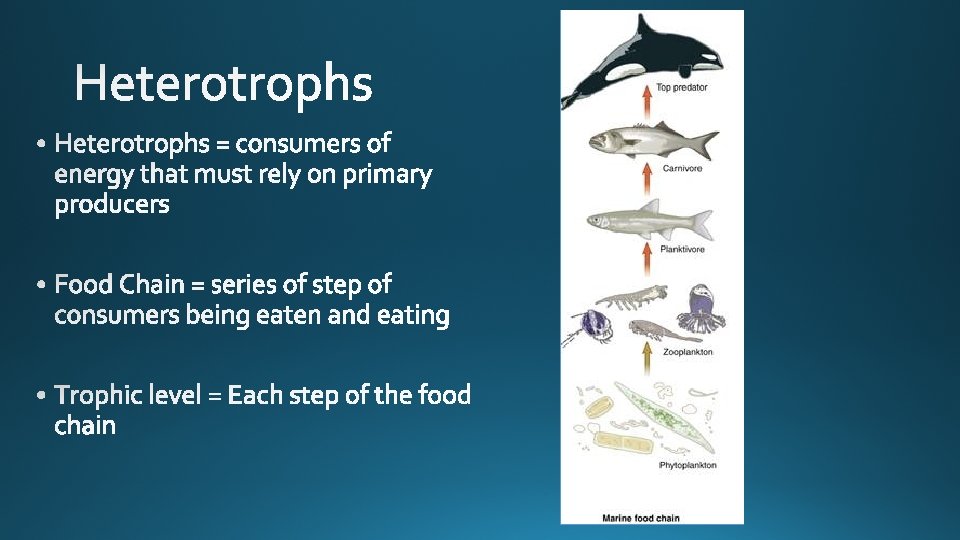
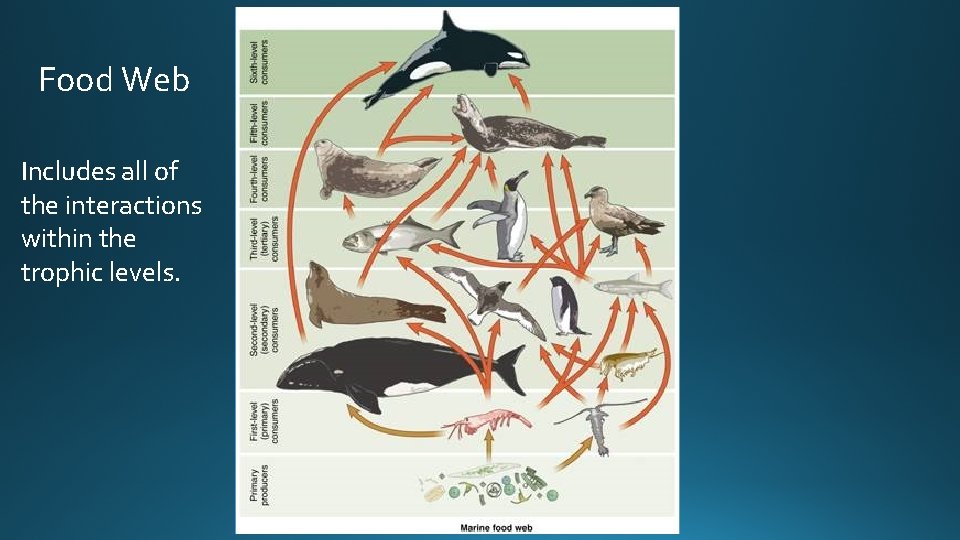
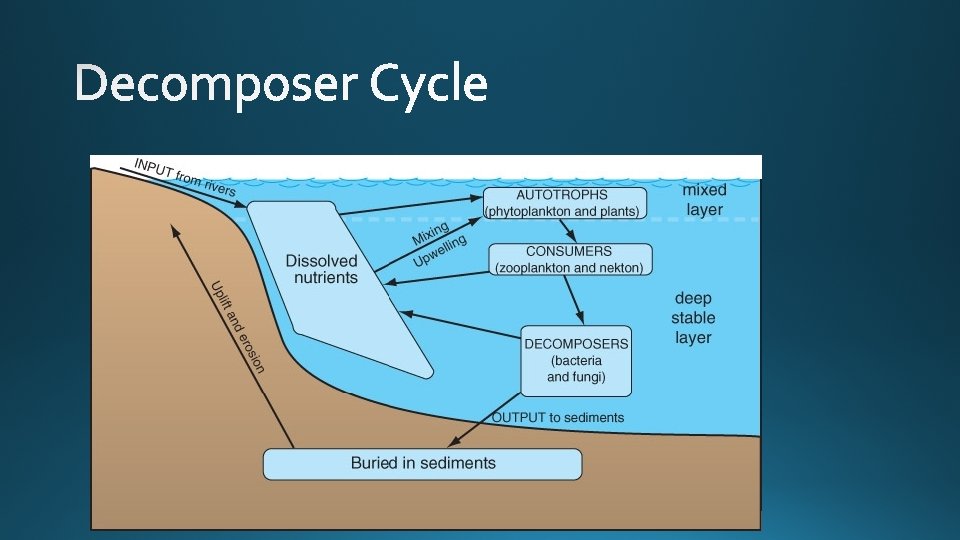
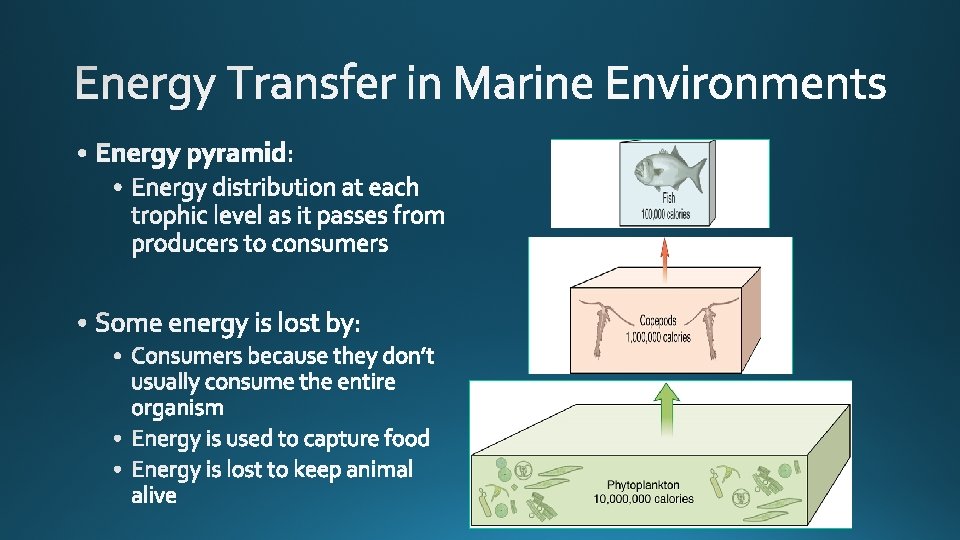
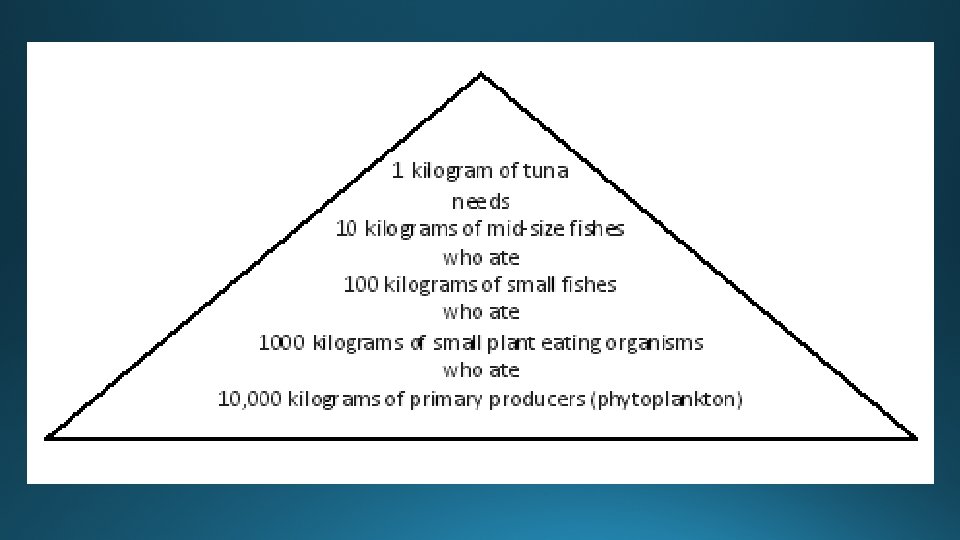
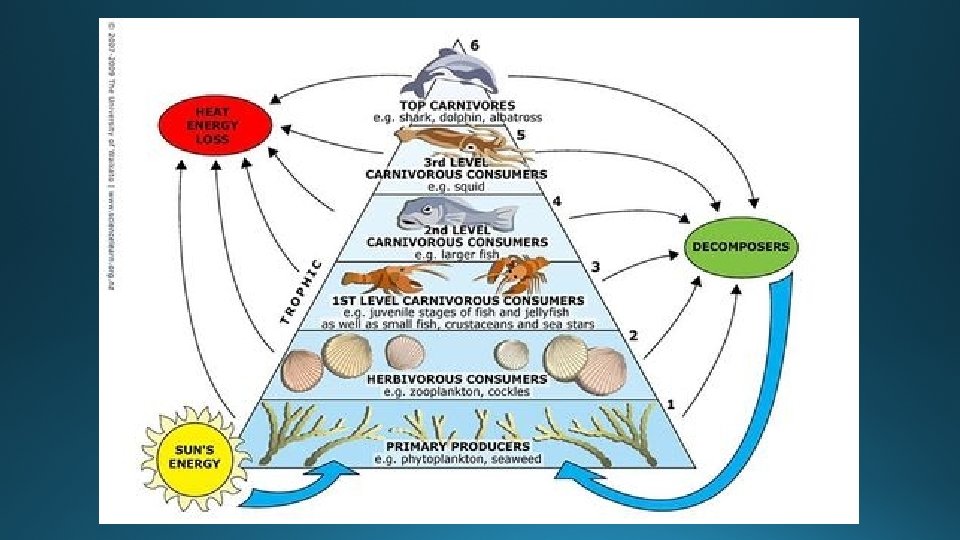
Food Web Includes all of the interactions within the trophic levels.
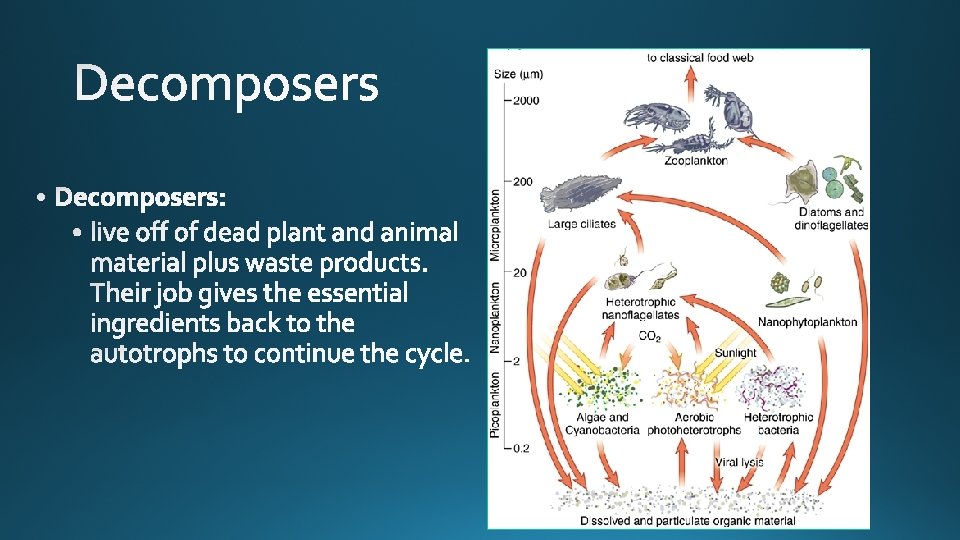
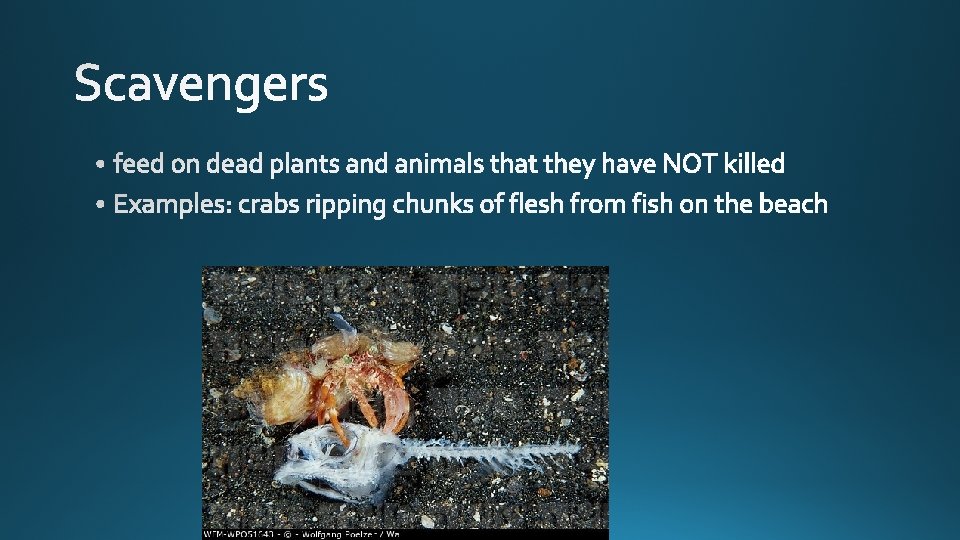
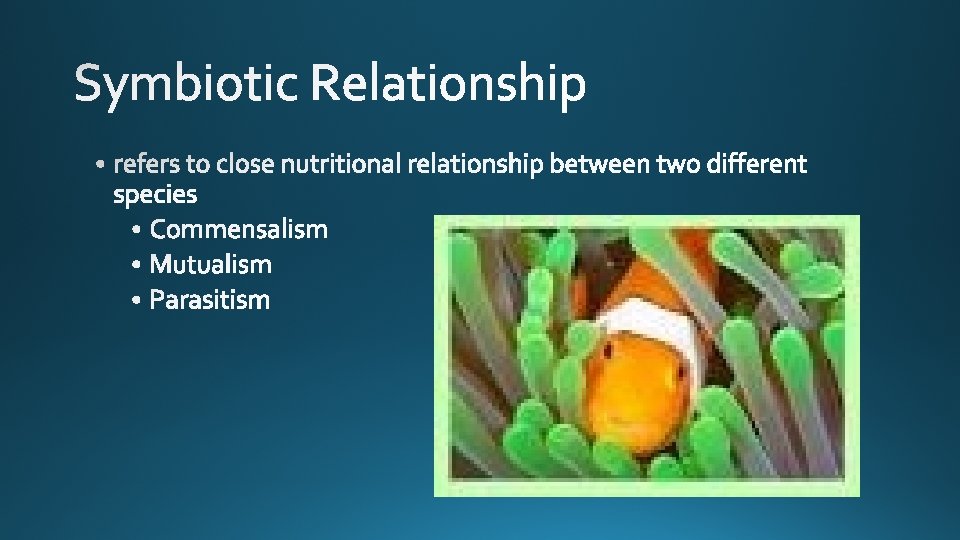
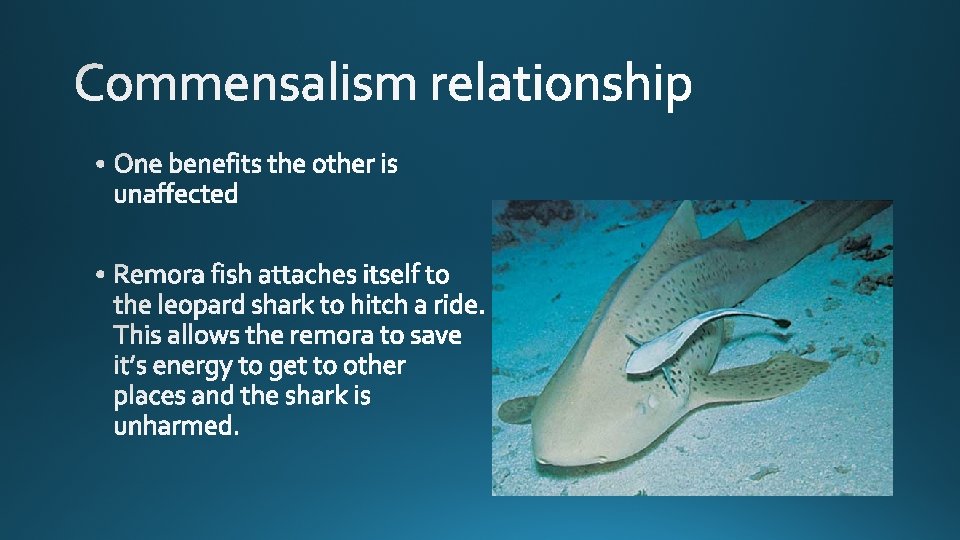
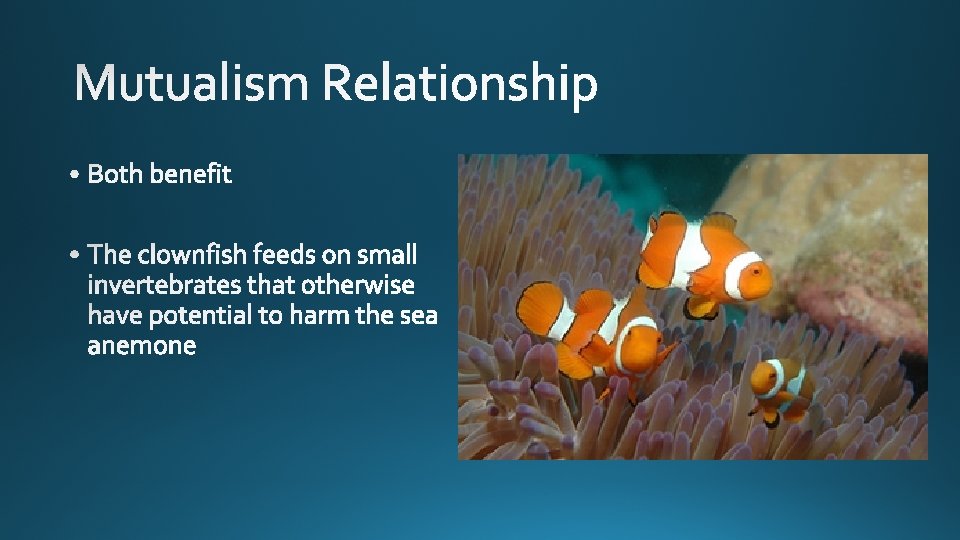
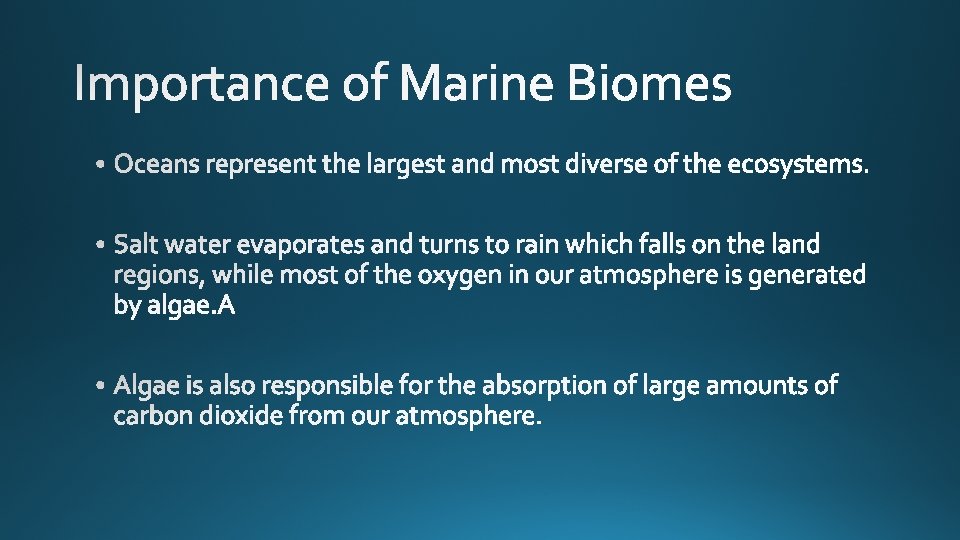
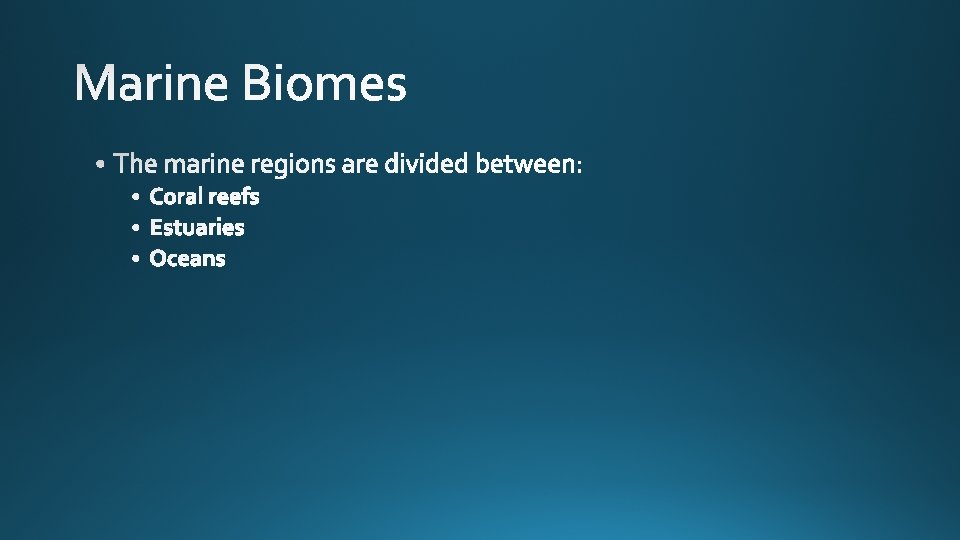
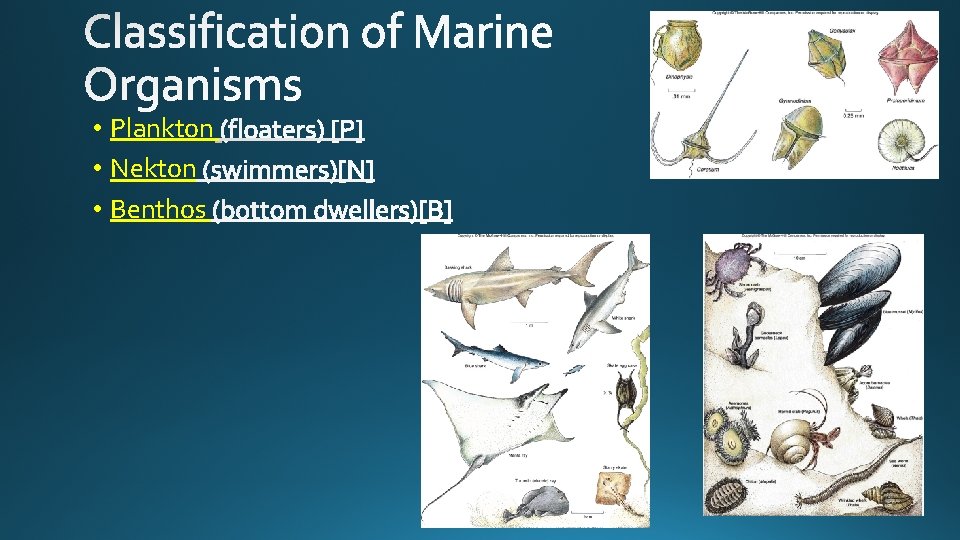
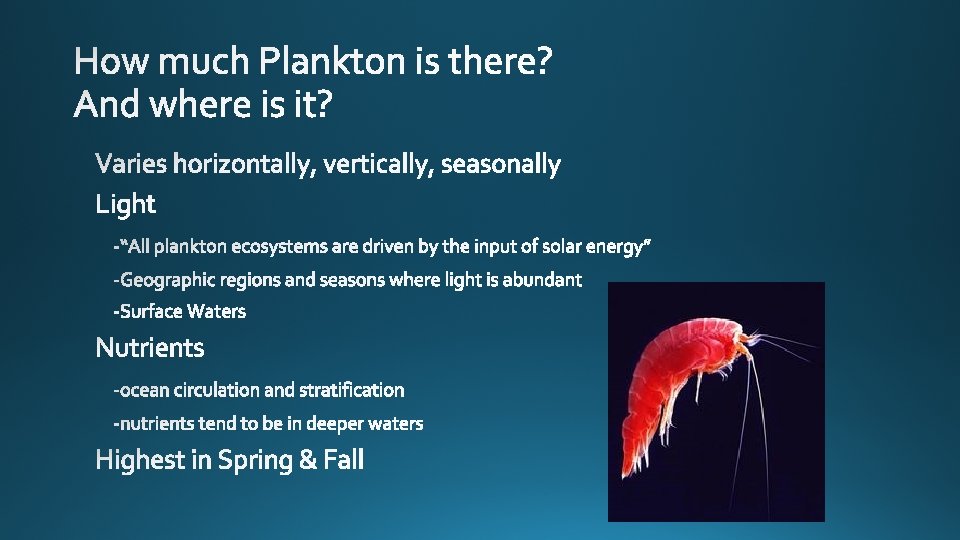
• Plankton • Nekton • Benthos
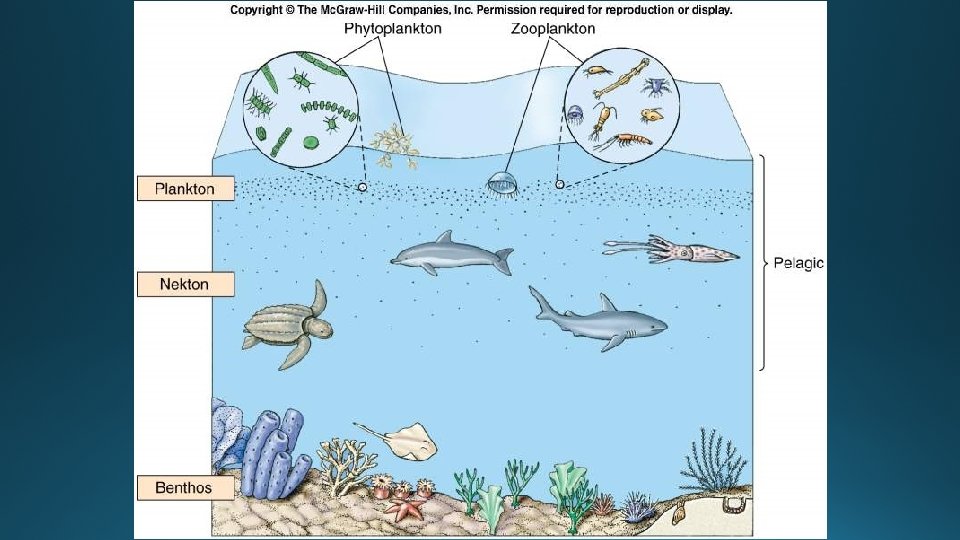
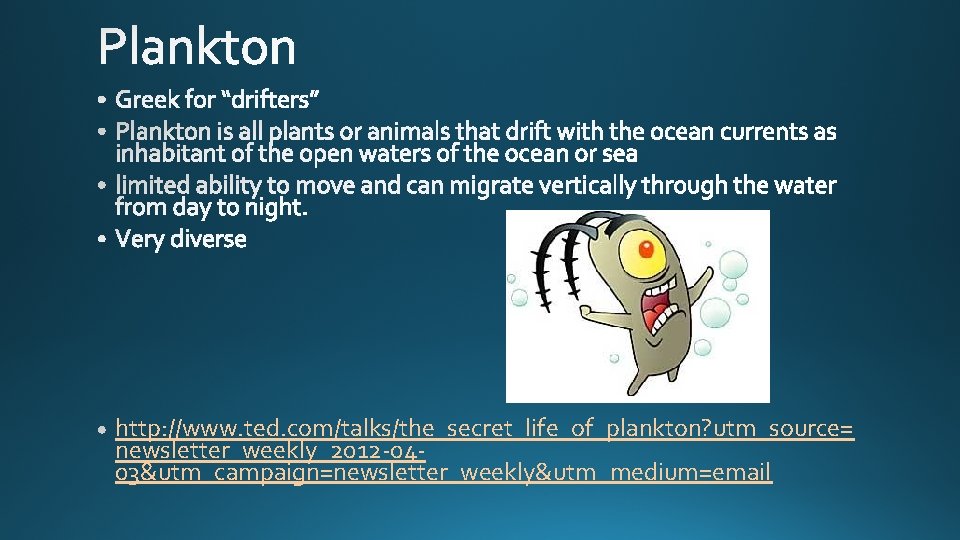
http: //www. ted. com/talks/the_secret_life_of_plankton? utm_source= newsletter_weekly_2012 -0403&utm_campaign=newsletter_weekly&utm_medium=email
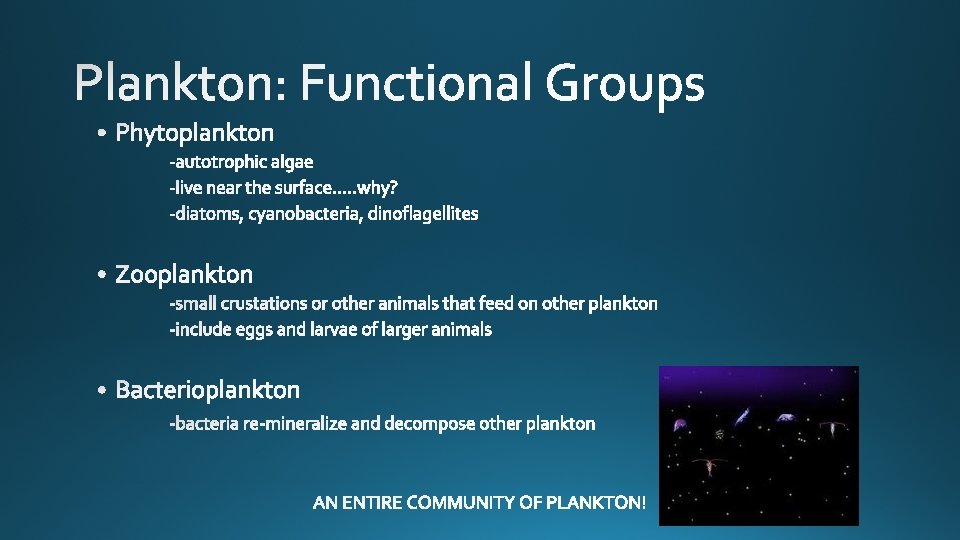
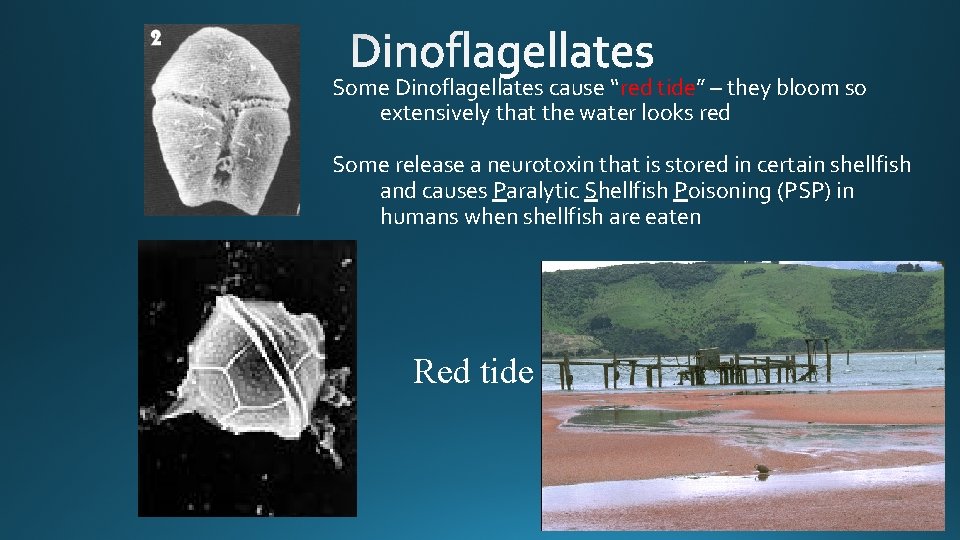
Some Dinoflagellates cause “red tide” – they bloom so extensively that the water looks red Some release a neurotoxin that is stored in certain shellfish and causes Paralytic Shellfish Poisoning (PSP) in humans when shellfish are eaten Red tide
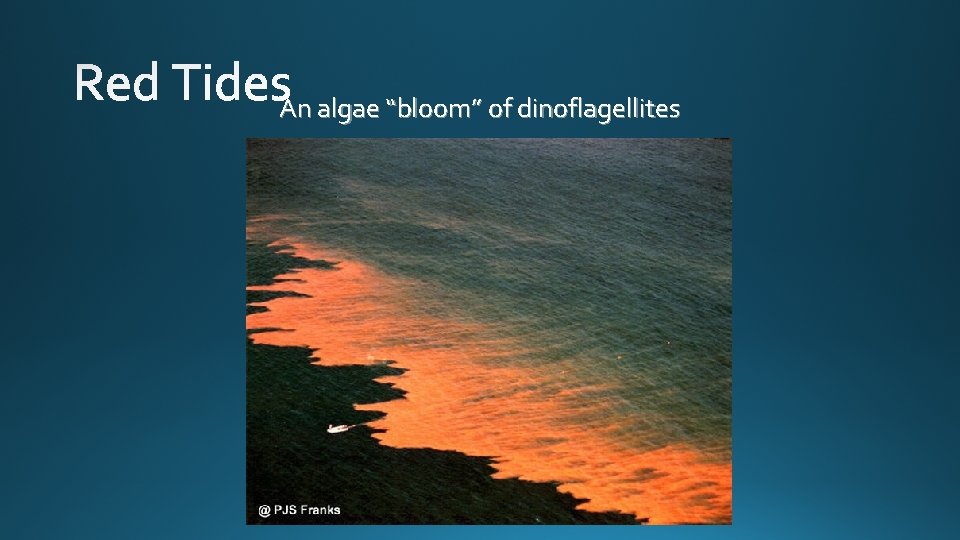
An algae “bloom” of dinoflagellites
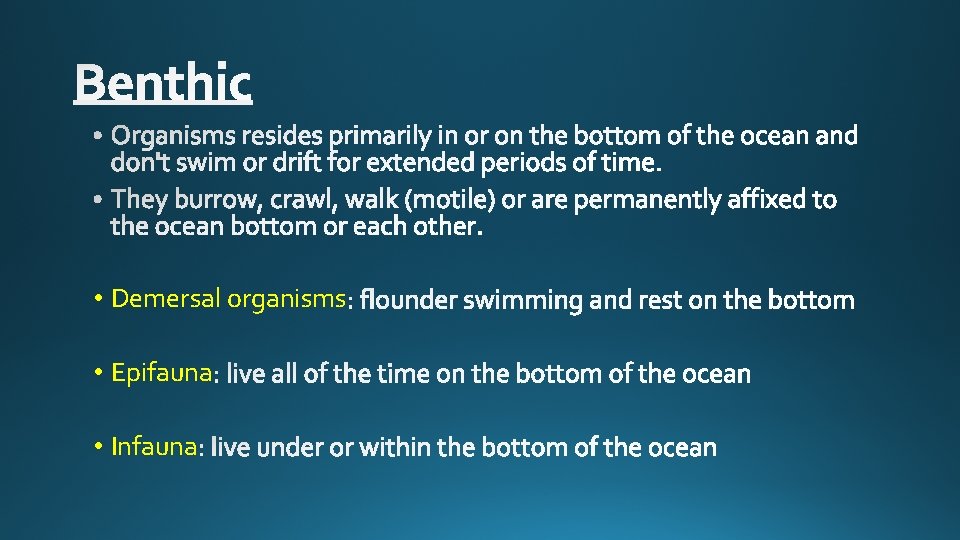
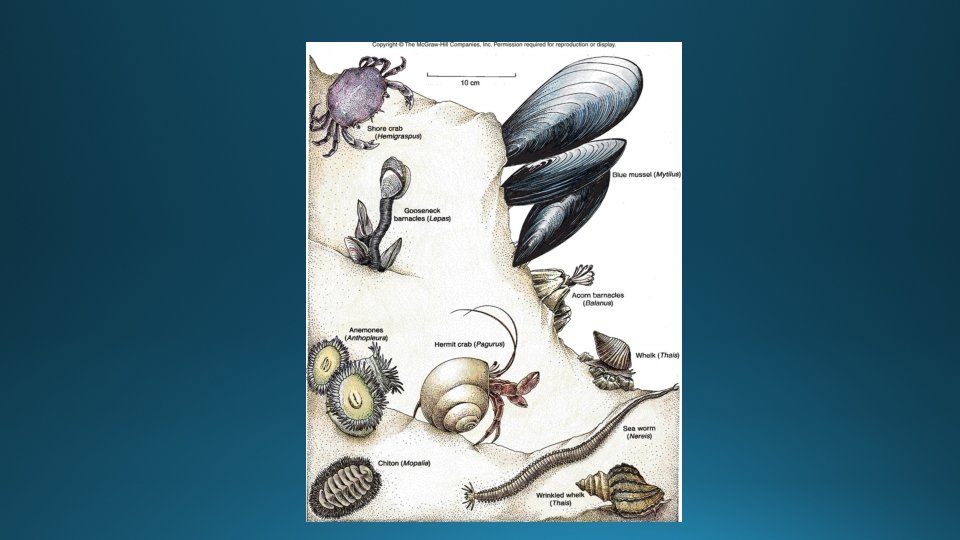
• Demersal organisms • Epifauna • Infauna
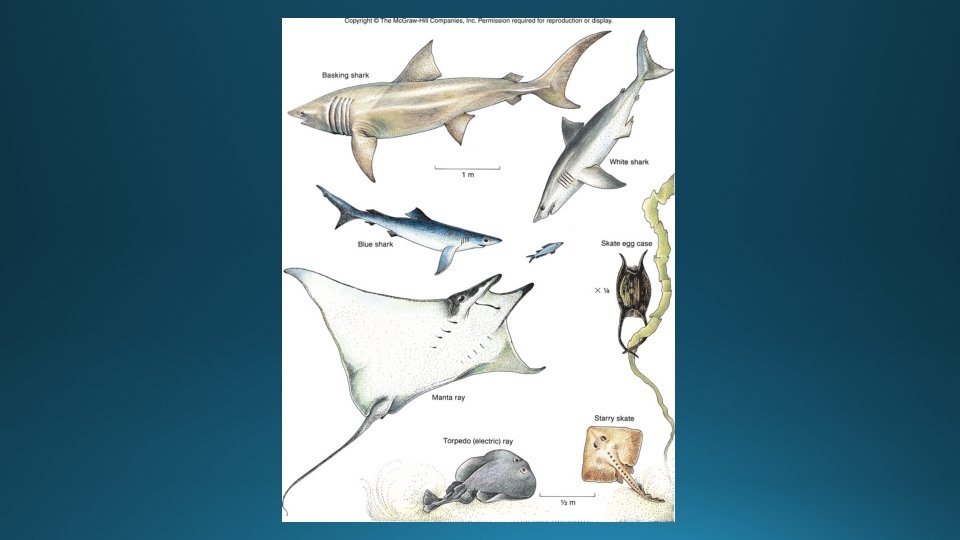
• Planktivorous nektons • Herbivorous nektons • Carnivorous nekton
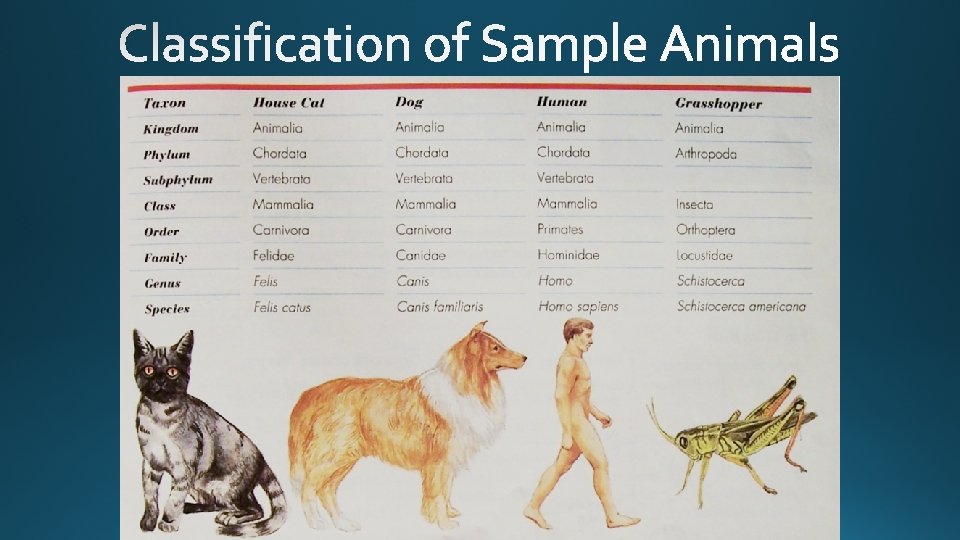
• There are over 8. 8 million different species known on Earth. • Scientist are still discovering new species. • thousands of new marine species are discovered every year! • Developed by scientists to bring order to the great diversity of life forms. • Provides a logical naming system. • Newly discovered organisms may be grouped. • Identify organisms • Represent relationships among organisms.
Classification of Living Things: • Taxonomy: The science that deals with the classification of living things. • Unity: Similar characteristics among organisms which group them together. (how organisms are similar) • Diversity: Different aspects between organisms that place them into different groups. (how organisms are different) • Species: A group of organisms, alike in many ways that can interbreed under natural conditions to produce fertile offspring. • Genus: A group of similar species.
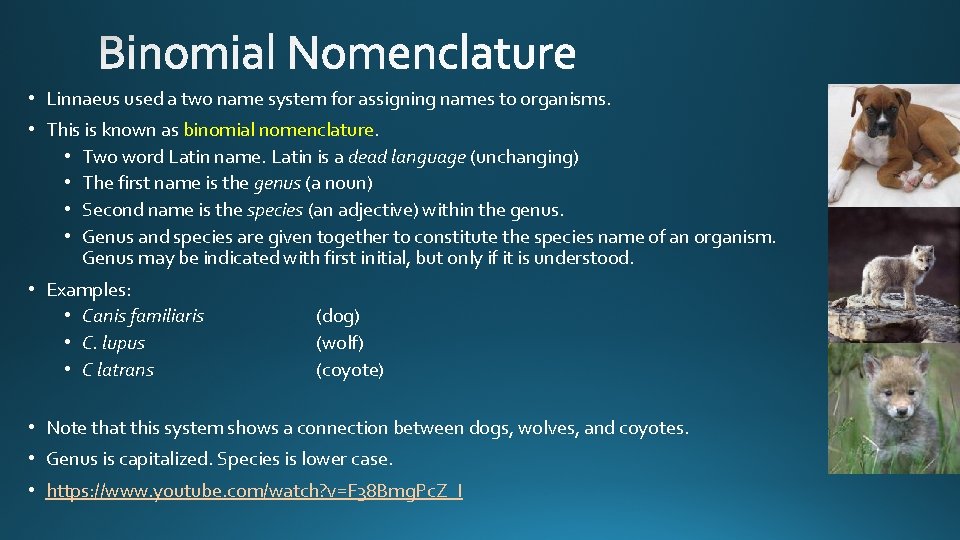
• Linnaeus used a two name system for assigning names to organisms. • This is known as binomial nomenclature. • Two word Latin name. Latin is a dead language (unchanging) • The first name is the genus (a noun) • Second name is the species (an adjective) within the genus. • Genus and species are given together to constitute the species name of an organism. Genus may be indicated with first initial, but only if it is understood. • Examples: • Canis familiaris • C. lupus • C latrans (dog) (wolf) (coyote) • Note that this system shows a connection between dogs, wolves, and coyotes. • Genus is capitalized. Species is lower case. • https: //www. youtube. com/watch? v=F 38 Bmg. Pc. Z_I
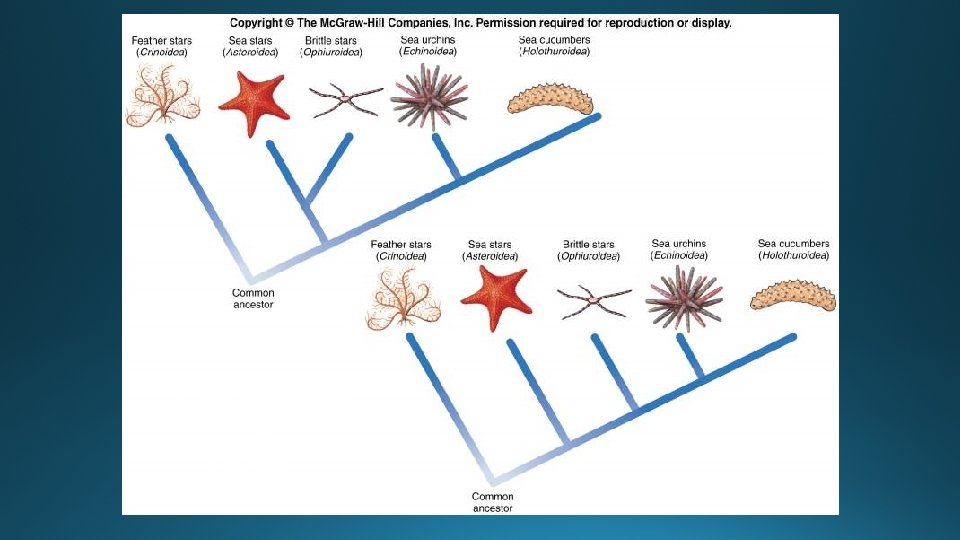
Classification Is Tricky…
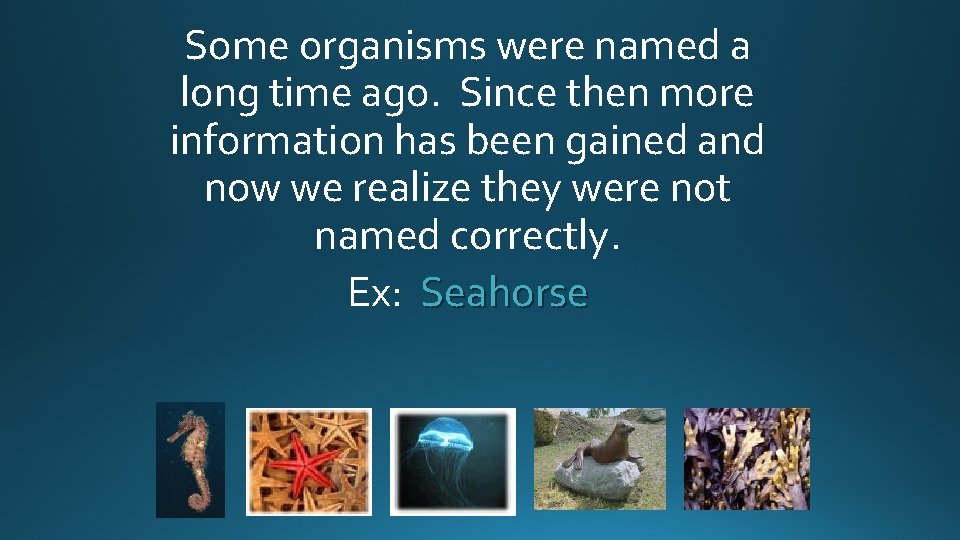
Some organisms were named a long time ago. Since then more information has been gained and now we realize they were not named correctly. Ex: Seahorse
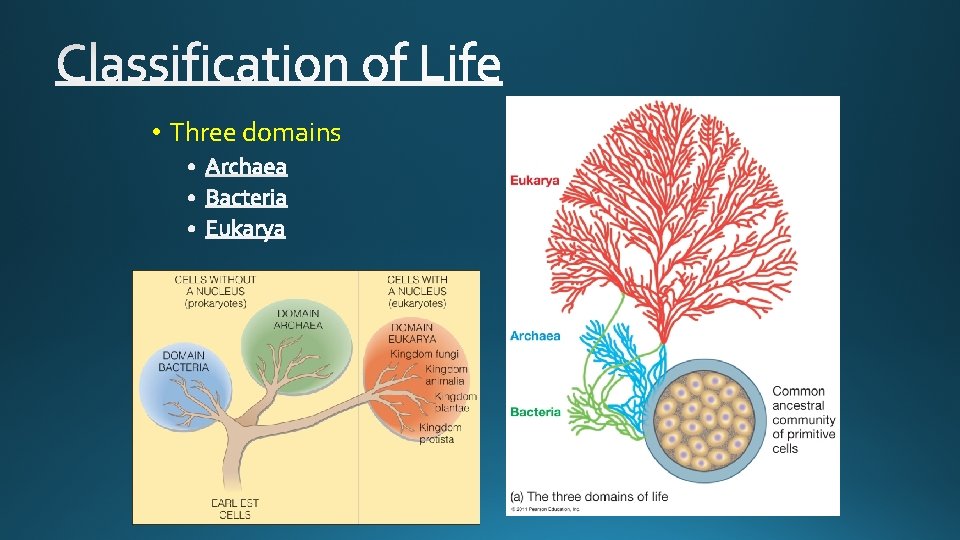
• Three domains
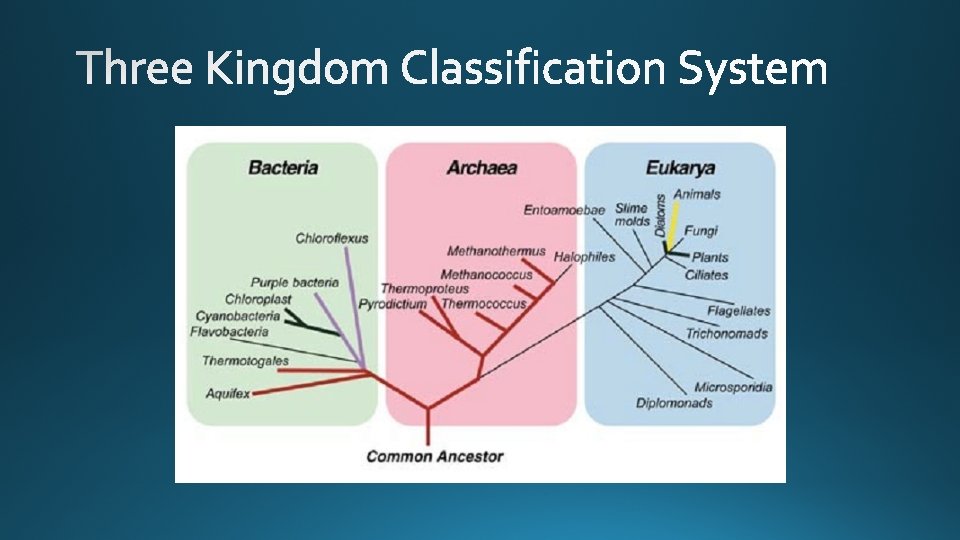
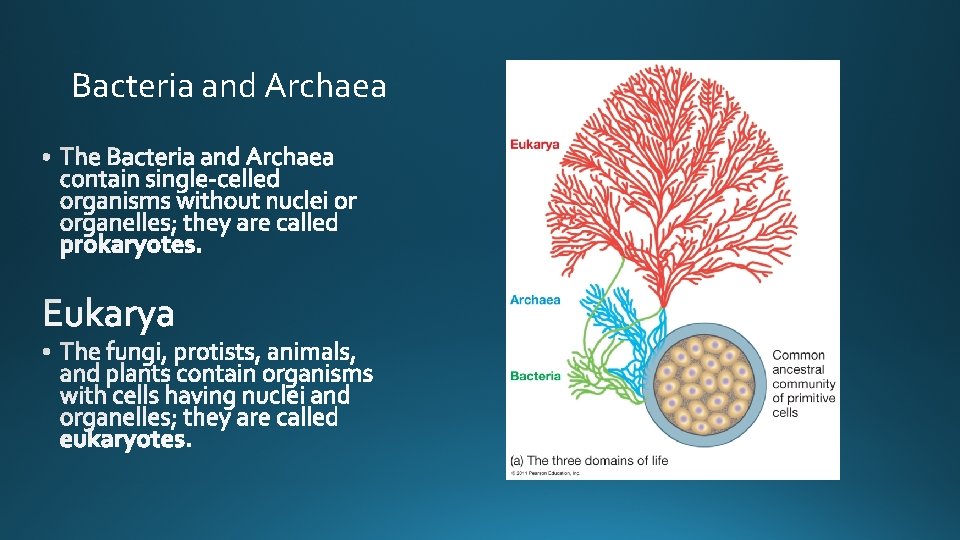
Bacteria and Archaea
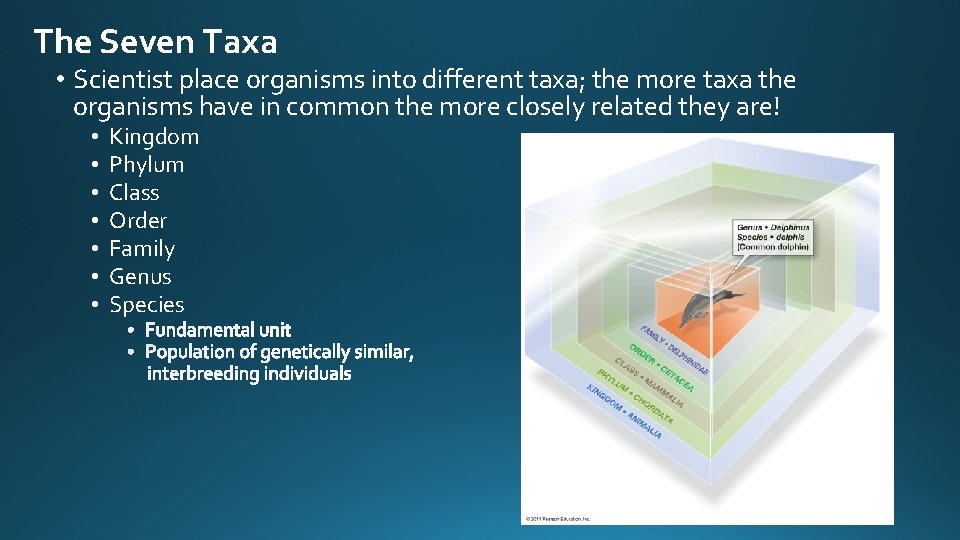
The Seven Taxa • Scientist place organisms into different taxa; the more taxa the organisms have in common the more closely related they are! • • Kingdom Phylum Class Order Family Genus Species
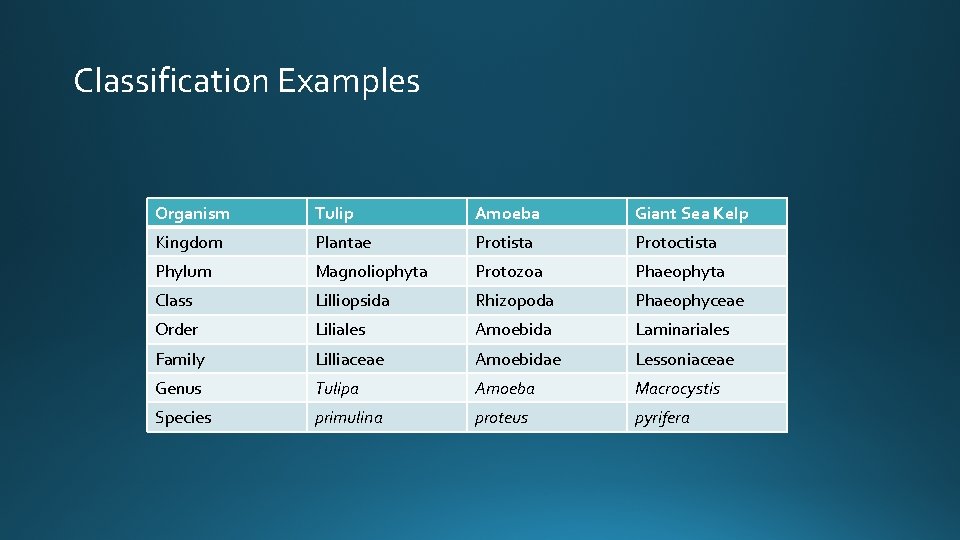
Classification Examples Organism Tulip Amoeba Giant Sea Kelp Kingdom Plantae Protista Protoctista Phylum Magnoliophyta Protozoa Phaeophyta Class Lilliopsida Rhizopoda Phaeophyceae Order Liliales Amoebida Laminariales Family Lilliaceae Amoebidae Lessoniaceae Genus Tulipa Amoeba Macrocystis Species primulina proteus pyrifera
Dichotomous Keys A dichotomous key is a tool that allows the user to determine the identity of items in the natural world based on the items characteristics "Dichotomous" means “divided into two parts” Greek origin dichotomous keys always give two distinct choices in each step, often they are opposites Black/white; wings/no wings
• Adaptation Natural Selection
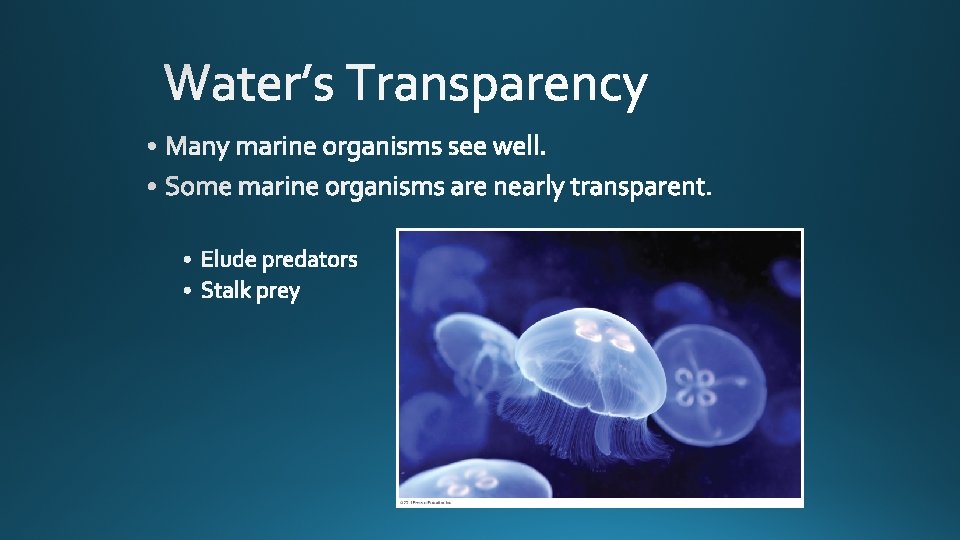
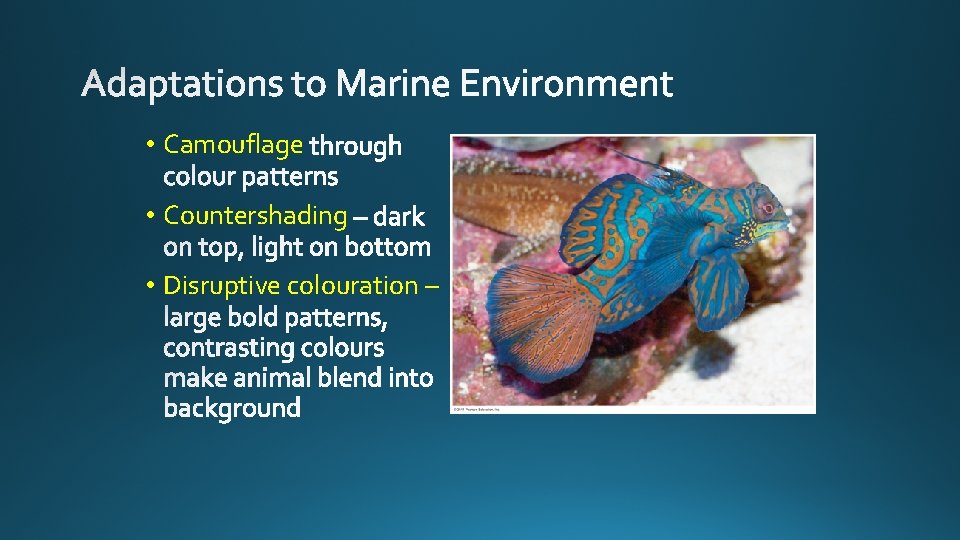
• Camouflage • Countershading • Disruptive colouration –
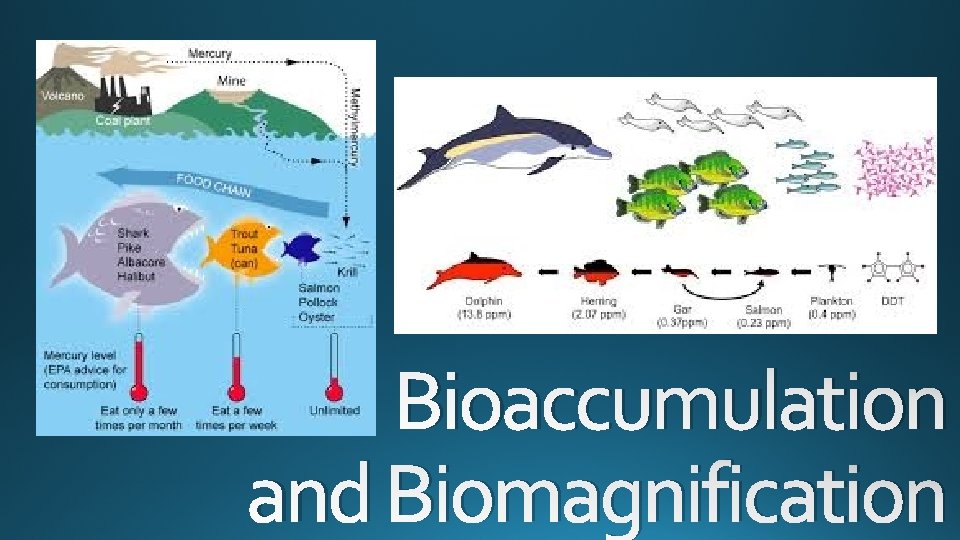
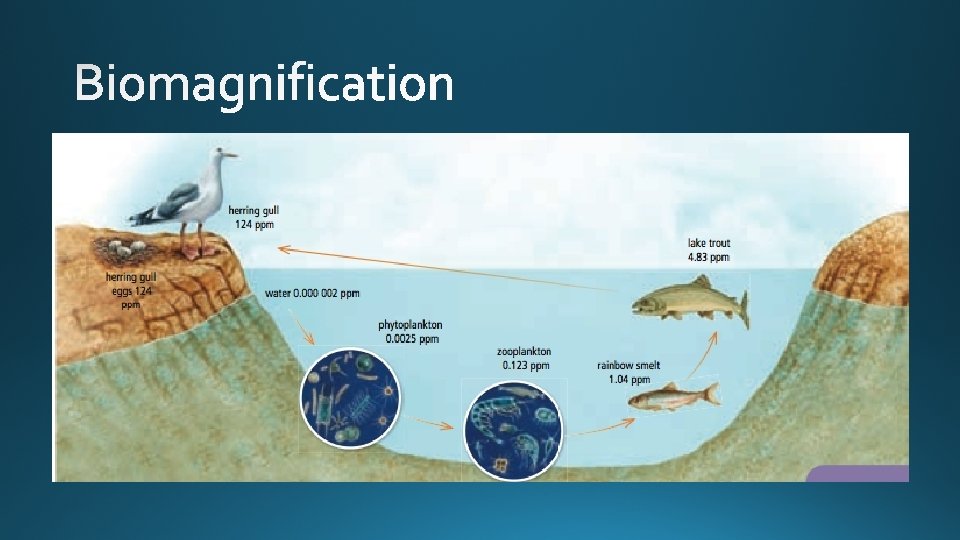
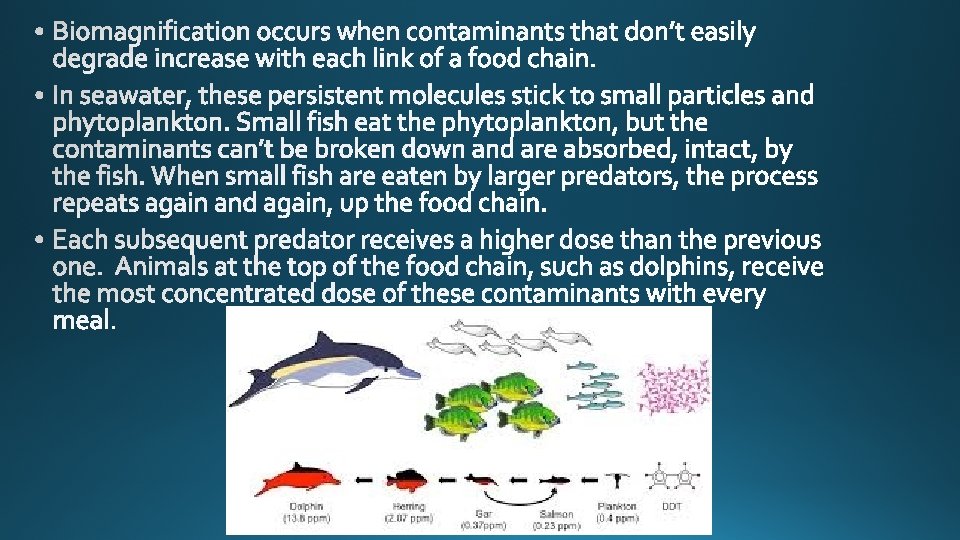
Bioaccumulation and Biomagnification
- Slides: 72