
Unit 2 Mapping Our World The shape of
- Slides: 25
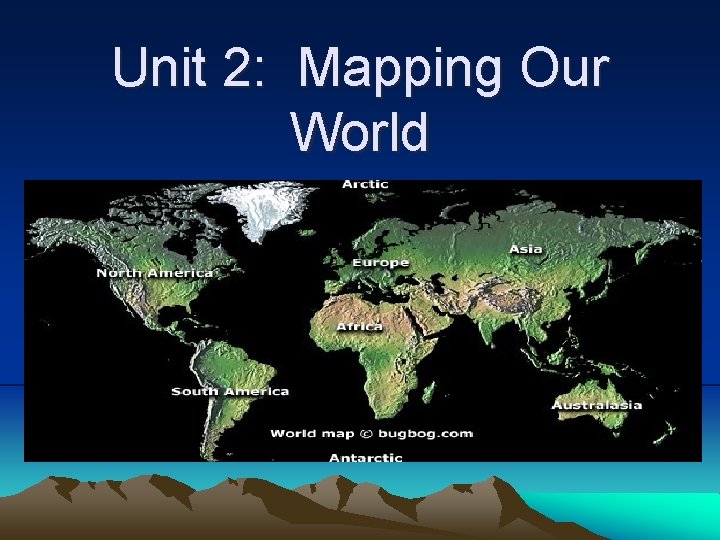
Unit 2: Mapping Our World
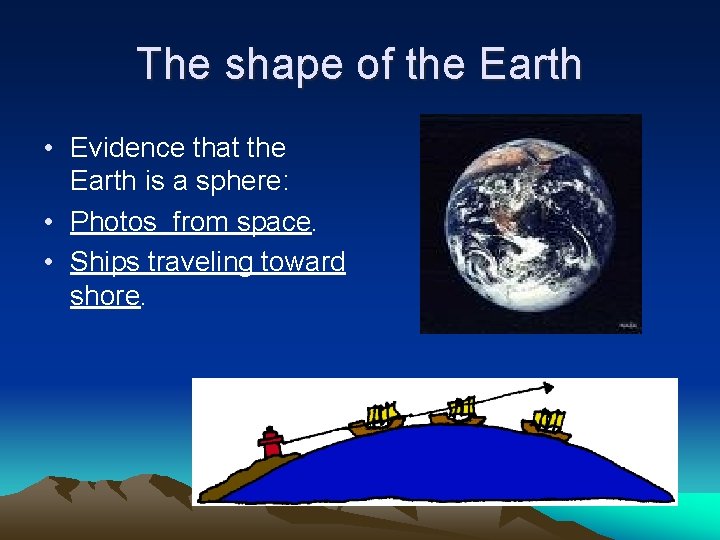
The shape of the Earth • Evidence that the Earth is a sphere: • Photos from space. • Ships traveling toward shore.
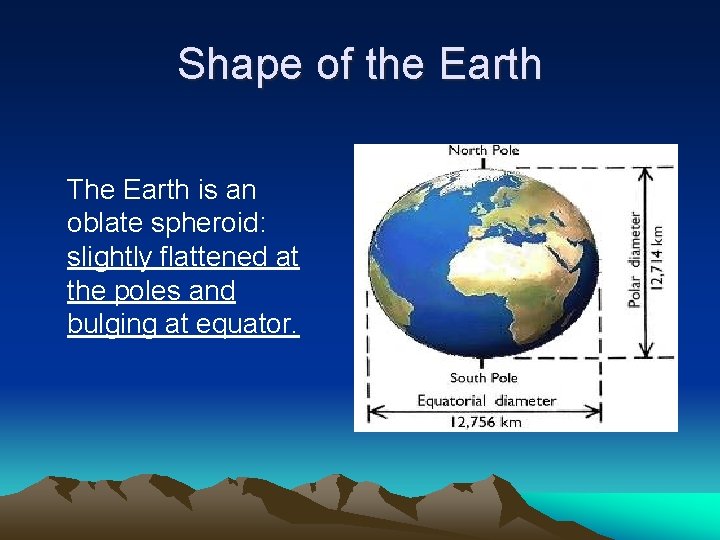
Shape of the Earth The Earth is an oblate spheroid: slightly flattened at the poles and bulging at equator.
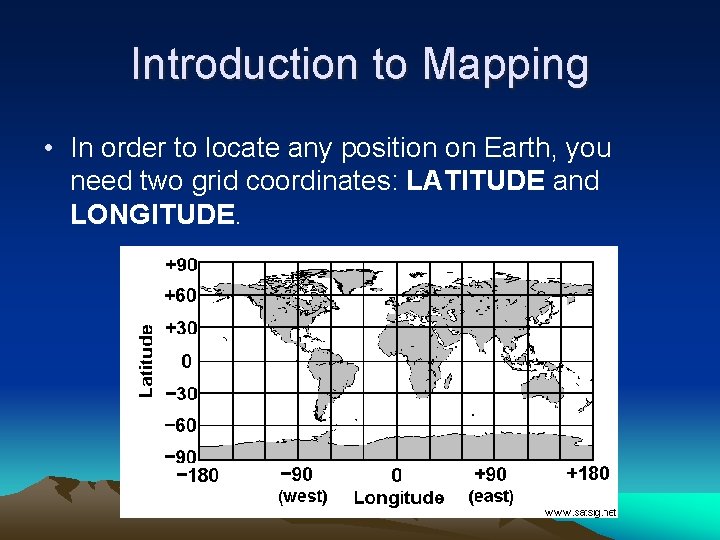
Introduction to Mapping • In order to locate any position on Earth, you need two grid coordinates: LATITUDE and LONGITUDE.
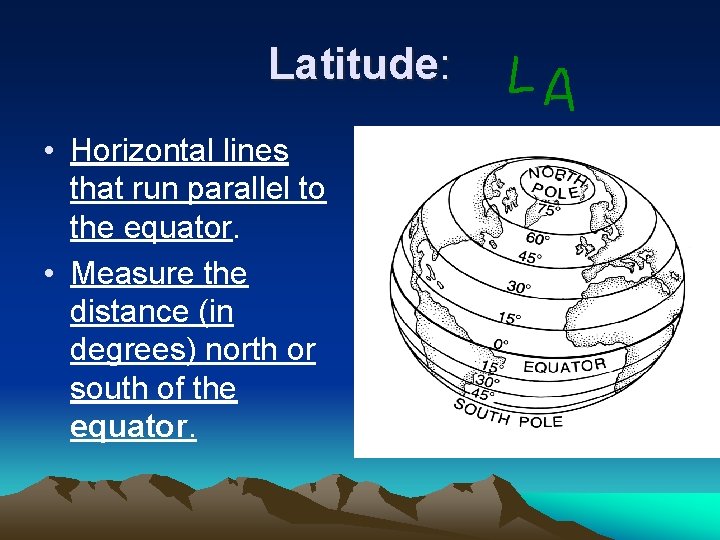
Latitude: • Horizontal lines that run parallel to the equator. • Measure the distance (in degrees) north or south of the equator.
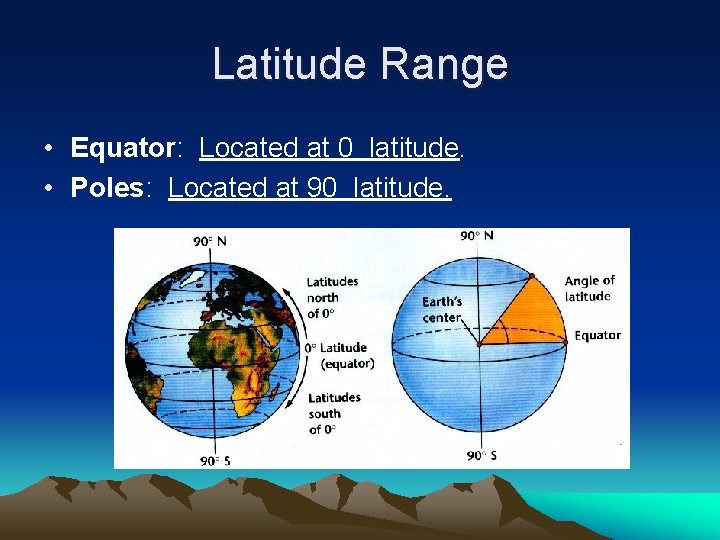
Latitude Range • Equator: Located at 0 latitude. • Poles: Located at 90 latitude.
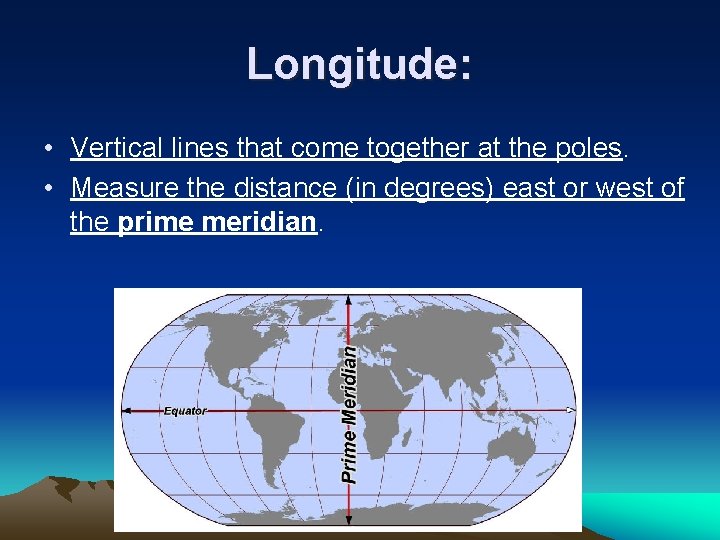
Longitude: • Vertical lines that come together at the poles. • Measure the distance (in degrees) east or west of the prime meridian.
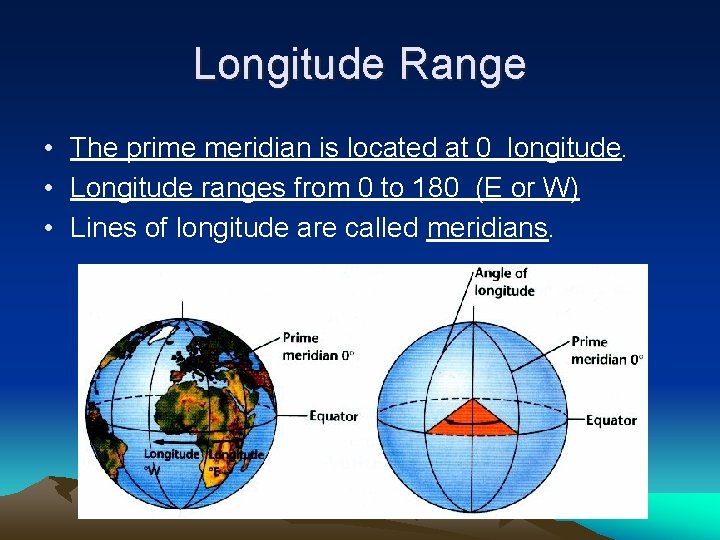
Longitude Range • The prime meridian is located at 0 longitude. • Longitude ranges from 0 to 180 (E or W) • Lines of longitude are called meridians.
Measuring longitude and latitude • Both longitude and latitude are measured in degrees. • Degrees can be broken down into smaller units called minutes (symbol = ‘). • Minutes are then broken down into seconds (symbol = “) • Corcoran’s latitude is 43° 01’ 4. 3” N • Corcoran’s longitude is 76 ° 10’ 25. 4” W
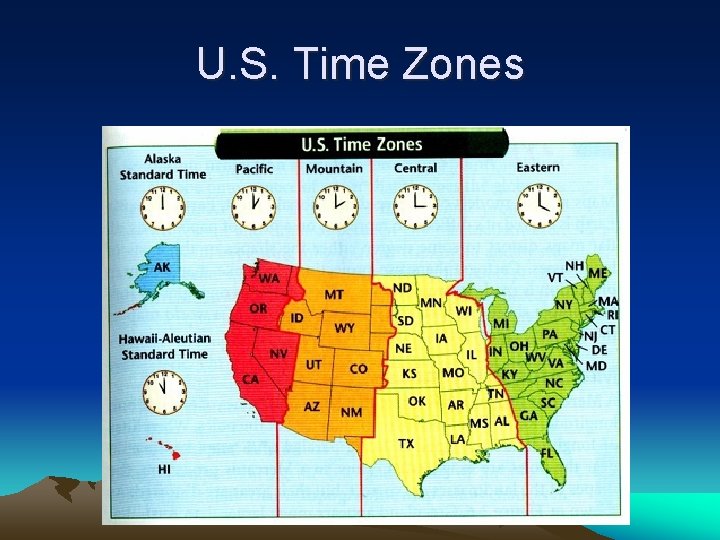
Using longitude to tell time. • • • The Earth rotates 360 ° in 24 hours (1 day). 360° ÷ 24 = 15° Therefore: Earth rotates 15 ° per hour. 15 of longitude is equal to 1 hour. The United States has four time zones. Places with the same longitude have the same time.
U. S. Time Zones
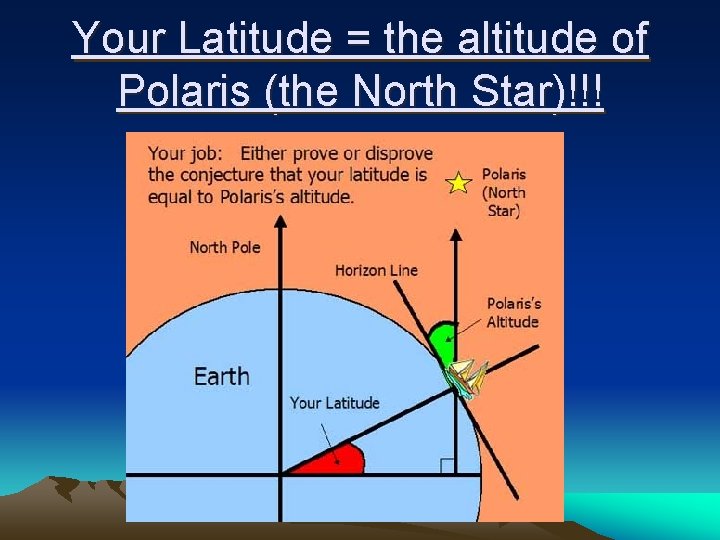
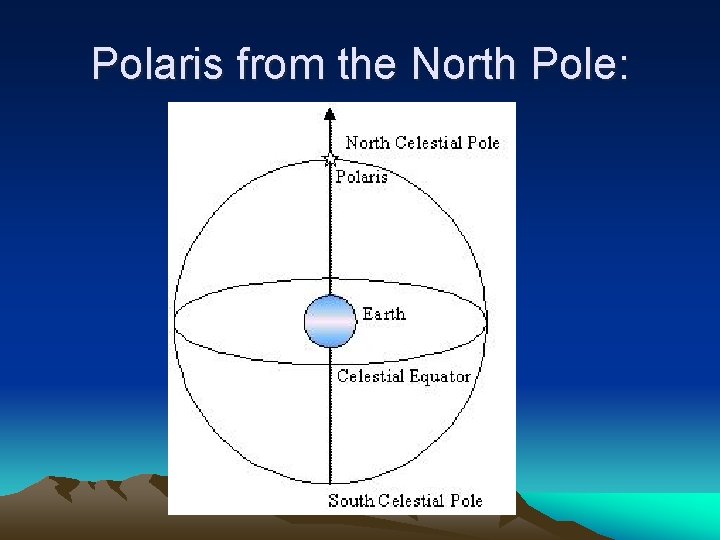
Your Latitude = the altitude of Polaris (the North Star)!!!
Polaris from the North Pole:
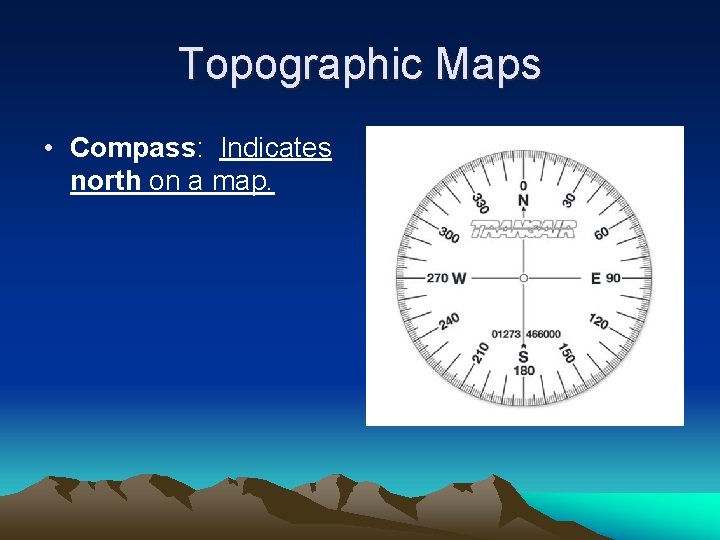
Topographic Maps • Compass: Indicates north on a map.
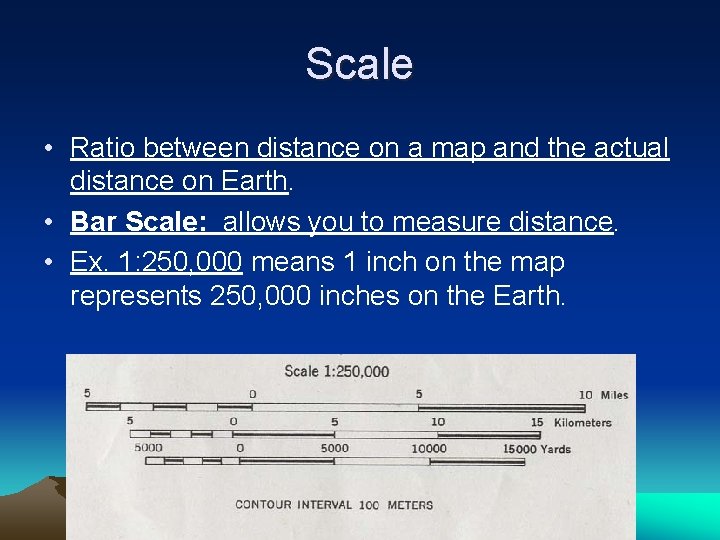
Scale • Ratio between distance on a map and the actual distance on Earth. • Bar Scale: allows you to measure distance. • Ex. 1: 250, 000 means 1 inch on the map represents 250, 000 inches on the Earth.
Map Colors • Blue = Water • Green = vegetation (usually trees) • Black/Red = man-made features (roads, buildings) • Brown = Contour lines that show elevation
Isolines • Connect points of equal value.
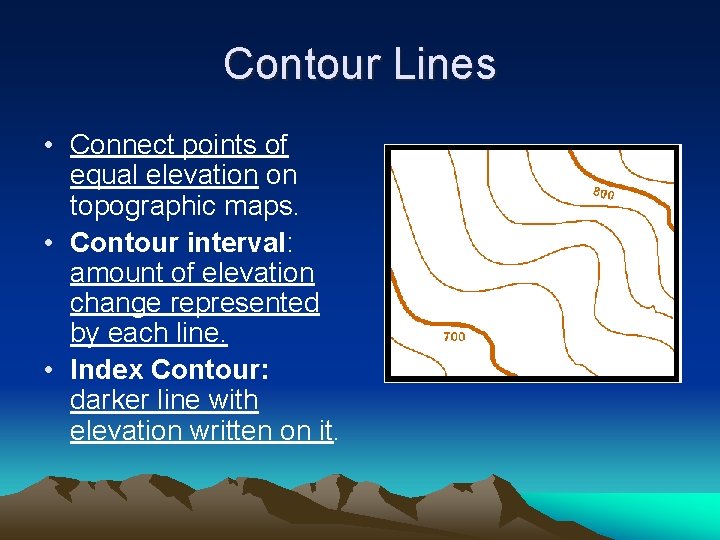
Contour Lines • Connect points of equal elevation on topographic maps. • Contour interval: amount of elevation change represented by each line. • Index Contour: darker line with elevation written on it.
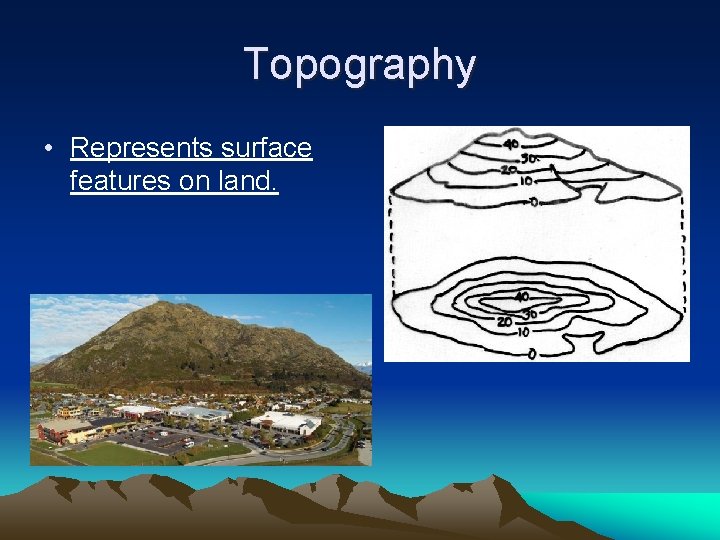
Topography • Represents surface features on land.
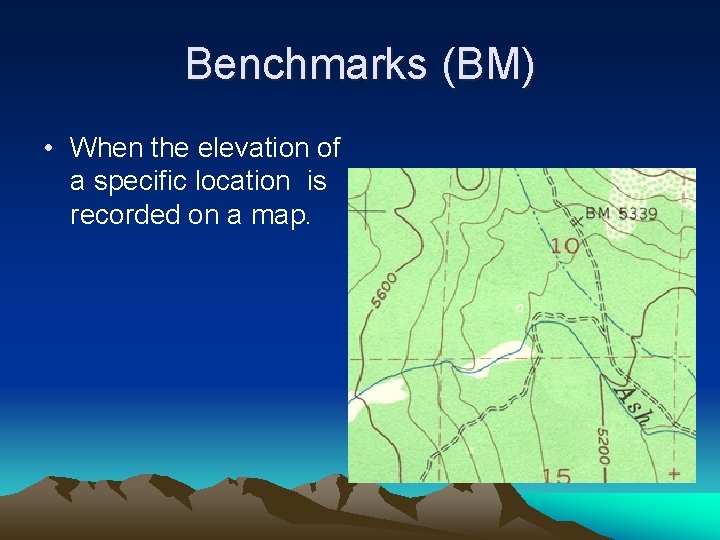
Benchmarks (BM) • When the elevation of a specific location is recorded on a map.
Calculating Gradient (how steep is the land? ) • • • Gradient= change in field value ÷ distance. Field Value = elevation on map. Use scale to measure the distance. Divide change in elevation by distance. Include Units – ft/mile, m/km.
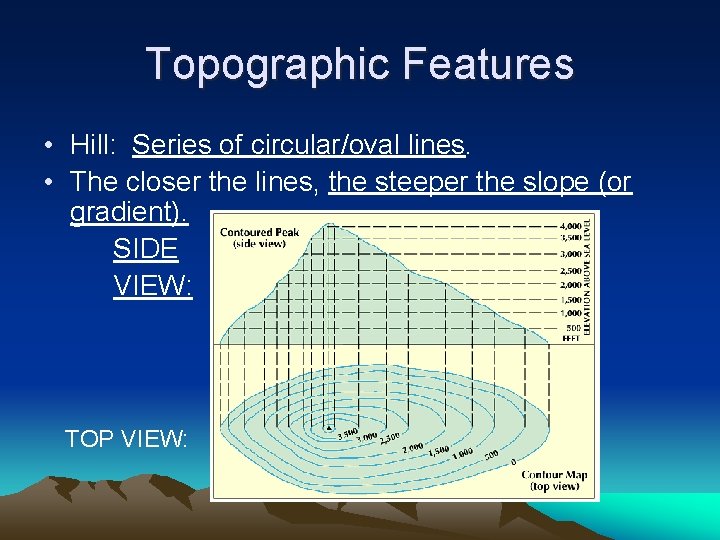
Topographic Features • Hill: Series of circular/oval lines. • The closer the lines, the steeper the slope (or gradient). SIDE VIEW: TOP VIEW:
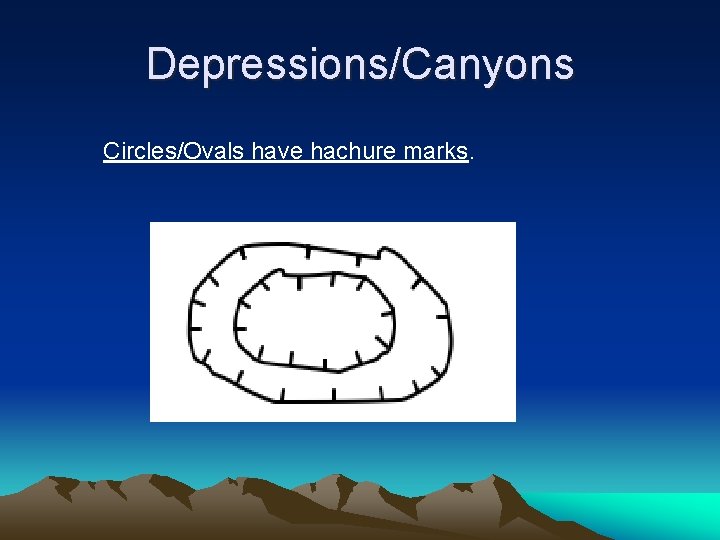
Depressions/Canyons Circles/Ovals have hachure marks.
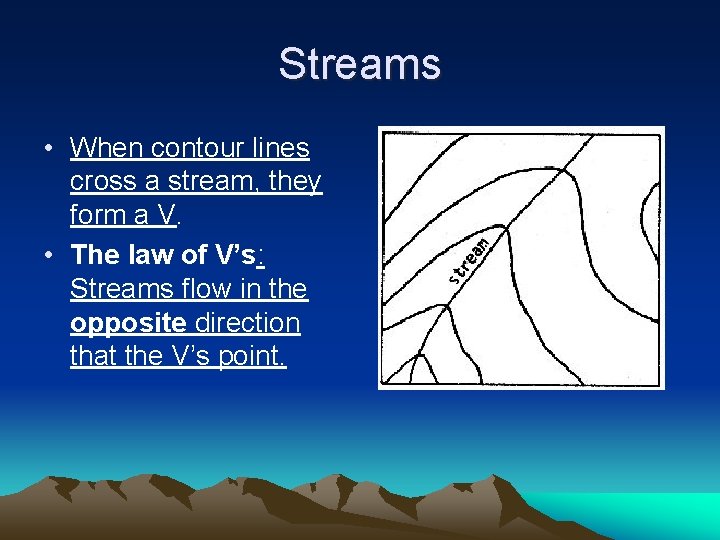
Streams • When contour lines cross a stream, they form a V. • The law of V’s: Streams flow in the opposite direction that the V’s point.
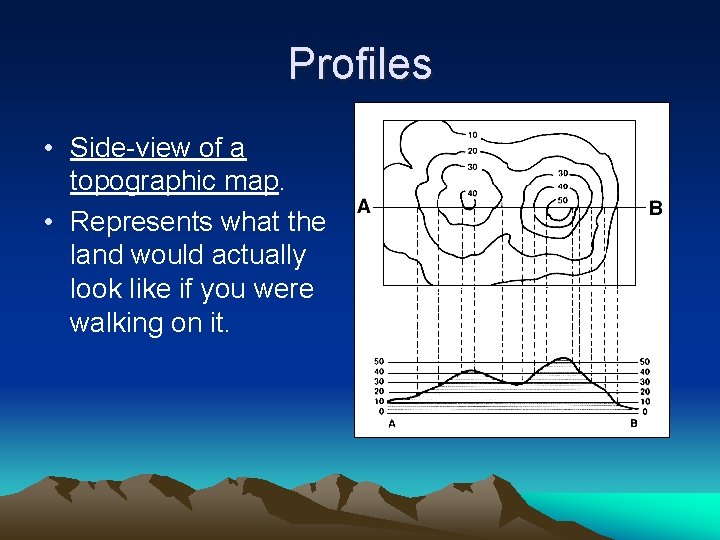
Profiles • Side-view of a topographic map. • Represents what the land would actually look like if you were walking on it.