
Unit 2 Lesson 7 Neolithic Settlement Surplus Specialization











- Slides: 24
Unit 2 Lesson 7 Neolithic Settlement, Surplus, Specialization and Social Institutions
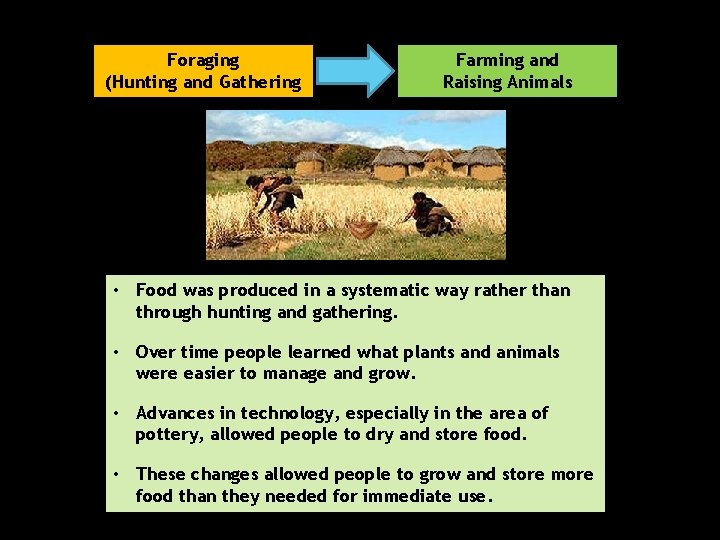
Foraging (Hunting and Gathering Farming and Raising Animals • Food was produced in a systematic way rather than through hunting and gathering. • Over time people learned what plants and animals were easier to manage and grow. • Advances in technology, especially in the area of pottery, allowed people to dry and store food. • These changes allowed people to grow and store more food than they needed for immediate use.
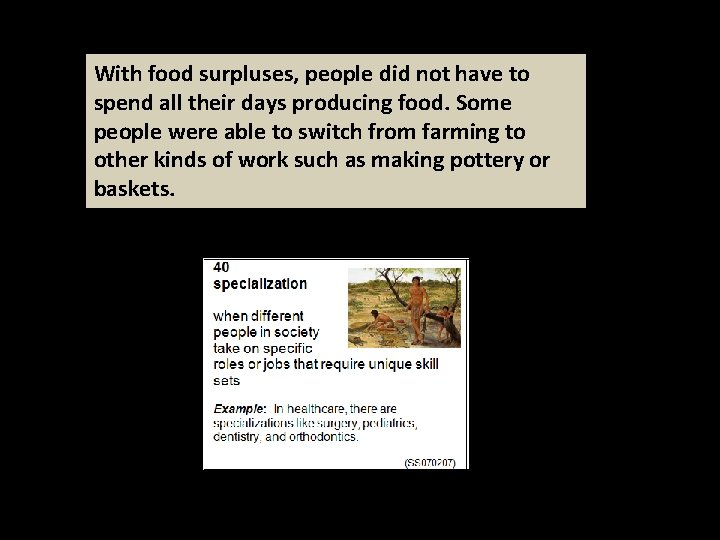
With food surpluses, people did not have to spend all their days producing food. Some people were able to switch from farming to other kinds of work such as making pottery or baskets.
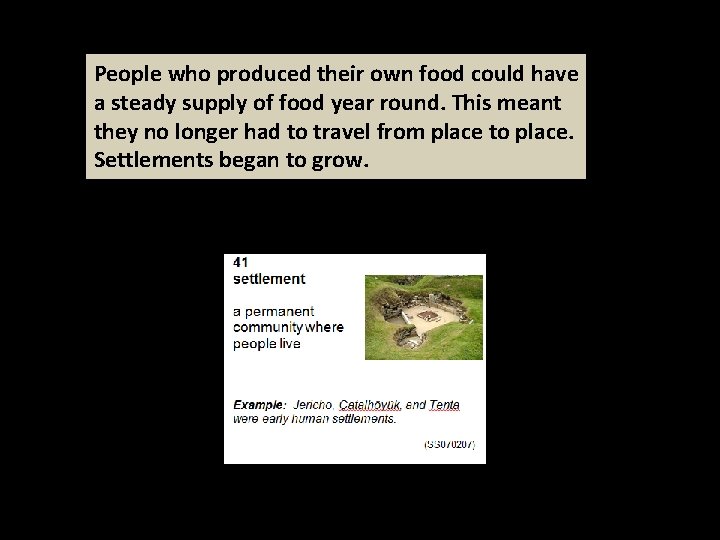
People who produced their own food could have a steady supply of food year round. This meant they no longer had to travel from place to place. Settlements began to grow.
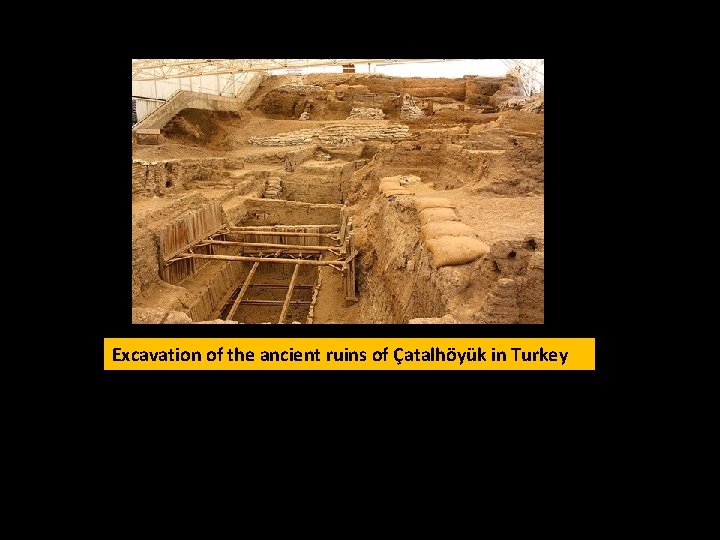
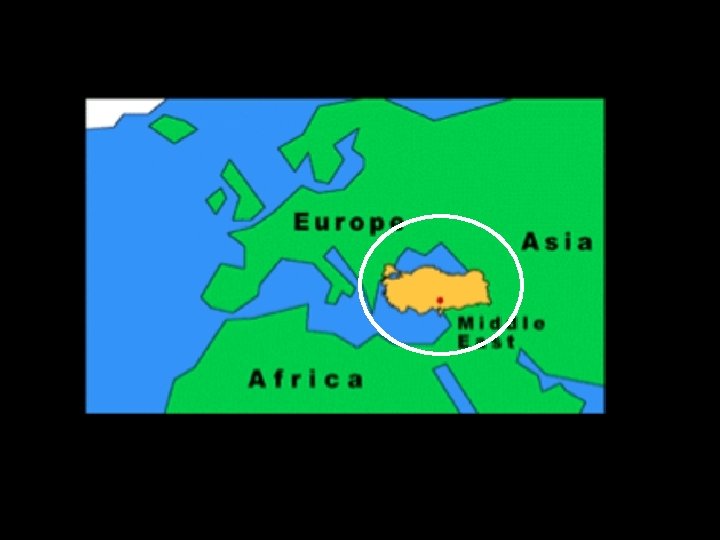
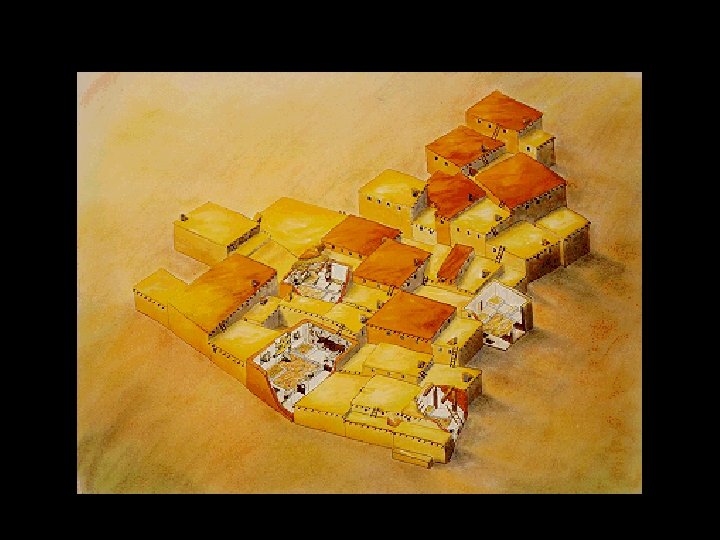
Excavation of the ancient ruins of Çatalhöyük in Turkey
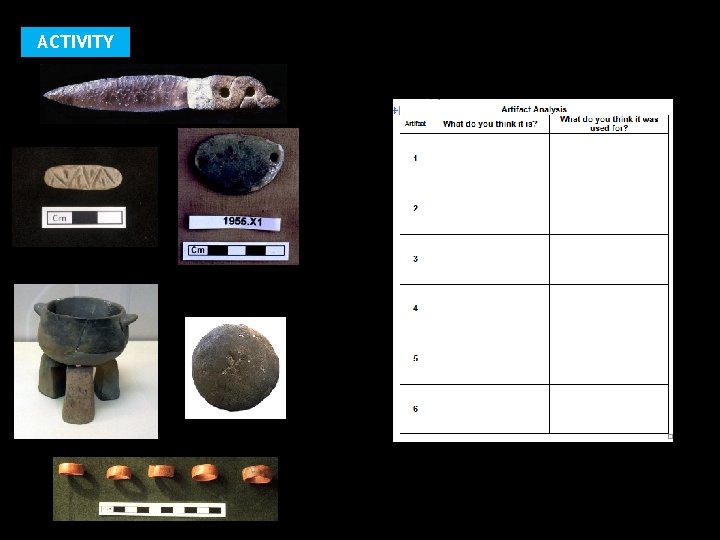
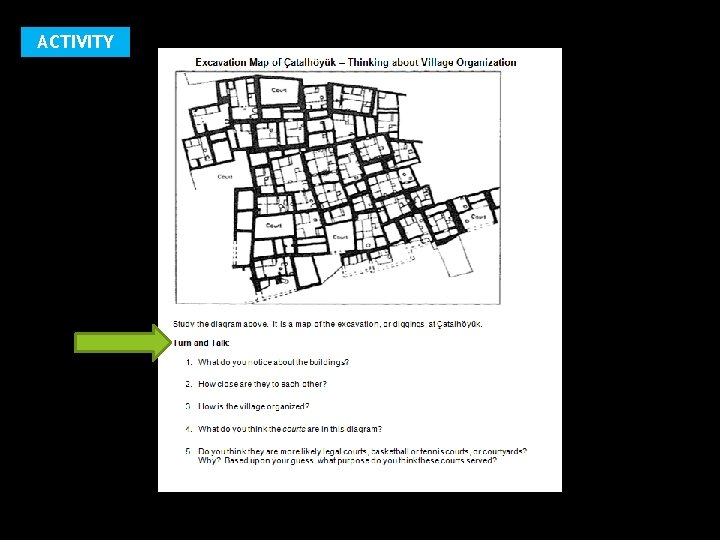
ACTIVITY
Flint ceremonial dagger from male burial with a handle in shape of snake
Clay stamp seals
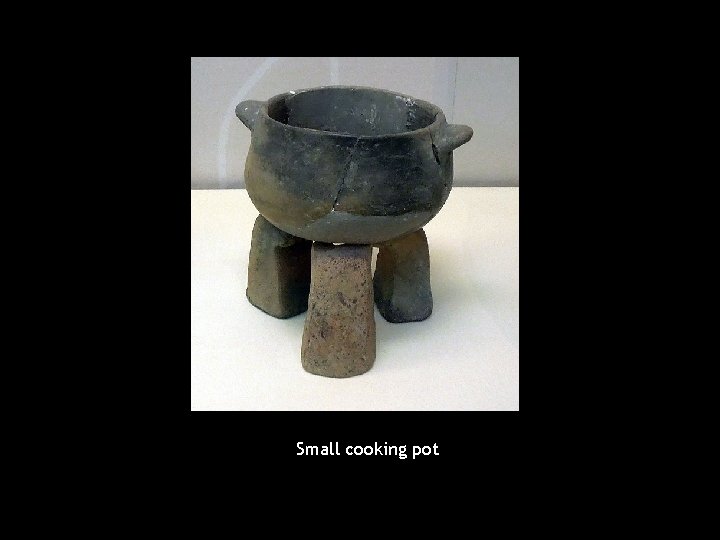
Small cooking pot
a green stone pendant/belt fastener found with a female burial
Bone rings
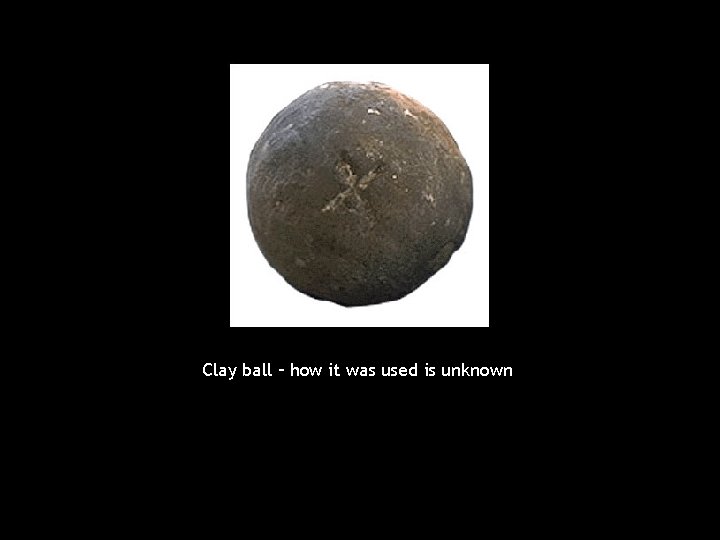
Clay ball – how it was used is unknown
HOMEWORK ACTIVITY
ACTIVITY
ACTIVITY
ACTIVITY
ACTIVITY
Perspectives on the Past Why did foragers not develop villages like the one you have been investigating? How was daily life different for people living in agricultural villages like Çatalhöyük compared to life in foraging communities?
Lesson Summary • Farming allowed people to develop food surpluses and changes in technology allowed people to store food. These developments permitted population growth and resulted in the settlement of denser populations. • Because there was a larger population with a food surplus, not everyone had to put their energy into food production. People began to specialize in new types of jobs that were needed in these agrarian, village based societies. • New problems emerged as people lived in larger groups in settled villages, and social institutions changed and developed to respond to these changes. • Settled villages required people to gather, produce, and use their resources in new ways.