
UNIT 2 Genetic Processes What is genetics Genetics
- Slides: 14
UNIT 2: Genetic Processes
What is genetics? • Genetics is the study of heredity and the variation of inherited characteristics – how genetic information is passed from one generation to the next • But to understand these processes, we must first review the mechanism by which cells divide.
Agenda Chapter 4: Cell Division and Genetic Material • Stages of the Cell Cycle • Mitosis • The Structure of Genetic Material
Cell Theory 1. All living things are composed of one or more cells 2. Cells are the smallest units of living organisms 3. New cells come only from preexisting cells by cell division
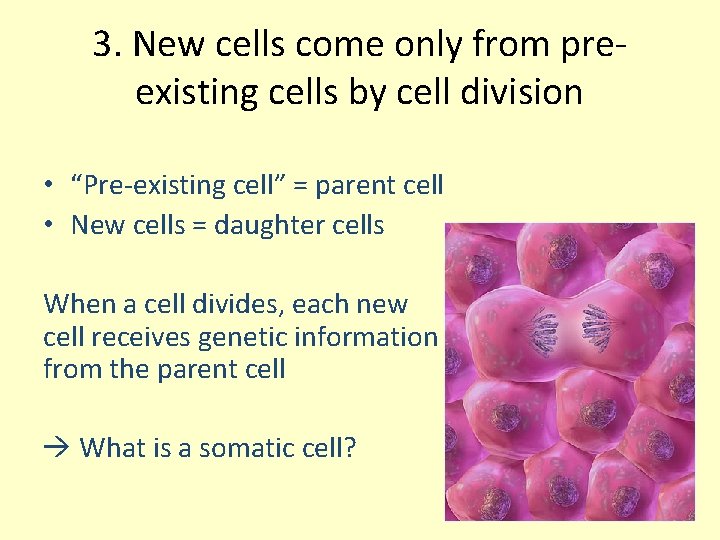
3. New cells come only from preexisting cells by cell division • “Pre-existing cell” = parent cell • New cells = daughter cells When a cell divides, each new cell receives genetic information from the parent cell What is a somatic cell?
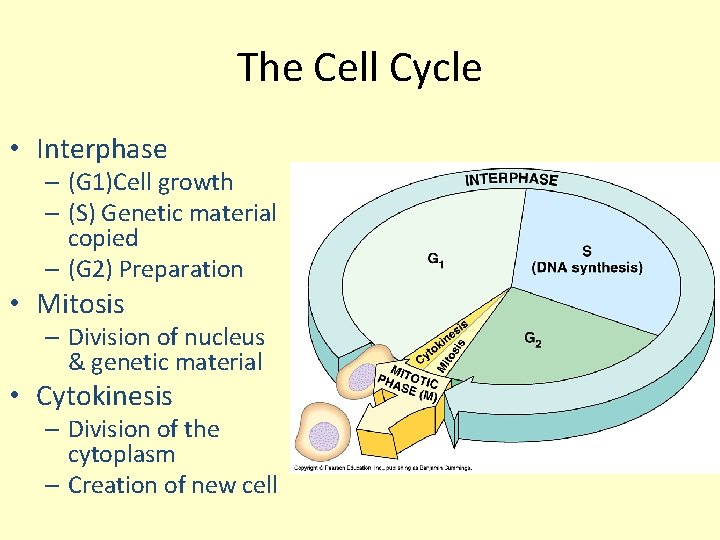
The Cell Cycle • Interphase – (G 1)Cell growth – (S) Genetic material copied – (G 2) Preparation • Mitosis – Division of nucleus & genetic material • Cytokinesis – Division of the cytoplasm – Creation of new cell
Mitosis The key activity of mitosis is the accurate separation of the cell’s replicated DNA • • Prophase Metaphase Anaphase Telophase Cytokinesis • Animal cells vs Plant Cells vs Prokaryotic Cells
Key Words • • • Chromatin (Interphase) Chromosome (in Prophase vs Anaphase) (Sister) Chromatids Centromere Spindle fibres Centrosomes
What is Cancer? • Occurs when something interferes with signals that regulate cell growth • The result of uncontrolled, rapid, cell division • Cancer cells divide so quickly that it results in a mass of cells that accumulate and form a tumor
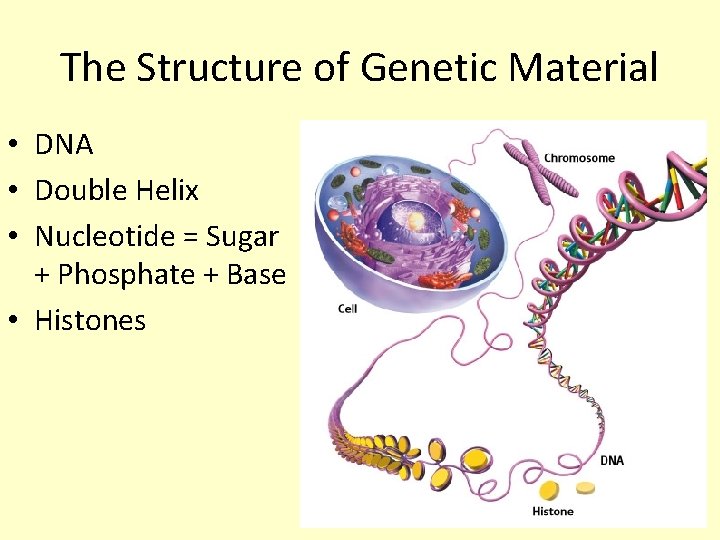
The Structure of Genetic Material • DNA • Double Helix • Nucleotide = Sugar + Phosphate + Base • Histones
Chromosome Pairing The number of individual chromosomes in each cell varies from one species to the next • Human somatic cells have 46 chromosomes – How many chromosomes are in gametes? • In each pair, one chromosome came from the father and the other came from the mother • Humans have one pair of sex chromosomes and 22 pairs of autosomes.
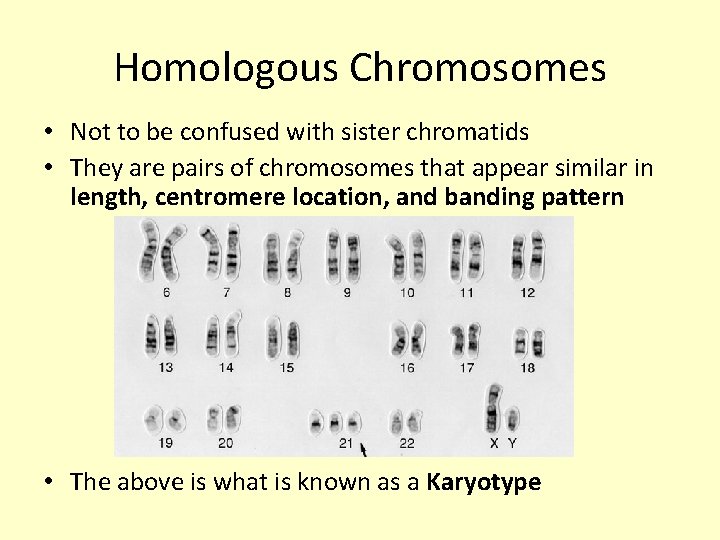
Homologous Chromosomes • Not to be confused with sister chromatids • They are pairs of chromosomes that appear similar in length, centromere location, and banding pattern • The above is what is known as a Karyotype
Homologous Chromosomes … are NOT identical • Have the same genes but different alleles Gene: a part of a chromosome that codes for a certain trait (with a specific DNA sequence) Allele: a different form of the same gene Different “forms” account for differences in specific traits such as hair colour
Homework • Handout to be completed and submitted by Wednesday • Pg. 168 #1, 3, 5, 10 -14 Misslucilaresources. wordpress. com