
Unit 2 Cells and Tissues Levels of Organization
- Slides: 30
Unit 2 - Cells and Tissues
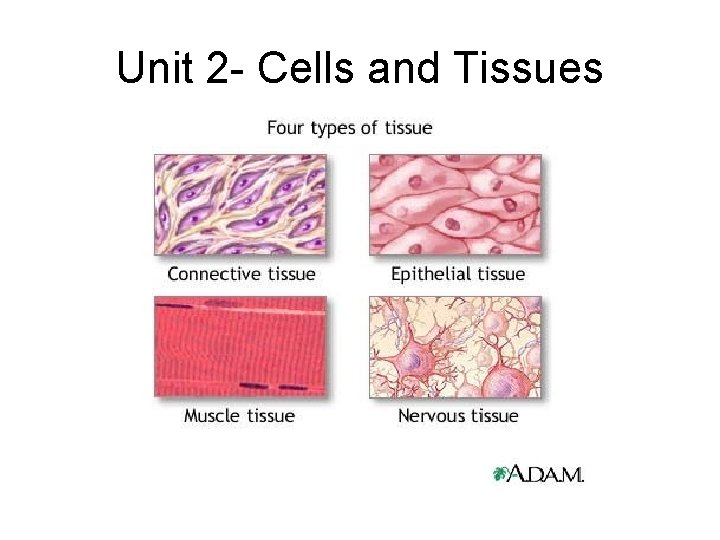
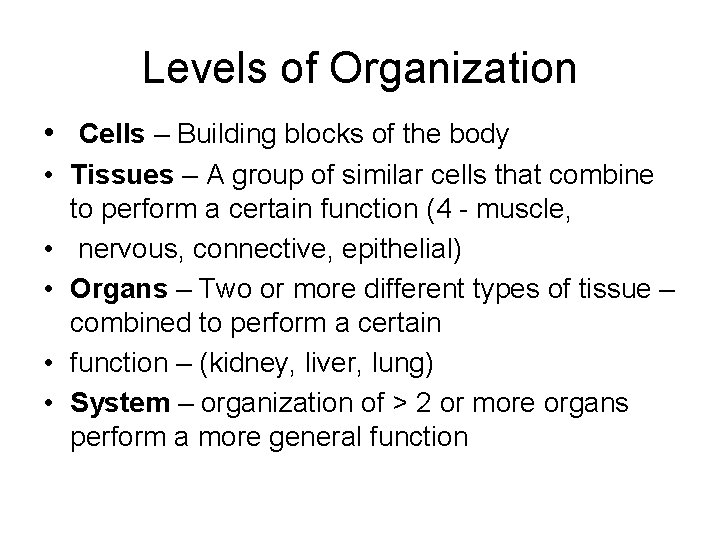
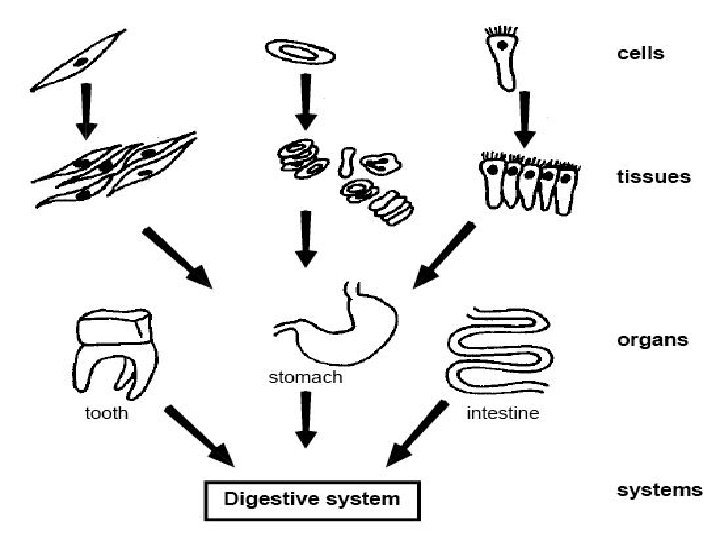
Levels of Organization • Cells – Building blocks of the body • Tissues – A group of similar cells that combine to perform a certain function (4 - muscle, • nervous, connective, epithelial) • Organs – Two or more different types of tissue – combined to perform a certain • function – (kidney, liver, lung) • System – organization of > 2 or more organs perform a more general function
Histology-study of tissues • • • 4 types of tissue in the body epithelial connective muscular nervous
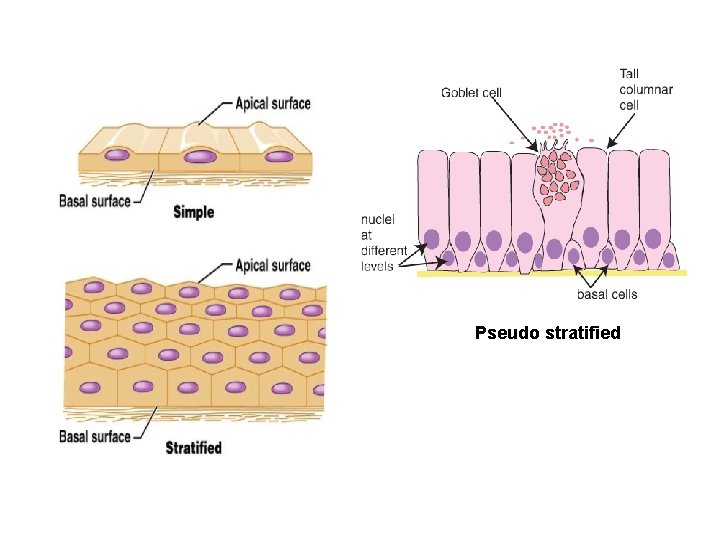
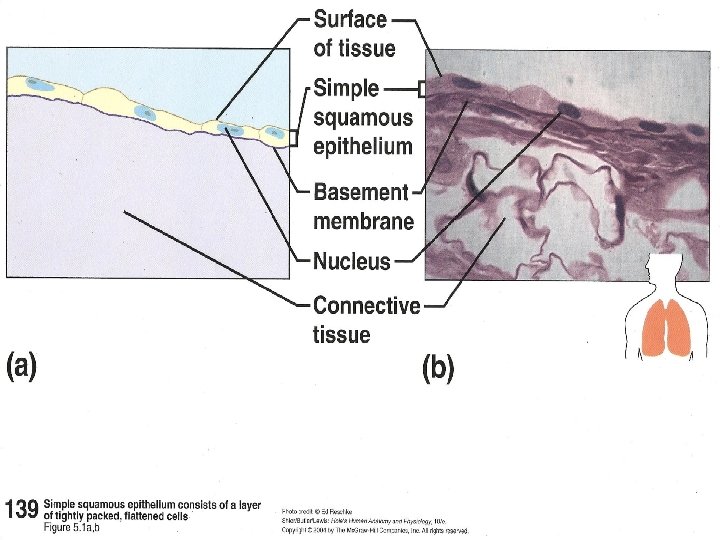
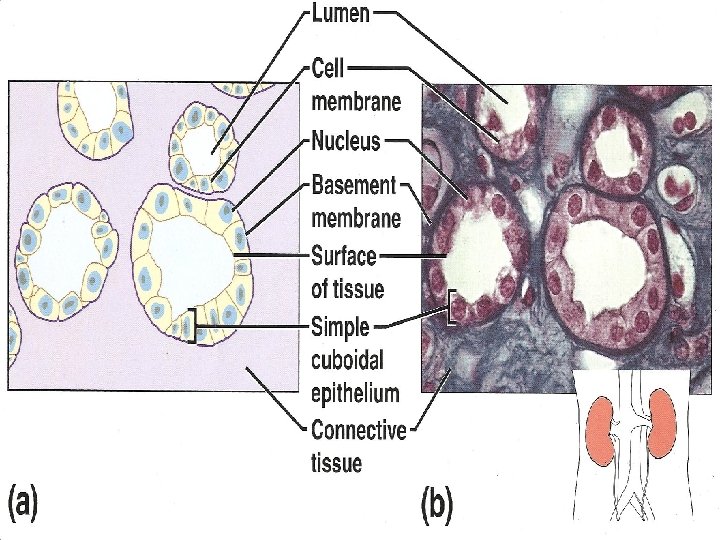
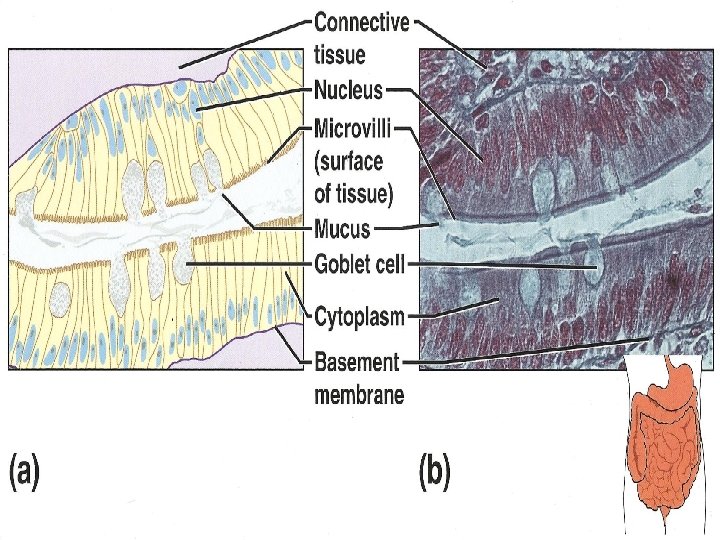
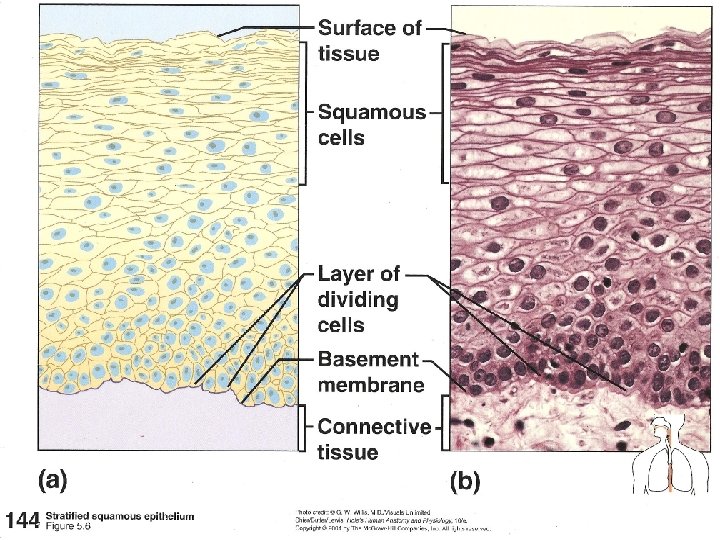
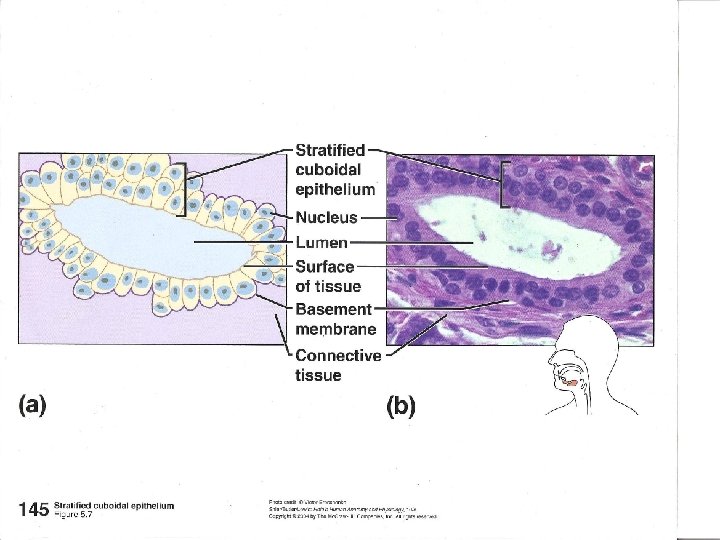
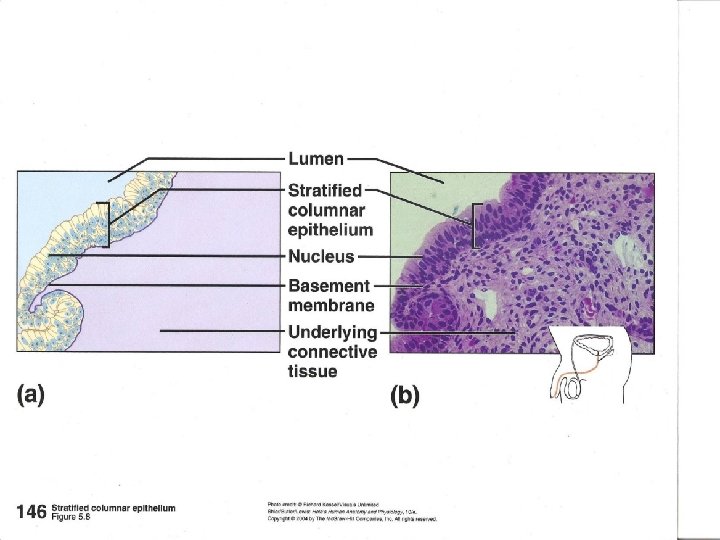
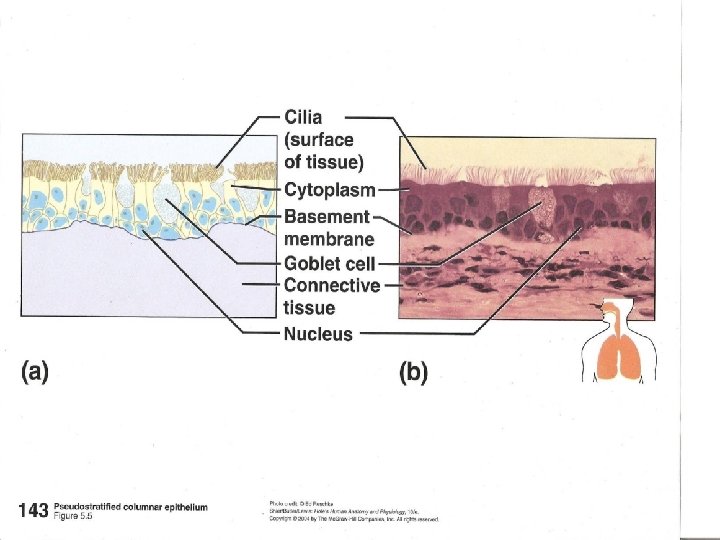
Epithelial Tissue Arrangements: • Simple- Cells are found in a single layer attached to the basement membrane • Stratified- Cells are found in 2 or more layers stacked atop each other • Pseudostratified- a single layer of cells that appears to be multiple layers due to variance in height and location of the nuclei in the cells.
Pseudo stratified
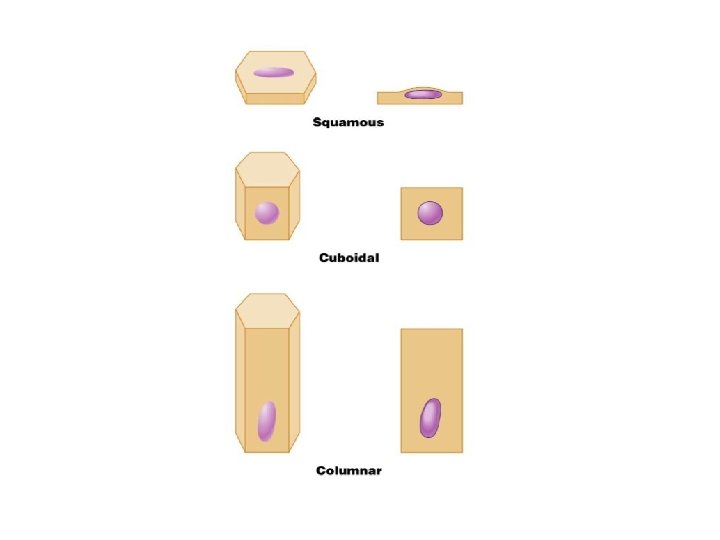
Epithelial Tissue Shapes: • Squamous- (Latin, squama- scale)- flat, thin, scale-like cells • Cuboidal- cells that have a basic cube shape. Typically the cell's height and width are about equal. • Columnar- tall, rectangular or column-shaped cells. Typically taller than they are wide.
Epithelial characteristics: • • major tissue of glands inner lining of body cavities inner lining of hollow organs anchored to connective tissue by a basement membrane • lacks blood vessels
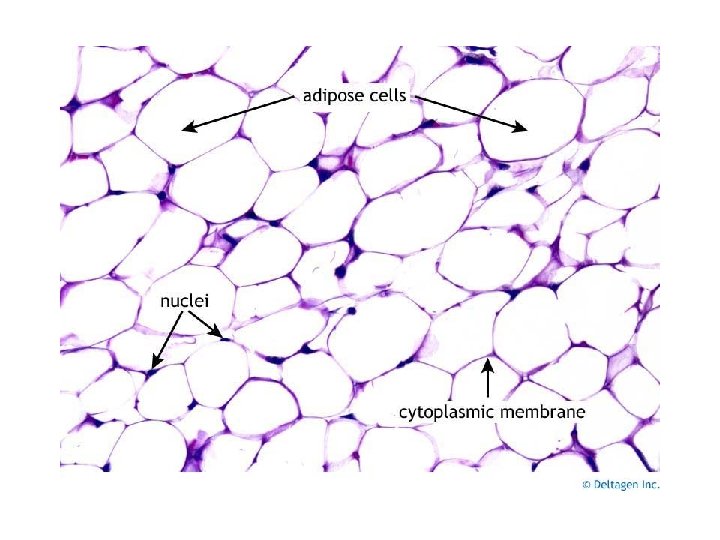
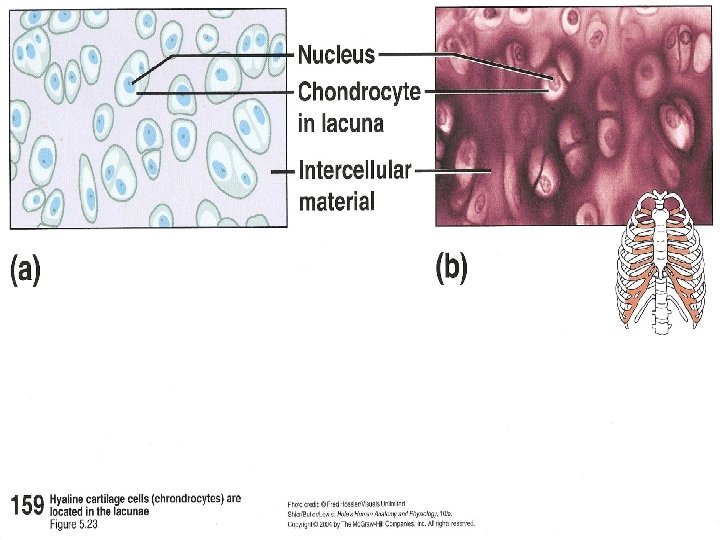
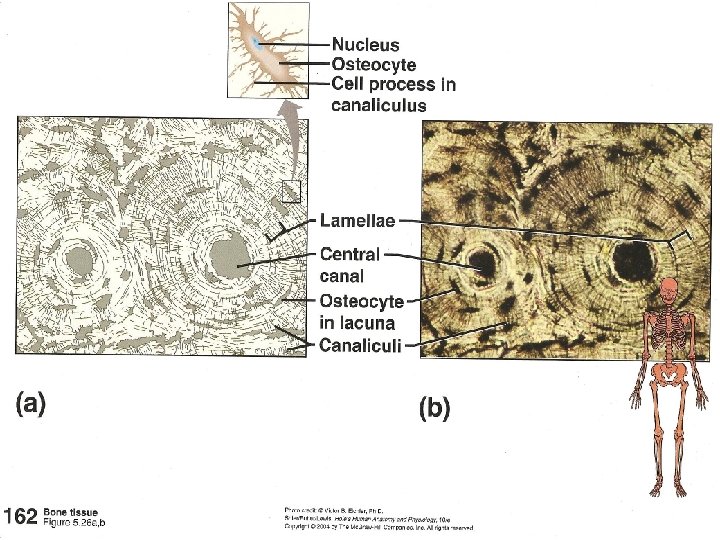
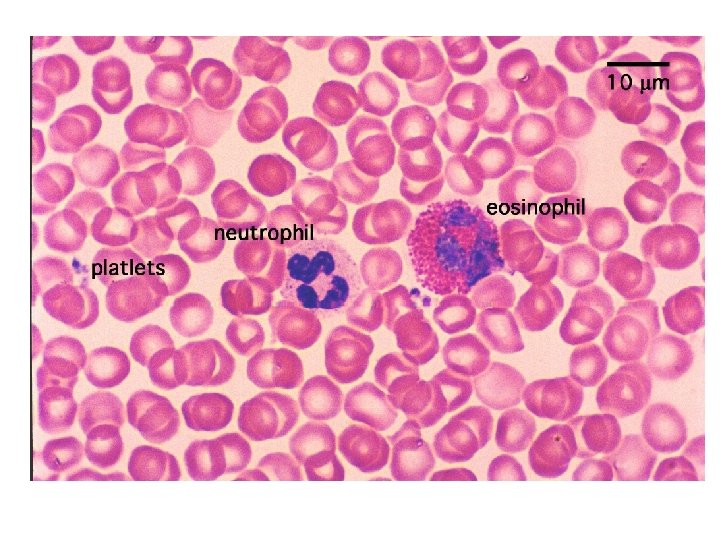
Connective Tissue functions: • • • Binds structures Provides support Protection Stores fat Produces blood cells
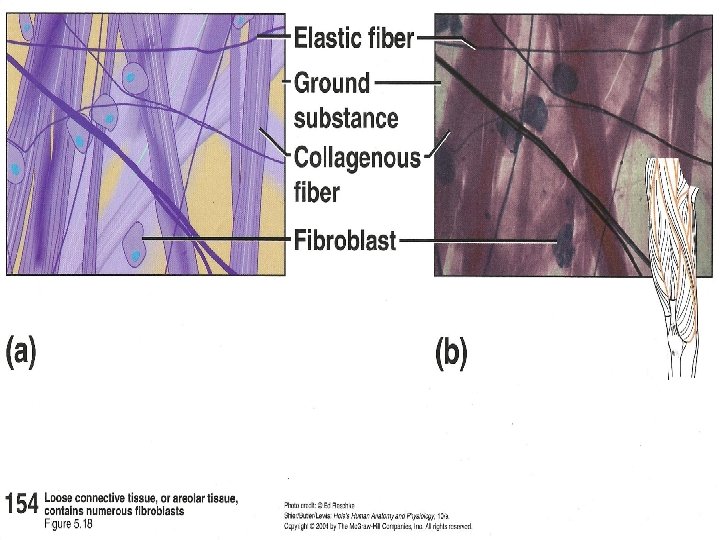
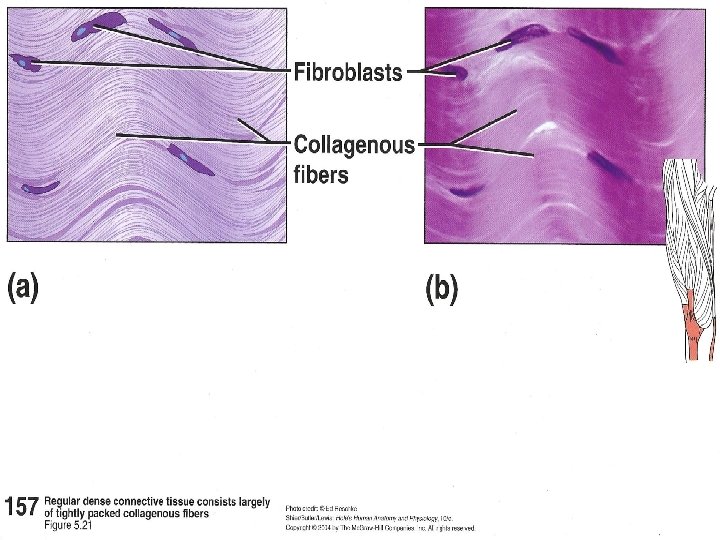
Connective Tissue characteristics: • Cells farther apart • Intercellular material/matrix between them • FIBROBLAST- major cell creates fibers
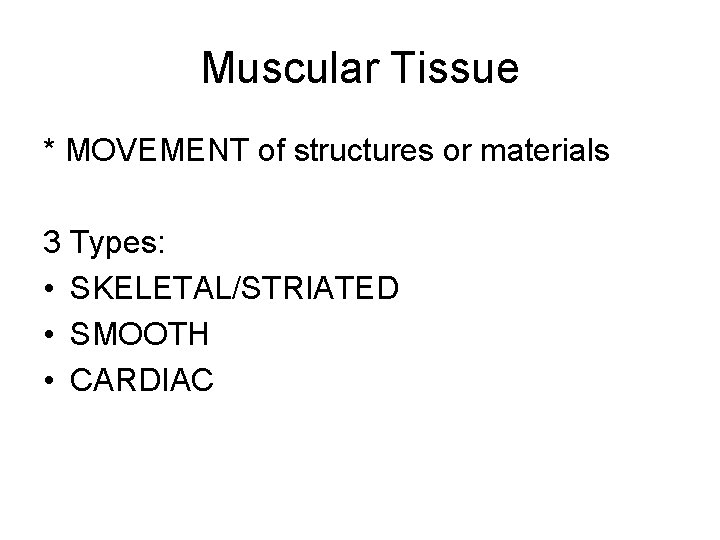
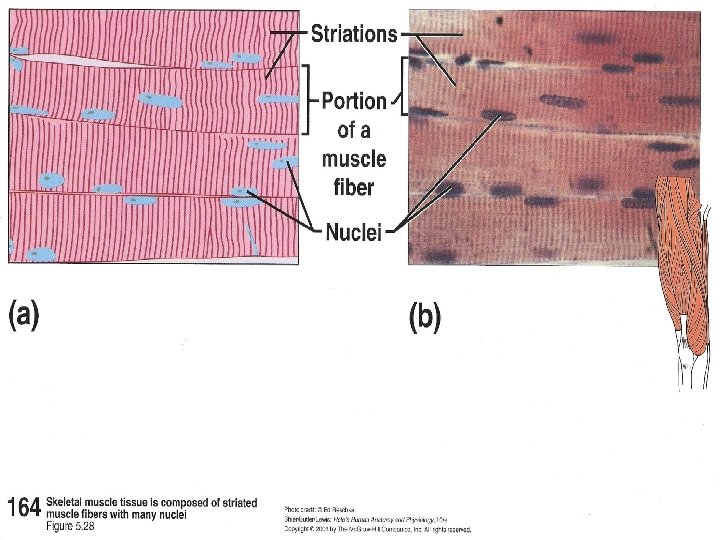
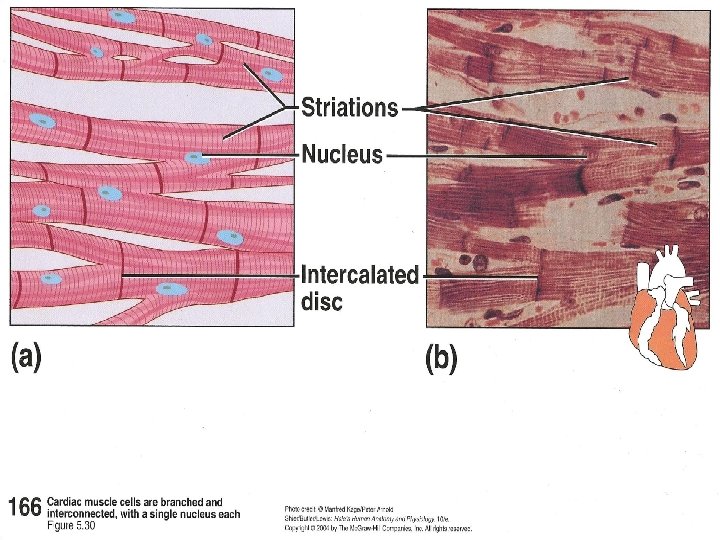
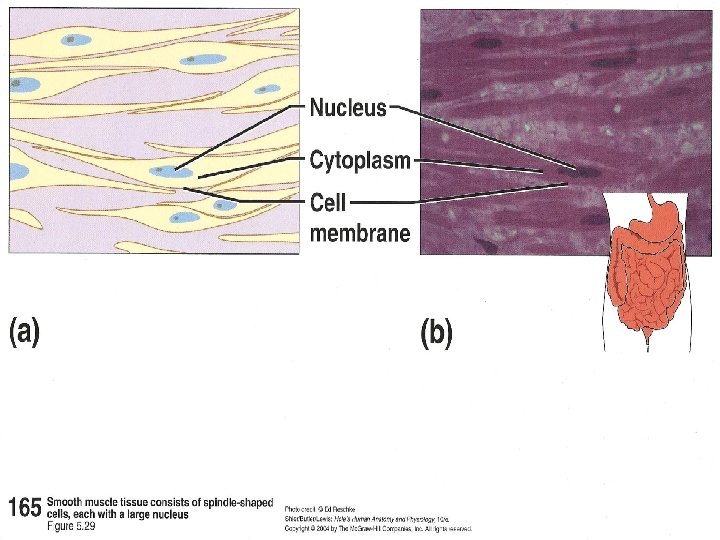
Muscular Tissue * MOVEMENT of structures or materials 3 Types: • SKELETAL/STRIATED • SMOOTH • CARDIAC
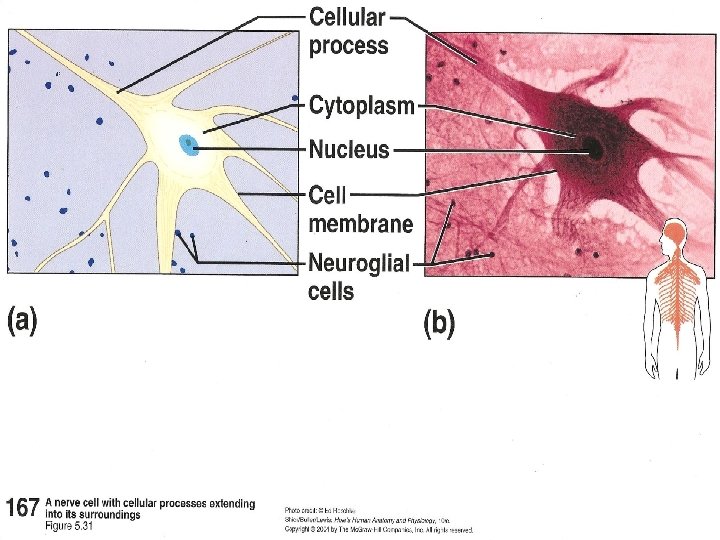
NERVOUS TISSUE • Transmit electrical impulses throughout the body • Includes- brain, spinal cord, nerves • Neurons- basic unit of nervous system, TRANSMIT impulses • Neuro. GLIA- supporting cells, no impulses