
Unit 1 Unity and Diversity Cells In Action


- Slides: 22
Unit 1: Unity and Diversity Cells In Action
Life manages very well without oxygen, evolving into flourishing communities of anaerobes. Acidity. . . presents no problem, as sulphur bacteria and their co-habitants illustrate, nor does a considerable degree of alkalinity bother alkophiles. . Water purity is a trivial matter: saturated salt brines support abundant bacterial life. And pressure is quite irrelevant, with bacteria growing happily in a near vacuum or at the huge hydrostatic pressure of deep ocean trenches. Even organic food is not a prerequisite. . "
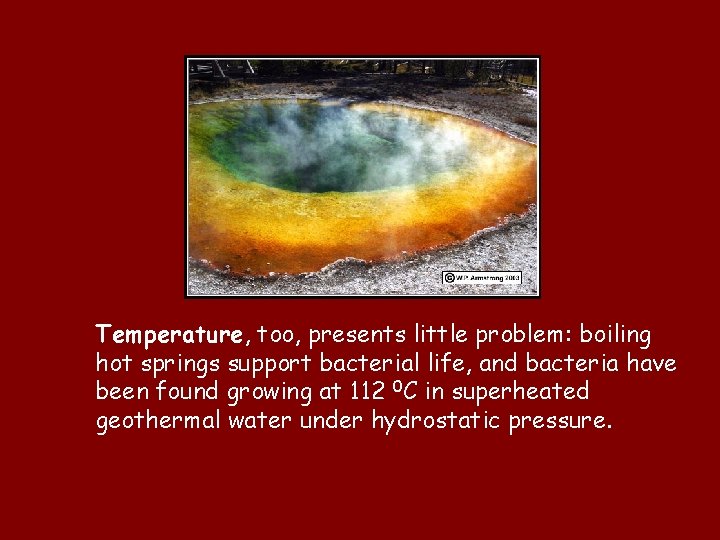
Temperature, too, presents little problem: boiling hot springs support bacterial life, and bacteria have been found growing at 112 0 C in superheated geothermal water under hydrostatic pressure.
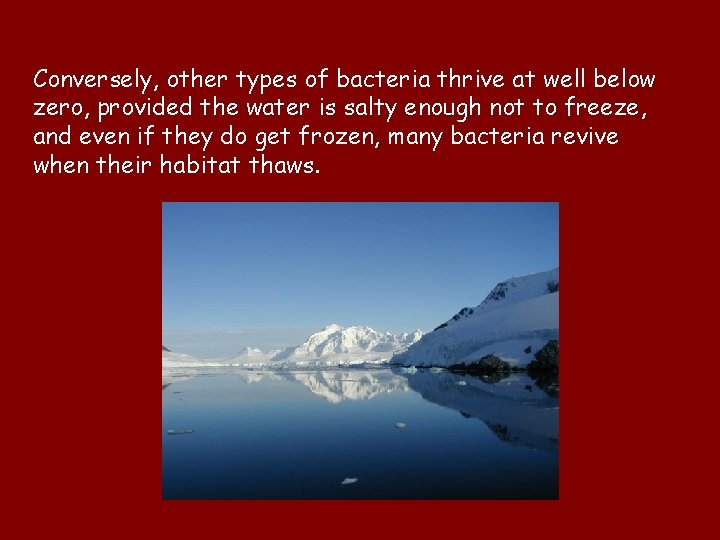
Conversely, other types of bacteria thrive at well below zero, provided the water is salty enough not to freeze, and even if they do get frozen, many bacteria revive when their habitat thaws.
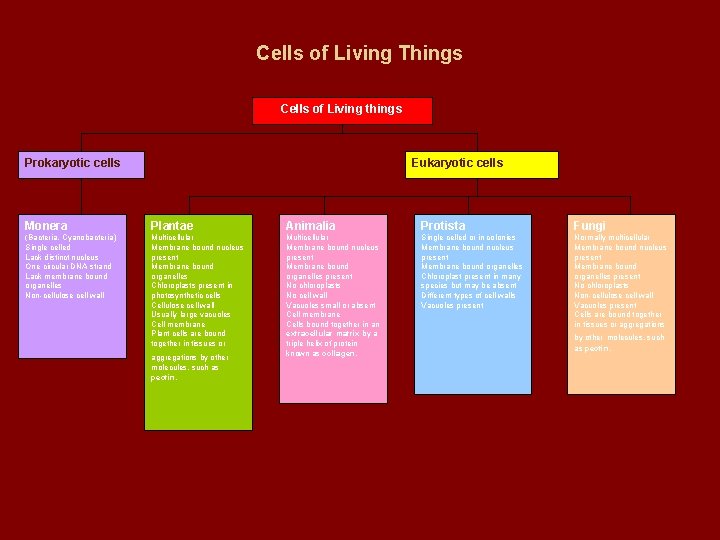
Classification • Viruses – not considered living but have some features of cells HIV • Prokaryotic – simple cells bacilli • Eukaryotic – complex cells
Cells of Living Things Cells of Living things Prokaryotic cells Eukaryotic cells Monera Plantae Animalia Protista Fungi (Bacteria, Cyanobacteria) Single celled Lack distinct nucleus One circular DNA strand Lack membrane bound organelles Non-cellulose cell wall Multicellular Membrane bound nucleus present Membrane bound organelles Chloroplasts present in photosynthetic cells Cellulose cell wall Usually large vacuoles Cell membrane Plant cells are bound together in tissues or Multicellular Membrane bound nucleus present Membrane bound organelles present No chloroplasts No cell wall Vacuoles small or absent Cell membrane Cells bound together in an extracellular matrix by a triple helix of protein known as collagen. Single celled or in colonies Membrane bound nucleus present Membrane bound organelles Chloroplast present in many species but may be absent Different types of cell walls Vacuoles present Normally multicellular Membrane bound nucleus present Membrane bound organelles present No chloroplasts Non-cellulose cell wall Vacuoles present Cells are bound together in tissues or aggregations by other molecules, such as pectin.
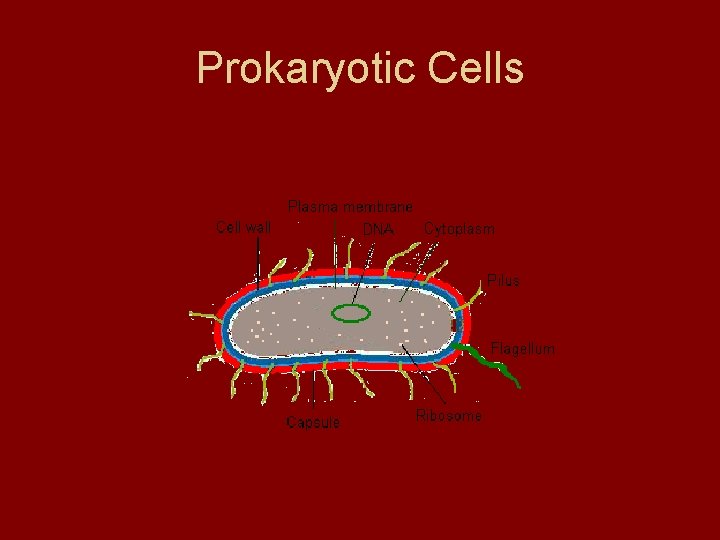
Prokaryotic Cells
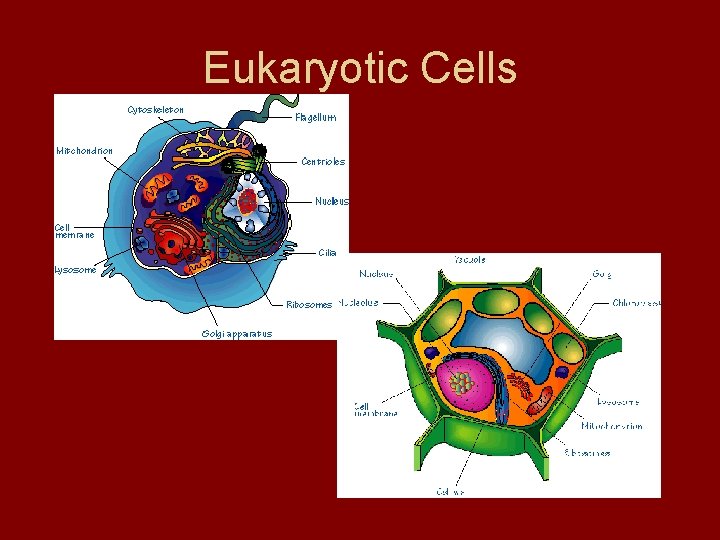
Eukaryotic Cells
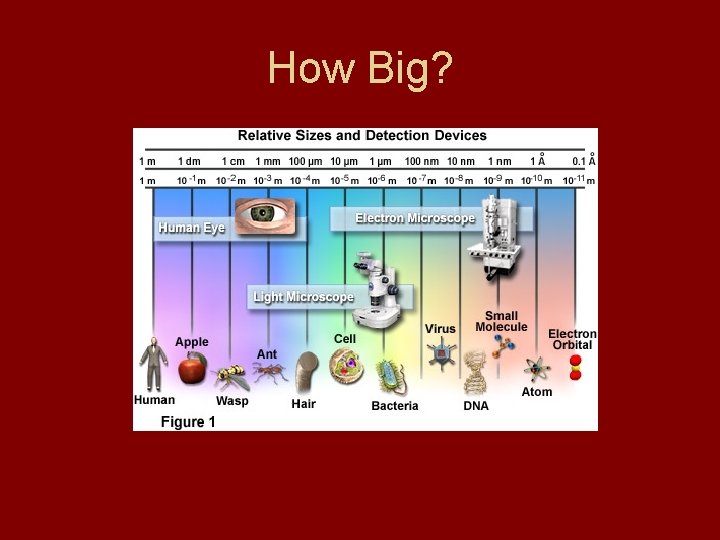
How Big?
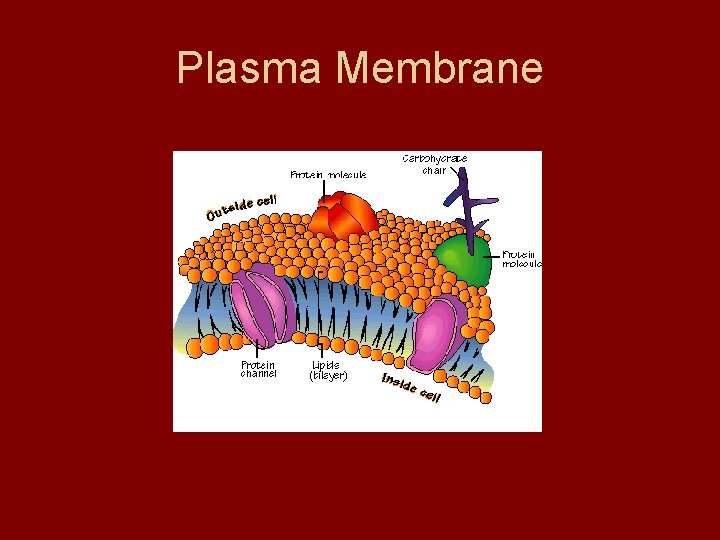
Plasma Membrane
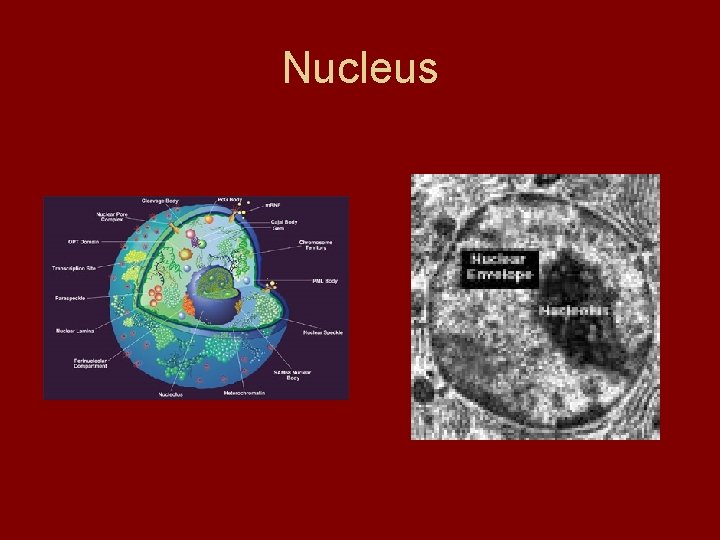
Nucleus
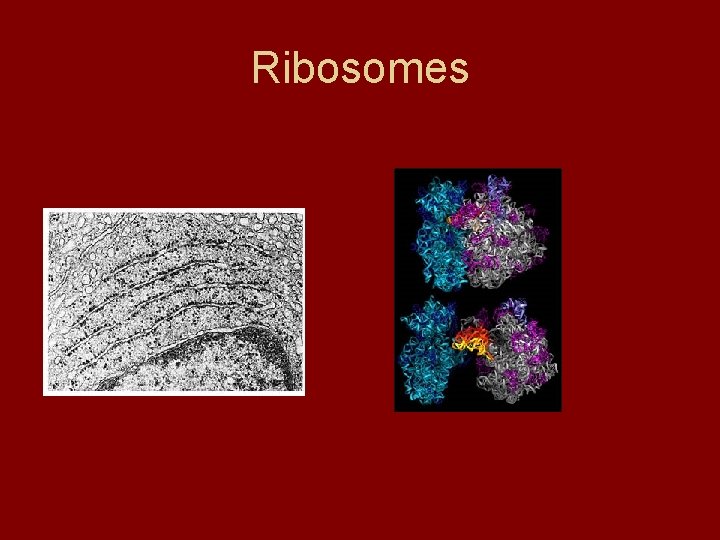
Ribosomes
Endoplasmic Reticulum
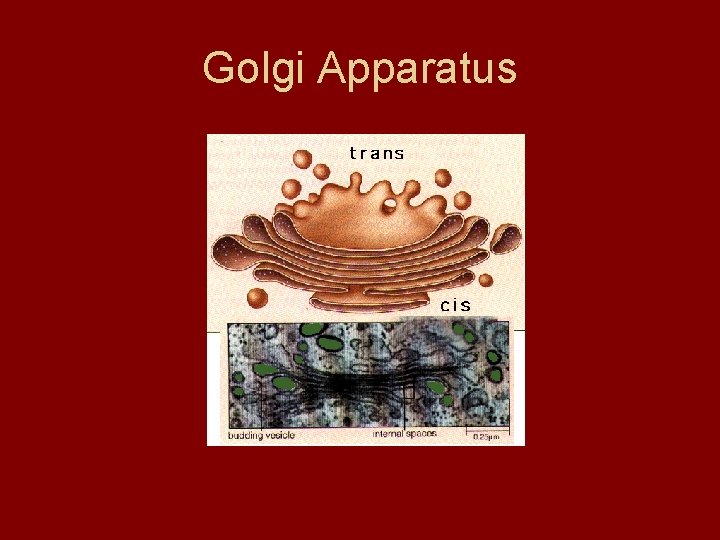
Golgi Apparatus
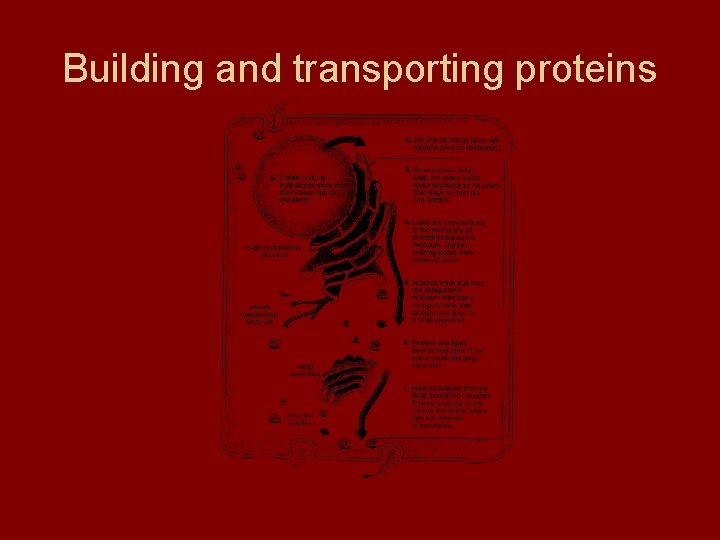
Building and transporting proteins
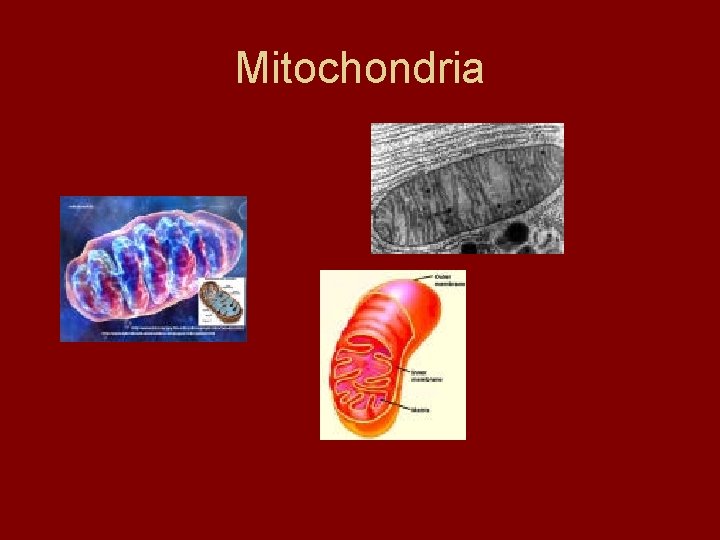
Mitochondria
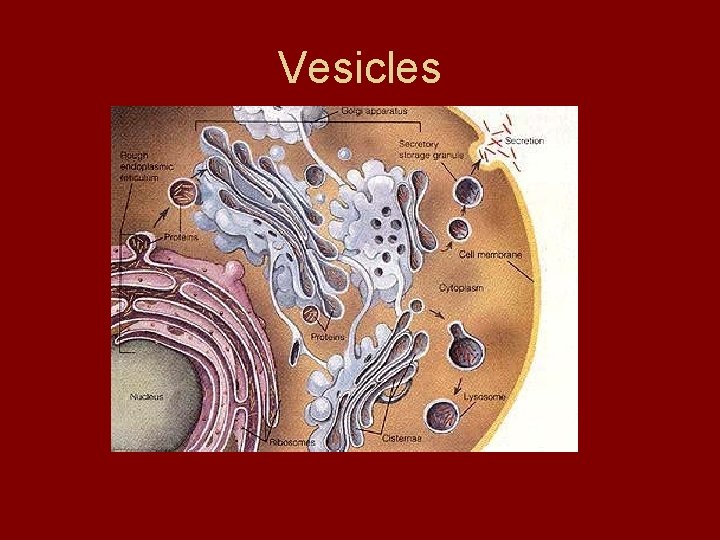
Vesicles
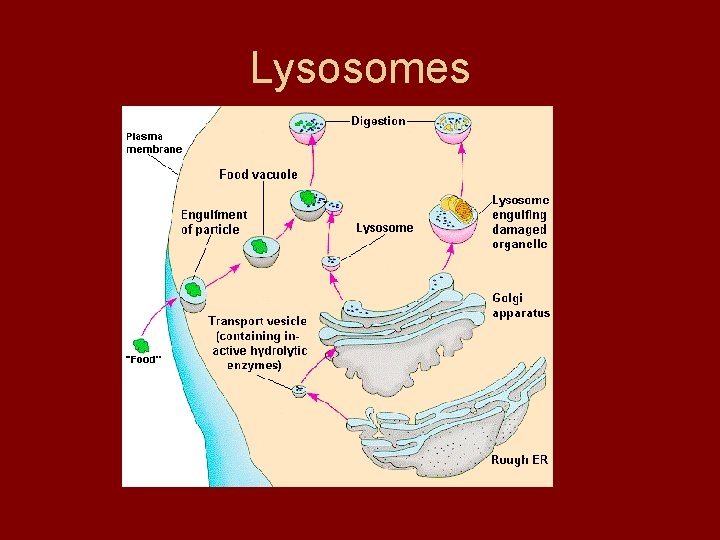
Lysosomes
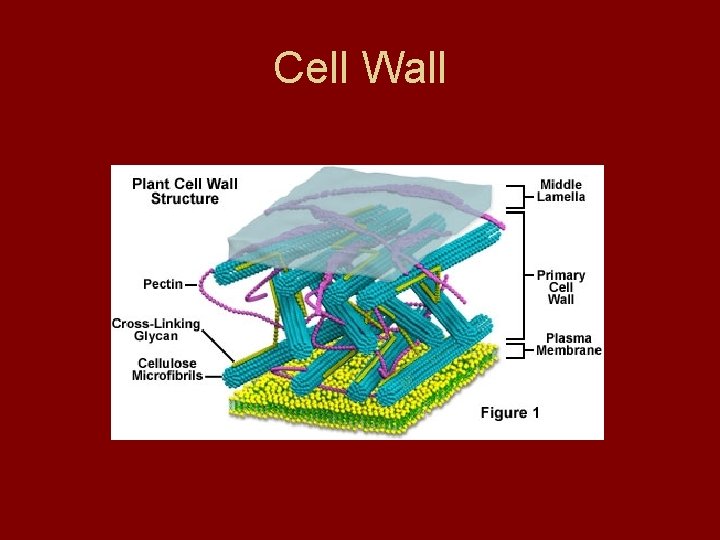
Cell Wall
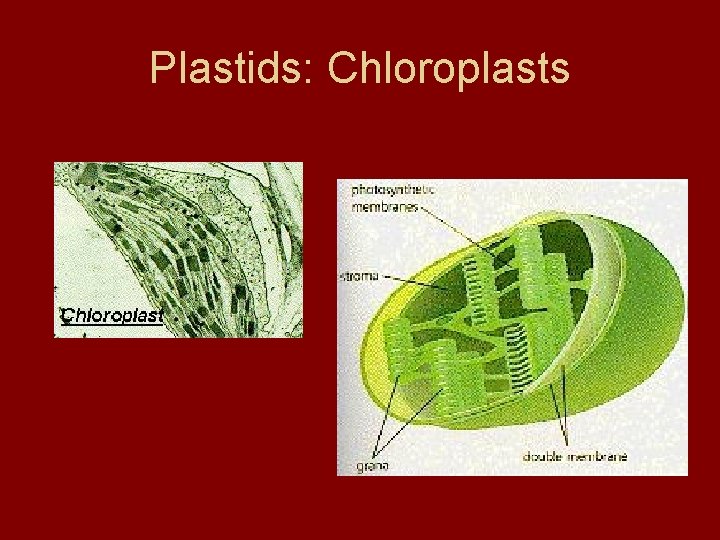
Plastids: Chloroplasts
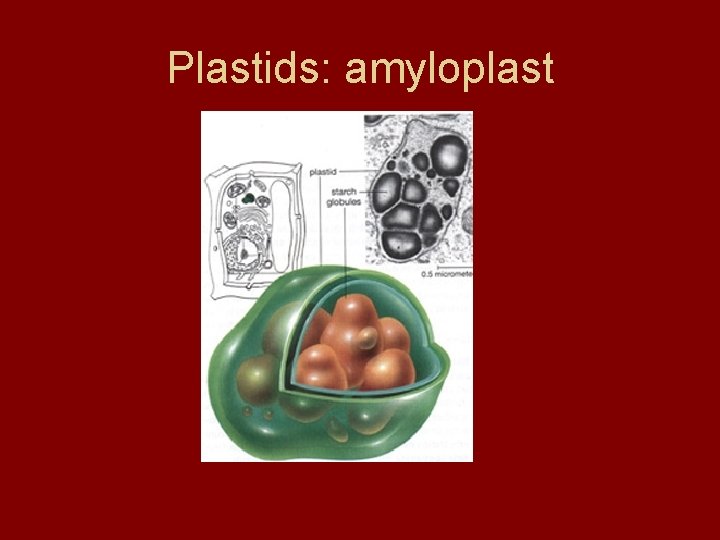
Plastids: amyloplast
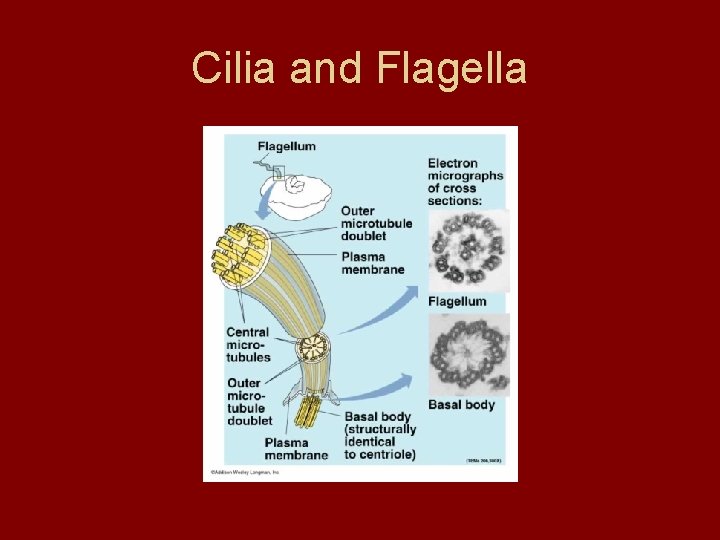
Cilia and Flagella