
Unit 1 Organic Compounds ESSENTIALS OF HUMAN ANATOMY
- Slides: 11
Unit 1 Organic Compounds ESSENTIALS OF HUMAN ANATOMY & PHYSIOLOGY
Organic Compounds § Contain carbon § Most are covalently bonded § Ex: C 6 H 12 O 6 (glucose)
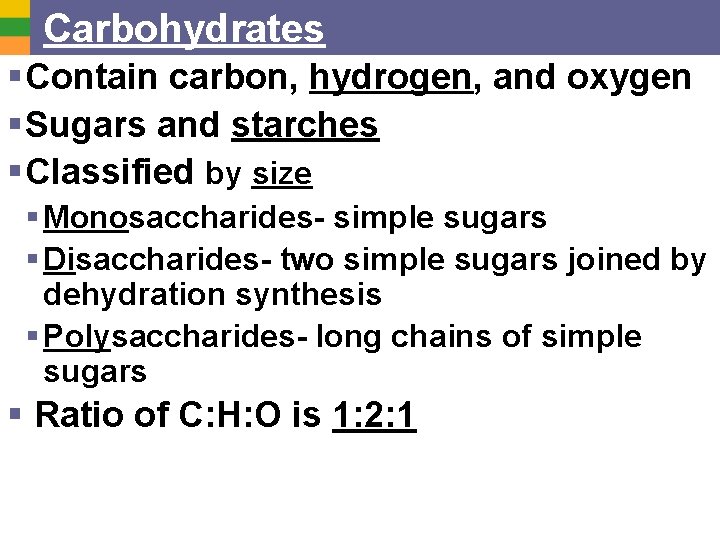
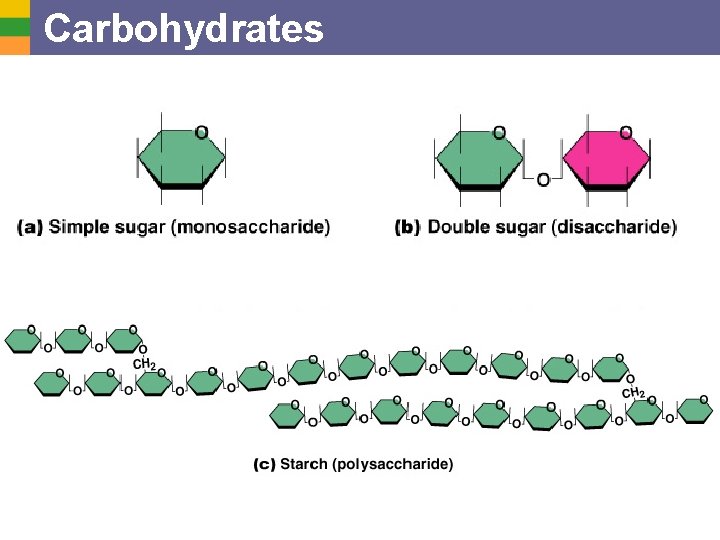
Carbohydrates § Contain carbon, hydrogen, and oxygen § Sugars and starches § Classified by size § Monosaccharides- simple sugars § Disaccharides- two simple sugars joined by dehydration synthesis § Polysaccharides- long chains of simple sugars § Ratio of C: H: O is 1: 2: 1
Carbohydrates
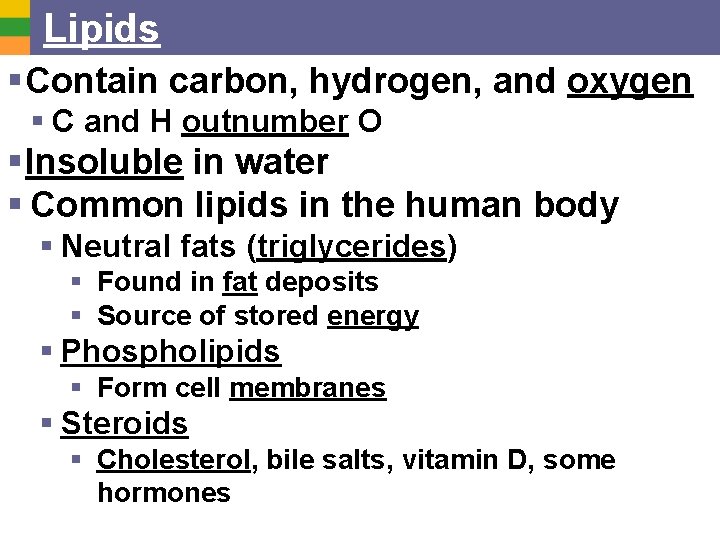
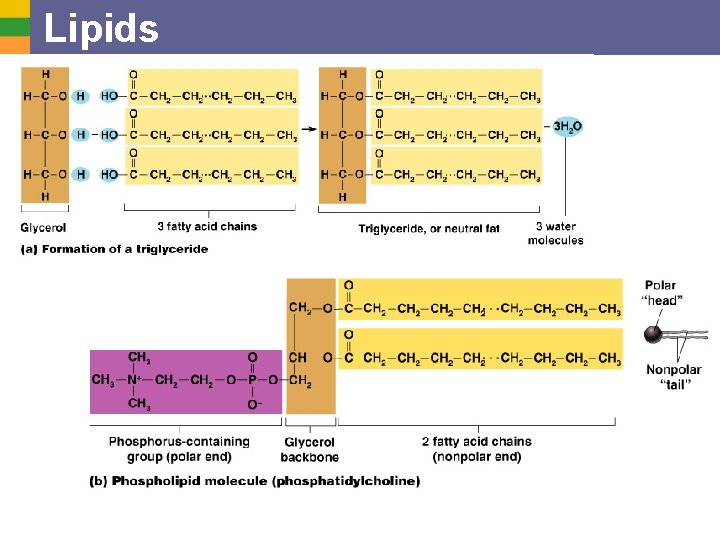
Lipids § Contain carbon, hydrogen, and oxygen § C and H outnumber O § Insoluble in water § Common lipids in the human body § Neutral fats (triglycerides) § Found in fat deposits § Source of stored energy § Phospholipids § Form cell membranes § Steroids § Cholesterol, bile salts, vitamin D, some hormones
Lipids
Proteins § Made of amino acids § C, O, H, N, and sometimes sulfur § Over ½ of body’s organic matter § Provides construction materials for body tissues § Vital role in cell function § Enzymes, hormones, and antibodies
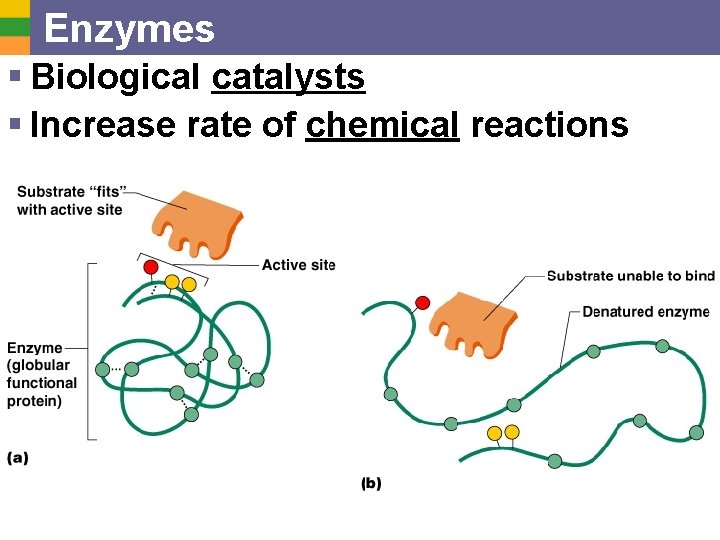
Enzymes § Biological catalysts § Increase rate of chemical reactions
Nucleic Acids § Provide blueprint of life § Nucleotide bases § A = Adenine § G = Guanine § C = Cytosine § T = Thymine (DNA only) § U = Uracil (RNA only) § Make DNA and RNA
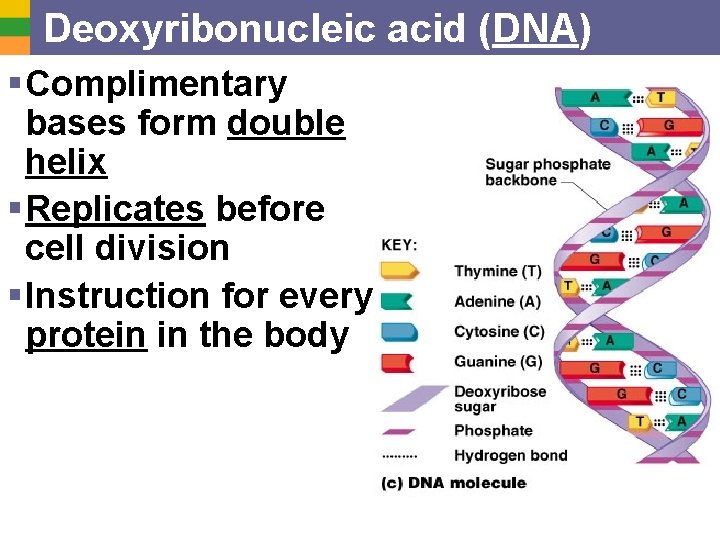
Deoxyribonucleic acid (DNA) § Complimentary bases form double helix § Replicates before cell division § Instruction for every protein in the body
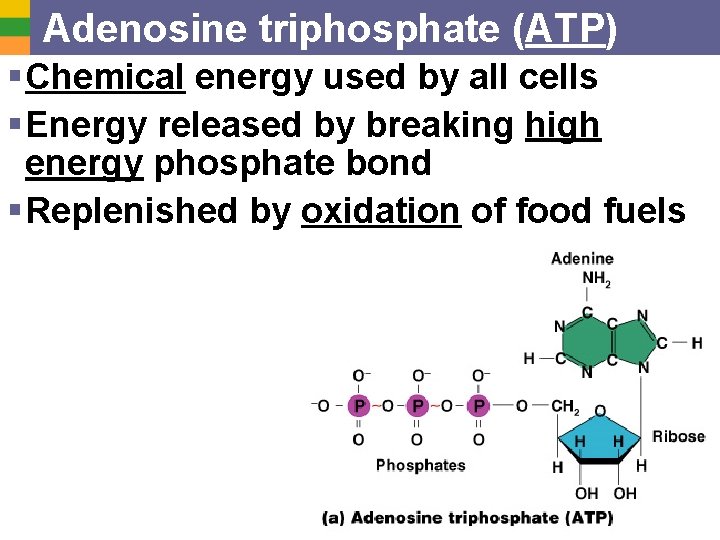
Adenosine triphosphate (ATP) § Chemical energy used by all cells § Energy released by breaking high energy phosphate bond § Replenished by oxidation of food fuels