
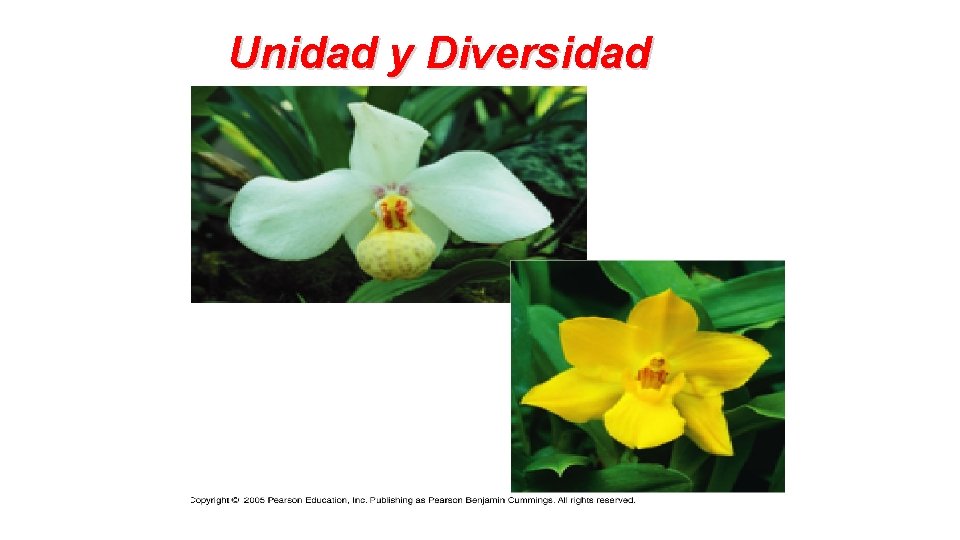
Unidad y Diversidad Propiedades Emergentes de los Sistemas
- Slides: 51
Unidad y Diversidad
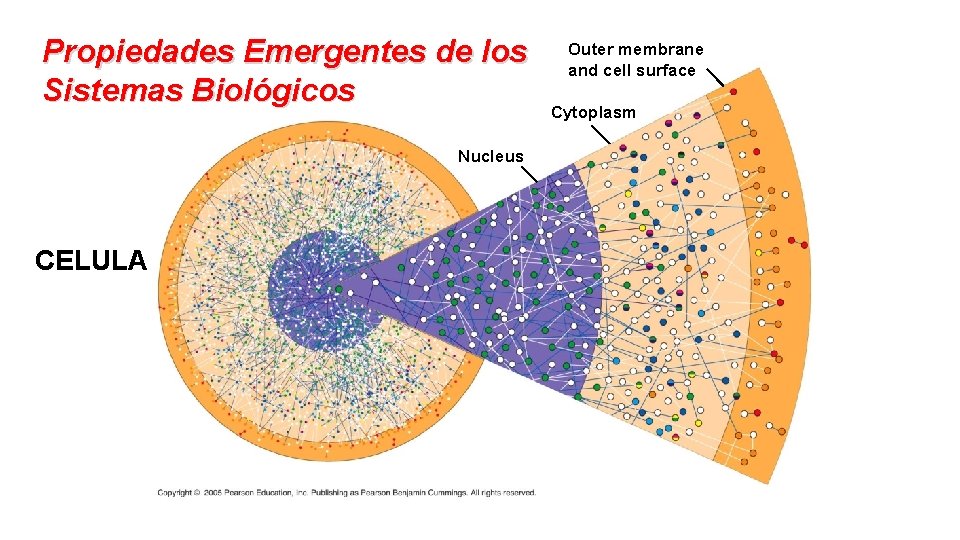
Propiedades Emergentes de los Sistemas Biológicos Nucleus CELULA Outer membrane and cell surface Cytoplasm
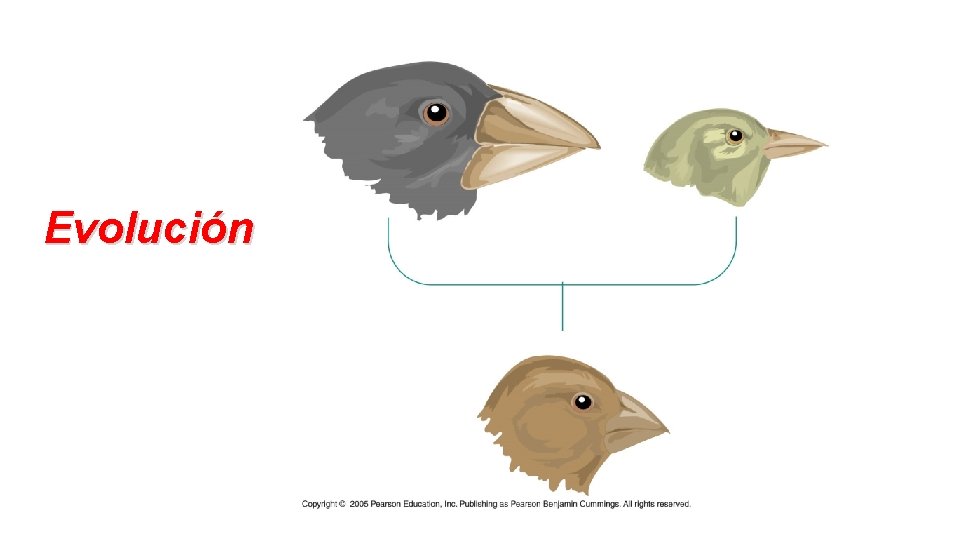
Evolución
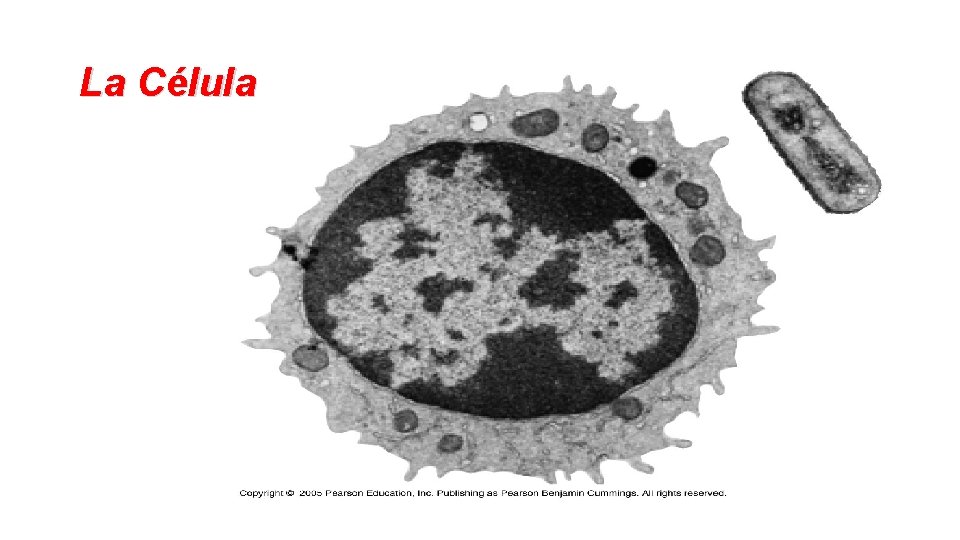
La Célula
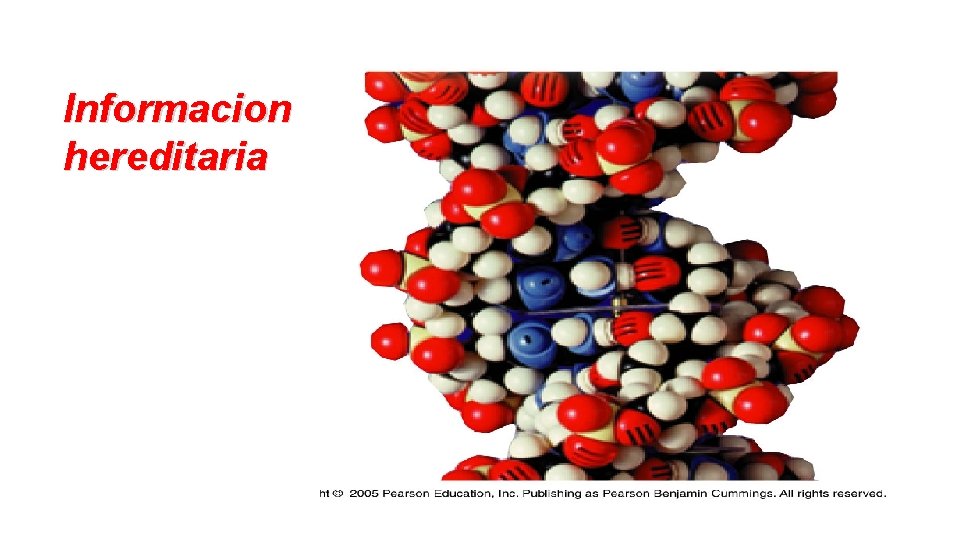
Informacion hereditaria
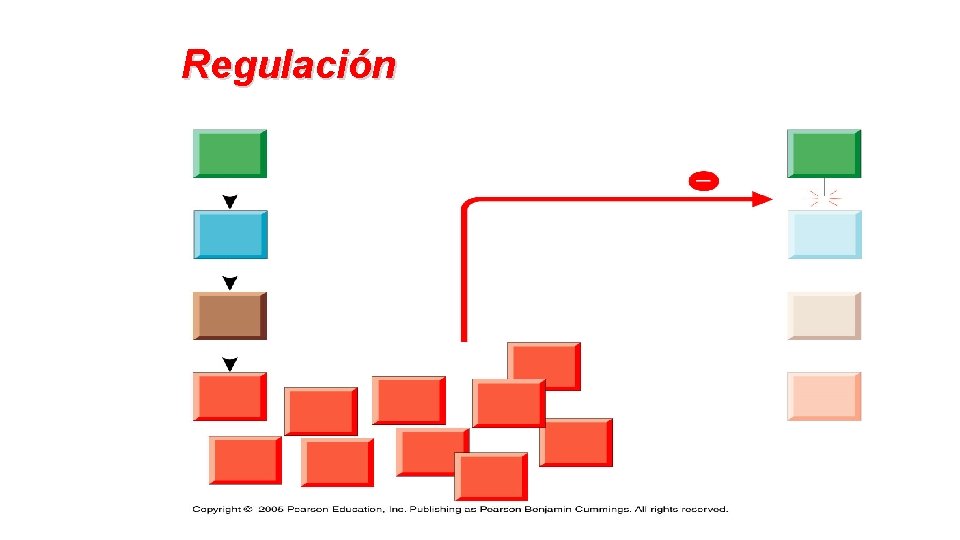
Regulación
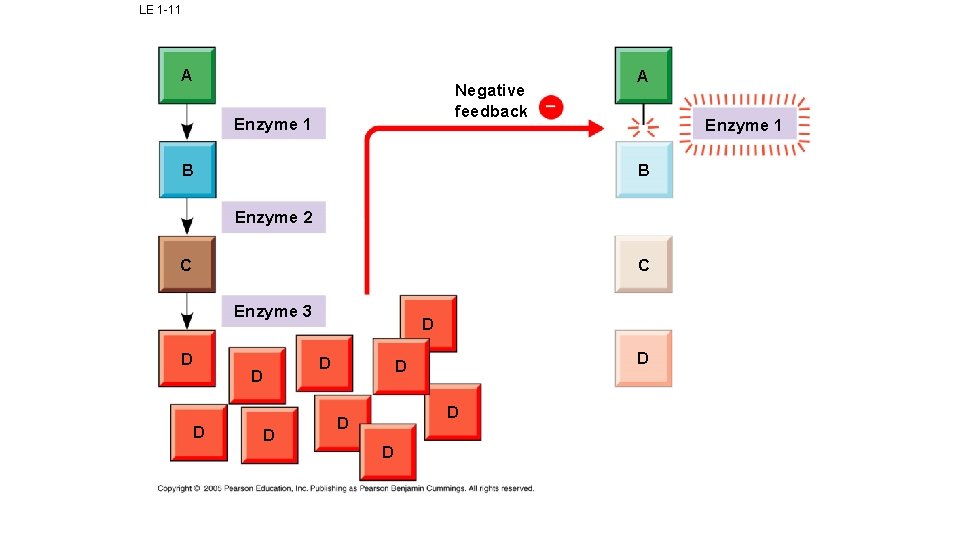
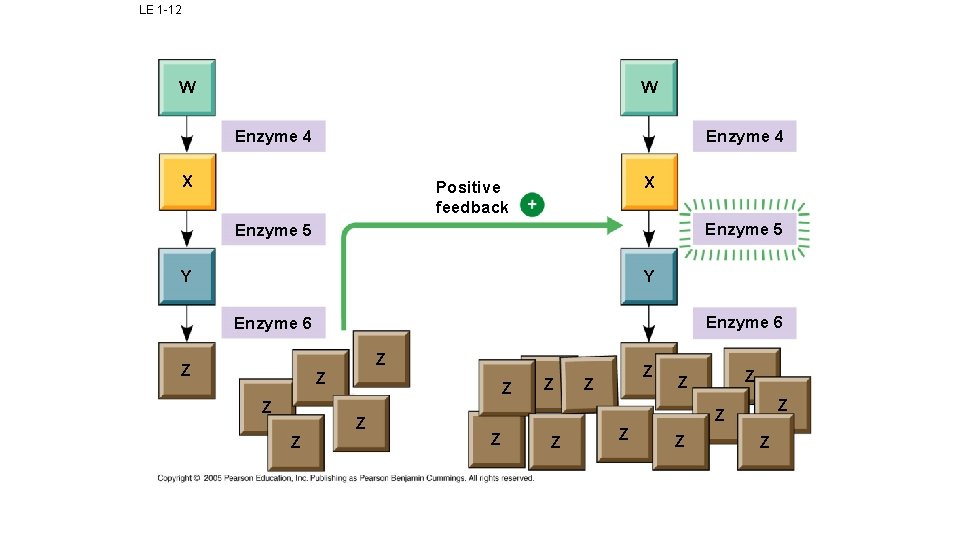
LE 1 -11 A Negative feedback Enzyme 1 B A Enzyme 1 B Enzyme 2 C C Enzyme 3 D D D
LE 1 -12 W W Enzyme 4 X X Positive feedback Enzyme 5 Y Y Enzyme 6 Z Z Z Z Z
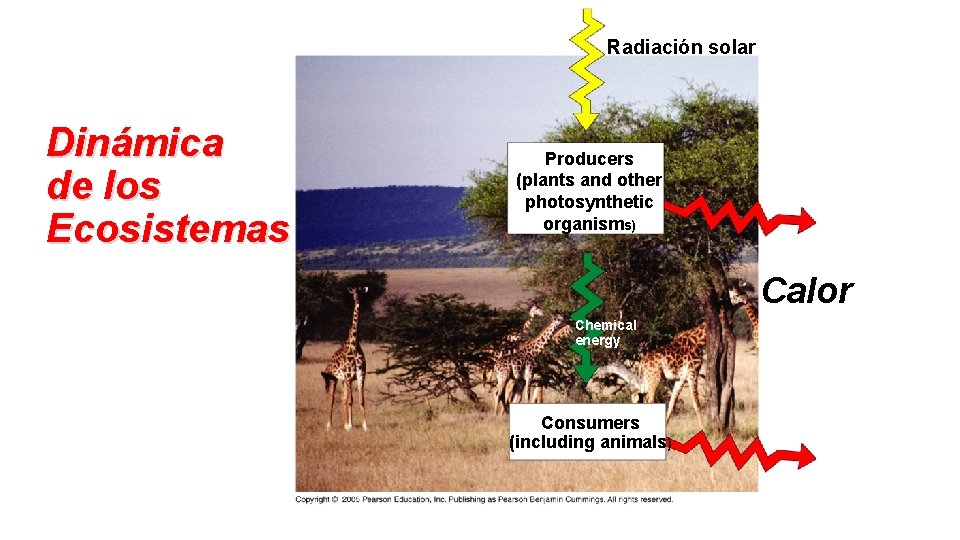
Radiación solar Dinámica de los Ecosistemas Producers (plants and other photosynthetic organisms) Calor Chemical energy Consumers (including animals)
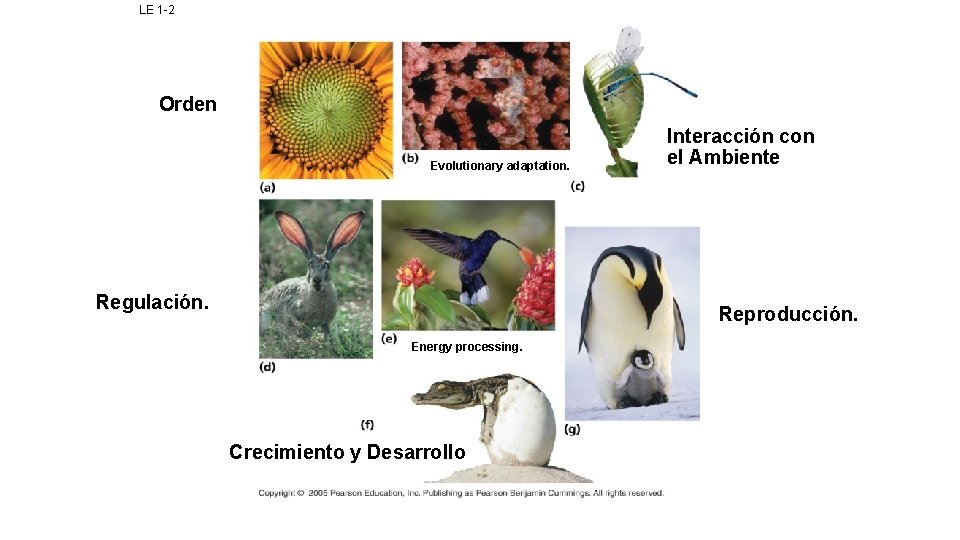
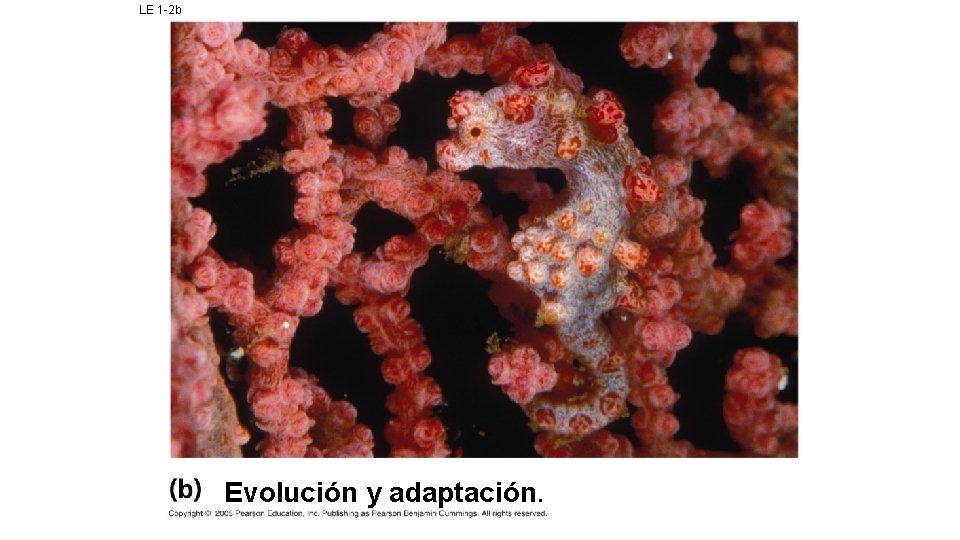
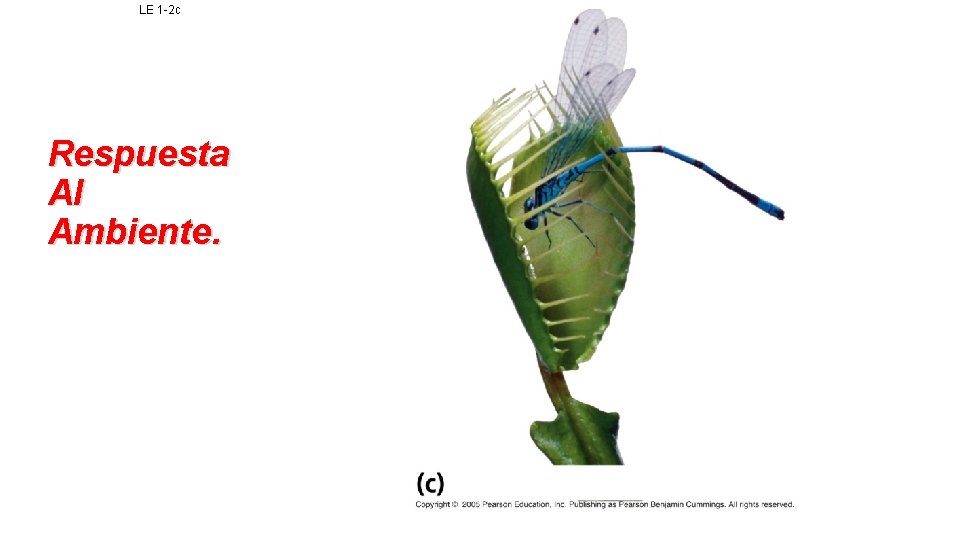
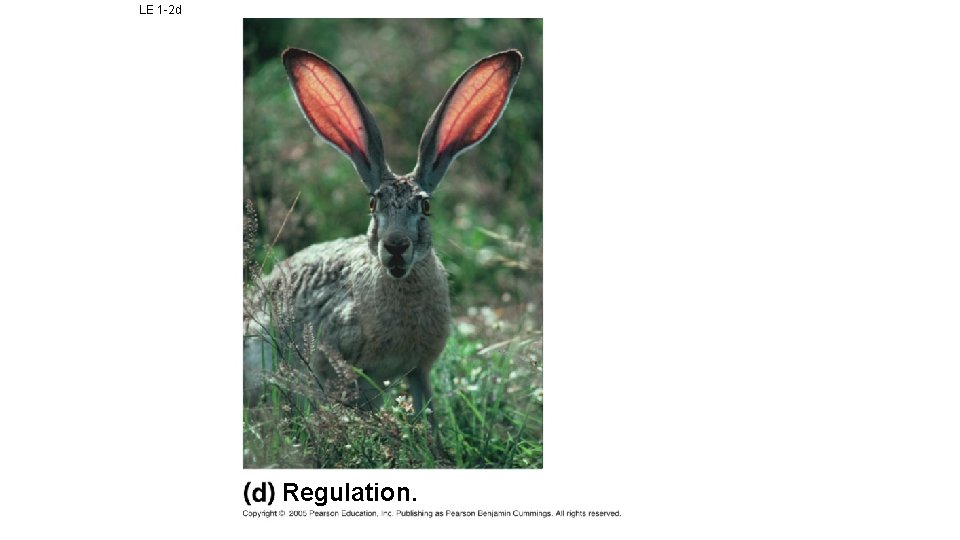
LE 1 -2 Orden Evolutionary adaptation. Regulación. Interacción con el Ambiente Reproducción. Energy processing. Crecimiento y Desarrollo
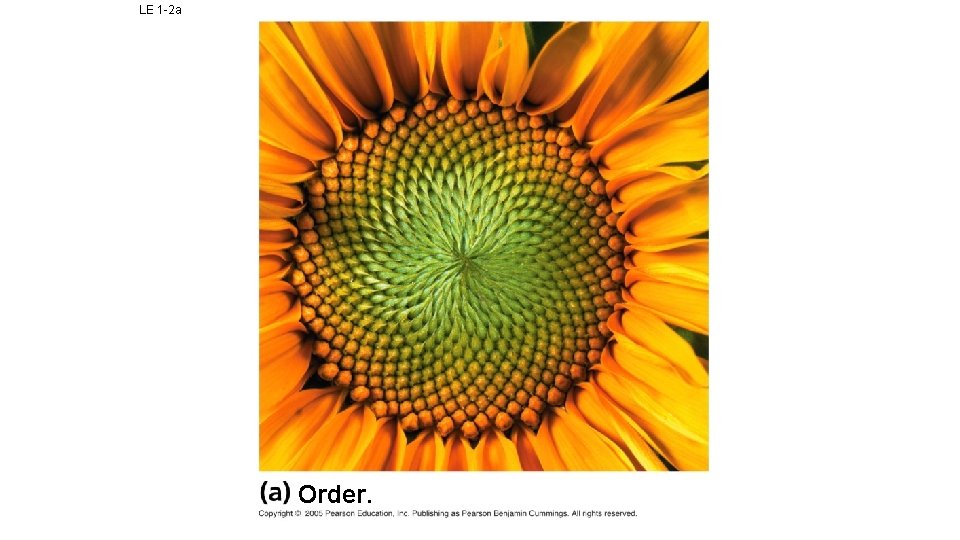
LE 1 -2 a Order.
LE 1 -2 b Evolución y adaptación.
LE 1 -2 c Respuesta Al Ambiente.
LE 1 -2 d Regulation.
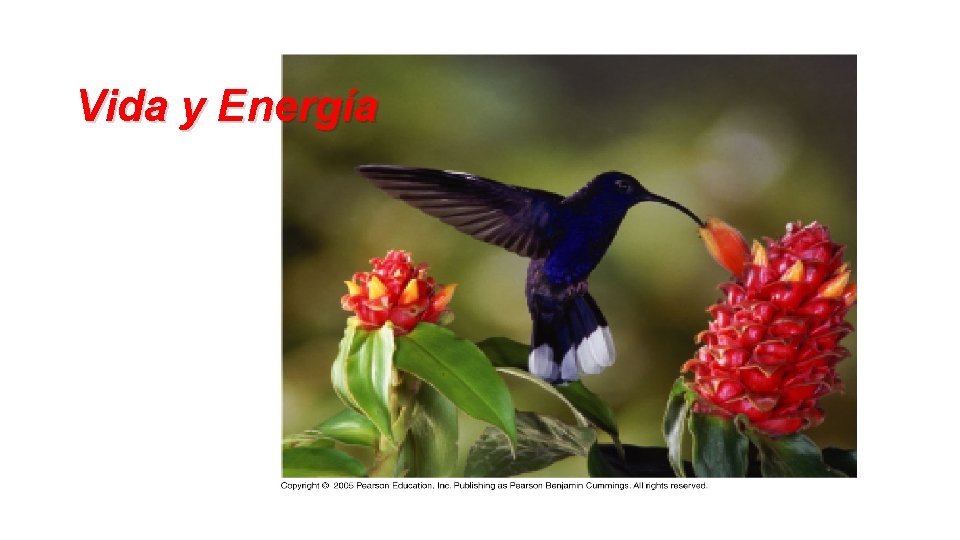
Vida y Energía
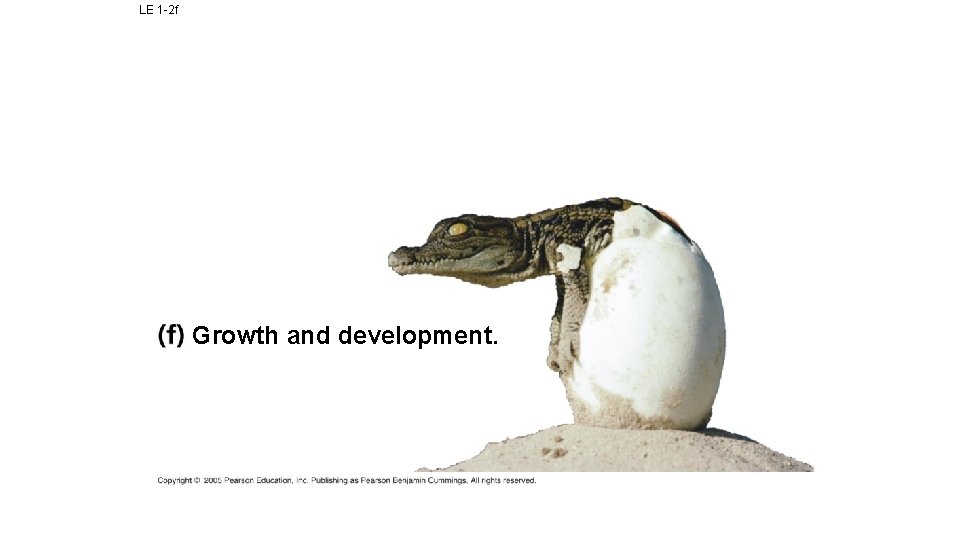
LE 1 -2 f Growth and development.
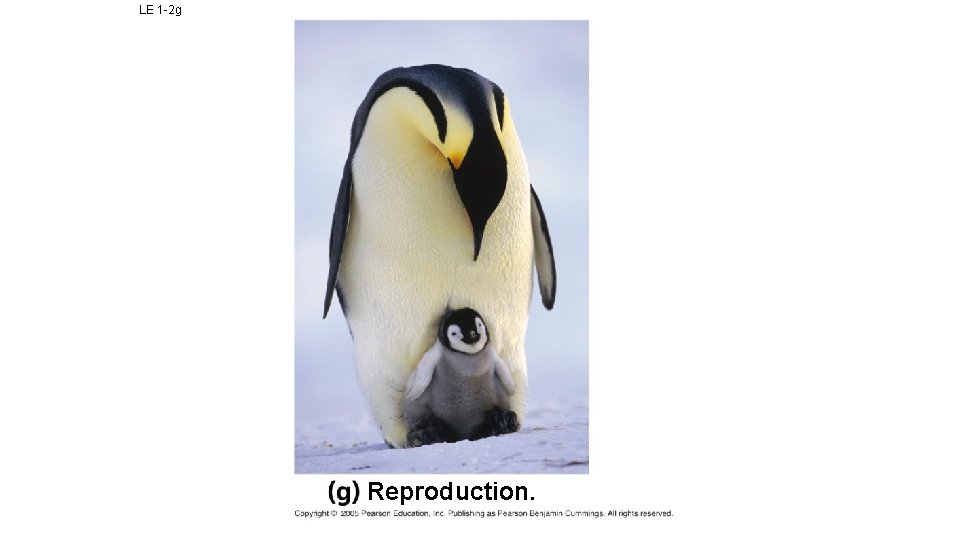
LE 1 -2 g Reproduction.
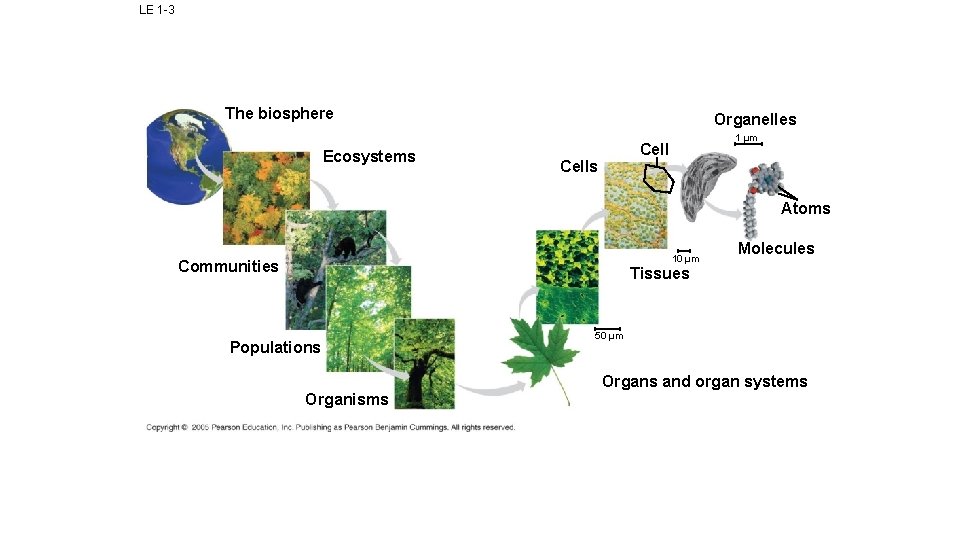
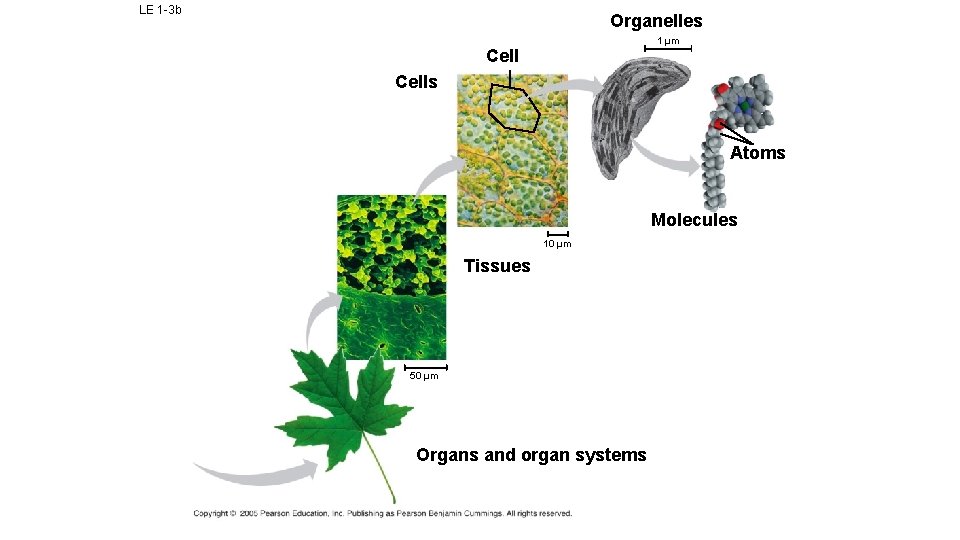
LE 1 -3 The biosphere Ecosystems Organelles 1 µm Cells Atoms 10 µm Communities Molecules Tissues Populations Organisms 50 µm Organs and organ systems
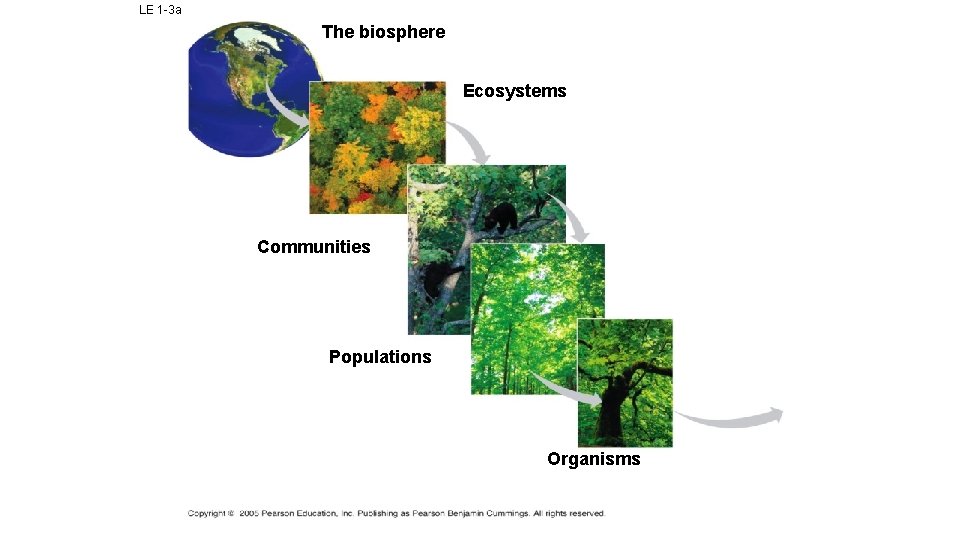
LE 1 -3 a The biosphere Ecosystems Communities Populations Organisms
LE 1 -3 b Organelles 1 µm Cells Atoms Molecules 10 µm Tissues 50 µm Organs and organ systems
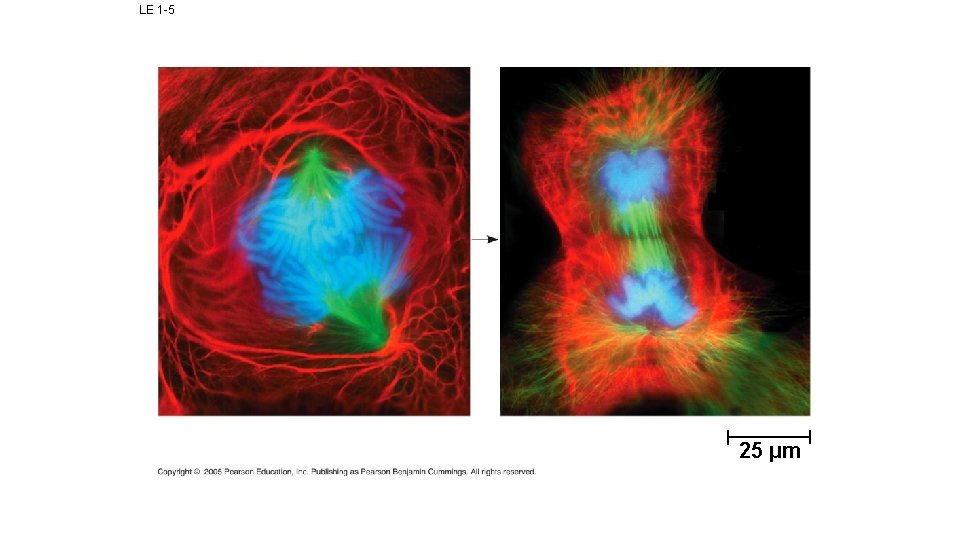
LE 1 -5 25 µm
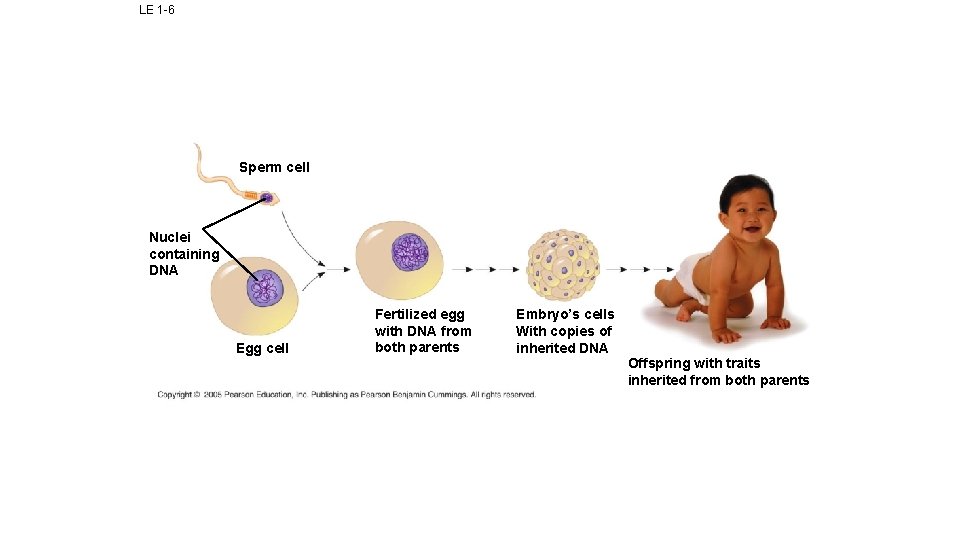
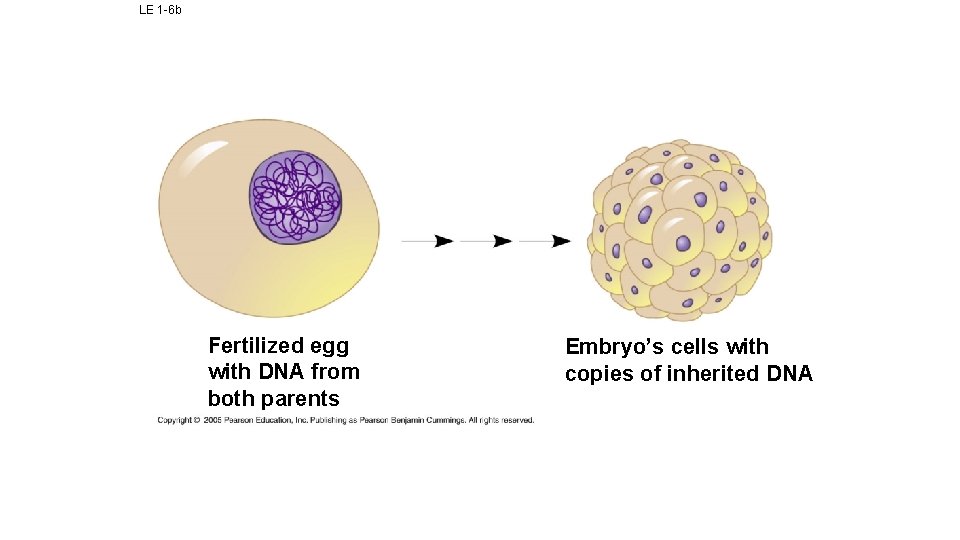
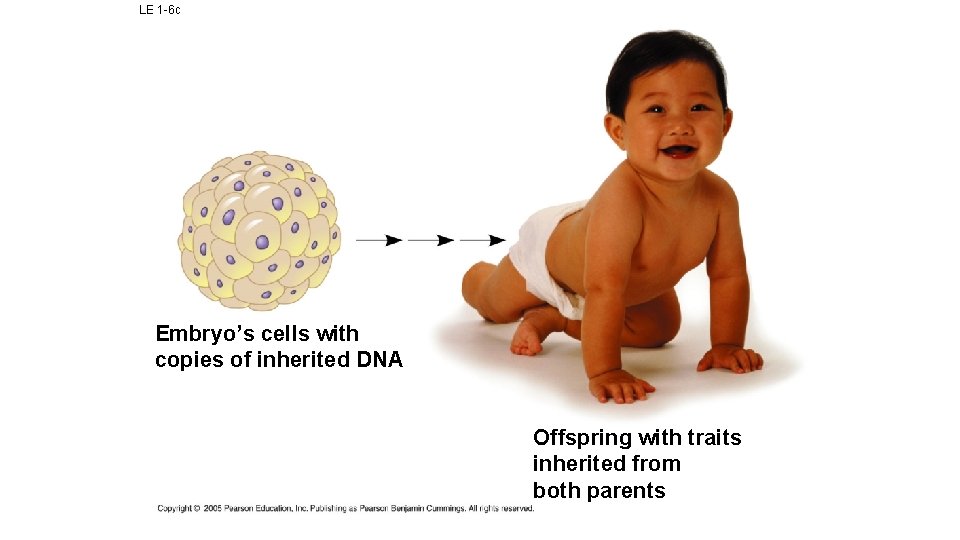
LE 1 -6 Sperm cell Nuclei containing DNA Egg cell Fertilized egg with DNA from both parents Embryo’s cells With copies of inherited DNA Offspring with traits inherited from both parents
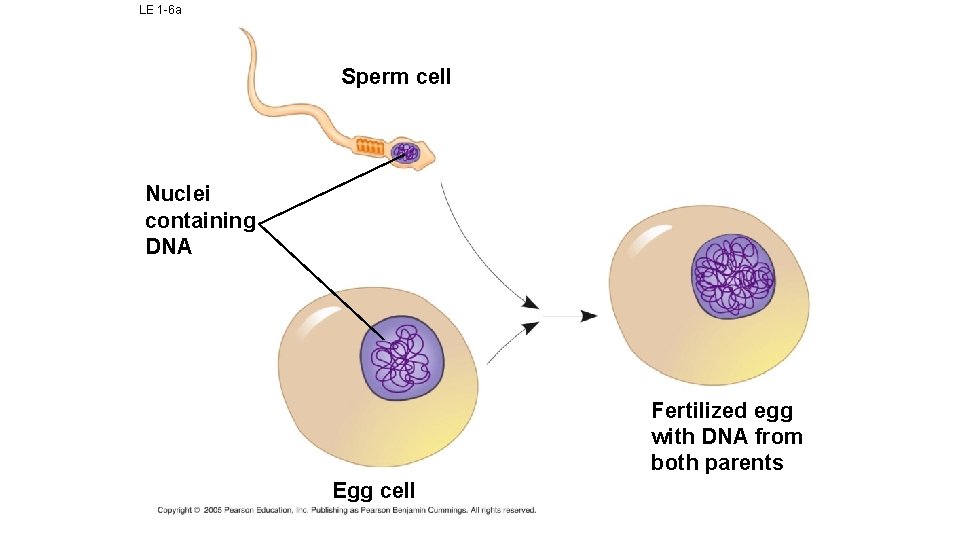
LE 1 -6 a Sperm cell Nuclei containing DNA Fertilized egg with DNA from both parents Egg cell
LE 1 -6 b Fertilized egg with DNA from both parents Embryo’s cells with copies of inherited DNA
LE 1 -6 c Embryo’s cells with copies of inherited DNA Offspring with traits inherited from both parents
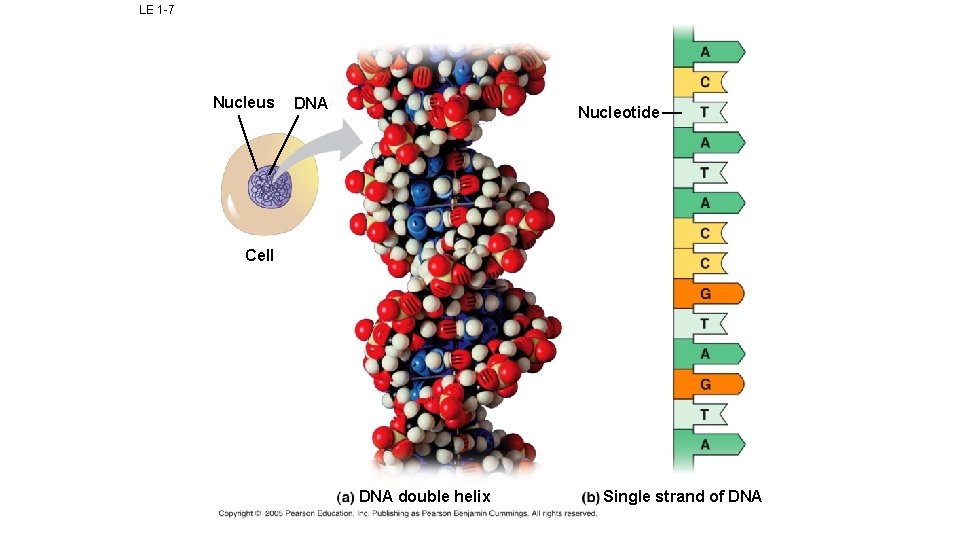
LE 1 -7 Nucleus DNA Nucleotide Cell DNA double helix Single strand of DNA
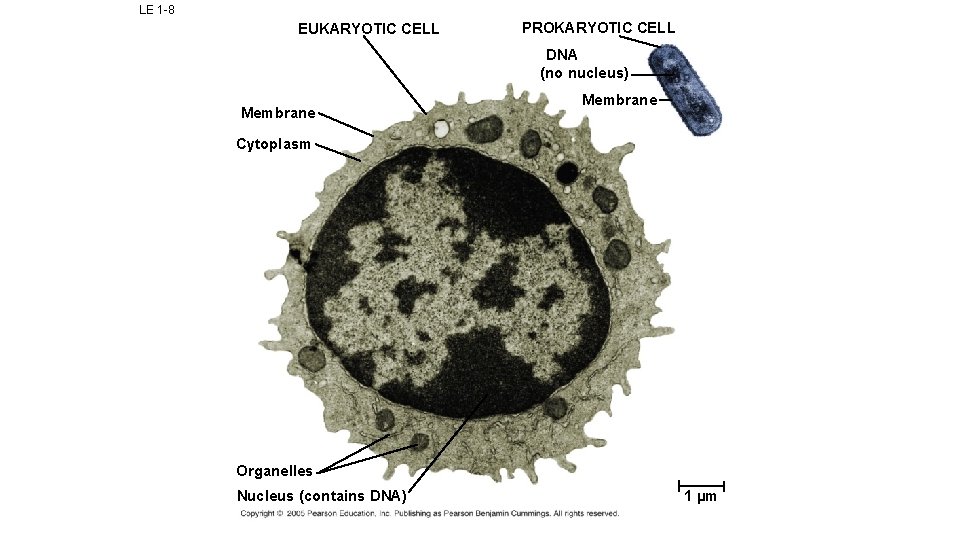
LE 1 -8 EUKARYOTIC CELL PROKARYOTIC CELL DNA (no nucleus) Membrane Cytoplasm Organelles Nucleus (contains DNA) 1 µm
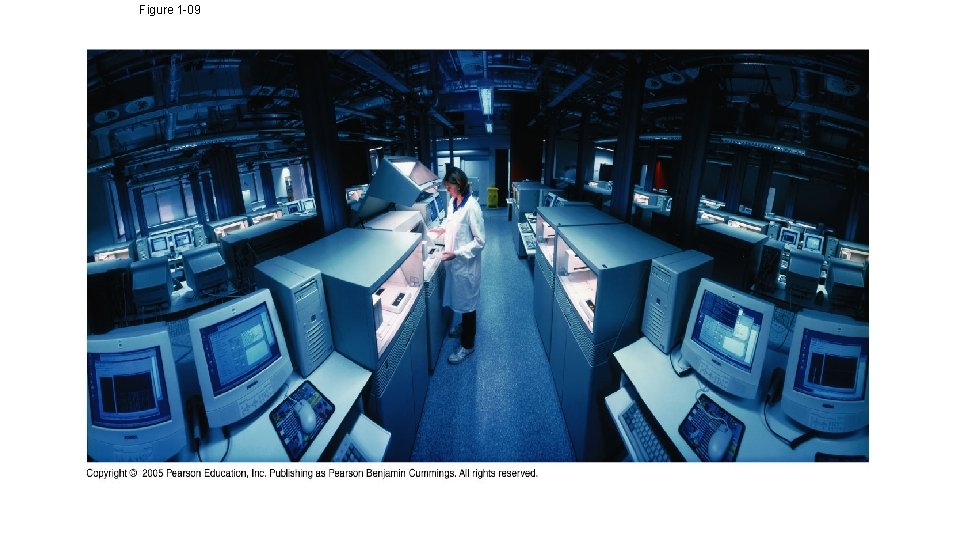
Figure 1 -09
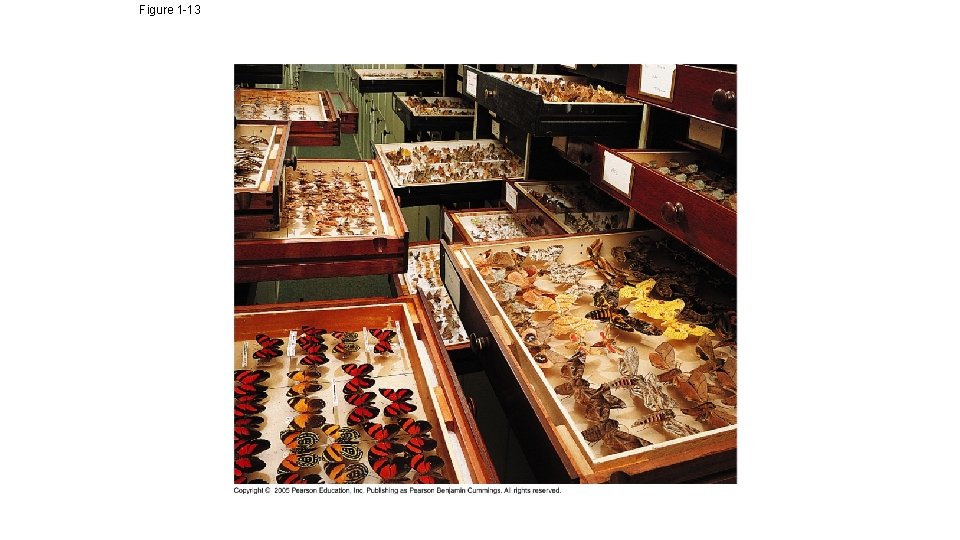
Figure 1 -13
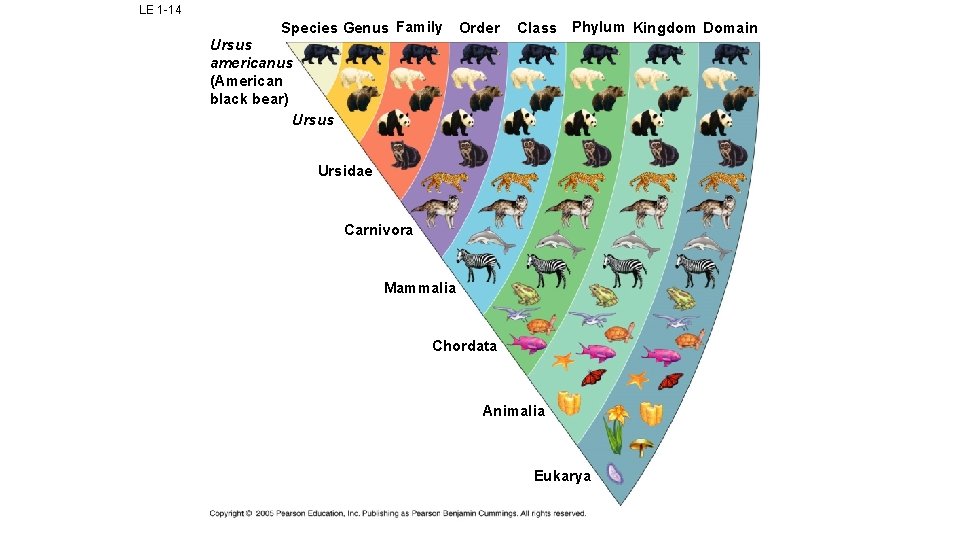
LE 1 -14 Species Genus Family Order Class Phylum Kingdom Domain Ursus americanus (American black bear) Ursus Ursidae Carnivora Mammalia Chordata Animalia Eukarya
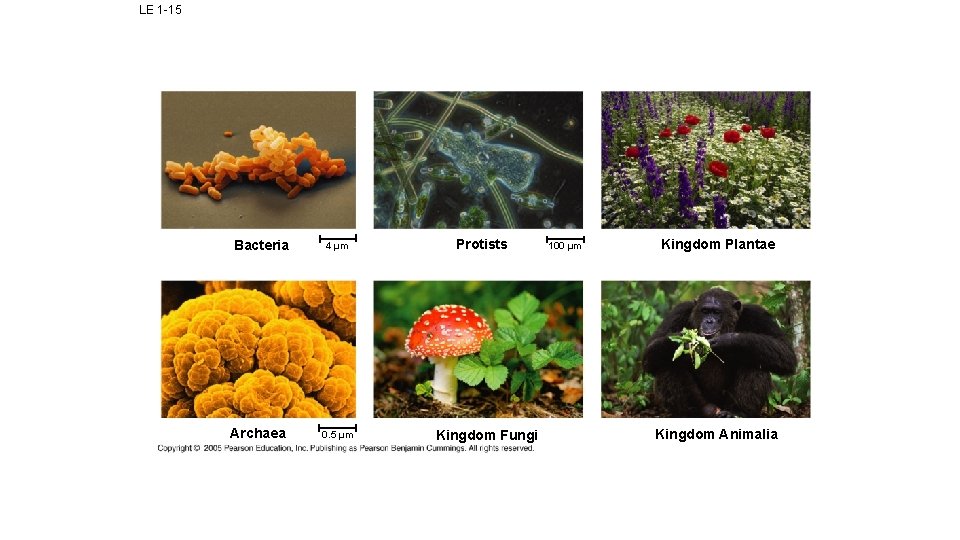
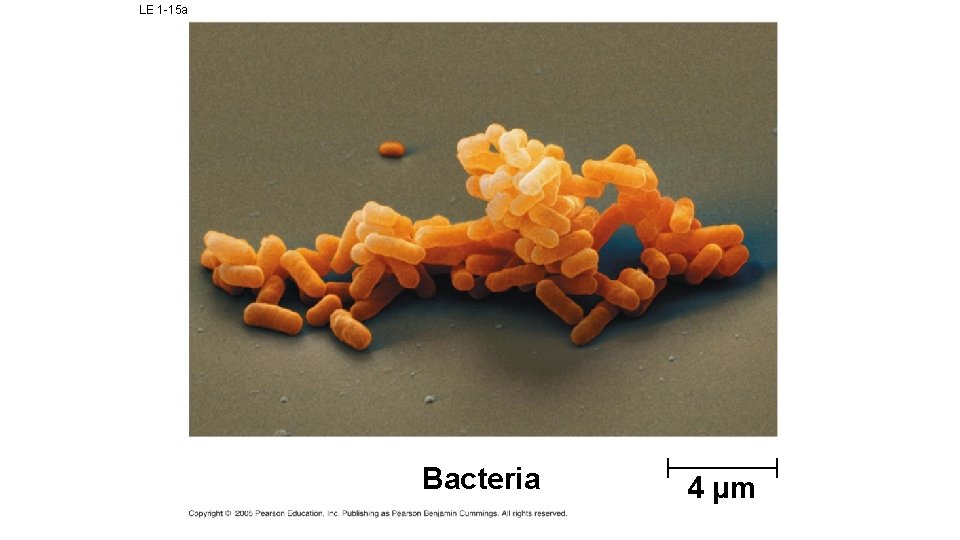
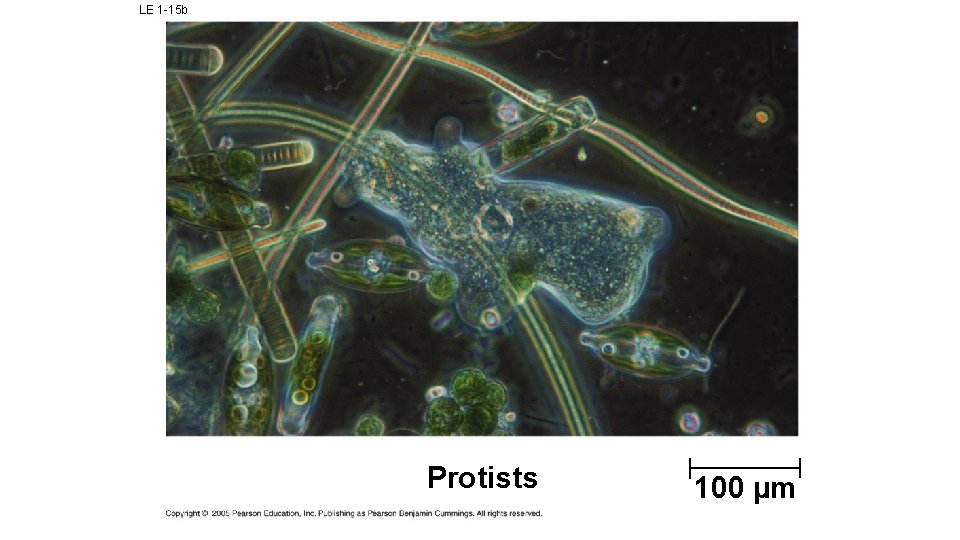
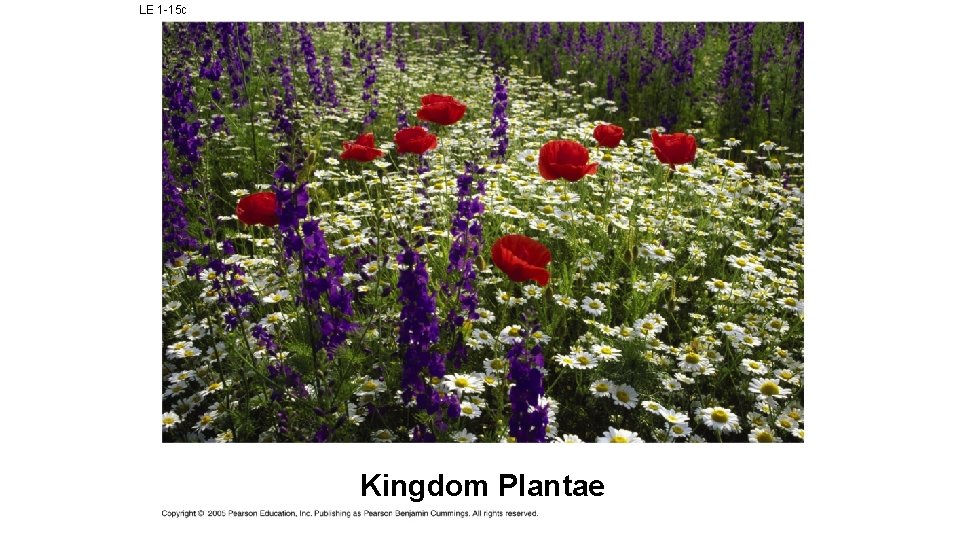
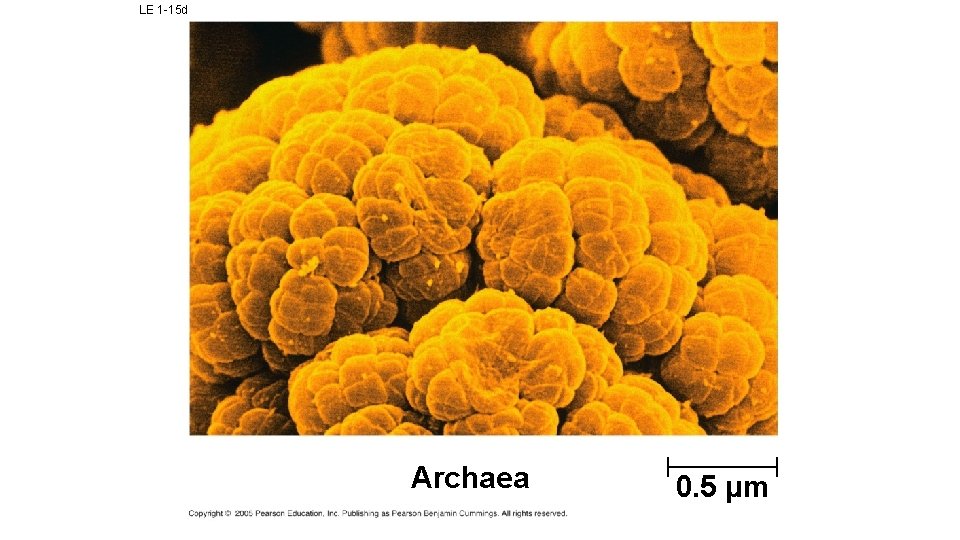
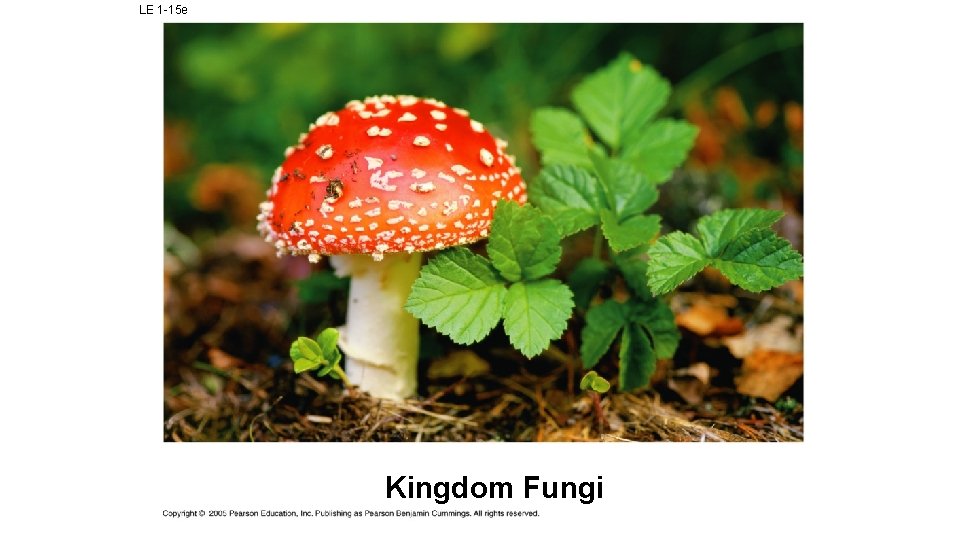
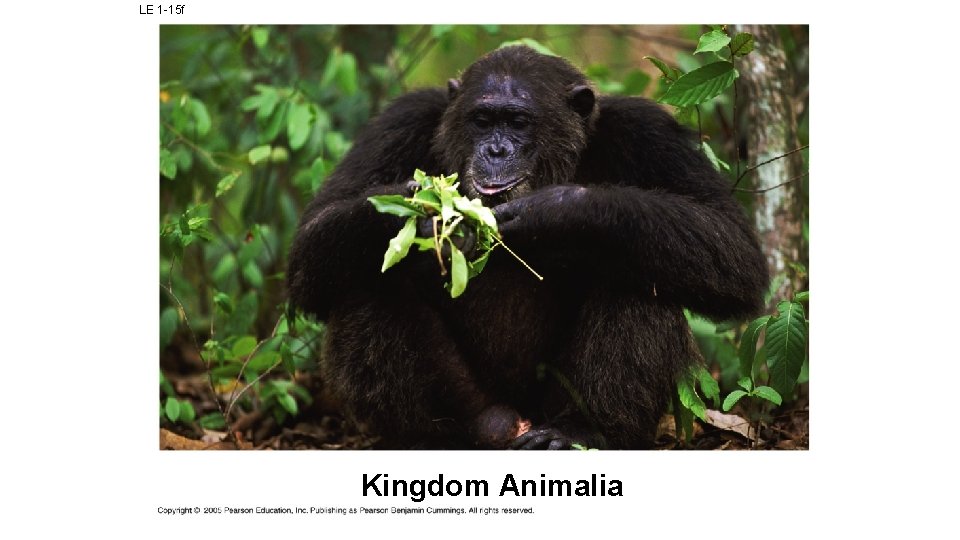
LE 1 -15 Bacteria Archaea 4 µm 0. 5 µm Protists Kingdom Fungi 100 µm Kingdom Plantae Kingdom Animalia
LE 1 -15 a Bacteria 4 µm
LE 1 -15 b Protists 100 µm
LE 1 -15 c Kingdom Plantae
LE 1 -15 d Archaea 0. 5 µm
LE 1 -15 e Kingdom Fungi
LE 1 -15 f Kingdom Animalia
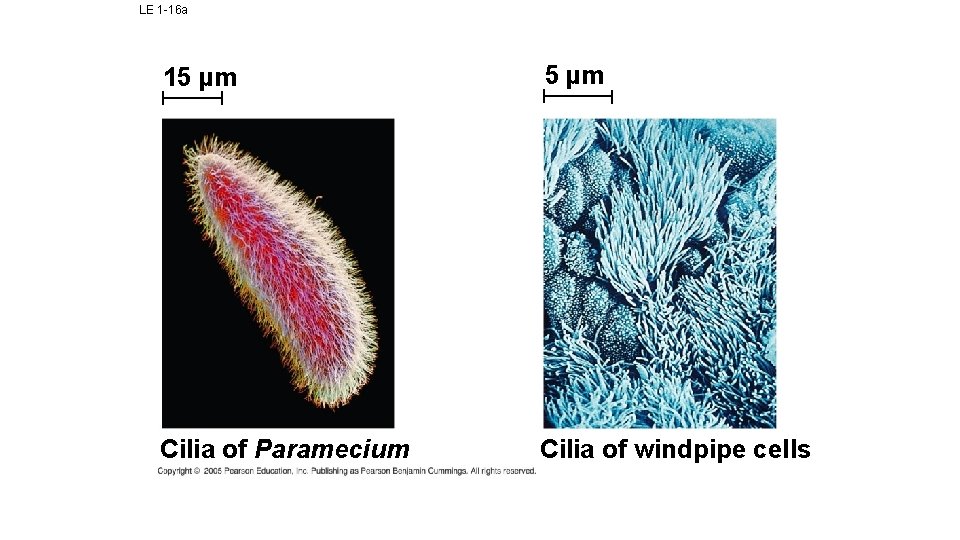
LE 1 -16 a 15 µm Cilia of Paramecium Cilia of windpipe cells
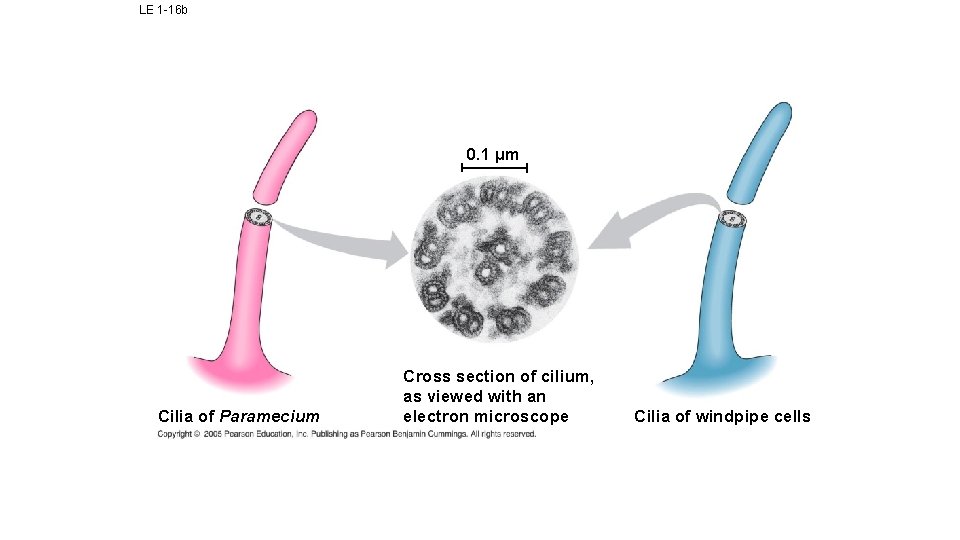
LE 1 -16 b 0. 1 µm Cilia of Paramecium Cross section of cilium, as viewed with an electron microscope Cilia of windpipe cells
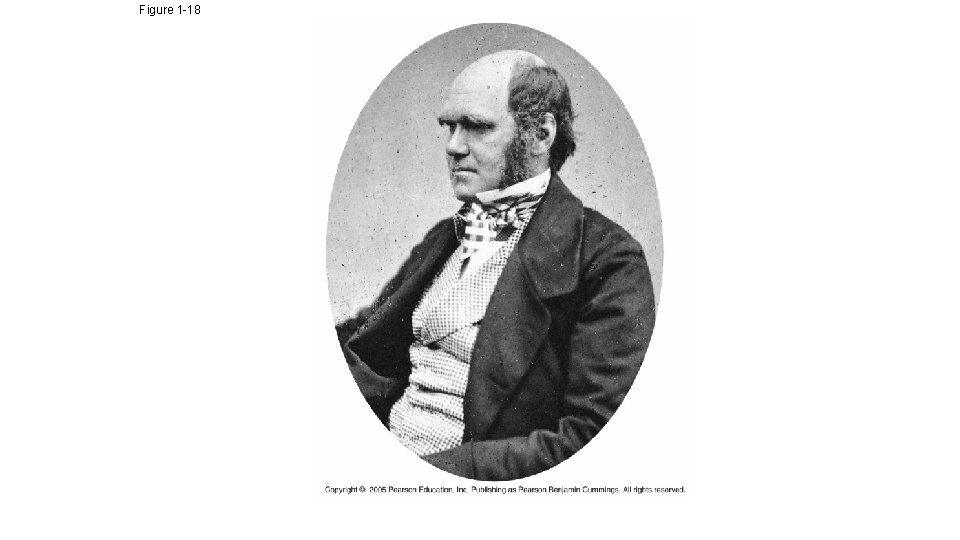
Figure 1 -18
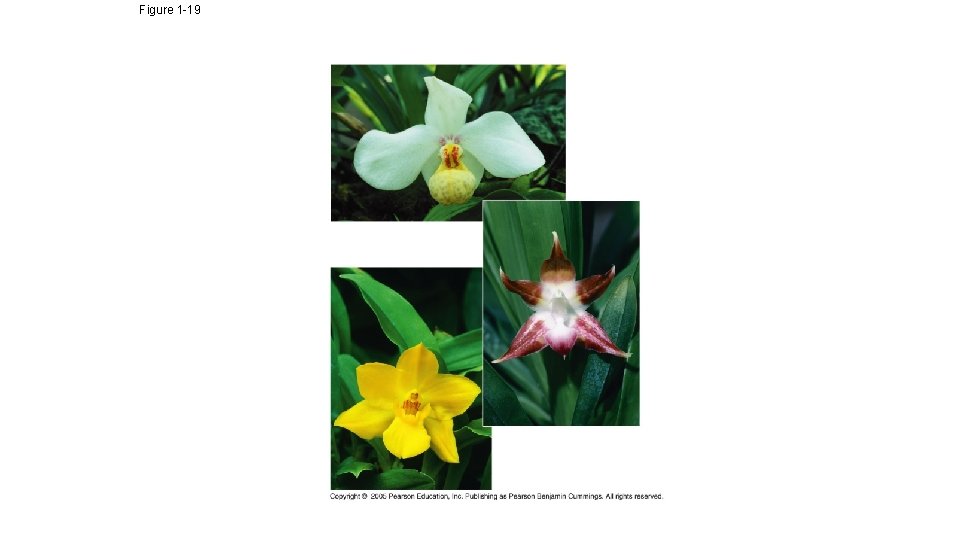
Figure 1 -19
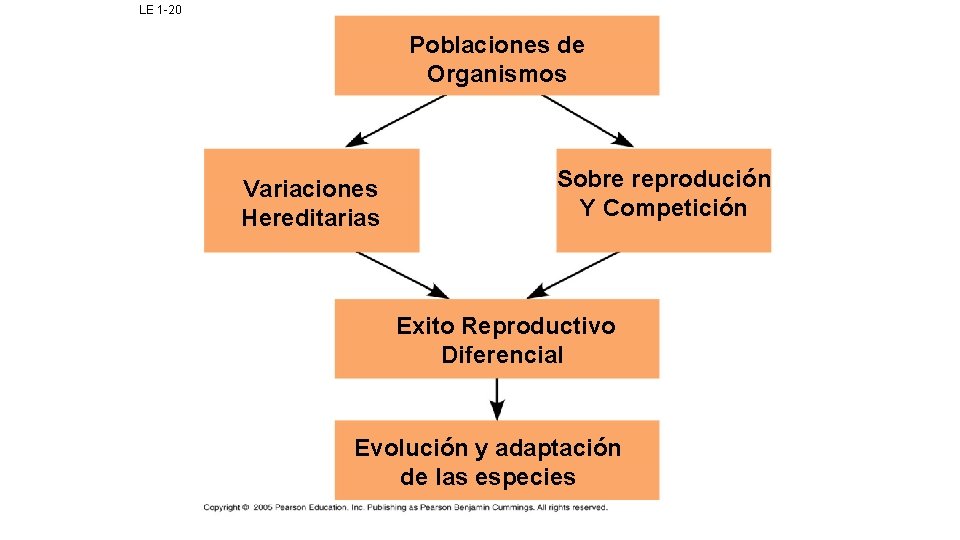
LE 1 -20 Poblaciones de Organismos Variaciones Hereditarias Sobre reprodución Y Competición Exito Reproductivo Diferencial Evolución y adaptación de las especies
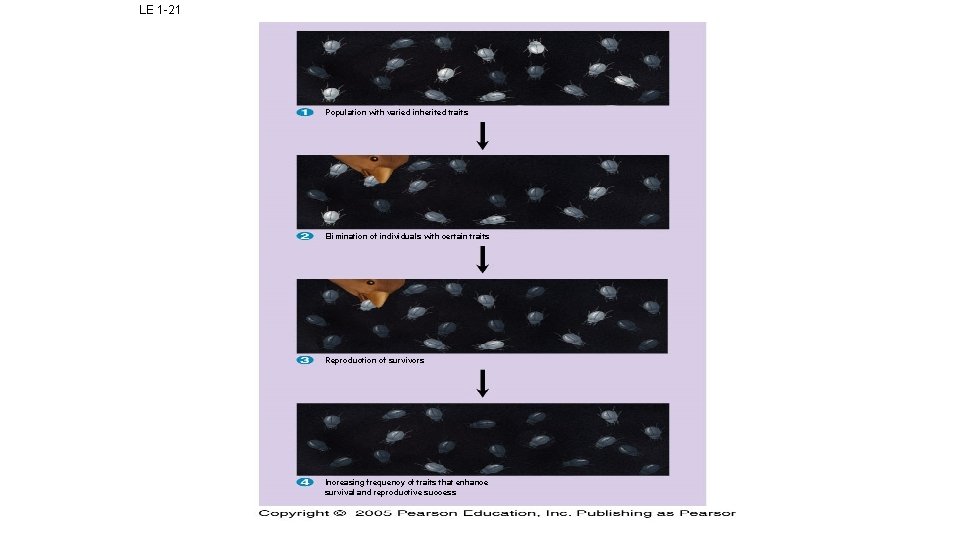
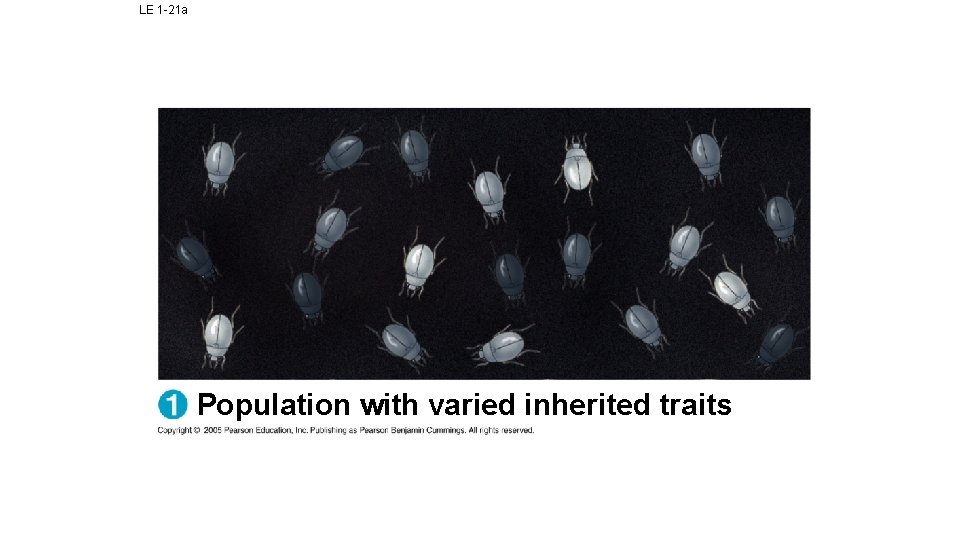
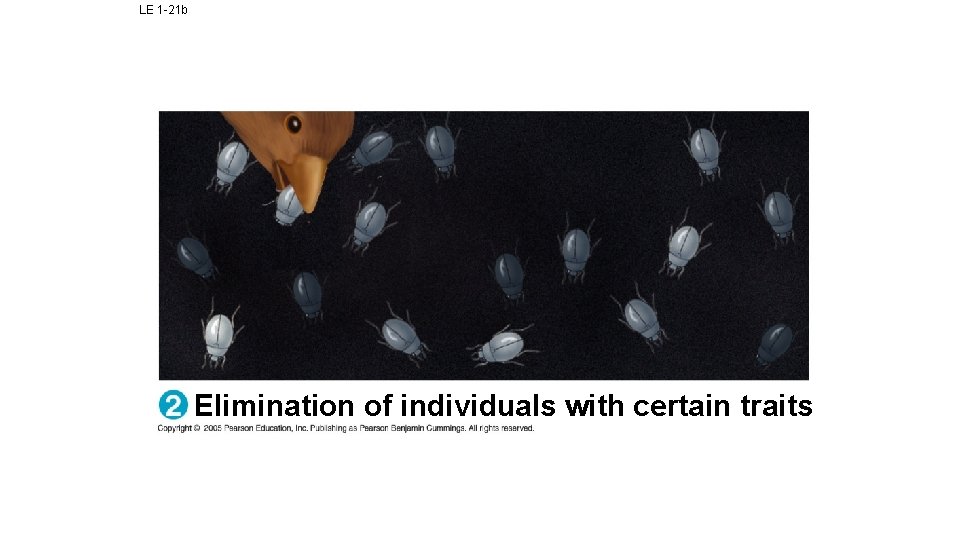
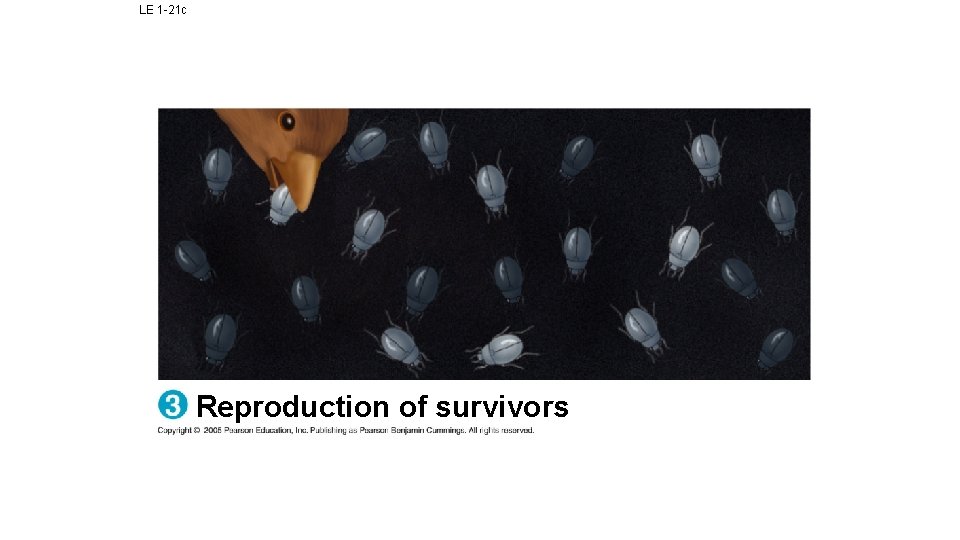
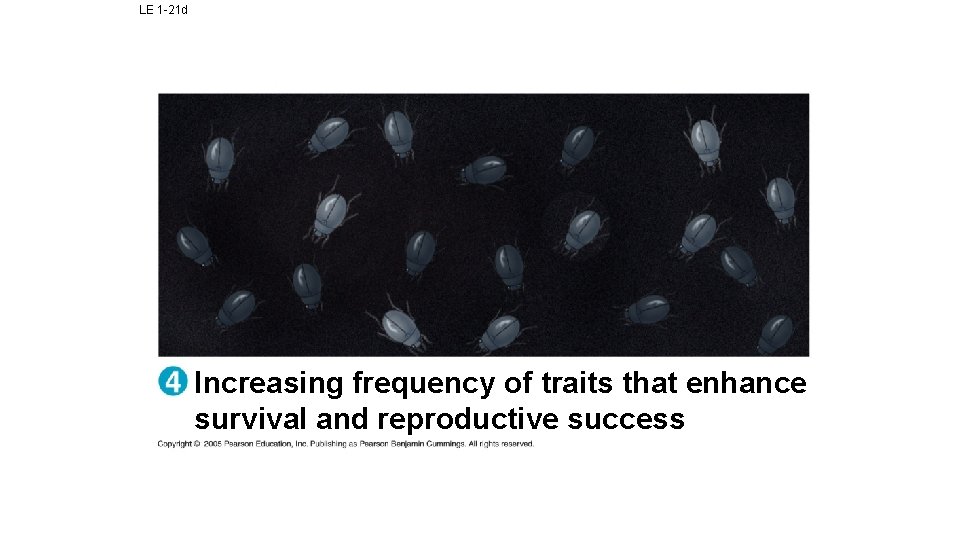
LE 1 -21 Population with varied inherited traits Elimination of individuals with certain traits Reproduction of survivors Increasing frequency of traits that enhance survival and reproductive success
LE 1 -21 a Population with varied inherited traits
LE 1 -21 b Elimination of individuals with certain traits
LE 1 -21 c Reproduction of survivors
LE 1 -21 d Increasing frequency of traits that enhance survival and reproductive success
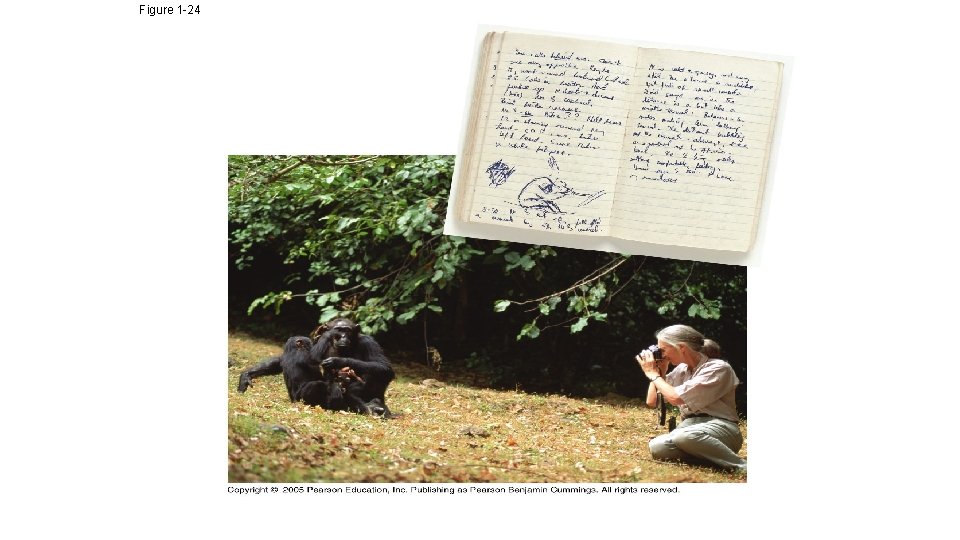
Figure 1 -24
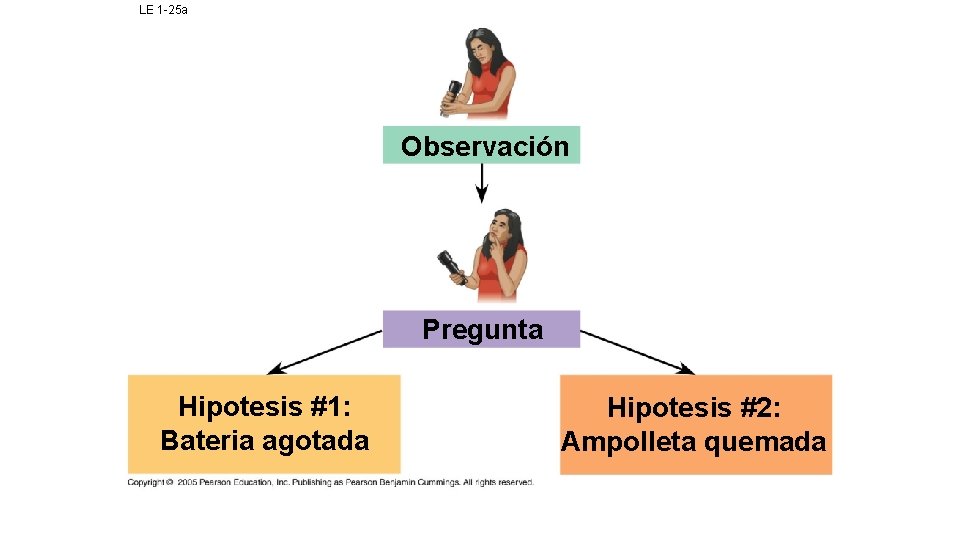
LE 1 -25 a Observación Pregunta Hipotesis #1: Bateria agotada Hipotesis #2: Ampolleta quemada
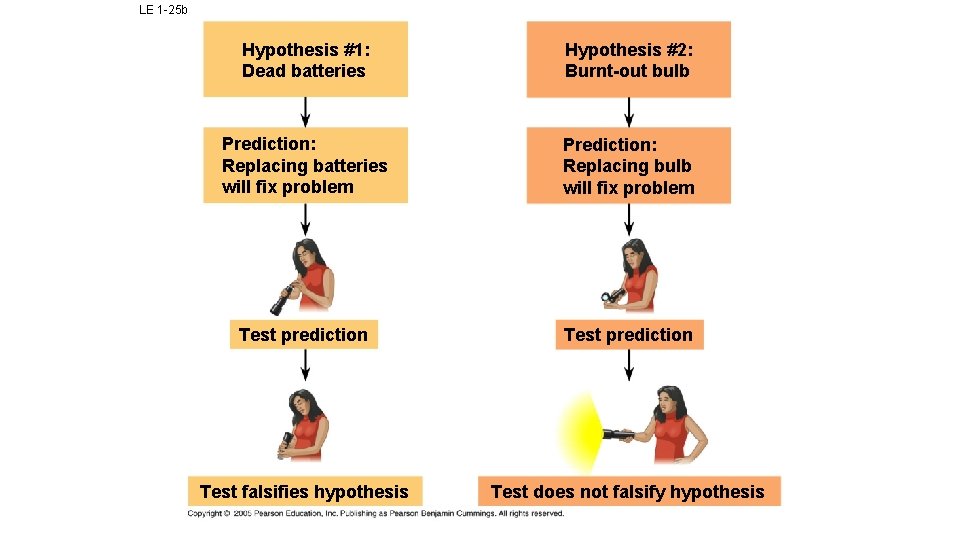
LE 1 -25 b Hypothesis #1: Dead batteries Hypothesis #2: Burnt-out bulb Prediction: Replacing batteries will fix problem Prediction: Replacing bulb will fix problem Test prediction Test falsifies hypothesis Test does not falsify hypothesis