
UNDERSTANDING the LOAD CARRYING SYSTEM of BUILDINGS alias
UNDERSTANDING the LOAD CARRYING SYSTEM of BUILDINGS alias STRUCTURE
SYSTEM • Method of approach to understanding • Collection of interrelated elements • Various aspects of elements and relationships • Problems related to the whole system
STRUCTURE • Abstract notion describing interrelationship of elements • Many different representations (verbal, graphical, mathematical). • Multiple structures in a system.
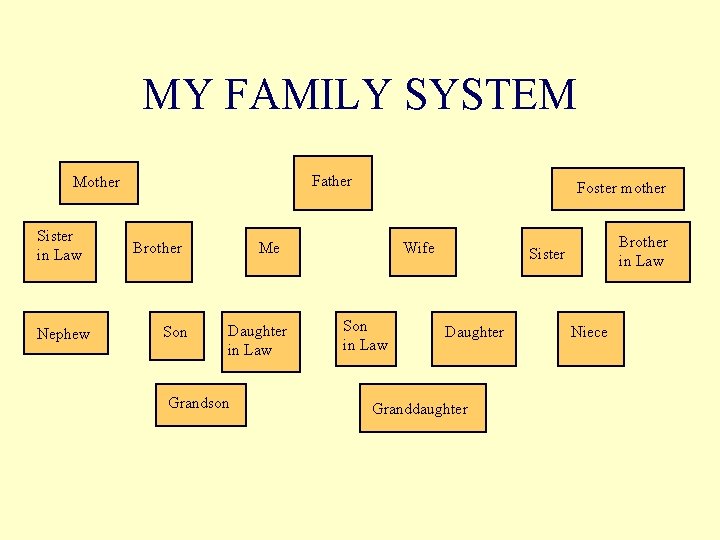
MY FAMILY SYSTEM Father Mother Sister in Law Nephew Brother Son Foster mother Me Daughter in Law Grandson Wife Son in Law Brother in Law Sister Daughter Granddaughter Niece
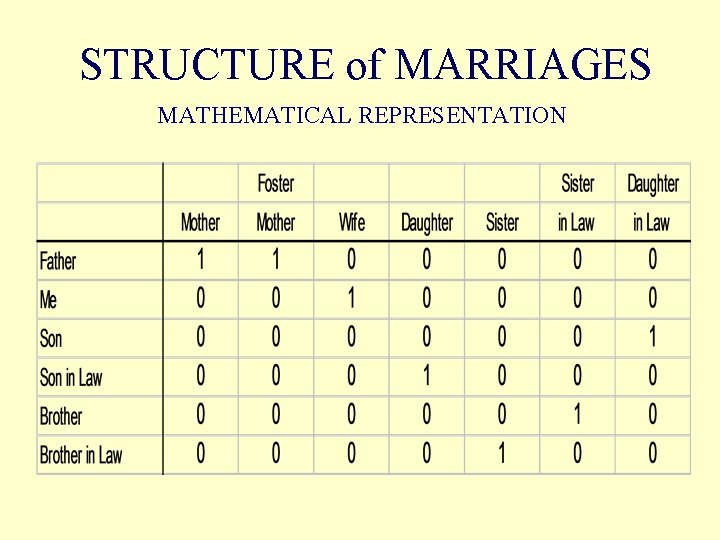
STRUCTURE of MARRIAGES MATHEMATICAL REPRESENTATION
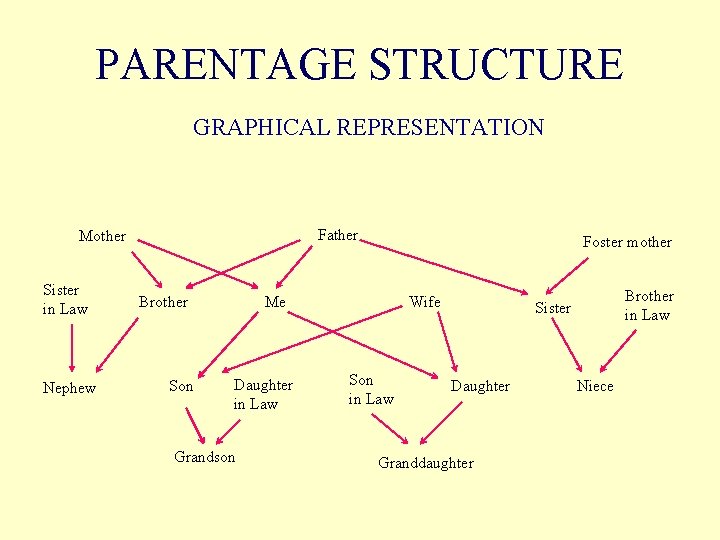
PARENTAGE STRUCTURE GRAPHICAL REPRESENTATION Father Mother Sister in Law Nephew Brother Son Foster mother Me Daughter in Law Grandson Wife Son in Law Brother in Law Sister Daughter Granddaughter Niece
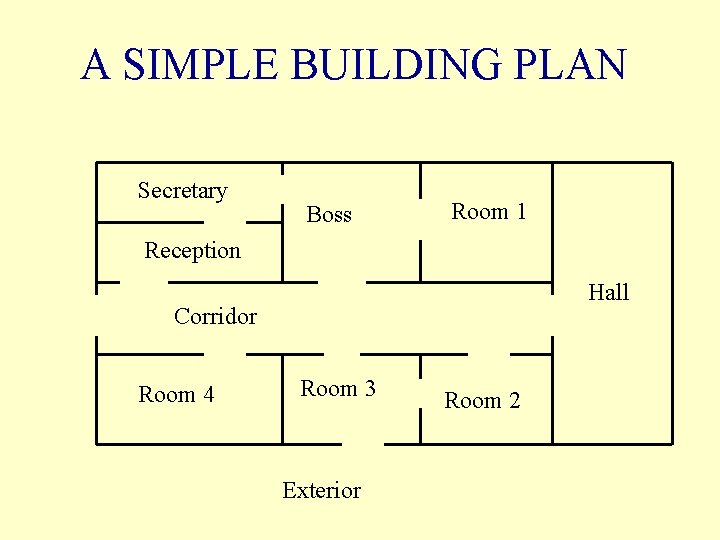
A SIMPLE BUILDING PLAN Secretary Boss Room 1 Reception Hall Corridor Room 4 Room 3 Exterior Room 2
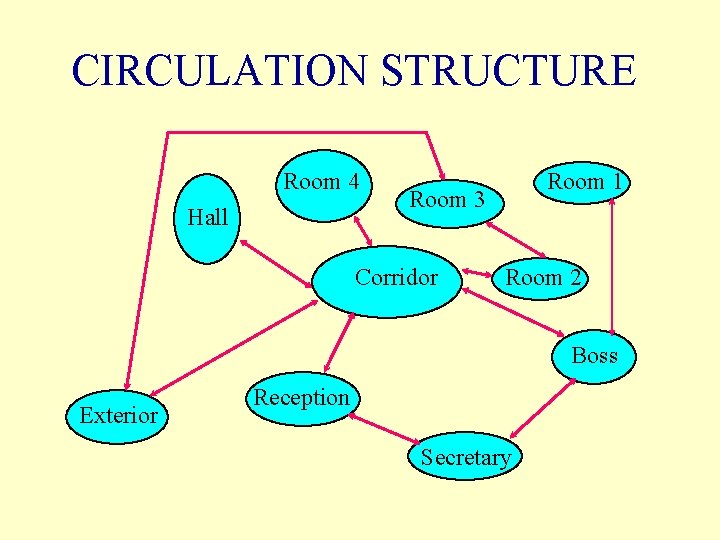
CIRCULATION STRUCTURE Room 4 Hall Room 1 Room 3 Corridor Room 2 Boss Exterior Reception Secretary
WHY BUILDINGS? • Meso-environment (thermal, acoustic, light) • Security (predators, pests, enemies, etc. )
PROBLEMS in BUILDINGS • Problems and factors • Nearly all elements involved • Problem specific structures
HUMAN FACTORS • Psychological (spatial perception, spatial cognition) • Physiological (thermal comfort) • Social (spatial layout) • Cultural (meanings, use patterns, etc. )
ENVIRONMENTAL FACTORS • Climatic (thermal, radiation, wind, rain, snow, etc. ) • Economic (materials, labor, finance) • Geological (gravitation, earthquakes, materials, foundations) • Topographical (slopes, vegetation)
MECHANICAL FACTORS • Mechanics (forces and motions) • Loads (gravitation, wind, earthquakes) • Foundations

LOAD CARRYING SYSTEM (LCS) • Elements + connectivity structure • STRUCTURE of building • Structural problems
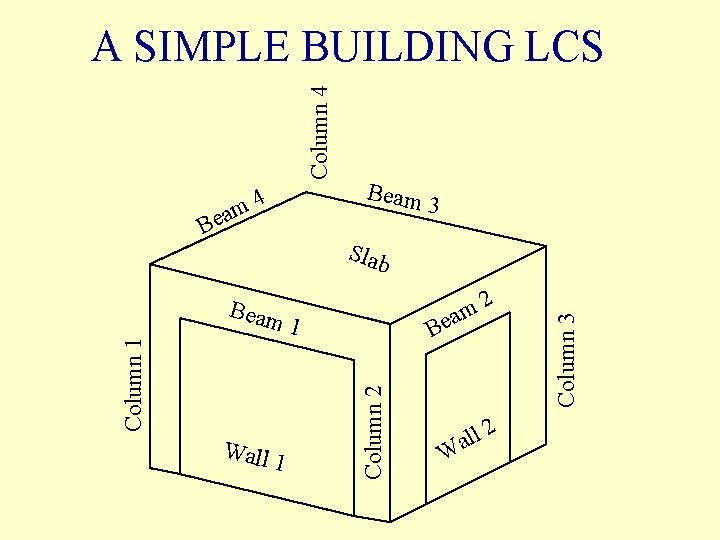
Column 4 A SIMPLE BUILDING LCS Column 1 1 2 m ea 1 B W 2 l l a Column 3 Slab Beam Wall Beam 3 Column 2 a Be m 4
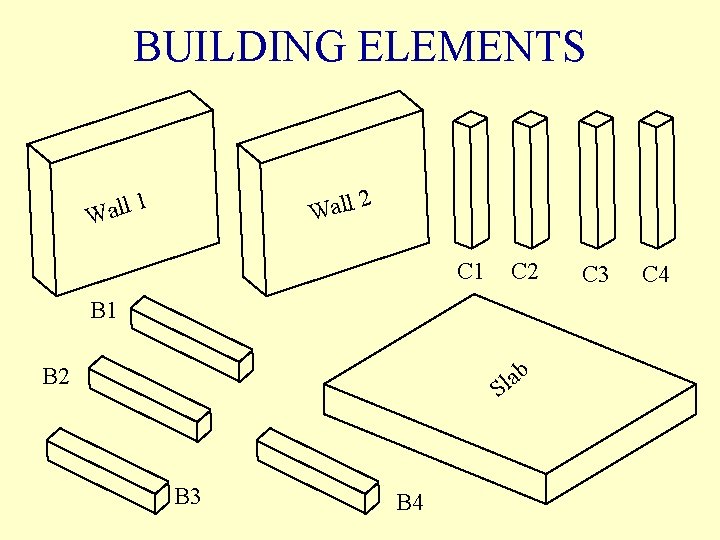
BUILDING ELEMENTS 2 l l a W 1 l l a W C 1 C 2 B 1 ab l S B 2 B 3 B 4 C 3 C 4
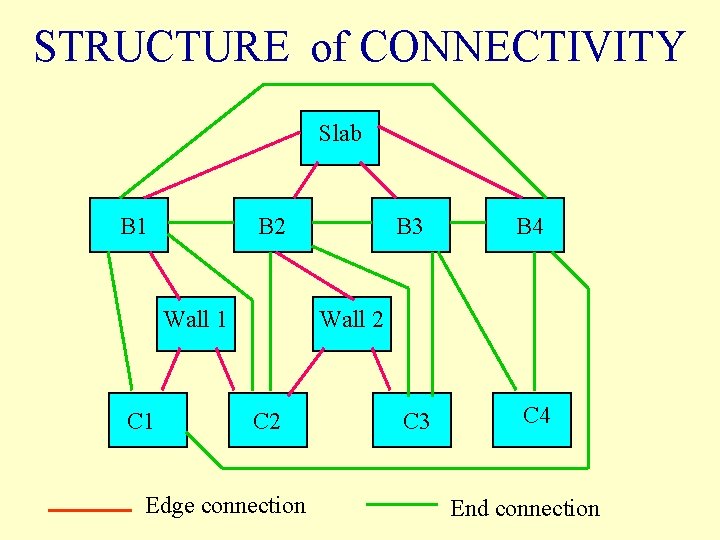
STRUCTURE of CONNECTIVITY Slab B 1 B 2 Wall 1 C 1 B 3 B 4 Wall 2 C 2 Edge connection C 3 C 4 End connection
STRUCTURAL REQUIREMENTS of LCSs • Restraint (sufficient members and supports to provide for equilibrium) • Strength (sufficient material to prevent rupture) • Rigidity (sufficient resistance to deformation) • Ductility (sufficient capacity for energy absorption)
COMPATIBILITY REQUIREMENTS of LCSs • Spatial layout (e. g. hotels, bearing walls) • Materials (e. g. masonry and vaults) • Services (integration of services) • Construction (e. g. bearing walls, integral forms, tower cranes)
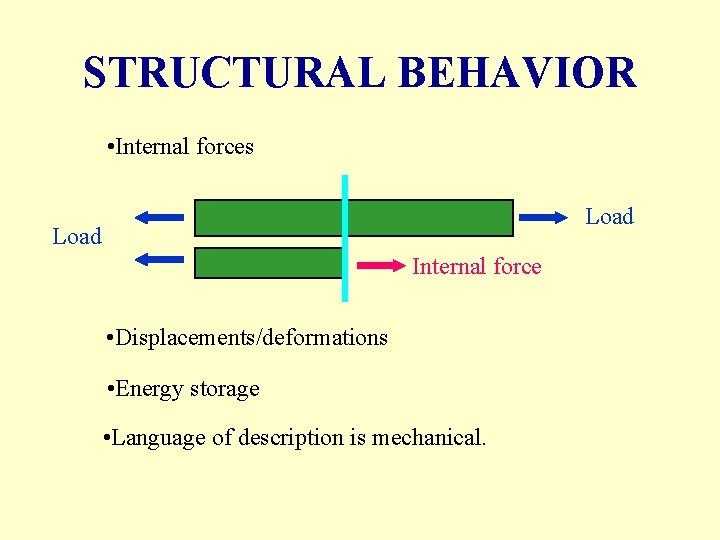
STRUCTURAL BEHAVIOR • Internal forces Load Internal force • Displacements/deformations • Energy storage • Language of description is mechanical.
UNDERSTANDING BEHAVIOR of LCSs • Modeling of LCS • Prediction of loads • Analysis of mechanical forms • Understanding in terms of basic modes
DIRECTION of PREDOMINANT LOAD • Vertical (gravitation) • Horizontal (wind) • Combination (earthquake)
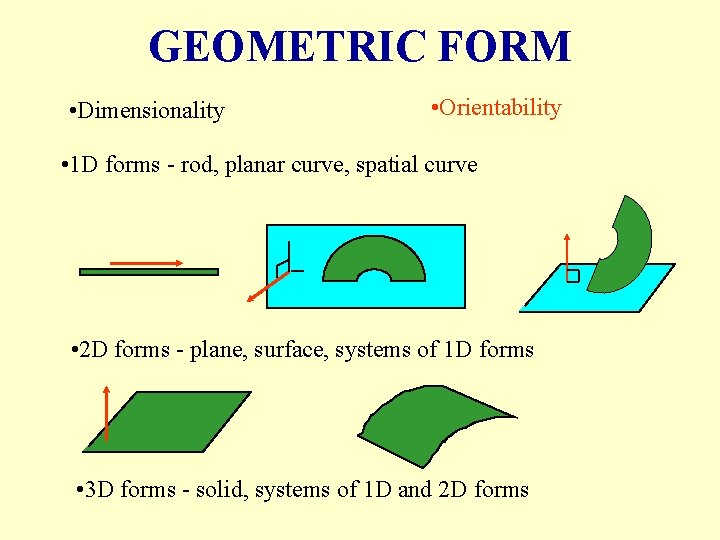
GEOMETRIC FORM • Dimensionality • Orientability • 1 D forms - rod, planar curve, spatial curve • 2 D forms - plane, surface, systems of 1 D forms • 3 D forms - solid, systems of 1 D and 2 D forms
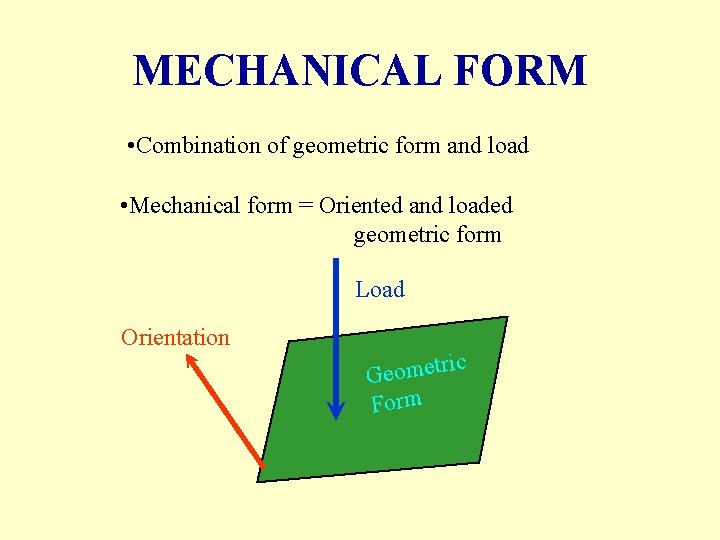
MECHANICAL FORM • Combination of geometric form and load • Mechanical form = Oriented and loaded geometric form Load Orientation ic r t e m o e G Form
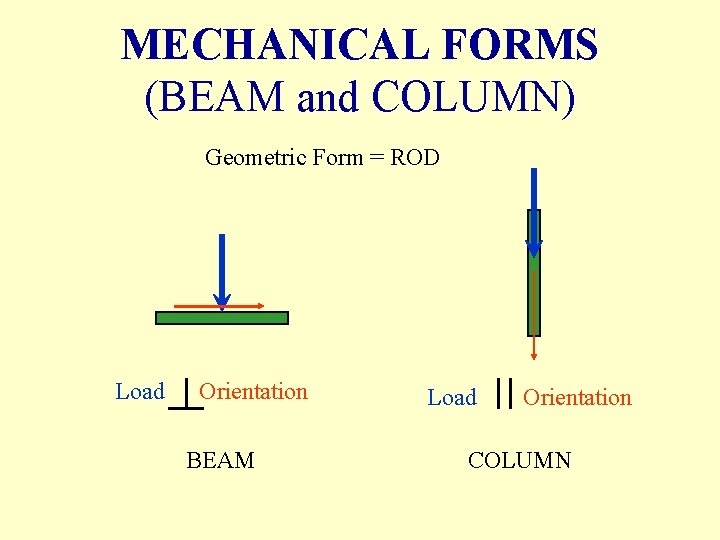
MECHANICAL FORMS (BEAM and COLUMN) Geometric Form = ROD Load Orientation BEAM Load Orientation COLUMN
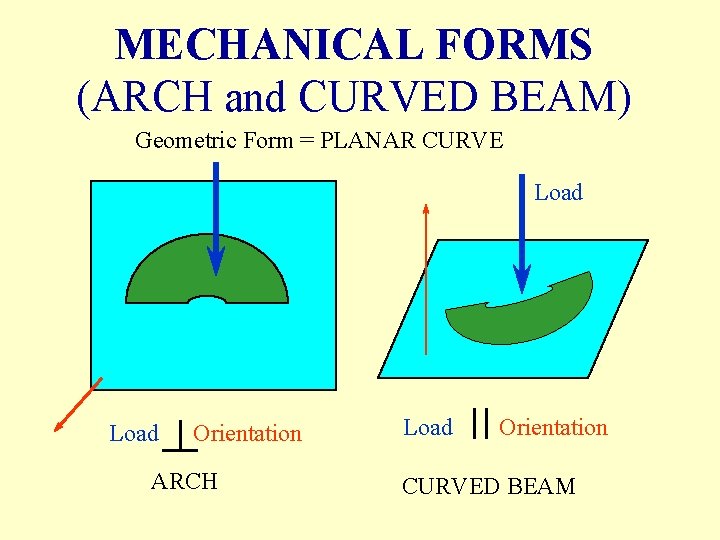
MECHANICAL FORMS (ARCH and CURVED BEAM) Geometric Form = PLANAR CURVE Load Orientation ARCH Load Orientation CURVED BEAM
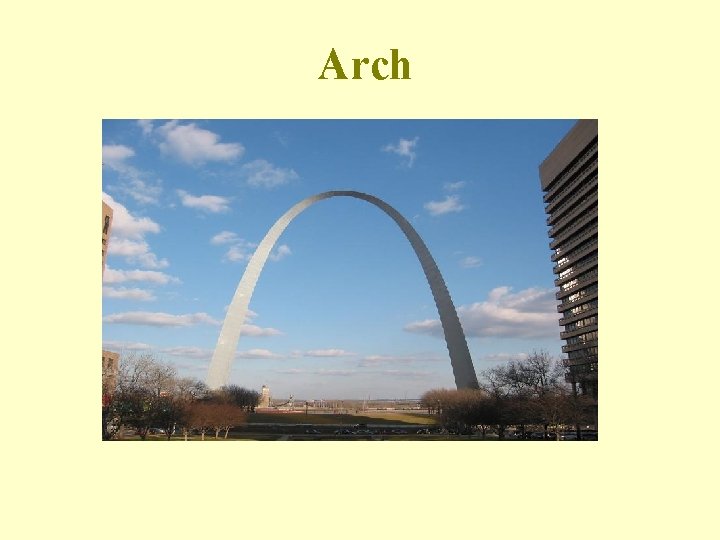
Arch

Curved Beam
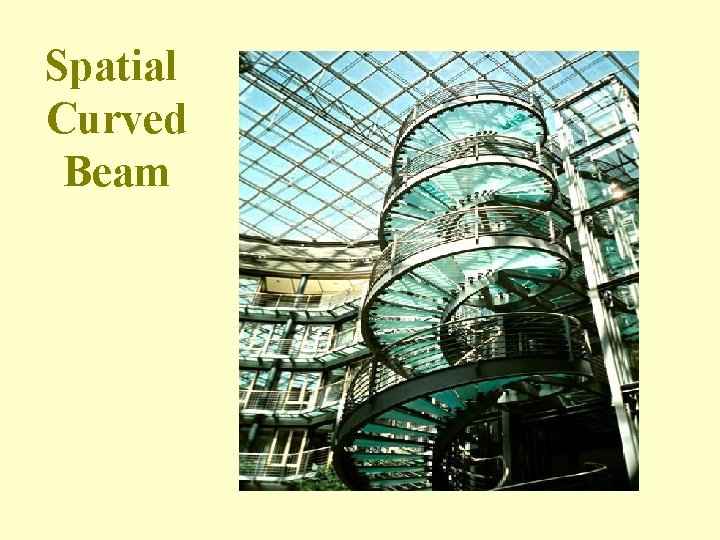
Spatial Curved Beam
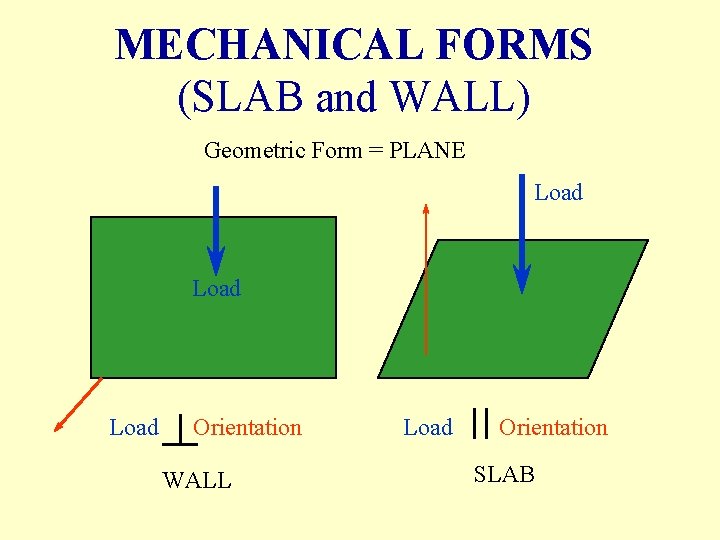
MECHANICAL FORMS (SLAB and WALL) Geometric Form = PLANE Load Orientation WALL Load Orientation SLAB
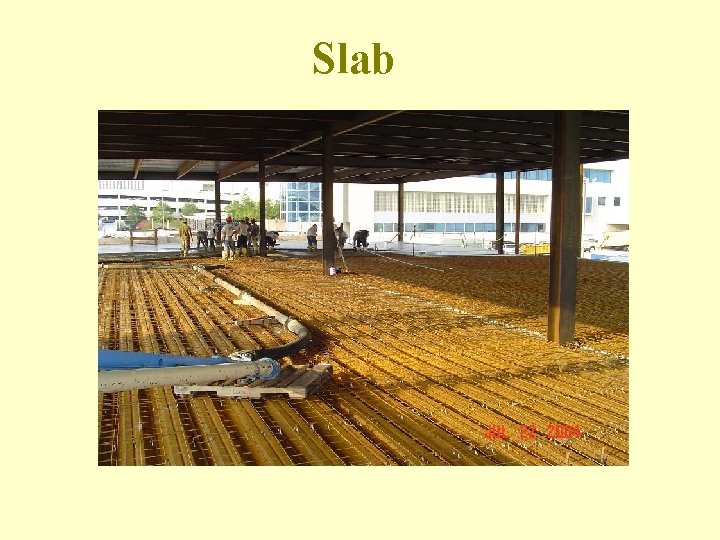
Slab
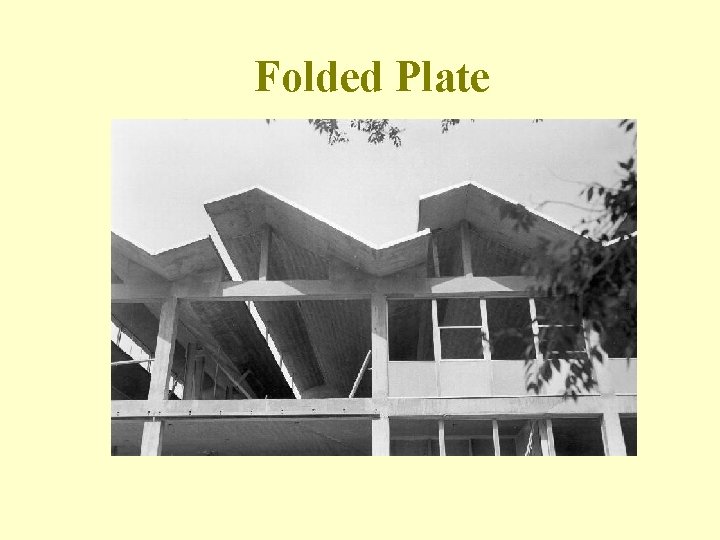
Folded Plate
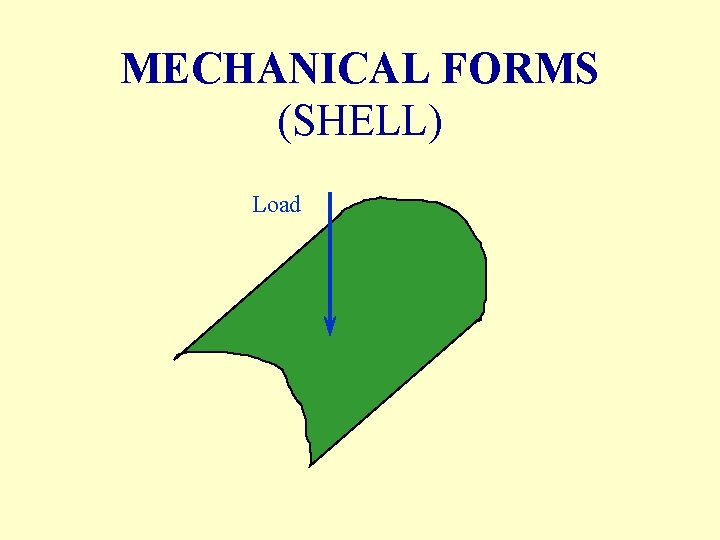
MECHANICAL FORMS (SHELL) Load
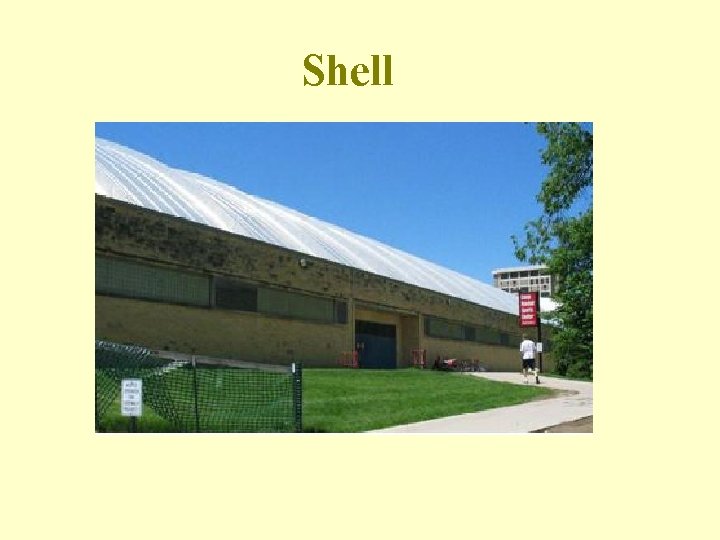
Shell
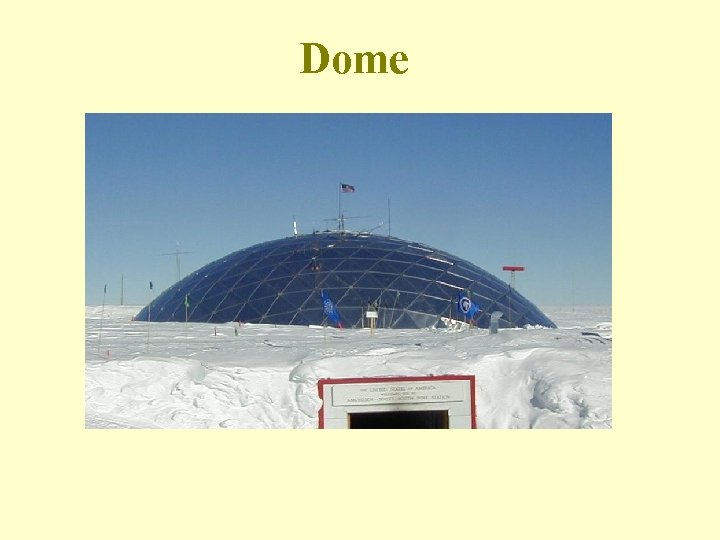
Dome
UNDERSTANDING SPECIFIC BUILDING LCS’s • Resolve hierarchy of structural problems • Determine scale of problem (overall building, breakdown of main structure, detail elements) • Resolve structure of elements • Recognize the MF of elements

World Trade Towers
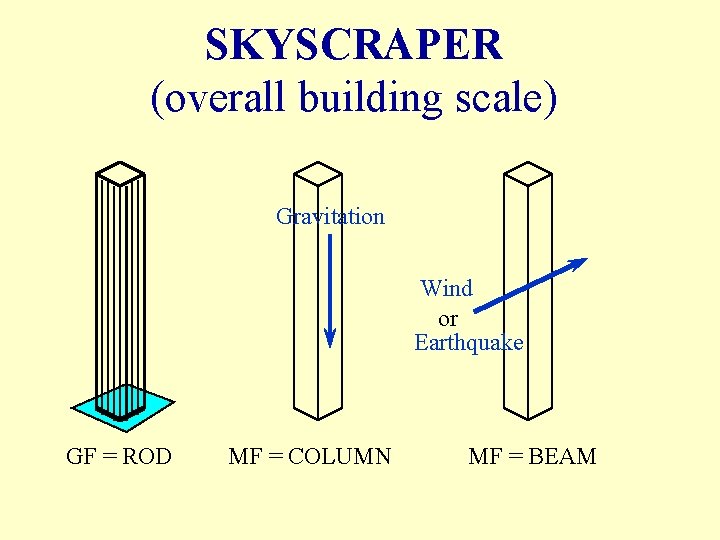
SKYSCRAPER (overall building scale) Gravitation Wind or Earthquake GF = ROD MF = COLUMN MF = BEAM
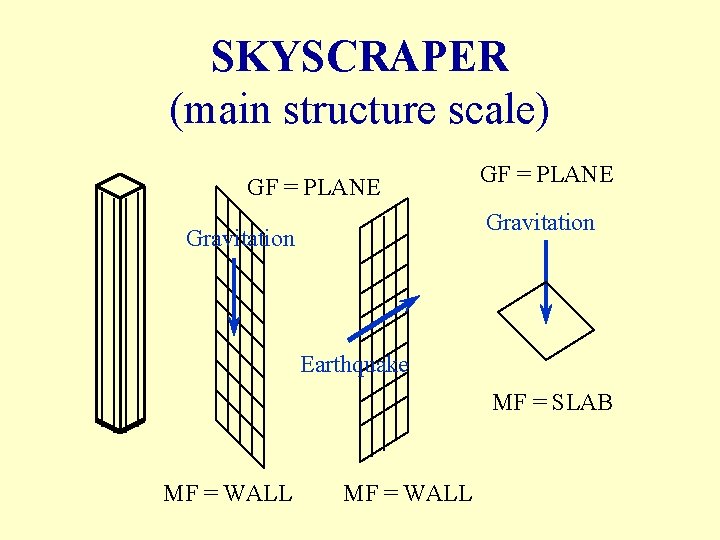
SKYSCRAPER (main structure scale) GF = PLANE Gravitation Earthquake MF = SLAB MF = WALL
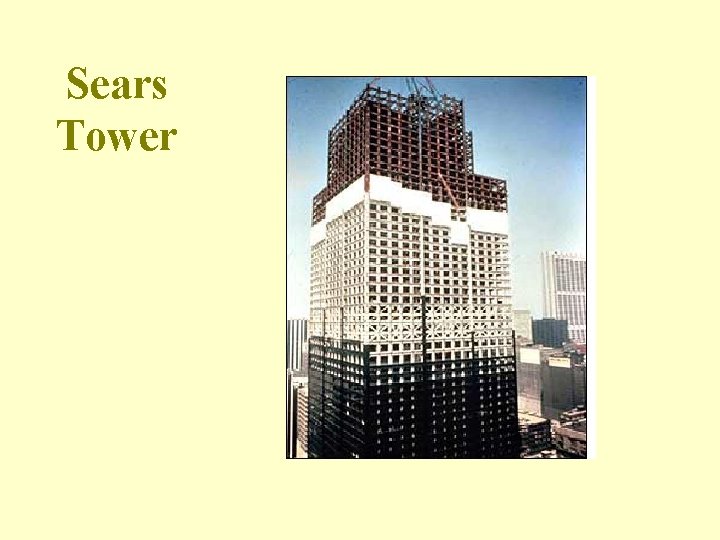
Sears Tower
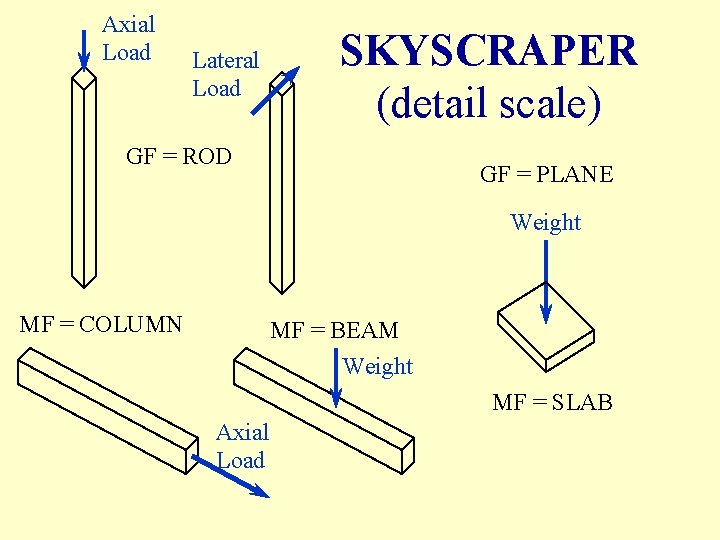
Axial Load Lateral Load SKYSCRAPER (detail scale) GF = ROD GF = PLANE Weight MF = COLUMN MF = BEAM Weight MF = SLAB Axial Load
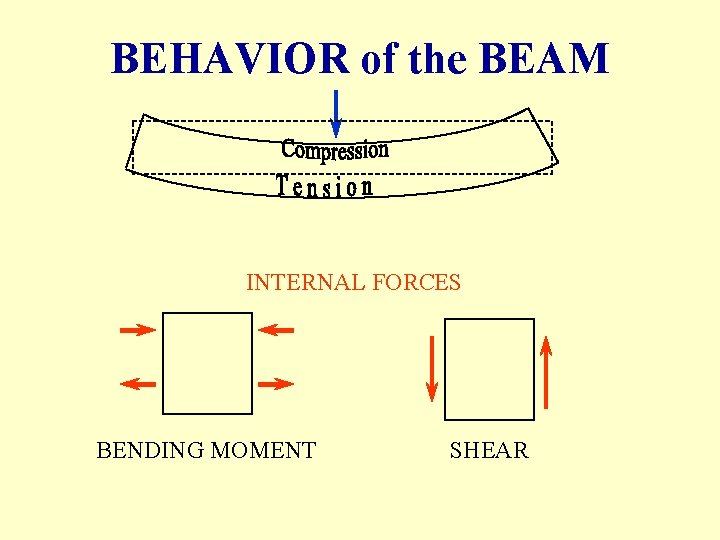
BEHAVIOR of the BEAM INTERNAL FORCES BENDING MOMENT SHEAR
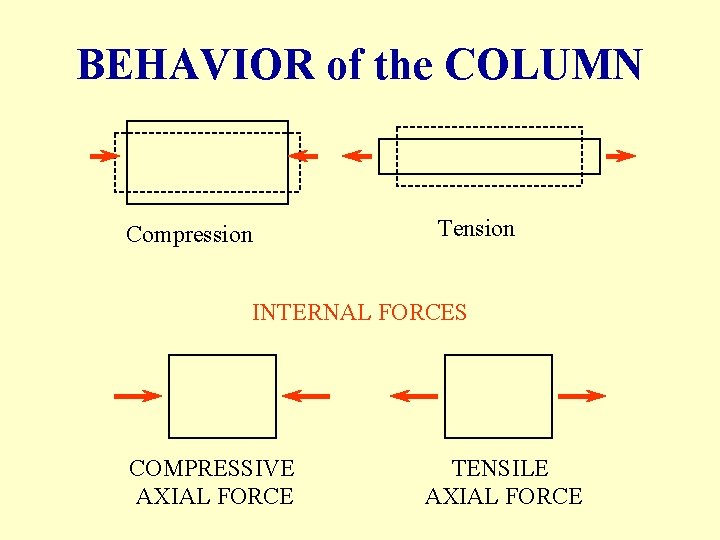
BEHAVIOR of the COLUMN Compression Tension INTERNAL FORCES COMPRESSIVE AXIAL FORCE TENSILE AXIAL FORCE

BEHAVIOR of the COLUMN (BUCKLING) Load INTERNAL FORCE BENDING MOMENT
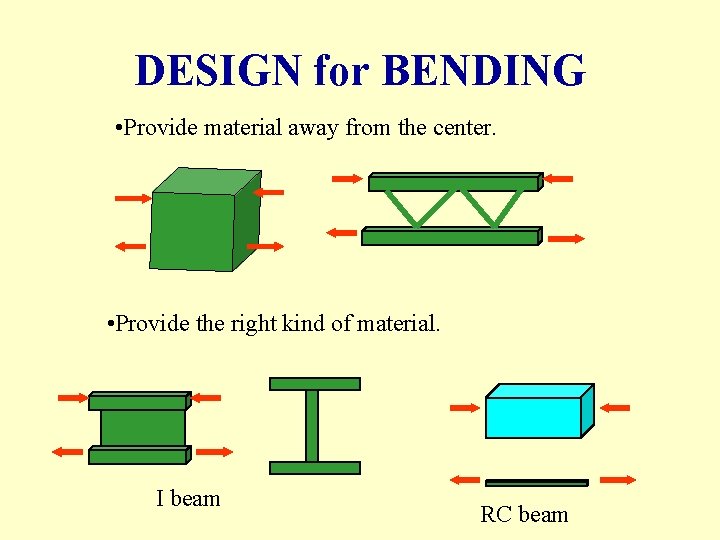
DESIGN for BENDING • Provide material away from the center. • Provide the right kind of material. I beam RC beam
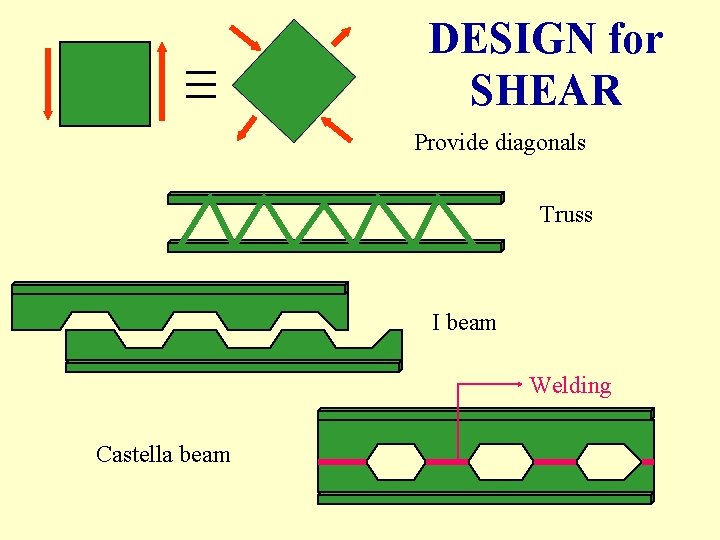
DESIGN for SHEAR Provide diagonals Truss I beam Welding Castella beam
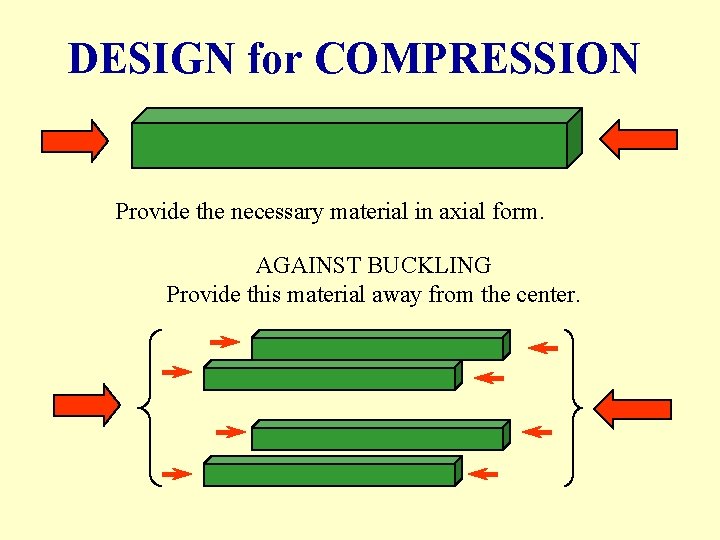
DESIGN for COMPRESSION Provide the necessary material in axial form. AGAINST BUCKLING Provide this material away from the center.
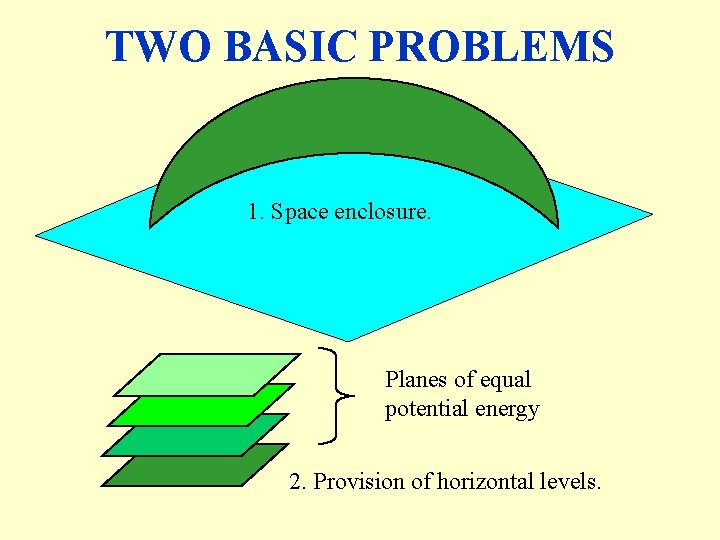
TWO BASIC PROBLEMS 1. Space enclosure. Planes of equal potential energy 2. Provision of horizontal levels.
CONCLUSION • Look at a building LCS hierarchically. • Identify the predominant loading. • Identify the geometric form. • Identify the mechanical form. • Estimate the behavior.
- Slides: 49