
Understanding Second Language Pedagogy Karen E Johnson Professor











- Slides: 56
Understanding Second Language Pedagogy Karen E. Johnson Professor of Applied Linguistics and Applied Language Studies
Teachers need to recognize that they “teach from somewhere”
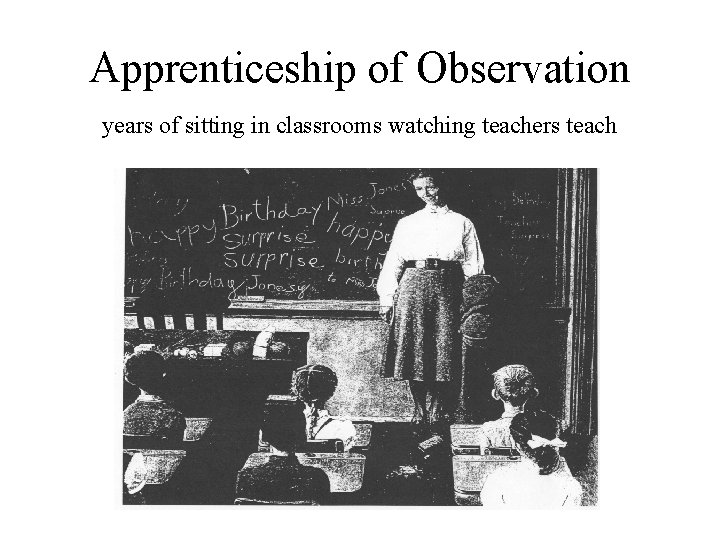
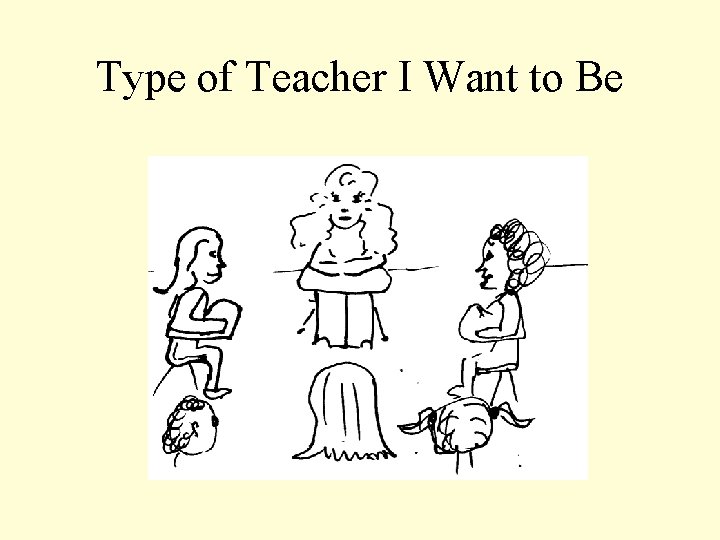
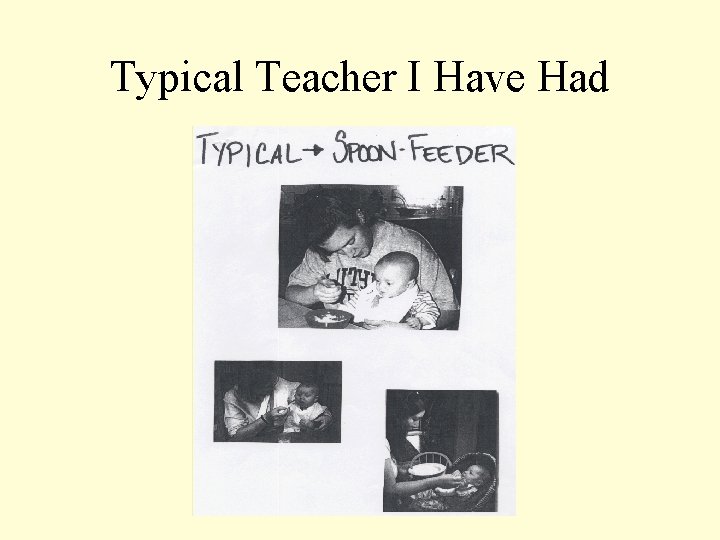
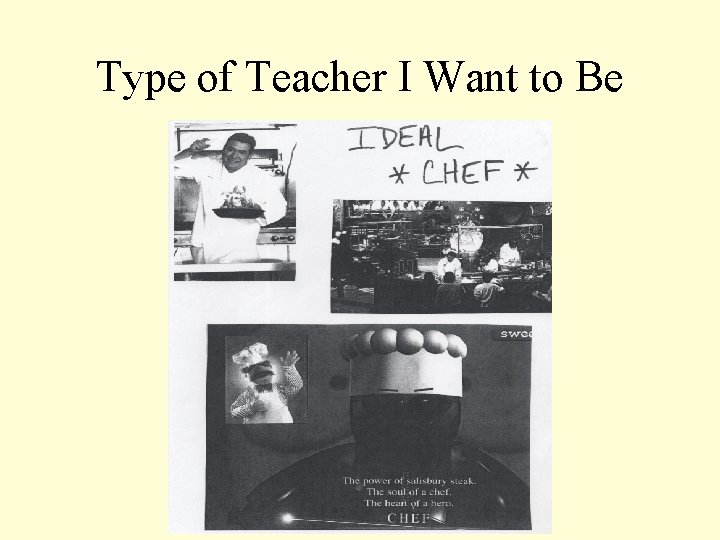
Apprenticeship of Observation years of sitting in classrooms watching teachers teach
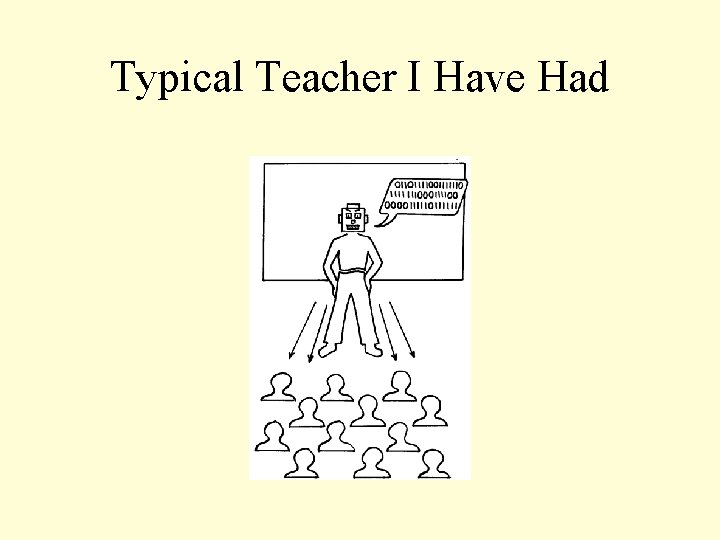
Typical Teacher I Have Had
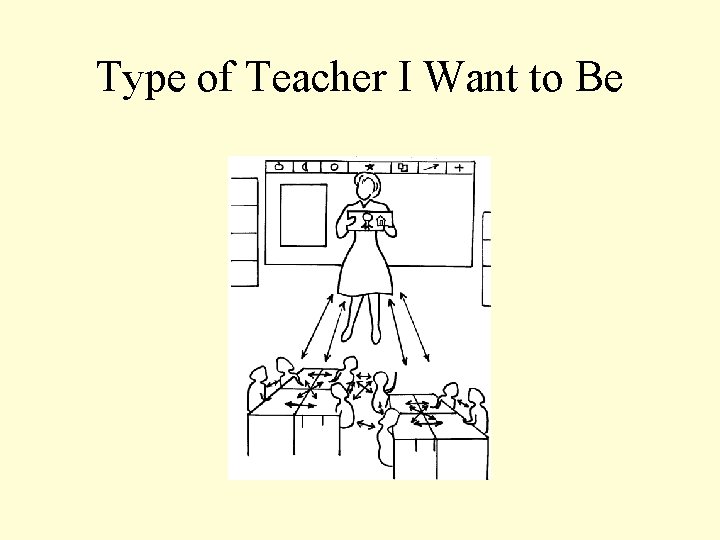
Type of Teacher I Want to Be
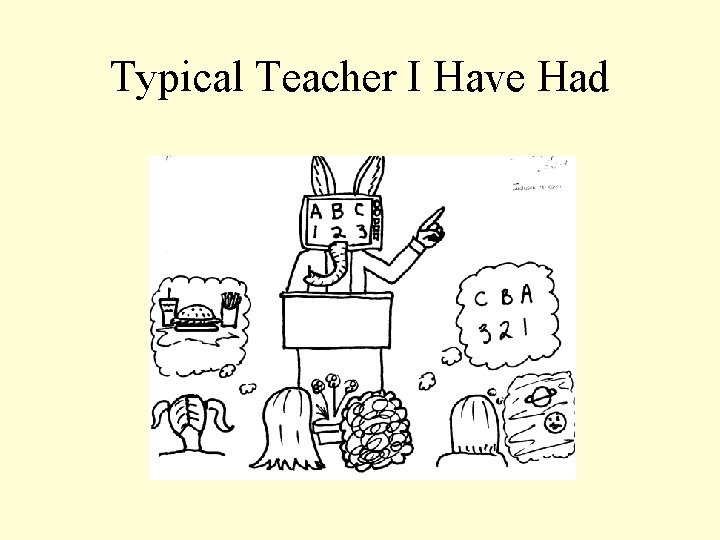
Typical Teacher I Have Had
Type of Teacher I Want to Be
Typical Teacher I Have Had
Type of Teacher I Want to Be
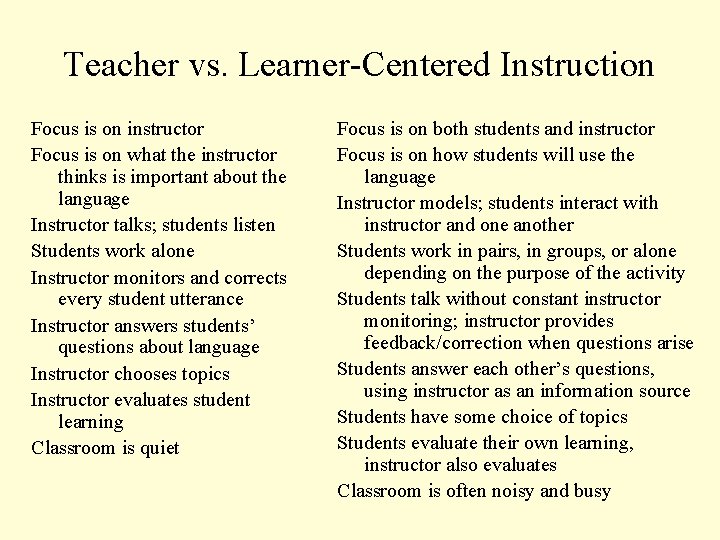
Teacher vs. Learner-Centered Instruction Focus is on instructor Focus is on what the instructor thinks is important about the language Instructor talks; students listen Students work alone Instructor monitors and corrects every student utterance Instructor answers students’ questions about language Instructor chooses topics Instructor evaluates student learning Classroom is quiet Focus is on both students and instructor Focus is on how students will use the language Instructor models; students interact with instructor and one another Students work in pairs, in groups, or alone depending on the purpose of the activity Students talk without constant instructor monitoring; instructor provides feedback/correction when questions arise Students answer each other’s questions, using instructor as an information source Students have some choice of topics Students evaluate their own learning, instructor also evaluates Classroom is often noisy and busy
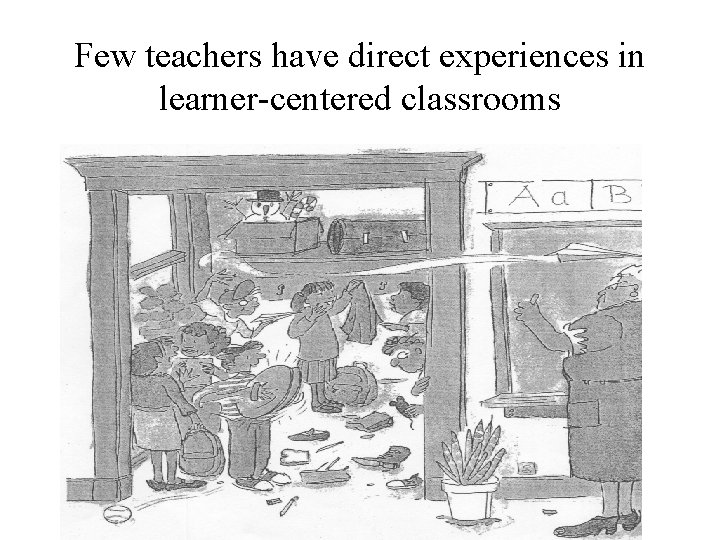
Few teachers have direct experiences in learner-centered classrooms
Teachers need to recognize that in teaching “it always depends”
Knowing what to do in any classroom depends on: ü who your students are, what they know, and what they need to know
When you look at your students, what do you see?
Knowing what to do in any classroom depends on: ü who your students are, what they know, and what they need to know ü who you are, what you know and believe, and what you want your students to be able to know and do
What do you believe is most important about second language learning and second language teaching? What do you want your students to be able to do with the language?
Knowing what to do in any classroom depends on: ü who your students are, what they know, and what they need to know ü who you are, what you know and believe, and what you want your students to be able to know and do ü what you are expected to teach, how you teach it, and what your students are expected to do with what you taught them
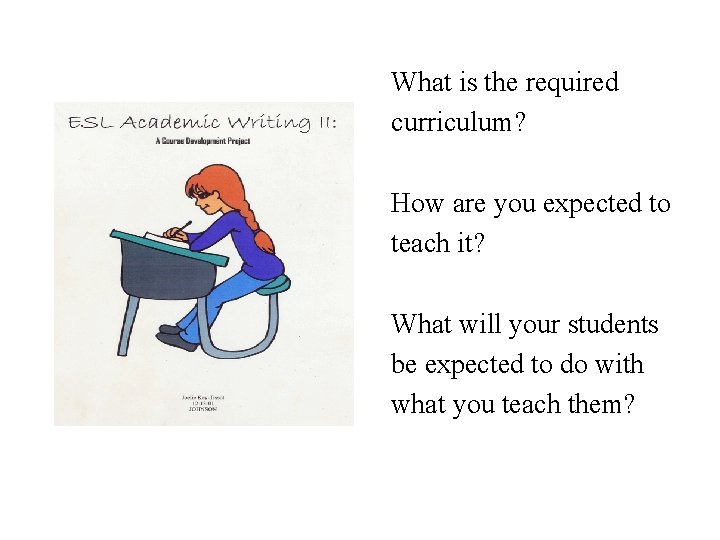
What is the required curriculum? How are you expected to teach it? What will your students be expected to do with what you teach them?
Knowing what to do in any classroom depends on: ü who your students are, what they know, and what they need to know ü who you are, what you know and believe, and what you want your students to be able to know and do ü what you are expected to teach, how you teach it, and what your students are expected to do with what you taught them ü how your students view you and to what extent they value what you are trying to teach them
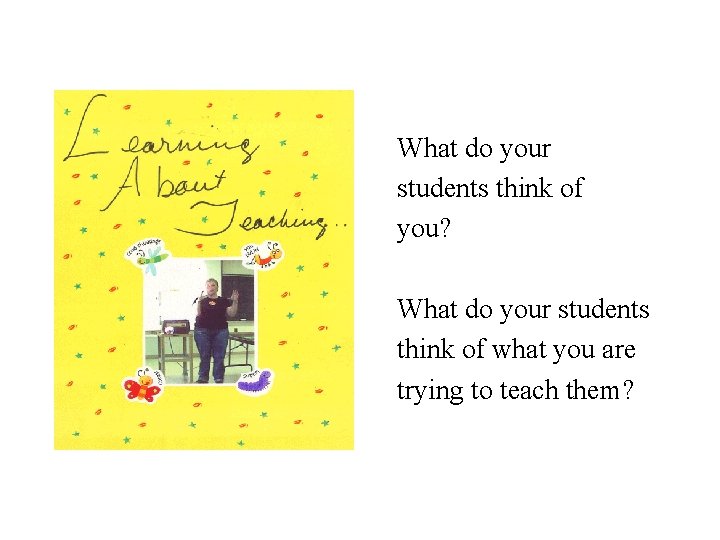
What do your students think of you? What do your students think of what you are trying to teach them?
Knowing what to do in any classroom depends on: ü who your students are, what they know, and what they need to know ü who you are, what you know and believe, and what you want your students to be able to know and do ü what you are expected to teach, how you teach it, and what your students are expected to do with what you taught them ü how your students view you and to what extent they value what you are trying to teach them ü how your students and your courses are viewed within the institution where you teach
How does the institution where you work view the courses you teach? How are these courses viewed outside of the institution where you work?
Good teaching requires teachers to figure out what to do about a particular topic, with a particular group of students, at a particular time and place
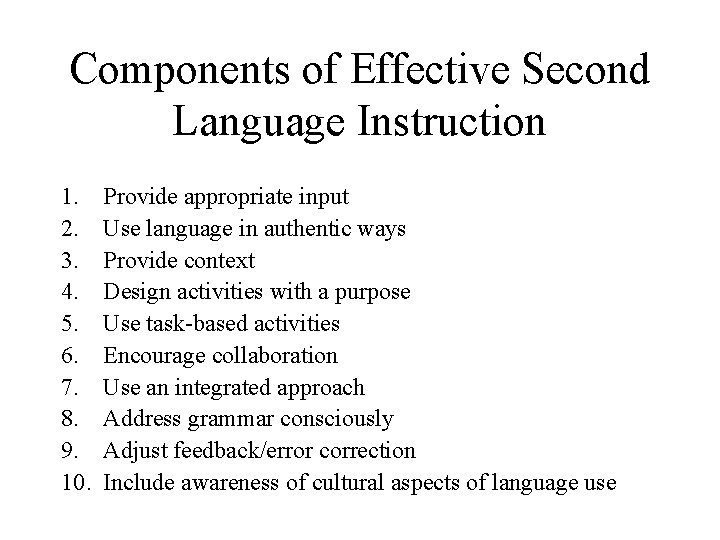
Components of Effective Second Language Instruction 1. 2. 3. 4. 5. 6. 7. 8. 9. 10. Provide appropriate input Use language in authentic ways Provide context Design activities with a purpose Use task-based activities Encourage collaboration Use an integrated approach Address grammar consciously Adjust feedback/error correction Include awareness of cultural aspects of language use
1) Provide Appropriate Input What sort of input do your students have access to?
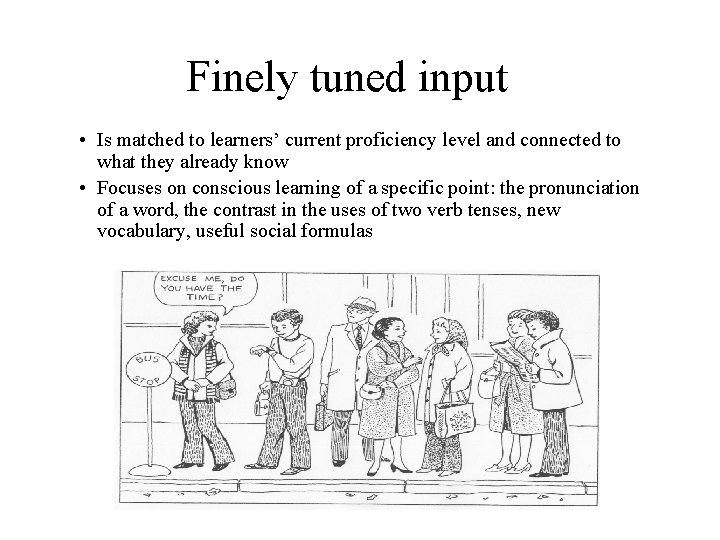
Finely tuned input • Is matched to learners’ current proficiency level and connected to what they already know • Focuses on conscious learning of a specific point: the pronunciation of a word, the contrast in the uses of two verb tenses, new vocabulary, useful social formulas
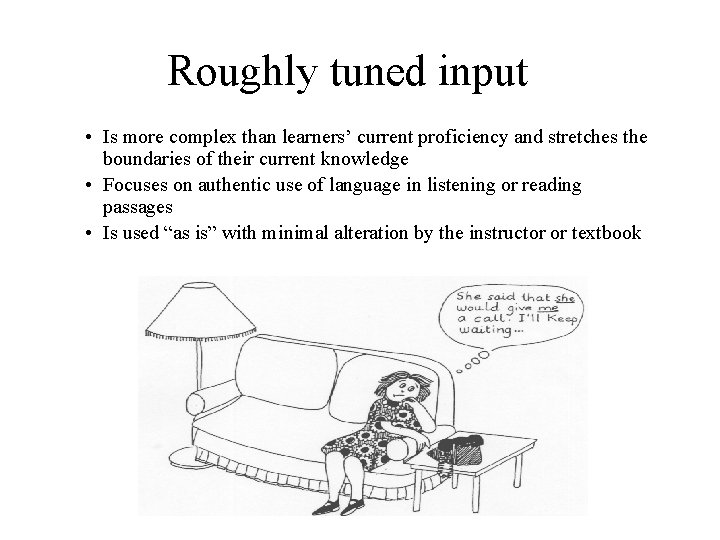
Roughly tuned input • Is more complex than learners’ current proficiency and stretches the boundaries of their current knowledge • Focuses on authentic use of language in listening or reading passages • Is used “as is” with minimal alteration by the instructor or textbook
2) Use Language in Authentic Ways Teacher Talk Speak at a normal rate State the same idea in different ways to aid comprehension Ask “real” questions Ask information questions rather than yes/no questions What did you understand? vs. Do you understand?
Materials Supplement the curriculum with authentic materials from newspapers, magazines, and other print sources including the WWW To make them accessible: introduce relevant vocabulary and grammatical structures in advance provide context by describing the content and typical formats for the type of materials
3) Provide Context • • • Where did the “content” come from? Who was the intended audience? What was the rhetorical purpose? What cultural meanings are embedded in it? What do the students already know about it? What else can you provide that will enable students to connect with it?
The American Dream Nature February 14, 2001 American Dream Debunked By Corie Lok The popular notion of the’American deam’ achieving happiness through influence and money -- may not be a recipe for contentment after all, US psychologists now report. Self-esteem, feeling competent, in control of your life and close to people you care about are more important for psychological well-being, new research suggests. Kennon Sheldon, of the University of Missouri at Columbia, and his colleagues asked hundreds of American university students to recall their most satisfying event of the last week, month, or semester. The students rated self-esteem, relatedness (feeling connected with people), autonomy (feeling in control) and competence (feeling effective) as the top four emotions that accompanied feeling satisfied. At the bottom of the list were popularity, influence, money and luxury. “These aspects of the ‘American dream’ may not be so desirable after all, ” says Sheldon’s team…
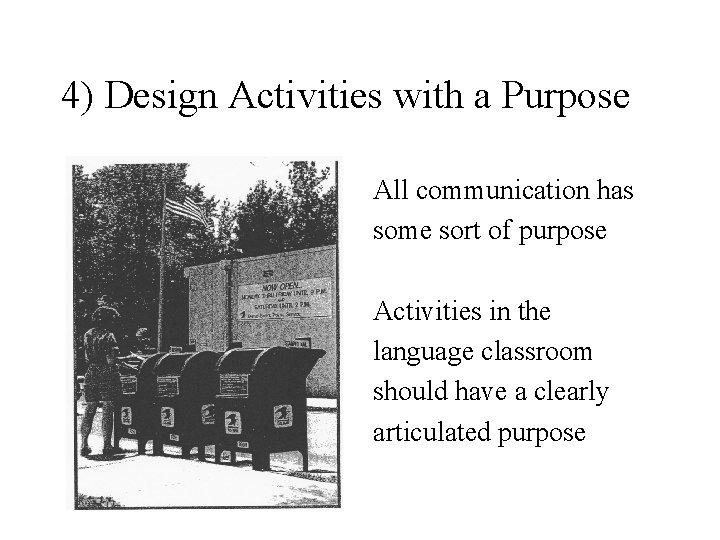
4) Design Activities with a Purpose All communication has some sort of purpose Activities in the language classroom should have a clearly articulated purpose
4) Design Activities with a Purpose, cont’d • Assemble an item using the directions written in the target language • Call and leave a message in the target language on an answering machine • Use the target language option on an ATM machine or answering service • Participate in a “chat” in the target language • Look up information in an on-line target language newspaper or website
5) Use Task-based Activities Supplement your curriculum with task-based activities that require students to solve problems, developing plans, or work together to complete a project.
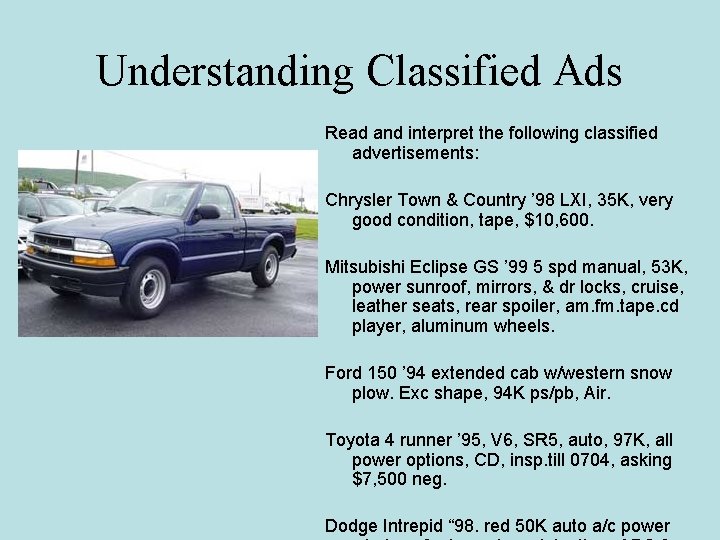
Let’s Make a Deal: Surviving the Car Buying Experience • Car Lingo • Understanding Classified Ads • Reading the Fine Print • Negotiating with A Car Salesperson
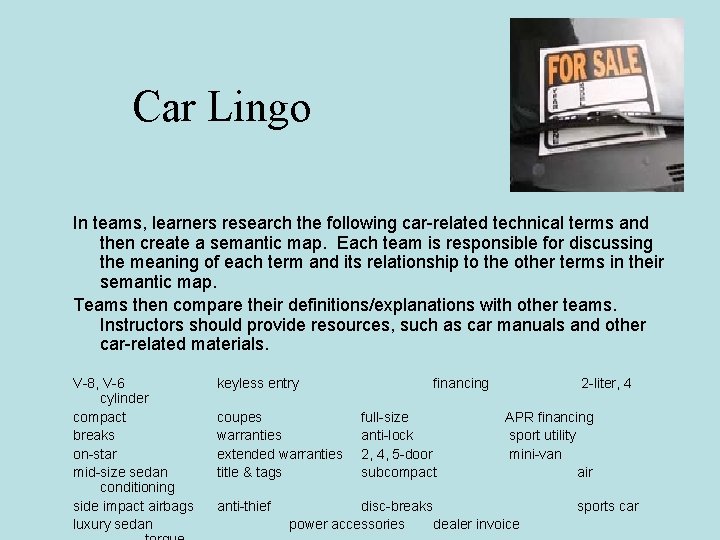
Car Lingo In teams, learners research the following car-related technical terms and then create a semantic map. Each team is responsible for discussing the meaning of each term and its relationship to the other terms in their semantic map. Teams then compare their definitions/explanations with other teams. Instructors should provide resources, such as car manuals and other car-related materials. V-8, V-6 cylinder compact breaks on-star mid-size sedan conditioning side impact airbags luxury sedan keyless entry coupes warranties extended warranties title & tags anti-thief financing full-size anti-lock 2, 4, 5 -door subcompact 2 -liter, 4 APR financing sport utility mini-van air disc-breaks power accessories dealer invoice sports car
Understanding Classified Ads Read and interpret the following classified advertisements: Chrysler Town & Country ’ 98 LXI, 35 K, very good condition, tape, $10, 600. Mitsubishi Eclipse GS ’ 99 5 spd manual, 53 K, power sunroof, mirrors, & dr locks, cruise, leather seats, rear spoiler, am. fm. tape. cd player, aluminum wheels. Ford 150 ’ 94 extended cab w/western snow plow. Exc shape, 94 K ps/pb, Air. Toyota 4 runner ’ 95, V 6, SR 5, auto, 97 K, all power options, CD, insp. till 0704, asking $7, 500 neg. Dodge Intrepid “ 98. red 50 K auto a/c power
Reading the “Fine Print” Read and interpret the following “fine print” from a Leasing Agreement 1) * Available only to qualified customers by MB Credit at participating dealers through December 1, 2003. Advertised lease rate based on MSRP of $32, 620 less a suggested dealer contribution resulting in a total gross capitalized cost of #31, 857. 51. Dealer contribution may vary and could affect your actual lease rate. Included destination charge and optional automatic transmission, Sunroof package and CD changer. Excludes title, taxes, fees, insurance, dealer prep and additional options. Total monthly payments equal $14, 625. Cash due at signing includes $2, 350 capitalized cost reduction, $795. 00 acquisition fee (($1, 000 if registered in NY) and first month’s lease payment availability and may have to be ordered. See
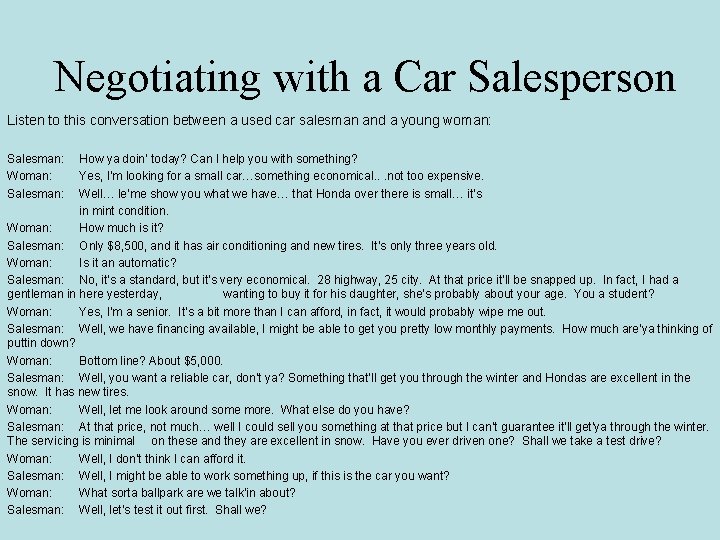
Negotiating with a Car Salesperson Listen to this conversation between a used car salesman and a young woman: Salesman: Woman: Salesman: How ya doin’ today? Can I help you with something? Yes, I’m looking for a small car…something economical. . . not too expensive. Well… le’me show you what we have… that Honda over there is small… it’s in mint condition. Woman: How much is it? Salesman: Only $8, 500, and it has air conditioning and new tires. It’s only three years old. Woman: Is it an automatic? Salesman: No, it’s a standard, but it’s very economical. 28 highway, 25 city. At that price it’ll be snapped up. In fact, I had a gentleman in here yesterday, wanting to buy it for his daughter, she’s probably about your age. You a student? Woman: Yes, I’m a senior. It’s a bit more than I can afford, in fact, it would probably wipe me out. Salesman: Well, we have financing available, I might be able to get you pretty low monthly payments. How much are’ya thinking of puttin down? Woman: Bottom line? About $5, 000. Salesman: Well, you want a reliable car, don’t ya? Something that’ll get you through the winter and Hondas are excellent in the snow. It has new tires. Woman: Well, let me look around some more. What else do you have? Salesman: At that price, not much… well I could sell you something at that price but I can’t guarantee it’ll get’ya through the winter. The servicing is minimal on these and they are excellent in snow. Have you ever driven one? Shall we take a test drive? Woman: Well, I don’t think I can afford it. Salesman: Well, I might be able to work something up, if this is the car you want? Woman: What sorta ballpark are we talk’in about? Salesman: Well, let’s test it out first. Shall we?
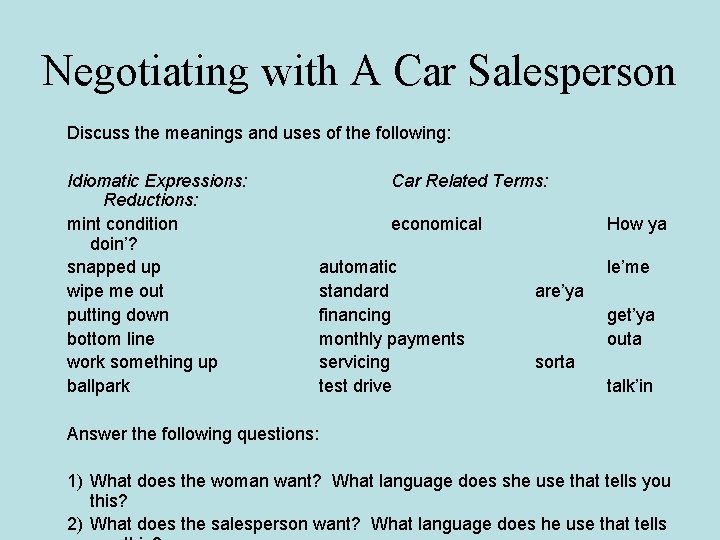
Negotiating with A Car Salesperson Discuss the meanings and uses of the following: Idiomatic Expressions: Reductions: mint condition doin’? snapped up wipe me out putting down bottom line work something up ballpark Car Related Terms: economical automatic standard financing monthly payments servicing test drive How ya le’me are’ya get’ya outa sorta talk’in Answer the following questions: 1) What does the woman want? What language does she use that tells you this? 2) What does the salesperson want? What language does he use that tells
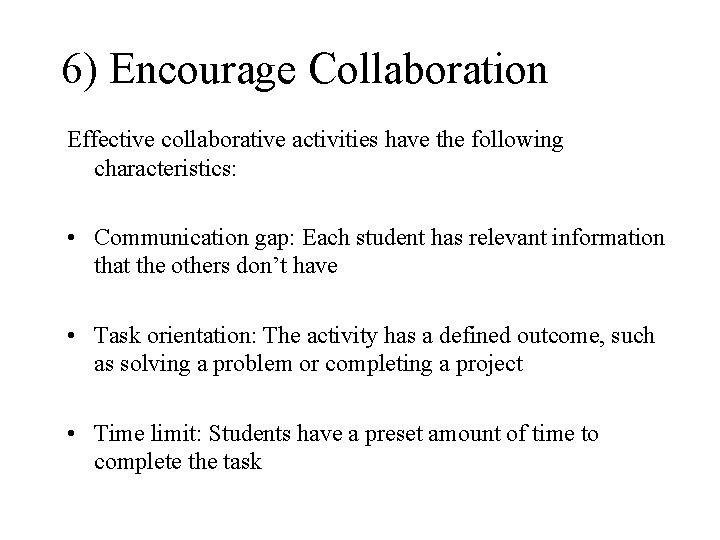
6) Encourage Collaboration Effective collaborative activities have the following characteristics: • Communication gap: Each student has relevant information that the others don’t have • Task orientation: The activity has a defined outcome, such as solving a problem or completing a project • Time limit: Students have a preset amount of time to complete the task
7) Use an Integrated Approach Mode integration - a combination of listening, speaking, reading, and writing in classroom activities. Content integration - bring content from students’ fields of study and/or interests into the language curriculum.
8) Address Grammar Consciously Students usually need and appreciate direct instruction in points of grammar that are related to classroom activities. Discuss points of grammar in the contexts where they arise.
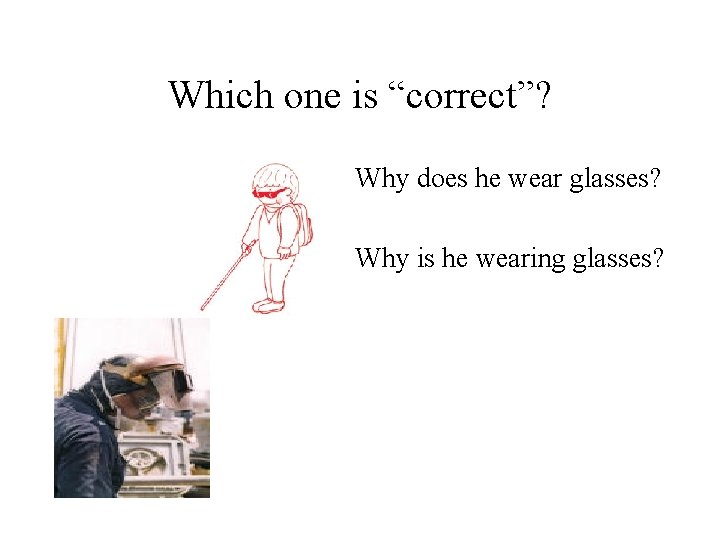
Which one is “correct”? Why does he wear glasses? Why is he wearing glasses?
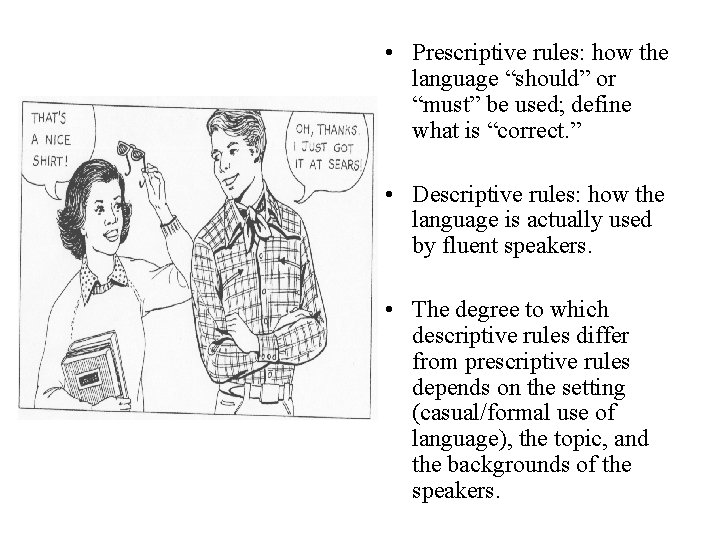
• Prescriptive rules: how the language “should” or “must” be used; define what is “correct. ” • Descriptive rules: how the language is actually used by fluent speakers. • The degree to which descriptive rules differ from prescriptive rules depends on the setting (casual/formal use of language), the topic, and the backgrounds of the speakers.
9) Adjust Feedback/Error Correction • Help students recognize that errors are a natural part of second language learning • When the activity focuses on form, direct and immediate feedback is appropriate • When the activity focuses on fluency, delayed feedback is appropriate. • Encourage students to self-monitor, by bring errors to their attention after the fact and having them concentrate on one or two error types at a time.
9) Adjust Feedback/Error Correction, cont’d • Paraphrase students’ utterances, modeling the correct forms • Ask students to clarify their utterances, providing paraphrases of their own • Avoid feeding students the correct forms every time. Gradually teaching them to depend less on you and more on themselves • When students address you, react to the content of their utterances, not just the form. • Make note of recurring errors you hear so that you can address them individually or with the whole group in the feedback session later.
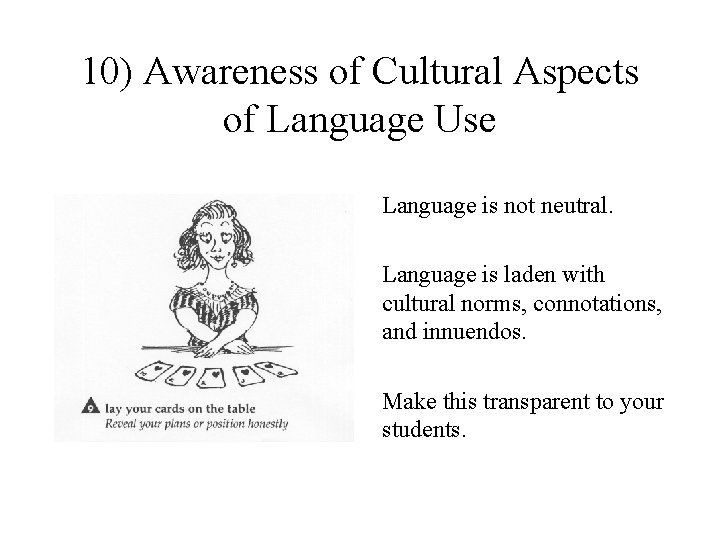
10) Awareness of Cultural Aspects of Language Use Language is not neutral. Language is laden with cultural norms, connotations, and innuendos. Make this transparent to your students.
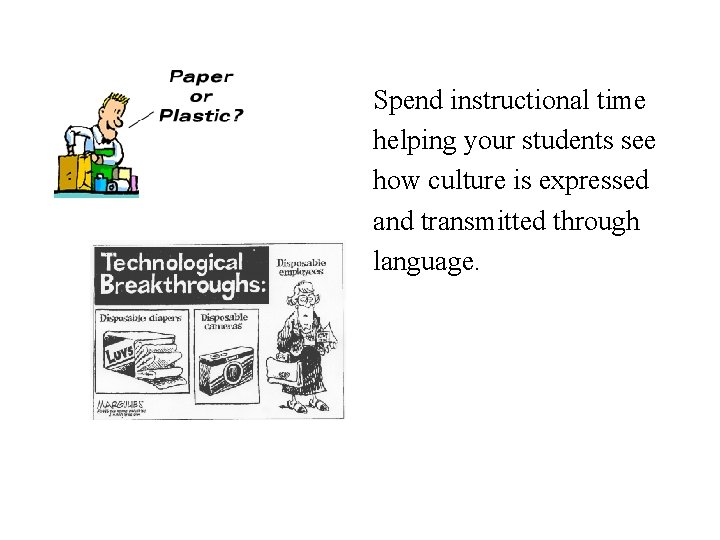
Spend instructional time helping your students see how culture is expressed and transmitted through language.
Components of Effective Second Language Instruction 1. 2. 3. 4. 5. 6. 7. 8. 9. 10. Provide appropriate input Use language in authentic ways Provide context Design activities with a purpose Use task-based activities Encourage collaboration Use an integrated approach Address grammar consciously Adjust feedback/error correction Include awareness of cultural aspects of language use
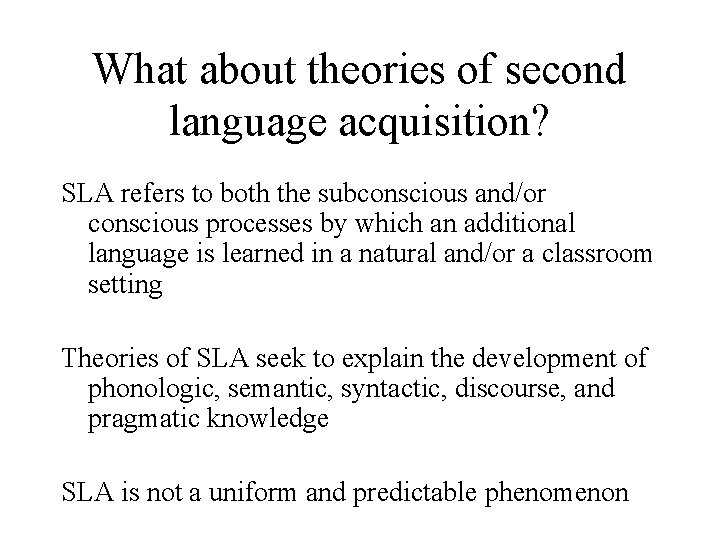
What about theories of second language acquisition? SLA refers to both the subconscious and/or conscious processes by which an additional language is learned in a natural and/or a classroom setting Theories of SLA seek to explain the development of phonologic, semantic, syntactic, discourse, and pragmatic knowledge SLA is not a uniform and predictable phenomenon
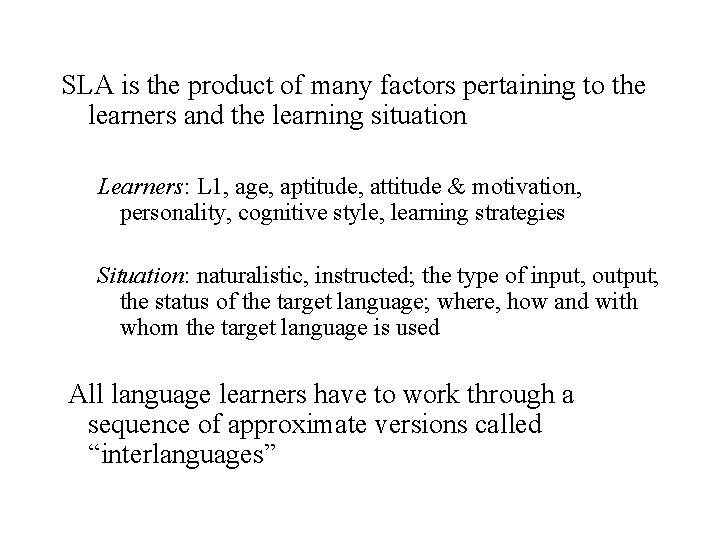
SLA is the product of many factors pertaining to the learners and the learning situation Learners: L 1, age, aptitude, attitude & motivation, personality, cognitive style, learning strategies Situation: naturalistic, instructed; the type of input, output; the status of the target language; where, how and with whom the target language is used All language learners have to work through a sequence of approximate versions called “interlanguages”
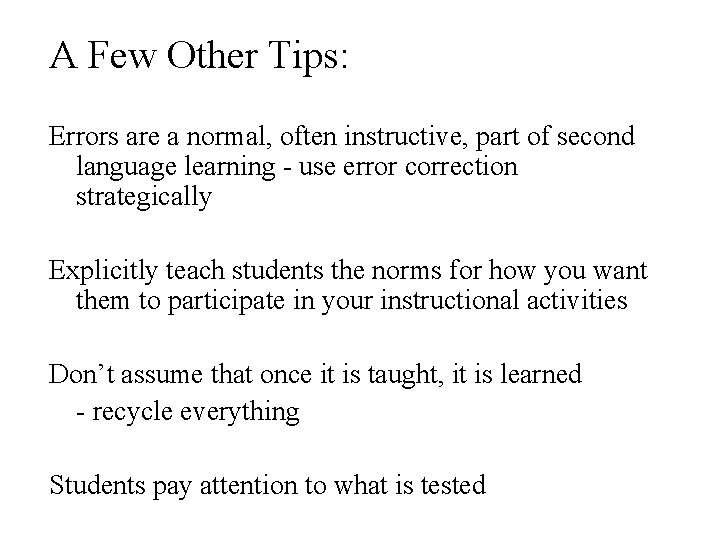
A Few Other Tips: Errors are a normal, often instructive, part of second language learning - use error correction strategically Explicitly teach students the norms for how you want them to participate in your instructional activities Don’t assume that once it is taught, it is learned - recycle everything Students pay attention to what is tested
Teachers need opportunities to reflect on their own learning as “learners of teaching”
Self-reflection ü Keep a teaching journal ü Establish a peer mentor ü Observe your peer mentor teaching ü Be observed by a peer ü Collect frequent feedback from students ü Video/audio tape record your teaching ü Develop a teaching portfolio
Understanding Second Language Pedagogy Karen E. Johnson Professor of Applied Linguistics and Applied Language Studies