
Understanding Rigor to Engage All Learners Rhonda Bondie
Understanding Rigor to Engage All Learners Rhonda Bondie Rhonda_bondie@gse. harvard. edu
Objectives Participants will be able to explain rigor to a parent, colleague, or student using examples. Criteria - Must Haves q Explain the difference between scaffolds, supports, and extensions. q Increase rigor of a task. Amazing q Increase access of a task.
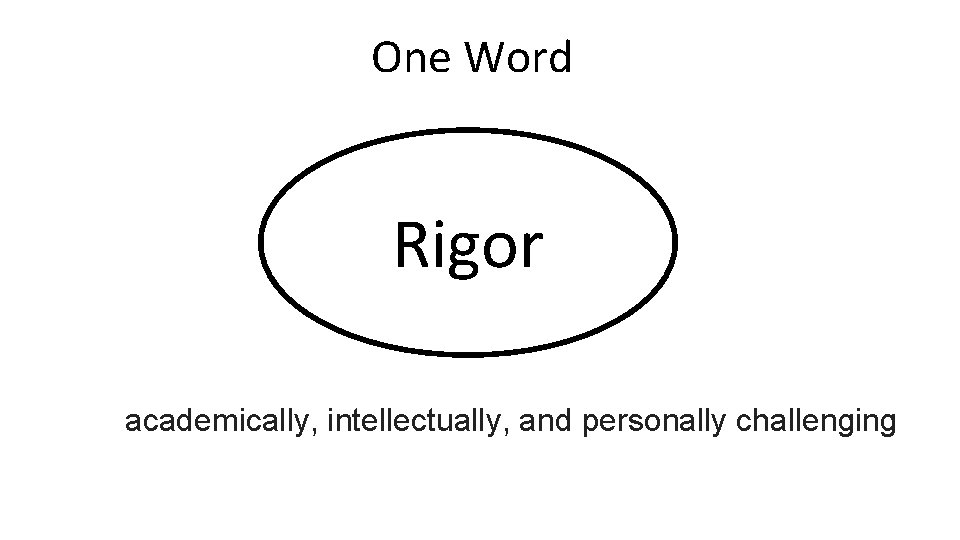
One Word Rigor academically, intellectually, and personally challenging
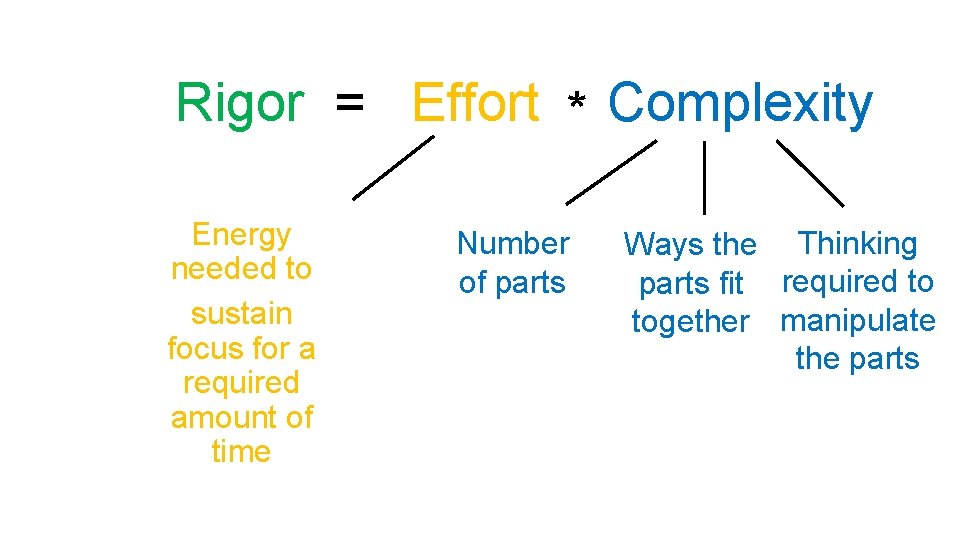
Rigor = Effort * Complexity Energy needed to sustain focus for a required amount of time Number of parts Ways the Thinking parts fit required to together manipulate the parts

Rigor = Effort Energy needed for required time of sustained Focus Task Effort =energy needed for required time of sustained focus Complexity * # Parts # Ways Parts Fit Together # Ways parts fit together Thinking Required to Arrange the Parts Thinking required to arrange the parts
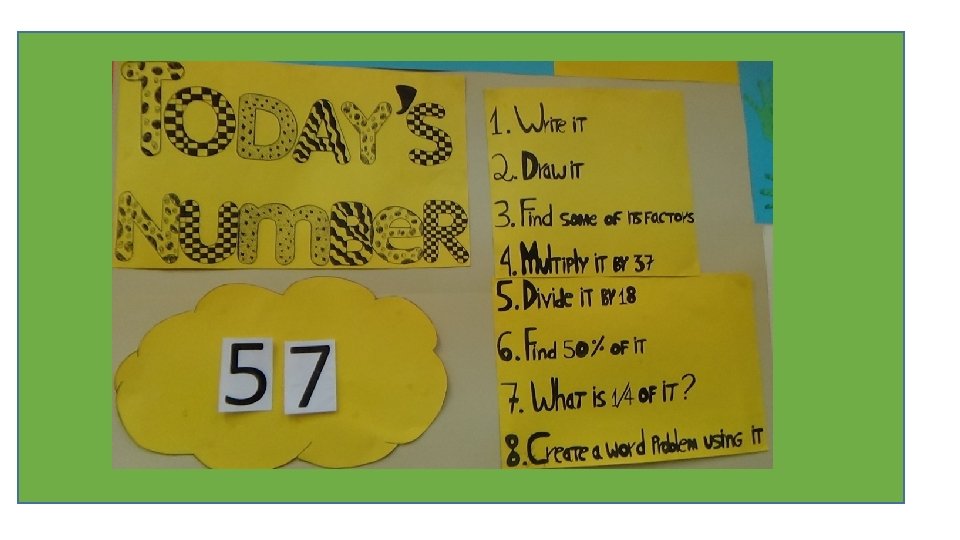
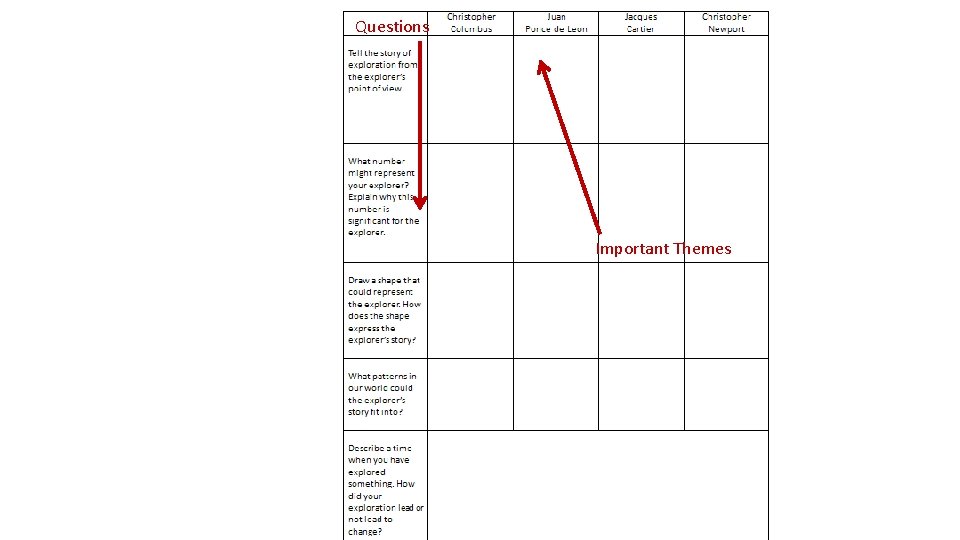
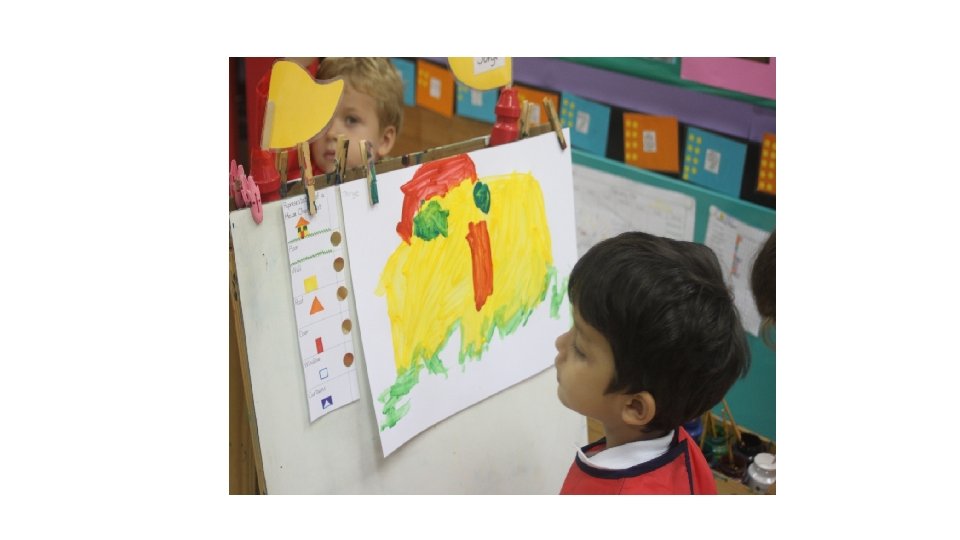
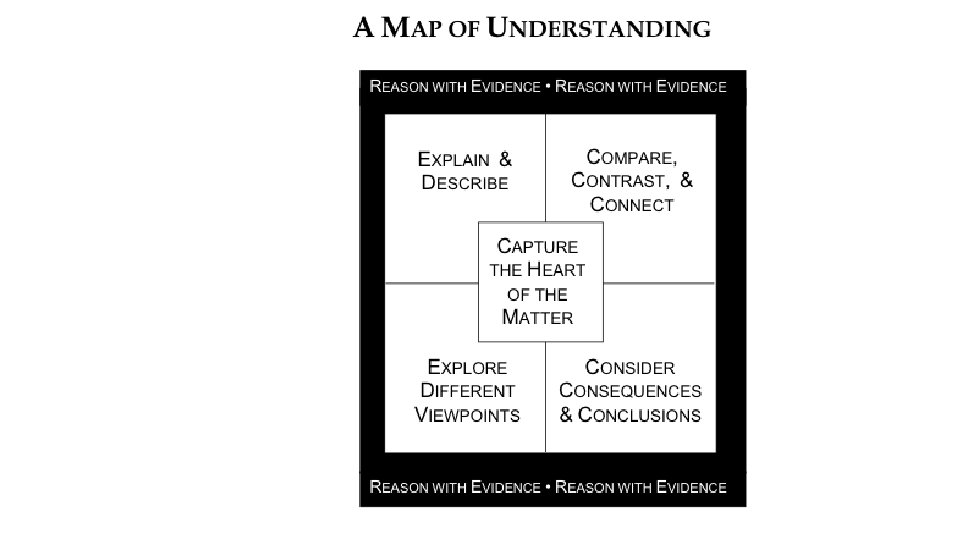
Questions Important Themes
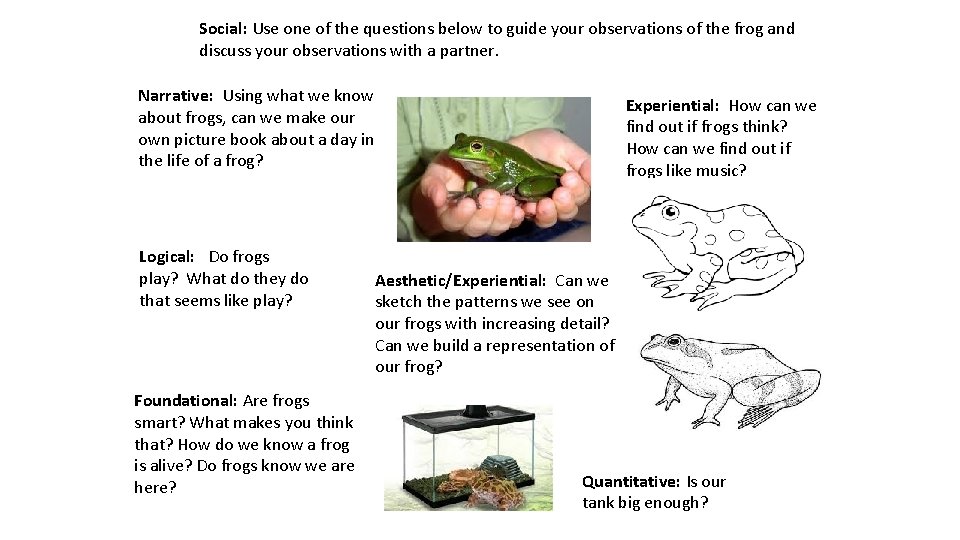
Social: Use one of the questions below to guide your observations of the frog and discuss your observations with a partner. Narrative: Using what we know about frogs, can we make our own picture book about a day in the life of a frog? Logical: Do frogs play? What do they do that seems like play? Foundational: Are frogs smart? What makes you think that? How do we know a frog is alive? Do frogs know we are here? Experiential: How can we find out if frogs think? How can we find out if frogs like music? Aesthetic/Experiential: Can we sketch the patterns we see on our frogs with increasing detail? Can we build a representation of our frog? Quantitative: Is our tank big enough?
A rigorous task that you teach

Rigor = Effort * Complexity Energy needed to sustain focus for a required amount of time Number of parts Ways the Thinking parts fit required to together manipulate the parts Bondie, R. , & Zusho, A. (2018). Engaging the Extremes: Classroom Routines for Precise, Efficient, and Effective Learning for All. Routledge.

You’re invited to be…

Curious w Wonder w Ask questions w Observe closely w Find problems w Be playful

Intellectually Careful w Evaluate Evidence w Alert for errors w Check for accuracy w Corroborate information w Justify opinions with evidence
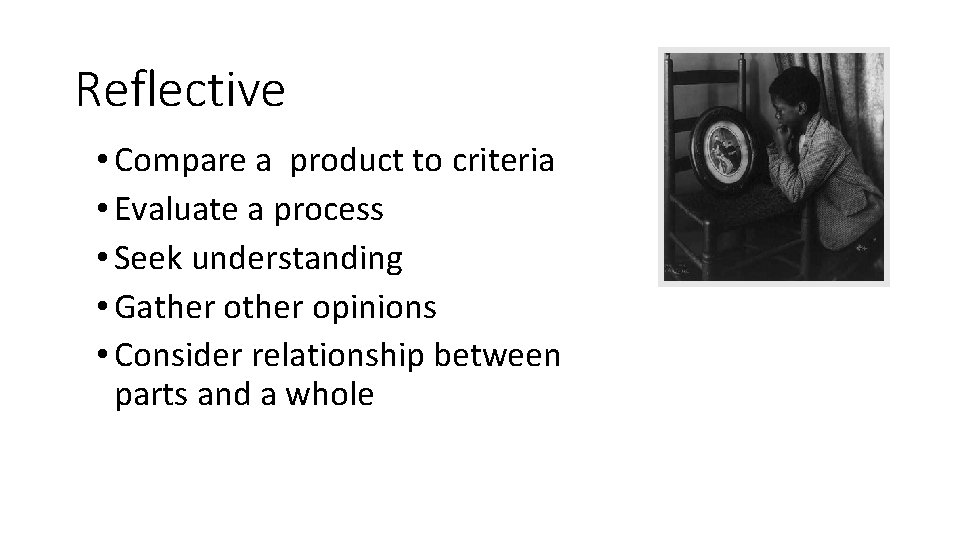
Reflective • Compare a product to criteria • Evaluate a process • Seek understanding • Gather opinions • Consider relationship between parts and a whole
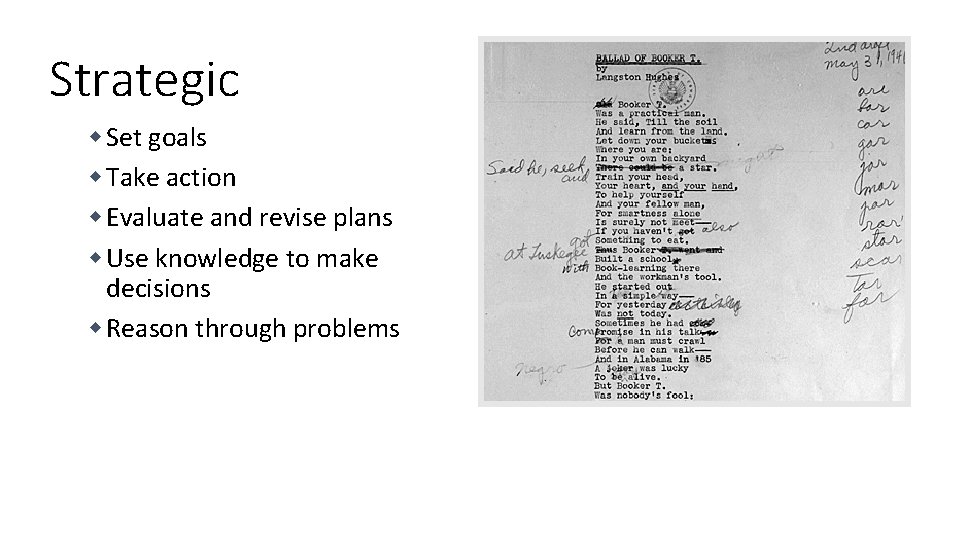
Strategic w Set goals w Take action w Evaluate and revise plans w Use knowledge to make decisions w Reason through problems

You’re invited to be… Creative
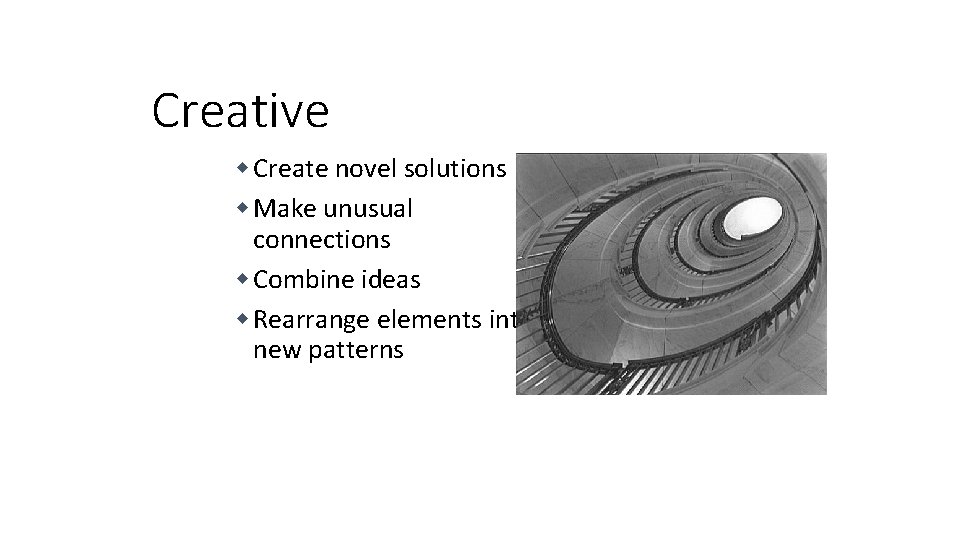
Creative w Create novel solutions w Make unusual connections w Combine ideas w Rearrange elements into new patterns
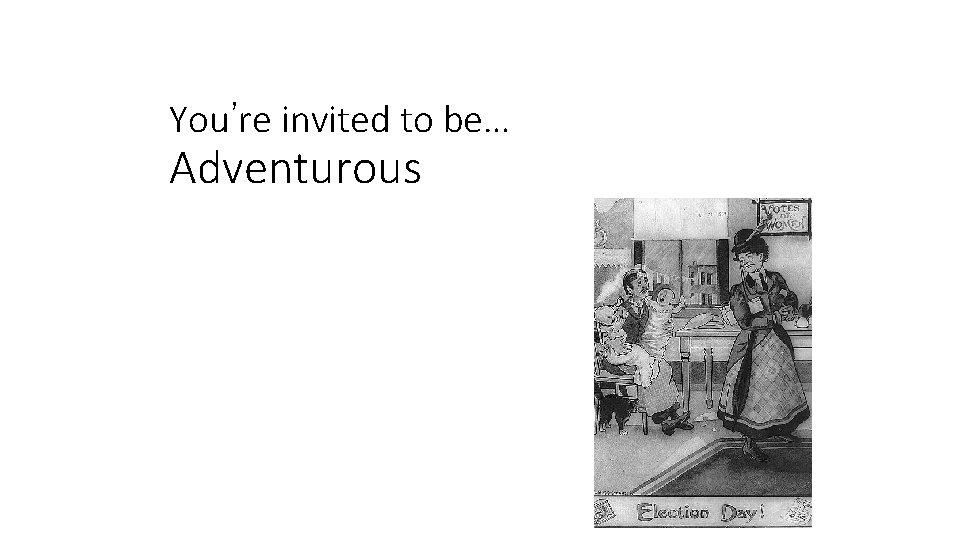
You’re invited to be… Adventurous
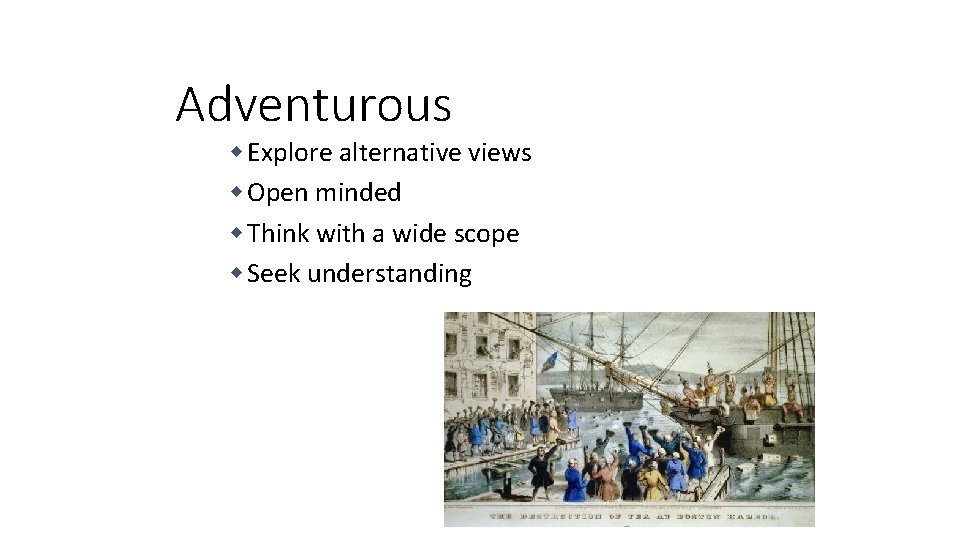
Adventurous w Explore alternative views w Open minded w Think with a wide scope w Seek understanding

You’re invited to be… Collaborative
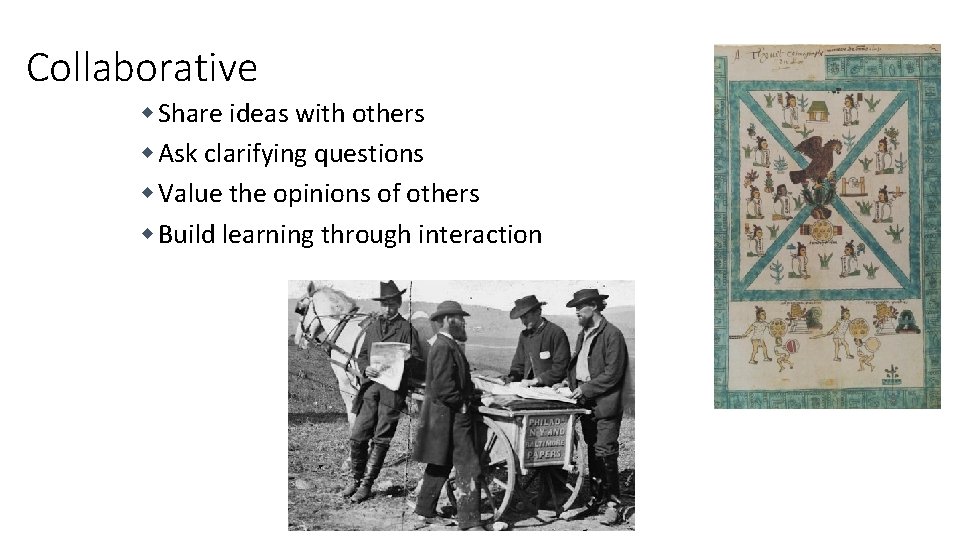
Collaborative w Share ideas with others w Ask clarifying questions w Value the opinions of others w Build learning through interaction
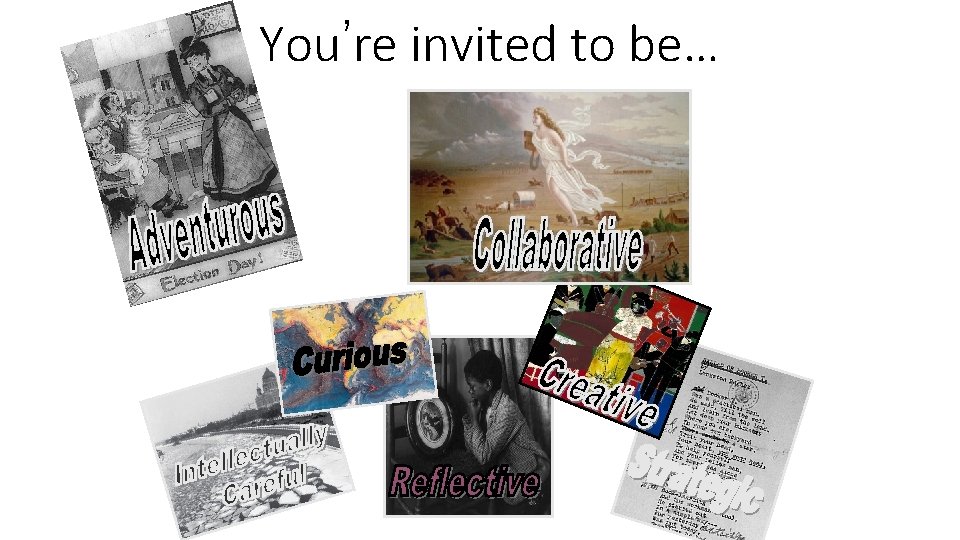
You’re invited to be…
Read and Note 1. Something Old 2. Something New 3. Something that meaningful for my classroom

GENERAL 1. DESIGN 2. Look and SPECIFIC Listen 3. CARR INDIVIDUALIZED CHECK TIERS OF HELP Specific Help SOME Bondie, R. , & Zusho, A. (2018). Engaging the Extremes: Classroom Routines for Precise, Efficient, and Effective Learning for All. Routledge.

SCAFFOLDS SUPPORTS PART OF A TASK WHOLE TASK EXTENSIONS BEYOND TASK Bondie, R. , & Zusho, A. (2018). Engaging the Extremes: Classroom Routines for Precise, Efficient, and Effective Learning for All. Routledge.
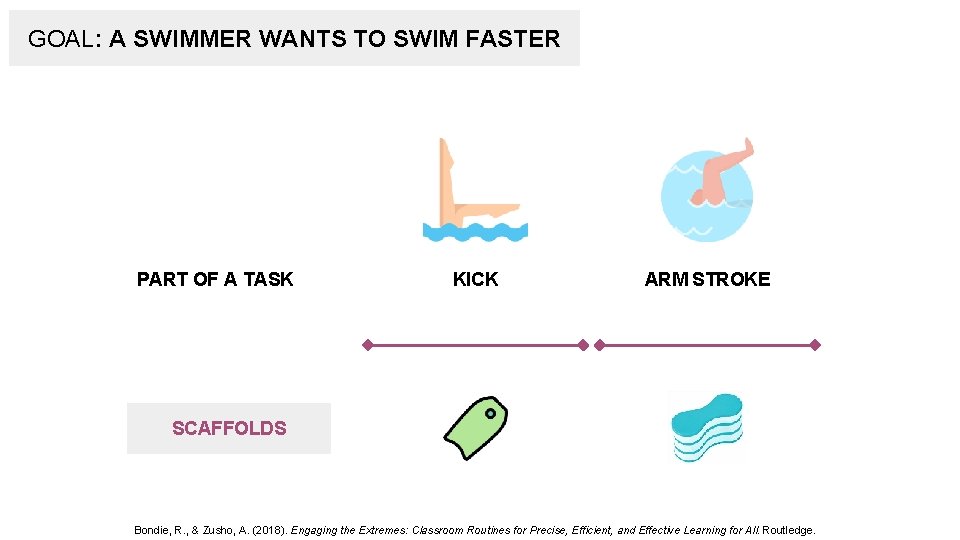
GOAL: A SWIMMER WANTS TO SWIM FASTER PART OF A TASK KICK ARM STROKE SCAFFOLDS Bondie, R. , & Zusho, A. (2018). Engaging the Extremes: Classroom Routines for Precise, Efficient, and Effective Learning for All. Routledge.
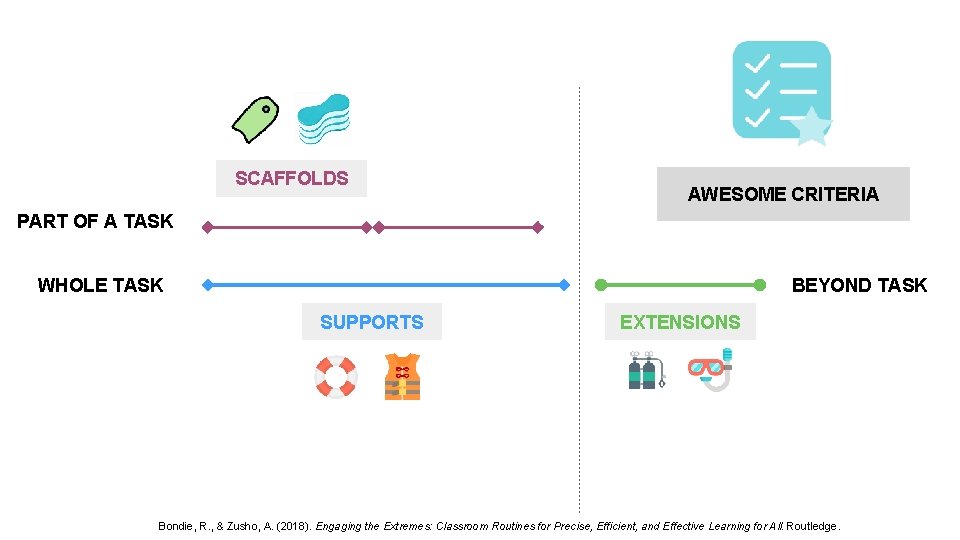
SCAFFOLDS AWESOME CRITERIA PART OF A TASK BEYOND TASK WHOLE TASK SUPPORTS EXTENSIONS Bondie, R. , & Zusho, A. (2018). Engaging the Extremes: Classroom Routines for Precise, Efficient, and Effective Learning for All. Routledge.
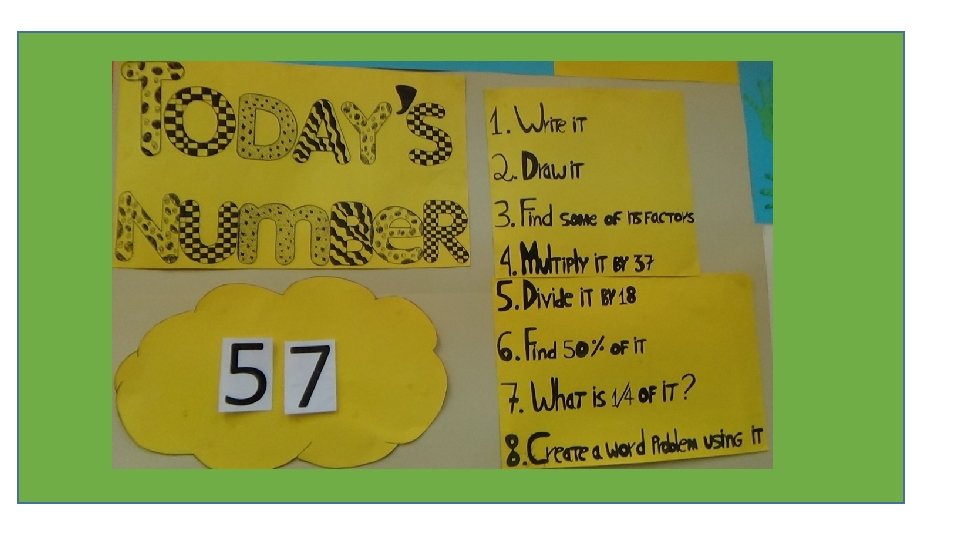
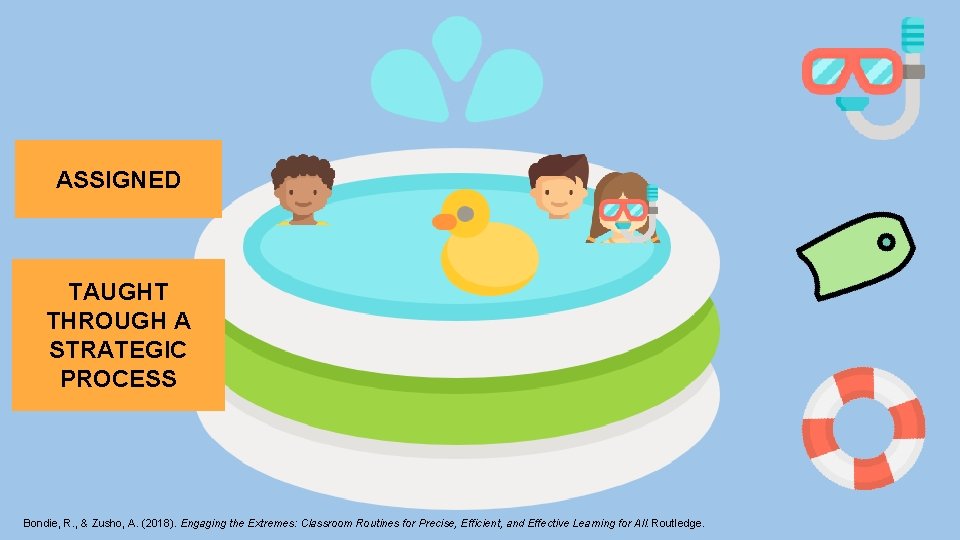
ASSIGNED TAUGHT THROUGH A STRATEGIC PROCESS Bondie, R. , & Zusho, A. (2018). Engaging the Extremes: Classroom Routines for Precise, Efficient, and Effective Learning for All. Routledge.
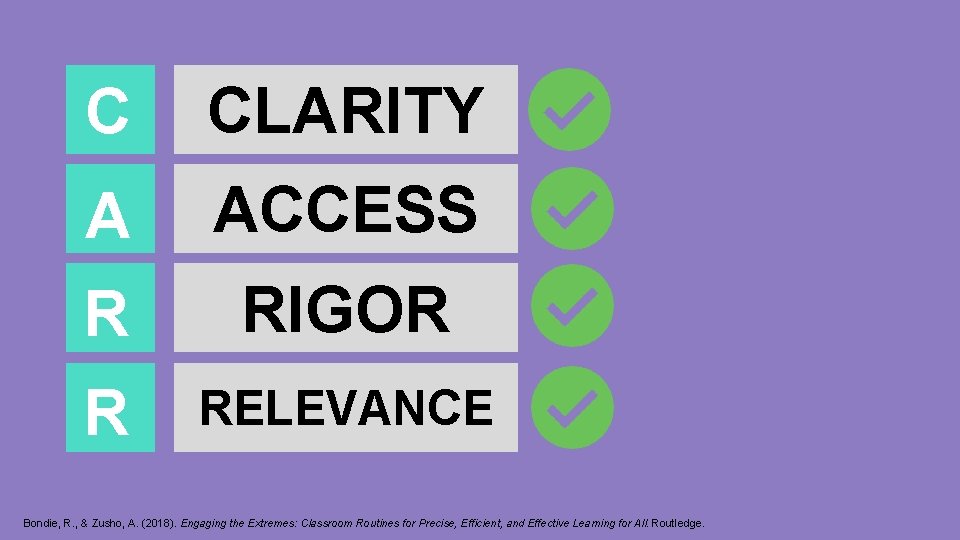
C CLARITY A ACCESS R RIGOR R RELEVANCE Bondie, R. , & Zusho, A. (2018). Engaging the Extremes: Classroom Routines for Precise, Efficient, and Effective Learning for All. Routledge.
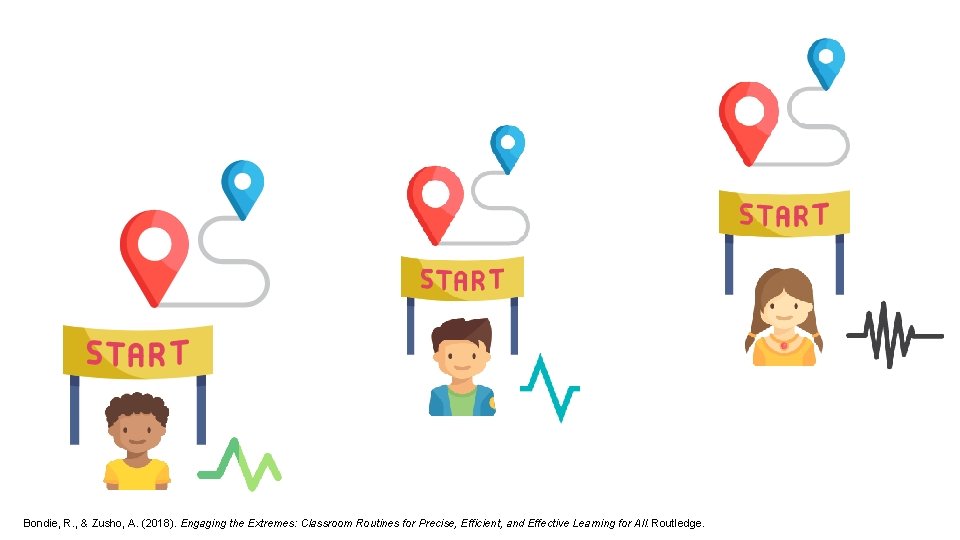
Bondie, R. , & Zusho, A. (2018). Engaging the Extremes: Classroom Routines for Precise, Efficient, and Effective Learning for All. Routledge.
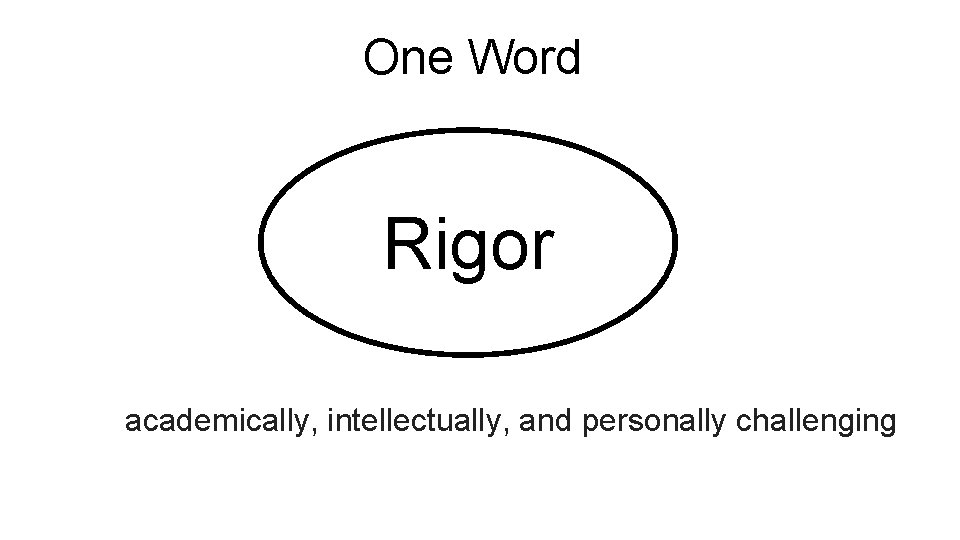
One Word Rigor academically, intellectually, and personally challenging
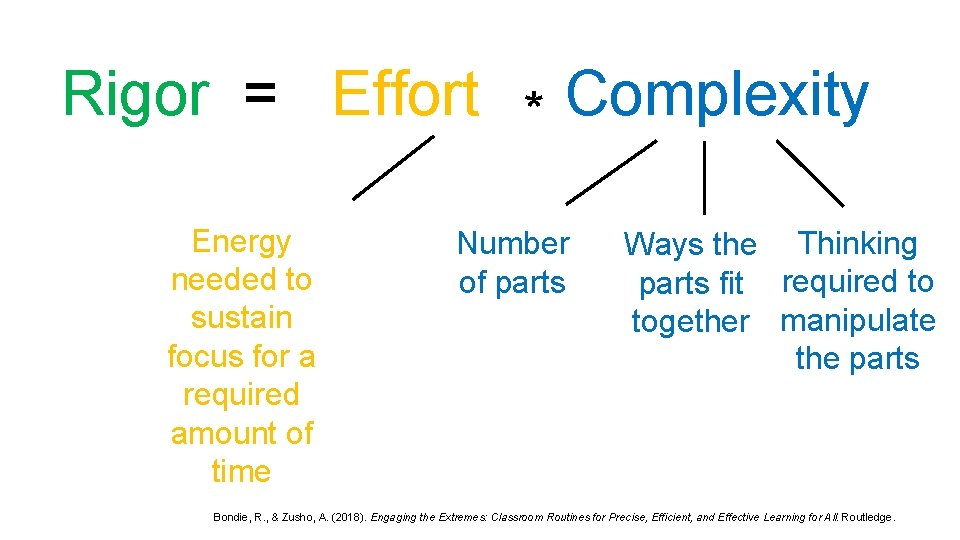
Rigor = Effort * Complexity Energy needed to sustain focus for a required amount of time Number of parts Ways the Thinking parts fit required to together manipulate the parts Bondie, R. , & Zusho, A. (2018). Engaging the Extremes: Classroom Routines for Precise, Efficient, and Effective Learning for All. Routledge.
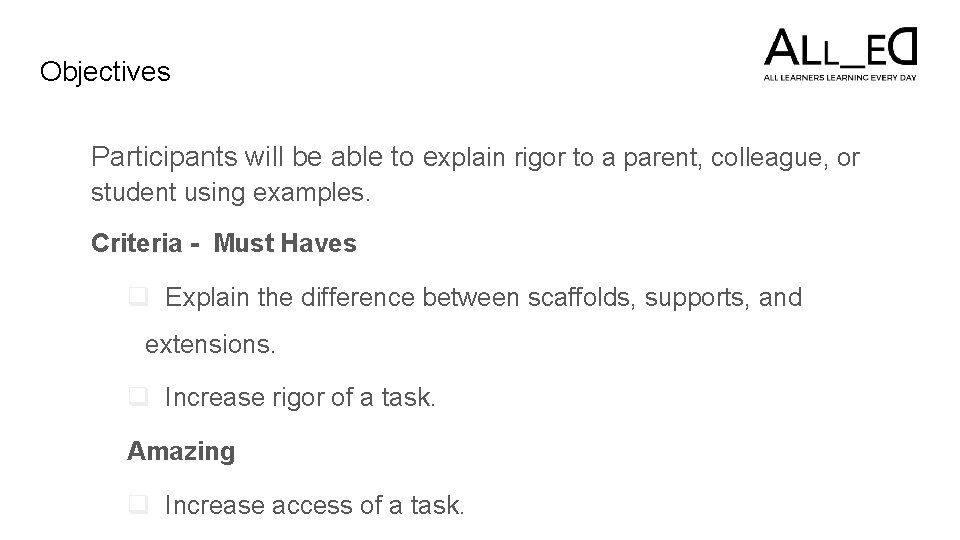
Objectives Participants will be able to explain rigor to a parent, colleague, or student using examples. Criteria - Must Haves q Explain the difference between scaffolds, supports, and extensions. q Increase rigor of a task. Amazing q Increase access of a task.
- Slides: 36