
Understanding Maps Cartography The Olde World Maps vs
- Slides: 19
Understanding Maps- Cartography
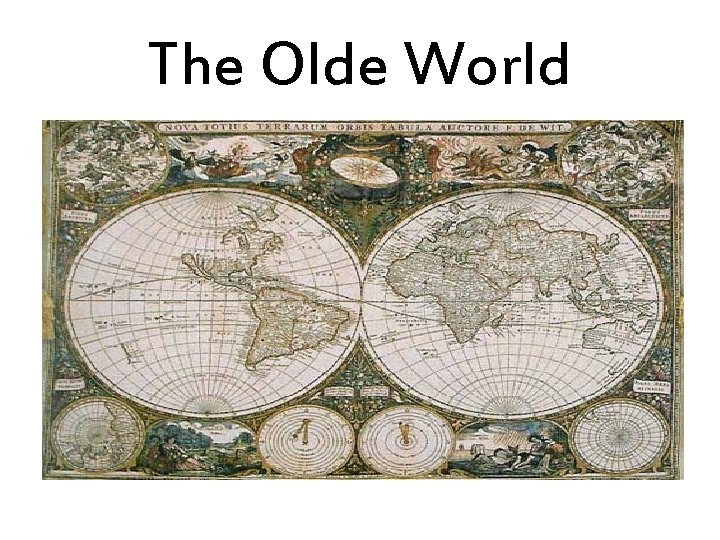
The Olde World
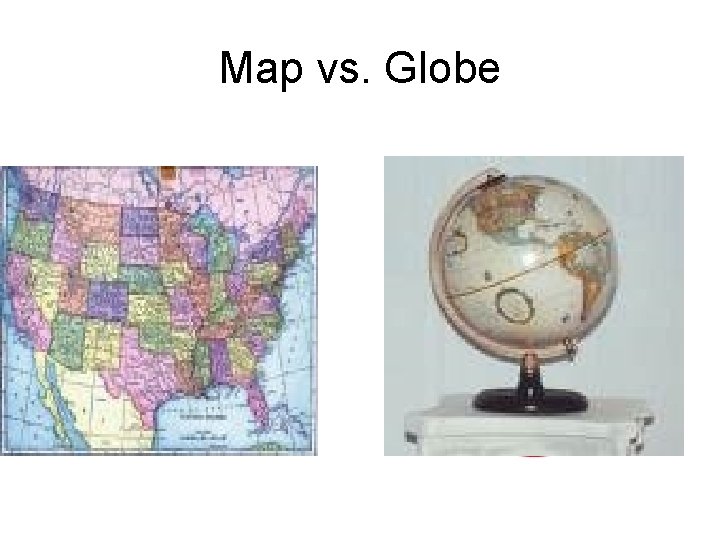
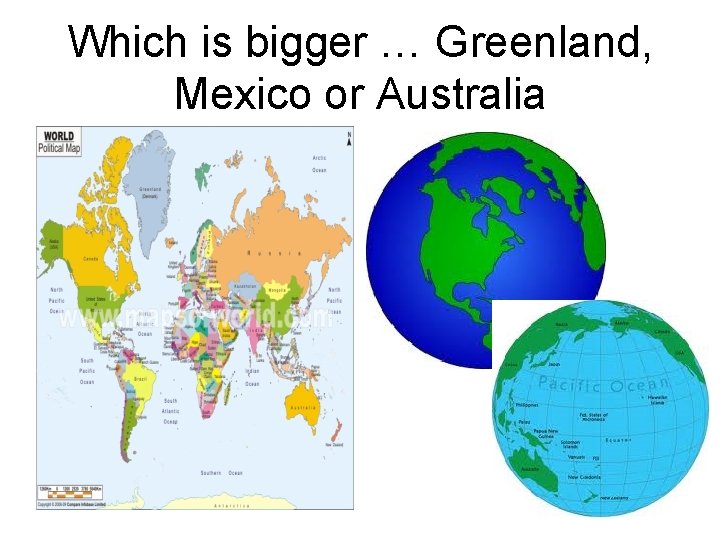
Maps vs. Globes • • 2 dimensional Flat Distorted Shows small details • Handy/can fold/on phone • • 3 dimensional Spherical More accurate Shows large areas • inconvenient
Map vs. Globe
Which is bigger … Greenland, Mexico or Australia
Map Projections • Mercator • Gnomonic/Azimuthal • Conic
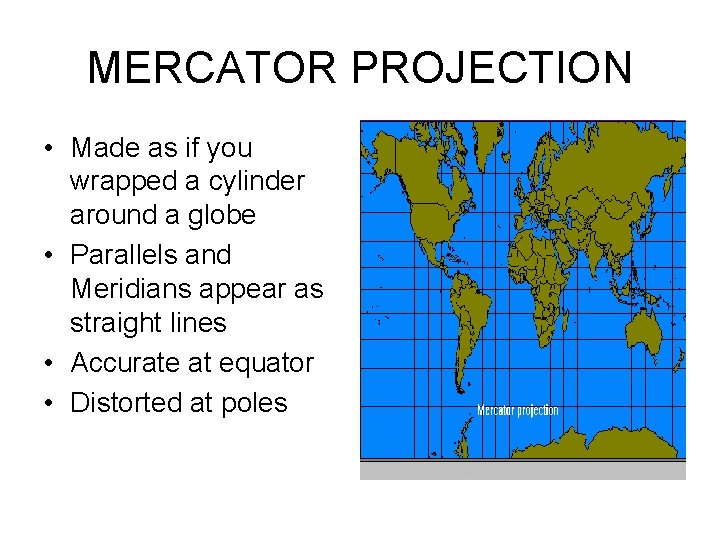
MERCATOR PROJECTION • Made as if you wrapped a cylinder around a globe • Parallels and Meridians appear as straight lines • Accurate at equator • Distorted at poles
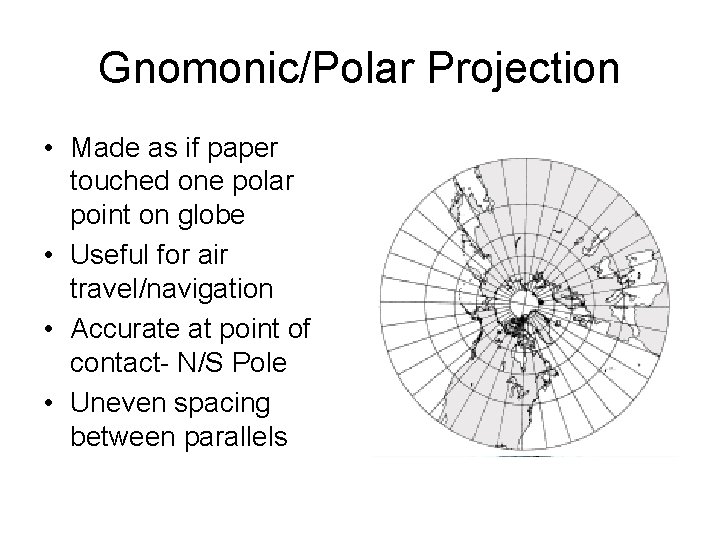
Gnomonic/Polar Projection • Made as if paper touched one polar point on globe • Useful for air travel/navigation • Accurate at point of contact- N/S Pole • Uneven spacing between parallels
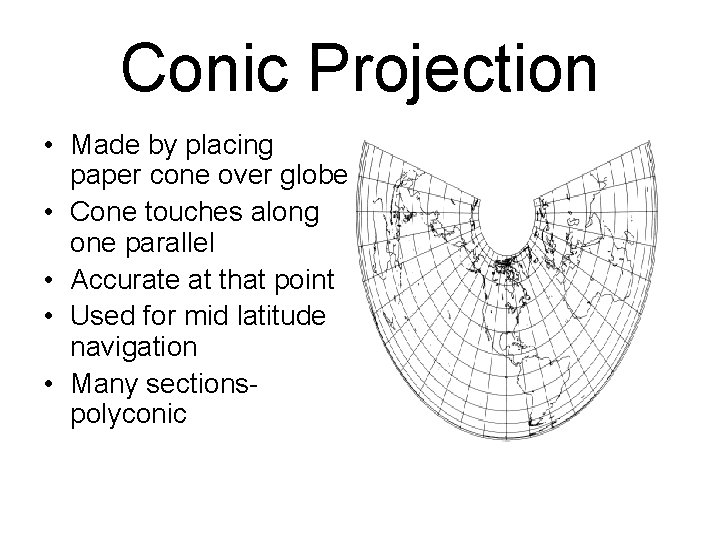
Conic Projection • Made by placing paper cone over globe • Cone touches along one parallel • Accurate at that point • Used for mid latitude navigation • Many sectionspolyconic
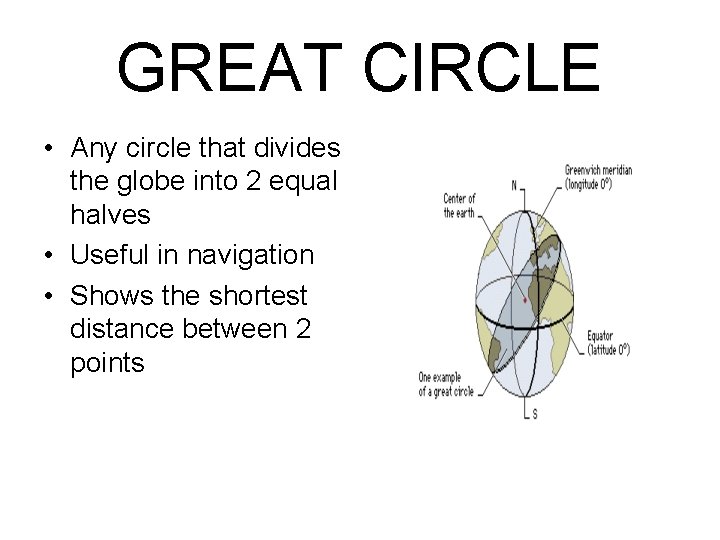
GREAT CIRCLE • Any circle that divides the globe into 2 equal halves • Useful in navigation • Shows the shortest distance between 2 points
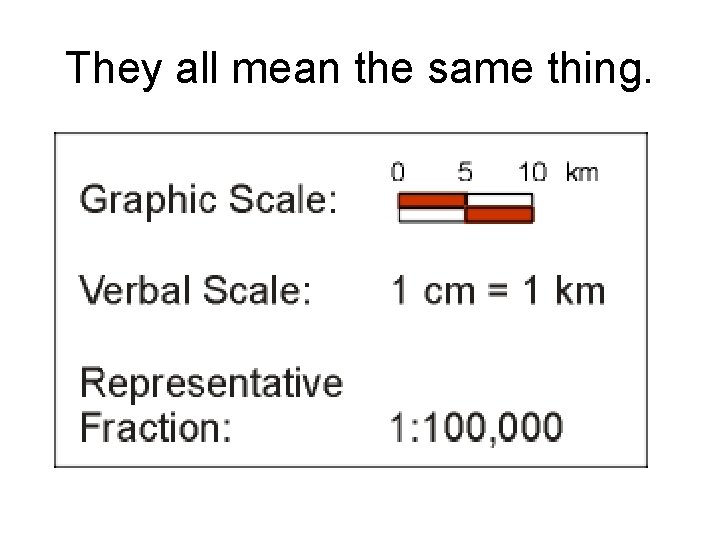
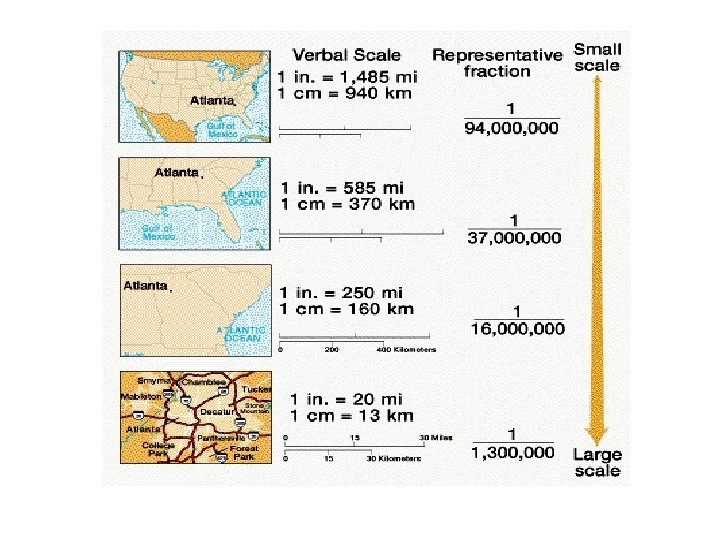
Reading a Map • LEGEND—symbols used to interpret a map (see p 61 in textbook) • MAP SCALE- indicates the relationship between distance on a map and distance on Earth A) GRAPHIC B) FRACTIONAL C) VERBAL
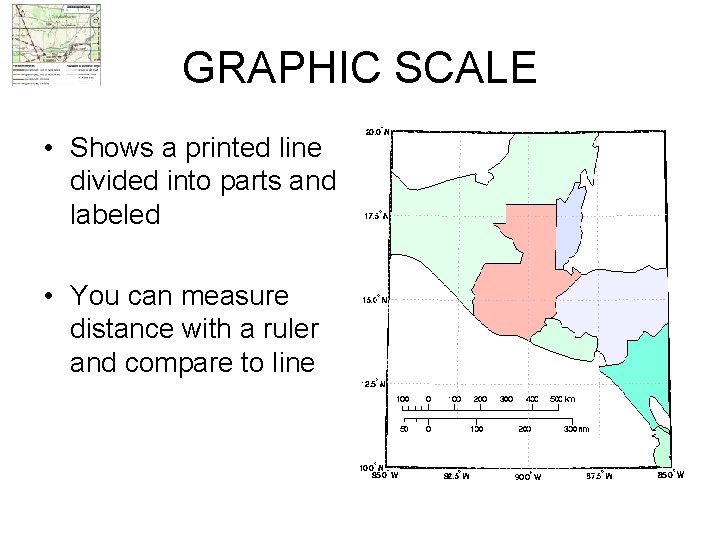
GRAPHIC SCALE • Shows a printed line divided into parts and labeled • You can measure distance with a ruler and compare to line
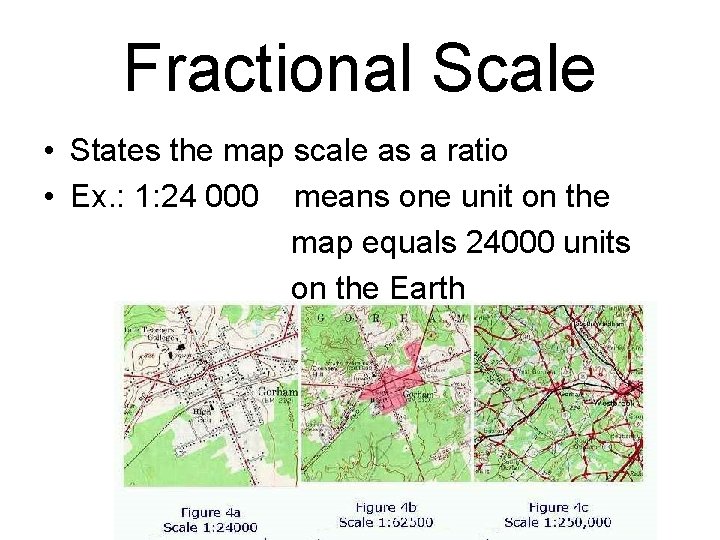
Fractional Scale • States the map scale as a ratio • Ex. : 1: 24 000 means one unit on the map equals 24000 units on the Earth
Verbal Scale • Makes a written statement in words expressing the scale • Ex. : “One centimeter equals one Kilometer” Ex. : “One inch equals 5. 2 miles. ”
They all mean the same thing.
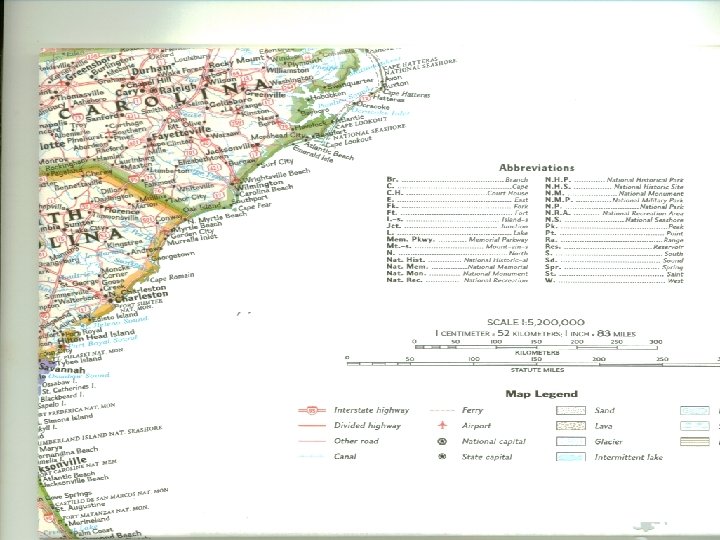
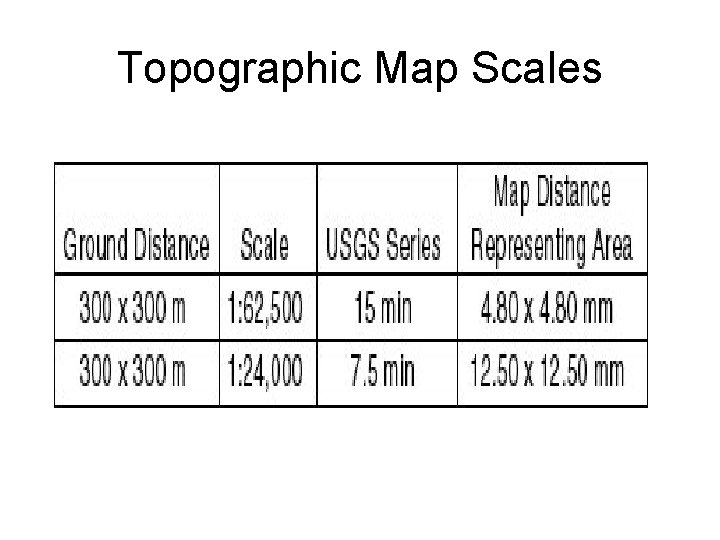
Topographic Map Scales
http: //academic. brooklyn. cuny. edu/geology /leveson/core/wayne_web/distance%20 and %20 direction/scale-direction-ex 2. htm