
Understanding Life Course Perspective and Preconception Health ASPHN

- Slides: 49
Understanding Life Course Perspective and Preconception Health ASPHN MCH Nutrition Council webinar Improving Birth Outcomes: the Integration of Nutrition and Preconception Health April 21, 2016 Flojaune Cofer, Ph. D, MPH Preconception Health Coordinator California Department of Public Health Maternal, Child and Adolescent Health Division
What is life? “Most people think life sucks, and then you die. Not me. I beg to differ. I think life sucks, then you get cancer, then your dog dies, your wife leaves you, the cancer goes into remission, you get a new dog, you get remarried, you owe ten million dollars in medical bills but you work hard for thirty five years and you pay it back and then one day you have a massive stroke, your whole right side is paralyzed, you have to limp along the streets and speak out of the left side of your mouth and drool, but you go into rehabilitation and regain the power to walk and the power to talk and then one day you step off a curb at Sixty -seventh Street, and BANG you get hit by a city bus and then you die. Maybe. ” -Dennis Leary, Actor/Comedian
Life Course Perspective • Experiences in life impact us in different ways • Understanding the life course perspective can help explain these changes • This is not a novel concept ‾ Some research supports what we know ‾ Some research gives us a new understanding that can impact our work
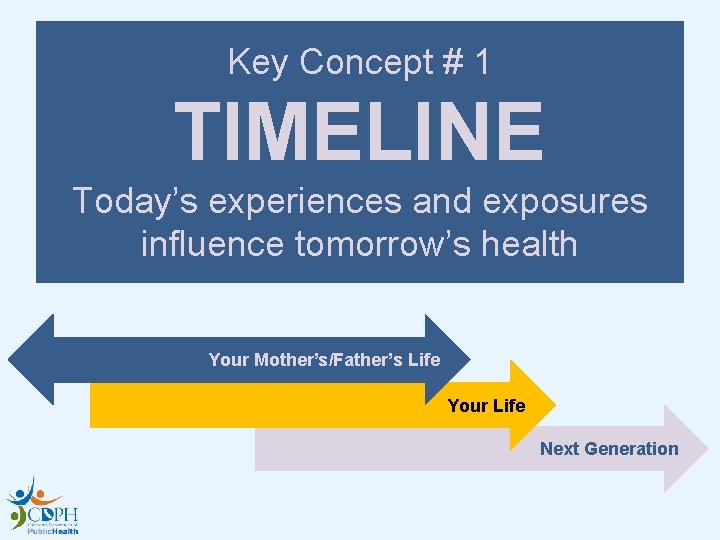
Key Concept # 1 TIMELINE Today’s experiences and exposures influence tomorrow’s health Your Mother’s/Father’s Life Your Life Next Generation
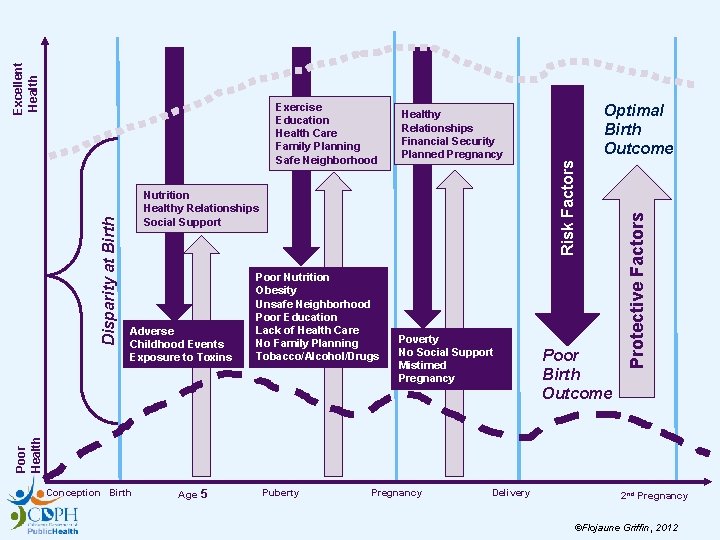
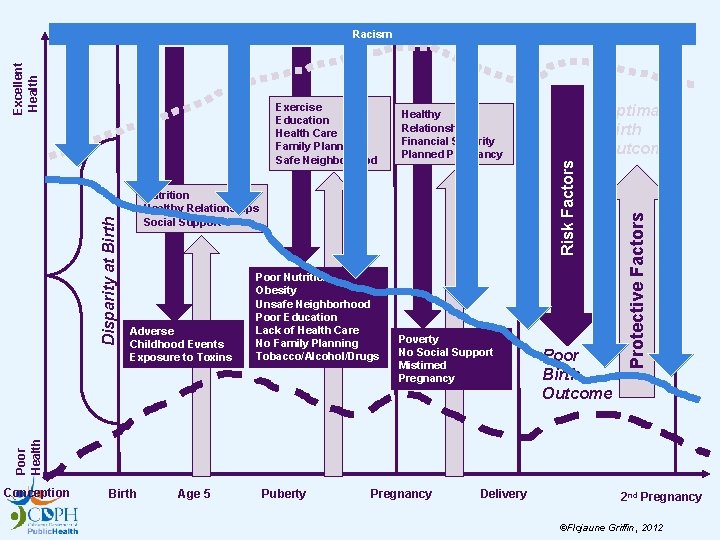
Adverse Childhood Events Exposure to Toxins Poor Nutrition Obesity Unsafe Neighborhood Poor Education Lack of Health Care No Family Planning Tobacco/Alcohol/Drugs Poverty No Social Support Mistimed Pregnancy Poor Birth Outcome Protective Factors Nutrition Healthy Relationships Social Support Optimal Birth Outcome Poor Health Disparity at Birth Healthy Relationships Financial Security Planned Pregnancy Risk Factors Excellent Health Exercise Education Health Care Family Planning Safe Neighborhood Conception Birth Age 5 Puberty Pregnancy Delivery 2 nd Pregnancy ©Flojaune Griffin, 2012
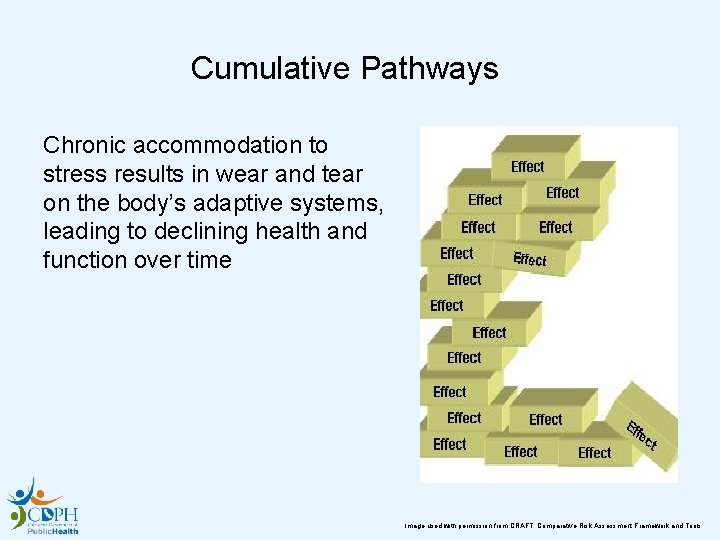
Cumulative Pathways Chronic accommodation to stress results in wear and tear on the body’s adaptive systems, leading to declining health and function over time Image used with permission from CRAFT: Comparative Risk Assessment Framework and Tools
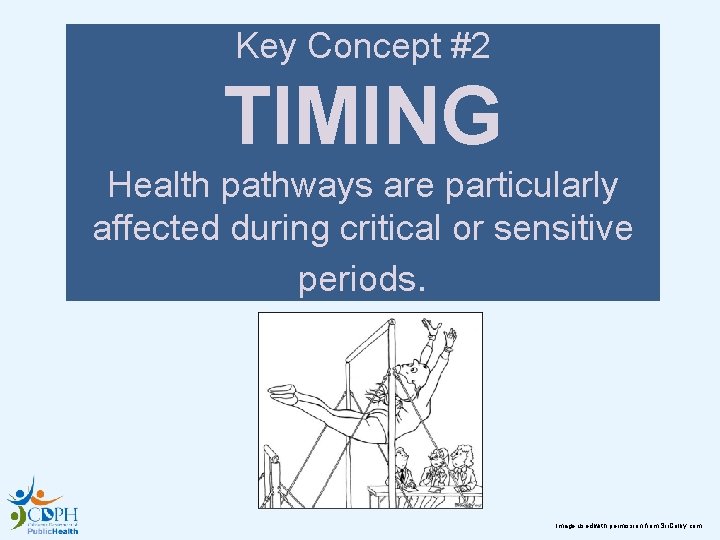
Key Concept #2 TIMING Health pathways are particularly affected during critical or sensitive periods. Image used with permission from Sir. Colby. com
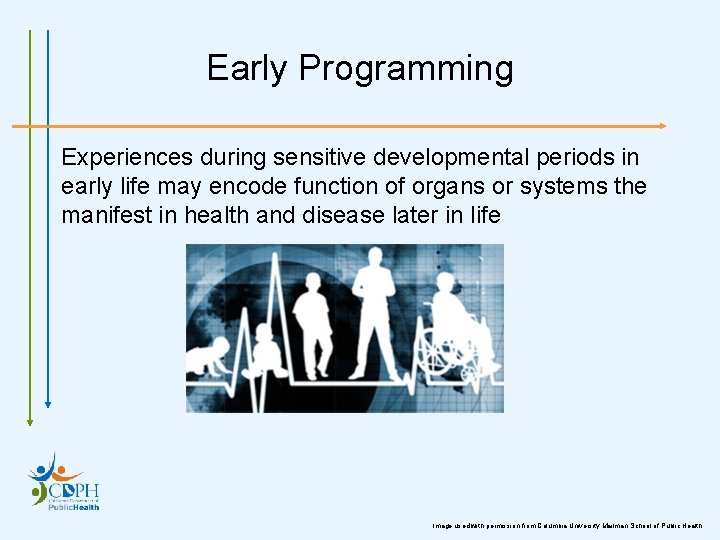
Early Programming Experiences during sensitive developmental periods in early life may encode function of organs or systems the manifest in health and disease later in life Image used with permission from Columbia University Mailman School of Public Health
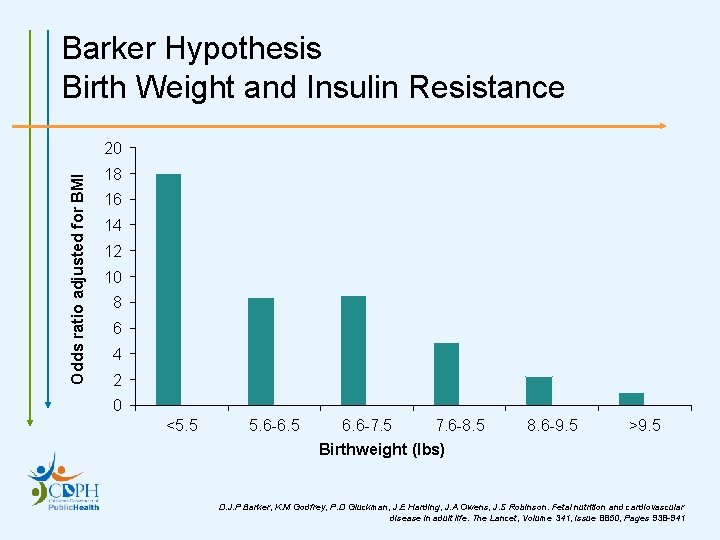
Barker Hypothesis Birth Weight and Insulin Resistance Odds ratio adjusted for BMI 20 18 16 14 12 10 8 6 4 2 0 <5. 5 5. 6 -6. 5 6. 6 -7. 5 7. 6 -8. 5 8. 6 -9. 5 >9. 5 Birthweight (lbs) D. J. P Barker, K. M Godfrey, P. D Gluckman, J. E Harding, J. A Owens, J. S Robinson. Fetal nutrition and cardiovascular disease in adult life. The Lancet, Volume 341, Issue 8850, Pages 938 -941
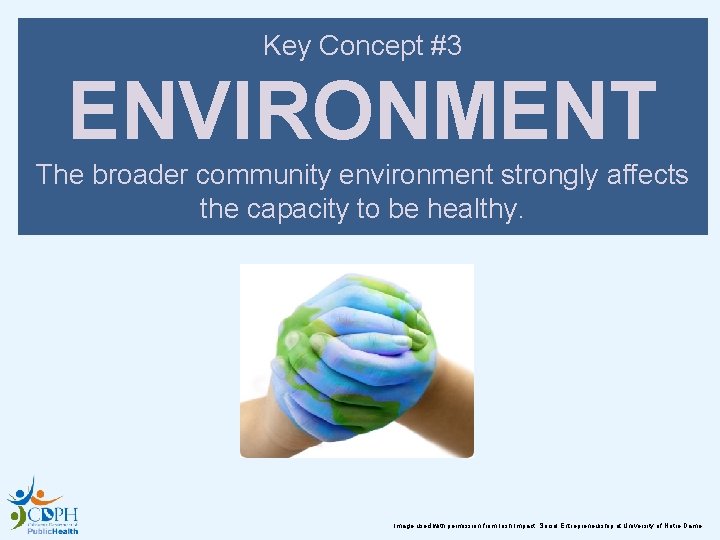
Key Concept #3 ENVIRONMENT The broader community environment strongly affects the capacity to be healthy. Image used with permission from Irish Impact: Social Entrepreneurship at University of Notre Dame
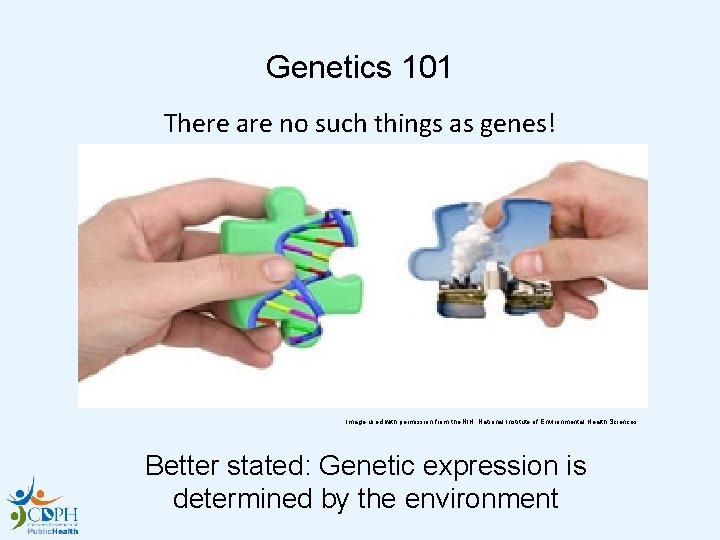
Genetics 101 There are no such things as genes! Image used with permission from the NIH: National Institute of Environmental Health Sciences Better stated: Genetic expression is determined by the environment
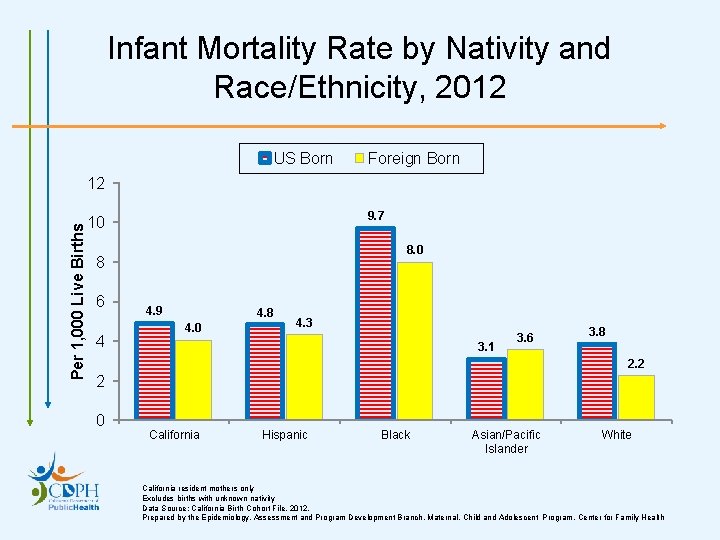
Infant Mortality Rate by Nativity and Race/Ethnicity, 2012 US Born Foreign Born Per 1, 000 Live Births 12 9. 7 10 8. 0 8 6 4 4. 9 4. 8 4. 0 4. 3 3. 1 3. 6 3. 8 2. 2 2 0 California Hispanic Black Asian/Pacific Islander White California resident mothers only Excludes births with unknown nativity Data Source: California Birth Cohort File, 2012. Prepared by the Epidemiology, Assessment and Program Development Branch, Maternal, Child and Adolescent Program, Center for Family Health
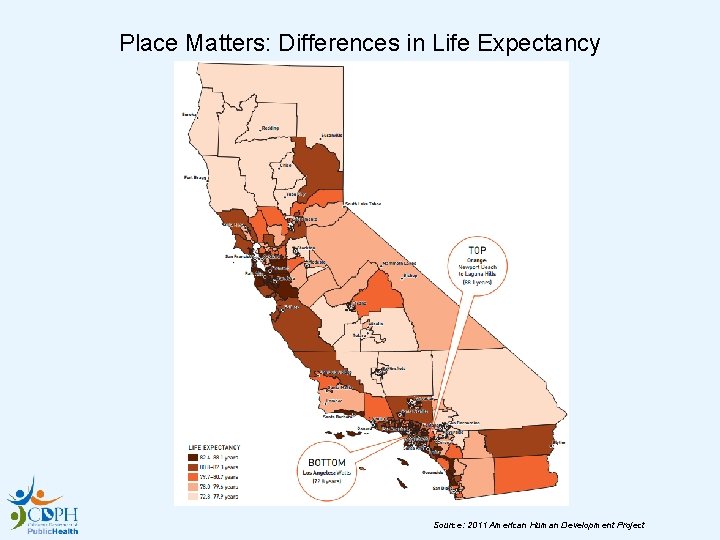
Place Matters: Differences in Life Expectancy Source: 2011 American Human Development Project
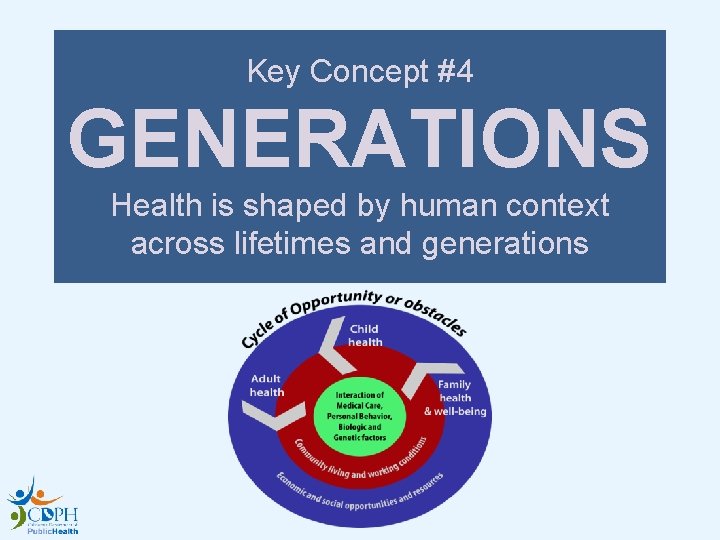
Key Concept #4 GENERATIONS Health is shaped by human context across lifetimes and generations
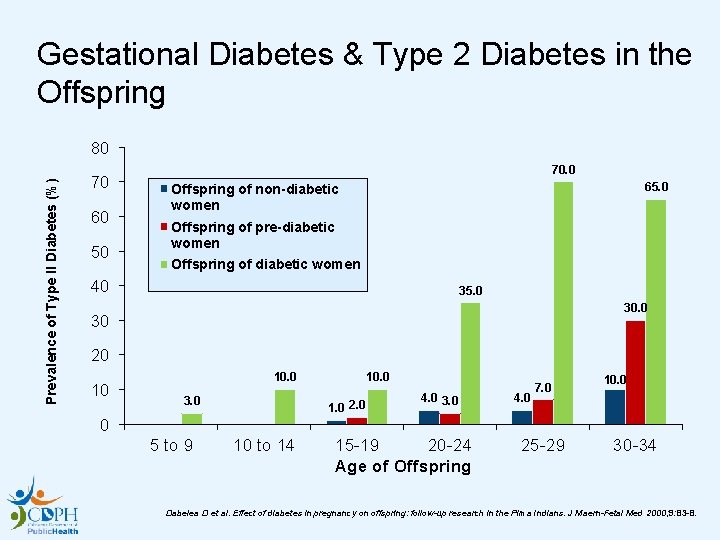
Gestational Diabetes & Type 2 Diabetes in the Offspring Prevalence of Type II Diabetes (%) 80 70 60 50 70. 0 65. 0 Offspring of non-diabetic women Offspring of pre-diabetic women Offspring of diabetic women 40 35. 0 30 20 10 10. 0 3. 0 1. 0 2. 0 0 5 to 9 10. 0 10 to 14 4. 0 3. 0 15 -19 20 -24 Age of Offspring 4. 0 7. 0 25 -29 10. 0 30 -34 Dabelea D et al. Effect of diabetes in pregnancy on offspring: follow-up research in the Pima Indians. J Maern-Fetal Med 2000; 9: 83 -8.
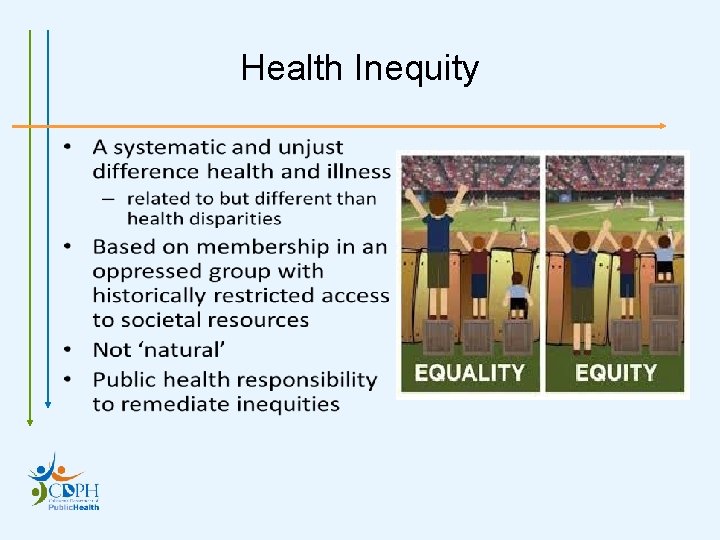
Key Concepts #5 EQUITY Inequality in health reflects more than genetics and personal choice
Health Inequity
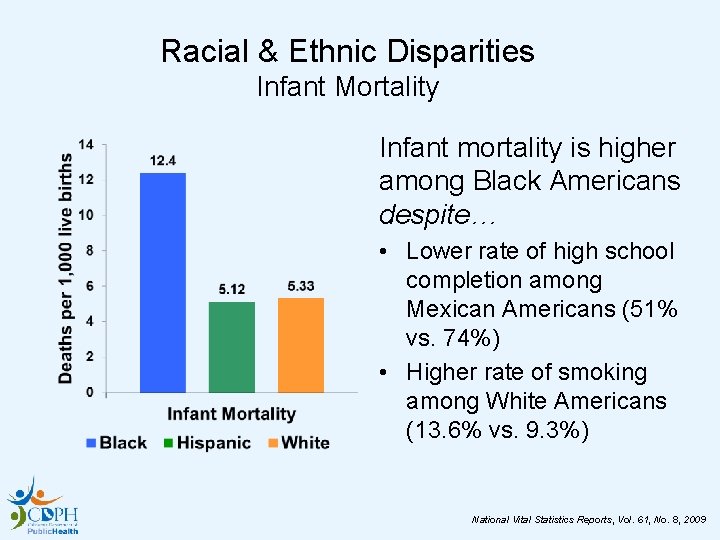
Racial & Ethnic Disparities Infant Mortality Infant mortality is higher among Black Americans despite… • Lower rate of high school completion among Mexican Americans (51% vs. 74%) • Higher rate of smoking among White Americans (13. 6% vs. 9. 3%) National Vital Statistics Reports, Vol. 61, No. 8, 2009
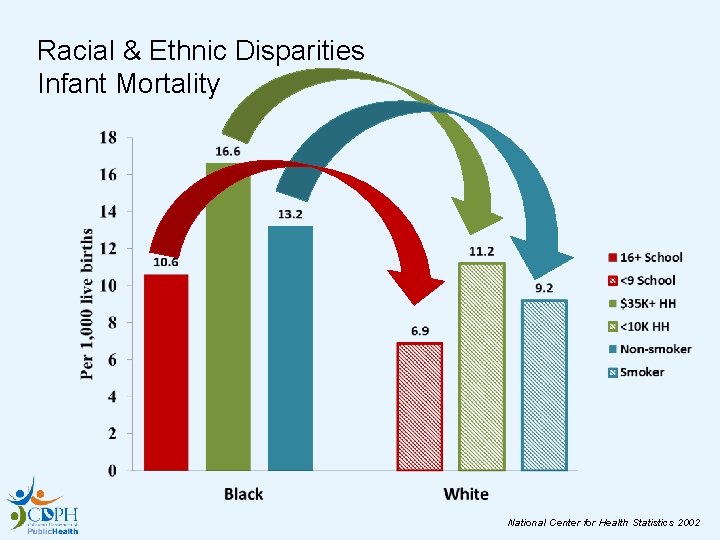
Racial & Ethnic Disparities Infant Mortality National Center for Health Statistics 2002
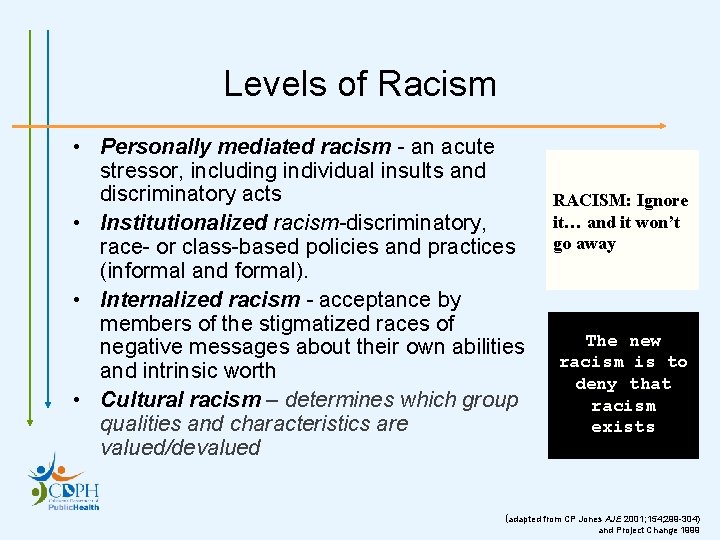
Levels of Racism • Personally mediated racism - an acute stressor, including individual insults and discriminatory acts • Institutionalized racism-discriminatory, race- or class-based policies and practices (informal and formal). • Internalized racism - acceptance by members of the stigmatized races of negative messages about their own abilities and intrinsic worth • Cultural racism – determines which group qualities and characteristics are valued/devalued RACISM: Ignore it… and it won’t go away The new racism is to deny that racism exists (adapted from CP Jones AJE 2001; 154; 299 -304) and Project Change 1999
Nutrition Healthy Relationships Social Support Adverse Childhood Events Exposure to Toxins Poor Nutrition Obesity Unsafe Neighborhood Poor Education Lack of Health Care No Family Planning Tobacco/Alcohol/Drugs Poverty No Social Support Mistimed Pregnancy Optimal Birth Outcome Poor Birth Outcome Protective Factors Healthy Relationships Financial Security Planned Pregnancy Poor Health Disparity at Birth Exercise Education Health Care Family Planning Safe Neighborhood Risk Factors Excellent Health Racism Conception Birth Age 5 Puberty Pregnancy Delivery 2 nd Pregnancy ©Flojaune Griffin, 2012
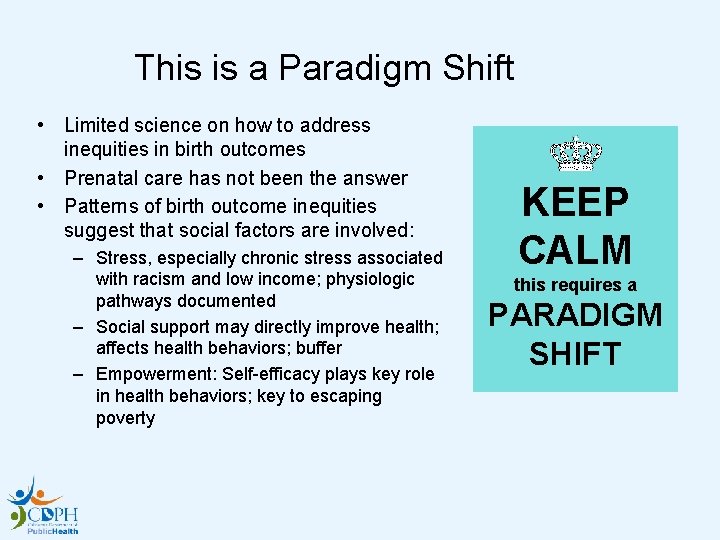
This is a Paradigm Shift • Limited science on how to address inequities in birth outcomes • Prenatal care has not been the answer • Patterns of birth outcome inequities suggest that social factors are involved: – Stress, especially chronic stress associated with racism and low income; physiologic pathways documented – Social support may directly improve health; affects health behaviors; buffer – Empowerment: Self-efficacy plays key role in health behaviors; key to escaping poverty KEEP CALM this requires a PARADIGM SHIFT
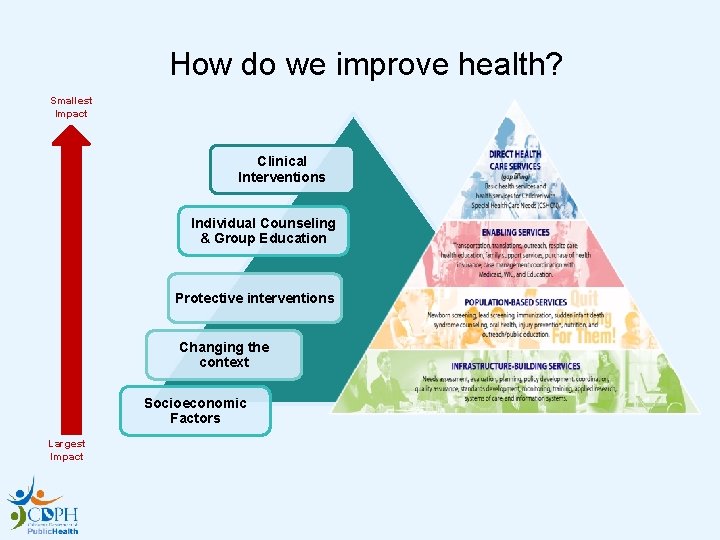
How do we improve health? Smallest Impact Clinical Interventions Individual Counseling & Group Education Protective interventions Changing the context Socioeconomic Factors Largest Impact
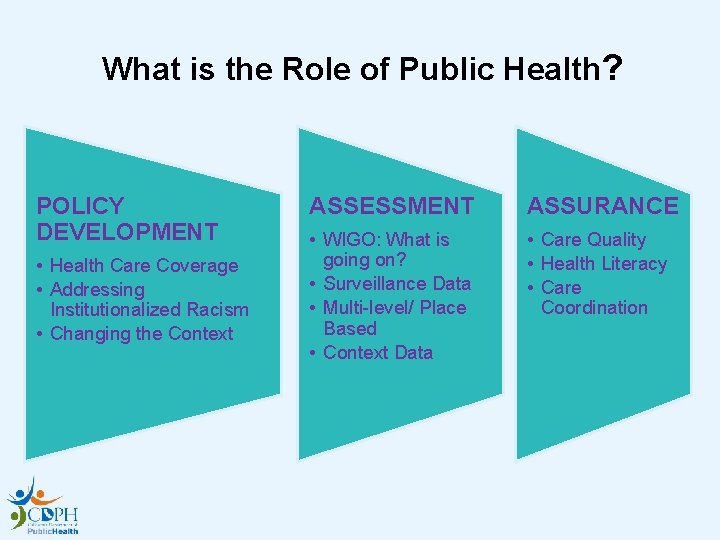
What is the Role of Public Health? POLICY DEVELOPMENT • Health Care Coverage • Addressing Institutionalized Racism • Changing the Context ASSESSMENT ASSURANCE • WIGO: What is going on? • Surveillance Data • Multi-level/ Place Based • Context Data • Care Quality • Health Literacy • Care Coordination
Direct Services: Breastfeeding • Collaboration with California Obesity Prevention Program & others • To increase breastfeeding duration rates in California’s high risk communities • Enhancing the capacity of 15 community safety-net clinics to provide quality breastfeeding services
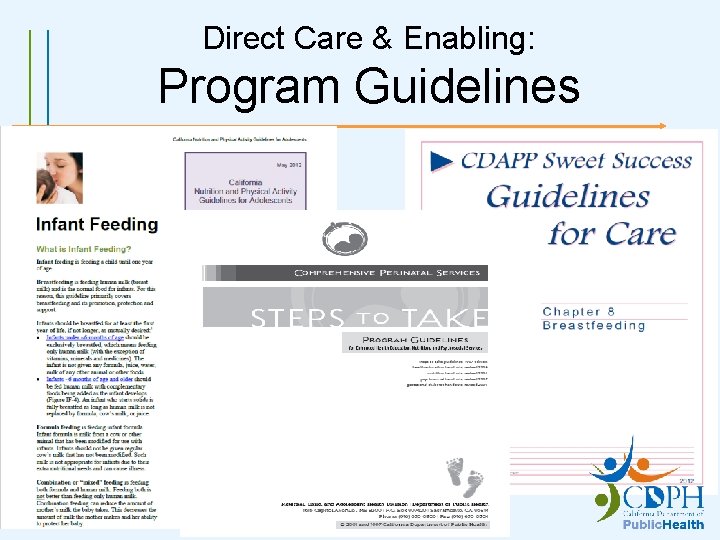
Direct Care & Enabling: Program Guidelines
Population Based & Enabling: Black Infant Health Program • Breastfeeding is the most frequent educational materials provided by the Program • BIH Breastfeeding Curriculum enhancements via a NACCHO Grant – Alameda County Public Health Department
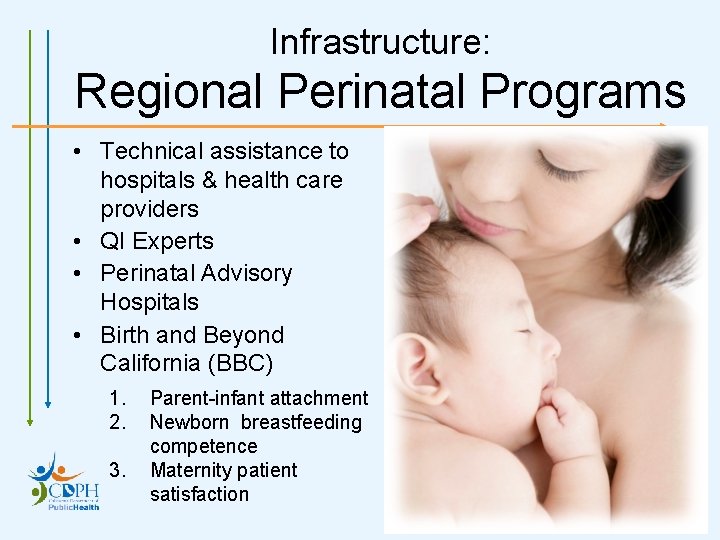
Infrastructure: Regional Perinatal Programs • Technical assistance to hospitals & health care providers • QI Experts • Perinatal Advisory Hospitals • Birth and Beyond California (BBC) 1. 2. 3. Parent-infant attachment Newborn breastfeeding competence Maternity patient satisfaction
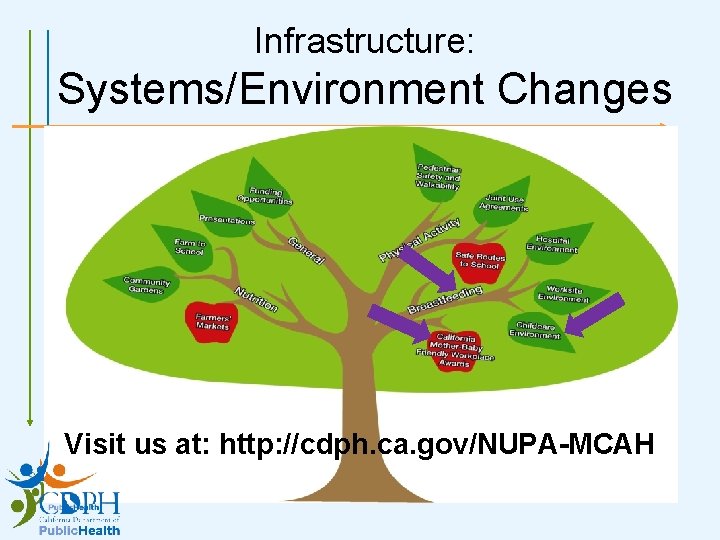
Infrastructure: Systems/Environment Changes Visit us at: http: //cdph. ca. gov/NUPA-MCAH
Preconception Impact: § A healthy pregnancy is influenced by a woman’s health before conception. Improving her health, increasing her access to care, and preventing unintended pregnancy will improve health outcomes for her and her baby. § Unintended pregnancy may potentially lead to poor birth outcomes due to social stress, uncontrolled health problems or risk behaviors prior to pregnancy, late entry into prenatal care, or short birth intervals. Return on Investment (ROI): § Public expenditures related to unintended pregnancies in California are $1. 8 billion annually, while the cost to provide a broad range of contraceptive care for every reproductive age woman in California is $210 million per year. 1 § Every dollar spent on preconception care saves $1. 60 -$5. 19 in hospitalization costs for women and infants. 2 Challenges: § 30. 9% of live births in California result from mistimed or unwanted pregnancies and higher rates are observed for Black and Hispanic women. 3 § Prevalence of women entering pregnancy with chronic diseases (e. g. diabetes and hypertension) is increasing in California. 4 31
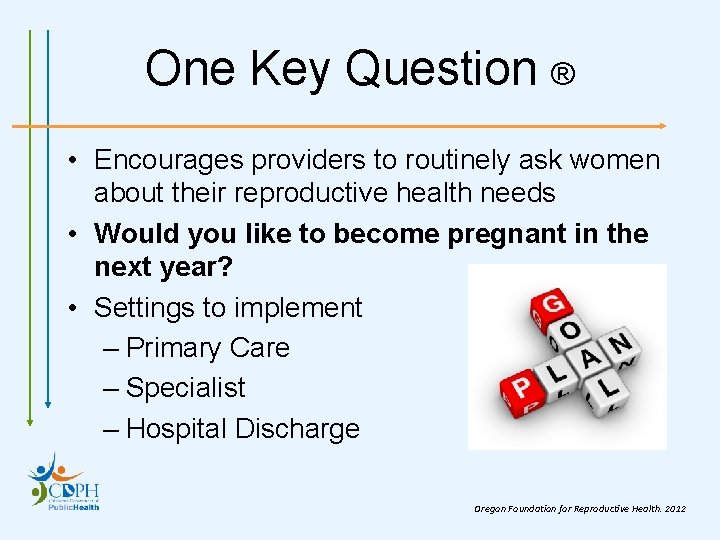
One Key Question ® • Encourages providers to routinely ask women about their reproductive health needs • Would you like to become pregnant in the next year? • Settings to implement – Primary Care – Specialist – Hospital Discharge Oregon Foundation for Reproductive Health. 2012
Practical Application
ASPHN NUTRITION AND PRECONCEPTION CARE RESOURCES Helene Kent, RDN, MPH, Consultant University of Minnesota, School of Public Health ASPHN MCH Call April 21, 2016
Goal � Collect and develop useful resources on women’s health and nutrition. � Make resources relevant and usable for staff working in maternal and child health or WIC settings. � Consider follow up activities in USDA’s Midwest Region.
Background � Funded by MCHB and USDA � Developed by University of Minnesota, School of Public Health � Adopted by ASPHN � Companion to ASPHN’s The Role of Nutrition in Infant Mortality
Steering Committee � � � � � Jamie Stang, Ph. D, MPH, RD, LN, Associate Professor, School of Public Health, University of Minnesota Denise Sofka, RD, MPH, Project Officer, HRSA, MCHB Stephanie Bess, RD, MS, LDN, Director WIC Program, Illinois Department of Human Services Robin Colbert, MS, RD, LDN, CLC Regional WIC Nutritionist, Illinois Department of Human Services Jodi Klement, RD, CLE WIC Nutrition & Breastfeeding Coordinator, Milwaukee County, Wisconsin Division of Public Health Patricia Faulkner, MS WIC Nutrition Unit Supervisor, Minnesota WIC/CSFP Program, Minnesota Department of Health Sandy Perkins, RD, MS Consultant, Association of State Public Health Nutritionists Brittany Stotmeister, RD, CD, Graduate Student, School of Public Health, University of Minnesota Brittany Ulrich, Graduate Student, School of Public Health, University of Minnesota Helene Kent, MPH, RDN Project Manager
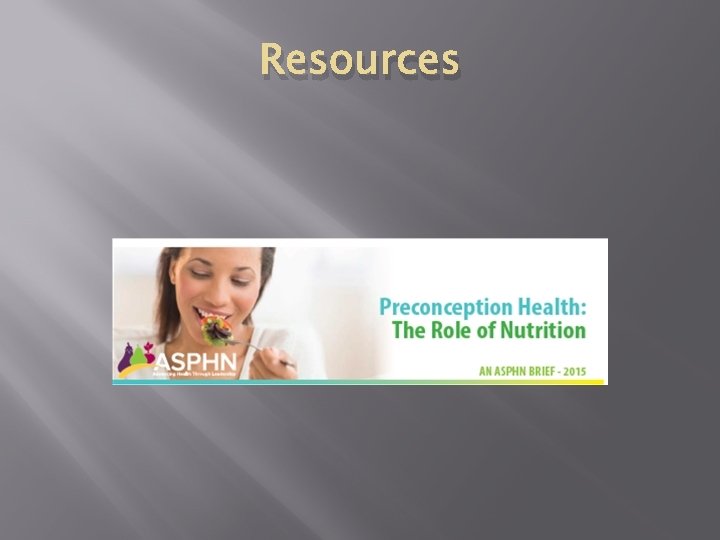
Resources � Preconception Health: the Role of Nutrition � Implementing the Recommendations � Communicating about Weight � Dr. Stang’s Power. Point Presentation � Reference Summary Update (March 2015) to The Clinical Content of Preconception Care: Nutrition and Dietary Supplements resource
Other Resources � Preconception Health and Healthcare Initiative A public-private partnership involving CDC, HRSA, and other government agencies, nonprofit organizations, professional organizations and hundreds of individuals. � The Before, Between and Beyond website includes a clinical toolkit, training materials, key articles, clinical guidance and resources.
Resources
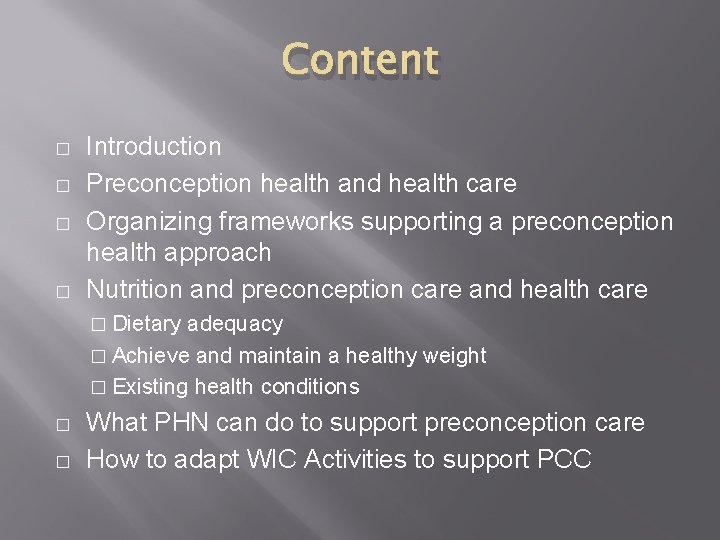
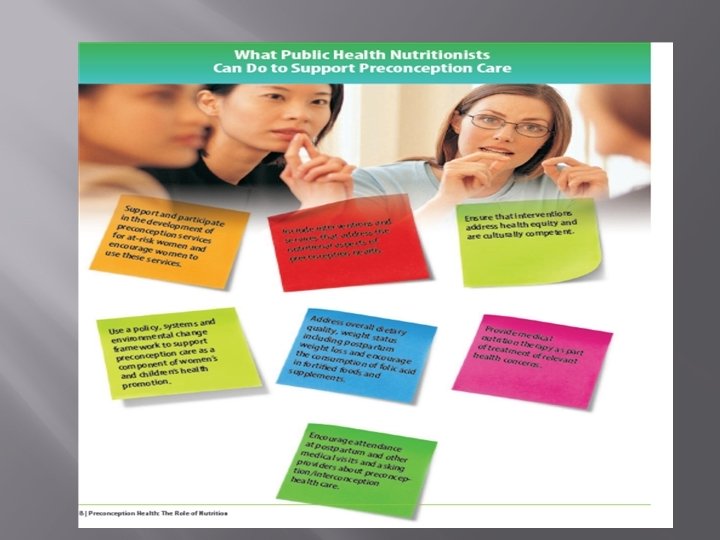
Content � � Introduction Preconception health and health care Organizing frameworks supporting a preconception health approach Nutrition and preconception care and health care � Dietary adequacy � Achieve and maintain a healthy weight � Existing health conditions � � What PHN can do to support preconception care How to adapt WIC Activities to support PCC
Resources
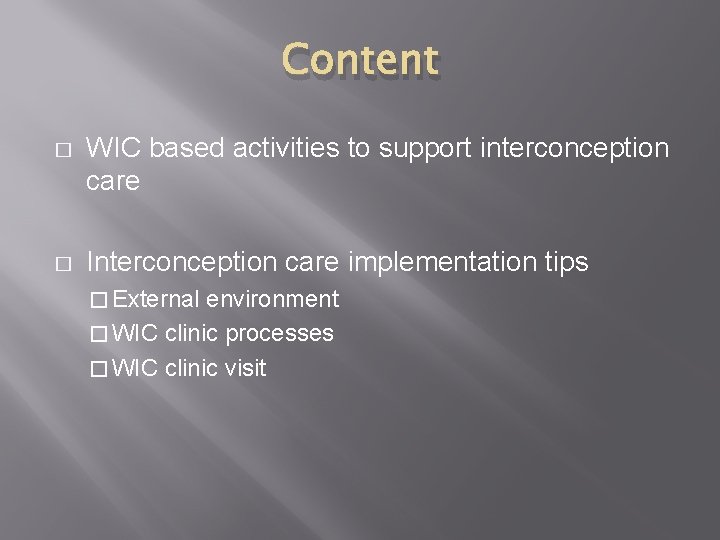
Content � WIC based activities to support interconception care � Interconception care implementation tips � External environment � WIC clinic processes � WIC clinic visit
Resources
Content � Factors to consider � Starting the conversation � Postpartum weight loss counseling points � Resources
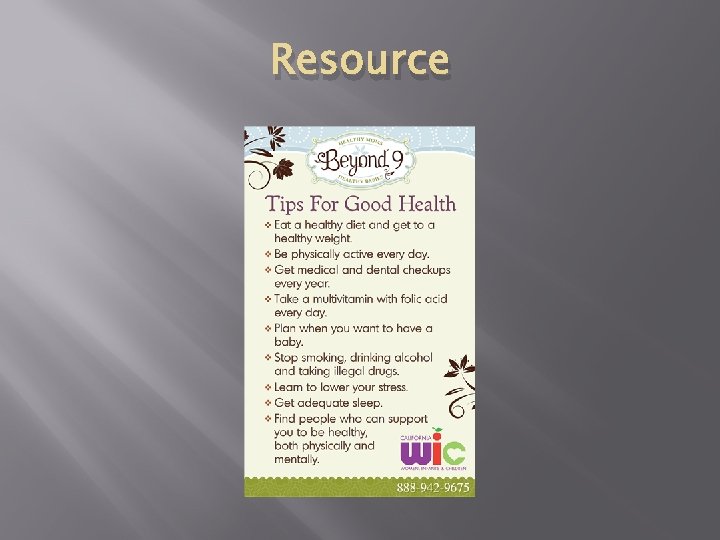
Resource
Next Steps � Posted as part of ASPHN’s resources � Presentations � Share resources � National Maternal Nutrition Intensive Course July 27 – 29, 2016 � Possibly projects
Thank You! Contact - Helene@HMKent. com