
Understanding Human Disease Types of Disease Sections 1

- Slides: 41
Understanding Human Disease
Types of Disease: Sections 1. Cancer 2. Communicable/ Infectious Disease 3. Autoimmune/ Genetic Disease 4. Disease and Human Behavior 5. Emerging Disease
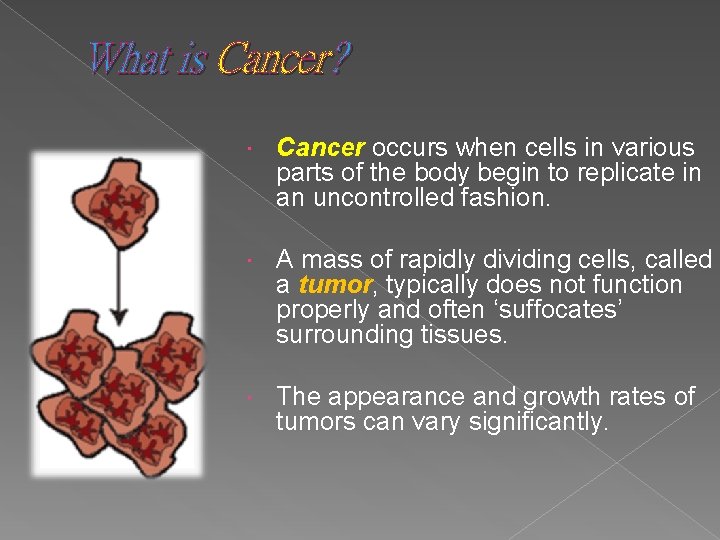
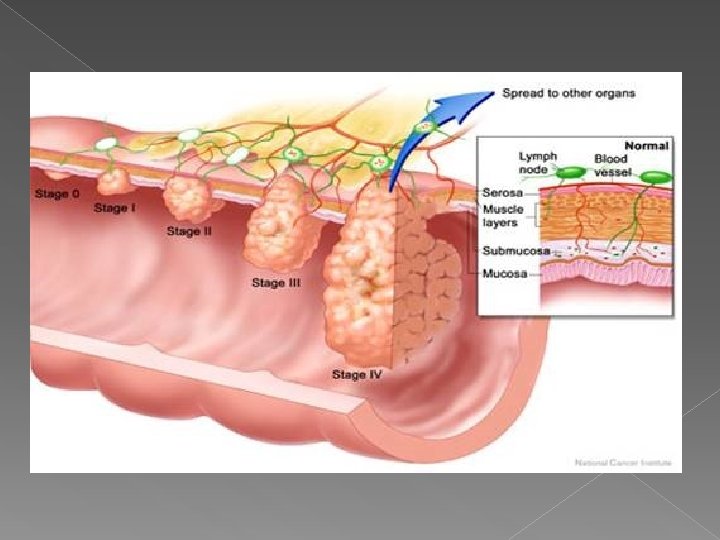
What is Cancer? Cancer occurs when cells in various parts of the body begin to replicate in an uncontrolled fashion. A mass of rapidly dividing cells, called a tumor, typically does not function properly and often ‘suffocates’ surrounding tissues. The appearance and growth rates of tumors can vary significantly.
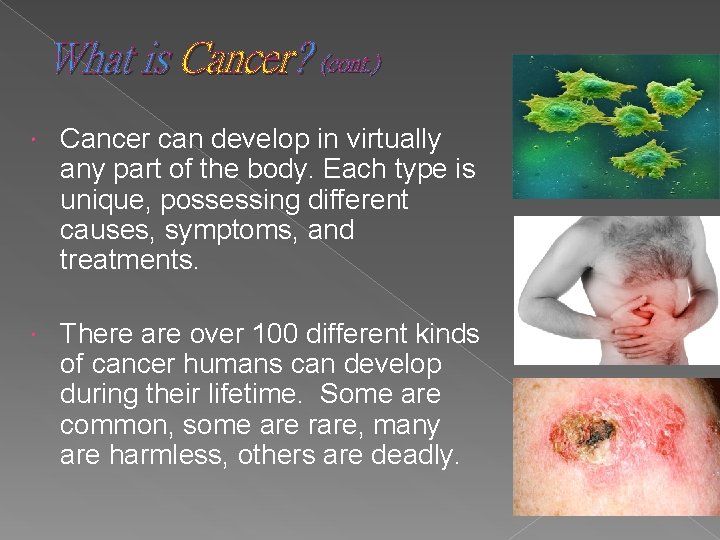
What is Cancer? (cont. ) Cancer can develop in virtually any part of the body. Each type is unique, possessing different causes, symptoms, and treatments. There are over 100 different kinds of cancer humans can develop during their lifetime. Some are common, some are rare, many are harmless, others are deadly.
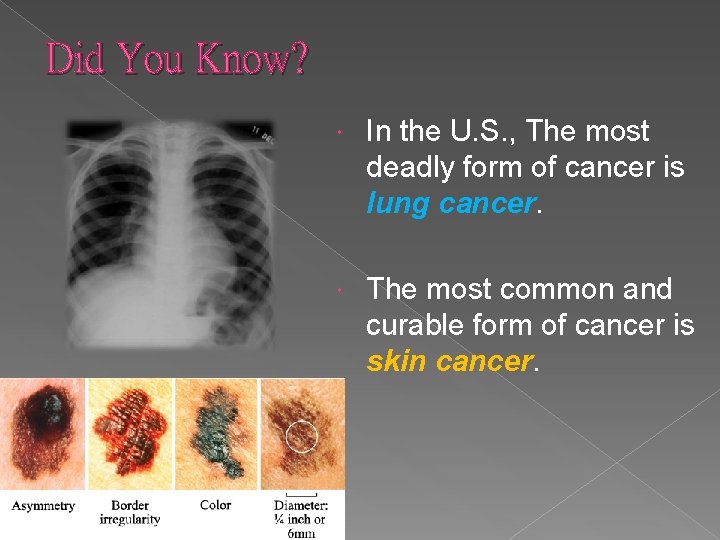
Did You Know? In the U. S. , The most deadly form of cancer is lung cancer. The most common and curable form of cancer is skin cancer.
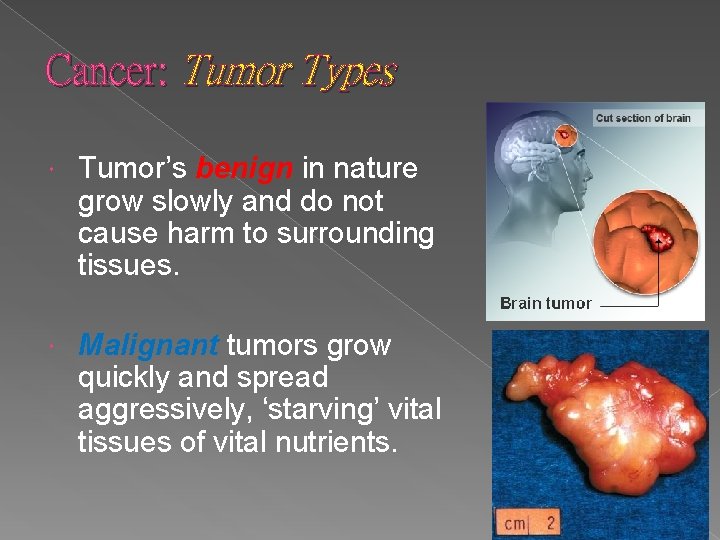
Cancer: Tumor Types Tumor’s benign in nature grow slowly and do not cause harm to surrounding tissues. Malignant tumors grow quickly and spread aggressively, ‘starving’ vital tissues of vital nutrients.
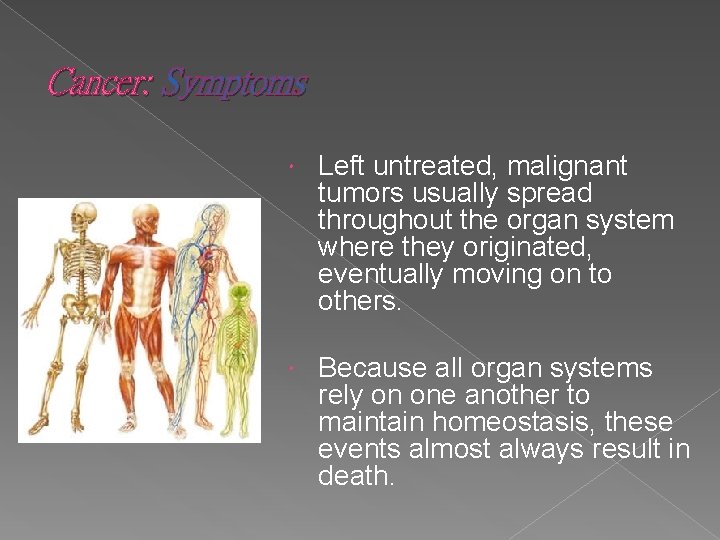
Cancer: Symptoms Left untreated, malignant tumors usually spread throughout the organ system where they originated, eventually moving on to others. Because all organ systems rely on one another to maintain homeostasis, these events almost always result in death.
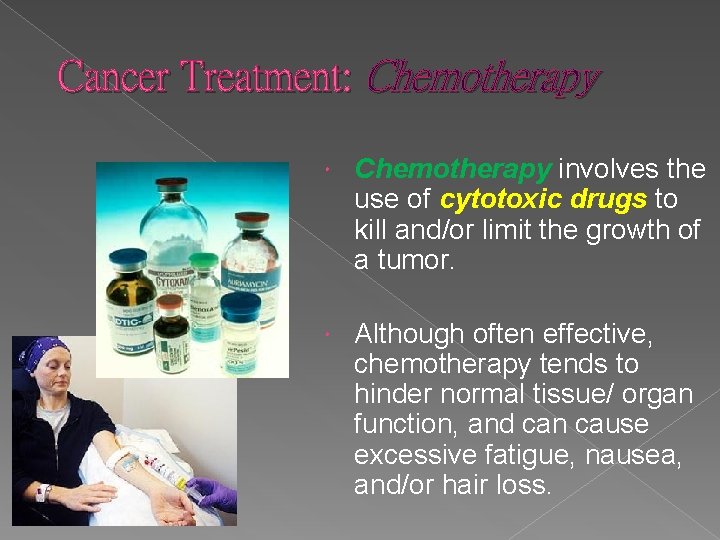
Cancer Treatment: Chemotherapy involves the use of cytotoxic drugs to kill and/or limit the growth of a tumor. Although often effective, chemotherapy tends to hinder normal tissue/ organ function, and can cause excessive fatigue, nausea, and/or hair loss.
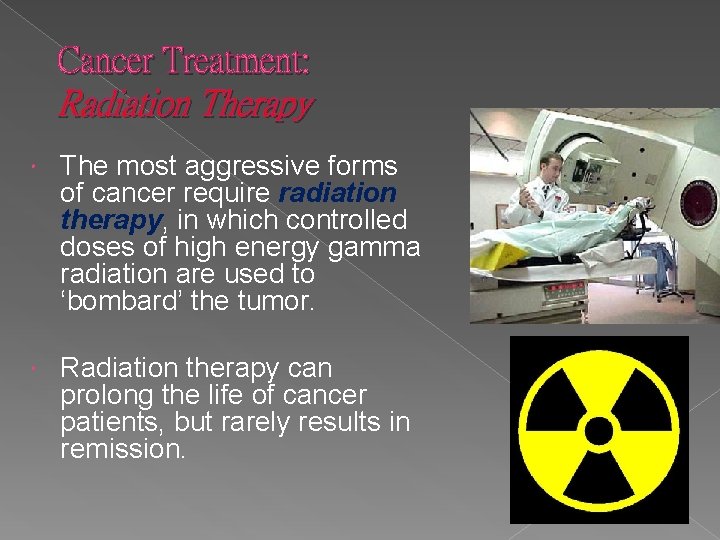
Cancer Treatment: Radiation Therapy The most aggressive forms of cancer require radiation therapy, in which controlled doses of high energy gamma radiation are used to ‘bombard’ the tumor. Radiation therapy can prolong the life of cancer patients, but rarely results in remission.
Challenge Question! A doctor who specialized in cancer diagnosis and treatment is called a(an)…
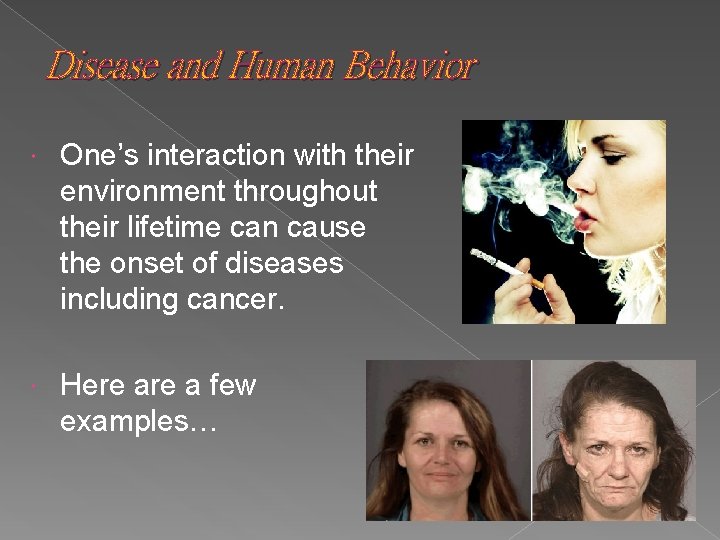
Disease and Human Behavior One’s interaction with their environment throughout their lifetime can cause the onset of diseases including cancer. Here a few examples…
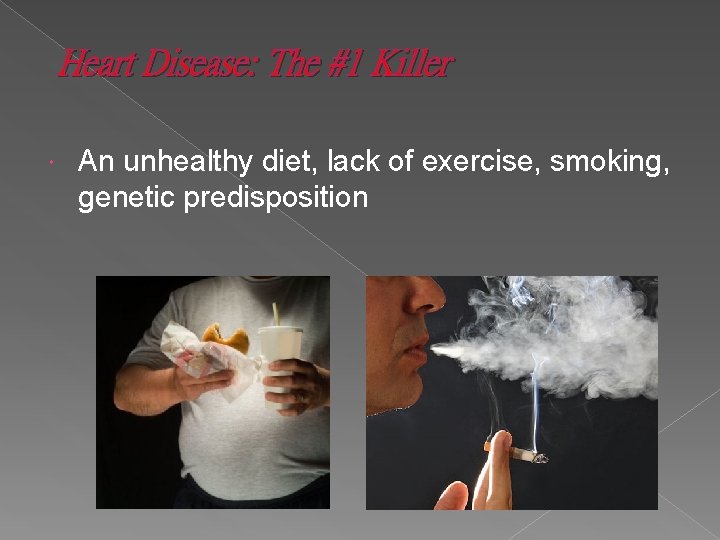
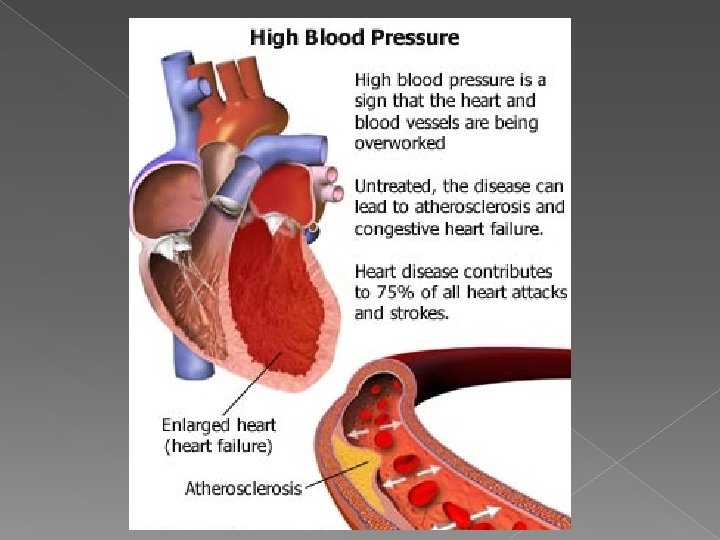
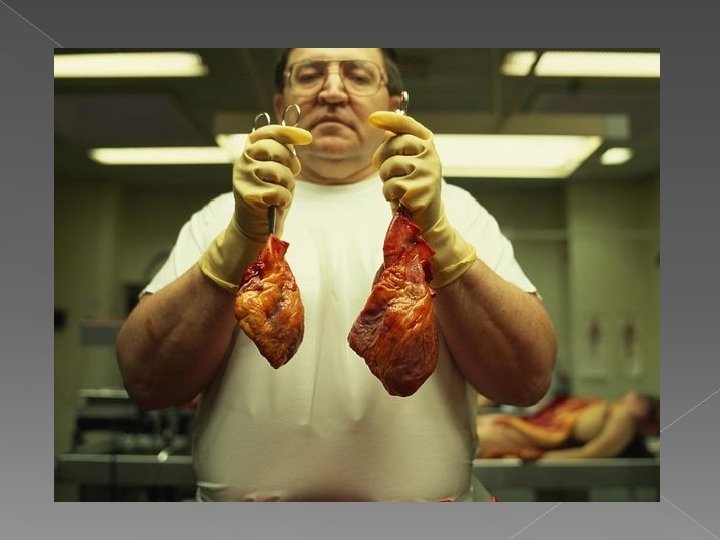
Heart Disease: The #1 Killer An unhealthy diet, lack of exercise, smoking, genetic predisposition
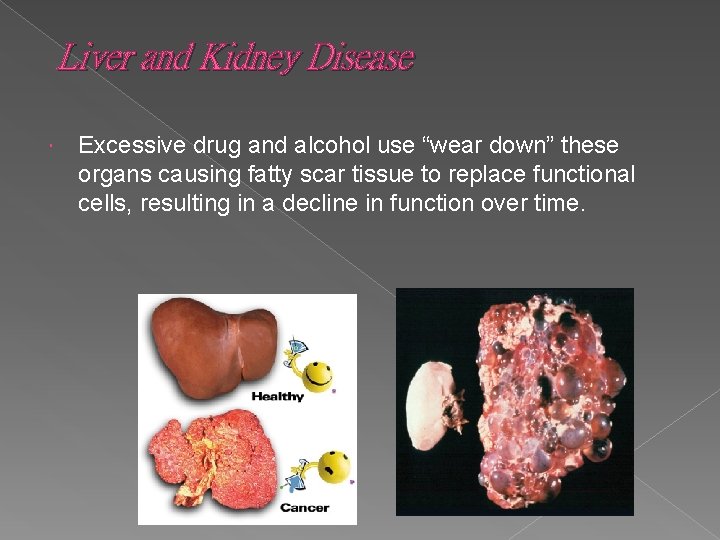
Liver and Kidney Disease Excessive drug and alcohol use “wear down” these organs causing fatty scar tissue to replace functional cells, resulting in a decline in function over time.
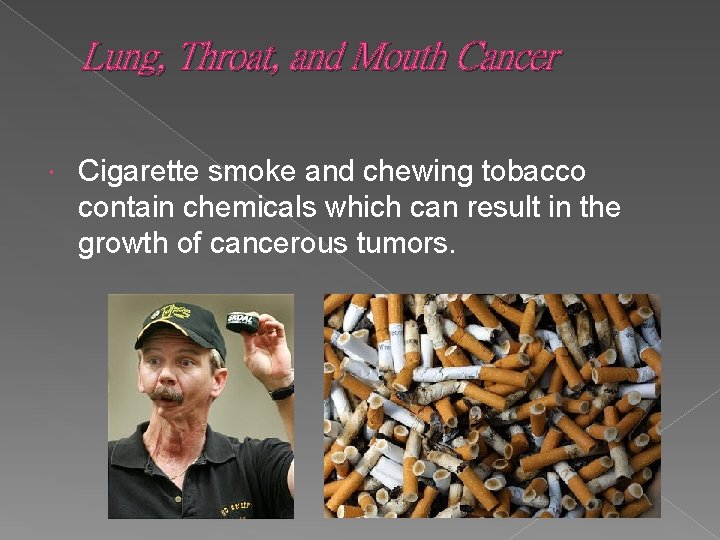
Lung, Throat, and Mouth Cancer Cigarette smoke and chewing tobacco contain chemicals which can result in the growth of cancerous tumors.
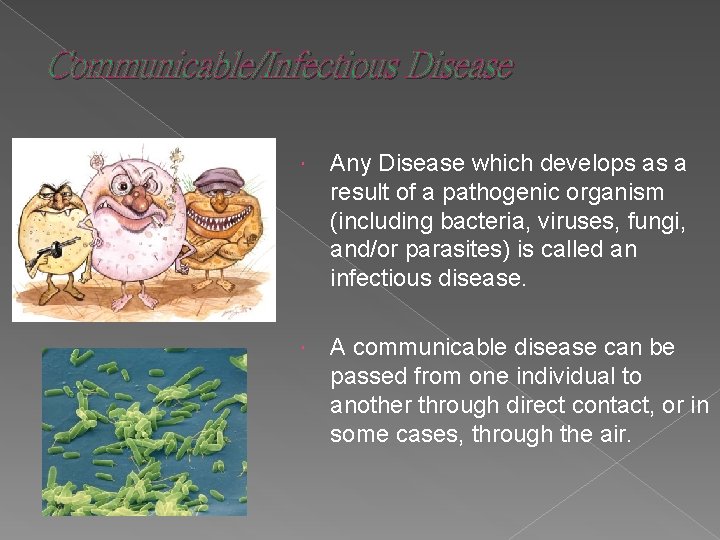
Communicable/Infectious Disease Any Disease which develops as a result of a pathogenic organism (including bacteria, viruses, fungi, and/or parasites) is called an infectious disease. A communicable disease can be passed from one individual to another through direct contact, or in some cases, through the air.
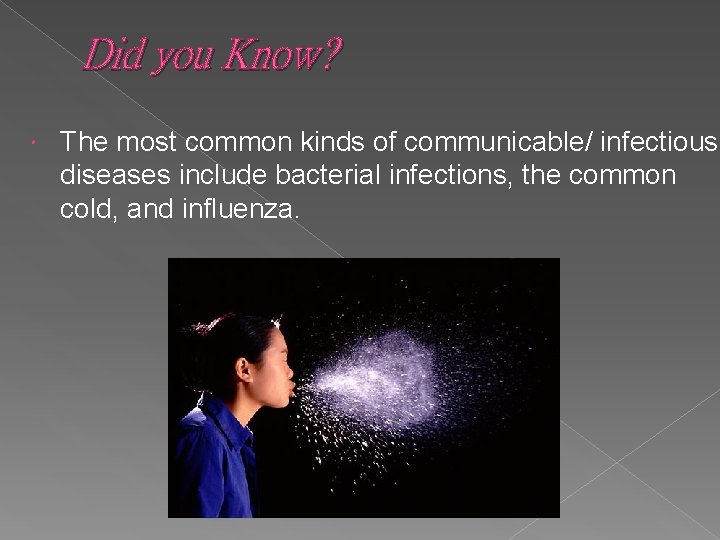
Did you Know? The most common kinds of communicable/ infectious diseases include bacterial infections, the common cold, and influenza.
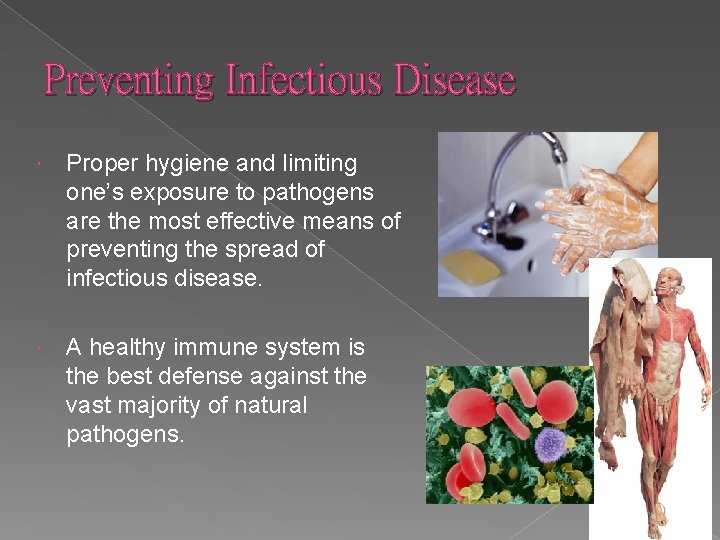
Preventing Infectious Disease Proper hygiene and limiting one’s exposure to pathogens are the most effective means of preventing the spread of infectious disease. A healthy immune system is the best defense against the vast majority of natural pathogens.
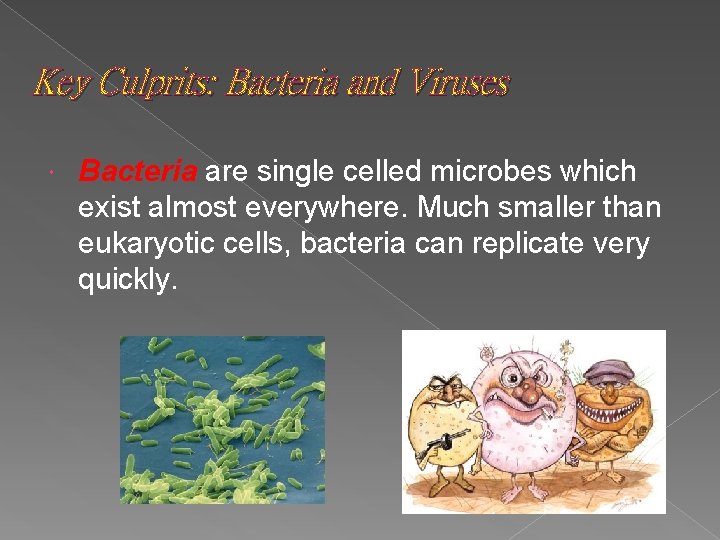
Key Culprits: Bacteria and Viruses Bacteria are single celled microbes which exist almost everywhere. Much smaller than eukaryotic cells, bacteria can replicate very quickly.
Believe it or Not… There about 10 million bacteria cells on the palm of you hand right now!
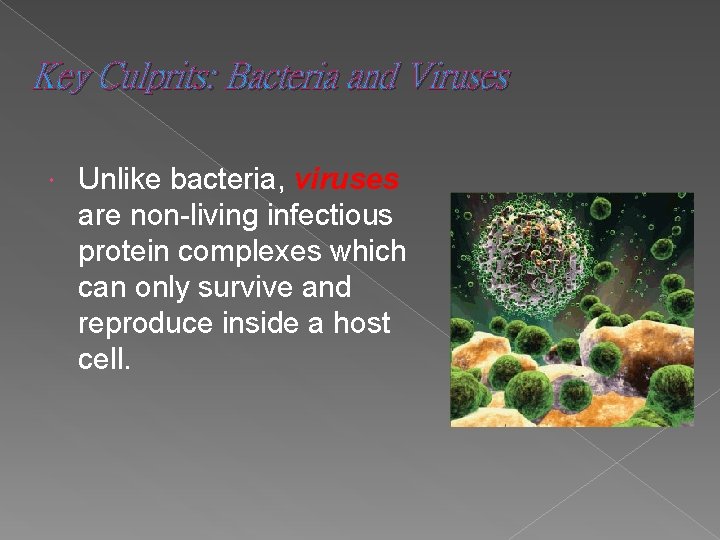
Key Culprits: Bacteria and Viruses Unlike bacteria, viruses are non-living infectious protein complexes which can only survive and reproduce inside a host cell.
Being “Sick”…. Typical symptoms like inflammation, stuffy nose, sore throat, and fever are a result of the body’s immune system trying to “get rid” of invading pathogens; not the pathogens themselves!
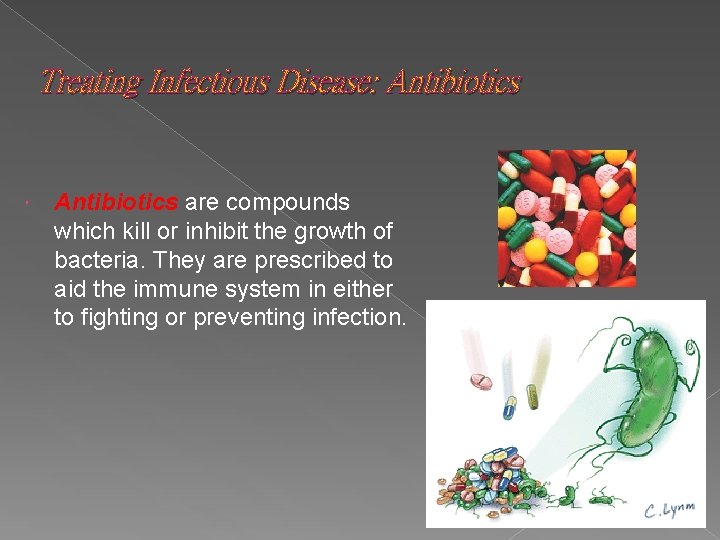
Treating Infectious Disease: Antibiotics are compounds which kill or inhibit the growth of bacteria. They are prescribed to aid the immune system in either to fighting or preventing infection.
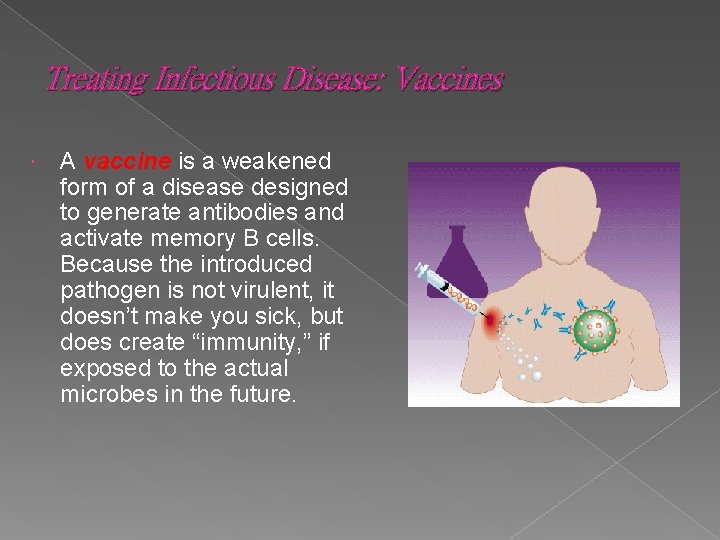
Treating Infectious Disease: Vaccines A vaccine is a weakened form of a disease designed to generate antibodies and activate memory B cells. Because the introduced pathogen is not virulent, it doesn’t make you sick, but does create “immunity, ” if exposed to the actual microbes in the future.
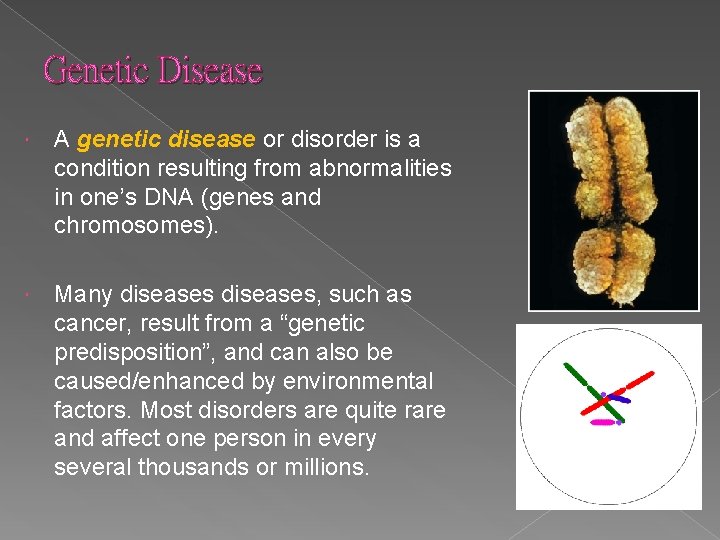
Genetic Disease A genetic disease or disorder is a condition resulting from abnormalities in one’s DNA (genes and chromosomes). Many diseases, such as cancer, result from a “genetic predisposition”, and can also be caused/enhanced by environmental factors. Most disorders are quite rare and affect one person in every several thousands or millions.
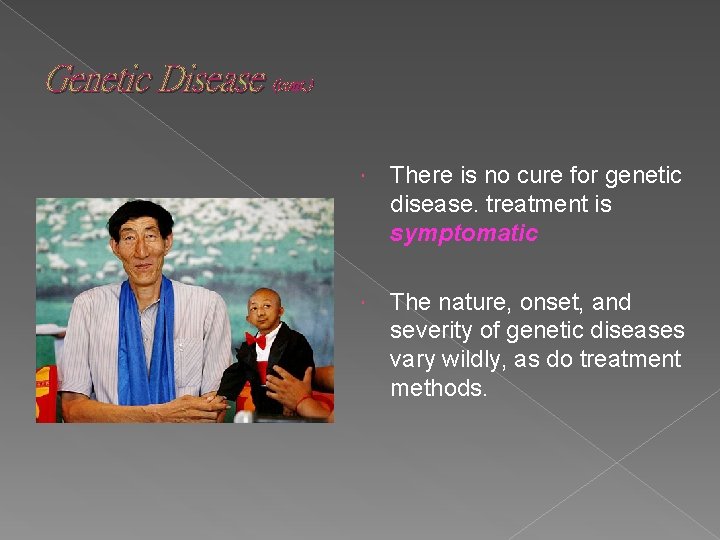
Genetic Disease (cont. ) There is no cure for genetic disease. treatment is symptomatic The nature, onset, and severity of genetic diseases vary wildly, as do treatment methods.
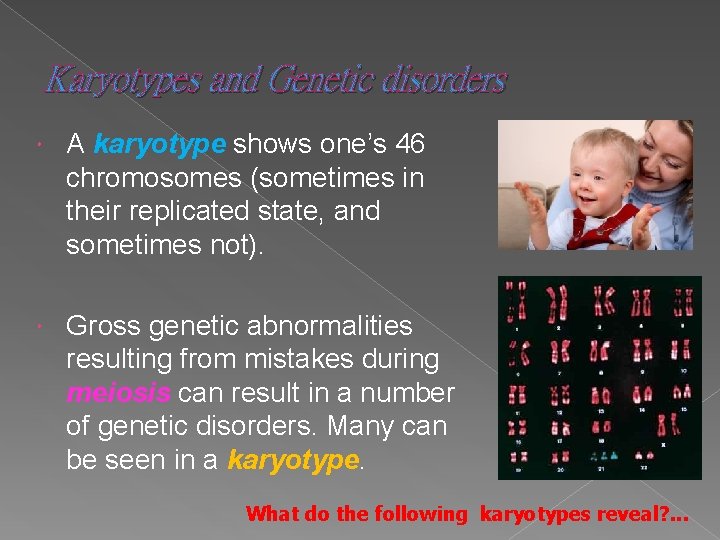
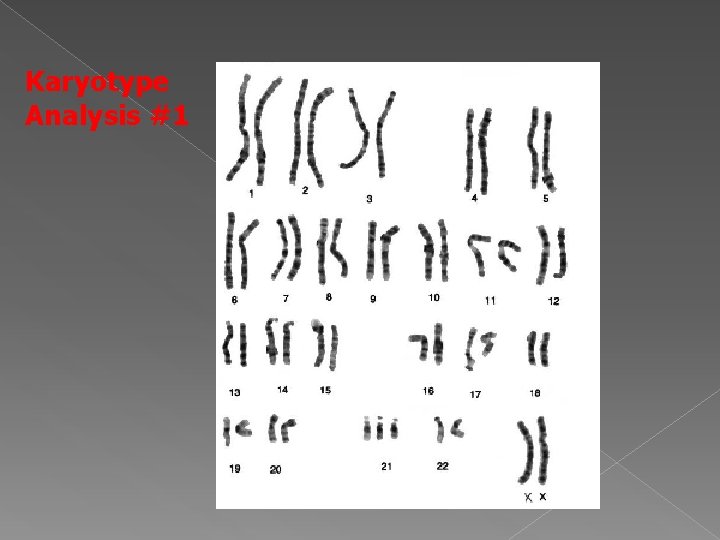
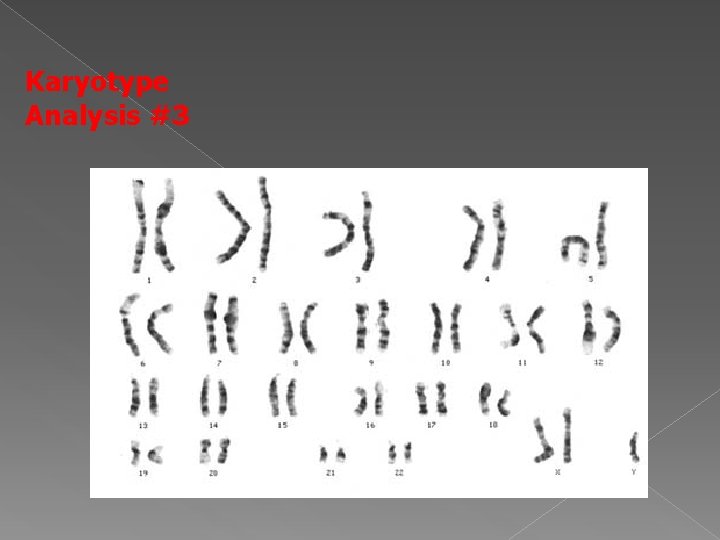
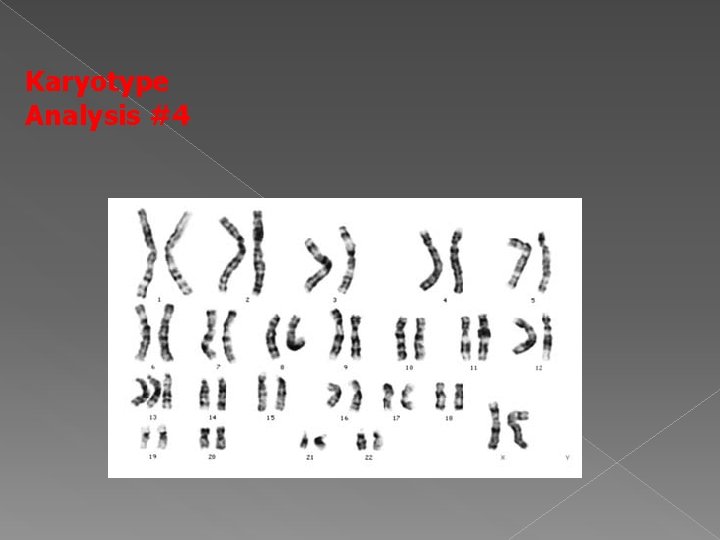
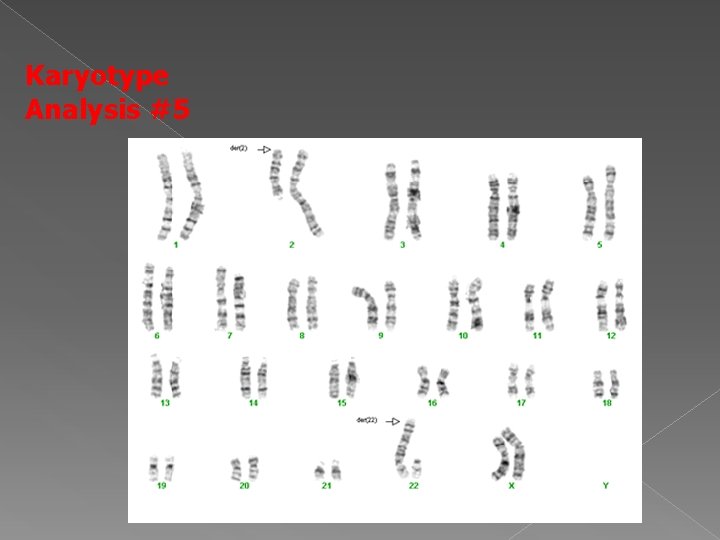
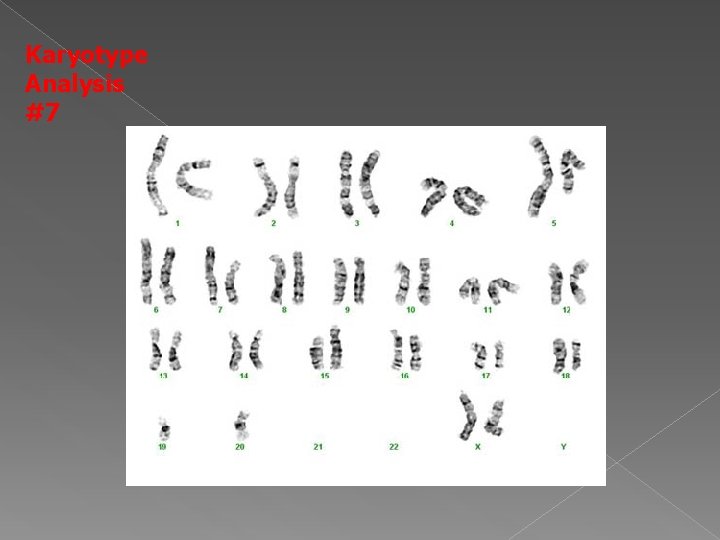
Karyotypes and Genetic disorders A karyotype shows one’s 46 chromosomes (sometimes in their replicated state, and sometimes not). Gross genetic abnormalities resulting from mistakes during meiosis can result in a number of genetic disorders. Many can be seen in a karyotype. What do the following karyotypes reveal? . . .
Karyotype Analysis #1
Karyotype Analysis #3
Karyotype Analysis #4
Karyotype Analysis #5
Karyotype Analysis #6
Karyotype Analysis #7
Challenge question! What is the difference between genetic disorders and other types of disease in terms of how they are acquired and treated?
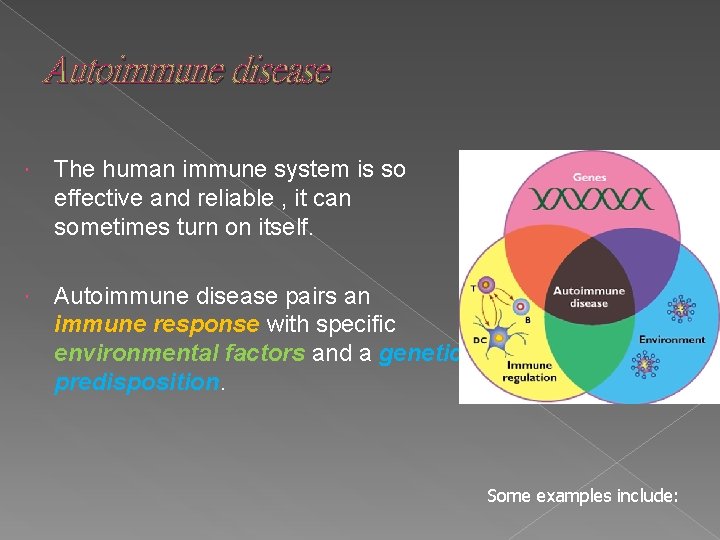
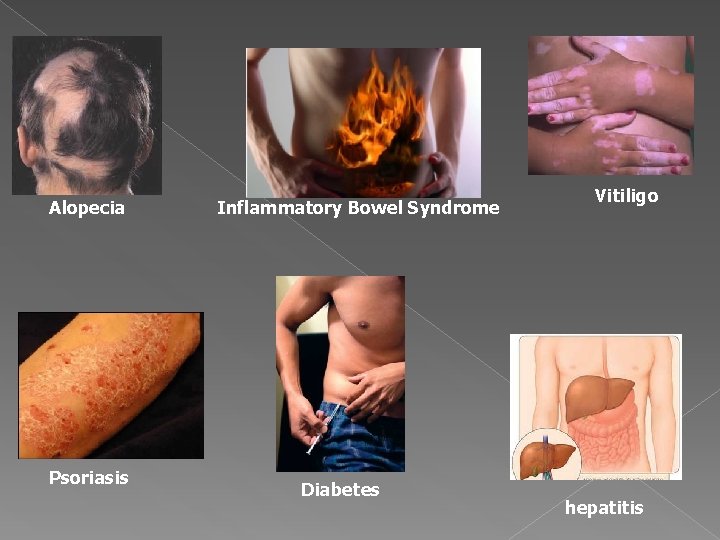
Autoimmune disease The human immune system is so effective and reliable , it can sometimes turn on itself. Autoimmune disease pairs an immune response with specific environmental factors and a genetic predisposition. Some examples include:
Alopecia Psoriasis Inflammatory Bowel Syndrome Diabetes Vitiligo hepatitis
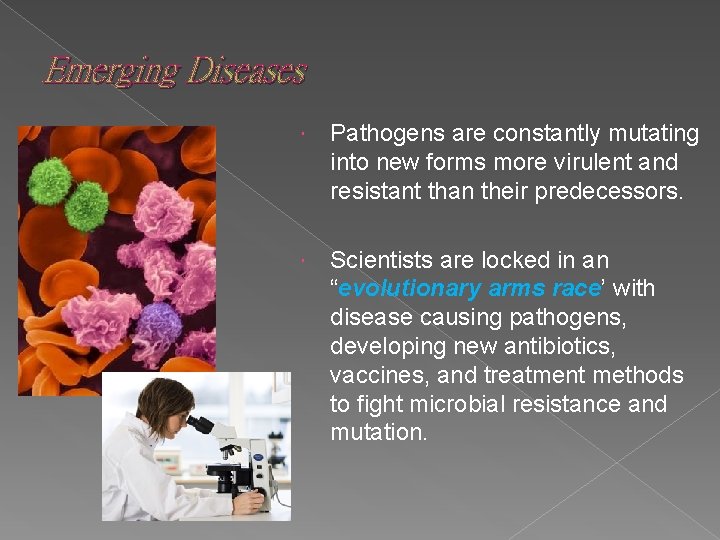
Emerging Diseases Pathogens are constantly mutating into new forms more virulent and resistant than their predecessors. Scientists are locked in an “evolutionary arms race’ with disease causing pathogens, developing new antibiotics, vaccines, and treatment methods to fight microbial resistance and mutation.
Challenge Question: What “emerging diseases” have you seen in the news recently?
______ tumors grow slowly and do not starve surrounding tissues of nutrients. ______ is a process that occurs in the gonads and results in the production of gametes. A vaccine is a weakened form of a disease designed to generate _______ and activate memory B cells. A oncologist specializes in __________ involves the use of cytotoxic drugs to kill and/or limit the growth of a tumor. ______ aid the immune system by killing and or inhibiting the proliferation of prokaryotes inside the body. ________ results from a non-disjunction event during anaphase I of meiosis. Because there is no cure for genetic disease. treatment is said to be ________. What 3 factors characterize an autoimmune disease? (3 points)