
Understanding Geologic Time How old is it How
- Slides: 19
Understanding Geologic Time
How old is it? How do we know? • Absolute dating – process of assigning a precise numerical age to an organism, object or event • Relative dating – process of placing objects or events in sequence (first, second, third…)
Uniformitarianism • James Hutton proposed that laws of nature operate today as they did in the past (take along time) – Mountain building – Erosion – Sediment deposition and lithification to rocks
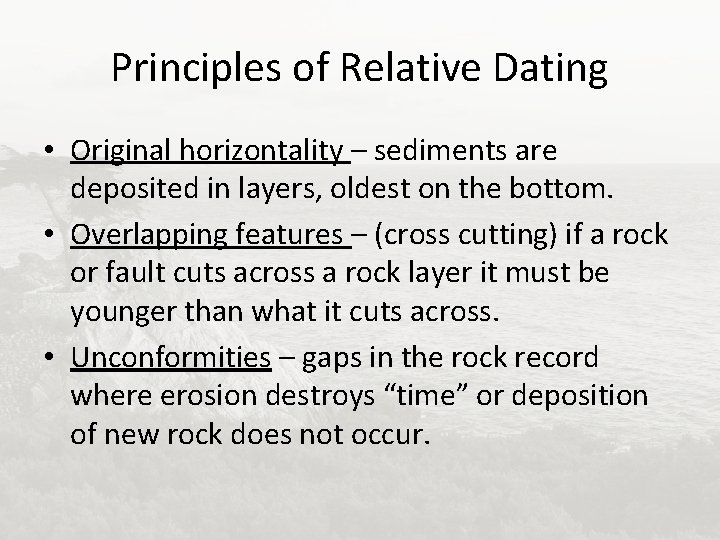
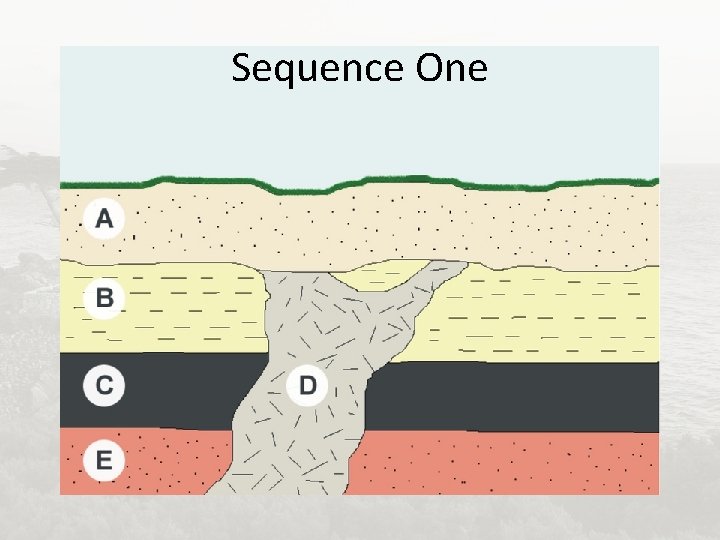
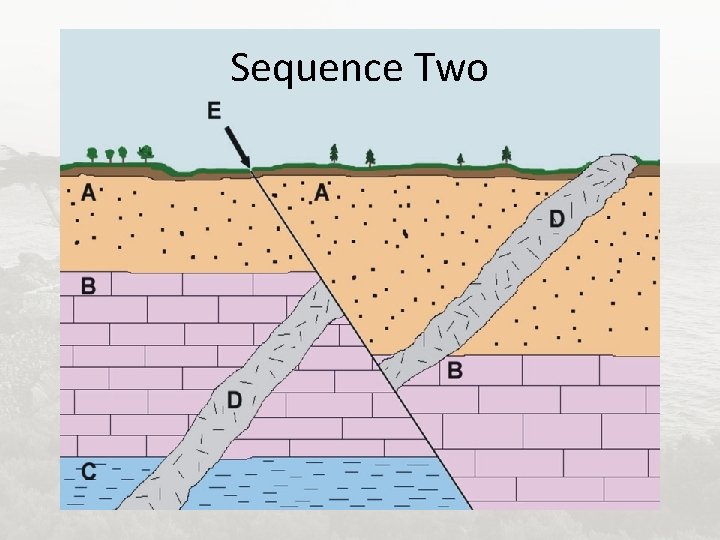
Principles of Relative Dating • Original horizontality – sediments are deposited in layers, oldest on the bottom. • Overlapping features – (cross cutting) if a rock or fault cuts across a rock layer it must be younger than what it cuts across. • Unconformities – gaps in the rock record where erosion destroys “time” or deposition of new rock does not occur.
Sequence One
Sequence Two
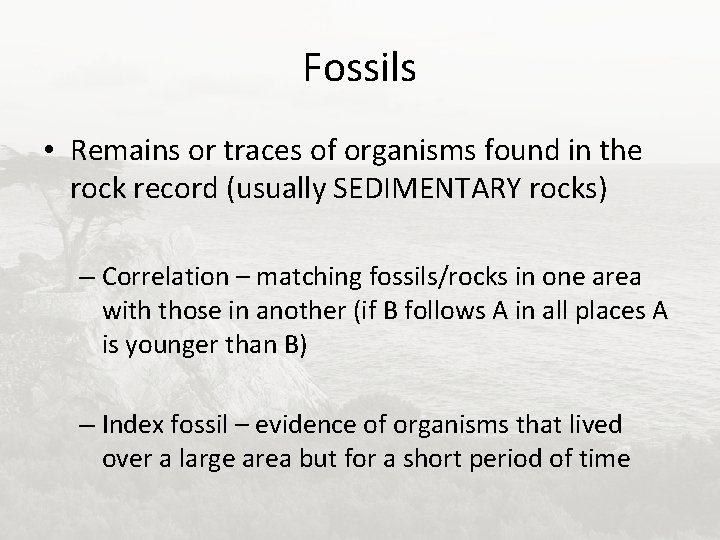
Fossils • Remains or traces of organisms found in the rock record (usually SEDIMENTARY rocks) – Correlation – matching fossils/rocks in one area with those in another (if B follows A in all places A is younger than B) – Index fossil – evidence of organisms that lived over a large area but for a short period of time
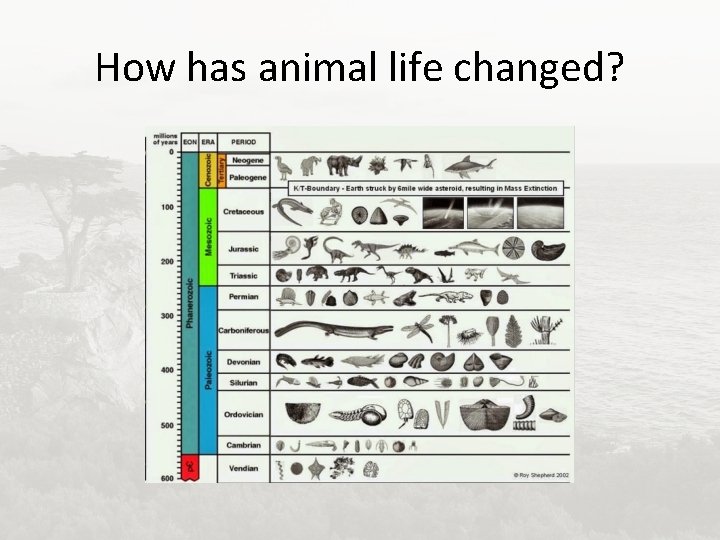
How has animal life changed?
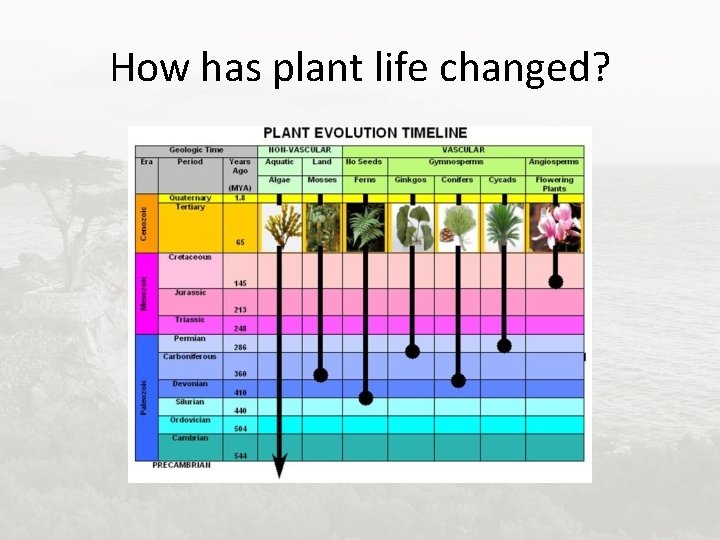
How has plant life changed?
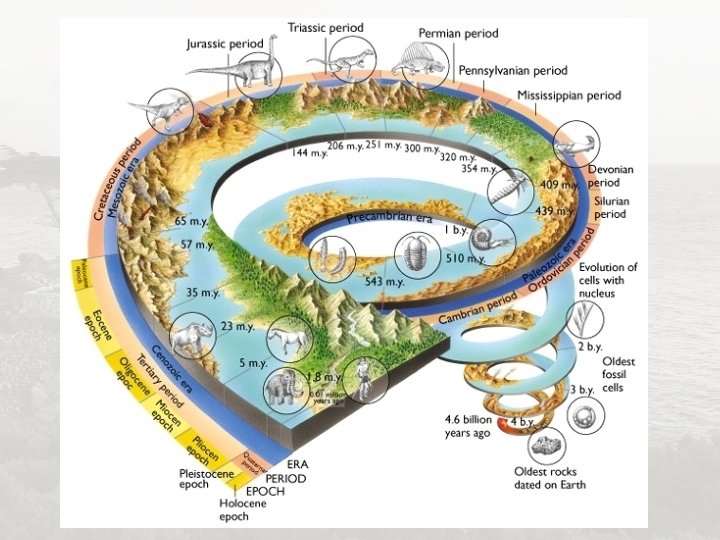
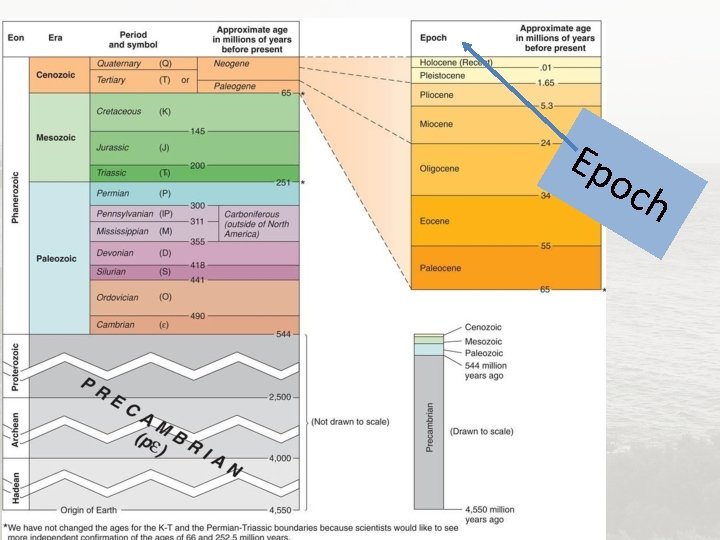
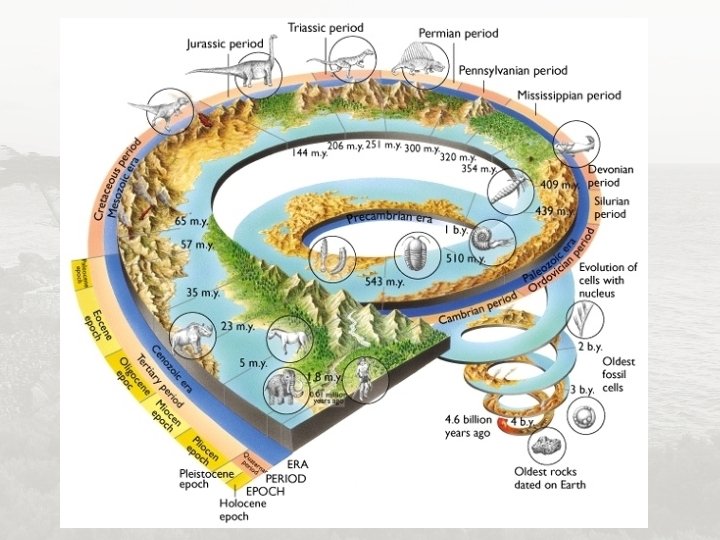
Geologic Time Scale • History of Earth as evidenced by fossils found in the rock record, boundaries determined by: – Catastrophic geological events – Major environmental changes – Extinction and explosion of new life (change in fossils)
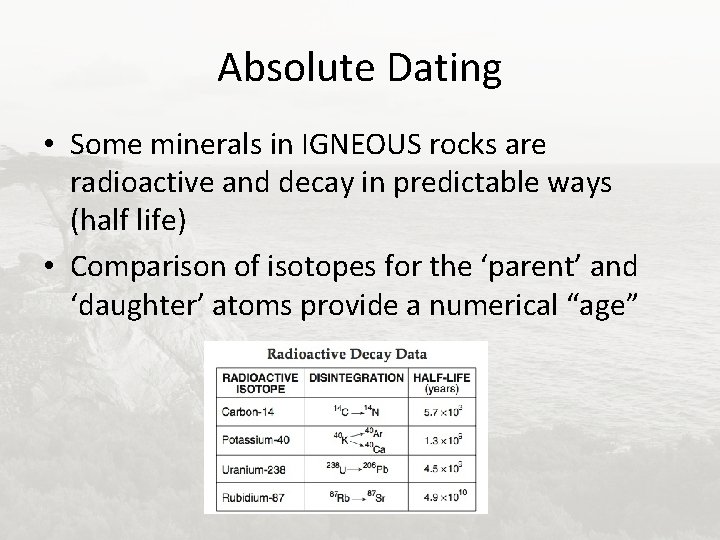
Absolute Dating • Some minerals in IGNEOUS rocks are radioactive and decay in predictable ways (half life) • Comparison of isotopes for the ‘parent’ and ‘daughter’ atoms provide a numerical “age”
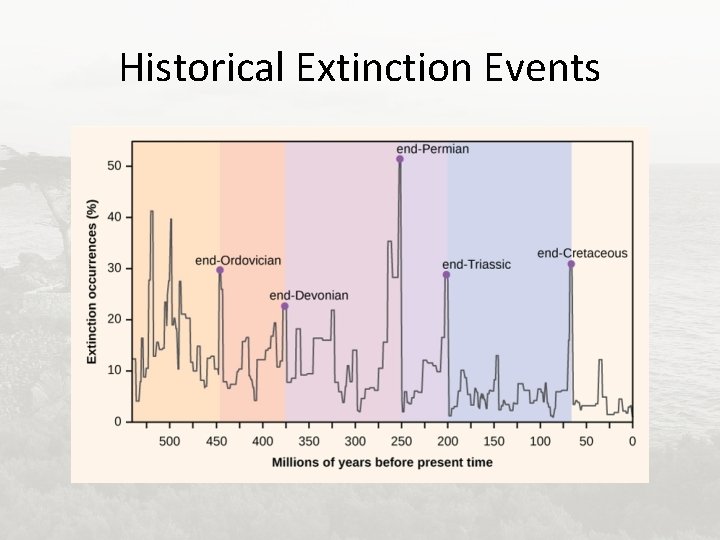
Historical Extinction Events
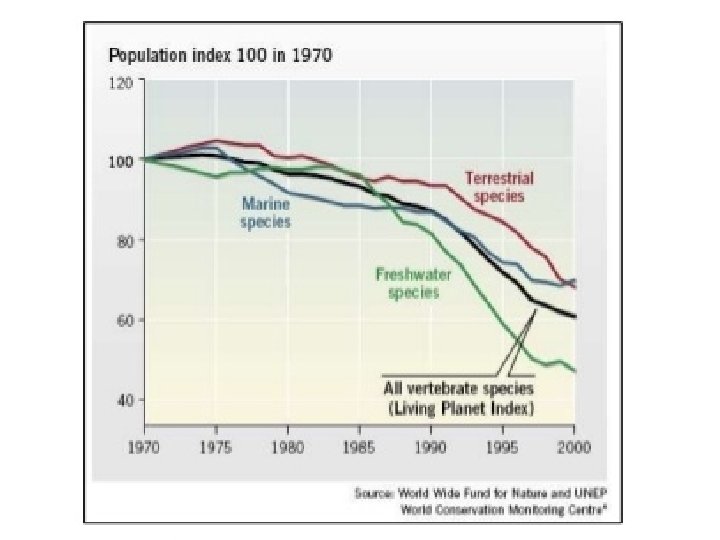
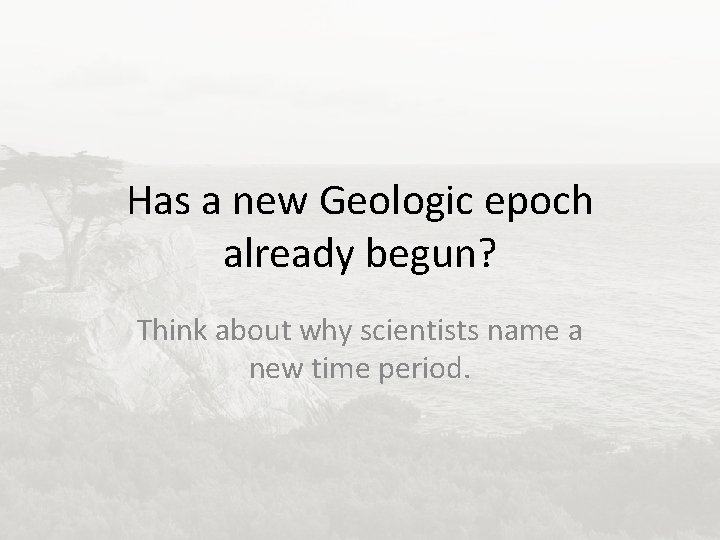
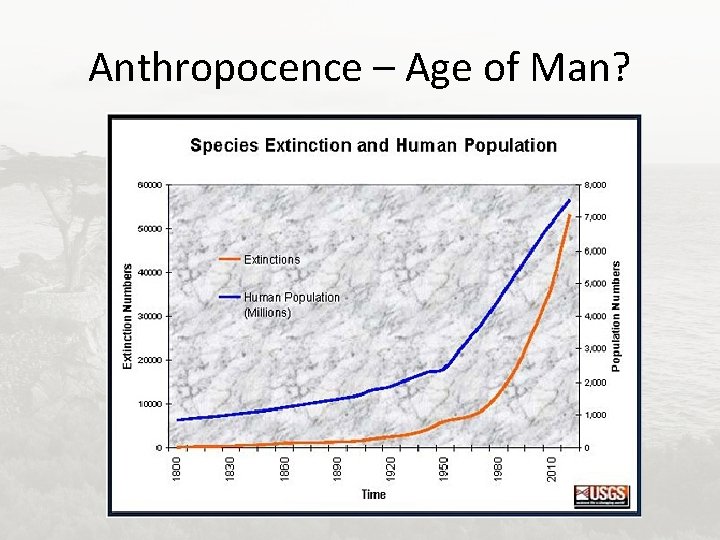
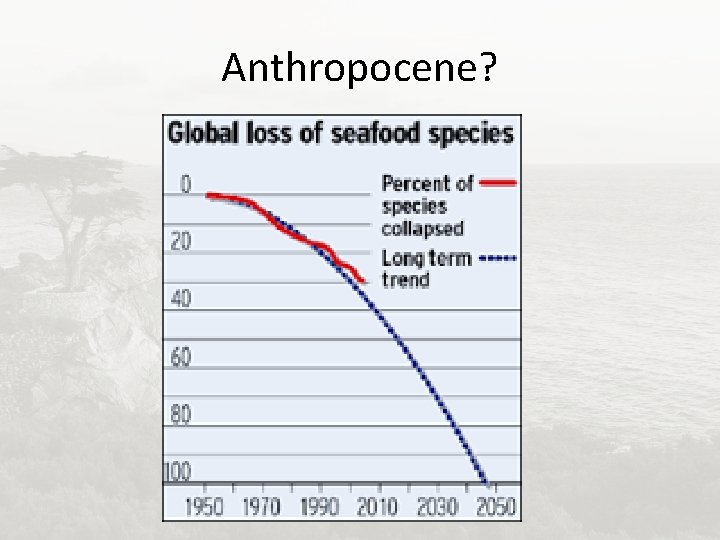
Has a new Geologic epoch already begun? Think about why scientists name a new time period.
Ep och
Anthropocence – Age of Man?
Anthropocene?