
Understanding Customer Needs Customer focus is crucial Market
- Slides: 24
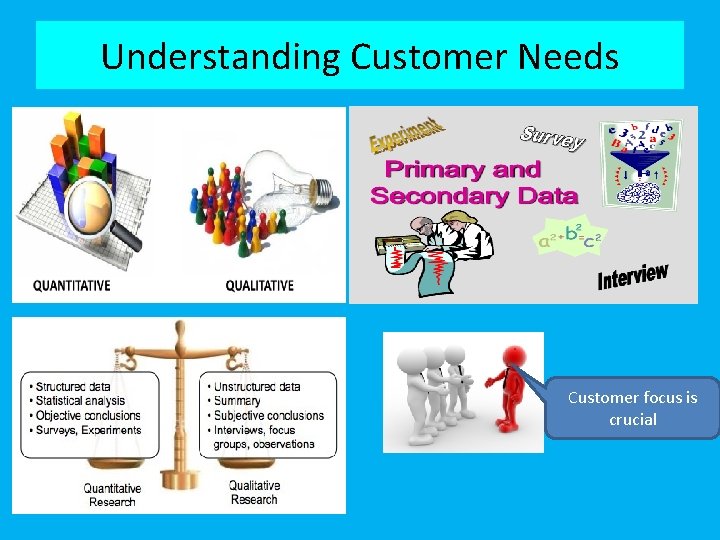
Understanding Customer Needs Customer focus is crucial
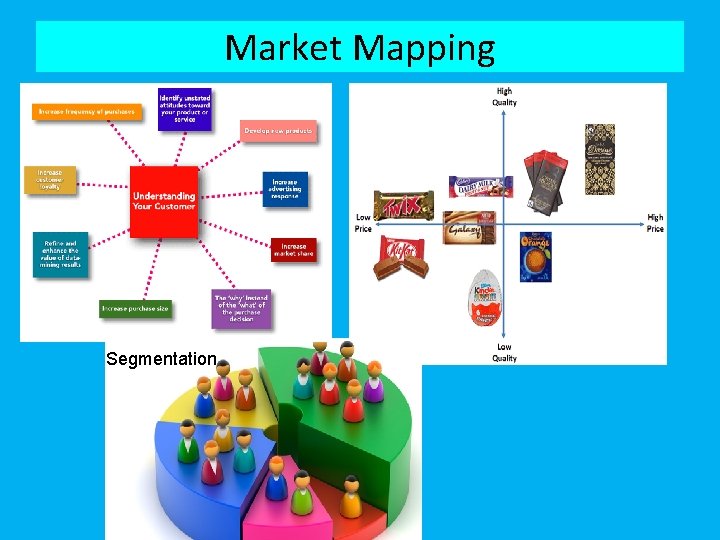
Market Mapping Segmentation
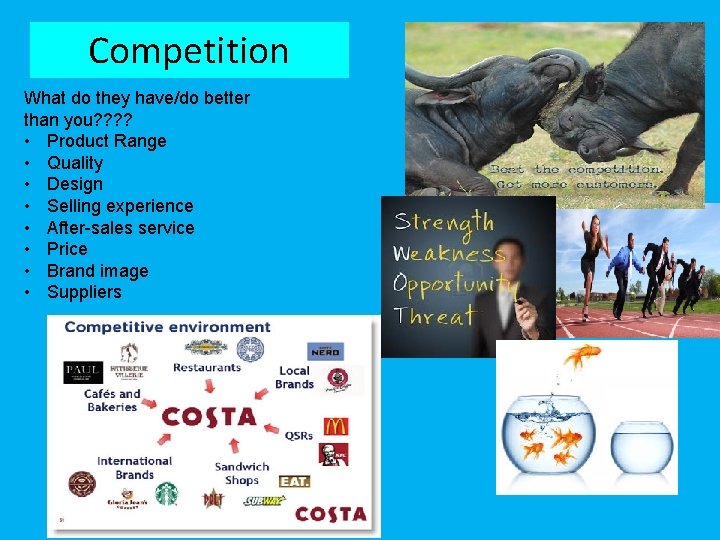
Competition What do they have/do better than you? ? • Product Range • Quality • Design • Selling experience • After-sales service • Price • Brand image • Suppliers
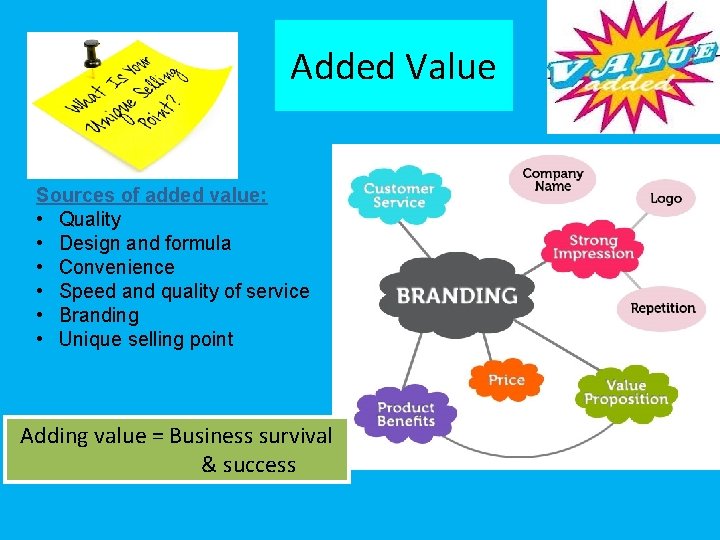
Added Value Sources of added value: • Quality • Design and formula • Convenience • Speed and quality of service • Branding • Unique selling point Adding value = Business survival & success
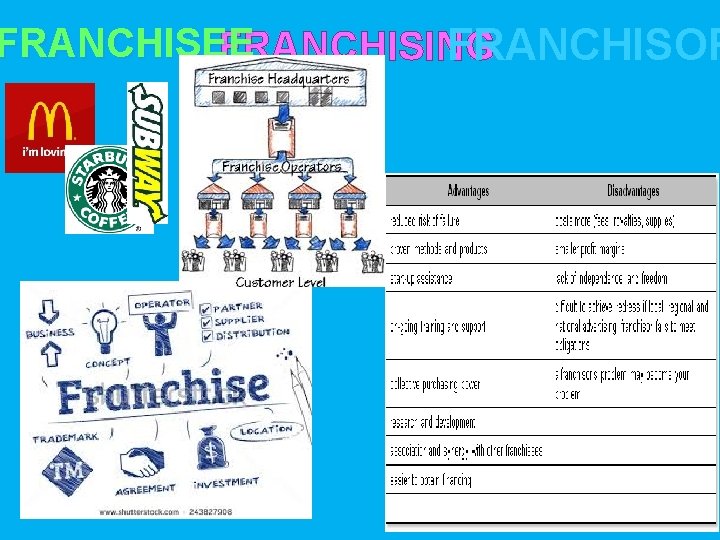
FRANCHISEE FRANCHISOR FRANCHISING
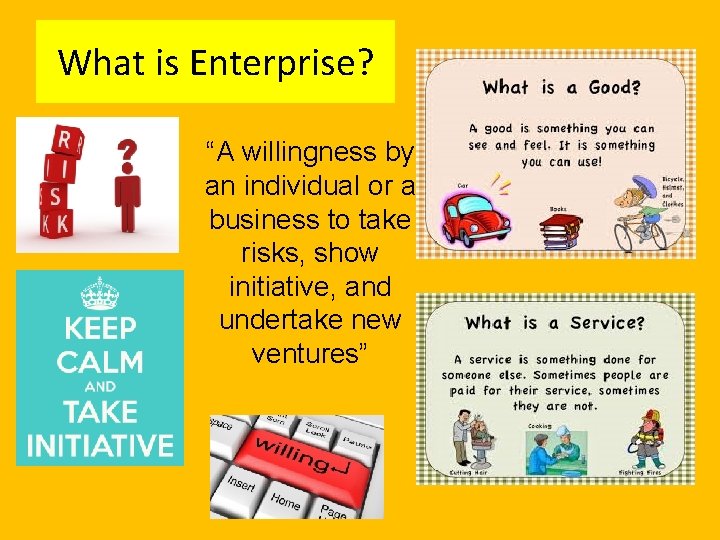
What is Enterprise? “A willingness by an individual or a business to take risks, show initiative, and undertake new ventures”
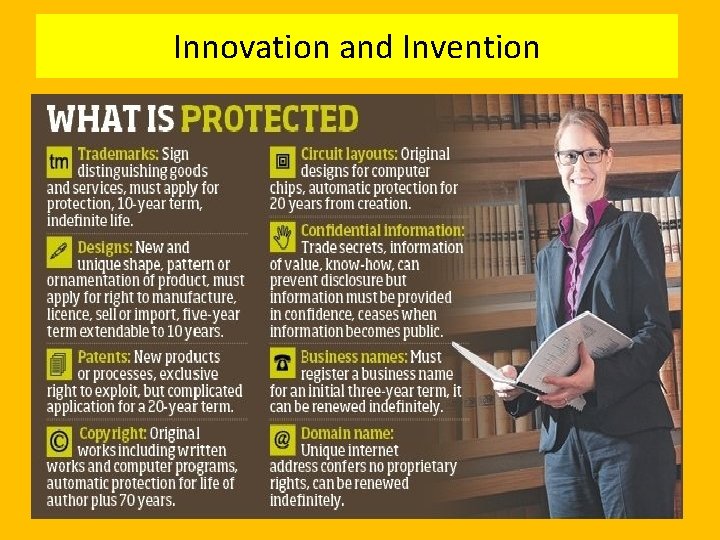
Innovation and Invention
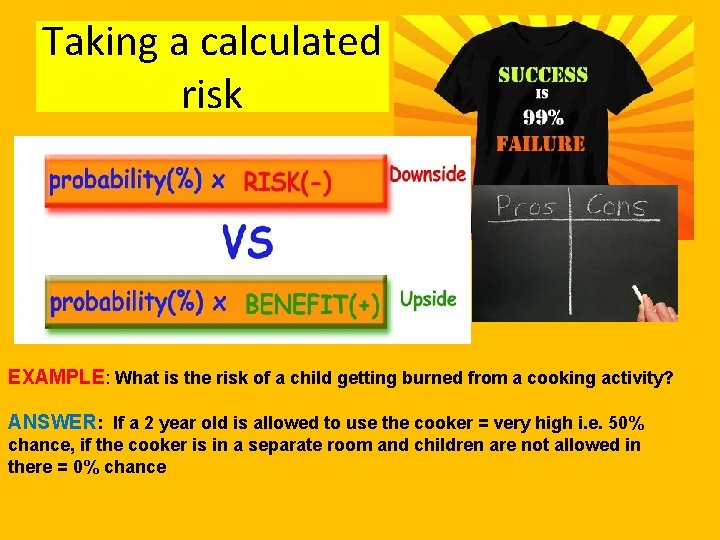
Taking a calculated risk EXAMPLE: What is the risk of a child getting burned from a cooking activity? ANSWER: If a 2 year old is allowed to use the cooker = very high i. e. 50% chance, if the cooker is in a separate room and children are not allowed in there = 0% chance
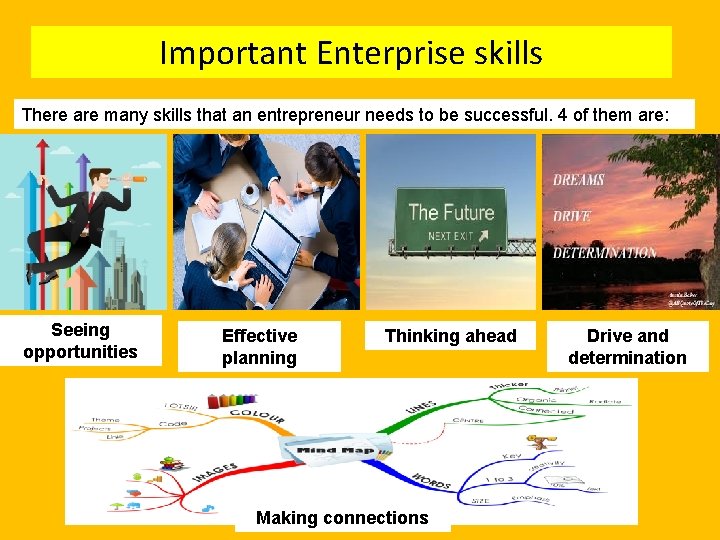
Important Enterprise skills There are many skills that an entrepreneur needs to be successful. 4 of them are: Seeing opportunities Effective planning Thinking ahead Making connections Drive and determination
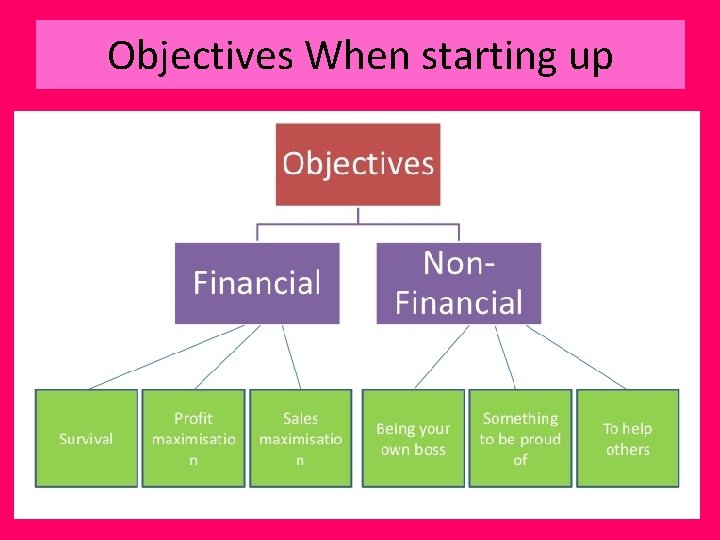
Objectives When starting up
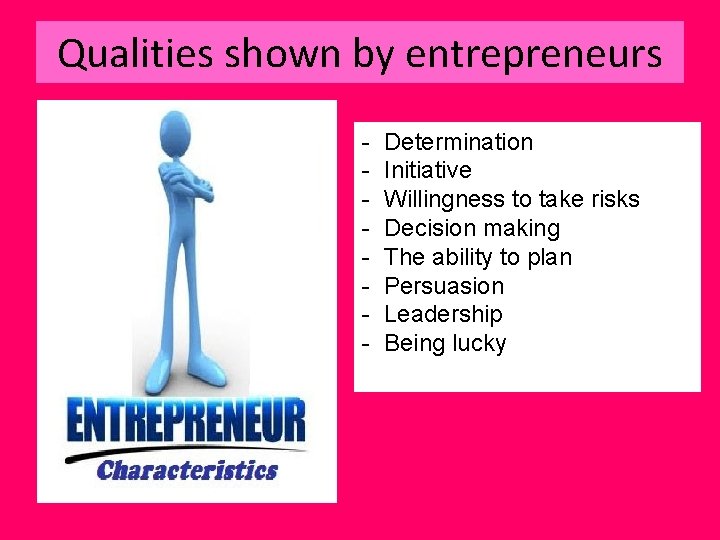
Qualities shown by entrepreneurs - Determination Initiative Willingness to take risks Decision making The ability to plan Persuasion Leadership Being lucky
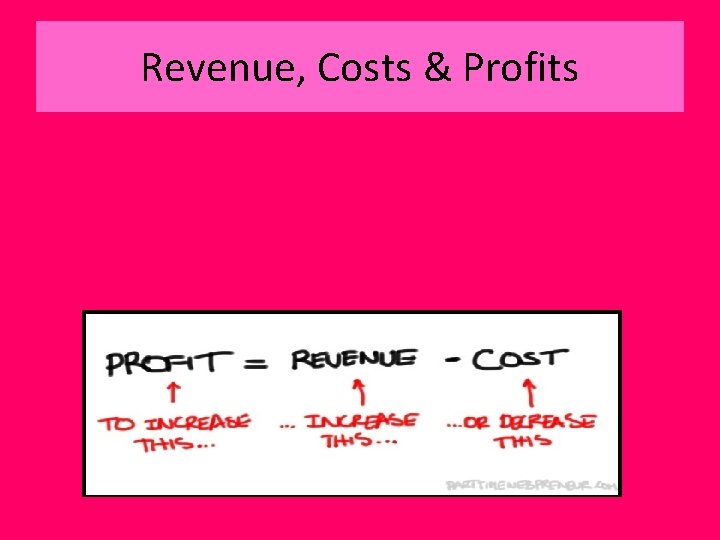
Revenue, Costs & Profits
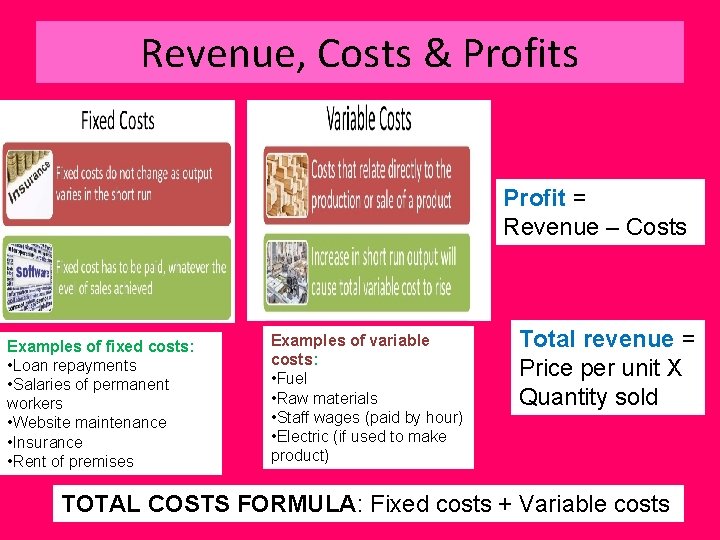
Revenue, Costs & Profits Profit = Revenue – Costs Examples of fixed costs: • Loan repayments • Salaries of permanent workers • Website maintenance • Insurance • Rent of premises Examples of variable costs: • Fuel • Raw materials • Staff wages (paid by hour) • Electric (if used to make product) Total revenue = Price per unit X Quantity sold TOTAL COSTS FORMULA: Fixed costs + Variable costs
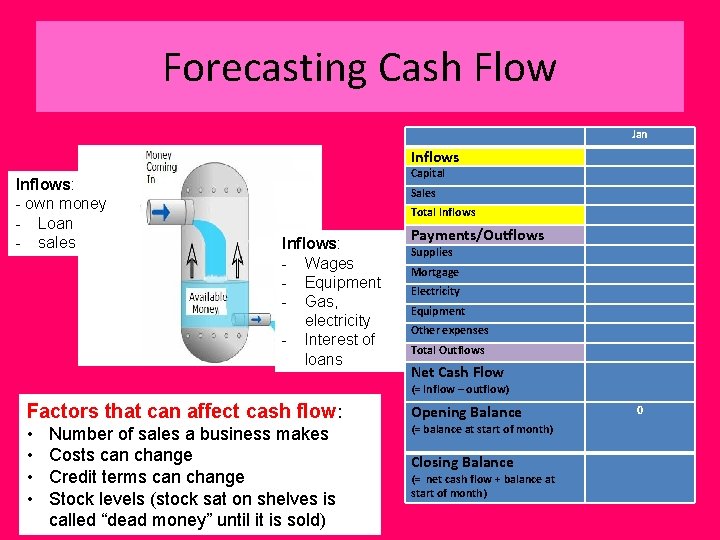
Forecasting Cash Flow Jan Inflows Capital Sales Total Inflows Payments/Outflows Supplies Mortgage Electricity Equipment Other expenses Total Outflows Net Cash Flow Factors that can affect cash flow: Opening Balance 0 • • Closing Balance Inflows: - own money - Loan - sales Inflows: - Wages - Equipment - Gas, electricity - Interest of loans (= Inflow – outflow) Number of sales a business makes Costs can change Credit terms can change Stock levels (stock sat on shelves is called “dead money” until it is sold) (= balance at start of month) (= net cash flow + balance at start of month)
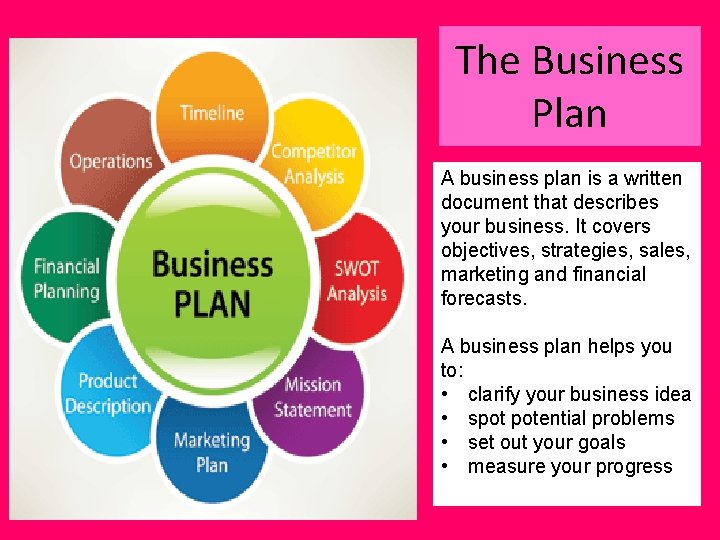
The Business Plan A business plan is a written document that describes your business. It covers objectives, strategies, sales, marketing and financial forecasts. A business plan helps you to: • clarify your business idea • spot potential problems • set out your goals • measure your progress
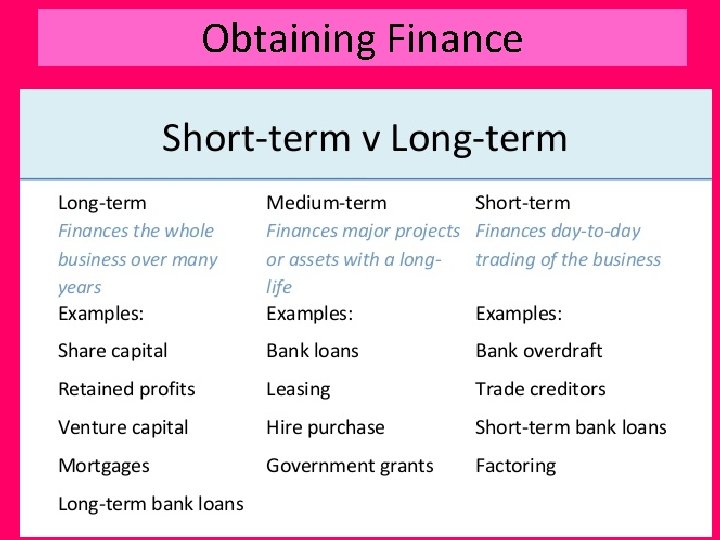
Obtaining Finance
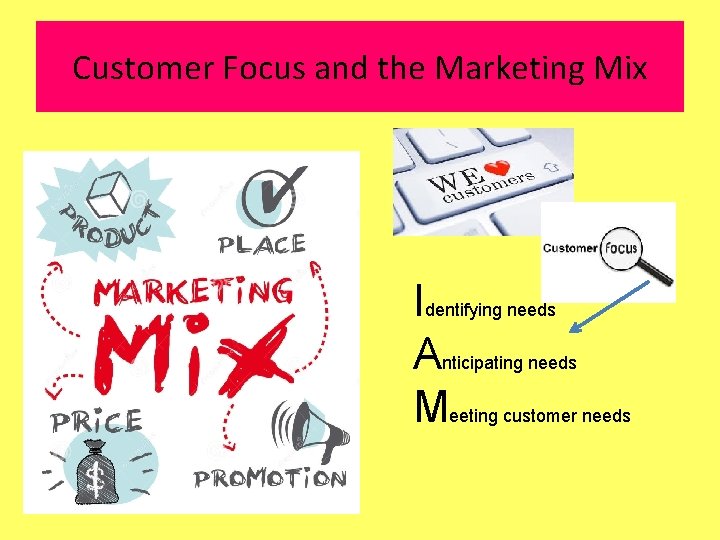
Customer Focus and the Marketing Mix Identifying needs Anticipating needs Meeting customer needs
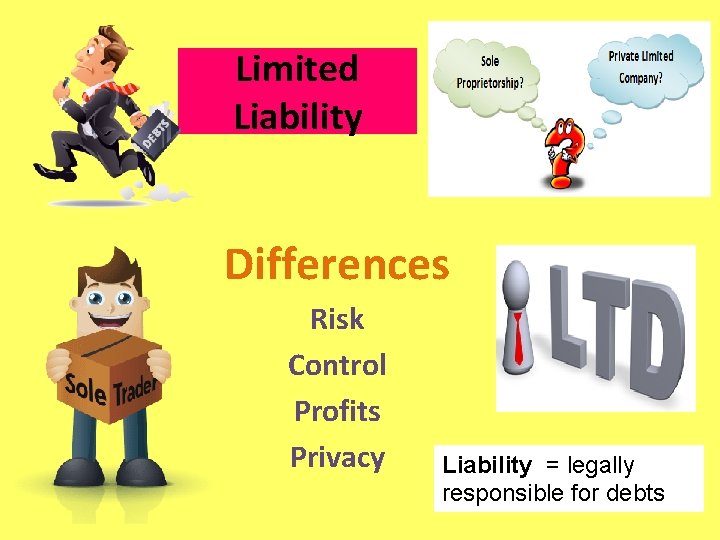
Limited Liability Differences Risk Control Profits Privacy Liability = legally responsible for debts
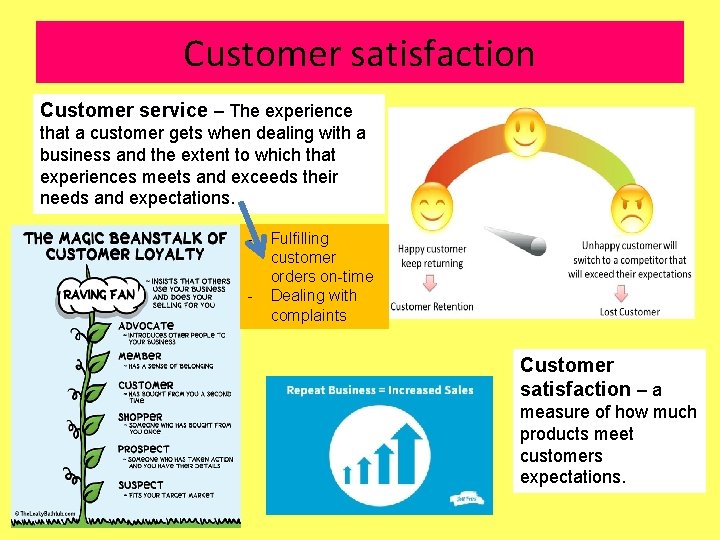
Customer satisfaction Customer service – The experience that a customer gets when dealing with a business and the extent to which that experiences meets and exceeds their needs and expectations. - Fulfilling customer orders on-time Dealing with complaints Customer satisfaction – a measure of how much products meet customers expectations.
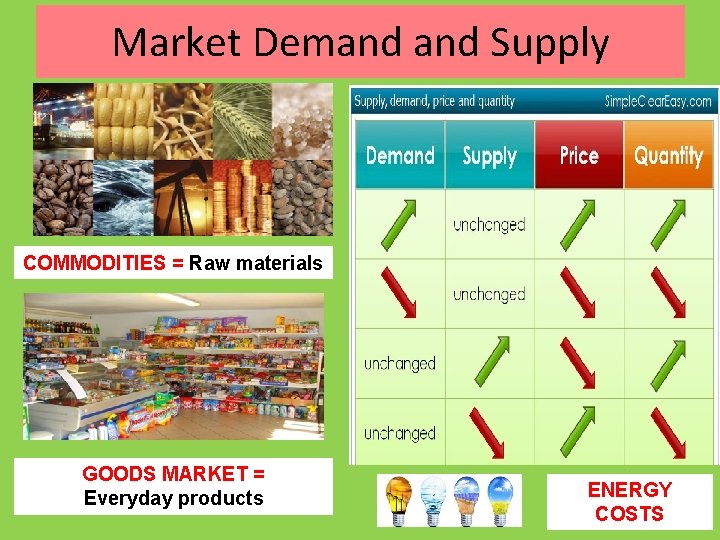
Market Demand Supply COMMODITIES = Raw materials GOODS MARKET = Everyday products ENERGY COSTS
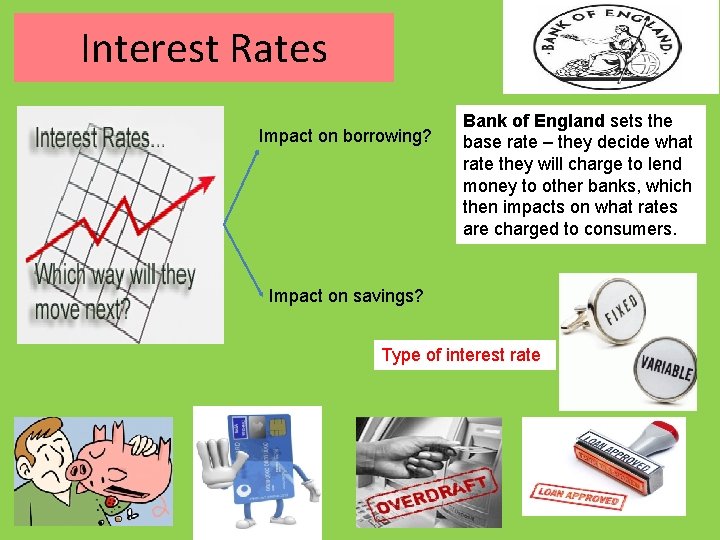
Interest Rates Impact on borrowing? Bank of England sets the base rate – they decide what rate they will charge to lend money to other banks, which then impacts on what rates are charged to consumers. Impact on savings? Type of interest rate
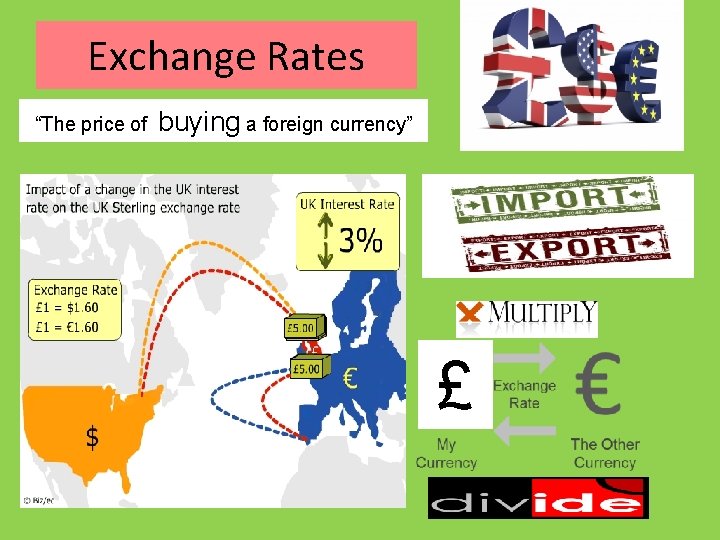
Exchange Rates “The price of buying a foreign currency” £
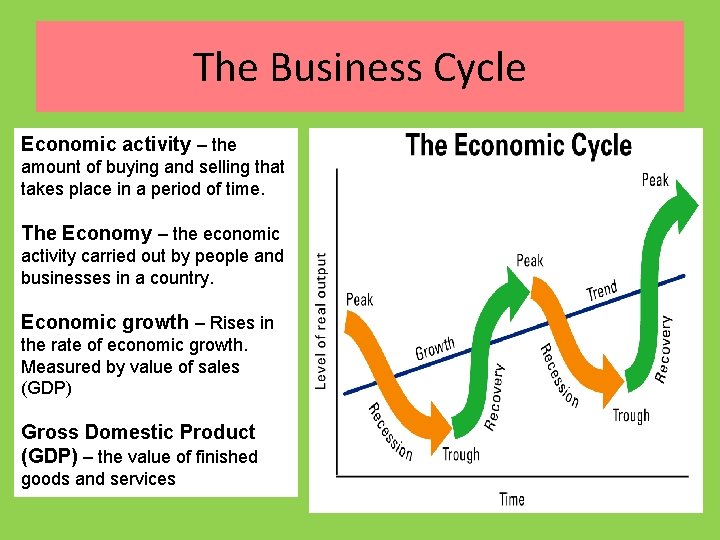
The Business Cycle Economic activity – the amount of buying and selling that takes place in a period of time. The Economy – the economic activity carried out by people and businesses in a country. Economic growth – Rises in the rate of economic growth. Measured by value of sales (GDP) Gross Domestic Product (GDP) – the value of finished goods and services
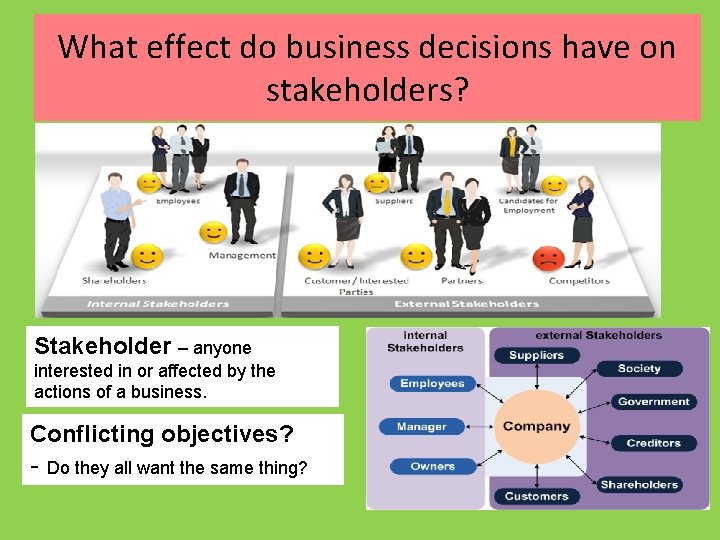
What effect do business decisions have on stakeholders? Stakeholder – anyone interested in or affected by the actions of a business. Conflicting objectives? - Do they all want the same thing?