
Understanding Cells Microscopes Light Microscope Uses light and

- Slides: 9
Understanding Cells
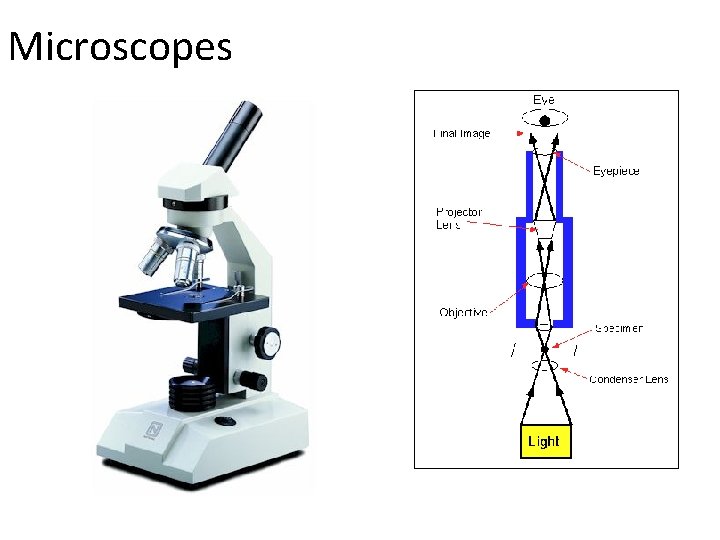
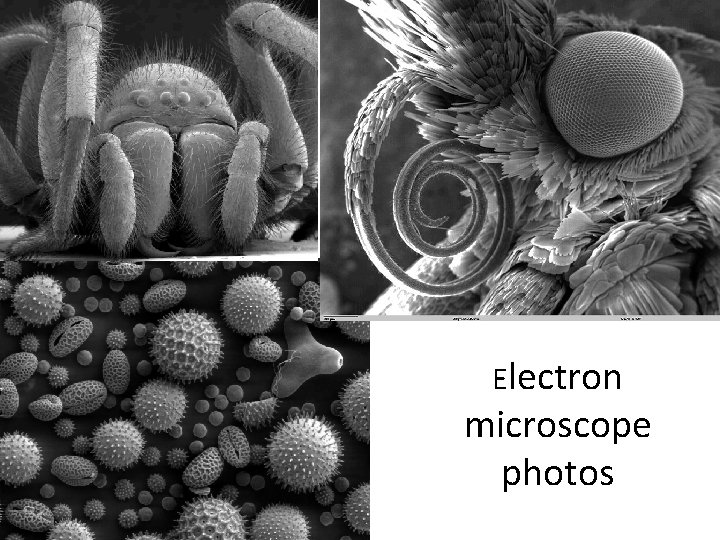
Microscopes • Light Microscope- Uses light and lenses to magnify the image of an object • Compound Microscope- A light microscope that uses more than one lens to magnify an object • Electron Microscope- Magnetic field to focus a beam of electrons through an object. Most complex type of microscope.
Microscopes
Electron microscope photos
Cell Theory • As scientists developed new microscopes they began to study cells. • Ruldolf Virchow, Theodor Schwann and Matthias Schleiden all developed the cell theory. • The cell theory states: all living things are made up of one or more cells, the cell is the smallest unit of life and cells com from preexisting cells.
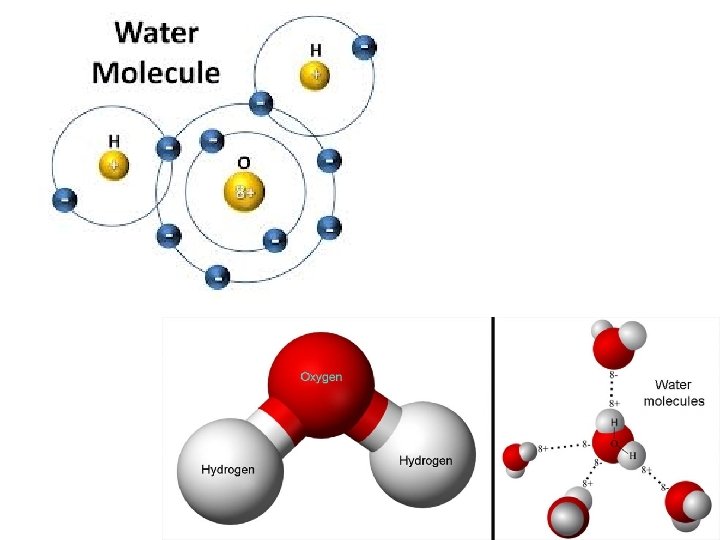
Basic Cell Substances • Many parts of a cell are made of smaller parts linked together. These parts are called macromolecules. • Water is the main ingredient in all cells. 70% of a cells volume is water. • The structure of a water molecule is essential for the dissolving of nutrients into cells.
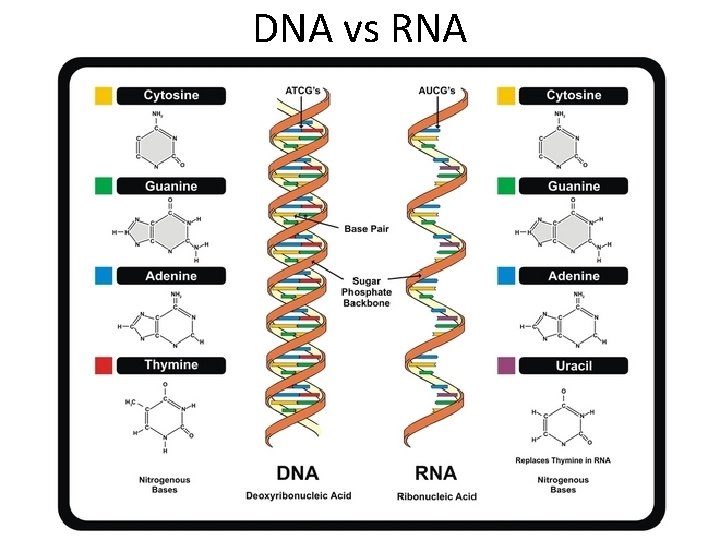
Types of Macromolecules • Nucleic Acids- Long chains of nucleotides join together to make DNA and RNA • Proteins- Long chains of amino acid molecules. They contain instructions on how to join acids together • Lipids- Large molecules that do not dissolve in water. They are protective barriers in cells. (Ex: Cholesterol) • Carbohydrates- Sugar molecules can store energy, provide support and are needed for communication.
DNA vs RNA