
UNDERSTANDING AND PREVENTING TURNOVER COSTS TURNOVER COST BOOTCAMP
UNDERSTANDING AND PREVENTING TURNOVER COSTS “TURNOVER COST BOOTCAMP” WITH…. Brittney Patera & Heather Miller
VIDEO I quit!
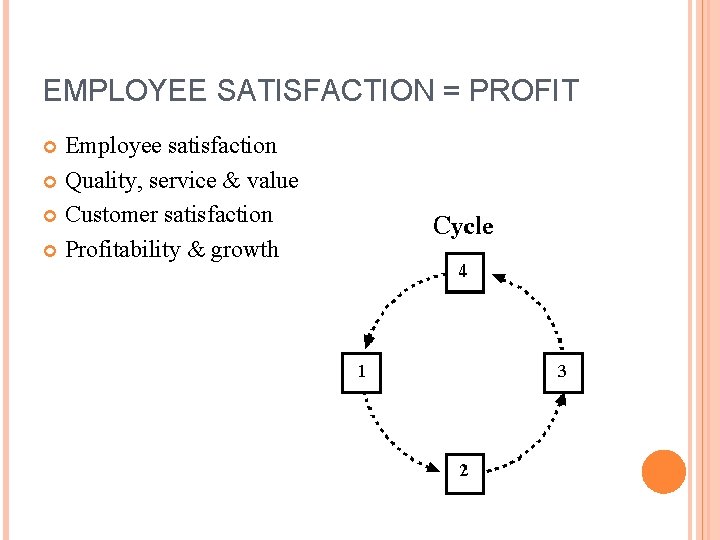
EMPLOYEE SATISFACTION = PROFIT Employee satisfaction Quality, service & value Customer satisfaction Profitability & growth
LEARNING OBJECTIVES Define Turnover Costs Define Separation and Replacement Cost Define Performance Differential Identify reasons why employees leave Identify preventative measures

TYPICAL TURNOVER PROCESS Employee states he’s leaving Company places ad Hiring process New employee entered and trained Experience and knowledge lost by lost employee After a few months, new employee = valuable
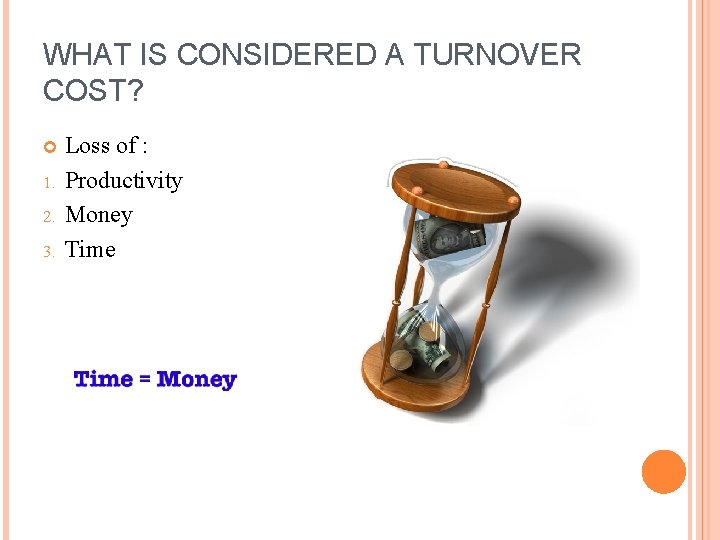
WHAT IS CONSIDERED A TURNOVER COST? 1. 2. 3. Loss of : Productivity Money Time
THE TYPES OF TURNOVER COSTS Separation Vacancy Replacement Performance Differential

SEPARATION COSTS the costs incurred for exit interviews administrative functions related to termination separation/severance pay any increase in unemployment compensation
VACANCY COSTS Overtime Temporary help Wages and benefits saved due to vacancy Overlap
REPLACEMENT COSTS attracting applicants entrance interviews testing travel/moving expenses
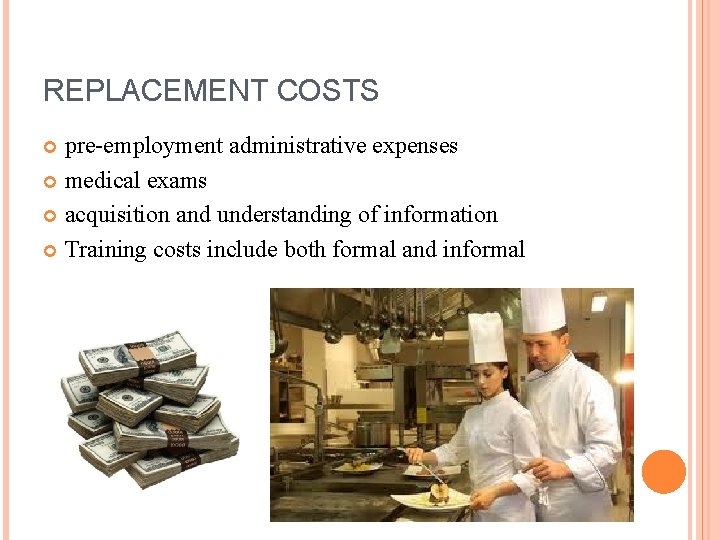
REPLACEMENT COSTS pre-employment administrative expenses medical exams acquisition and understanding of information Training costs include both formal and informal
PERFORMANCE DIFFERENTIAL Time it takes to become confident employee “Momentum costs”
SAMPLE TURNOVER CALCULATION
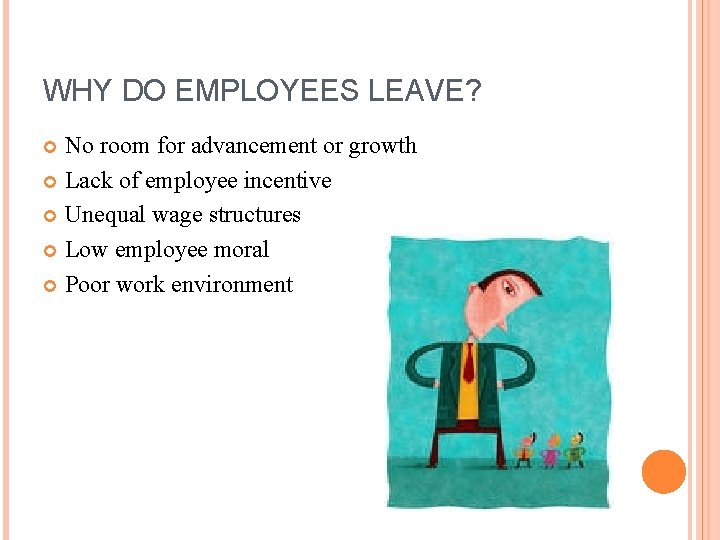
WHY DO EMPLOYEES LEAVE? No room for advancement or growth Lack of employee incentive Unequal wage structures Low employee moral Poor work environment
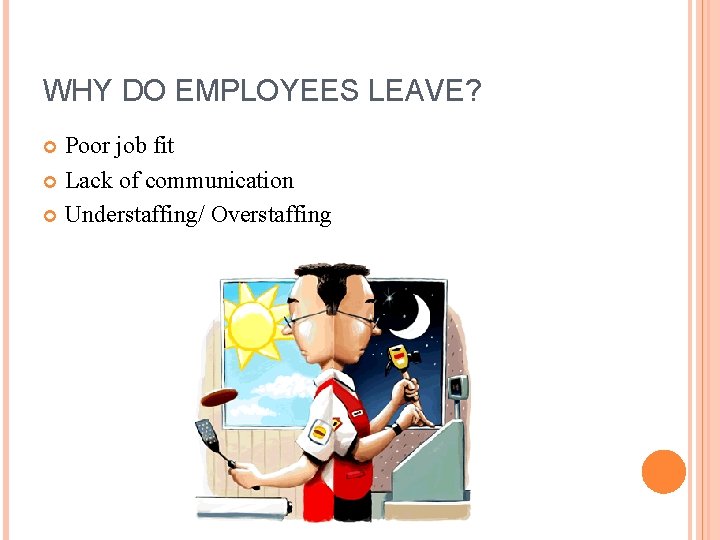
WHY DO EMPLOYEES LEAVE? Poor job fit Lack of communication Understaffing/ Overstaffing
WHAT ARE WAYS TO PREVENT TURNOVER COSTS? What are some reasons why you would consider staying at your current job? If you could make some changes to your current work environment what would they be?
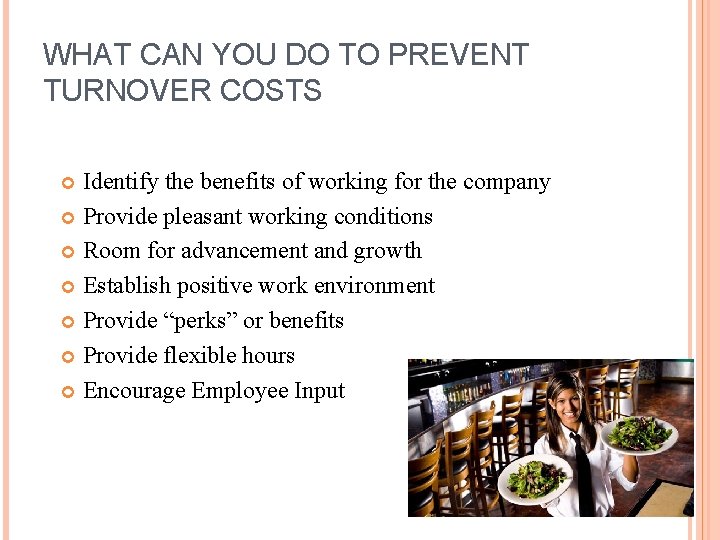
WHAT CAN YOU DO TO PREVENT TURNOVER COSTS Identify the benefits of working for the company Provide pleasant working conditions Room for advancement and growth Establish positive work environment Provide “perks” or benefits Provide flexible hours Encourage Employee Input
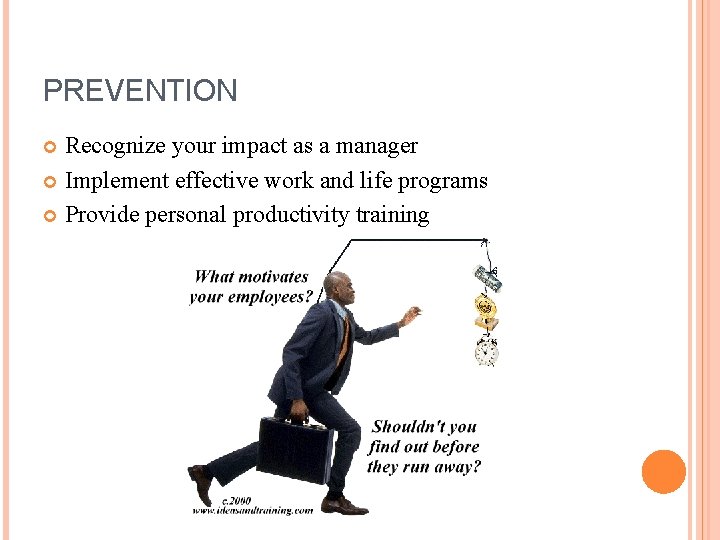
PREVENTION Recognize your impact as a manager Implement effective work and life programs Provide personal productivity training
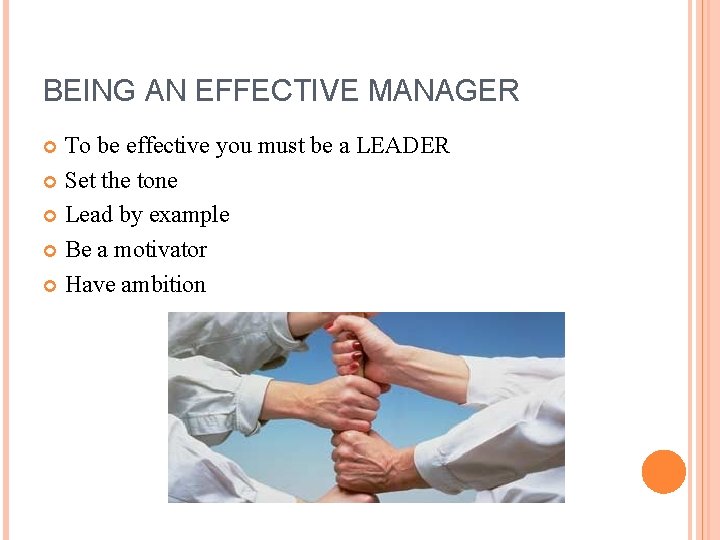
BEING AN EFFECTIVE MANAGER To be effective you must be a LEADER Set the tone Lead by example Be a motivator Have ambition

MOVIE

WHAT’S WRONG THIS PICTURE?
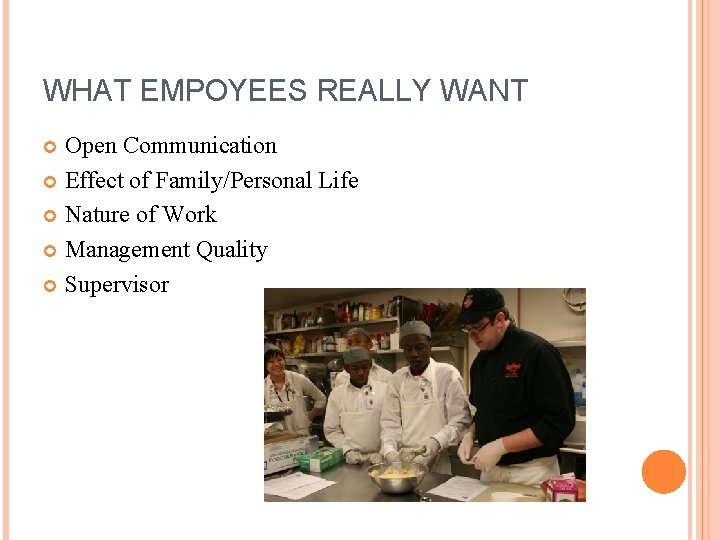
WHAT EMPOYEES REALLY WANT Open Communication Effect of Family/Personal Life Nature of Work Management Quality Supervisor
Control Over Work Content Gain New Skills Job Security Co-Worker Quality Job Location

REFERENCES http: //www. uwex. edu/ces/cced/economies/turn. cfm Stephanie Bianco-Simeral’s NFSC 230 Lecture Notes
- Slides: 25