
Uncontrolled Vocabulary Keywords Keyword A term that is
Uncontrolled Vocabulary (Keywords)
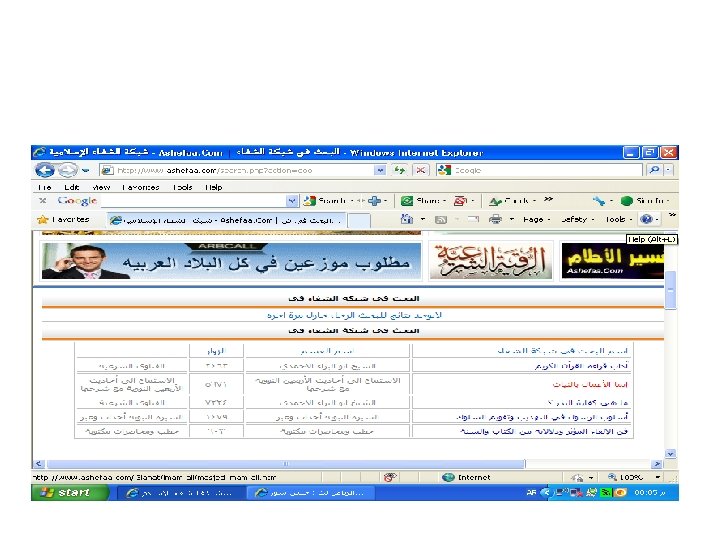
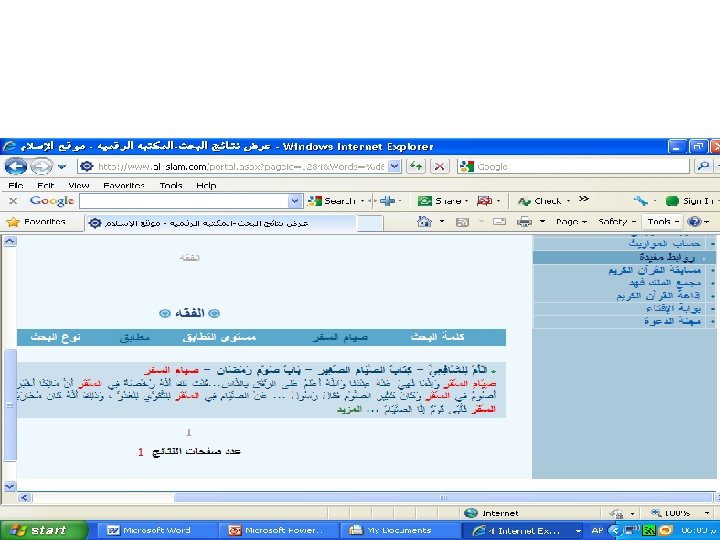
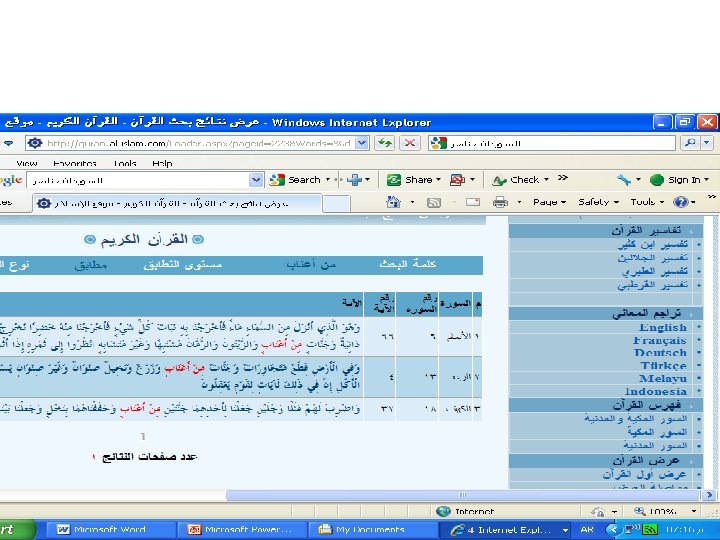
Keyword • A term that is chosen, either from actual text or from a searcher's head, that is considered to be a "key" to search and find certain information.
Importance • The term keyword clearly means that a given word acts as a key to the contents of the document. • Keyword access is based on the assumption that the author of the document selects the words for the title carefully to convey its contents.
How to create keywords • Keywords can be derived (automatically) from title, abstract, full text, notes, and citation
Advantages of keyword systems 1. authors terminology in titles and abstracts tend to be more current than the terminology of subject headings.
2. Derived term is cheaper than manual, as relatively simple ways can be used to extract keywords from titles, abstracts, and other relevant fields of machine-readable records. 3. It is fast to index documents and it also fast to retrieve
Disadvantages of Keyword Systems 1. spelling variations mean that the searcher has to search under all those variations. 2. some concepts that are not mentioned in titles are not searchable.
3. we expect to get irrelevant resources as a result of search using keywords as access points. 4. the user spends more time to filter the huge number of documents to select the suitable resources.
Subject indexing The process of subject analysis of an information resource and determining appropriate subject terminology to express the content of this document.
Indexing language • A list of terms or notations that might be used as access points in an index. • Indexing languages may be of two distinct types:
1. Controlled indexing languages or assigned-term systems are indexing languages 2. Natural indexing languages Any terms that appear in the document are candidates for index terms
Index • A bibliographic tool that provides access to the analyzed contents of information packages (e. g. , articles in a journal, a book in a collection, papers in a conference proceeding, etc. )
Types of indexes • Book end index (e. g. Encyclopedia Britannica • Journal index (e. g. Science Journals) • Concordance (e. g. words from the Holy Quran)
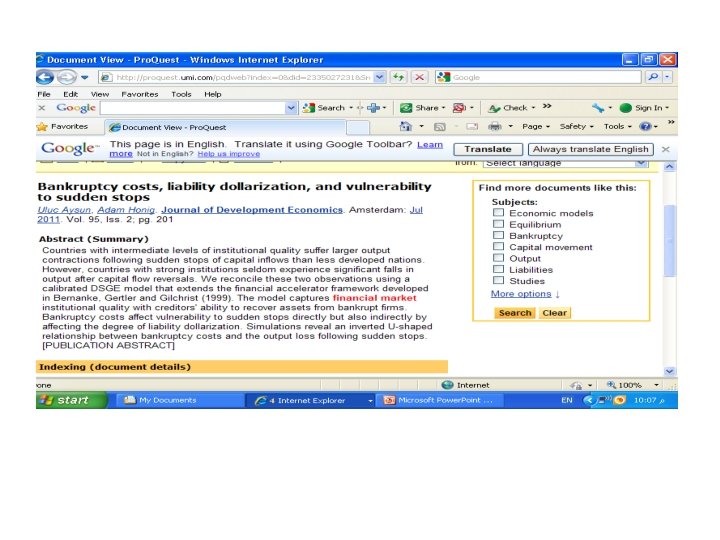
Abstract • A concise and accurate representation of the contents of a document, in a style similar of the original; a type of summary.
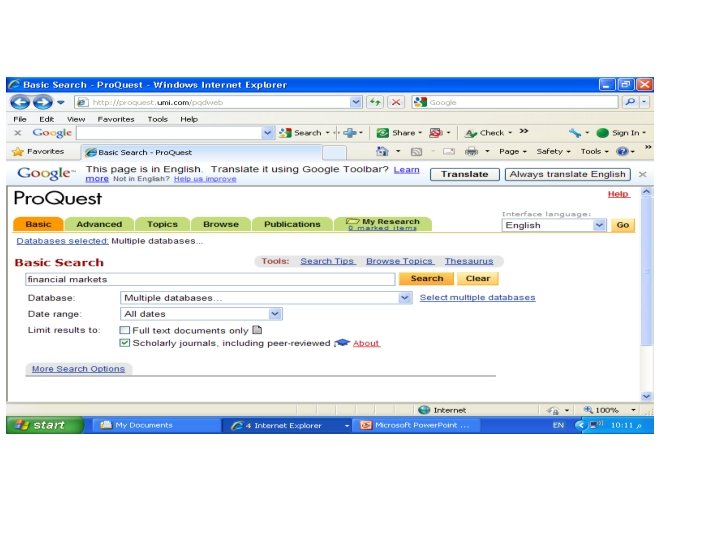
The importance of abstracting • we may depend on the abstract , without asking for the full text • to solve the language difficulties, if the abstract is written in your language • An example: Dissertations Abstracts
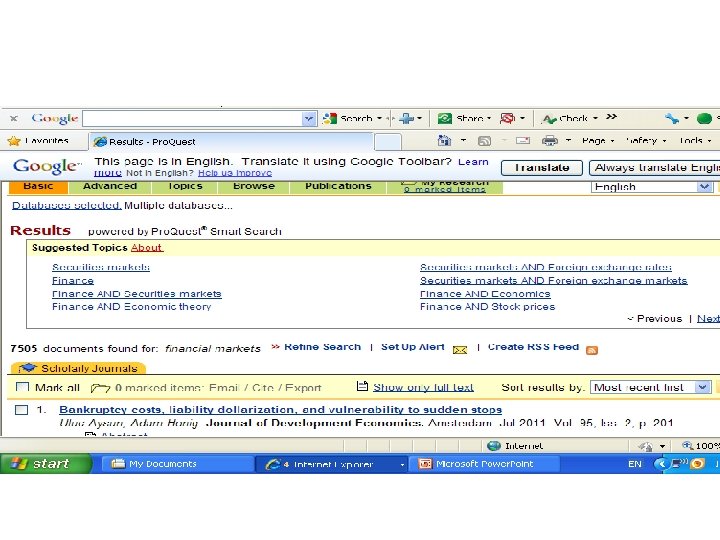
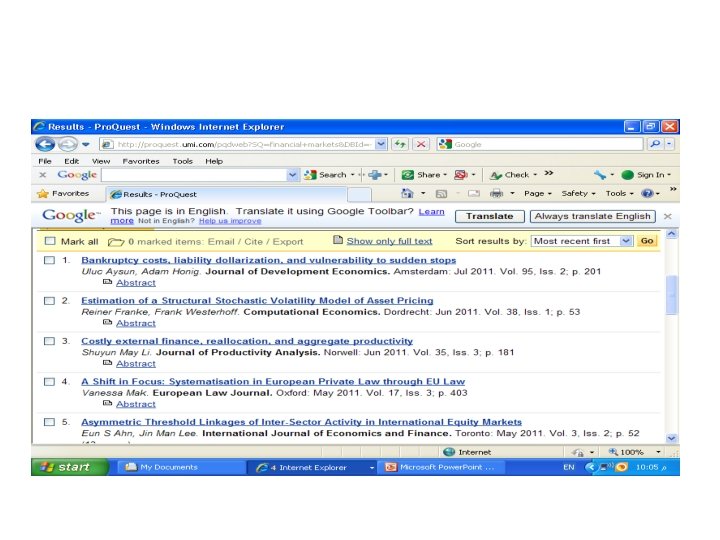

- Slides: 24