
U S Natural Gas Pipeline Network FUTURE NATURAL
- Slides: 21
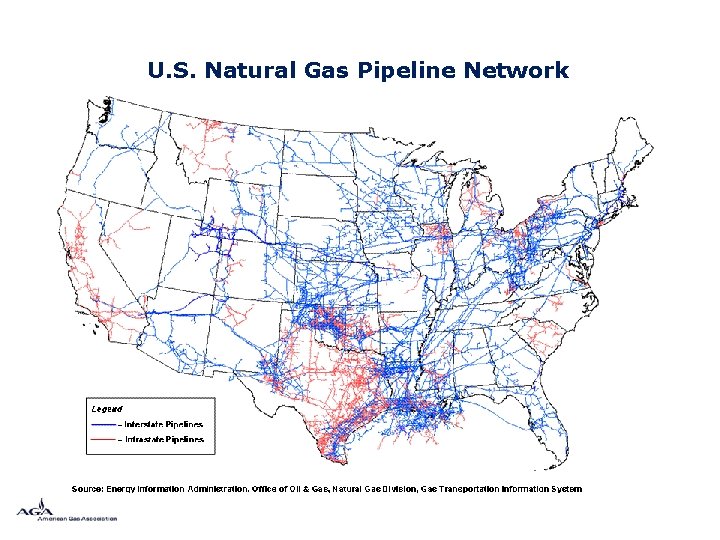
U. S. Natural Gas Pipeline Network
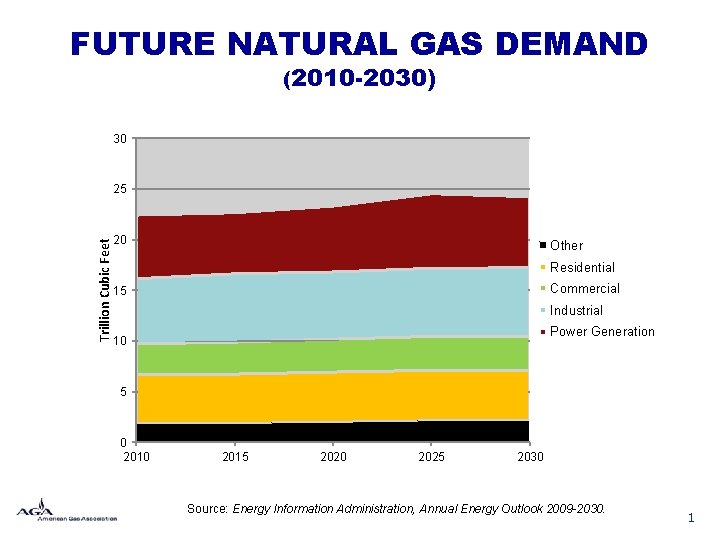
FUTURE NATURAL GAS DEMAND (2010 -2030) 30 Trillion Cubic Feet 25 20 Other Residential Commercial 15 Industrial Power Generation 10 5 0 2015 2020 2025 2030 Source: Energy Information Administration, Annual Energy Outlook 2009 -2030. 1
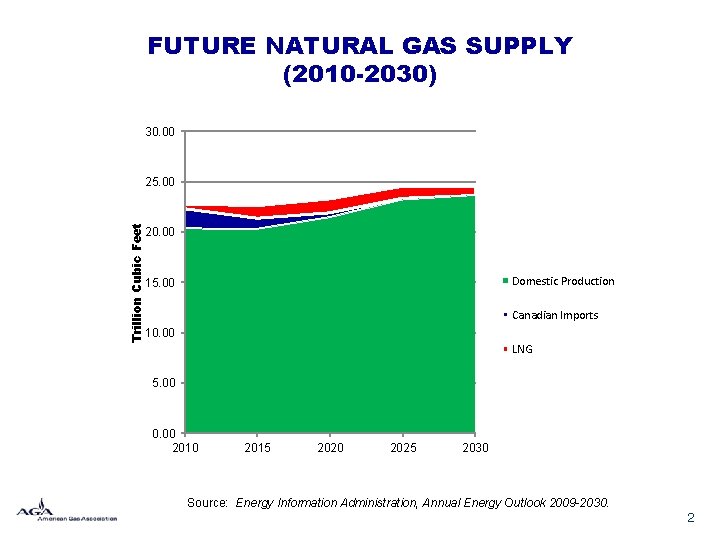
FUTURE NATURAL GAS SUPPLY (2010 -2030) 30. 00 Trillion Cubic Feet 25. 00 20. 00 Domestic Production 15. 00 Canadian Imports 10. 00 LNG 5. 00 0. 00 2015 2020 2025 2030 Source: Energy Information Administration, Annual Energy Outlook 2009 -2030. 2
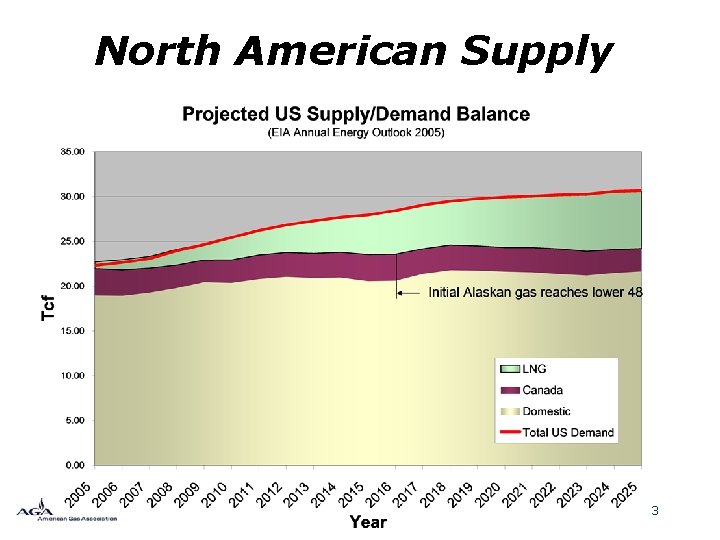
North American Supply 3
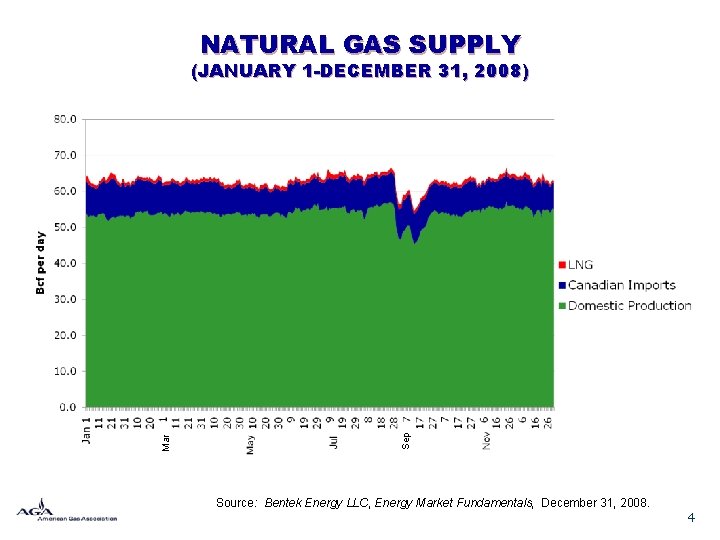
NATURAL GAS SUPPLY Sep Mar (JANUARY 1 -DECEMBER 31, 2008) Source: Bentek Energy LLC, Energy Market Fundamentals, December 31, 2008. 4
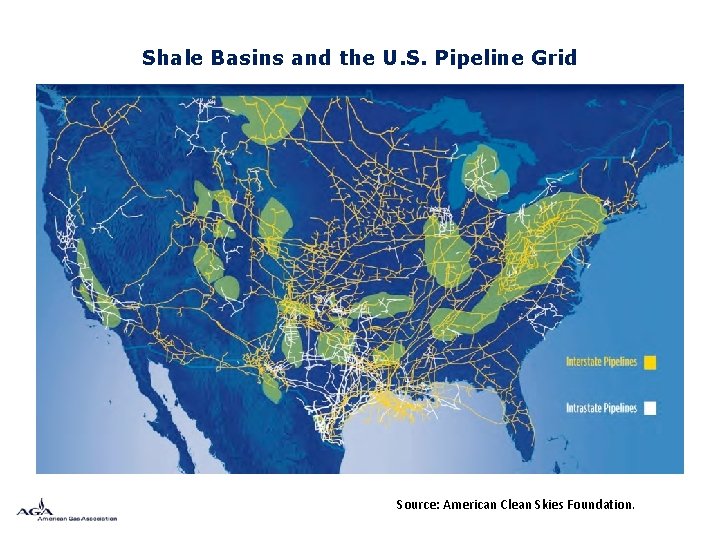
Shale Basins and the U. S. Pipeline Grid Source: American Clean Skies Foundation.
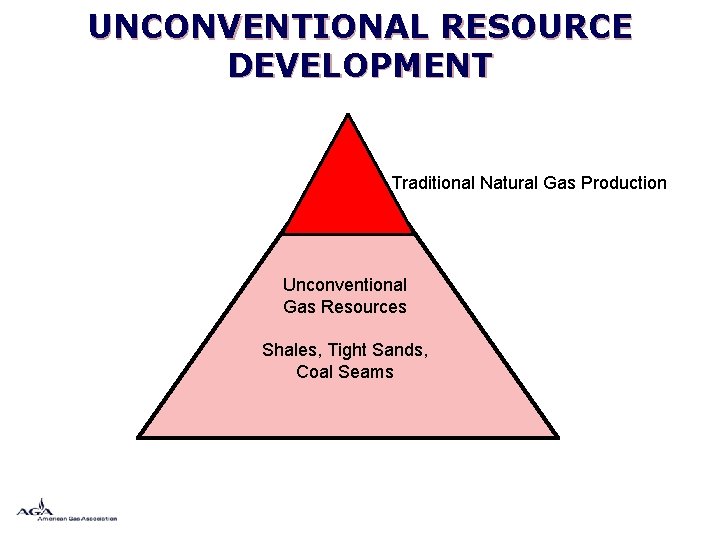
UNCONVENTIONAL RESOURCE DEVELOPMENT Traditional Natural Gas Production Unconventional Gas Resources Shales, Tight Sands, Coal Seams
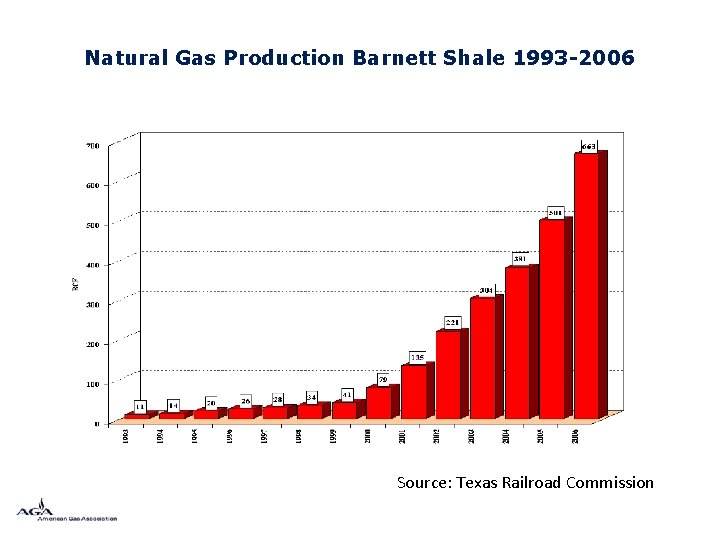
Natural Gas Production Barnett Shale 1993 -2006 Source: Texas Railroad Commission
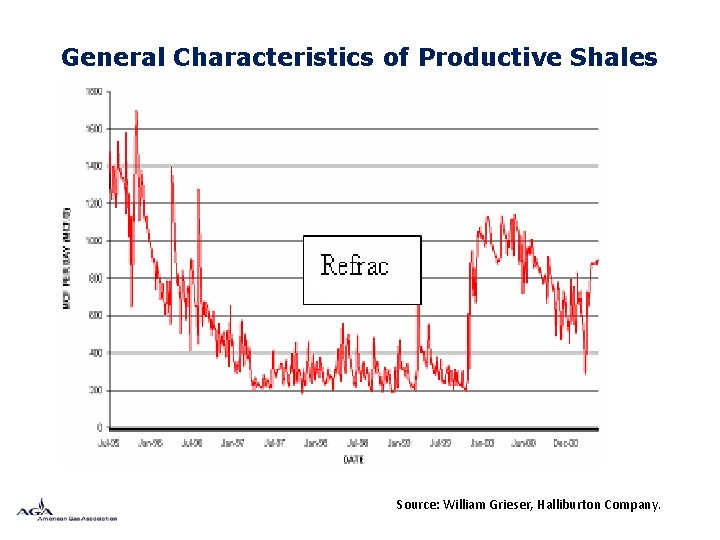
General Characteristics of Productive Shales Source: William Grieser, Halliburton Company.
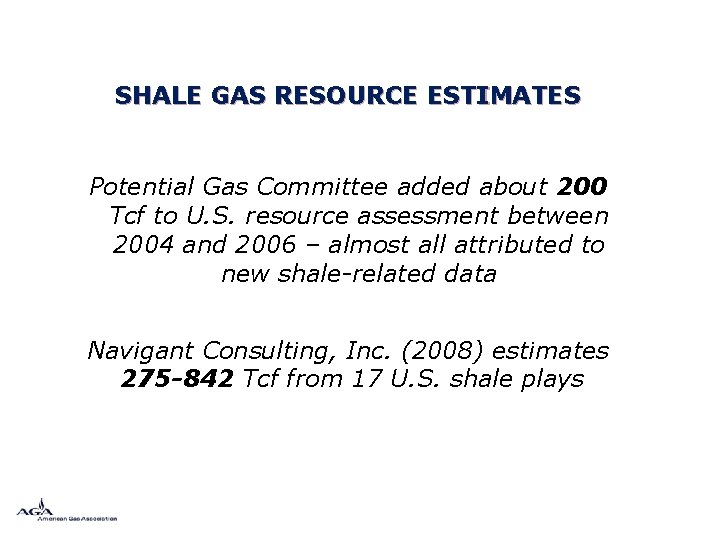
SHALE GAS RESOURCE ESTIMATES Potential Gas Committee added about 200 Tcf to U. S. resource assessment between 2004 and 2006 – almost all attributed to new shale-related data Navigant Consulting, Inc. (2008) estimates 275 -842 Tcf from 17 U. S. shale plays
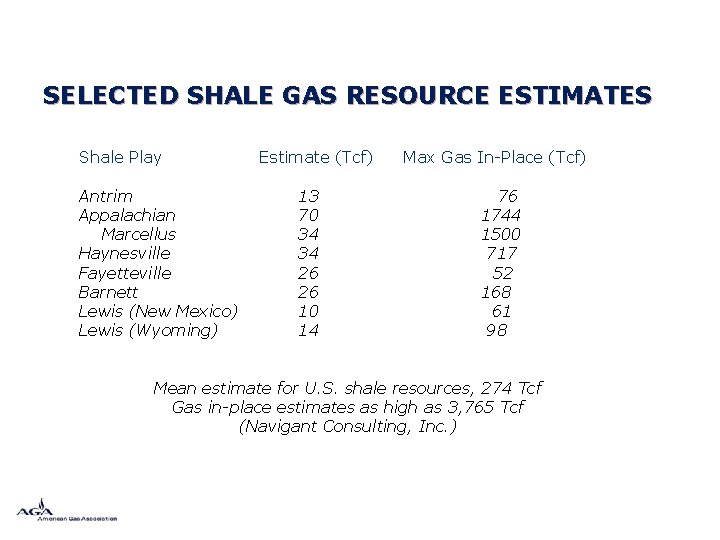
SELECTED SHALE GAS RESOURCE ESTIMATES Shale Play Antrim Appalachian Marcellus Haynesville Fayetteville Barnett Lewis (New Mexico) Lewis (Wyoming) Estimate (Tcf) 13 70 34 34 26 26 10 14 Max Gas In-Place (Tcf) 76 1744 1500 717 52 168 61 98 Mean estimate for U. S. shale resources, 274 Tcf Gas in-place estimates as high as 3, 765 Tcf (Navigant Consulting, Inc. )
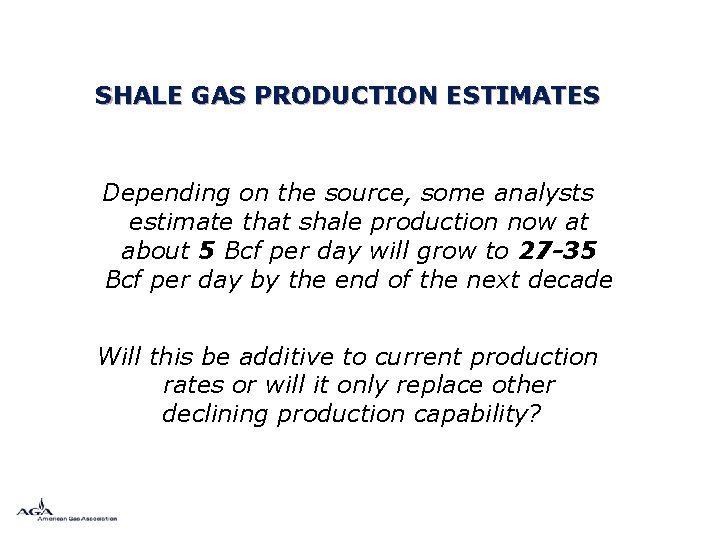
SHALE GAS PRODUCTION ESTIMATES Depending on the source, some analysts estimate that shale production now at about 5 Bcf per day will grow to 27 -35 Bcf per day by the end of the next decade Will this be additive to current production rates or will it only replace other declining production capability?
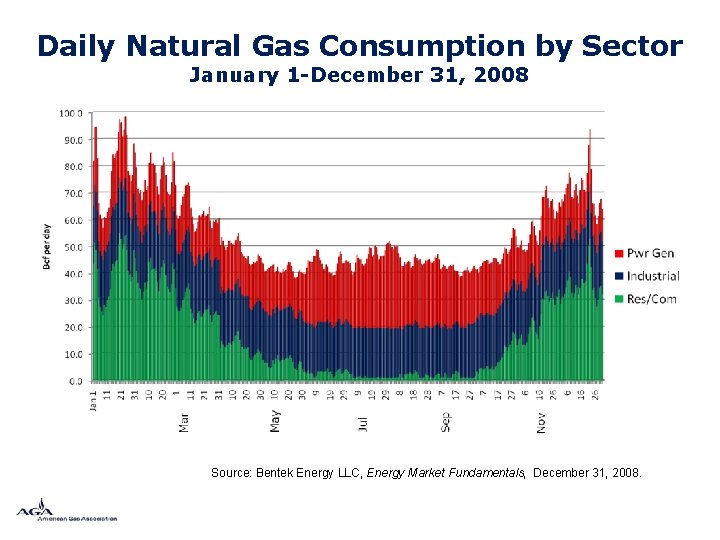
Daily Natural Gas Consumption by Sector January 1 -December 31, 2008 Source: Bentek Energy LLC, Energy Market Fundamentals, December 31, 2008.
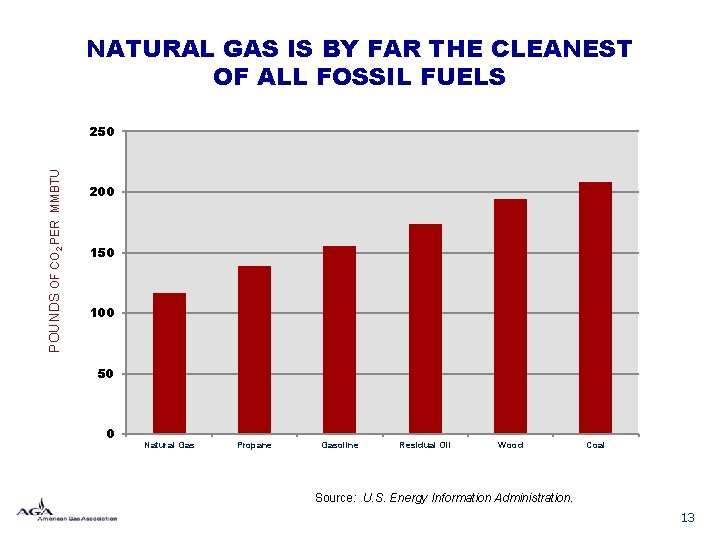
NATURAL GAS IS BY FAR THE CLEANEST OF ALL FOSSIL FUELS POUNDS OF CO 2 PER MMBTU 250 200 150 100 50 0 Natural Gas Propane Gasoline Residual Oil Wood Coal Source: U. S. Energy Information Administration. . 13
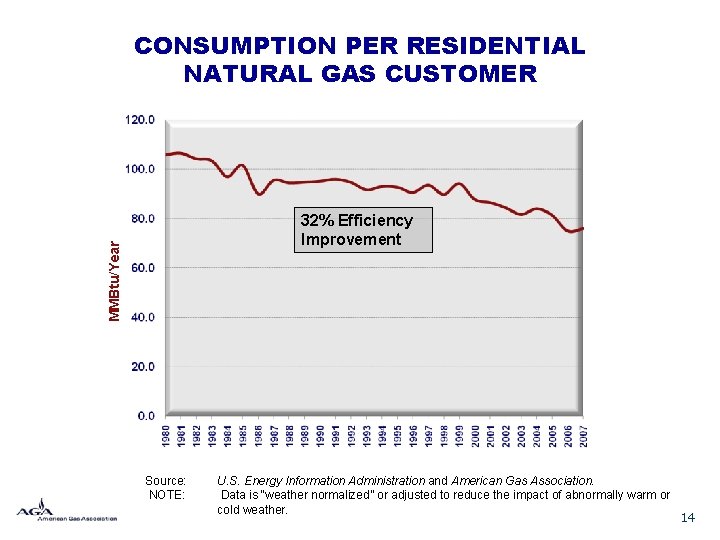
CONSUMPTION PER RESIDENTIAL NATURAL GAS CUSTOMER MMBtu/Year 32% Efficiency Improvement Source: NOTE: U. S. Energy Information Administration and American Gas Association. Data is “weather normalized” or adjusted to reduce the impact of abnormally warm or cold weather. 14
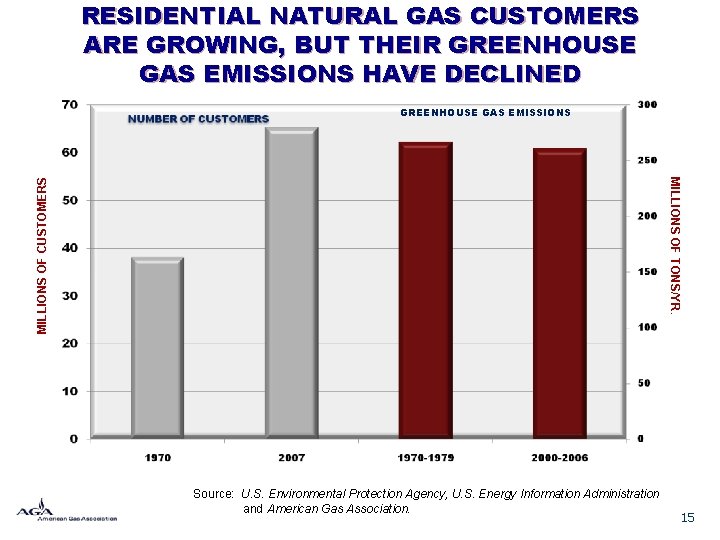
RESIDENTIAL NATURAL GAS CUSTOMERS ARE GROWING, BUT THEIR GREENHOUSE GAS EMISSIONS HAVE DECLINED MILLIONS OF TONS/YR. MILLIONS OF CUSTOMERS GREENHOUSE GAS EMISSIONS Source: U. S. Environmental Protection Agency, U. S. Energy Information Administration and American Gas Association. 15
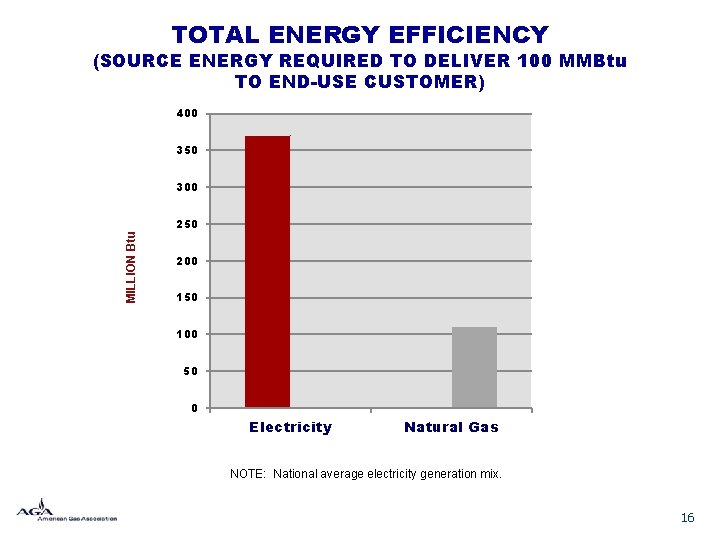
TOTAL ENERGY EFFICIENCY (SOURCE ENERGY REQUIRED TO DELIVER 100 MMBtu TO END-USE CUSTOMER) 400 350 MILLION Btu 300 250 200 150 100 50 0 Electricity Natural Gas NOTE: National average electricity generation mix. 16
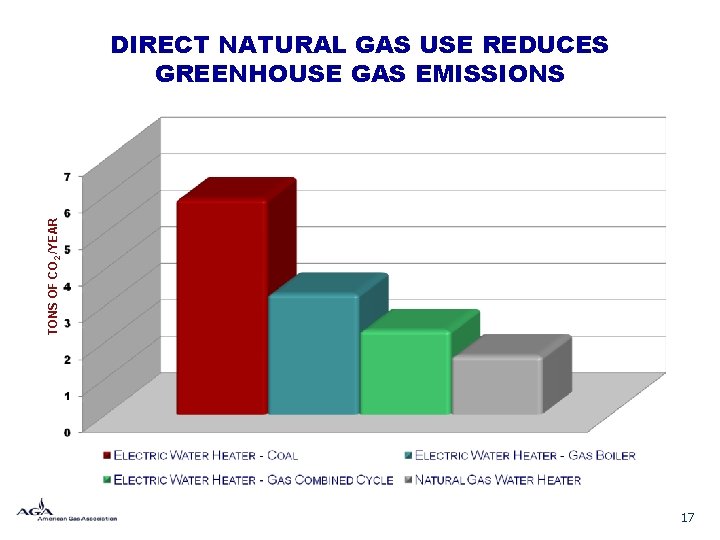
TONS OF CO 2 /YEAR DIRECT NATURAL GAS USE REDUCES GREENHOUSE GAS EMISSIONS 17
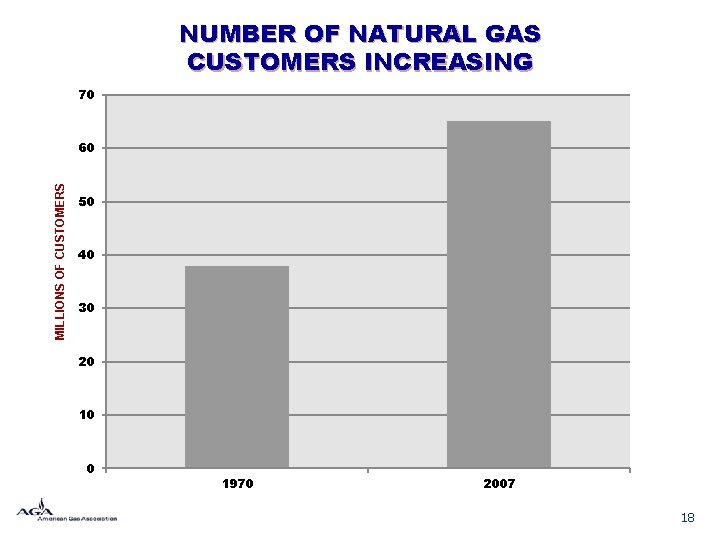
NUMBER OF NATURAL GAS CUSTOMERS INCREASING 70 MILLIONS OF CUSTOMERS 60 50 40 30 20 10 0 1970 2007 18
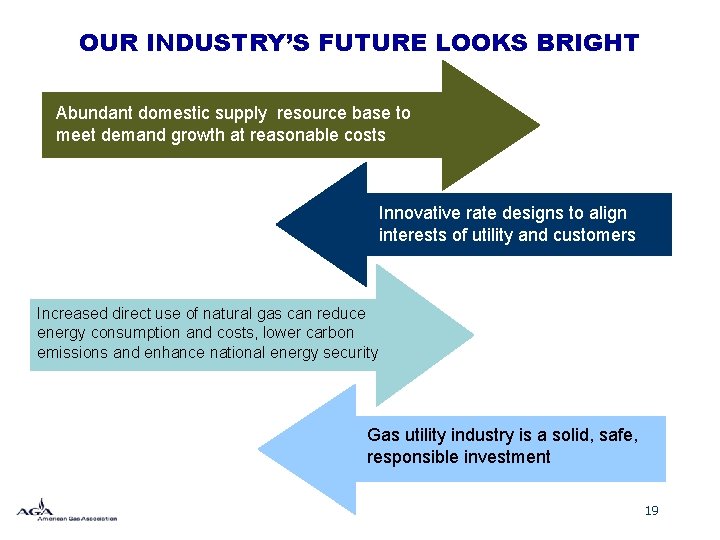
OUR INDUSTRY’S FUTURE LOOKS BRIGHT Abundant domestic supply resource base to meet demand growth at reasonable costs Innovative rate designs to align interests of utility and customers Increased direct use of natural gas can reduce energy consumption and costs, lower carbon emissions and enhance national energy security Gas utility industry is a solid, safe, responsible investment 19
Utility Operations Technologies on the Horizon • Smart Meters • Expanded Use of Mapping and Other Informational Systems • Enhanced Locating Technologies • Improved Leak Detection (Vehicles and Handheld) • Improved Design, Construction and Materials • Enhanced Pipeline Repair/Rehabilitation 20