
Types of Stress that cause Earthquakes Chapter 8
- Slides: 22
Types of Stress that cause Earthquakes Chapter 8
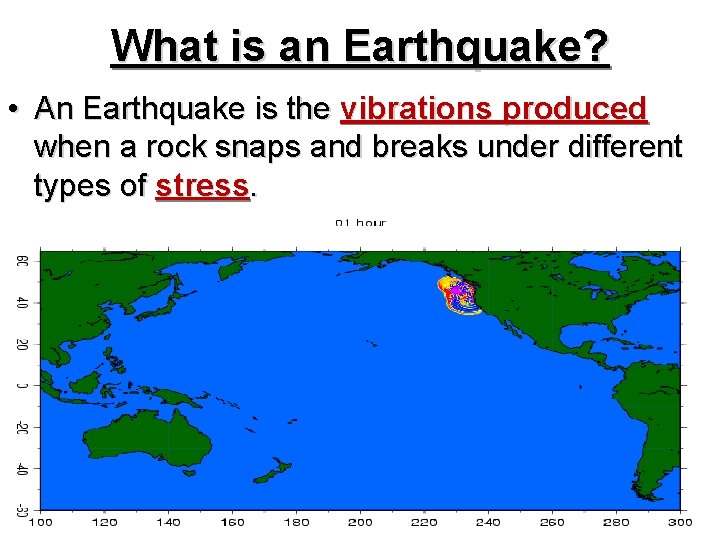
What is an Earthquake? • An Earthquake is the vibrations produced when a rock snaps and breaks under different types of stress.
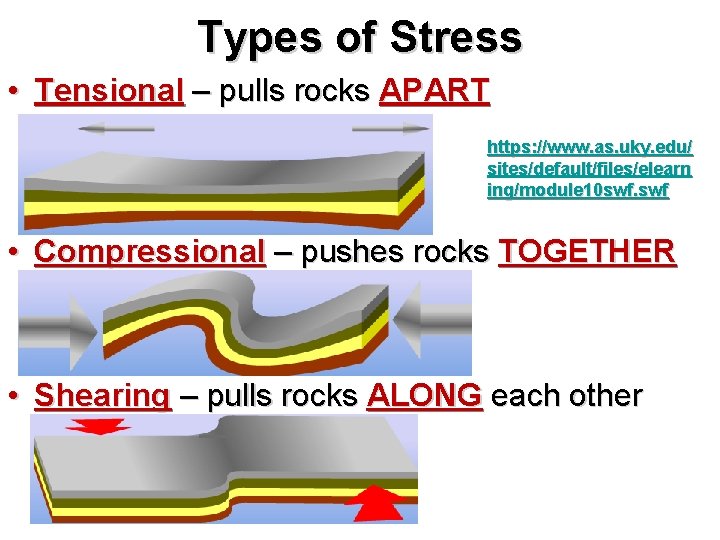
Types of Stress • Tensional – pulls rocks APART https: //www. as. uky. edu/ sites/default/files/elearn ing/module 10 swf. swf • Compressional – pushes rocks TOGETHER • Shearing – pulls rocks ALONG each other
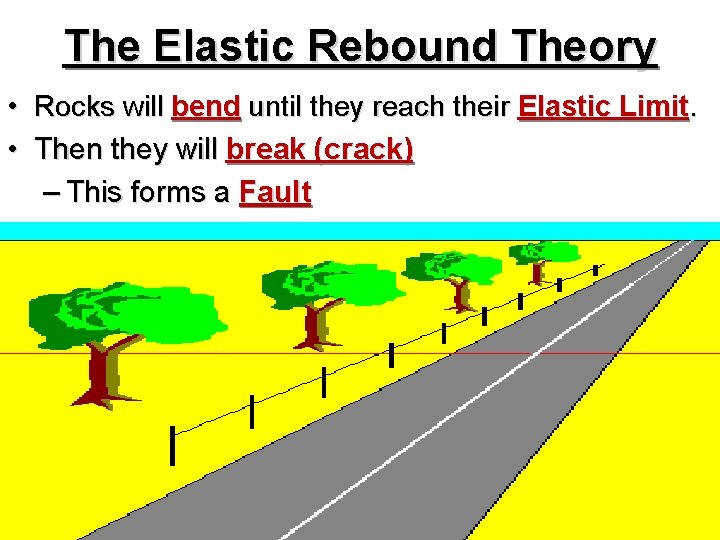
The Elastic Rebound Theory • Rocks will bend until they reach their Elastic Limit. • Then they will break (crack) – This forms a Fault
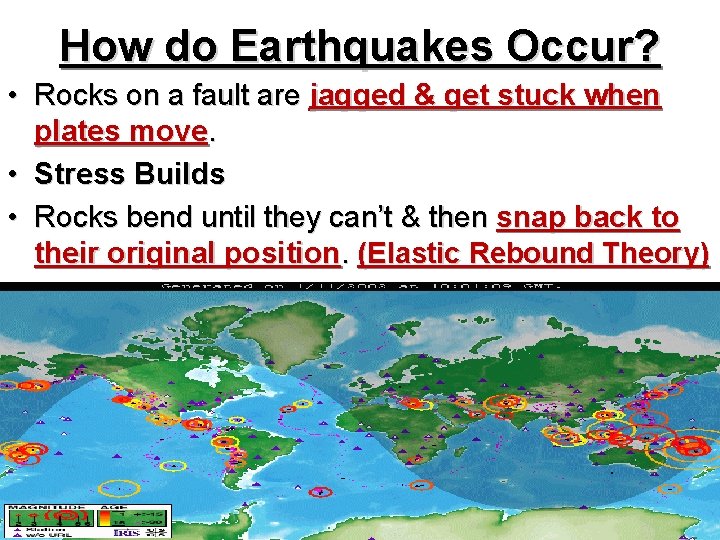
How do Earthquakes Occur? • Rocks on a fault are jagged & get stuck when plates move. • Stress Builds • Rocks bend until they can’t & then snap back to their original position. (Elastic Rebound Theory)
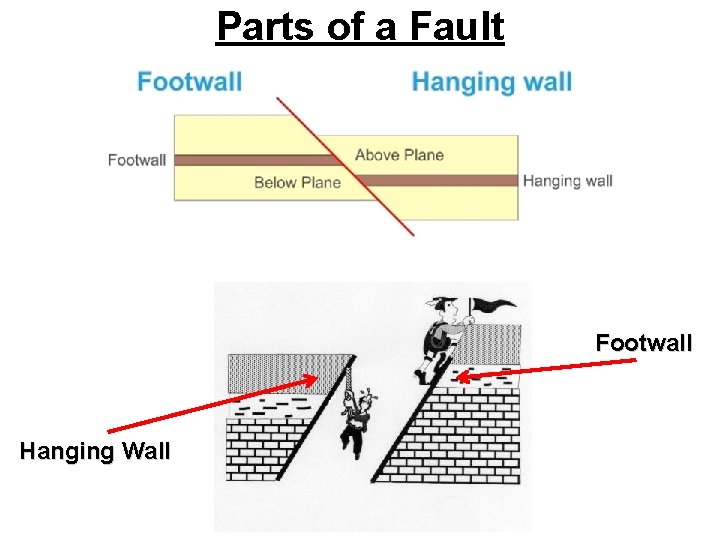
Parts of a Fault Footwall Hanging Wall
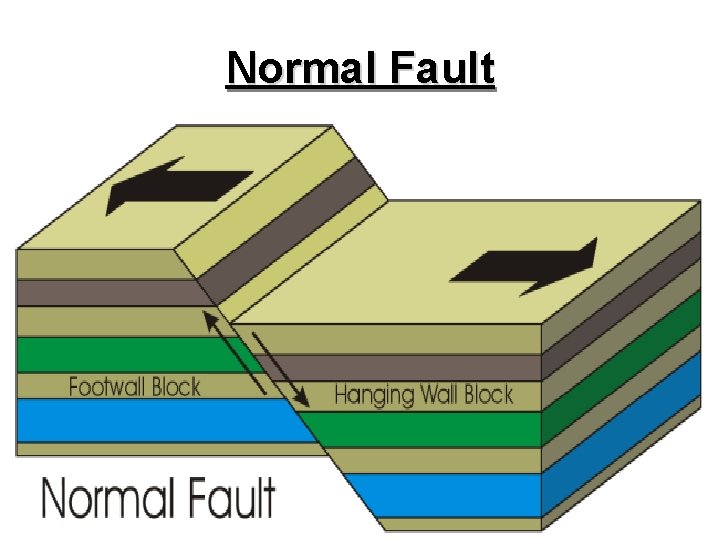
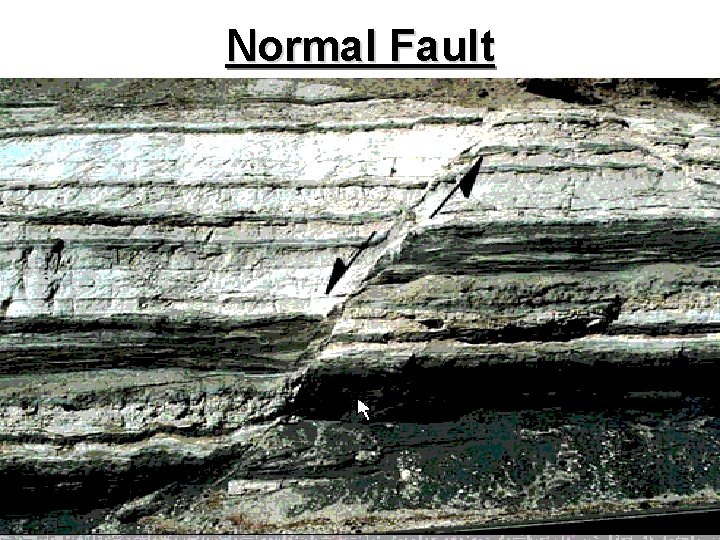
Normal Fault
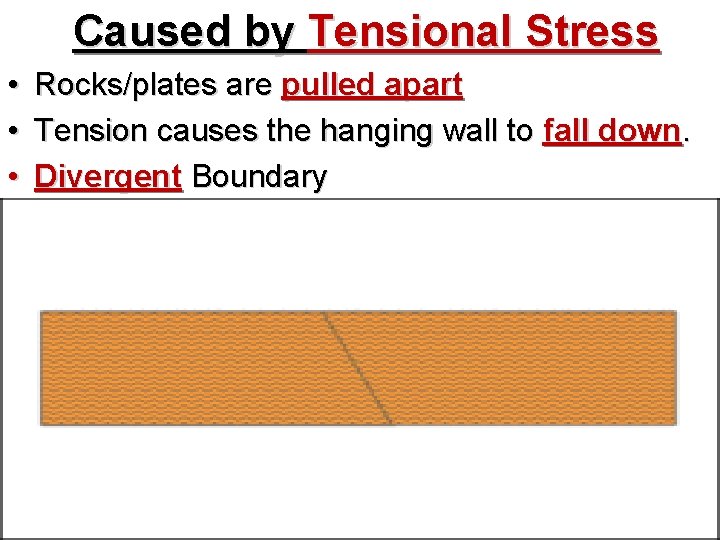
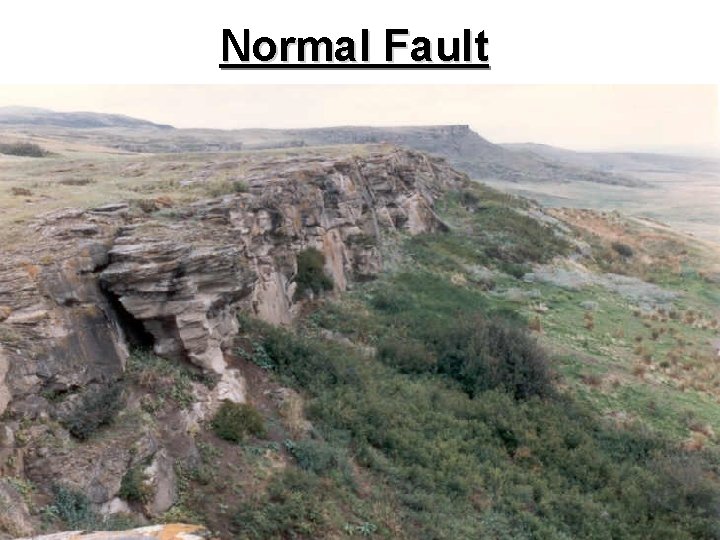
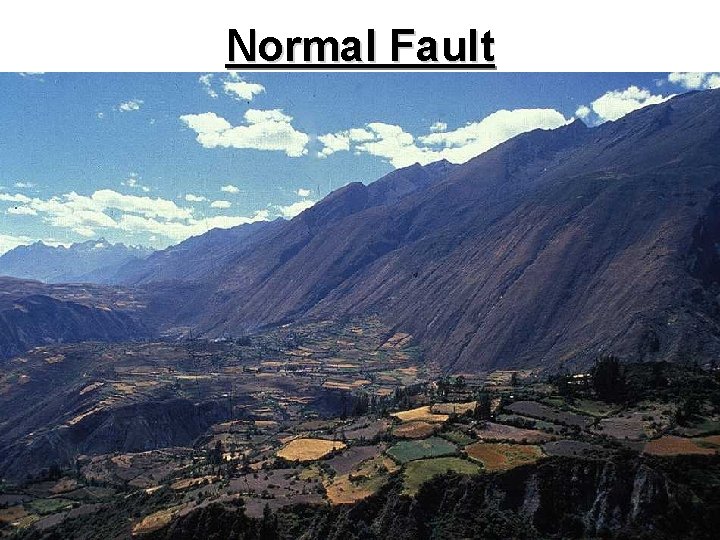
Caused by Tensional Stress • • • Rocks/plates are pulled apart Tension causes the hanging wall to fall down. Divergent Boundary
Normal Fault
Normal Fault
Normal Fault
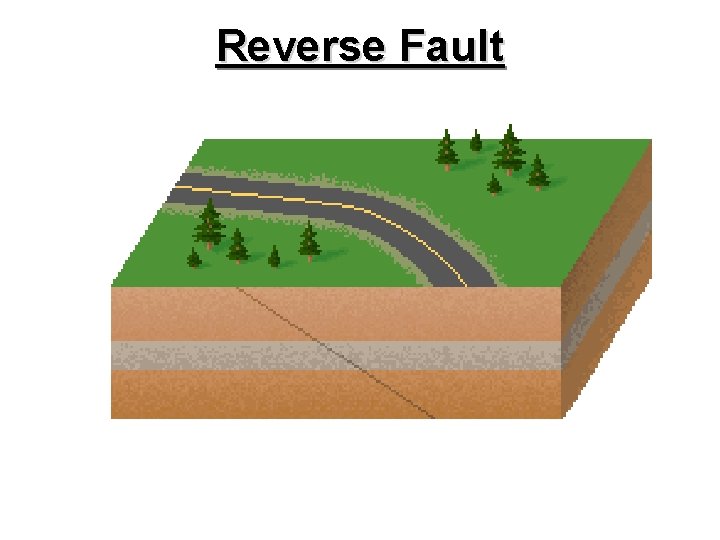
Reverse Fault
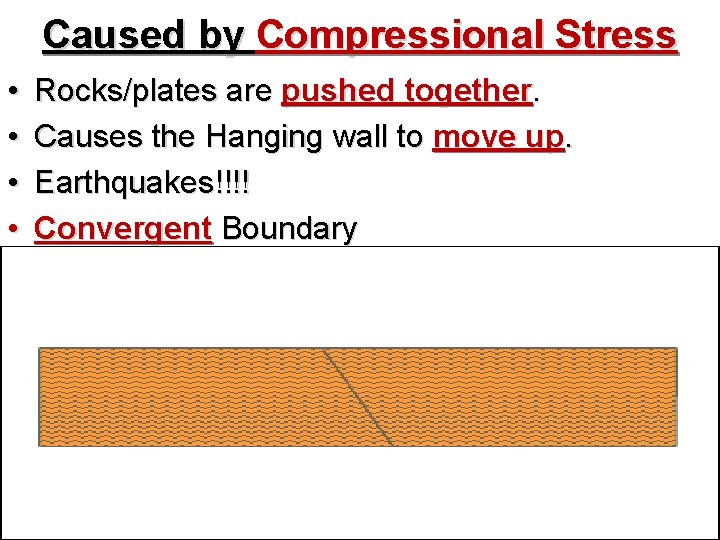
Caused by Compressional Stress • • Rocks/plates are pushed together. Causes the Hanging wall to move up. Earthquakes!!!! Convergent Boundary
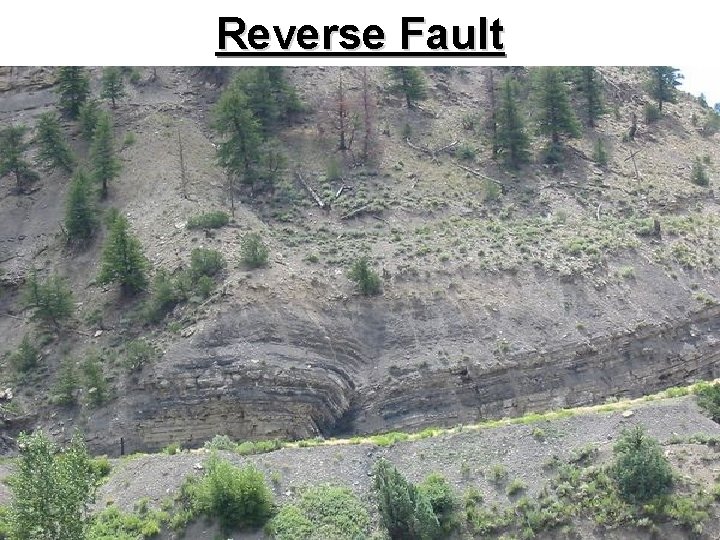
Reverse Fault
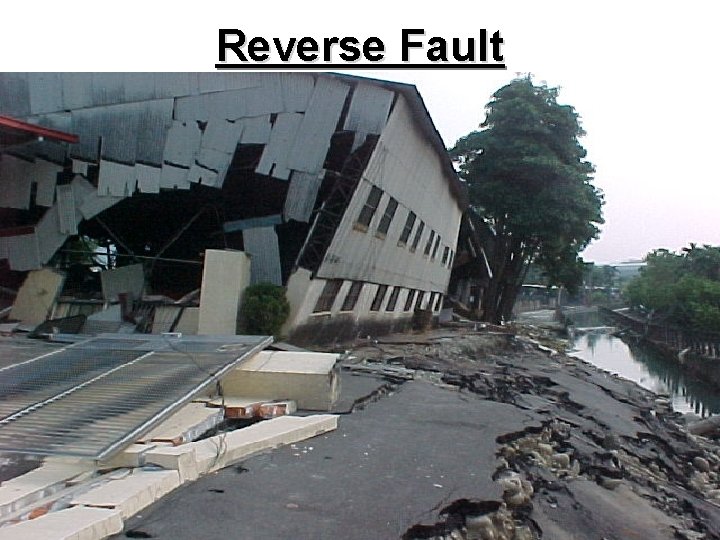
Reverse Fault
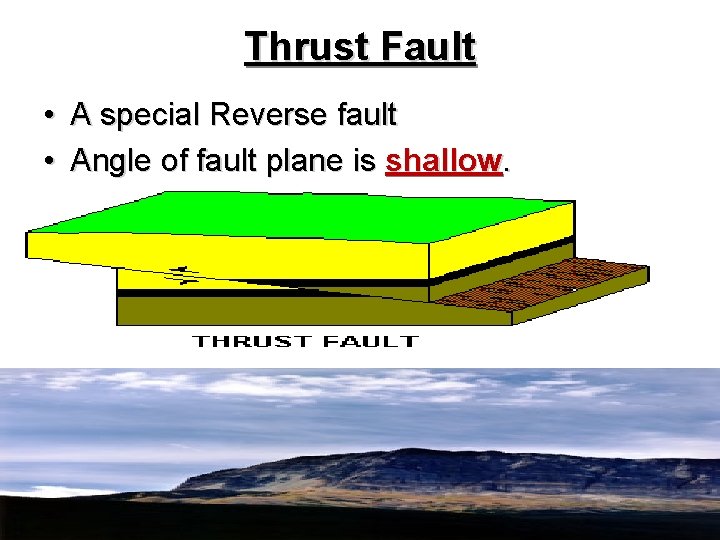
Thrust Fault • A special Reverse fault • Angle of fault plane is shallow.
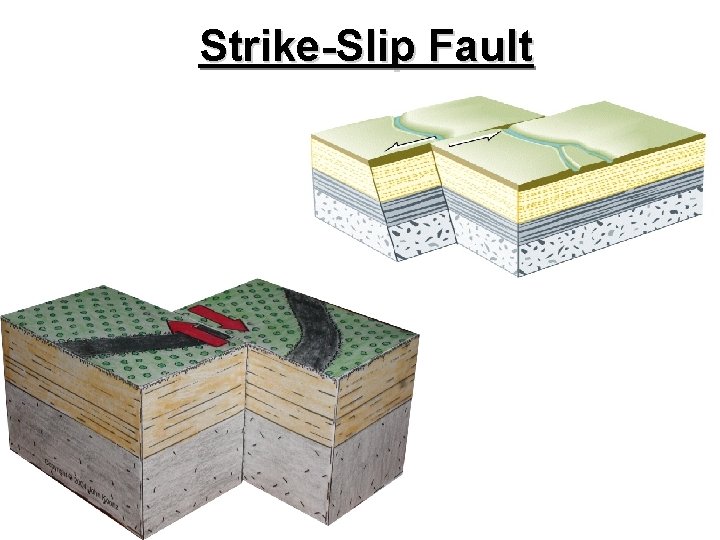
Strike-Slip Fault
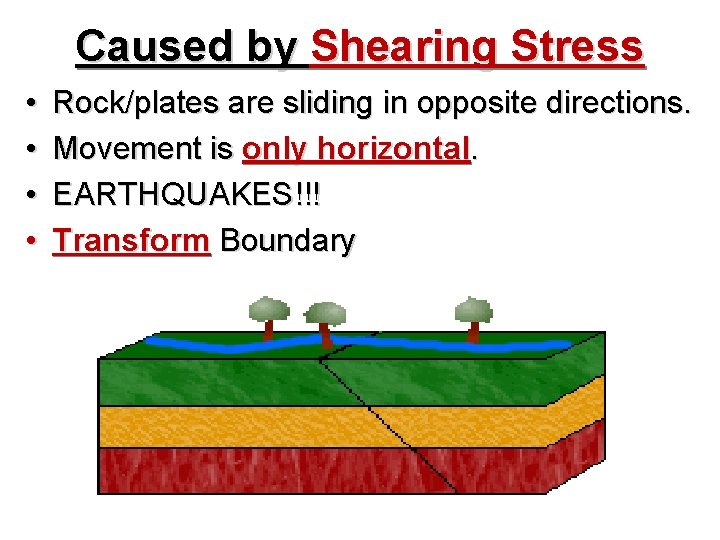
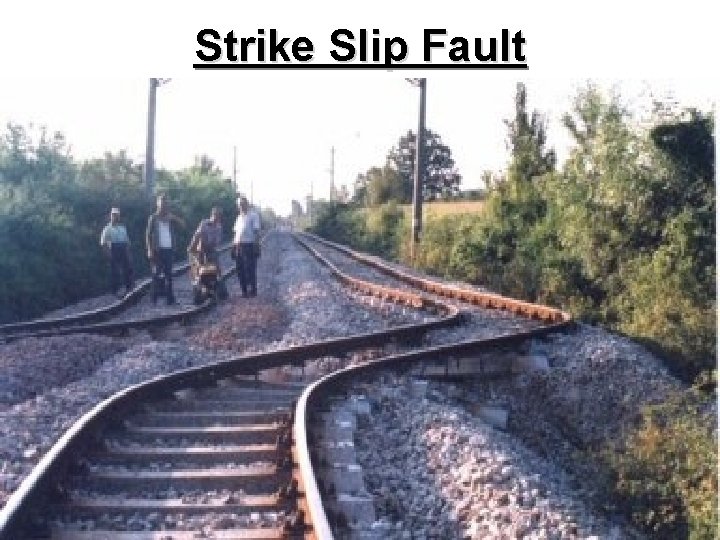
Caused by Shearing Stress • • Rock/plates are sliding in opposite directions. Movement is only horizontal. EARTHQUAKES!!! Transform Boundary
Strike Slip Fault
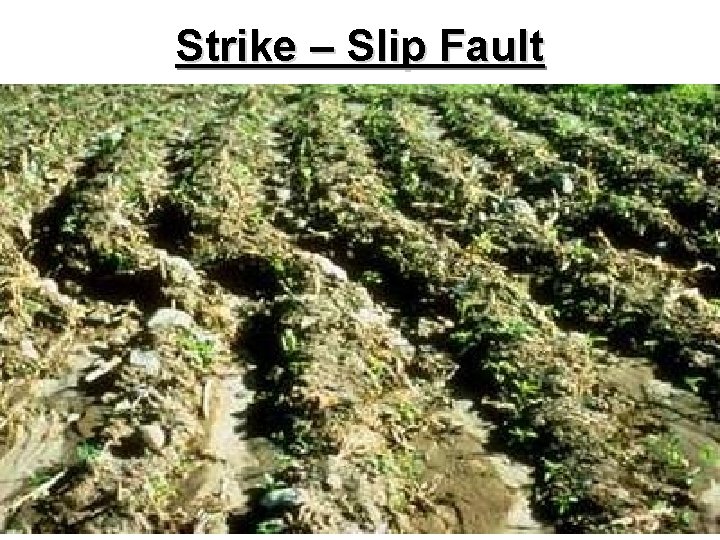
Strike – Slip Fault
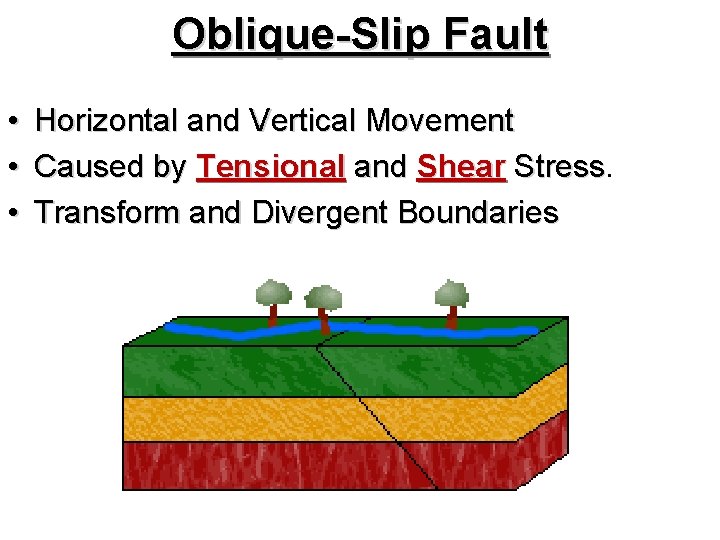
Oblique-Slip Fault • • • Horizontal and Vertical Movement Caused by Tensional and Shear Stress Transform and Divergent Boundaries