
TYPES OF ROCKS Igneous Rock Fire Rock deep

- Slides: 17
TYPES OF ROCKS
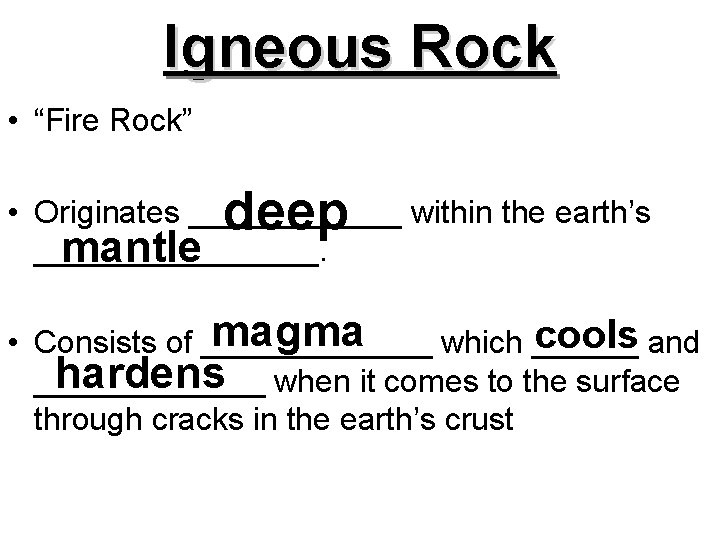
Igneous Rock • “Fire Rock” deep • Originates ______ within the earth’s ________. mantle magma cools and • Consists of _______ which ______ hardens when it comes to the surface _______ through cracks in the earth’s crust
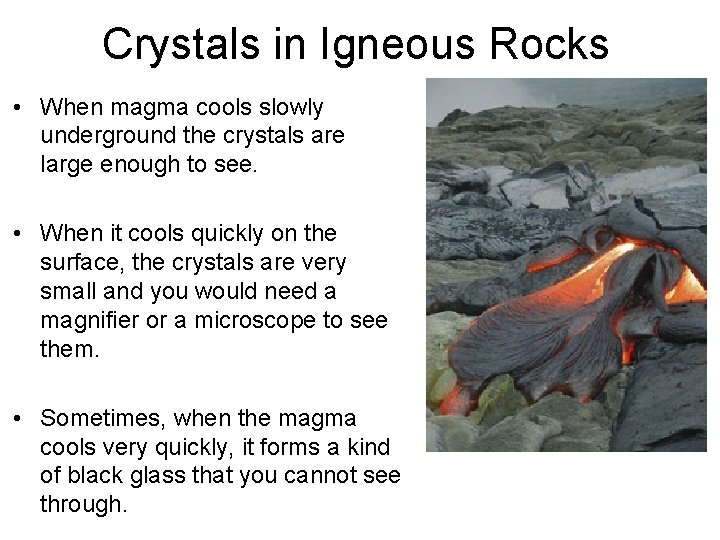
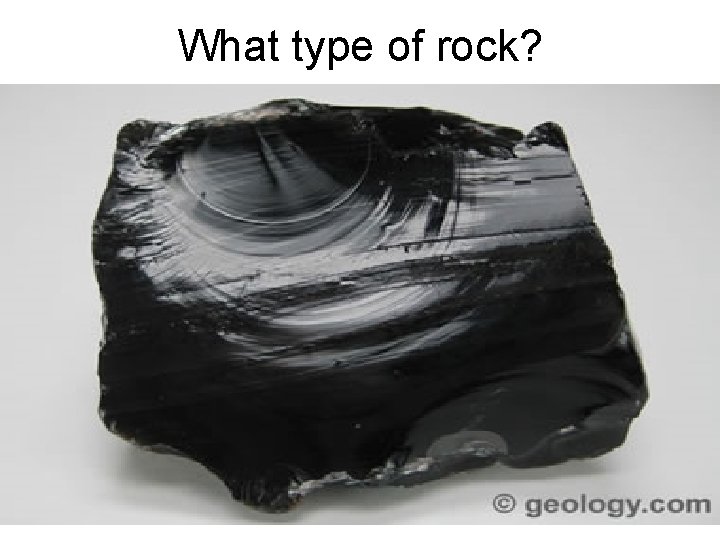
Crystals in Igneous Rocks • When magma cools slowly underground the crystals are large enough to see. • When it cools quickly on the surface, the crystals are very small and you would need a magnifier or a microscope to see them. • Sometimes, when the magma cools very quickly, it forms a kind of black glass that you cannot see through.
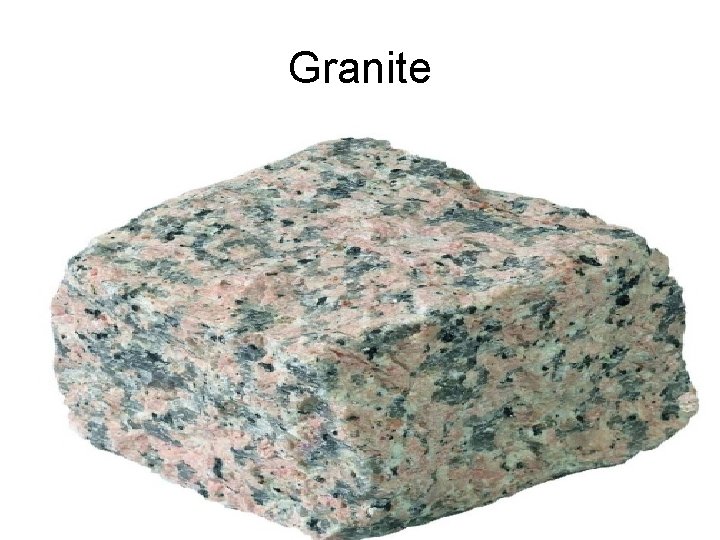
Granite
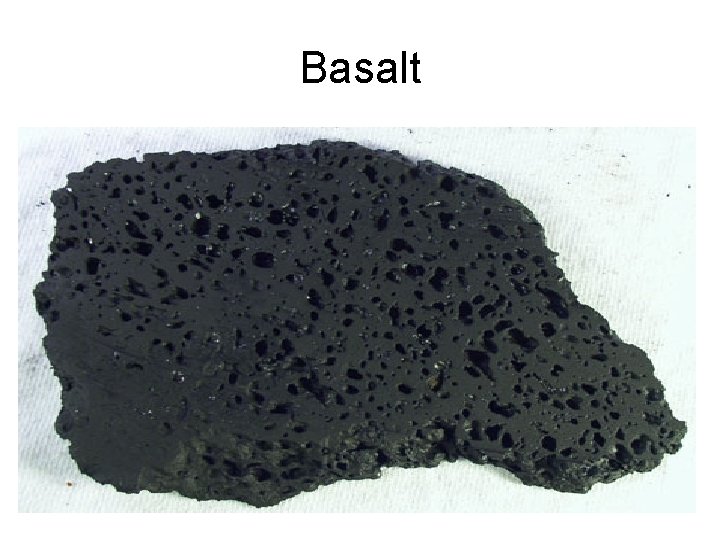
Basalt
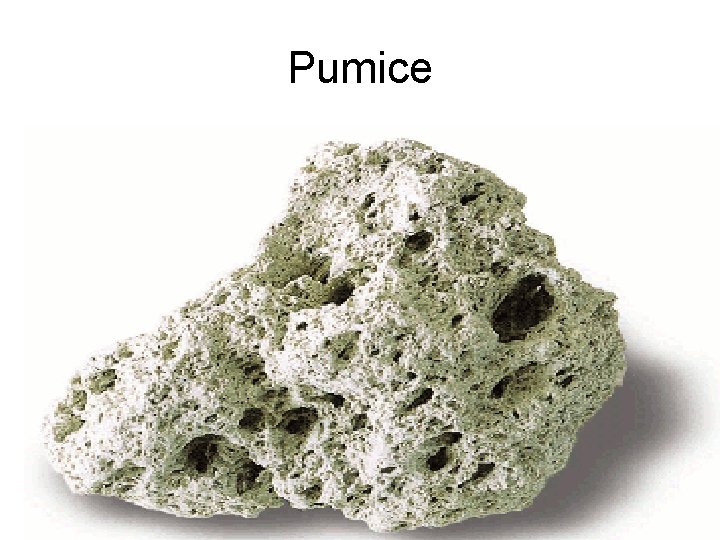
Pumice
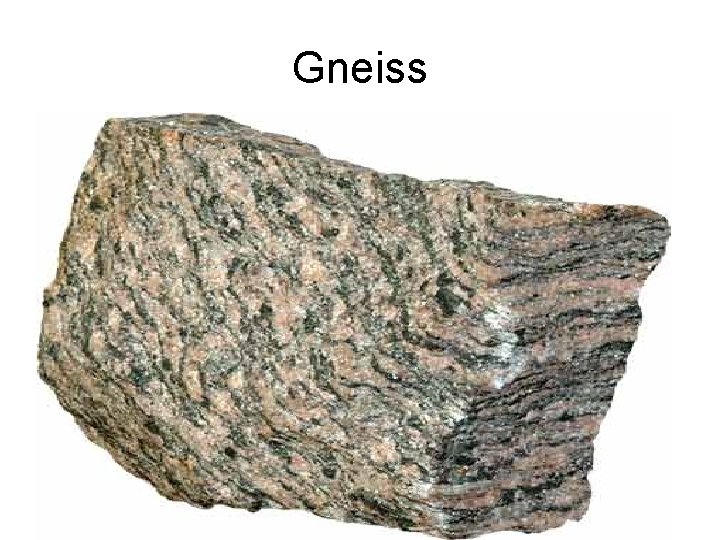
Metamorphic Rock • “Changed Rock” • _______ sedimentary Igneous or _______ rocks undergo a great deal of _____ and ________ heat pressure which causes them to ________ from one type to change another.
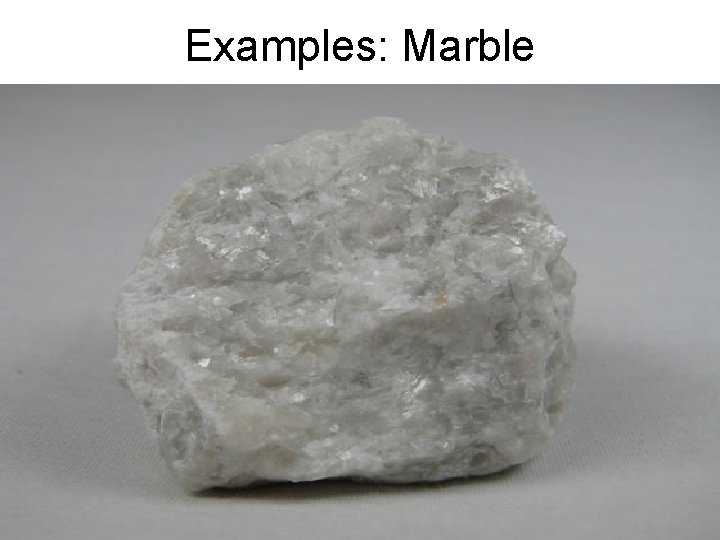
Examples: Marble
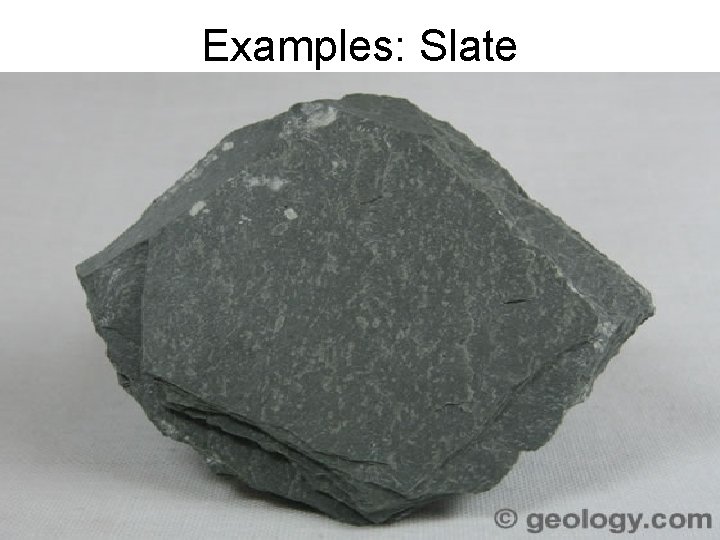
Examples: Slate
Gneiss
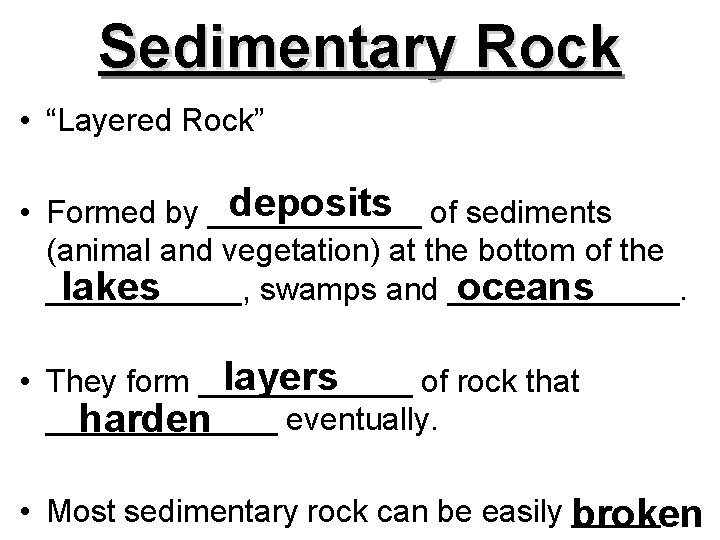
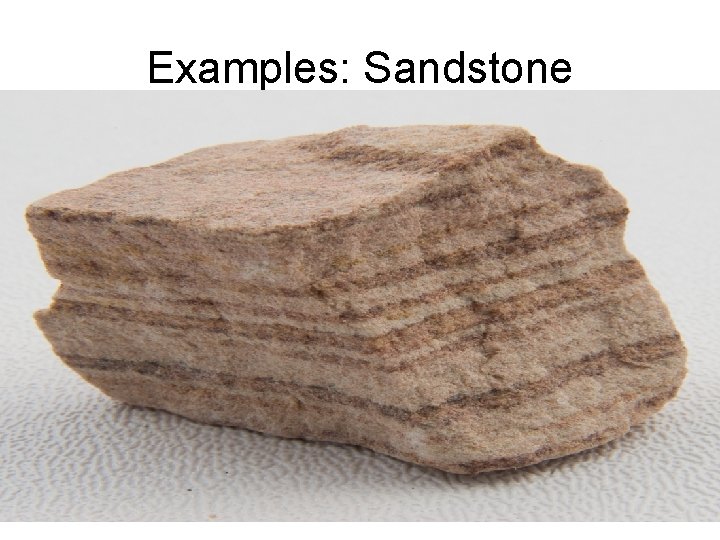
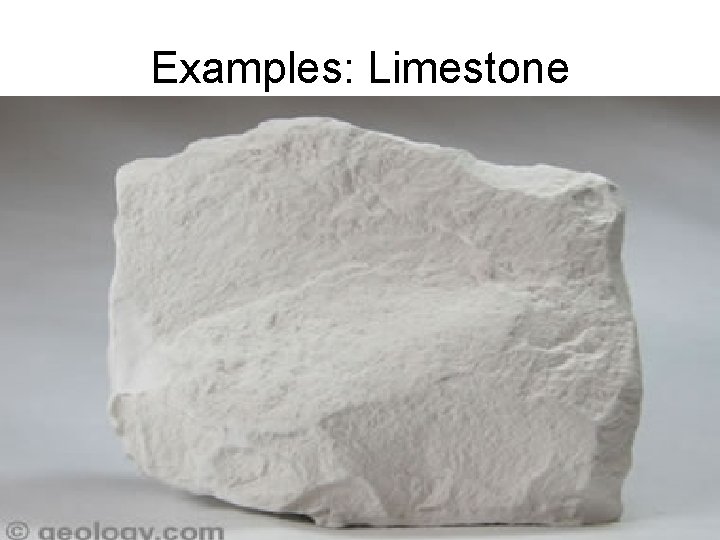
Sedimentary Rock • “Layered Rock” deposits of sediments • Formed by ______ (animal and vegetation) at the bottom of the ______, swamps and _______. lakes oceans layers • They form ______ of rock that _______ eventually. harden • Most sedimentary rock can be easily broken _____
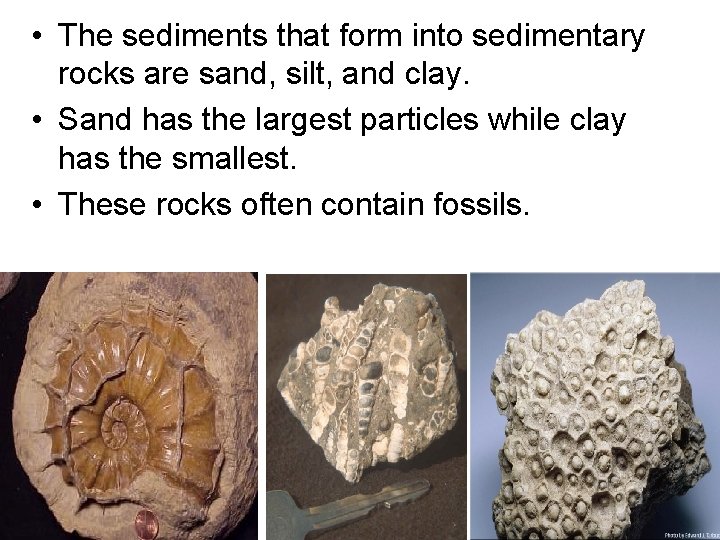
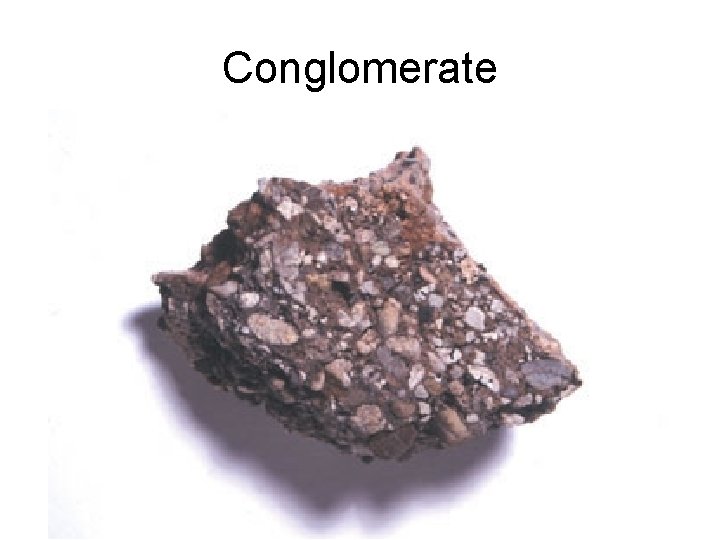
• The sediments that form into sedimentary rocks are sand, silt, and clay. • Sand has the largest particles while clay has the smallest. • These rocks often contain fossils.
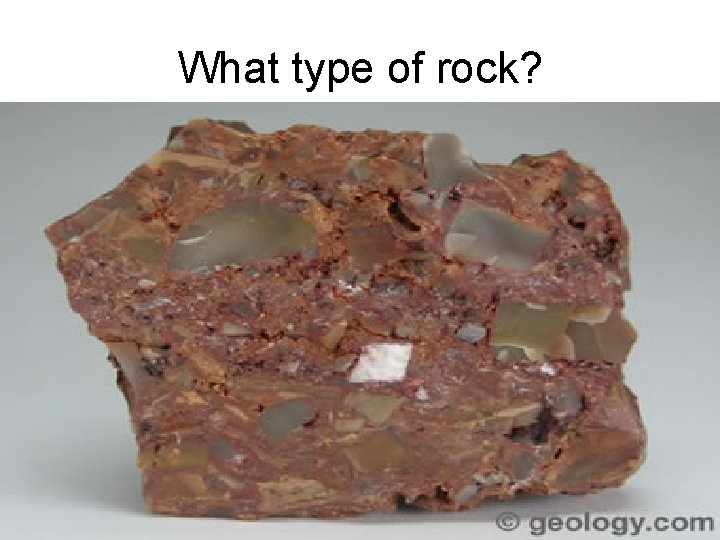
Conglomerate
Examples: Sandstone
Examples: Limestone
What type of rock?
What type of rock?