
Types of mass media 1 Print Newspapers magazines

- Slides: 16
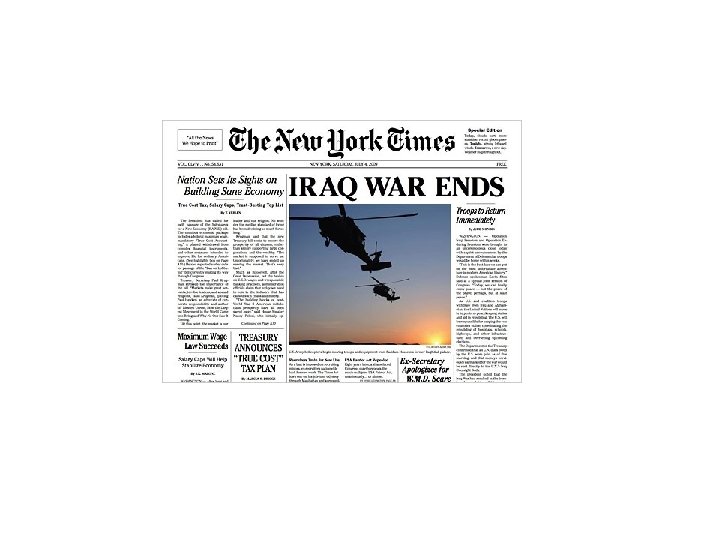
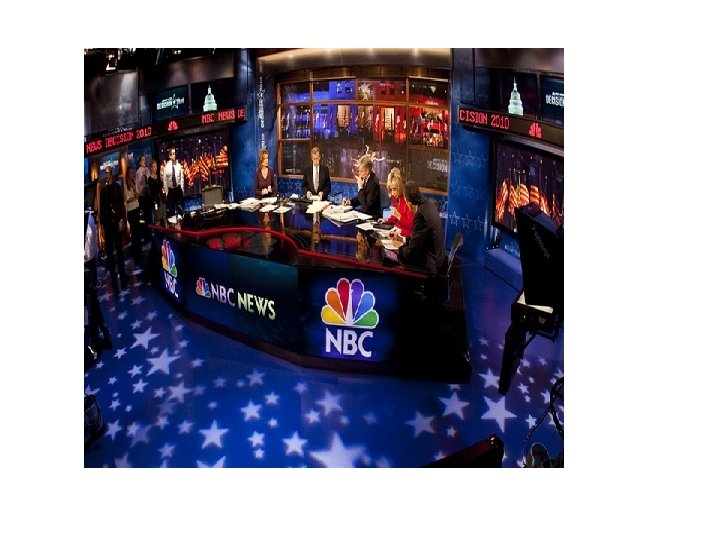
Types of mass media 1. Print (Newspapers, magazines, opinion journals) 2. Broadcast (network TV, radio) 3. Internet – blogs, Twitter, etc. “New media” – cable and satellite“digital divide” in Internet use for political news
Trends • Newspapers and TV are declining as news sources, Internet rising 2009 • Political blogs get a lot of traffic, but are less than 25% of the news consumed online.
American broadcast media • Versus other countries: privately owned, not government owned • Implications of private ownership: – More freedom, less government control over content – Priorities strongly influenced by dependence on ad revenue: need to attract big audiences, keep them entertained
How does federal government regulate the media? • Federal Communication Commission (created 1934) – Equal time rule: any broadcast station that give/sells time to candidate must make equal time available to opponent(s) – Fairness doctrine – broadcasters must give time to opposing views if broadcast a program slanted to one side of a controversial issue (no longer in effect)
Functions of media • • • Reporting the news Interpreting the news Influencing citizens’ opinions Setting the political agenda Gatekeeper function (channels the news flow that reaches the public)
How does media influence public opinion? • Agenda setting – telling citizens what to think about -studies by Iyengar and Kinder • Priming – affect standards people use to evaluate political figures or problems • Framing – what you emphasize or de-emphasize in a story
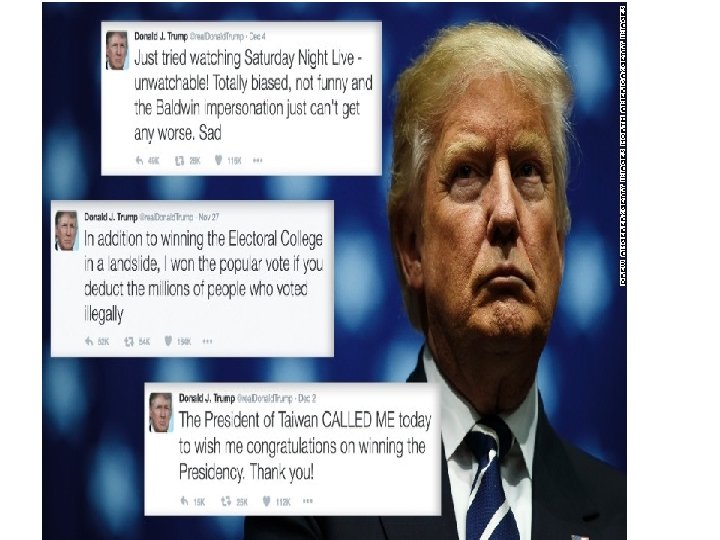
BIAS – Partisan? Early on, clear partisan bias… – Today: ideological bias- lib or con? (surveys show many journalists are liberal… but…) – Edwards text suggests liberal journalists does not mean liberal news content – says media is “not systematically biased toward a particular ideology or party”
Bias continued • Depends which media outlets • Edwards seems to be talking about mainstream media (NBC, CBS, NYT, Wash. Post) • If look at Fox, CNN, Breitbart, Maddow: bias more evident • Some also make argument that mainstream media = conservative, not liberal (because it’s a big business)
Other biases? Edwards argues “overriding biases” are not ideological but. .
Non-partisan biases – Negativity and cynicism – Emphasis on conflict/scandal/what appeals to largest audience – Superficiality (“sound bite journalism”) – Political coverage emphasizes the president versus other actors, and individuals/personalities v. substance (same as with campaign coverage that focuses on the “horse race”)