
Types of Marine Organisms Plankton any drifting organism

- Slides: 57
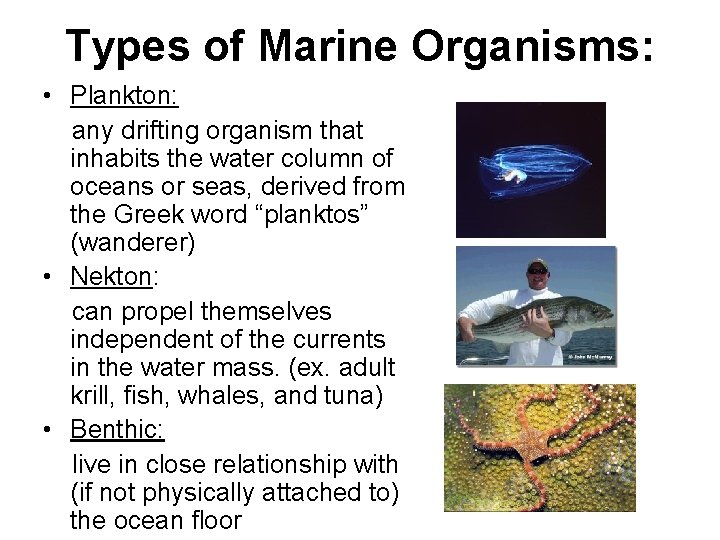
Types of Marine Organisms: • Plankton: any drifting organism that inhabits the water column of oceans or seas, derived from the Greek word “planktos” (wanderer) • Nekton: can propel themselves independent of the currents in the water mass. (ex. adult krill, fish, whales, and tuna) • Benthic: live in close relationship with (if not physically attached to) the ocean floor
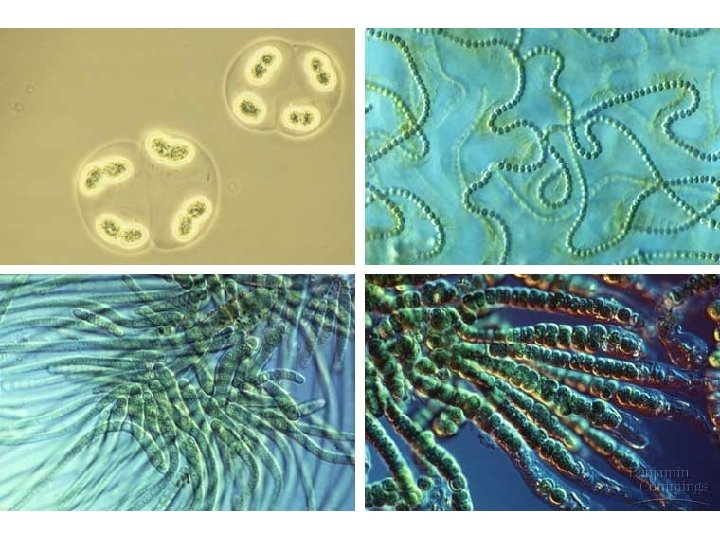
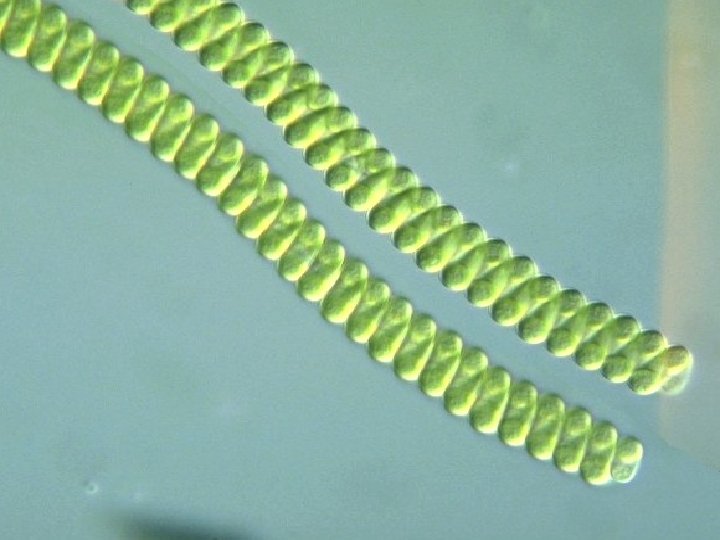
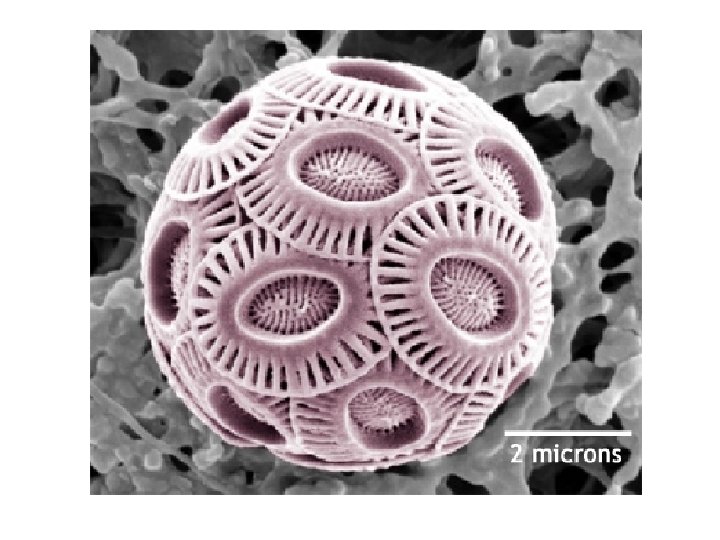
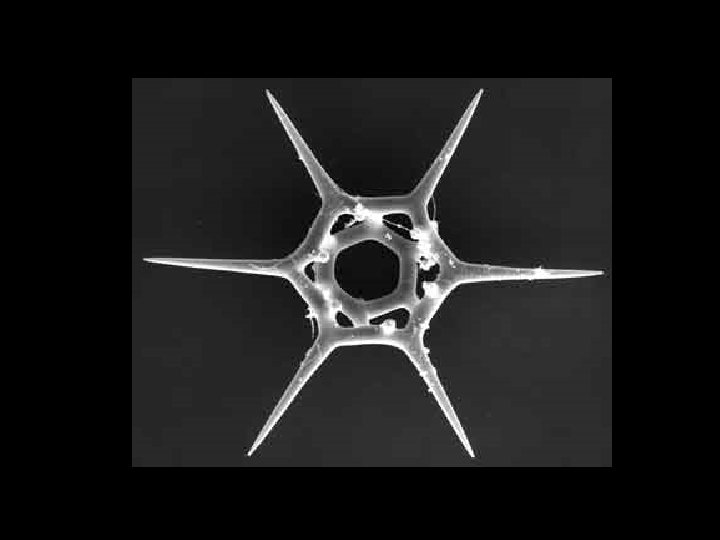
Types of Plankton • Phytoplankton: (from Greek phyton, or plant) live near the water surface where there is sufficient light to support photosynthesis • (Includes the diatoms, cyanobacteria, dinoflagellates) • Zooplankton: (from Greek zoon, or animal), small crustaceans and other animals that feed on other plankton. • Some of the eggs and larvae of larger animals, such as fish, crustaceans, and annelids, are included here. • Bacteriaplankton: play an important role in cycling organic material down the water column plankton video
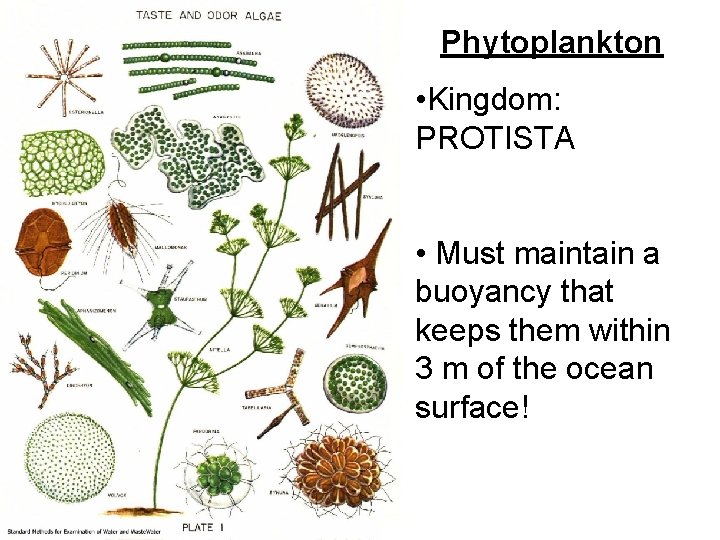
Phytoplankton • Kingdom: PROTISTA • Must maintain a buoyancy that keeps them within 3 m of the ocean surface!
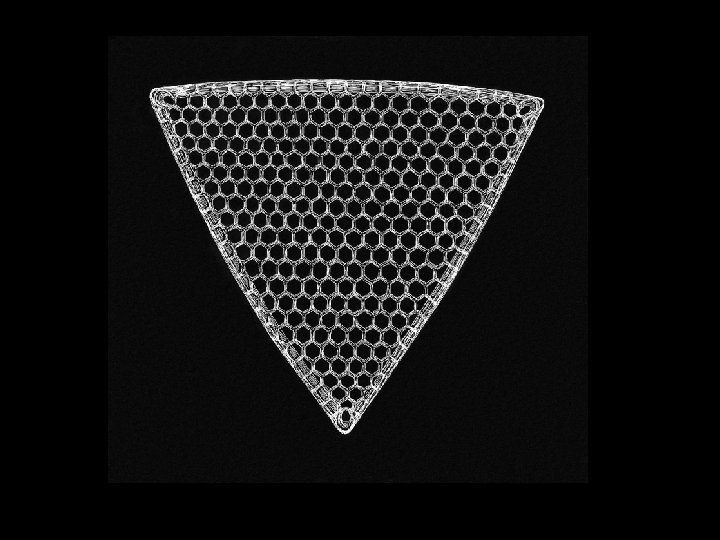
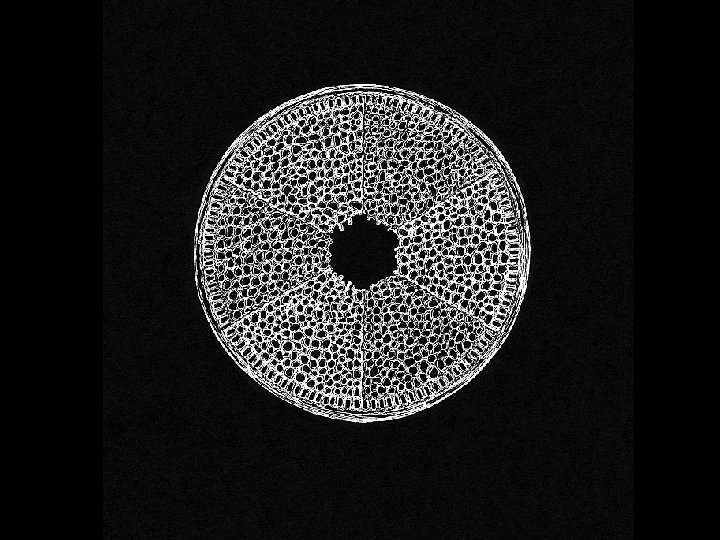
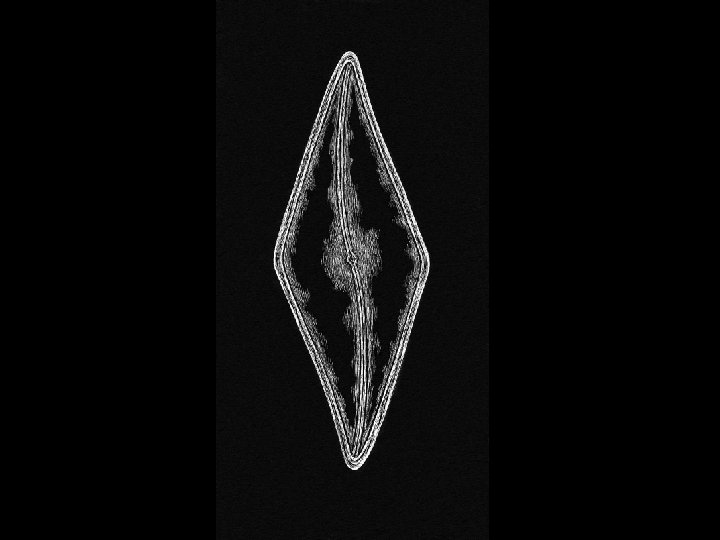
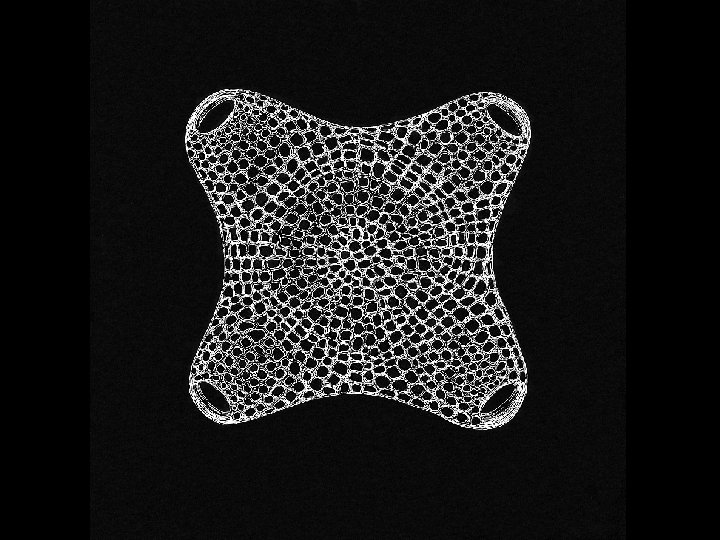
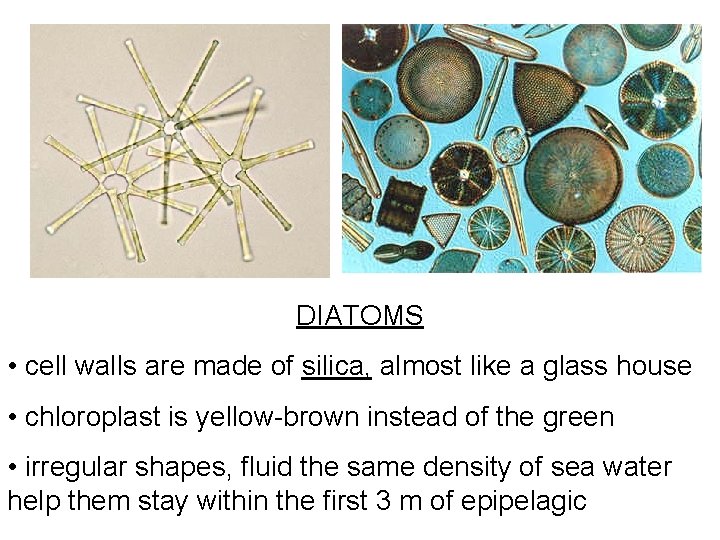
DIATOMS • cell walls are made of silica, almost like a glass house • chloroplast is yellow-brown instead of the green • irregular shapes, fluid the same density of sea water help them stay within the first 3 m of epipelagic
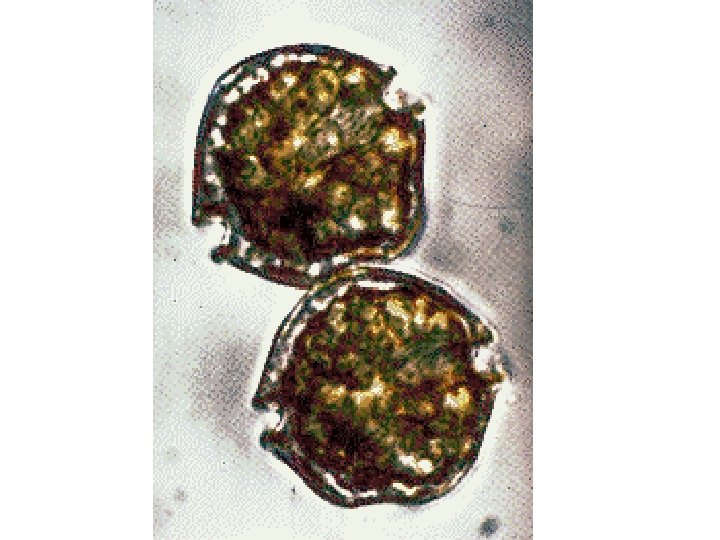
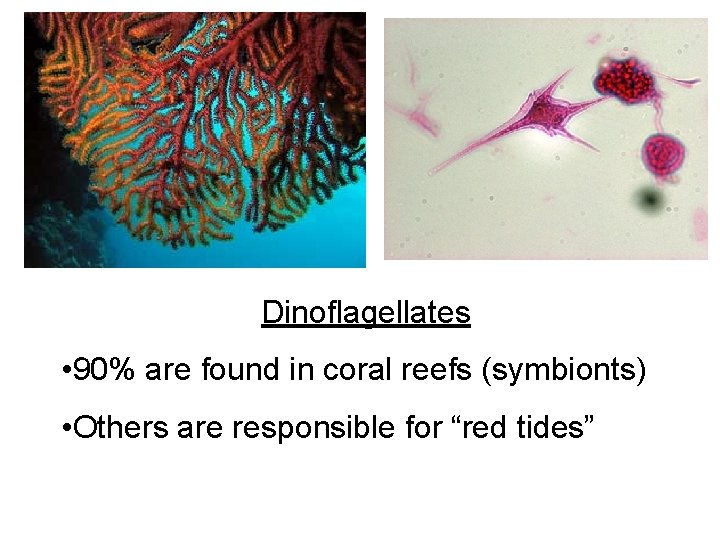
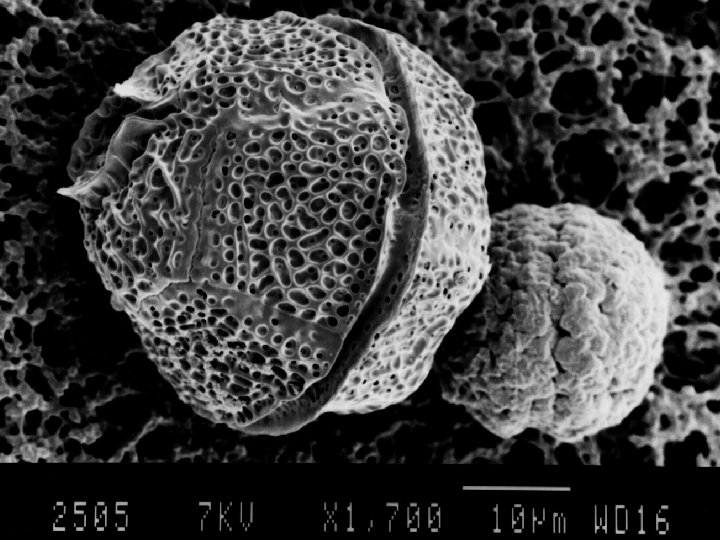
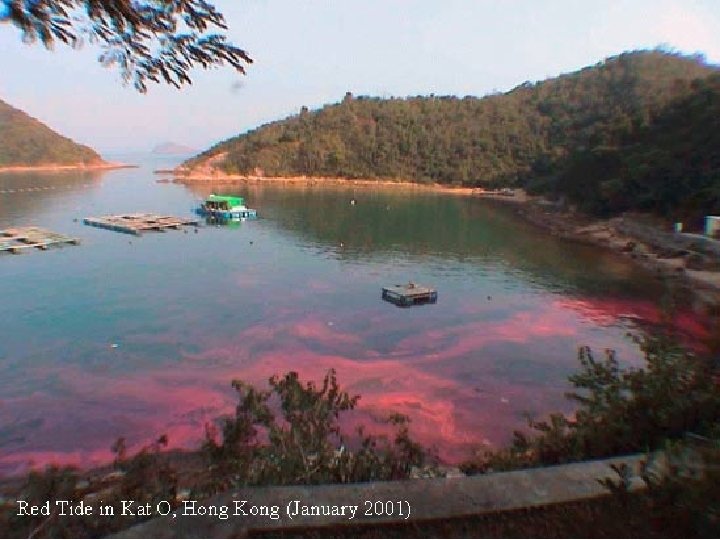
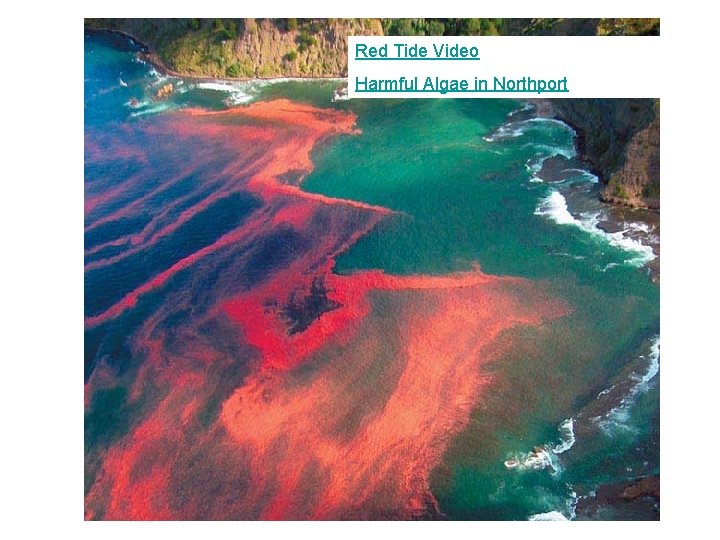
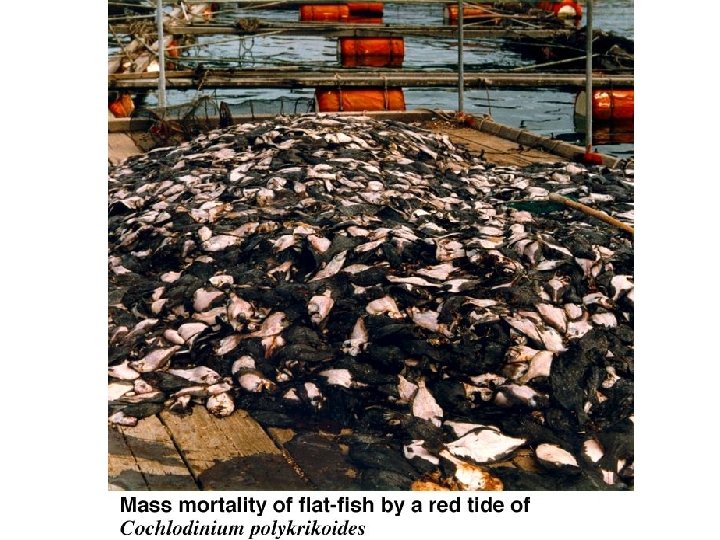
Dinoflagellates • 90% are found in coral reefs (symbionts) • Others are responsible for “red tides”
Red Tide Video Harmful Algae in Northport
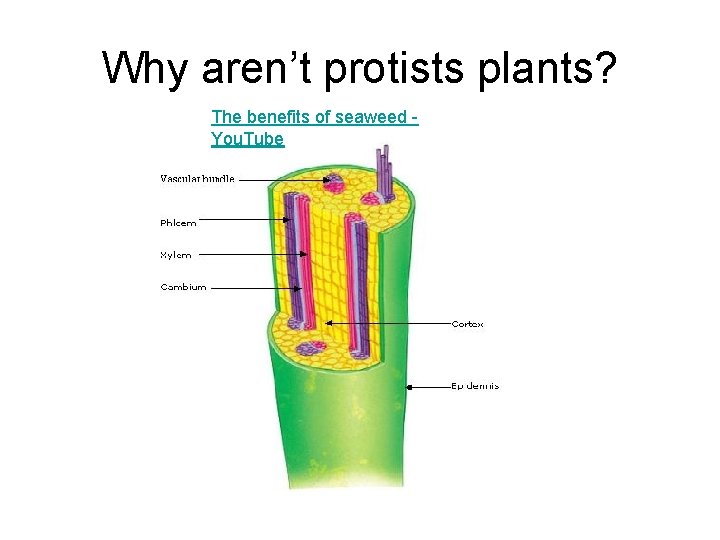
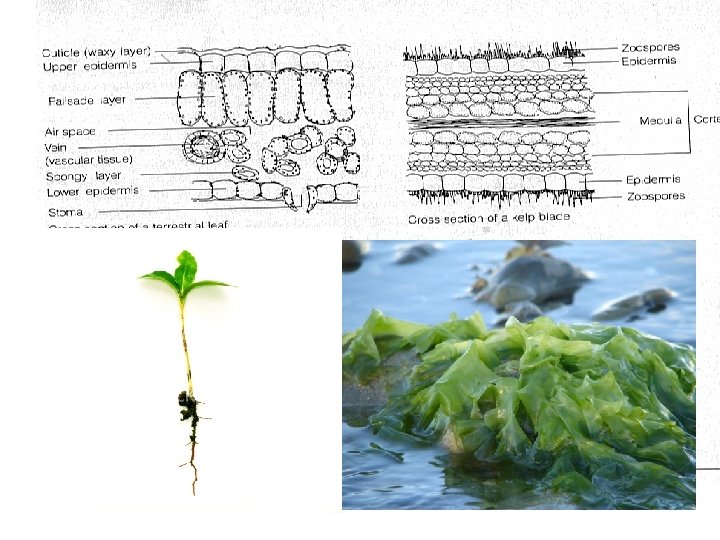
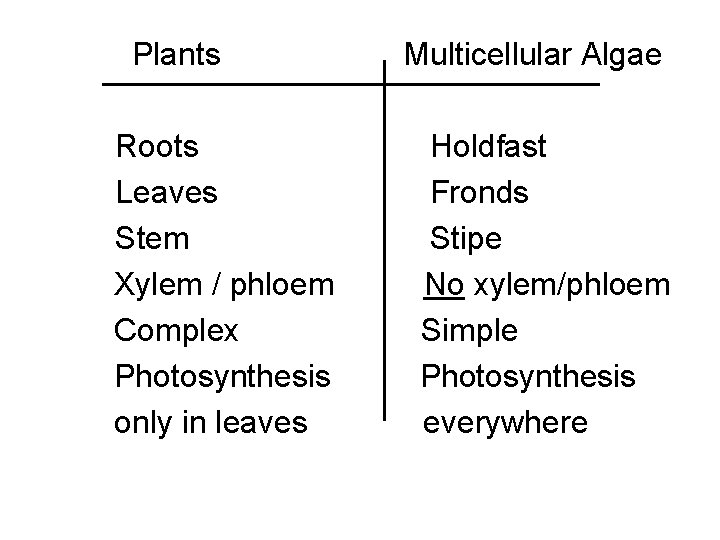
Why aren’t protists plants? The benefits of seaweed You. Tube
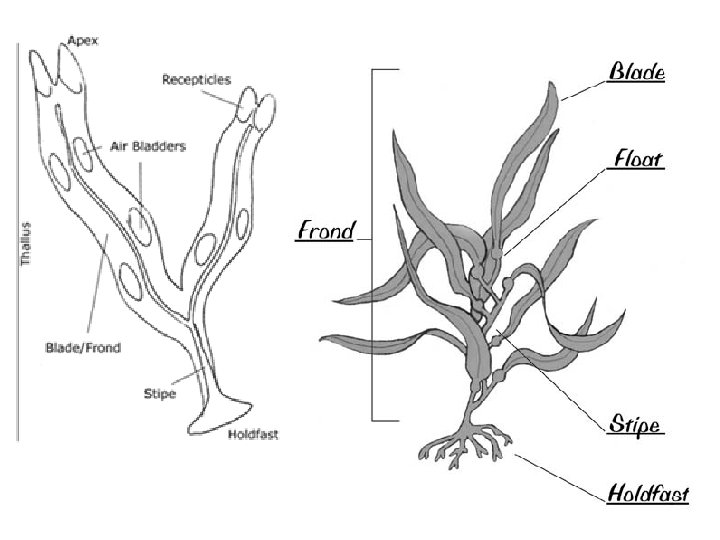
Plants Roots Leaves Stem Xylem / phloem Complex Photosynthesis only in leaves Multicellular Algae Holdfast Fronds Stipe No xylem/phloem Simple Photosynthesis everywhere
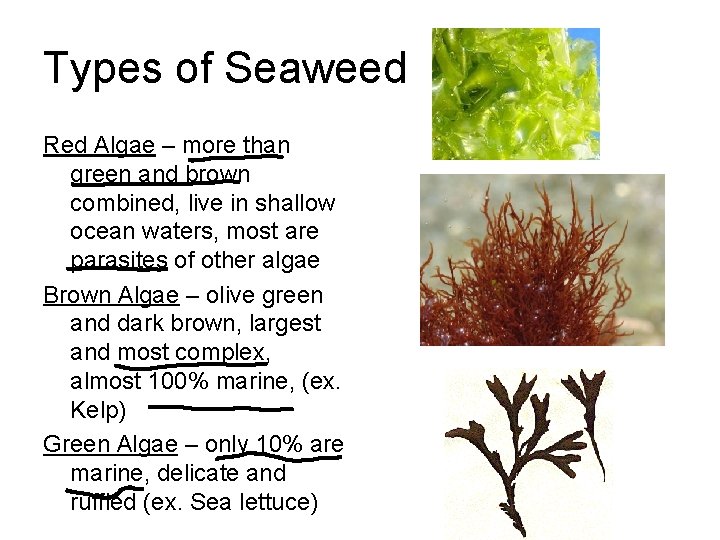
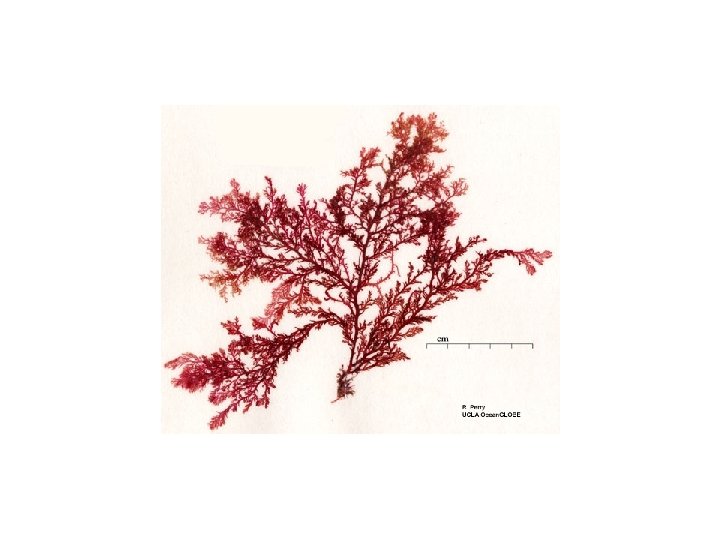
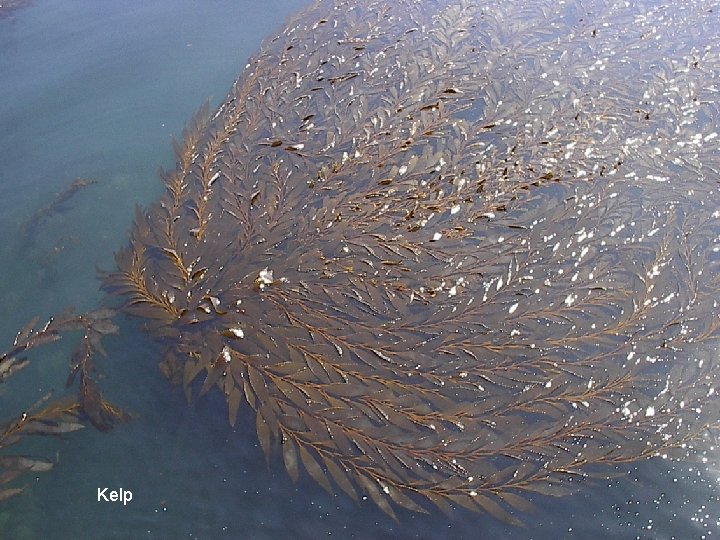
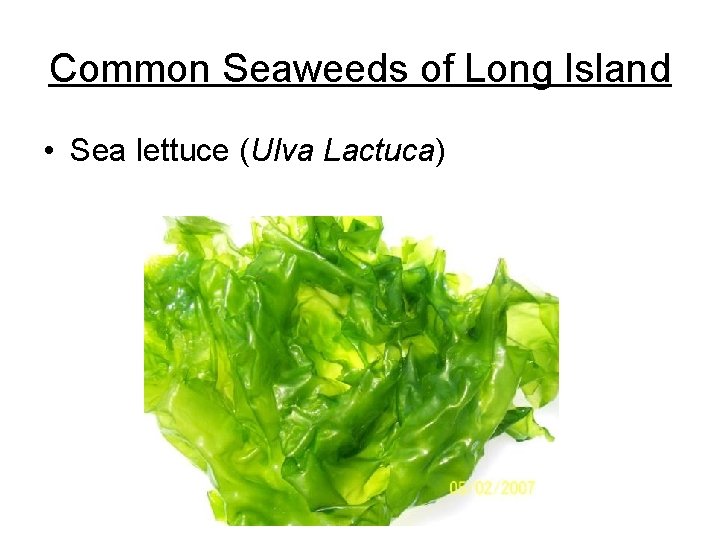
Types of Seaweed Red Algae – more than green and brown combined, live in shallow ocean waters, most are parasites of other algae Brown Algae – olive green and dark brown, largest and most complex, almost 100% marine, (ex. Kelp) Green Algae – only 10% are marine, delicate and ruffled (ex. Sea lettuce)
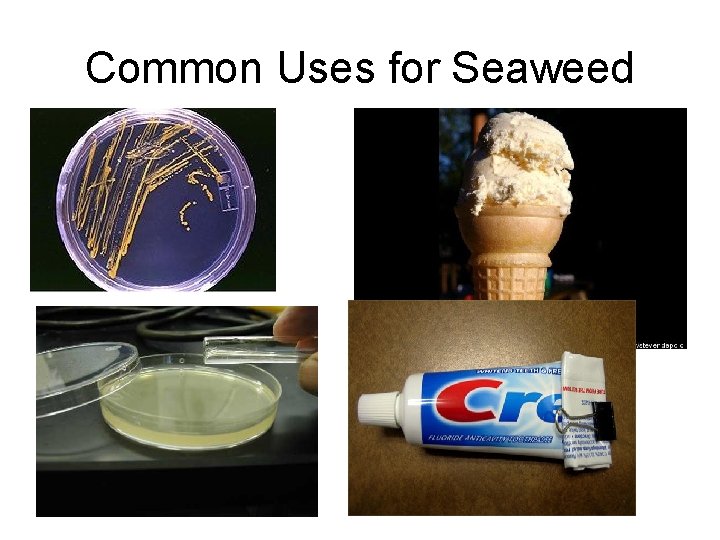
Common Uses for Seaweed
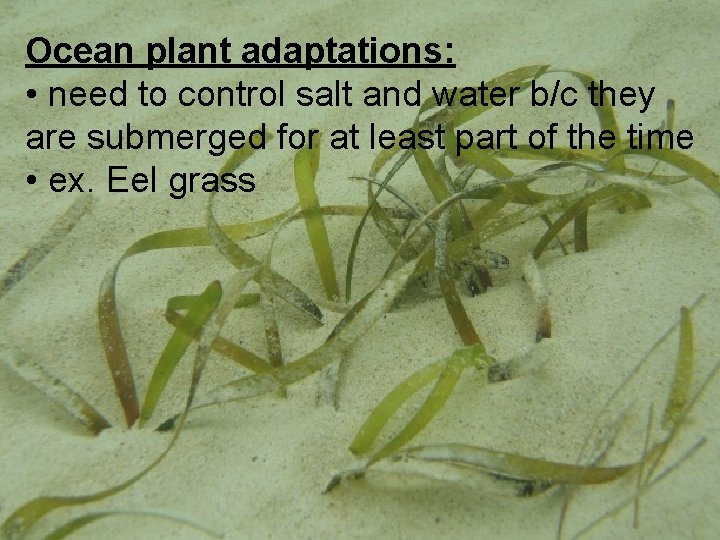
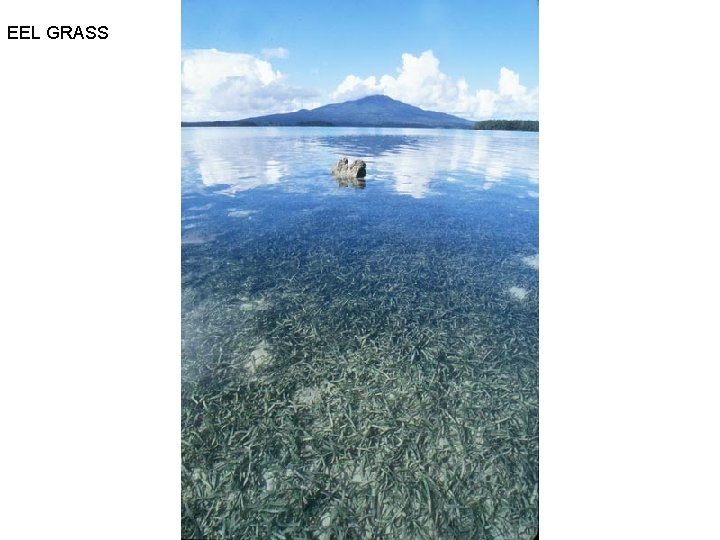
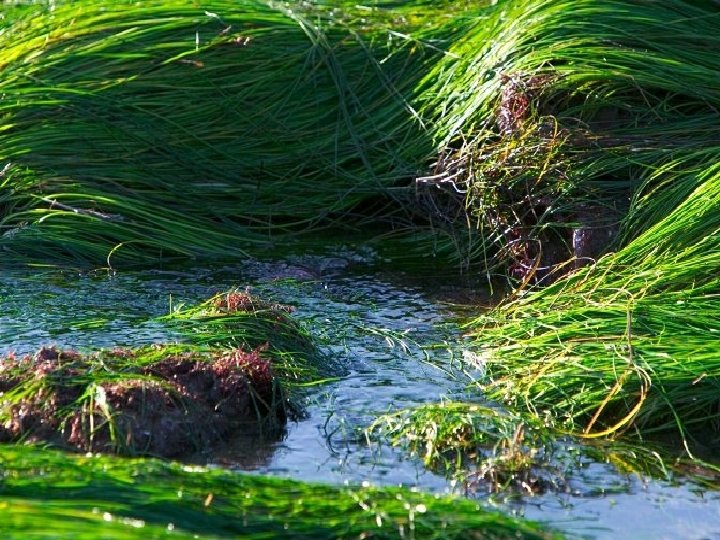
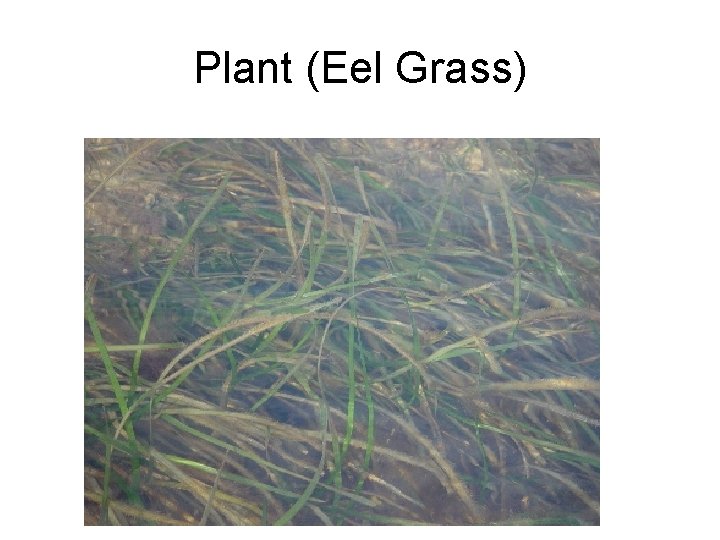
Ocean plant adaptations: • need to control salt and water b/c they are submerged for at least part of the time • ex. Eel grass
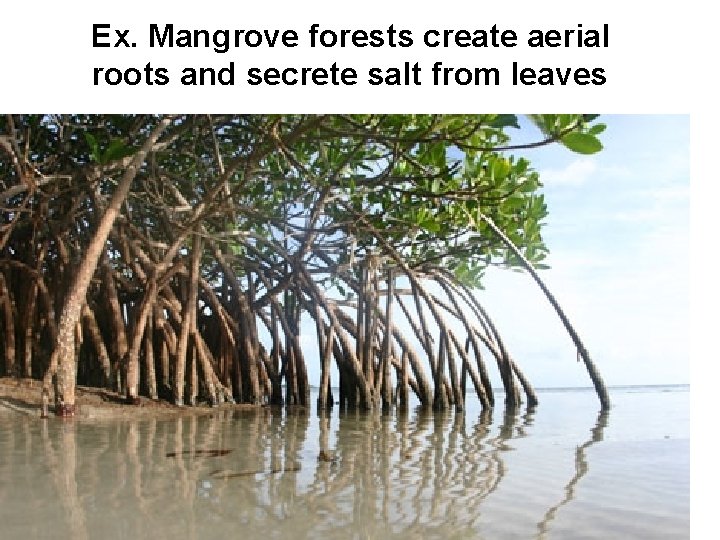
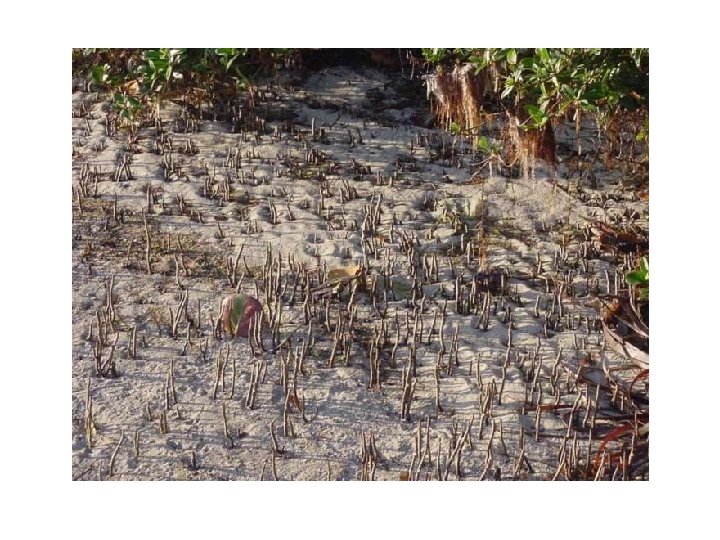
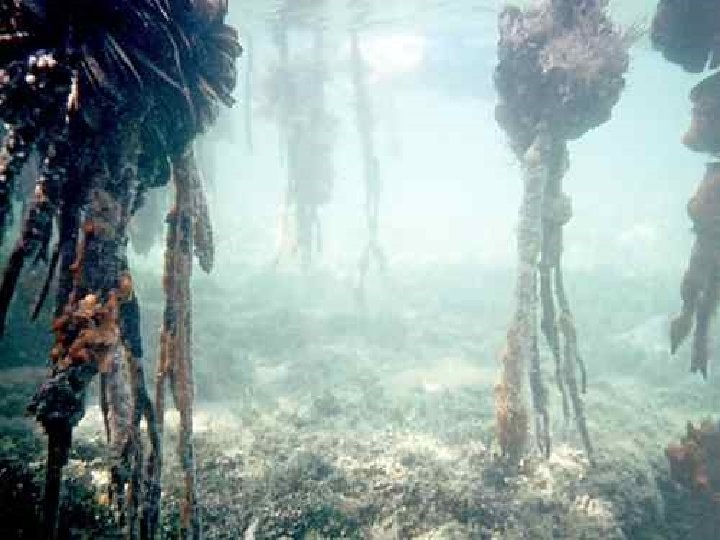
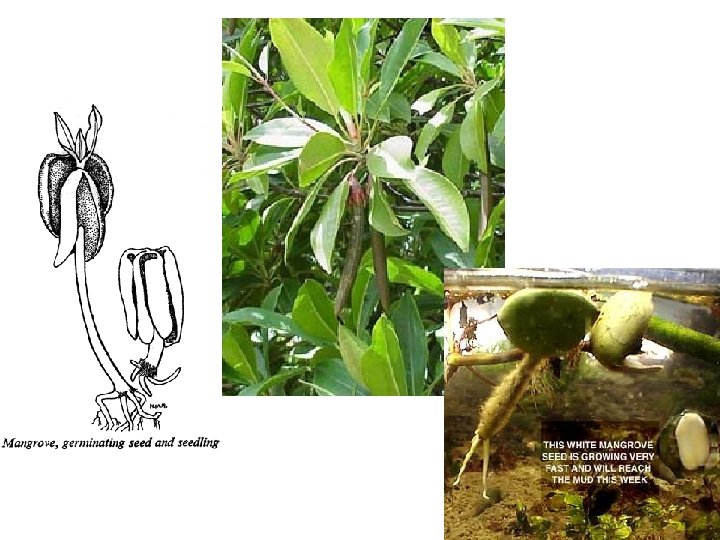
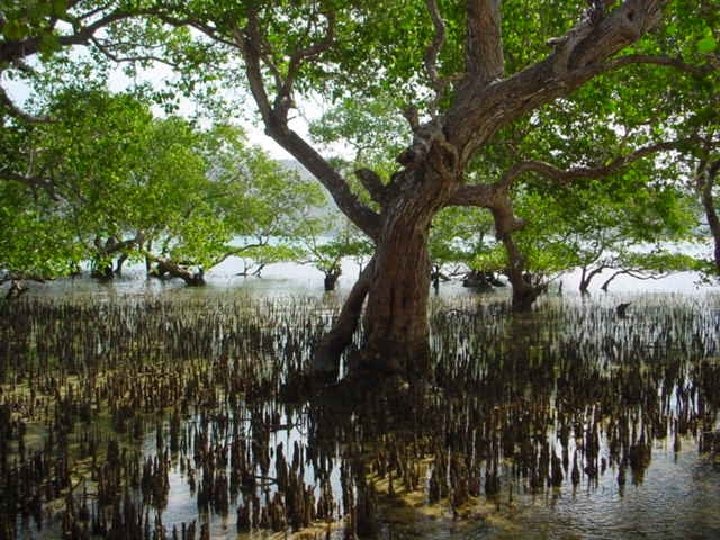
Ex. Mangrove forests create aerial roots and secrete salt from leaves
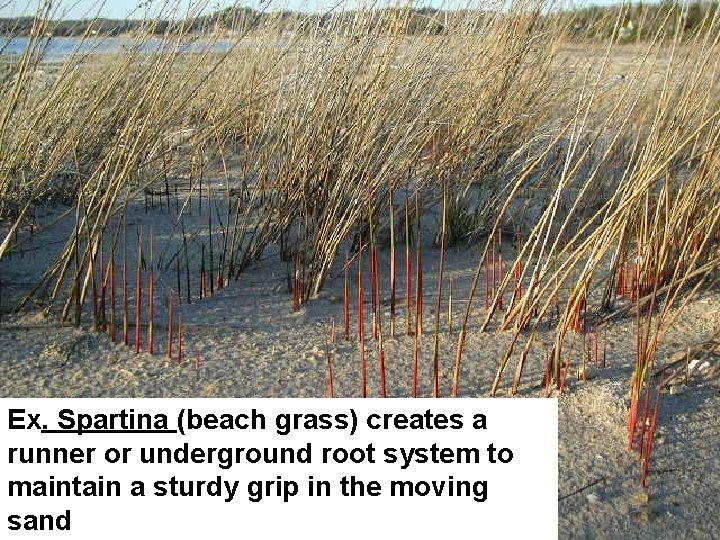
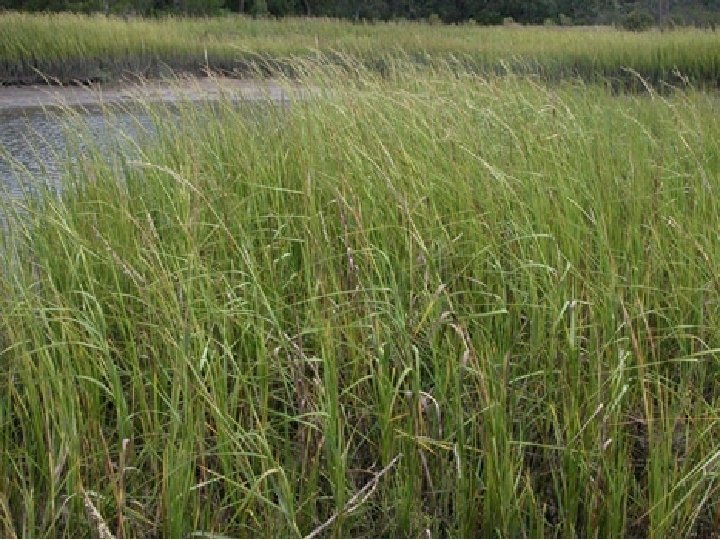
Ex. Spartina (beach grass) creates a runner or underground root system to maintain a sturdy grip in the moving sand
EEL GRASS
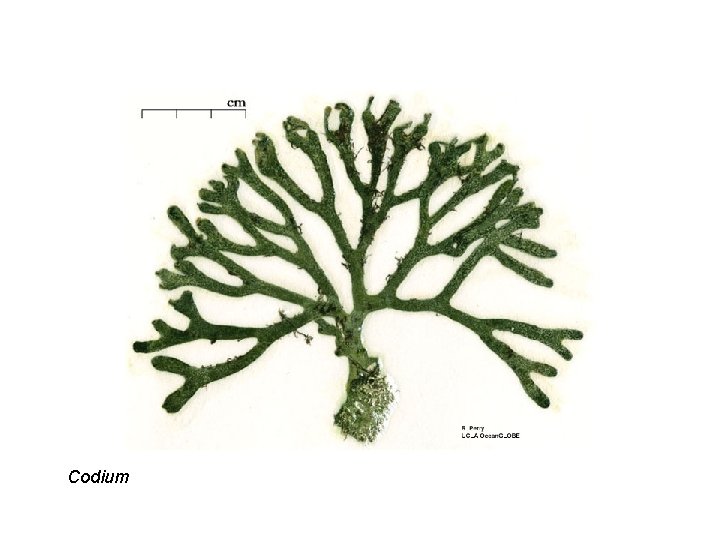
Codium
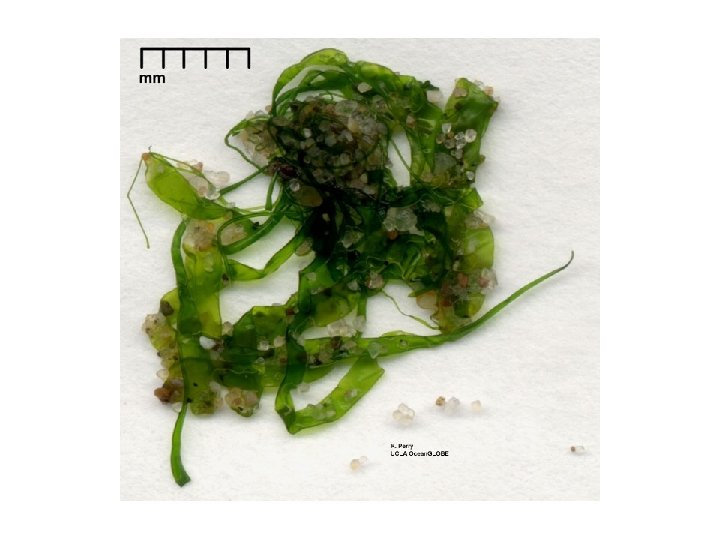
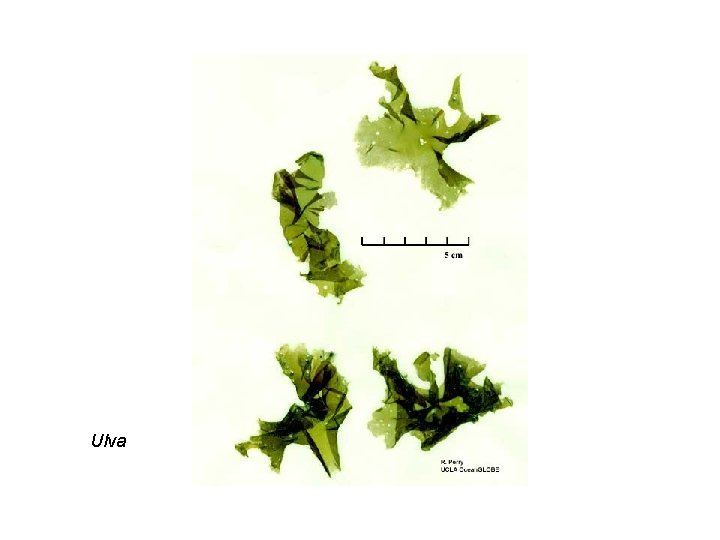
Ulva
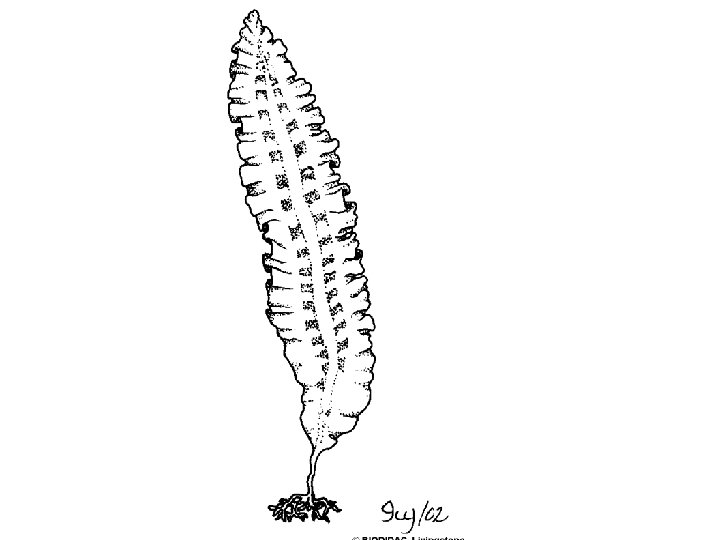
Kelp
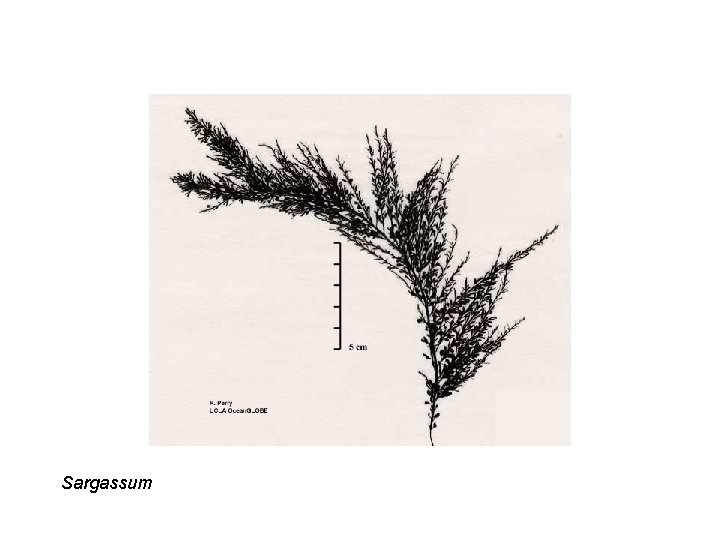
Sargassum
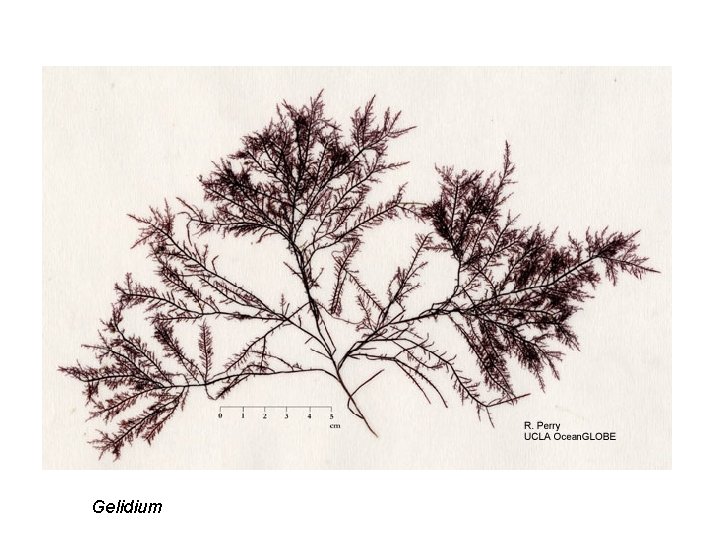
Gelidium
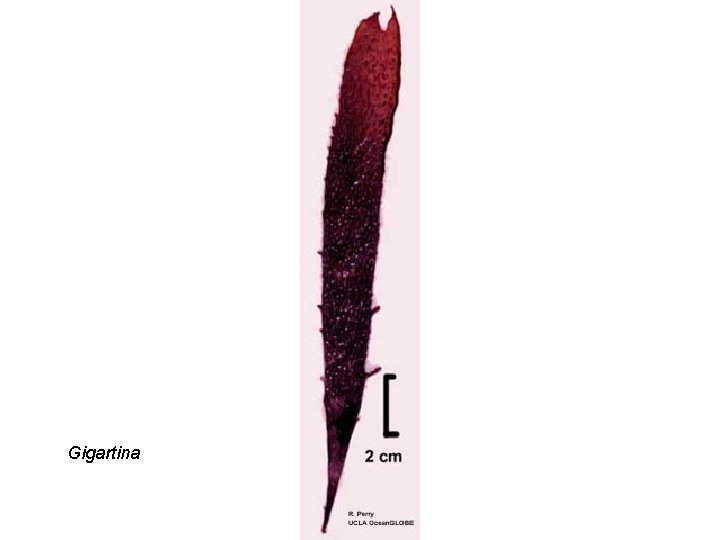
Gigartina
Common Seaweeds of Long Island • Sea lettuce (Ulva Lactuca)
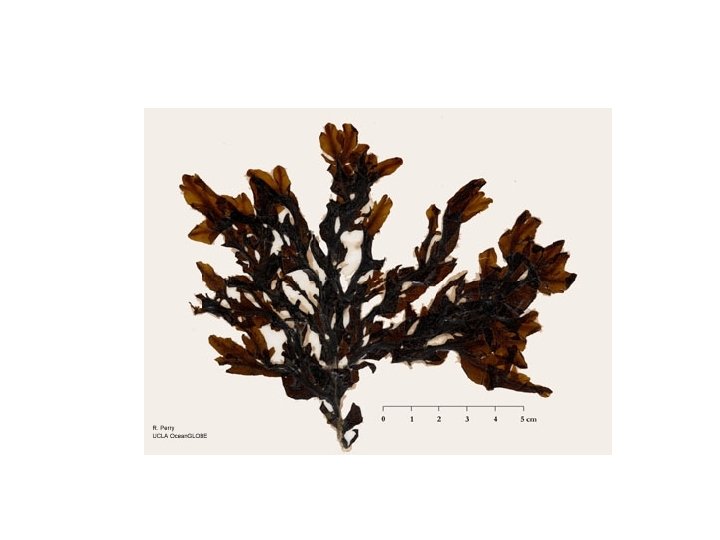
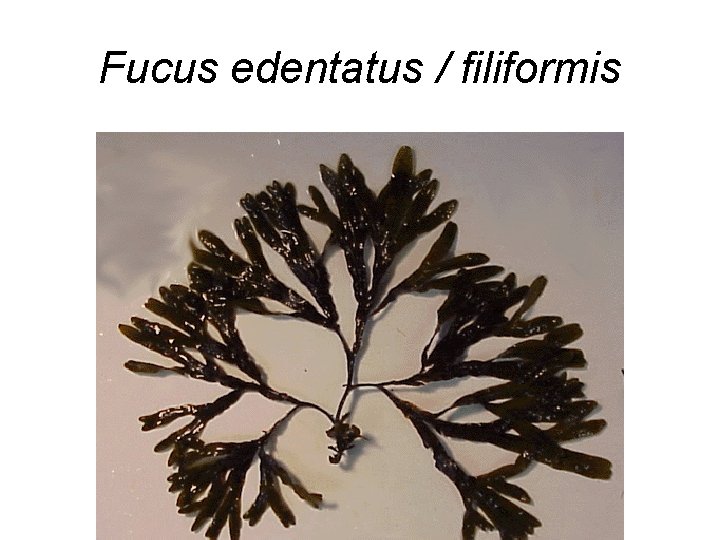
Fucus edentatus / filiformis
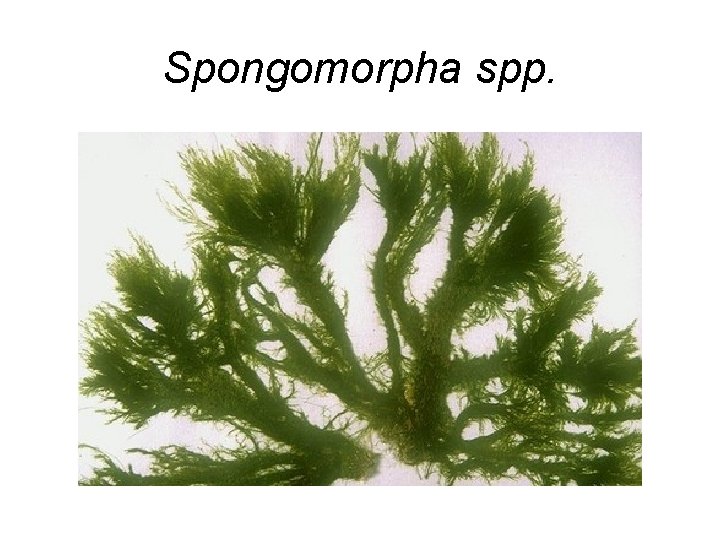
Spongomorpha spp.
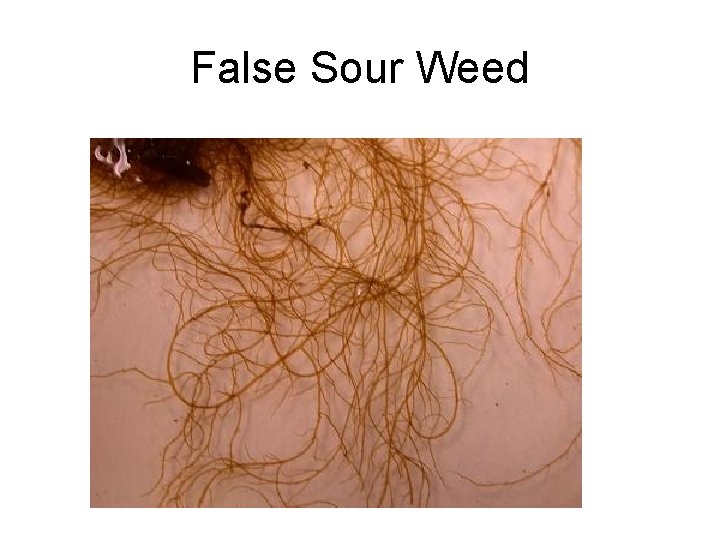
False Sour Weed
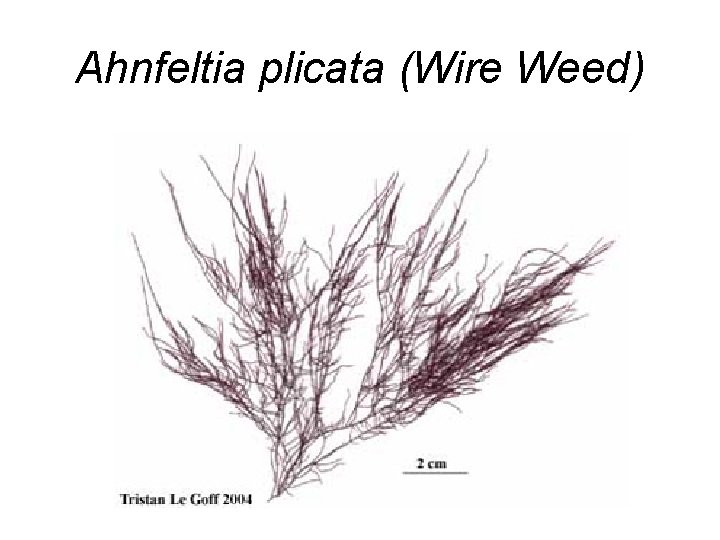
Ahnfeltia plicata (Wire Weed)
Plant (Eel Grass)
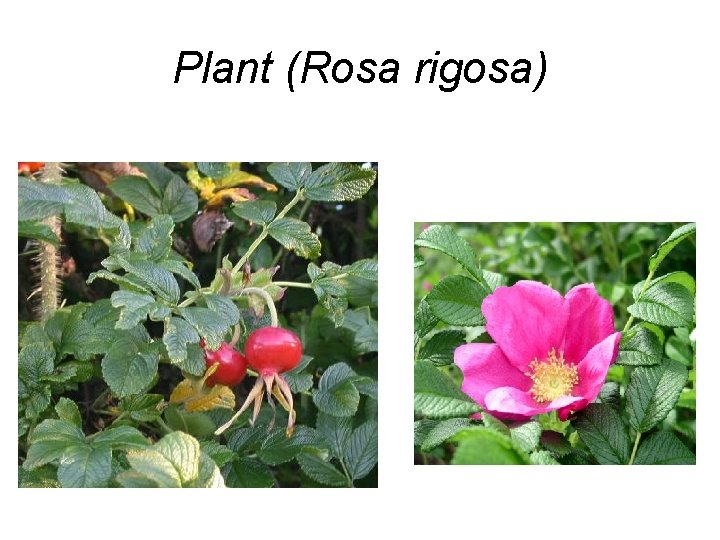
Plant (Rosa rigosa)
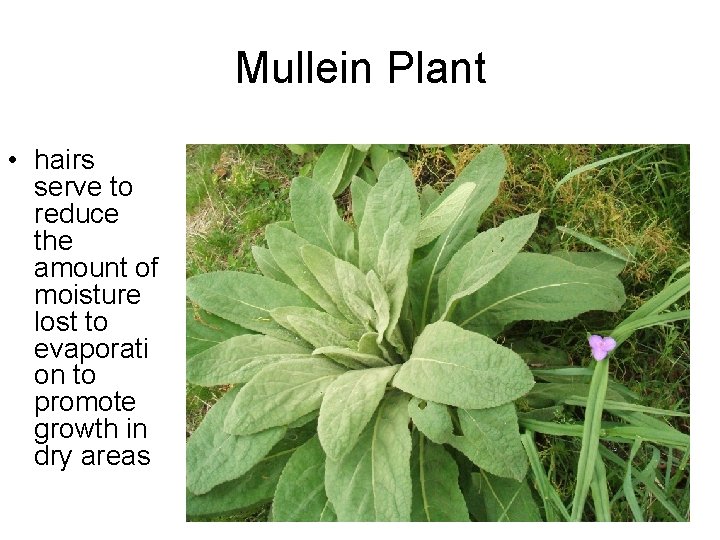
Mullein Plant • hairs serve to reduce the amount of moisture lost to evaporati on to promote growth in dry areas
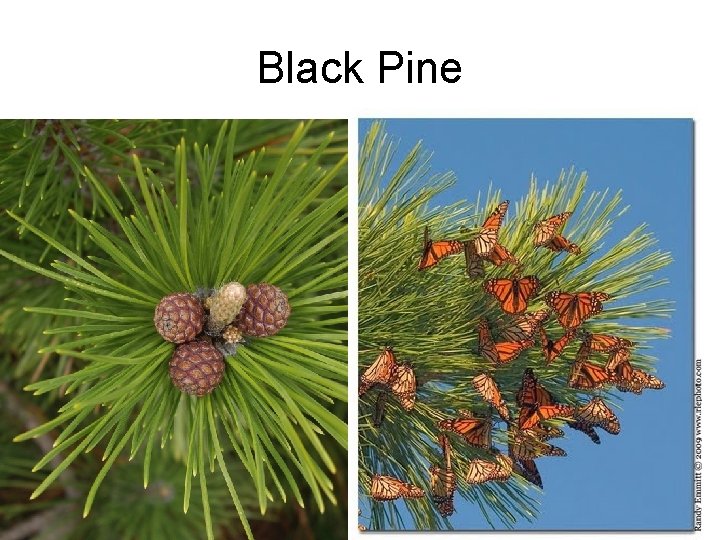
Black Pine
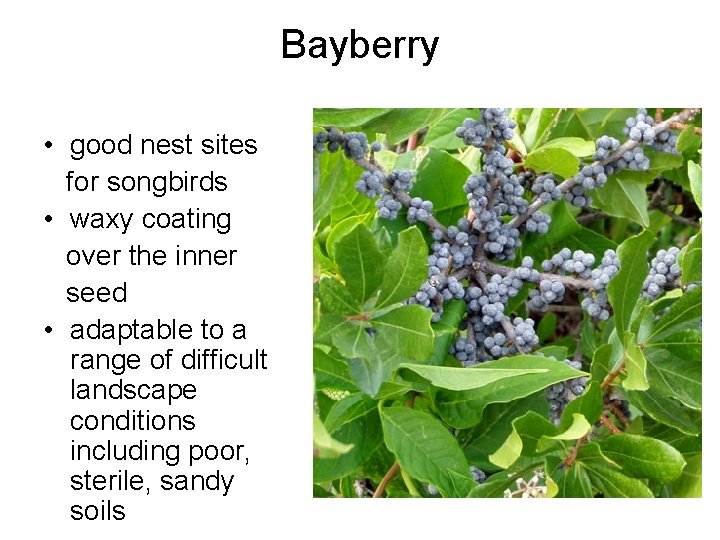
Bayberry • good nest sites for songbirds • waxy coating over the inner seed • adaptable to a range of difficult landscape conditions including poor, sterile, sandy soils