
Types of Biomolecules Carbohydrates Lipids Proteins Nucleic Acids
Types of Biomolecules Carbohydrates Lipids Proteins Nucleic Acids Biological molecules 1
Carbohydrates n Carbohydrate means “hydrated” carbon n Comprising elements C, H, O n Hydrogen and Oxygen are in a ratio of 2: 1 n Can be simple monomers like glucose n Can be complex polymers like cellulose Biological molecules 2
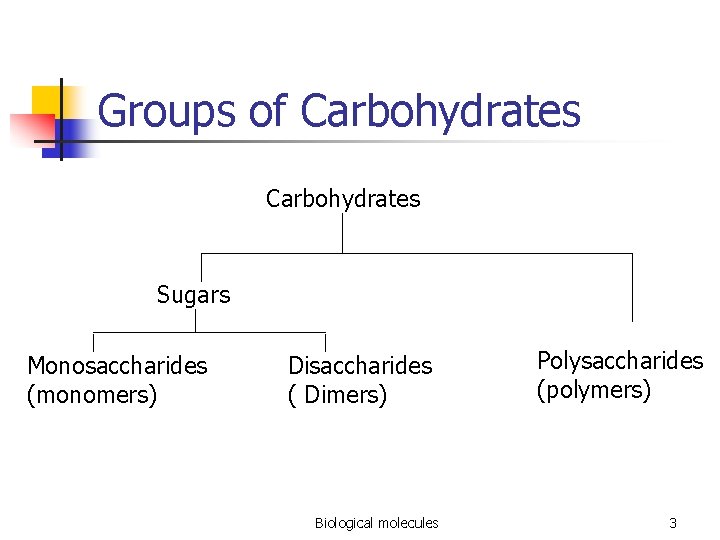
Groups of Carbohydrates Sugars Monosaccharides (monomers) Disaccharides ( Dimers) Biological molecules Polysaccharides (polymers) 3
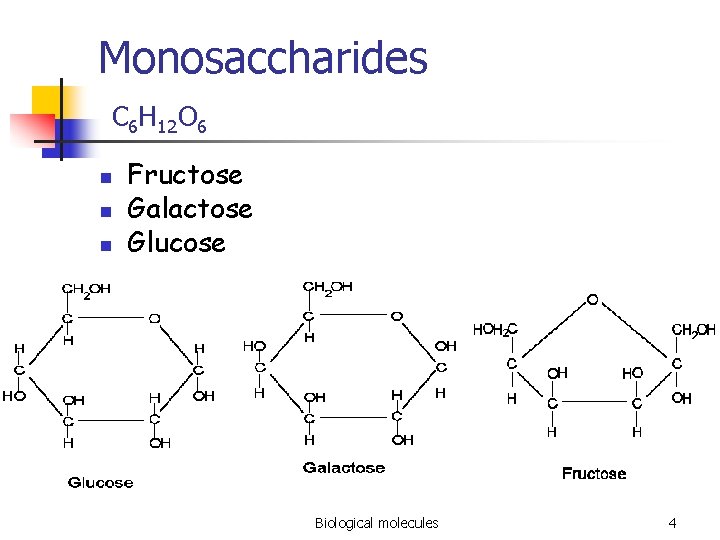
Monosaccharides C 6 H 12 O 6 n n n Fructose Galactose Glucose Biological molecules 4
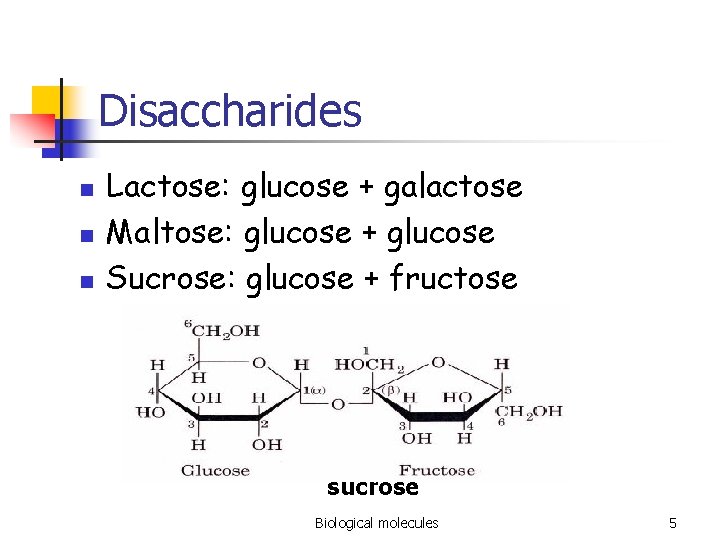
Disaccharides n n n Lactose: glucose + galactose Maltose: glucose + glucose Sucrose: glucose + fructose sucrose Biological molecules 5
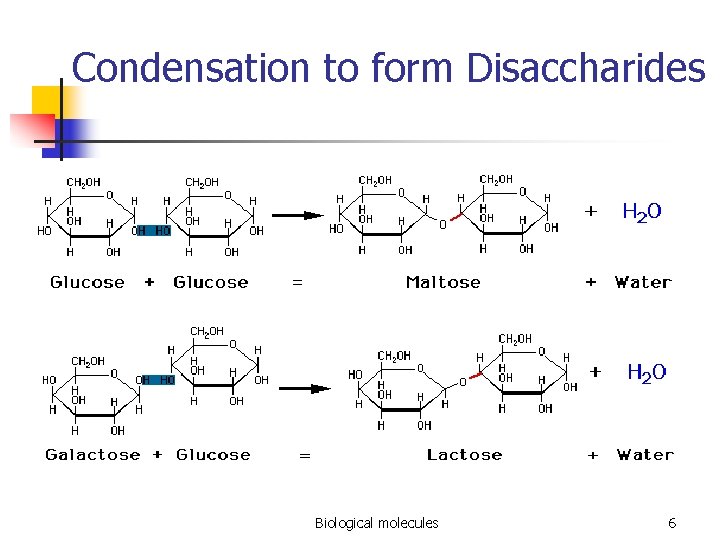
Condensation to form Disaccharides Biological molecules 6
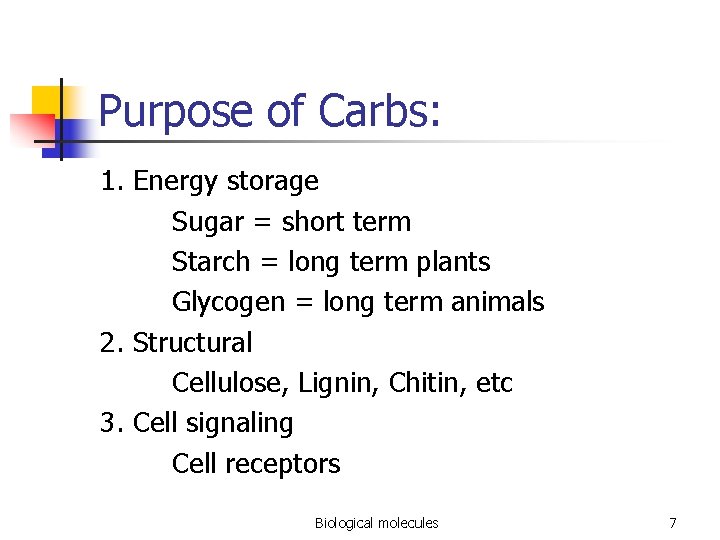
Purpose of Carbs: 1. Energy storage Sugar = short term Starch = long term plants Glycogen = long term animals 2. Structural Cellulose, Lignin, Chitin, etc 3. Cell signaling Cell receptors Biological molecules 7
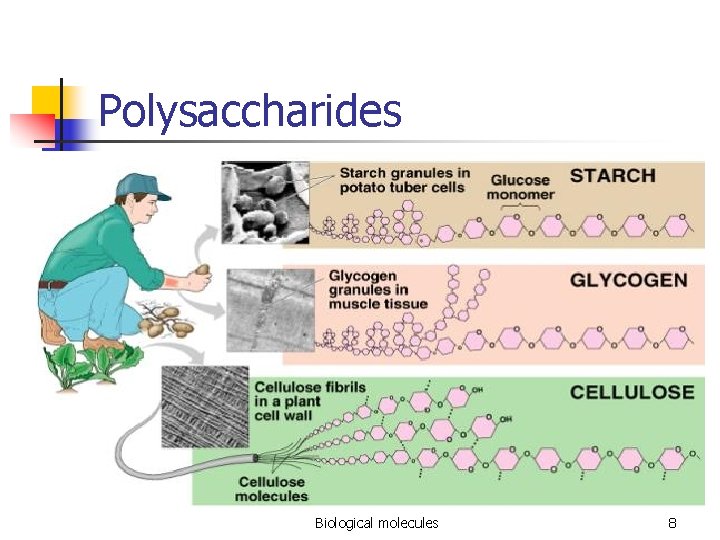
Polysaccharides Biological molecules 8
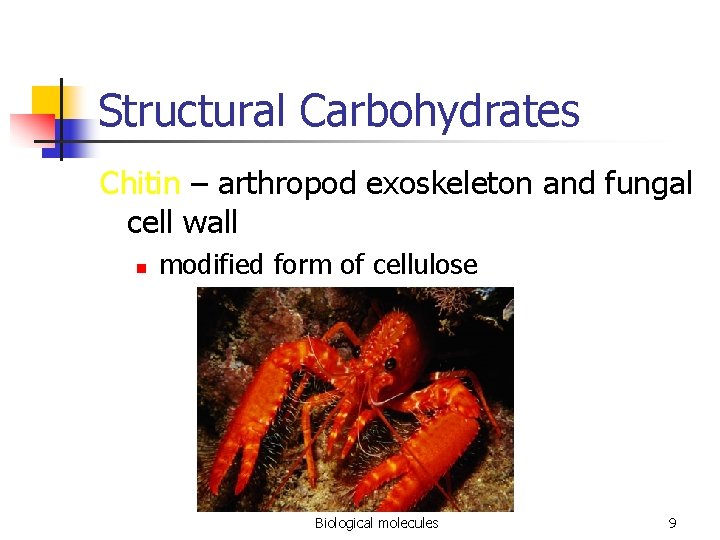
Structural Carbohydrates Chitin – arthropod exoskeleton and fungal cell wall n modified form of cellulose Biological molecules 9
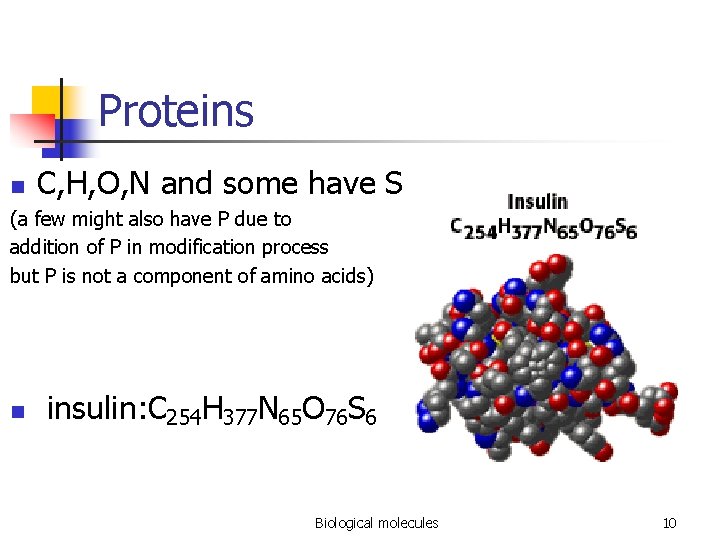
Proteins n C, H, O, N and some have S (a few might also have P due to addition of P in modification process but P is not a component of amino acids) n insulin: C 254 H 377 N 65 O 76 S 6 Biological molecules 10
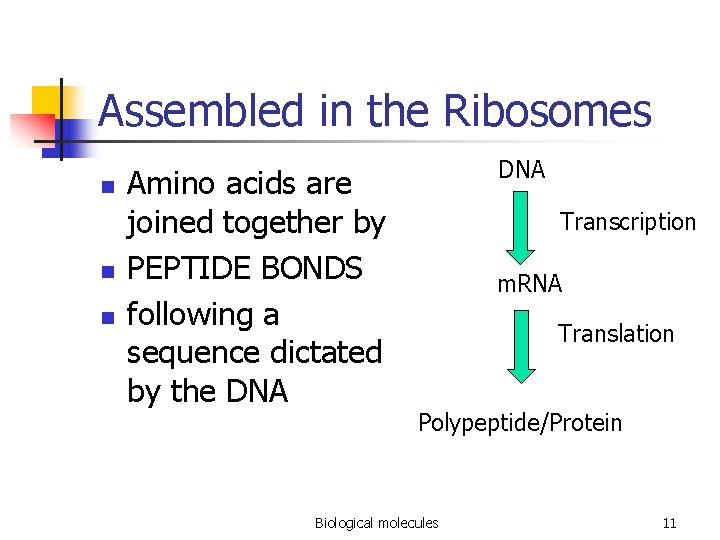
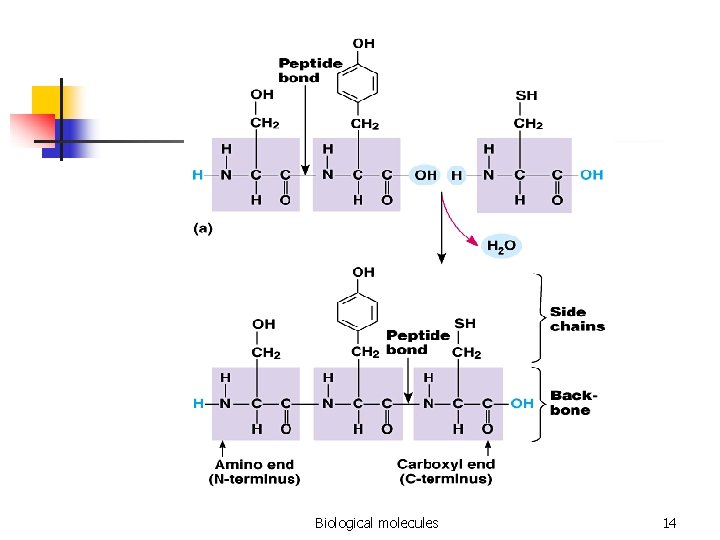
Assembled in the Ribosomes n n n Amino acids are joined together by PEPTIDE BONDS following a sequence dictated by the DNA Transcription m. RNA Translation Polypeptide/Protein Biological molecules 11
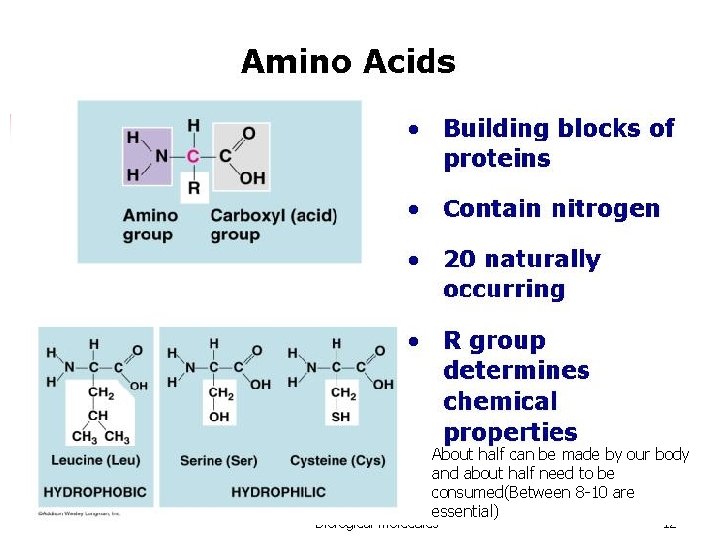
About half can be made by our body and about half need to be consumed(Between 8 -10 are essential) Biological molecules 12
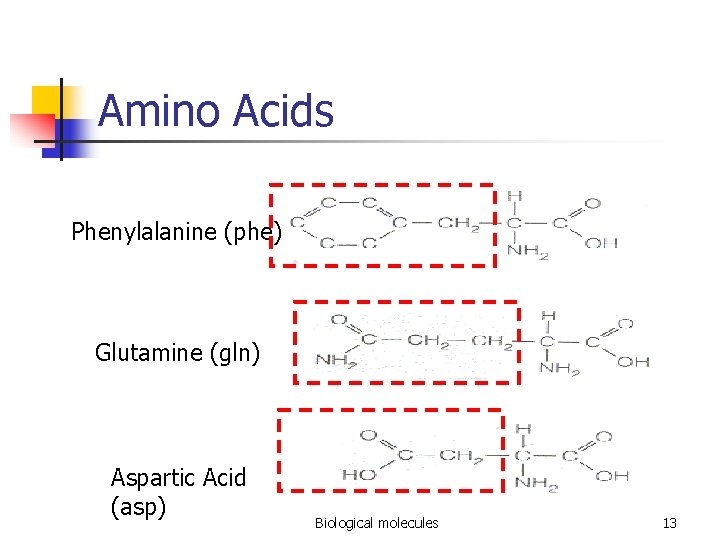
Amino Acids Phenylalanine (phe) Glutamine (gln) Aspartic Acid (asp) Biological molecules 13
Biological molecules 14
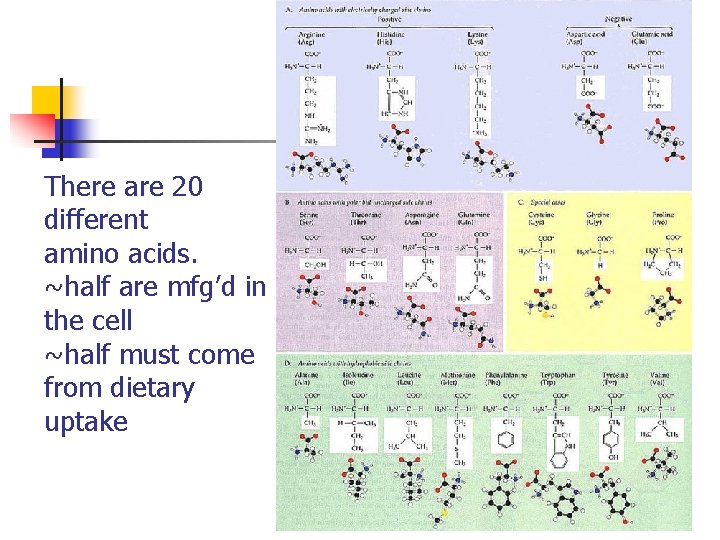
There are 20 different amino acids. ~half are mfg’d in the cell ~half must come from dietary uptake Biological molecules 15
Folding of polypeptides to form proteins Shape or 3 D architecture of a protein is important because n This determines how they interact with other molecules n This determines their particular function You have >100, 000 different protein types (each uniquely-shaped). Some say 200, 000. n Biological molecules 16
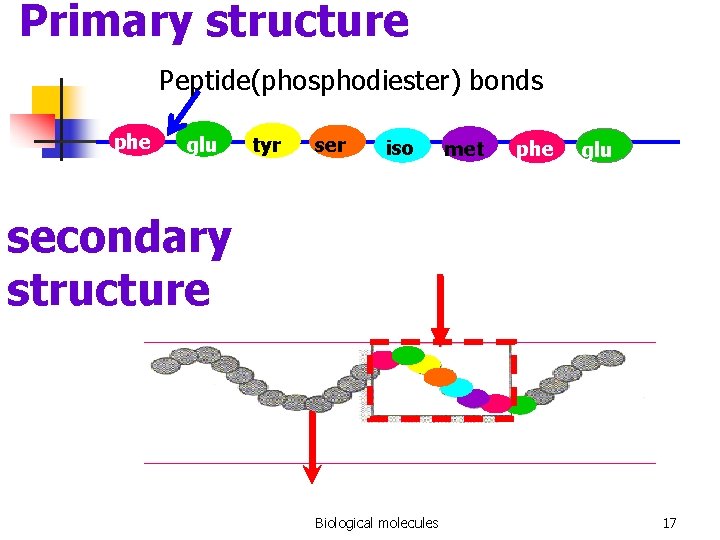
Primary structure Peptide(phosphodiester) bonds phe glu tyr ser iso met phe glu secondary structure Biological molecules 17
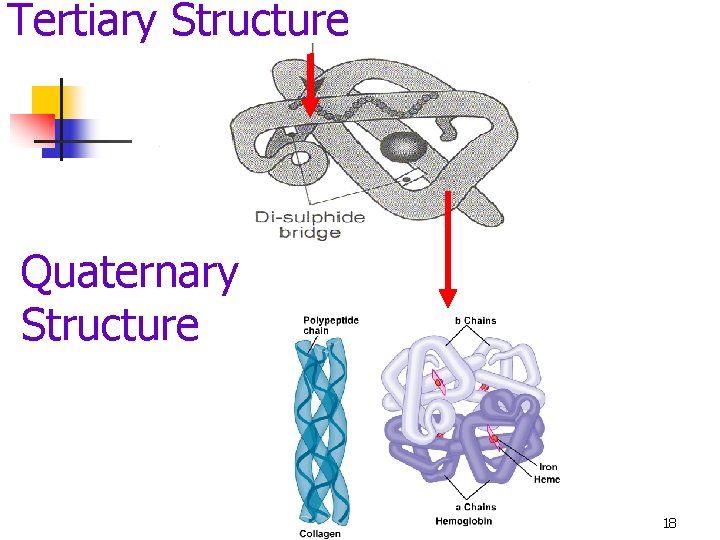
Tertiary Structure Quaternary Structure Biological molecules 18
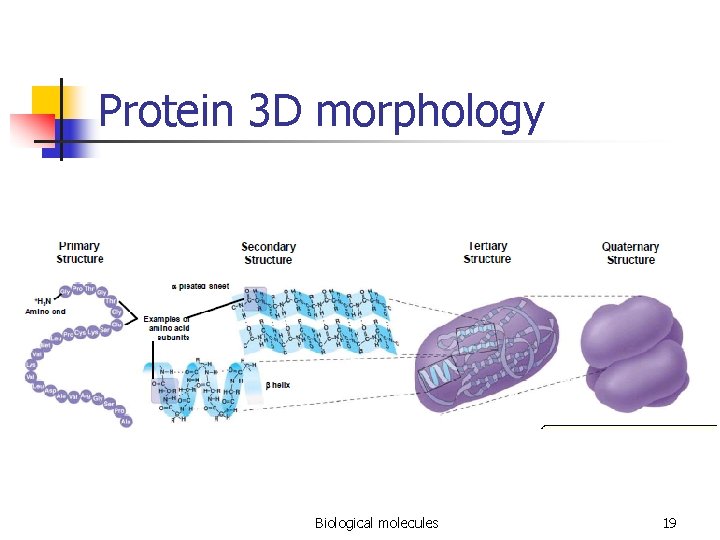
Protein 3 D morphology Biological molecules 19
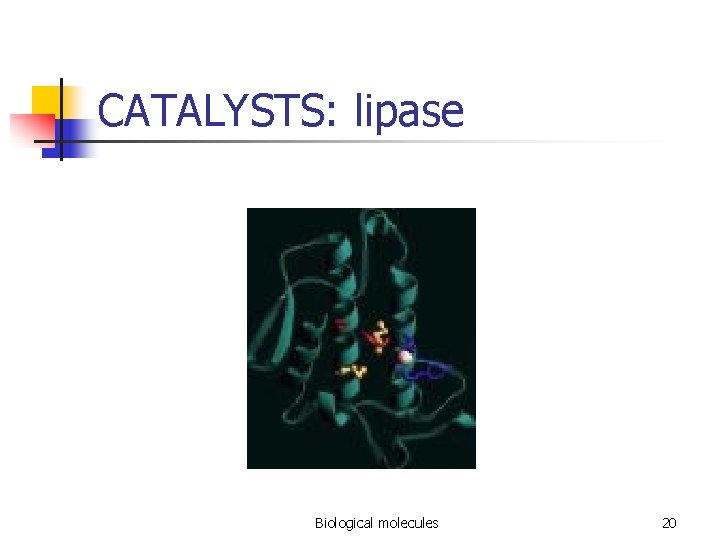
CATALYSTS: lipase Biological molecules 20
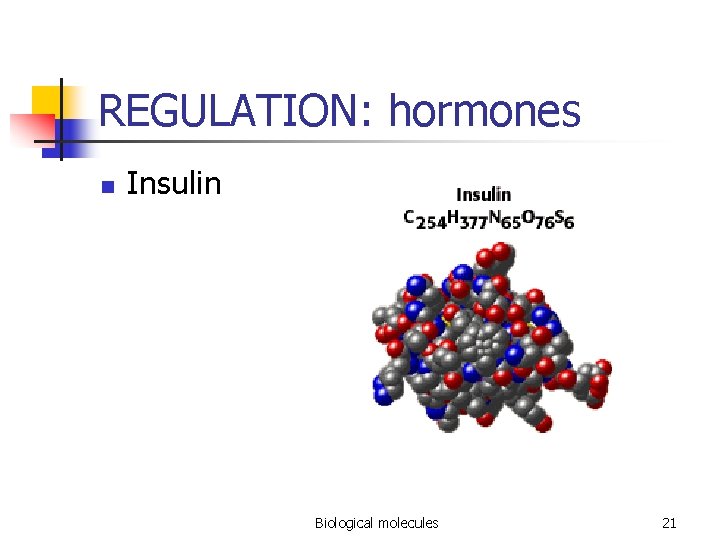
REGULATION: hormones n Insulin Biological molecules 21
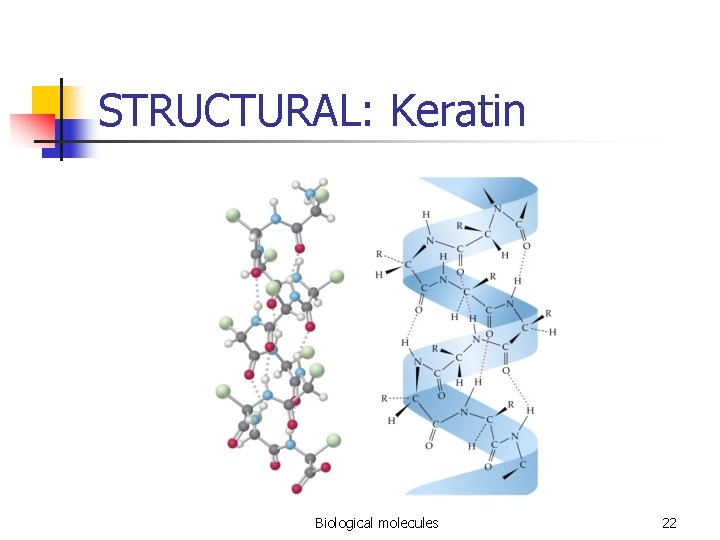
STRUCTURAL: Keratin Biological molecules 22
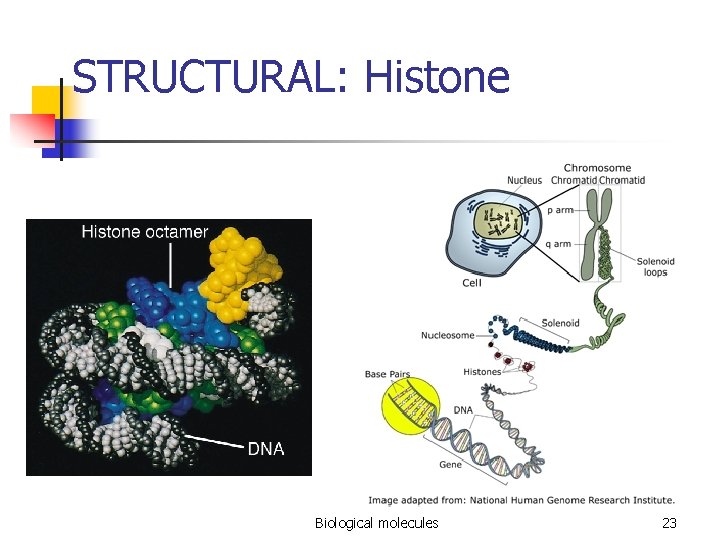
STRUCTURAL: Histone Biological molecules 23
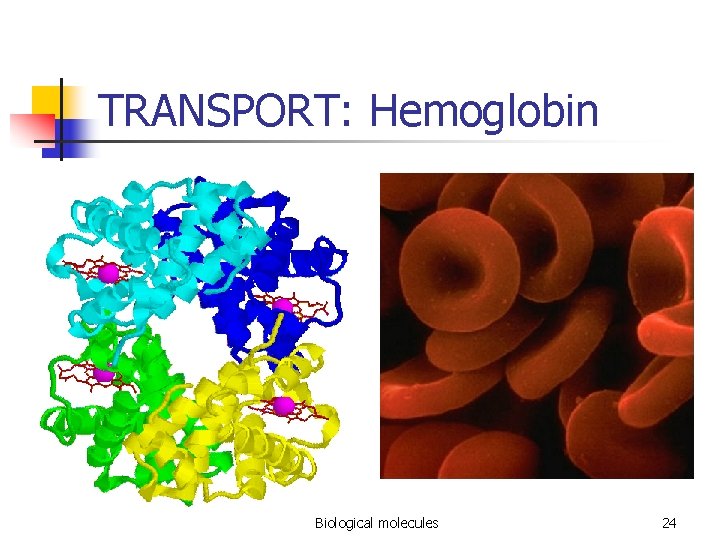
TRANSPORT: Hemoglobin Biological molecules 24
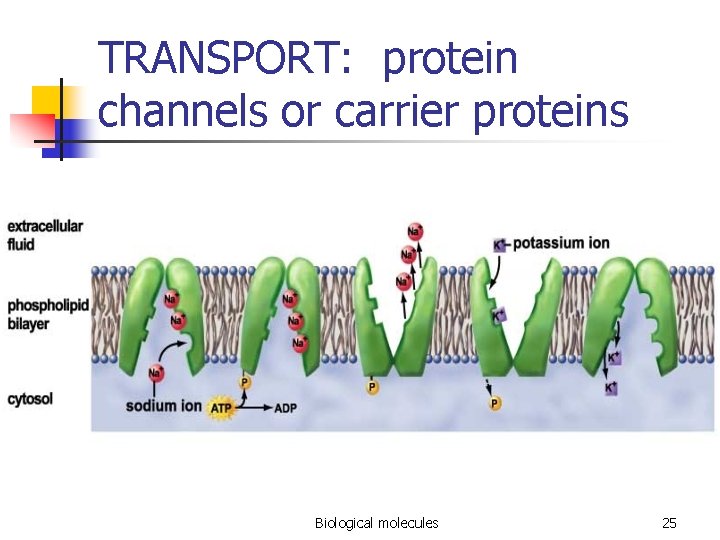
TRANSPORT: protein channels or carrier proteins Biological molecules 25
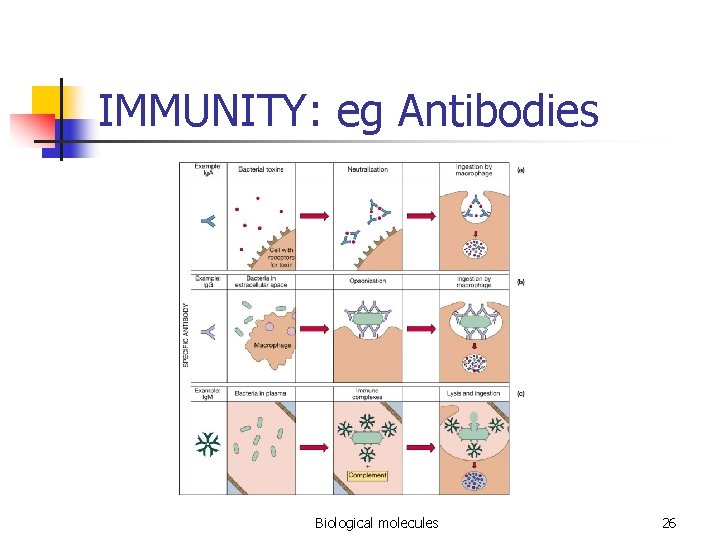
IMMUNITY: eg Antibodies Biological molecules 26
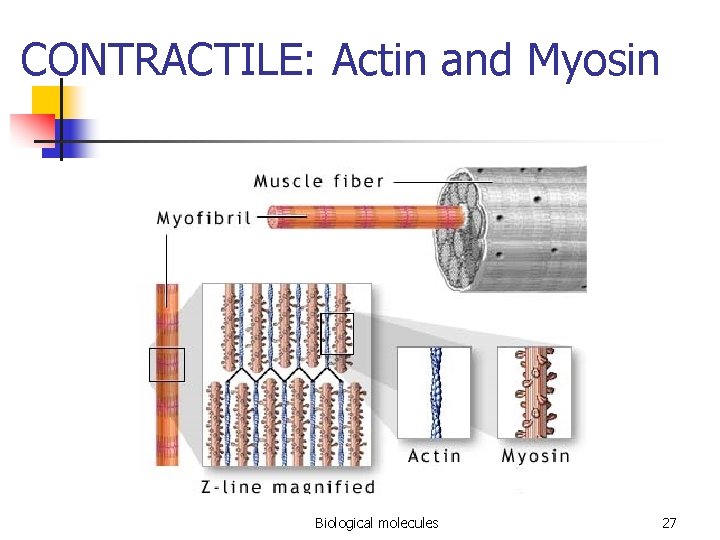
CONTRACTILE: Actin and Myosin Biological molecules 27
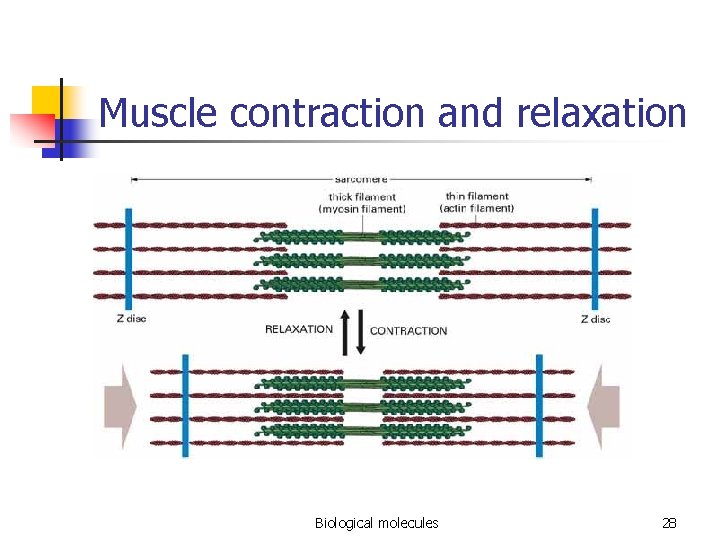
Muscle contraction and relaxation Biological molecules 28
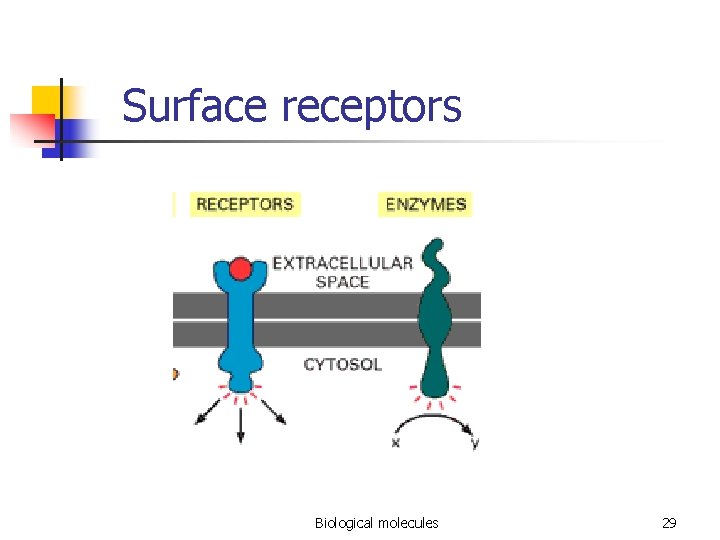
Surface receptors Biological molecules 29
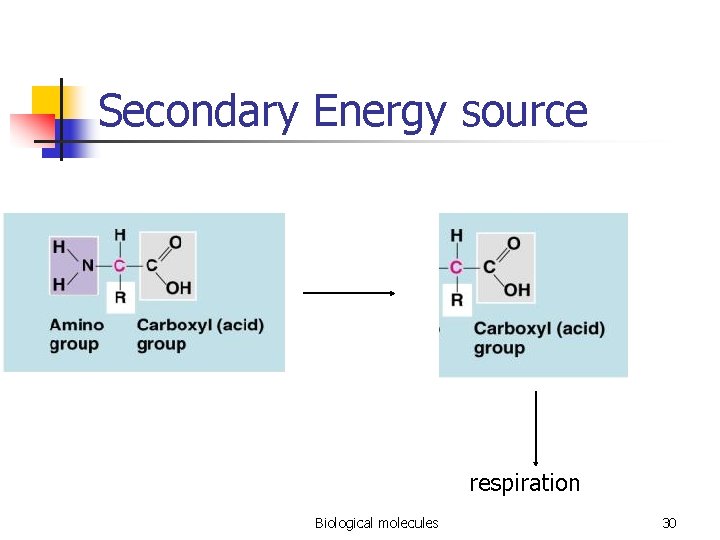
Secondary Energy source respiration Biological molecules 30
Lipids n n n Comprising elements C, H, O Lipids are loosely defined as groups of organic molecules that are insoluble in water. Their chemical formula vary considerably. Include: n n n n fats oils Waxes Phospholipids steroids: sex hormones and cholesterol some vitamins glycolipids (lipids with carbohydrates attached) Biological molecules 31
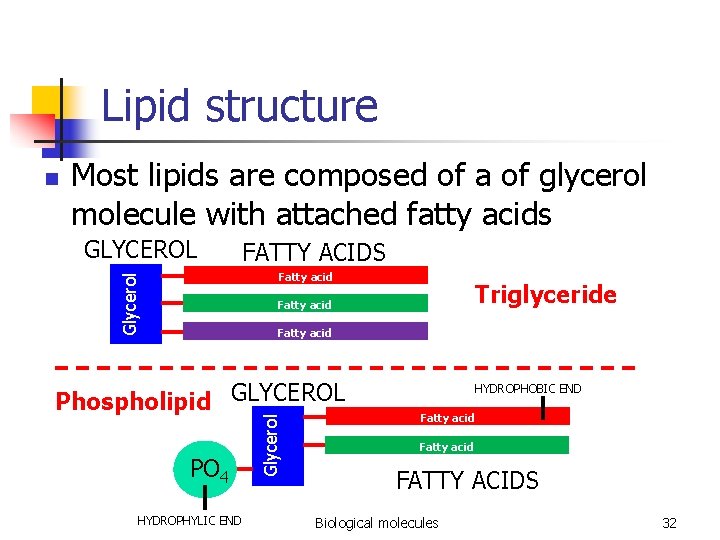
Lipid structure n Most lipids are composed of a of glycerol molecule with attached fatty acids GLYCEROL FATTY ACIDS Glycerol Fatty acid Triglyceride Fatty acid PO 4 HYDROPHYLIC END Glycerol Phospholipid GLYCEROL HYDROPHOBIC END Fatty acid FATTY ACIDS Biological molecules 32
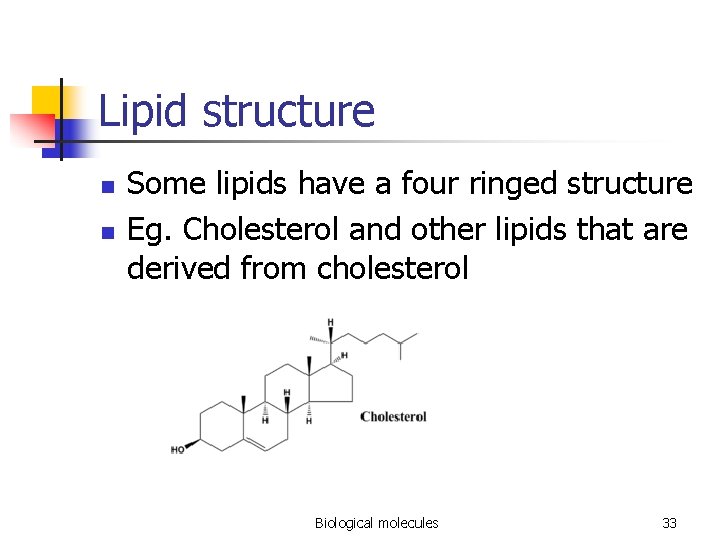
Lipid structure n n Some lipids have a four ringed structure Eg. Cholesterol and other lipids that are derived from cholesterol Biological molecules 33
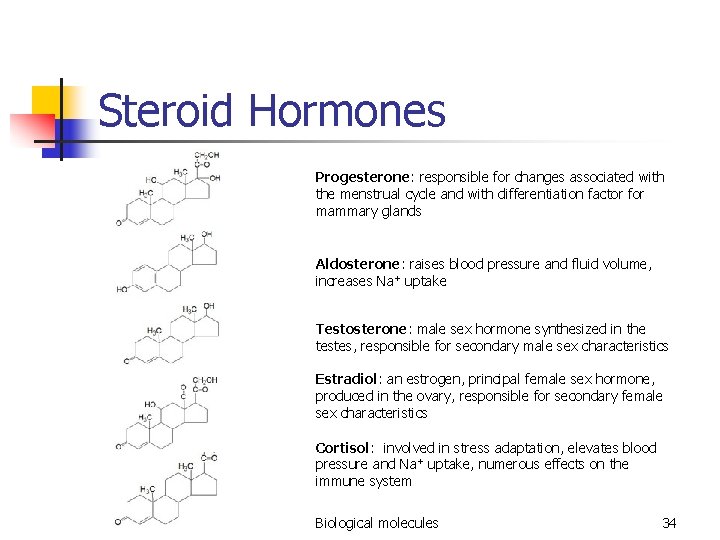
Steroid Hormones Progesterone: responsible for changes associated with the menstrual cycle and with differentiation factor for mammary glands Aldosterone: raises blood pressure and fluid volume, increases Na+ uptake Testosterone: male sex hormone synthesized in the testes, responsible for secondary male sex characteristics Estradiol: an estrogen, principal female sex hormone, produced in the ovary, responsible for secondary female sex characteristics Cortisol: involved in stress adaptation, elevates blood pressure and Na+ uptake, numerous effects on the immune system Biological molecules 34
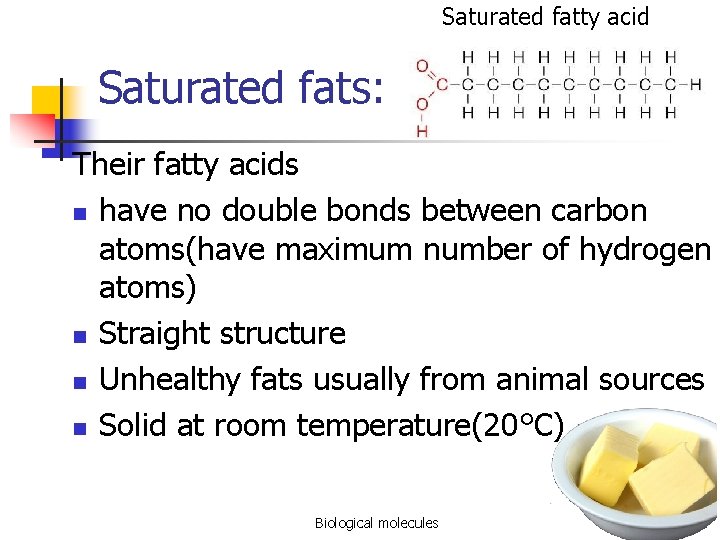
Saturated fatty acid Saturated fats: Their fatty acids n have no double bonds between carbon atoms(have maximum number of hydrogen atoms) n Straight structure n Unhealthy fats usually from animal sources n Solid at room temperature(20°C) Biological molecules 35
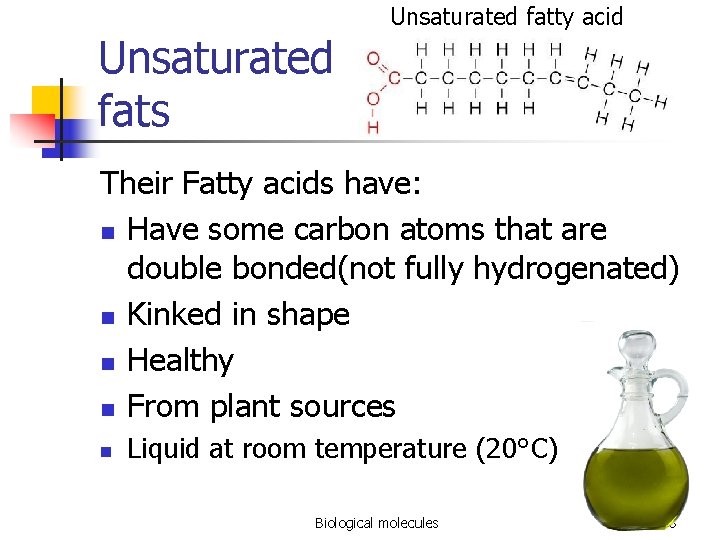
Unsaturated fats Unsaturated fatty acid Their Fatty acids have: n Have some carbon atoms that are double bonded(not fully hydrogenated) n Kinked in shape n Healthy n From plant sources n Liquid at room temperature (20°C) Biological molecules 36
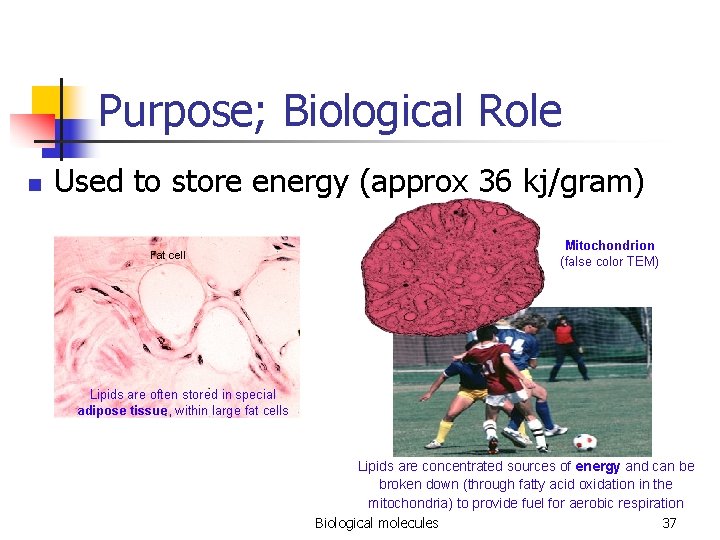
Purpose; Biological Role n Used to store energy (approx 36 kj/gram) Fat cell Mitochondrion (false color TEM) Lipids are often stored in special adipose tissue, within large fat cells Lipids are concentrated sources of energy and can be broken down (through fatty acid oxidation in the mitochondria) to provide fuel for aerobic respiration Biological molecules 37
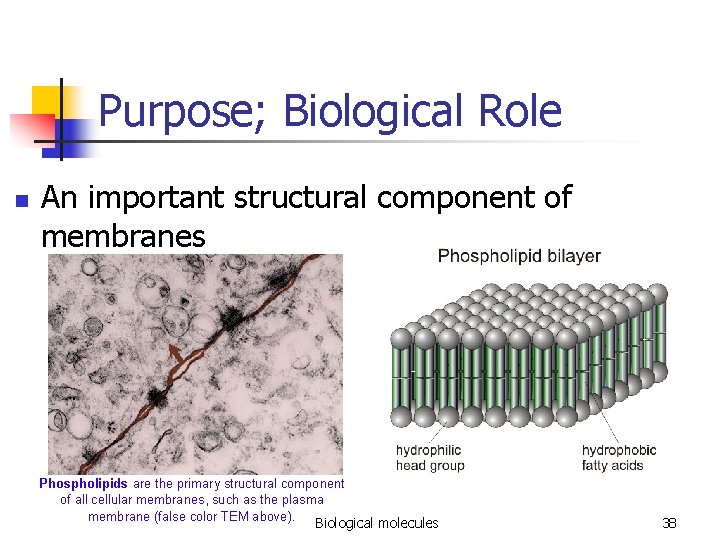
Purpose; Biological Role n An important structural component of membranes Phospholipids are the primary structural component of all cellular membranes, such as the plasma membrane (false color TEM above). Biological molecules 38
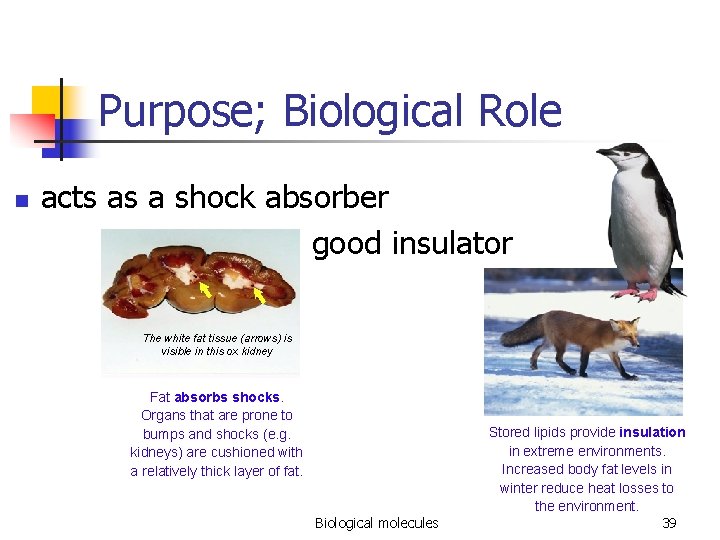
Purpose; Biological Role n acts as a shock absorber and good insulator The white fat tissue (arrows) is visible in this ox kidney Fat absorbs shocks. Organs that are prone to bumps and shocks (e. g. kidneys) are cushioned with a relatively thick layer of fat. Biological molecules Stored lipids provide insulation in extreme environments. Increased body fat levels in winter reduce heat losses to the environment. 39
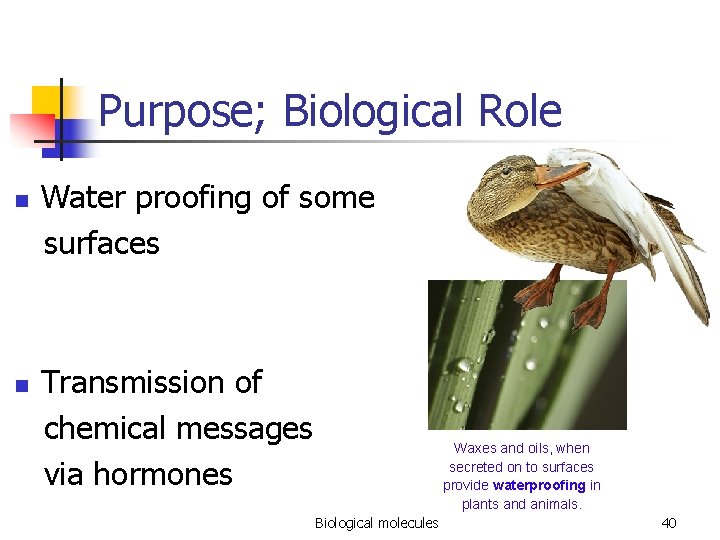
Purpose; Biological Role n n Water proofing of some surfaces Transmission of chemical messages via hormones Waxes and oils, when secreted on to surfaces provide waterproofing in plants and animals. Biological molecules 40
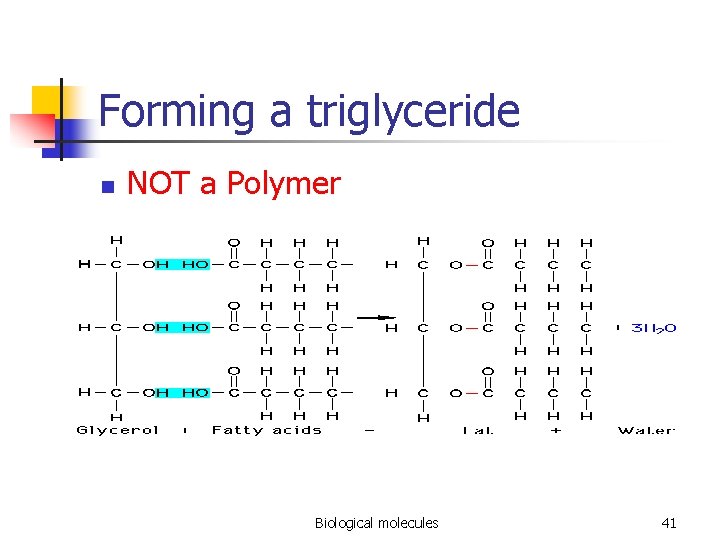
Forming a triglyceride n NOT a Polymer Biological molecules 41
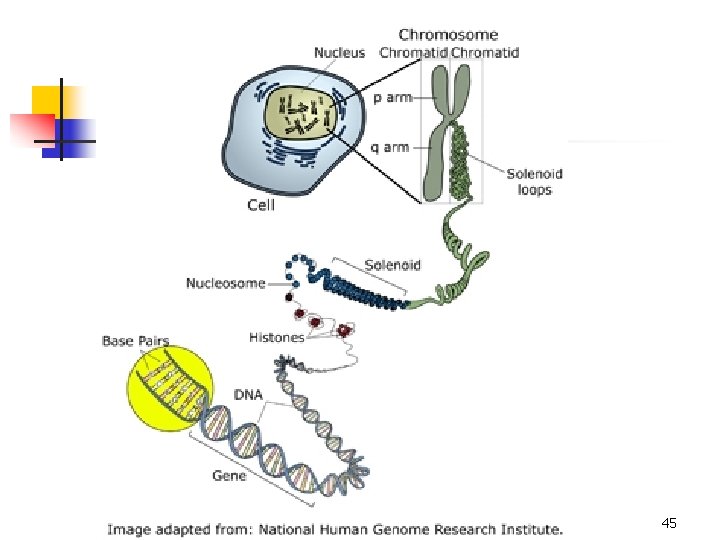
Nucleic Acids n n Comprising elements: C, H , O, P, N Deoxyribonucleic Acid (DNA) n n Encodes information used to assemble proteins. Ribonucleic Acid (RNA) n Reads DNA-encoded information to direct protein synthesis. Biological molecules 42
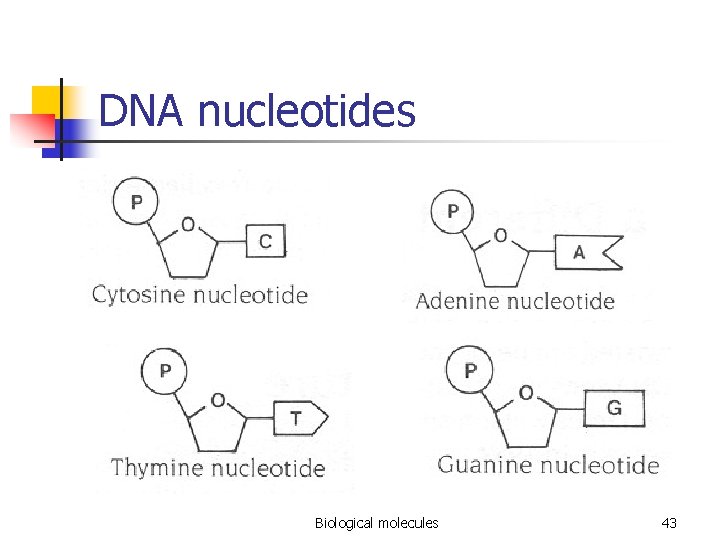
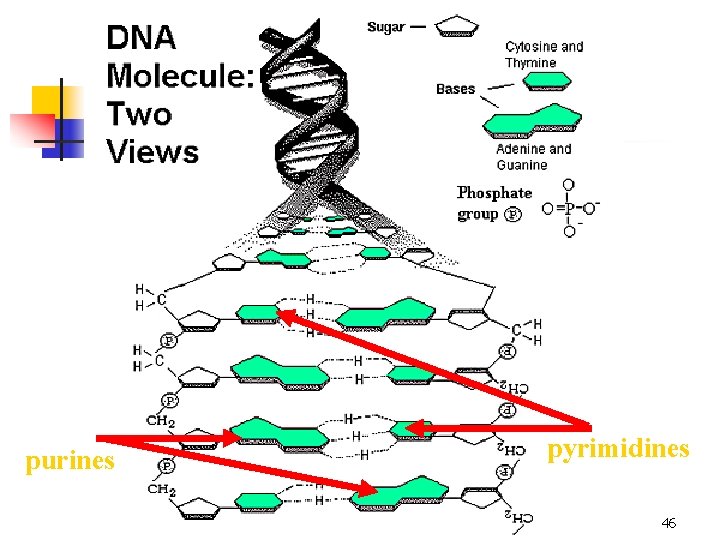
DNA nucleotides Biological molecules 43
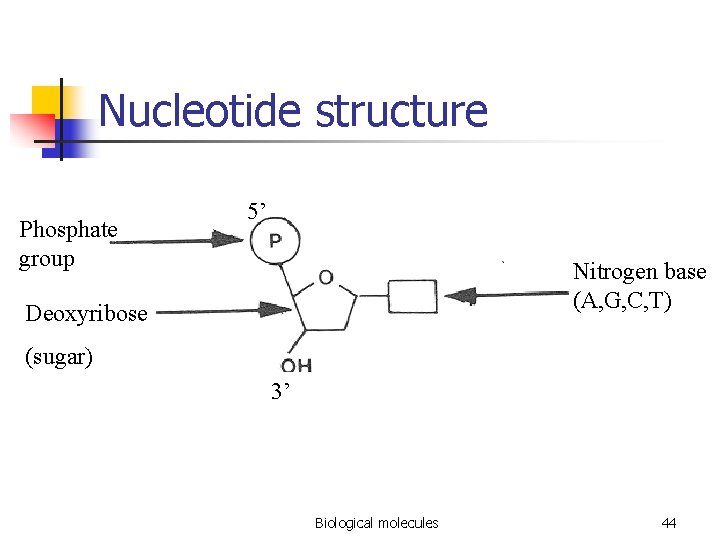
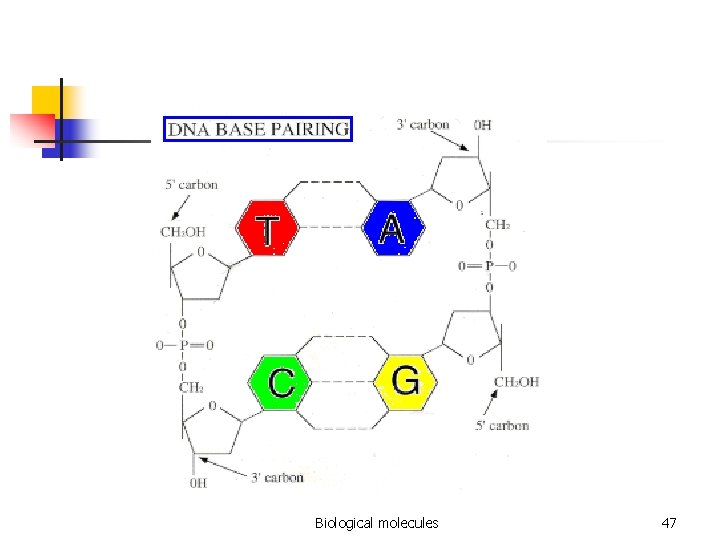
Nucleotide structure Phosphate group 5’ Nitrogen base (A, G, C, T) Deoxyribose (sugar) 3’ Biological molecules 44
Biological molecules 45
pyrimidines purines Biological molecules 46
Biological molecules 47
- Slides: 47