
Types of Biological Signals o Physiological signals temperature
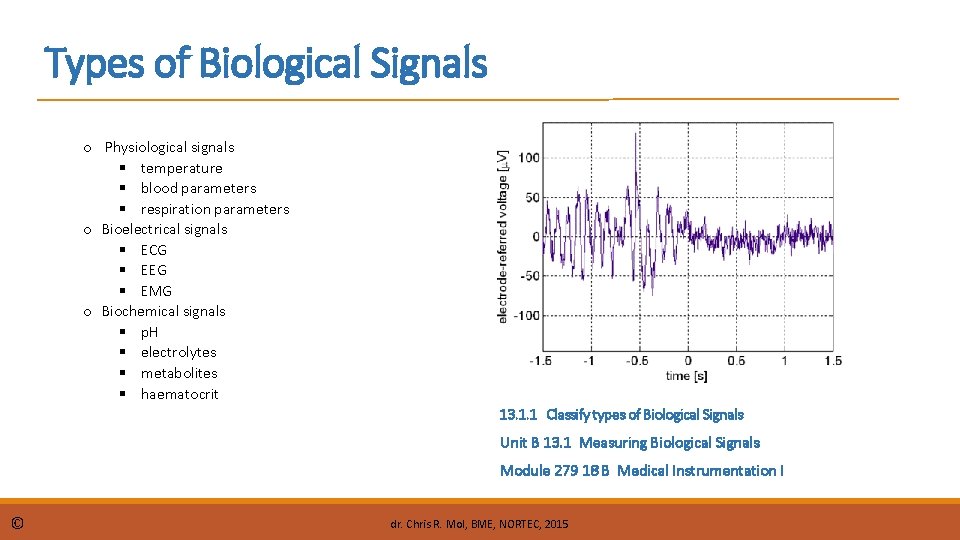
Types of Biological Signals o Physiological signals § temperature § blood parameters § respiration parameters o Bioelectrical signals § ECG § EEG § EMG o Biochemical signals § p. H § electrolytes § metabolites § haematocrit 13. 1. 1 Classify types of Biological Signals Unit B 13. 1 Measuring Biological Signals Module 279 18 B Medical Instrumentation I © dr. Chris R. Mol, BME, NORTEC, 2015
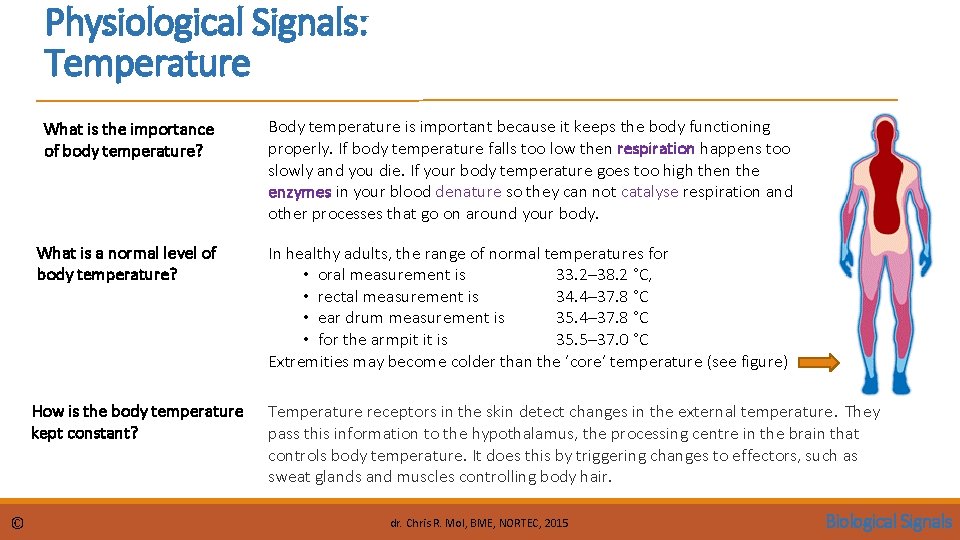
Physiological Signals: Temperature What is the importance of body temperature? Body temperature is important because it keeps the body functioning properly. If body temperature falls too low then respiration happens too slowly and you die. If your body temperature goes too high then the enzymes in your blood denature so they can not catalyse respiration and other processes that go on around your body. What is a normal level of body temperature? In healthy adults, the range of normal temperatures for • oral measurement is 33. 2– 38. 2 °C, • rectal measurement is 34. 4– 37. 8 °C • ear drum measurement is 35. 4– 37. 8 °C • for the armpit it is 35. 5– 37. 0 °C Extremities may become colder than the ‘core’ temperature (see figure) How is the body temperature kept constant? © Temperature receptors in the skin detect changes in the external temperature. They pass this information to the hypothalamus, the processing centre in the brain that controls body temperature. It does this by triggering changes to effectors, such as sweat glands and muscles controlling body hair. dr. Chris R. Mol, BME, NORTEC, 2015 Biological Signals
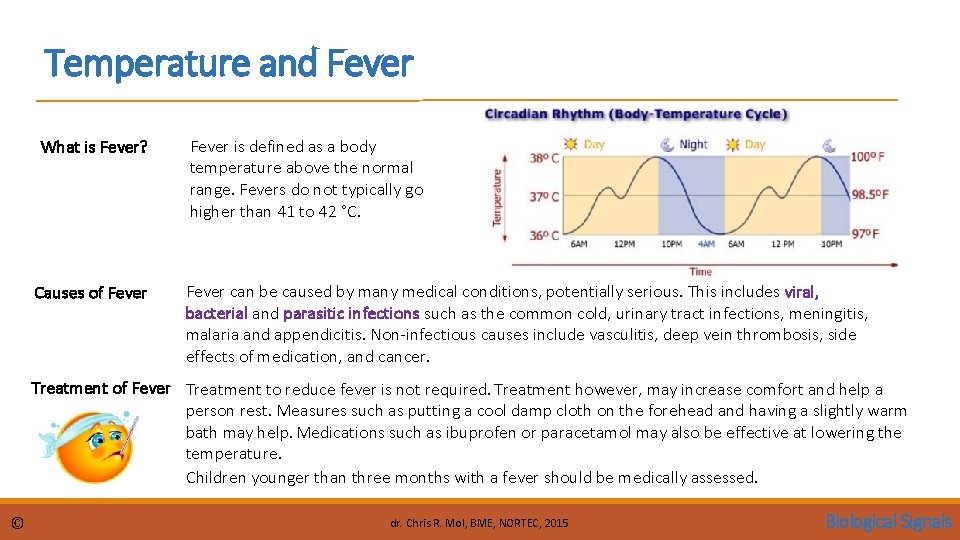
Temperature and Fever What is Fever? Causes of Fever is defined as a body temperature above the normal range. Fevers do not typically go higher than 41 to 42 °C. Fever can be caused by many medical conditions, potentially serious. This includes viral, bacterial and parasitic infections such as the common cold, urinary tract infections, meningitis, malaria and appendicitis. Non-infectious causes include vasculitis, deep vein thrombosis, side effects of medication, and cancer. Treatment of Fever Treatment to reduce fever is not required. Treatment however, may increase comfort and help a person rest. Measures such as putting a cool damp cloth on the forehead and having a slightly warm bath may help. Medications such as ibuprofen or paracetamol may also be effective at lowering the temperature. Children younger than three months with a fever should be medically assessed. © dr. Chris R. Mol, BME, NORTEC, 2015 Biological Signals
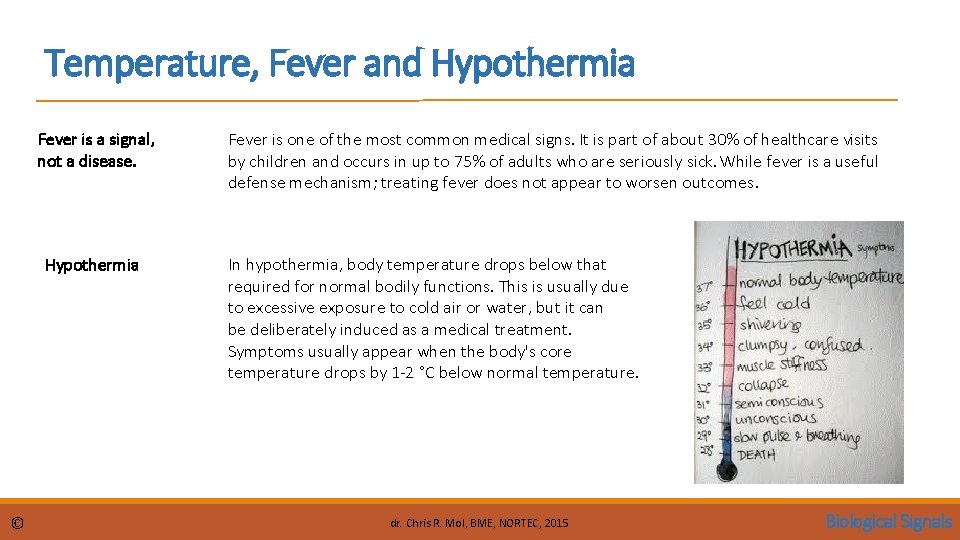
Temperature, Fever and Hypothermia Fever is a signal, not a disease. Hypothermia © Fever is one of the most common medical signs. It is part of about 30% of healthcare visits by children and occurs in up to 75% of adults who are seriously sick. While fever is a useful defense mechanism; treating fever does not appear to worsen outcomes. In hypothermia, body temperature drops below that required for normal bodily functions. This is usually due to excessive exposure to cold air or water, but it can be deliberately induced as a medical treatment. Symptoms usually appear when the body's core temperature drops by 1 -2 °C below normal temperature. dr. Chris R. Mol, BME, NORTEC, 2015 Biological Signals
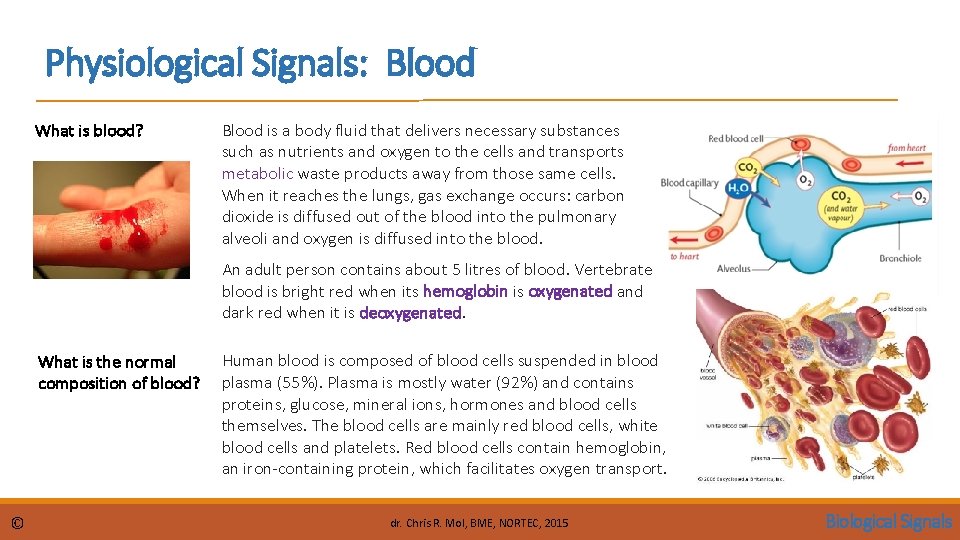
Physiological Signals: Blood What is blood? Blood is a body fluid that delivers necessary substances such as nutrients and oxygen to the cells and transports metabolic waste products away from those same cells. When it reaches the lungs, gas exchange occurs: carbon dioxide is diffused out of the blood into the pulmonary alveoli and oxygen is diffused into the blood. An adult person contains about 5 litres of blood. Vertebrate blood is bright red when its hemoglobin is oxygenated and dark red when it is deoxygenated. What is the normal composition of blood? © Human blood is composed of blood cells suspended in blood plasma (55%). Plasma is mostly water (92%) and contains proteins, glucose, mineral ions, hormones and blood cells themselves. The blood cells are mainly red blood cells, white blood cells and platelets. Red blood cells contain hemoglobin, an iron-containing protein, which facilitates oxygen transport. dr. Chris R. Mol, BME, NORTEC, 2015 Biological Signals
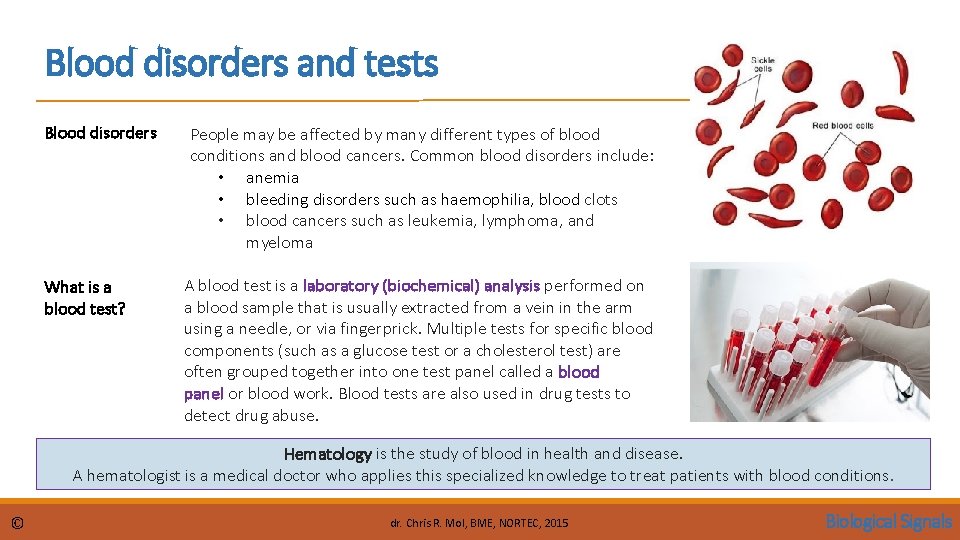
Blood disorders and tests Blood disorders What is a blood test? People may be affected by many different types of blood conditions and blood cancers. Common blood disorders include: • anemia • bleeding disorders such as haemophilia, blood clots • blood cancers such as leukemia, lymphoma, and myeloma A blood test is a laboratory (biochemical) analysis performed on a blood sample that is usually extracted from a vein in the arm using a needle, or via fingerprick. Multiple tests for specific blood components (such as a glucose test or a cholesterol test) are often grouped together into one test panel called a blood panel or blood work. Blood tests are also used in drug tests to detect drug abuse. Hematology is the study of blood in health and disease. A hematologist is a medical doctor who applies this specialized knowledge to treat patients with blood conditions. © dr. Chris R. Mol, BME, NORTEC, 2015 Biological Signals
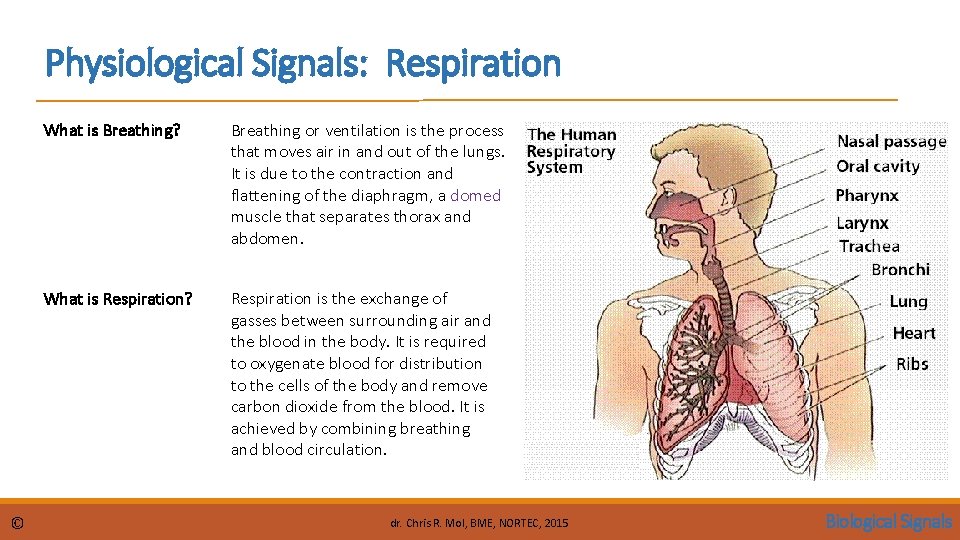
Physiological Signals: Respiration © What is Breathing? Breathing or ventilation is the process that moves air in and out of the lungs. It is due to the contraction and flattening of the diaphragm, a domed muscle that separates thorax and abdomen. What is Respiration? Respiration is the exchange of gasses between surrounding air and the blood in the body. It is required to oxygenate blood for distribution to the cells of the body and remove carbon dioxide from the blood. It is achieved by combining breathing and blood circulation. dr. Chris R. Mol, BME, NORTEC, 2015 Biological Signals
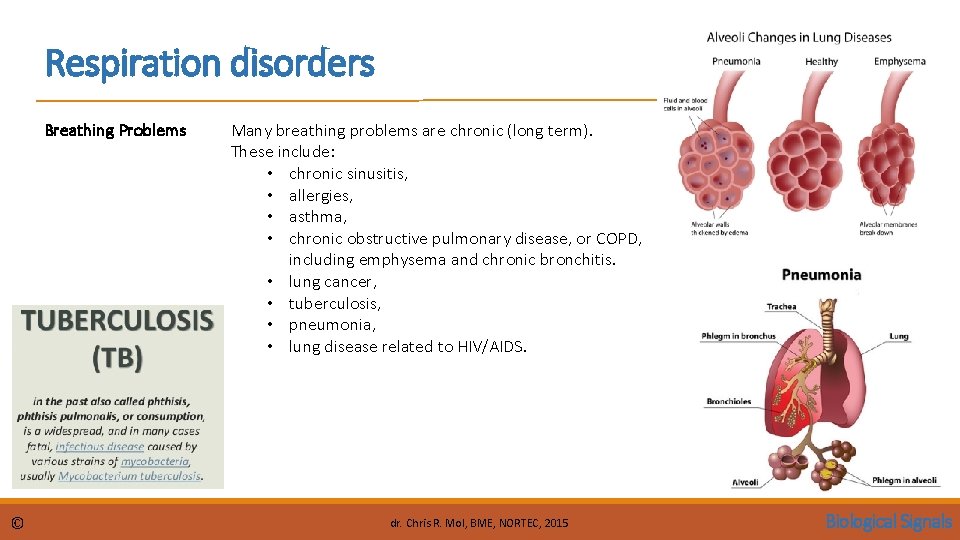
Respiration disorders Breathing Problems © Many breathing problems are chronic (long term). These include: • chronic sinusitis, • allergies, • asthma, • chronic obstructive pulmonary disease, or COPD, including emphysema and chronic bronchitis. • lung cancer, • tuberculosis, • pneumonia, • lung disease related to HIV/AIDS. dr. Chris R. Mol, BME, NORTEC, 2015 Biological Signals
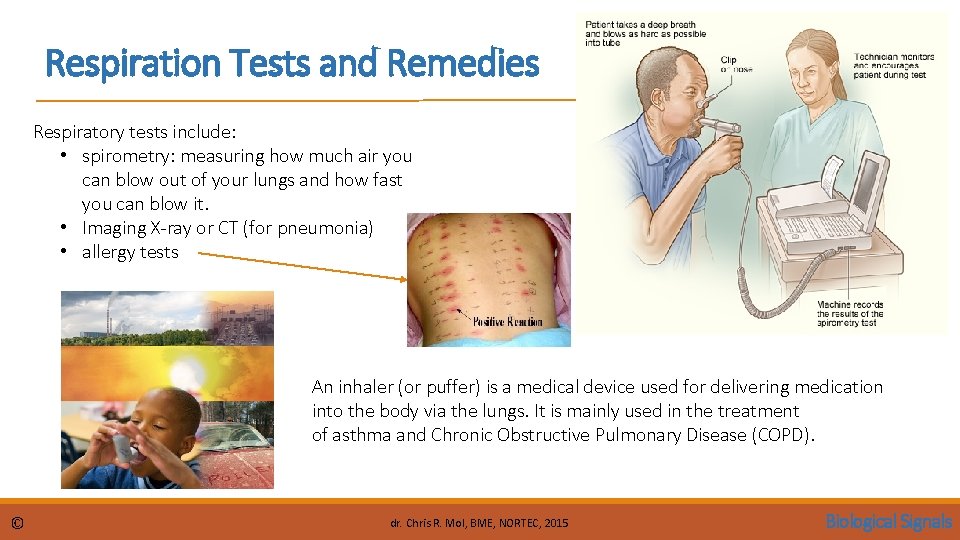
Respiration Tests and Remedies Respiratory tests include: • spirometry: measuring how much air you can blow out of your lungs and how fast you can blow it. • Imaging X-ray or CT (for pneumonia) • allergy tests An inhaler (or puffer) is a medical device used for delivering medication into the body via the lungs. It is mainly used in the treatment of asthma and Chronic Obstructive Pulmonary Disease (COPD). © dr. Chris R. Mol, BME, NORTEC, 2015 Biological Signals
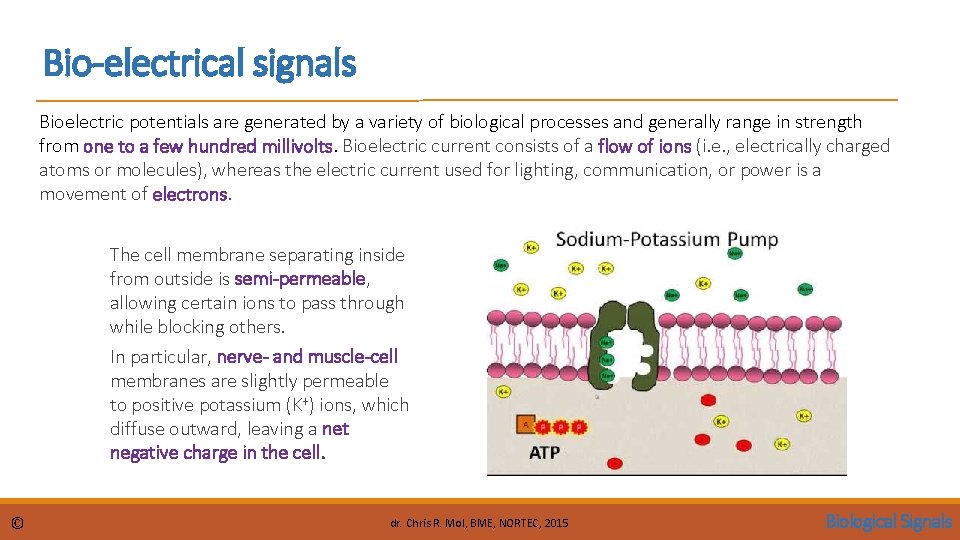
Bio-electrical signals Bioelectric potentials are generated by a variety of biological processes and generally range in strength from one to a few hundred millivolts. Bioelectric current consists of a flow of ions (i. e. , electrically charged atoms or molecules), whereas the electric current used for lighting, communication, or power is a movement of electrons. The cell membrane separating inside from outside is semi-permeable, allowing certain ions to pass through while blocking others. In particular, nerve- and muscle-cell membranes are slightly permeable to positive potassium (K+) ions, which diffuse outward, leaving a net negative charge in the cell. © dr. Chris R. Mol, BME, NORTEC, 2015 Biological Signals
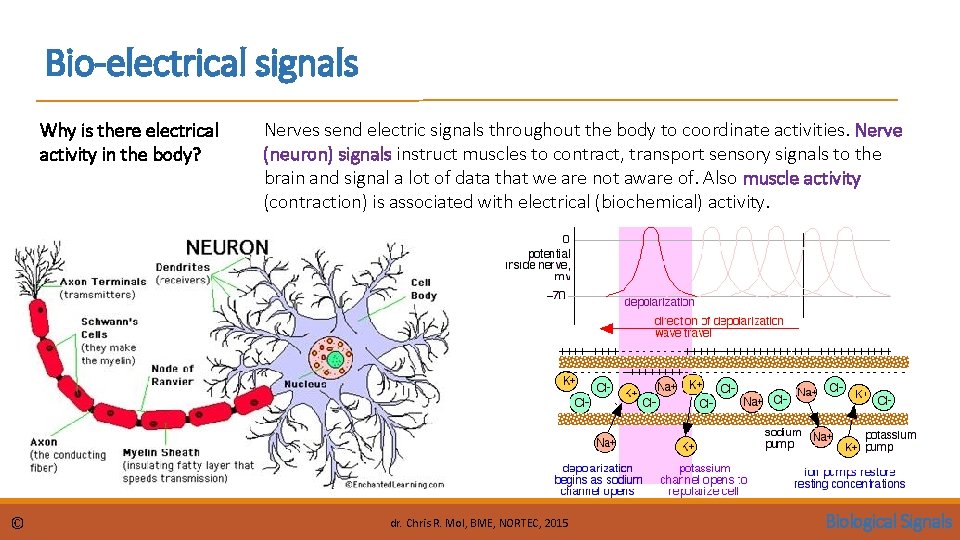
Bio-electrical signals Why is there electrical activity in the body? © Nerves send electric signals throughout the body to coordinate activities. Nerve (neuron) signals instruct muscles to contract, transport sensory signals to the brain and signal a lot of data that we are not aware of. Also muscle activity (contraction) is associated with electrical (biochemical) activity. dr. Chris R. Mol, BME, NORTEC, 2015 Biological Signals
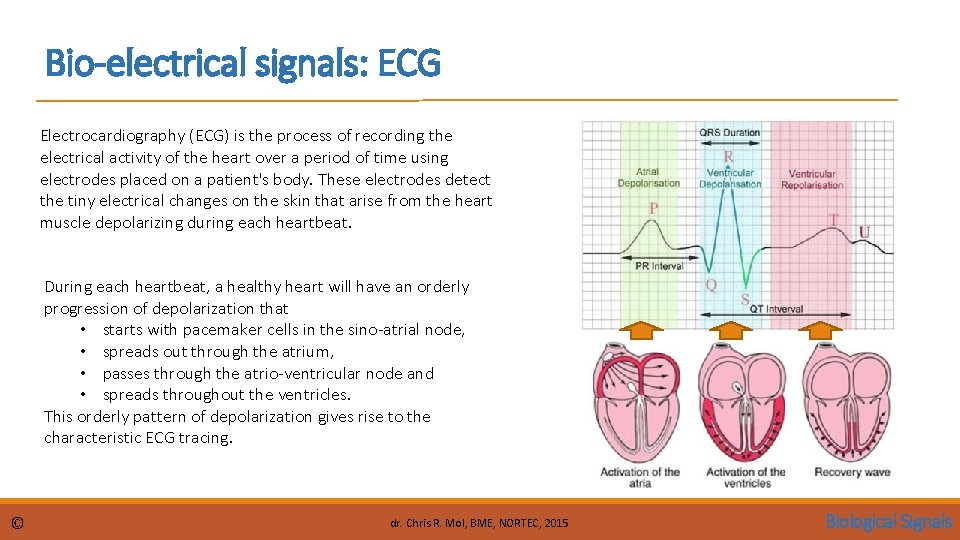
Bio-electrical signals: ECG Electrocardiography (ECG) is the process of recording the electrical activity of the heart over a period of time using electrodes placed on a patient's body. These electrodes detect the tiny electrical changes on the skin that arise from the heart muscle depolarizing during each heartbeat. During each heartbeat, a healthy heart will have an orderly progression of depolarization that • starts with pacemaker cells in the sino-atrial node, • spreads out through the atrium, • passes through the atrio-ventricular node and • spreads throughout the ventricles. This orderly pattern of depolarization gives rise to the characteristic ECG tracing. © dr. Chris R. Mol, BME, NORTEC, 2015 Biological Signals
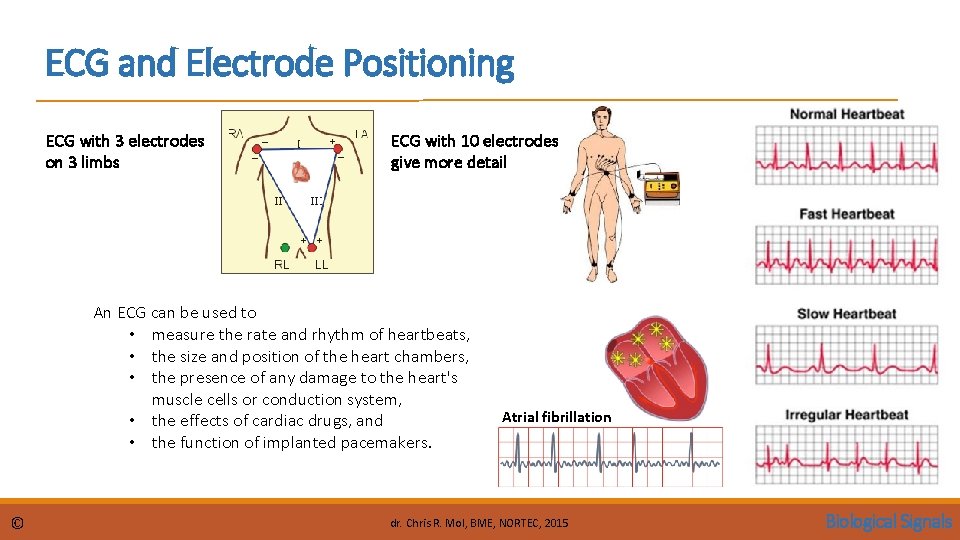
ECG and Electrode Positioning ECG with 3 electrodes on 3 limbs ECG with 10 electrodes give more detail An ECG can be used to • measure the rate and rhythm of heartbeats, • the size and position of the heart chambers, • the presence of any damage to the heart's muscle cells or conduction system, • the effects of cardiac drugs, and • the function of implanted pacemakers. © Atrial fibrillation dr. Chris R. Mol, BME, NORTEC, 2015 Biological Signals
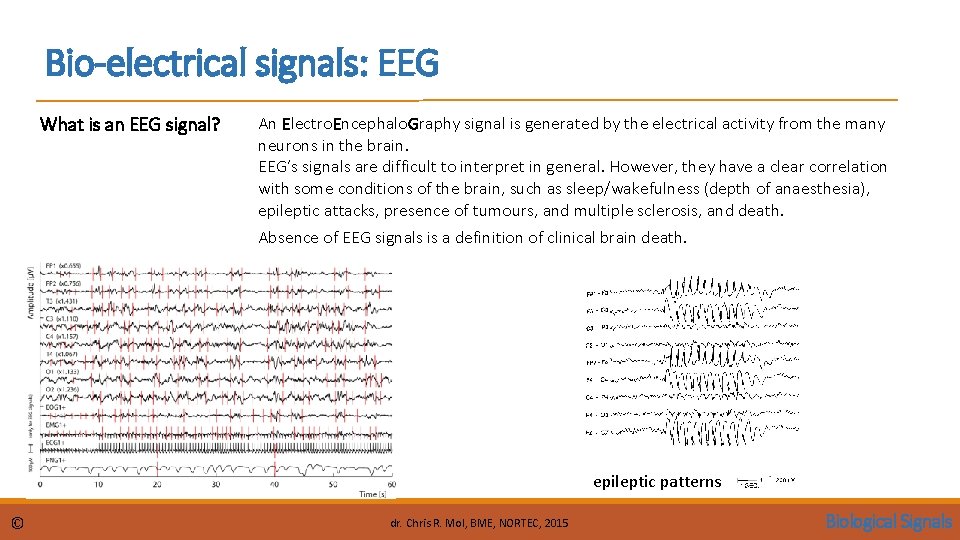
Bio-electrical signals: EEG What is an EEG signal? An Electro. Encephalo. Graphy signal is generated by the electrical activity from the many neurons in the brain. EEG’s signals are difficult to interpret in general. However, they have a clear correlation with some conditions of the brain, such as sleep/wakefulness (depth of anaesthesia), epileptic attacks, presence of tumours, and multiple sclerosis, and death. Absence of EEG signals is a definition of clinical brain death. epileptic patterns © dr. Chris R. Mol, BME, NORTEC, 2015 Biological Signals
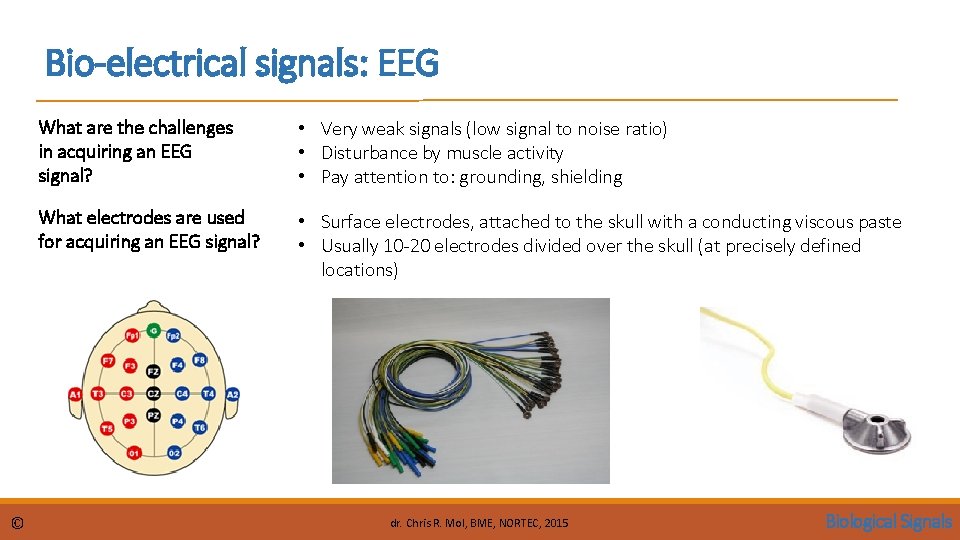
Bio-electrical signals: EEG © What are the challenges in acquiring an EEG signal? • Very weak signals (low signal to noise ratio) • Disturbance by muscle activity • Pay attention to: grounding, shielding What electrodes are used for acquiring an EEG signal? • Surface electrodes, attached to the skull with a conducting viscous paste • Usually 10 -20 electrodes divided over the skull (at precisely defined locations) dr. Chris R. Mol, BME, NORTEC, 2015 Biological Signals
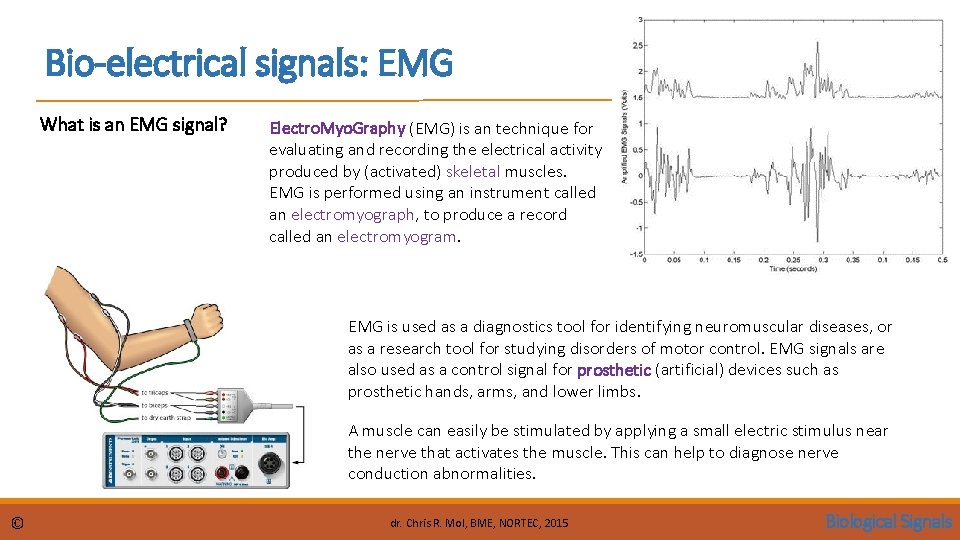
Bio-electrical signals: EMG What is an EMG signal? Electro. Myo. Graphy (EMG) is an technique for evaluating and recording the electrical activity produced by (activated) skeletal muscles. EMG is performed using an instrument called an electromyograph, to produce a record called an electromyogram. EMG is used as a diagnostics tool for identifying neuromuscular diseases, or as a research tool for studying disorders of motor control. EMG signals are also used as a control signal for prosthetic (artificial) devices such as prosthetic hands, arms, and lower limbs. A muscle can easily be stimulated by applying a small electric stimulus near the nerve that activates the muscle. This can help to diagnose nerve conduction abnormalities. © dr. Chris R. Mol, BME, NORTEC, 2015 Biological Signals
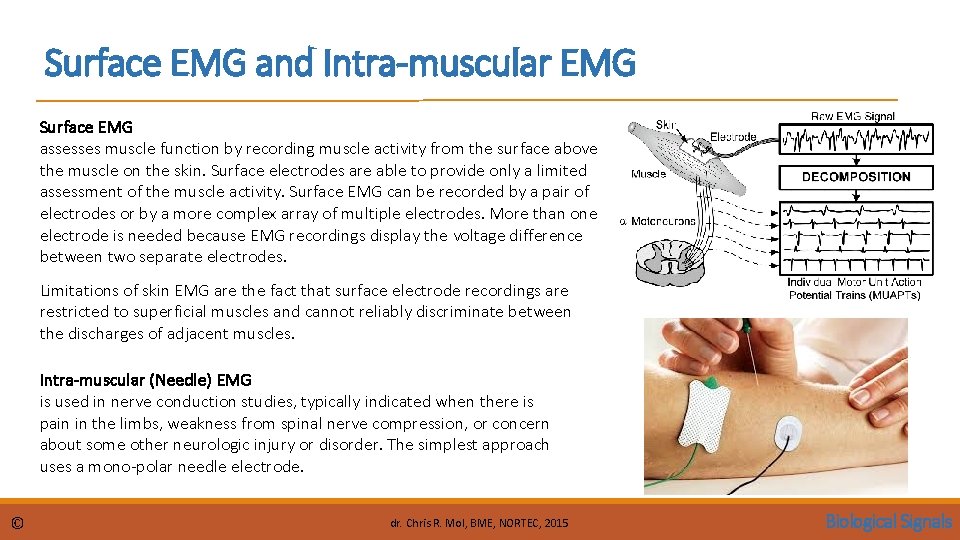
Surface EMG and Intra-muscular EMG Surface EMG assesses muscle function by recording muscle activity from the surface above the muscle on the skin. Surface electrodes are able to provide only a limited assessment of the muscle activity. Surface EMG can be recorded by a pair of electrodes or by a more complex array of multiple electrodes. More than one electrode is needed because EMG recordings display the voltage difference between two separate electrodes. Limitations of skin EMG are the fact that surface electrode recordings are restricted to superficial muscles and cannot reliably discriminate between the discharges of adjacent muscles. Intra-muscular (Needle) EMG is used in nerve conduction studies, typically indicated when there is pain in the limbs, weakness from spinal nerve compression, or concern about some other neurologic injury or disorder. The simplest approach uses a mono-polar needle electrode. © dr. Chris R. Mol, BME, NORTEC, 2015 Biological Signals
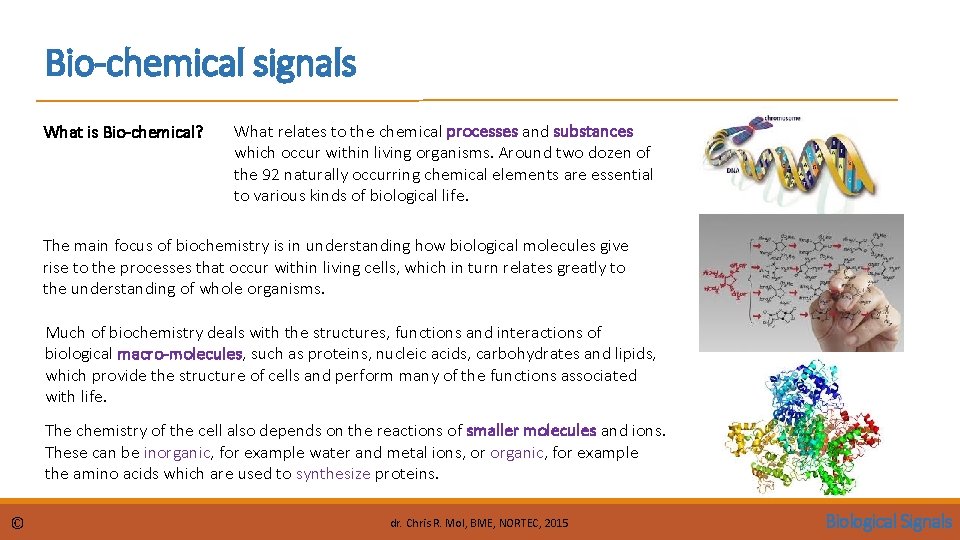
Bio-chemical signals What is Bio-chemical? What relates to the chemical processes and substances which occur within living organisms. Around two dozen of the 92 naturally occurring chemical elements are essential to various kinds of biological life. The main focus of biochemistry is in understanding how biological molecules give rise to the processes that occur within living cells, which in turn relates greatly to the understanding of whole organisms. Much of biochemistry deals with the structures, functions and interactions of biological macro-molecules, such as proteins, nucleic acids, carbohydrates and lipids, which provide the structure of cells and perform many of the functions associated with life. The chemistry of the cell also depends on the reactions of smaller molecules and ions. These can be inorganic, for example water and metal ions, or organic, for example the amino acids which are used to synthesize proteins. © dr. Chris R. Mol, BME, NORTEC, 2015 Biological Signals
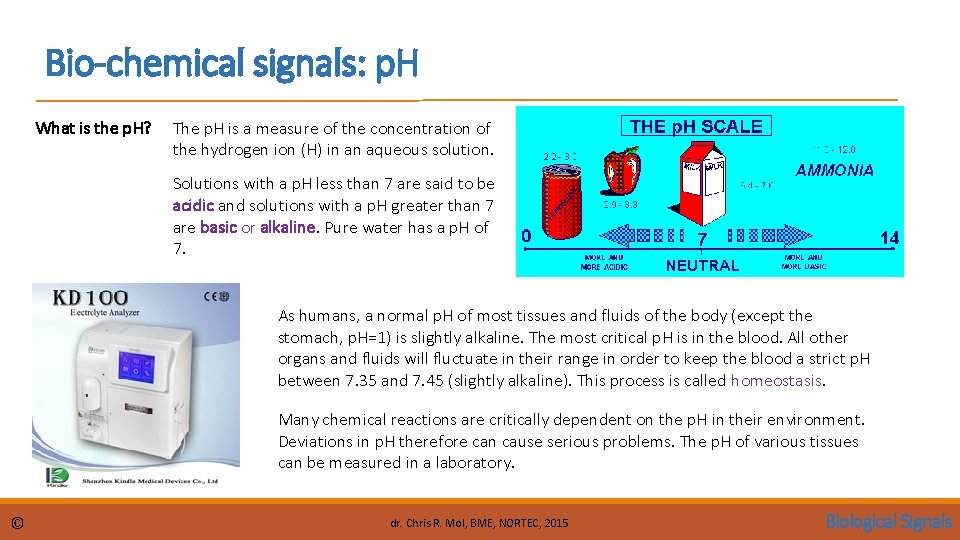
Bio-chemical signals: p. H What is the p. H? The p. H is a measure of the concentration of the hydrogen ion (H) in an aqueous solution. Solutions with a p. H less than 7 are said to be acidic and solutions with a p. H greater than 7 are basic or alkaline. Pure water has a p. H of 7. As humans, a normal p. H of most tissues and fluids of the body (except the stomach, p. H=1) is slightly alkaline. The most critical p. H is in the blood. All other organs and fluids will fluctuate in their range in order to keep the blood a strict p. H between 7. 35 and 7. 45 (slightly alkaline). This process is called homeostasis. Many chemical reactions are critically dependent on the p. H in their environment. Deviations in p. H therefore can cause serious problems. The p. H of various tissues can be measured in a laboratory. © dr. Chris R. Mol, BME, NORTEC, 2015 Biological Signals
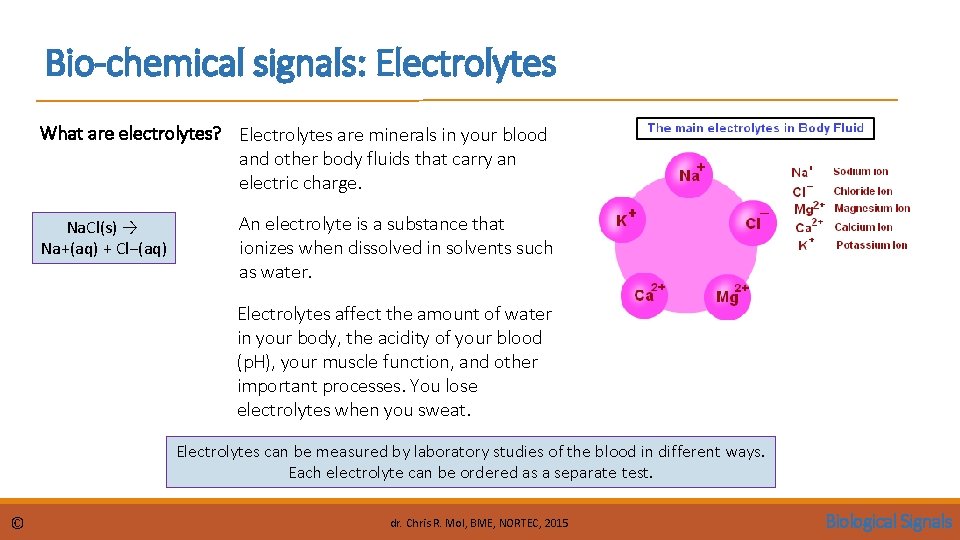
Bio-chemical signals: Electrolytes What are electrolytes? Electrolytes are minerals in your blood and other body fluids that carry an electric charge. Na. Cl(s) → Na+(aq) + Cl−(aq) An electrolyte is a substance that ionizes when dissolved in solvents such as water. Electrolytes affect the amount of water in your body, the acidity of your blood (p. H), your muscle function, and other important processes. You lose electrolytes when you sweat. Electrolytes can be measured by laboratory studies of the blood in different ways. Each electrolyte can be ordered as a separate test. © dr. Chris R. Mol, BME, NORTEC, 2015 Biological Signals
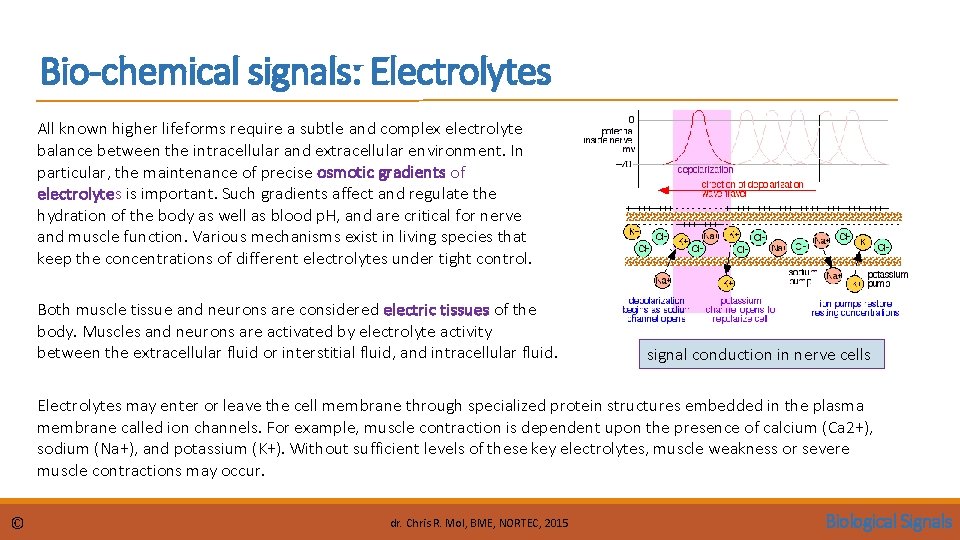
Bio-chemical signals: Electrolytes All known higher lifeforms require a subtle and complex electrolyte balance between the intracellular and extracellular environment. In particular, the maintenance of precise osmotic gradients of electrolytes is important. Such gradients affect and regulate the hydration of the body as well as blood p. H, and are critical for nerve and muscle function. Various mechanisms exist in living species that keep the concentrations of different electrolytes under tight control. Both muscle tissue and neurons are considered electric tissues of the body. Muscles and neurons are activated by electrolyte activity between the extracellular fluid or interstitial fluid, and intracellular fluid. signal conduction in nerve cells Electrolytes may enter or leave the cell membrane through specialized protein structures embedded in the plasma membrane called ion channels. For example, muscle contraction is dependent upon the presence of calcium (Ca 2+), sodium (Na+), and potassium (K+). Without sufficient levels of these key electrolytes, muscle weakness or severe muscle contractions may occur. © dr. Chris R. Mol, BME, NORTEC, 2015 Biological Signals
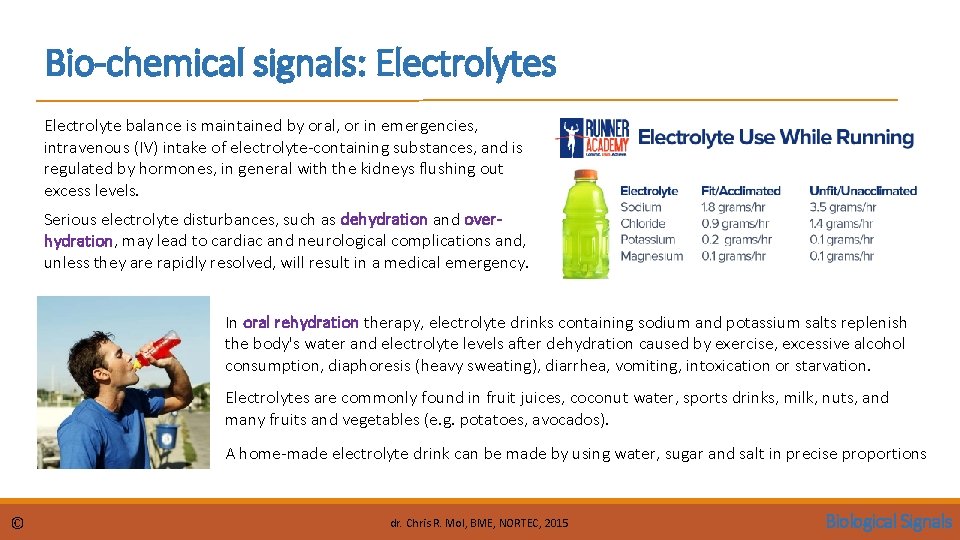
Bio-chemical signals: Electrolytes Electrolyte balance is maintained by oral, or in emergencies, intravenous (IV) intake of electrolyte-containing substances, and is regulated by hormones, in general with the kidneys flushing out excess levels. Serious electrolyte disturbances, such as dehydration and overhydration, may lead to cardiac and neurological complications and, unless they are rapidly resolved, will result in a medical emergency. In oral rehydration therapy, electrolyte drinks containing sodium and potassium salts replenish the body's water and electrolyte levels after dehydration caused by exercise, excessive alcohol consumption, diaphoresis (heavy sweating), diarrhea, vomiting, intoxication or starvation. Electrolytes are commonly found in fruit juices, coconut water, sports drinks, milk, nuts, and many fruits and vegetables (e. g. potatoes, avocados). A home-made electrolyte drink can be made by using water, sugar and salt in precise proportions © dr. Chris R. Mol, BME, NORTEC, 2015 Biological Signals
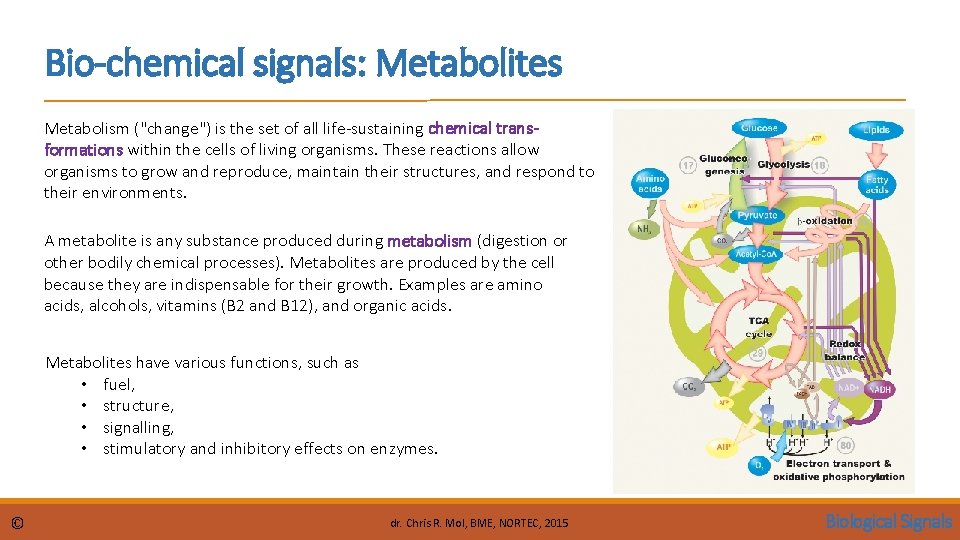
Bio-chemical signals: Metabolites Metabolism ("change") is the set of all life-sustaining chemical transformations within the cells of living organisms. These reactions allow organisms to grow and reproduce, maintain their structures, and respond to their environments. A metabolite is any substance produced during metabolism (digestion or other bodily chemical processes). Metabolites are produced by the cell because they are indispensable for their growth. Examples are amino acids, alcohols, vitamins (B 2 and B 12), and organic acids. Metabolites have various functions, such as • fuel, • structure, • signalling, • stimulatory and inhibitory effects on enzymes. © dr. Chris R. Mol, BME, NORTEC, 2015 Biological Signals
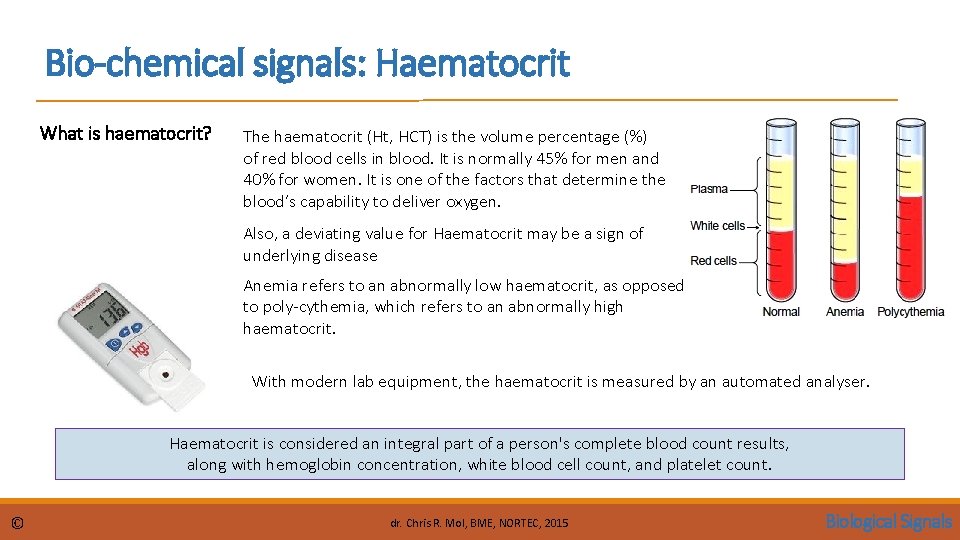
Bio-chemical signals: Haematocrit What is haematocrit? The haematocrit (Ht, HCT) is the volume percentage (%) of red blood cells in blood. It is normally 45% for men and 40% for women. It is one of the factors that determine the blood’s capability to deliver oxygen. Also, a deviating value for Haematocrit may be a sign of underlying disease Anemia refers to an abnormally low haematocrit, as opposed to poly-cythemia, which refers to an abnormally high haematocrit. With modern lab equipment, the haematocrit is measured by an automated analyser. Haematocrit is considered an integral part of a person's complete blood count results, along with hemoglobin concentration, white blood cell count, and platelet count. © dr. Chris R. Mol, BME, NORTEC, 2015 Biological Signals

END The creation of this presentation was supported by a grant from THET: see https: //www. thet. org/
- Slides: 25