
Types of Asexual Reproduction Video Asexual Repro video


- Slides: 32
Types of Asexual Reproduction
Video • Asexual Repro video: • https: //www. youtube. com/watch? v=i 9 zj 9 V 8 OWRk • Amoeba Sisters • https: //www. youtube. com/watch? v=fc. GDUc. Gjcyk
Different forms of Asexual Reproduction • Binary Fission • Budding • Spores • Fragmentation • Vegetative propagation
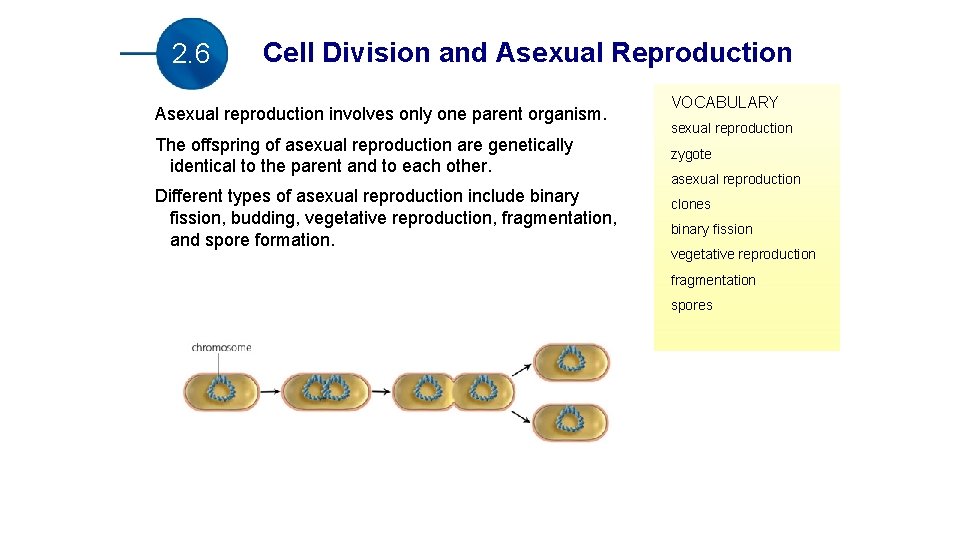
2. 6 Cell Division and Asexual Reproduction Asexual reproduction involves only one parent organism. The offspring of asexual reproduction are genetically identical to the parent and to each other. Different types of asexual reproduction include binary fission, budding, vegetative reproduction, fragmentation, and spore formation. VOCABULARY sexual reproduction zygote asexual reproduction clones binary fission vegetative reproduction fragmentation spores
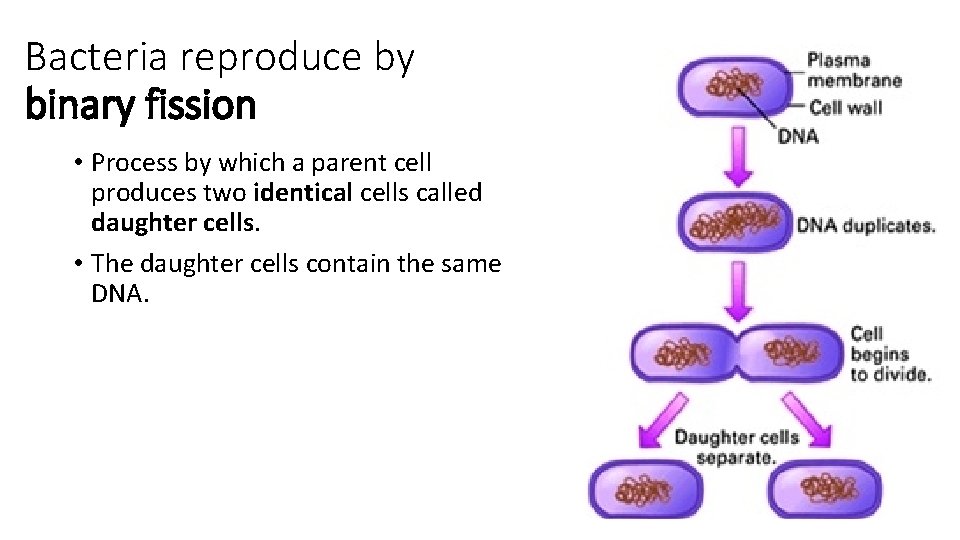
Bacteria reproduce by binary fission • Process by which a parent cell produces two identical cells called daughter cells. • The daughter cells contain the same DNA.
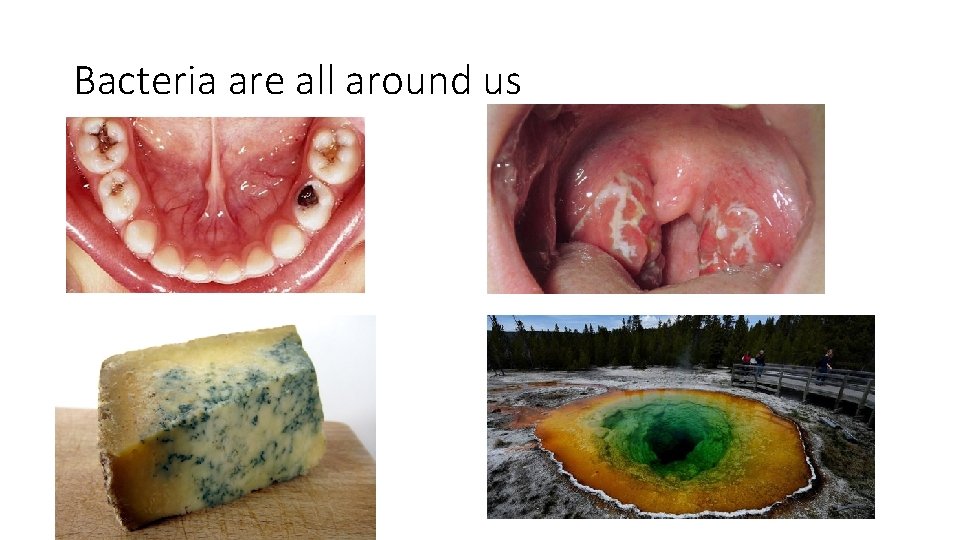
Bacteria are all around us
Doubling Time • After each cycle of binary fission, the number of cells doubles. • The time for many bacteria to double (called doubling time) is 20 -30 minutes, so a small population can grow quickly to millions under the right conditions. • What conditions do you think affect bacterial growth, and how do they affect it?
Check your understanding 1. What key piece of evidence tells you that bacteria reproduce asexually? 2. Define Binary Fission
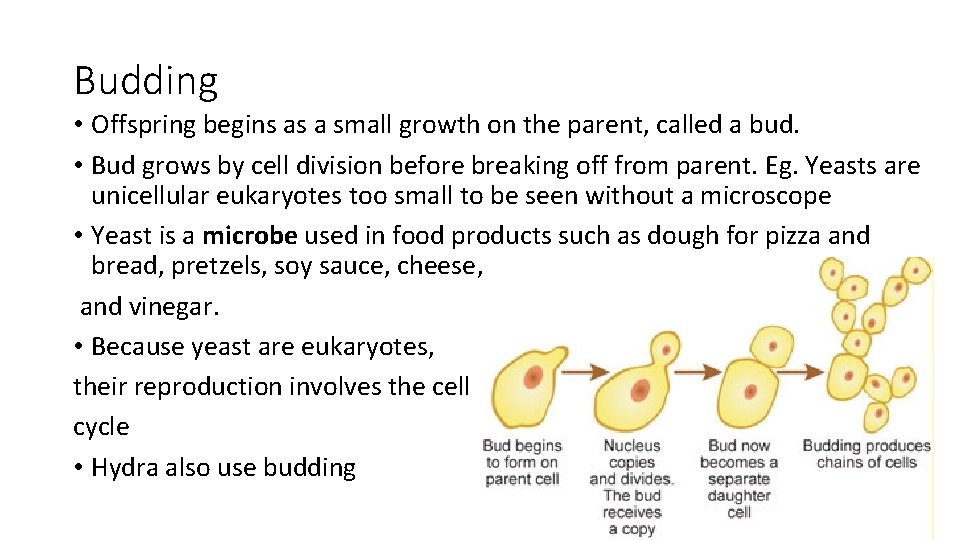
Budding • Offspring begins as a small growth on the parent, called a bud. • Bud grows by cell division before breaking off from parent. Eg. Yeasts are unicellular eukaryotes too small to be seen without a microscope • Yeast is a microbe used in food products such as dough for pizza and bread, pretzels, soy sauce, cheese, and vinegar. • Because yeast are eukaryotes, their reproduction involves the cell cycle • Hydra also use budding
Check your understanding 1. In what ways is reproduction in yeast and bacteria similar? In what ways is it different? 2. Why is a daughter yeast cell identical to the parent cell?
Activity: Yeast Budding
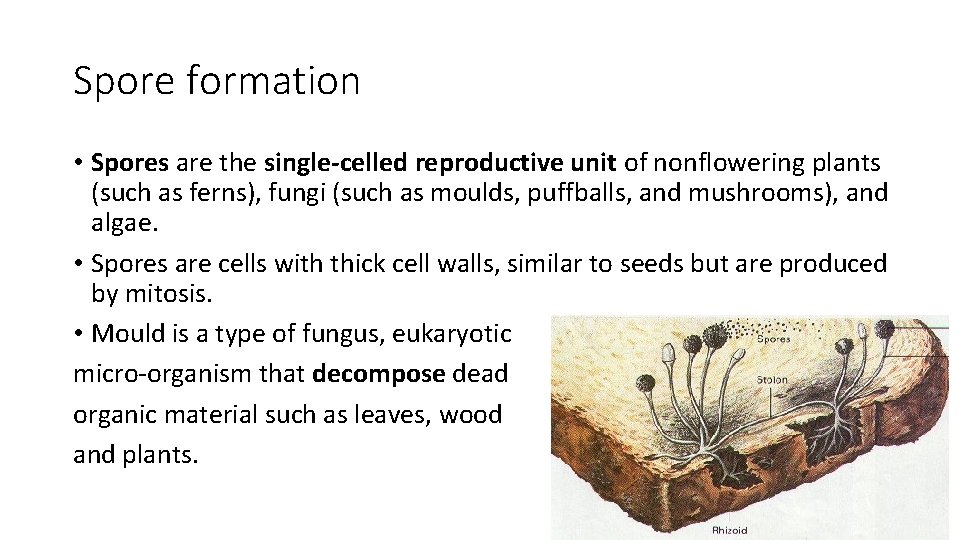
Spore formation • Spores are the single-celled reproductive unit of nonflowering plants (such as ferns), fungi (such as moulds, puffballs, and mushrooms), and algae. • Spores are cells with thick cell walls, similar to seeds but are produced by mitosis. • Mould is a type of fungus, eukaryotic micro-organism that decompose dead organic material such as leaves, wood and plants.
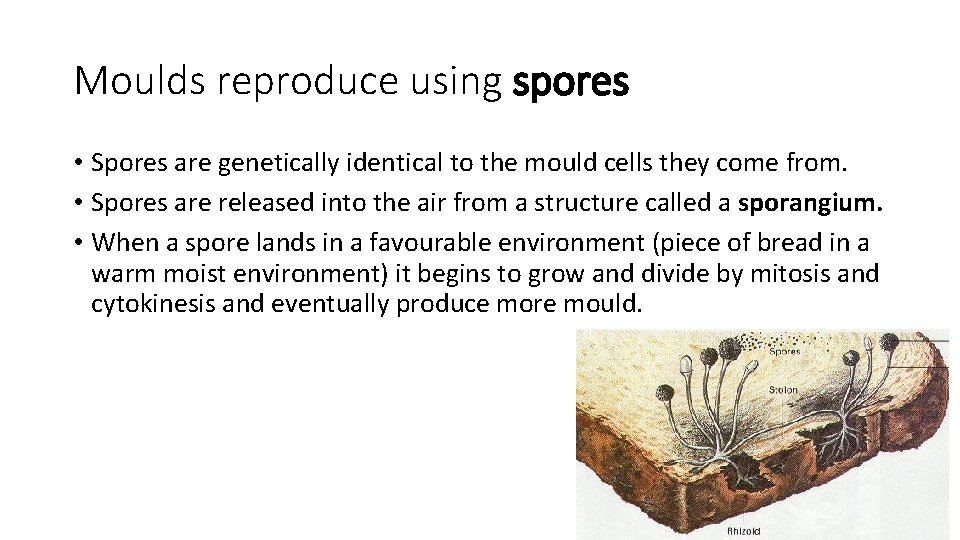
Moulds reproduce using spores • Spores are genetically identical to the mould cells they come from. • Spores are released into the air from a structure called a sporangium. • When a spore lands in a favourable environment (piece of bread in a warm moist environment) it begins to grow and divide by mitosis and cytokinesis and eventually produce more mould.
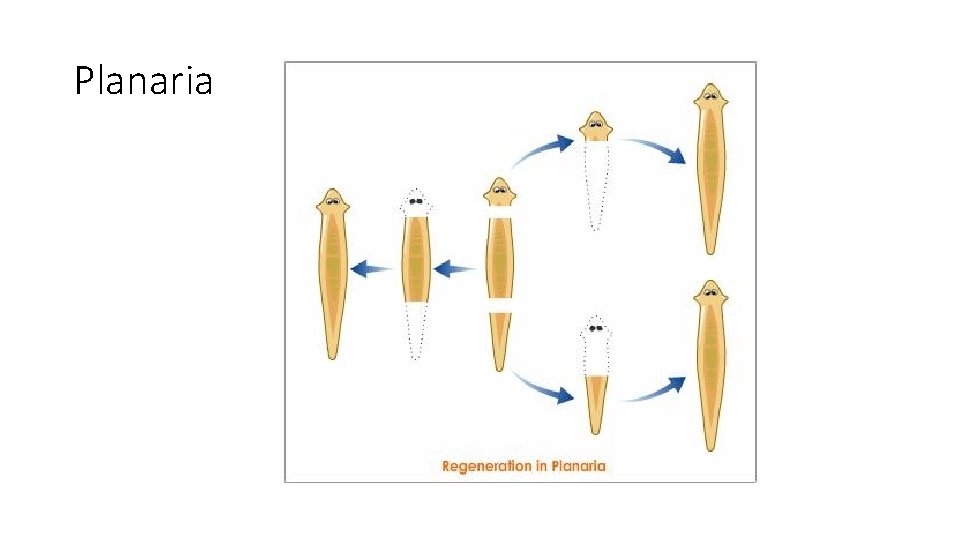
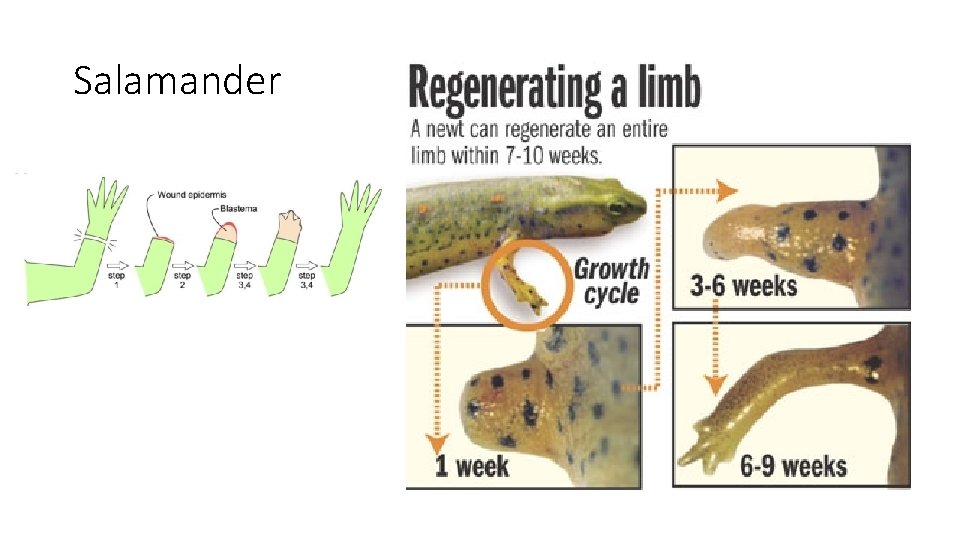
Fragmentation • A small part of the an animal breaks off and grow into a new organism. • A fragment can grow into a complete animal, depending on how much of the original parent is in the fagement. • Requires regeneration (ability to regrow a body part, tissue, or organ). • Eg. Flatworms, such as planaria • Eg. Sea stars https: //www. youtube. com/watch? v=Aa. N 6 u. Rvf. PLY • Eg. Salamanders • Why can’t we regenerate? Scishow https: //www. youtube. com/watch? v=QFa 6 j. P 6 Wgz. M
Planaria
Salamander
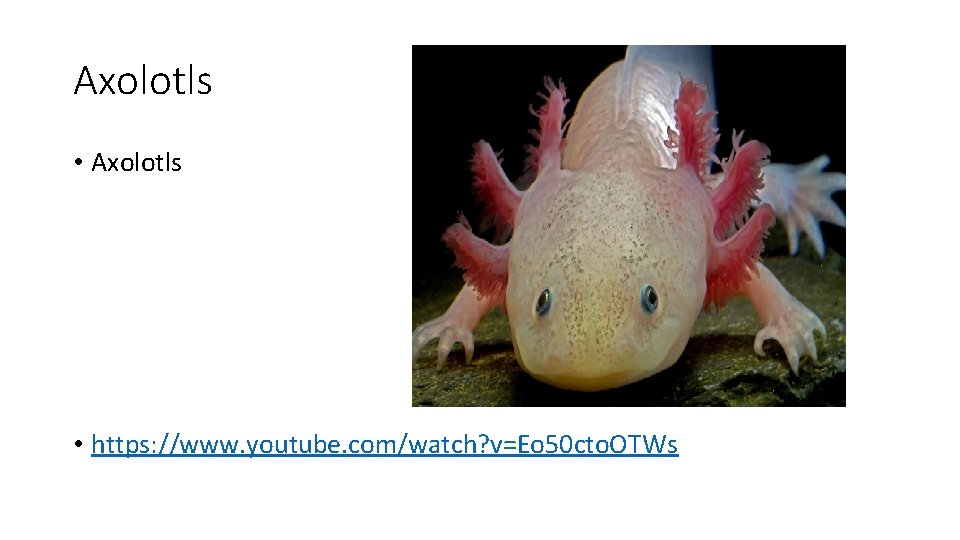
Axolotls • Axolotls • https: //www. youtube. com/watch? v=Eo 50 cto. OTWs
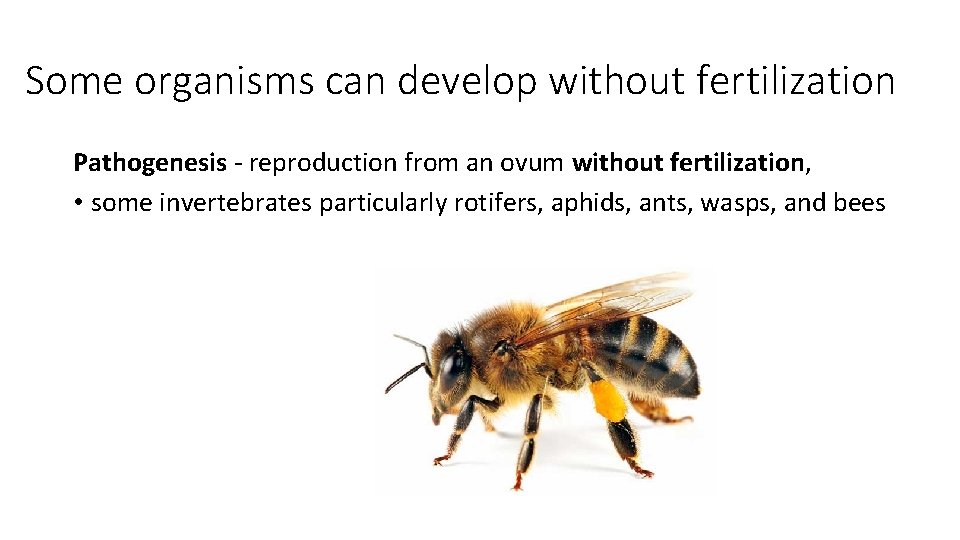
Some organisms can develop without fertilization Pathogenesis - reproduction from an ovum without fertilization, • some invertebrates particularly rotifers, aphids, ants, wasps, and bees
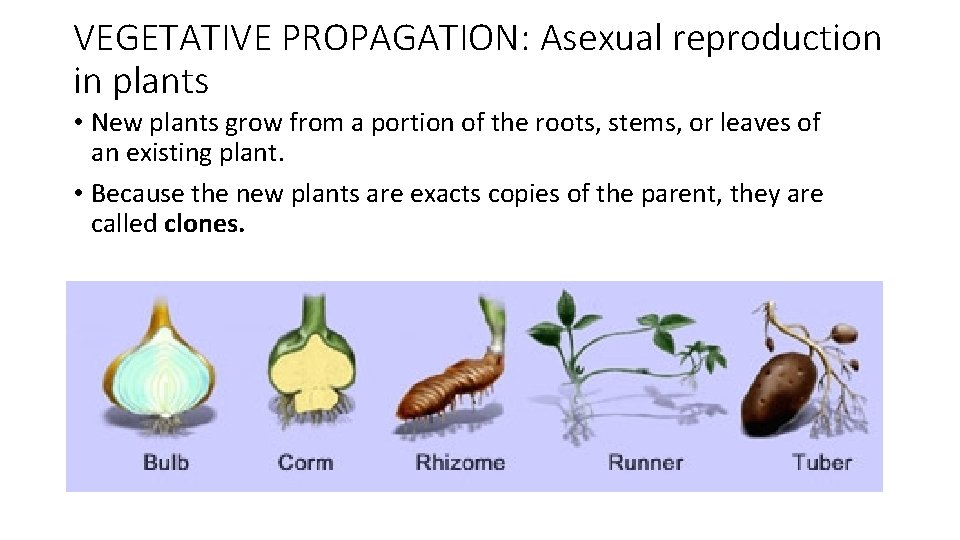
VEGETATIVE PROPAGATION: Asexual reproduction in plants • New plants grow from a portion of the roots, stems, or leaves of an existing plant. • Because the new plants are exacts copies of the parent, they are called clones.
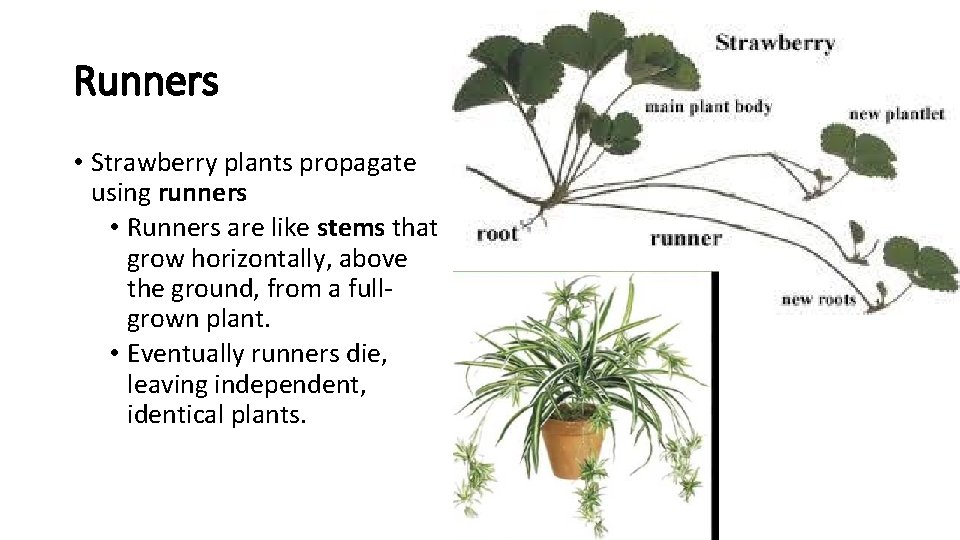
Runners • Strawberry plants propagate using runners • Runners are like stems that grow horizontally, above the ground, from a fullgrown plant. • Eventually runners die, leaving independent, identical plants.
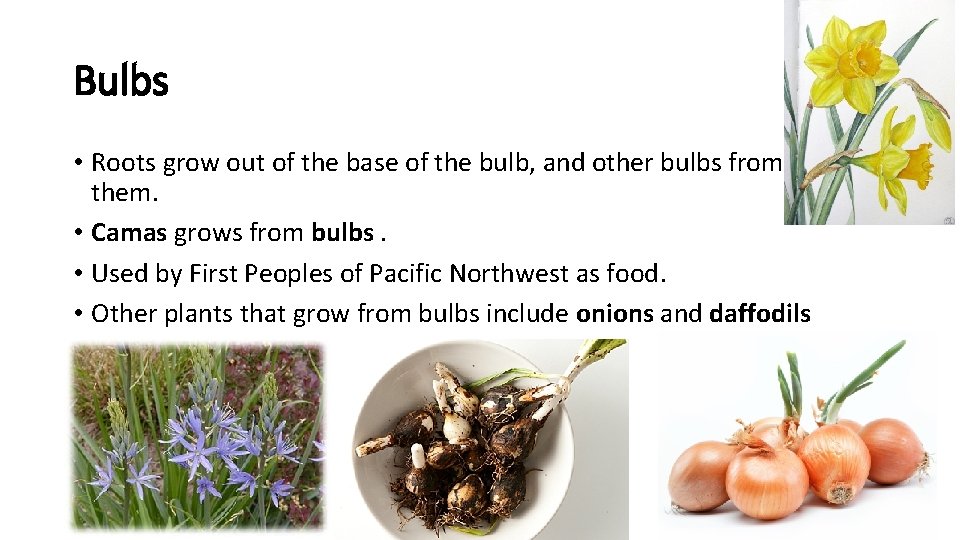
Bulbs • Roots grow out of the base of the bulb, and other bulbs from them. • Camas grows from bulbs. • Used by First Peoples of Pacific Northwest as food. • Other plants that grow from bulbs include onions and daffodils
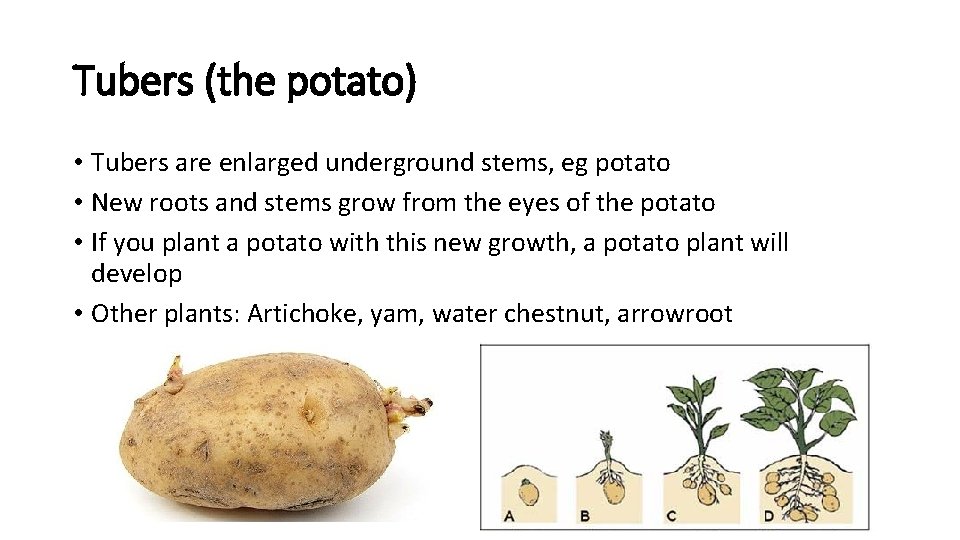
Tubers (the potato) • Tubers are enlarged underground stems, eg potato • New roots and stems grow from the eyes of the potato • If you plant a potato with this new growth, a potato plant will develop • Other plants: Artichoke, yam, water chestnut, arrowroot
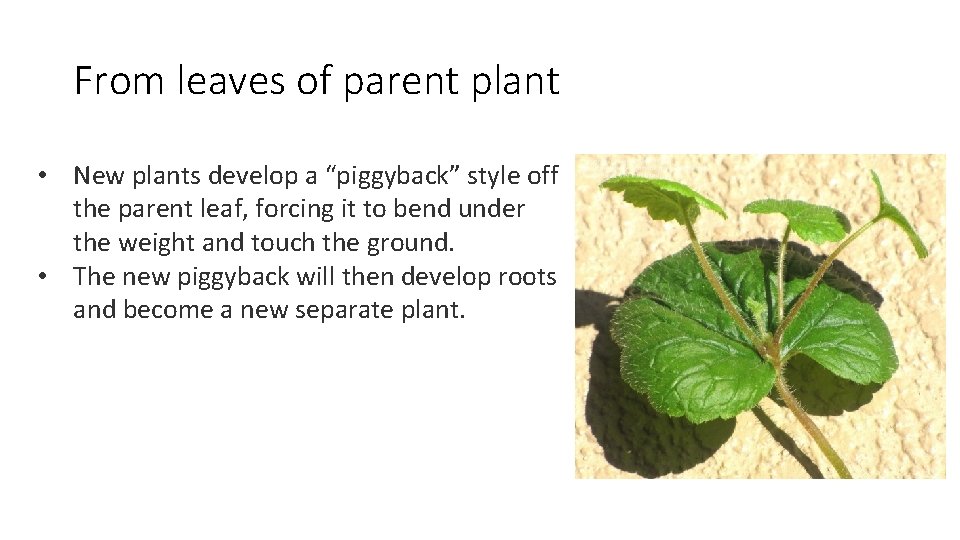
From leaves of parent plant • New plants develop a “piggyback” style off the parent leaf, forcing it to bend under the weight and touch the ground. • The new piggyback will then develop roots and become a new separate plant.
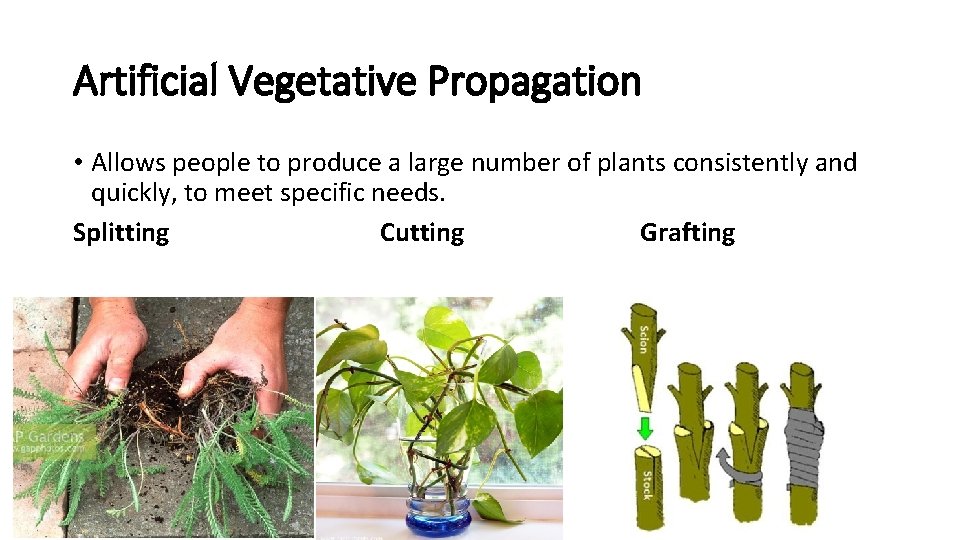
Artificial Vegetative Propagation • Allows people to produce a large number of plants consistently and quickly, to meet specific needs. Splitting Cutting Grafting
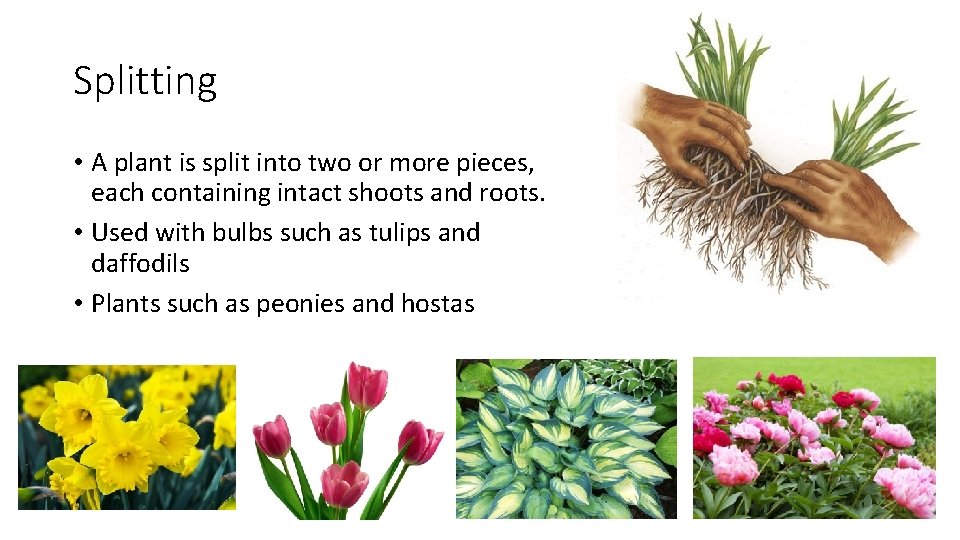
Splitting • A plant is split into two or more pieces, each containing intact shoots and roots. • Used with bulbs such as tulips and daffodils • Plants such as peonies and hostas
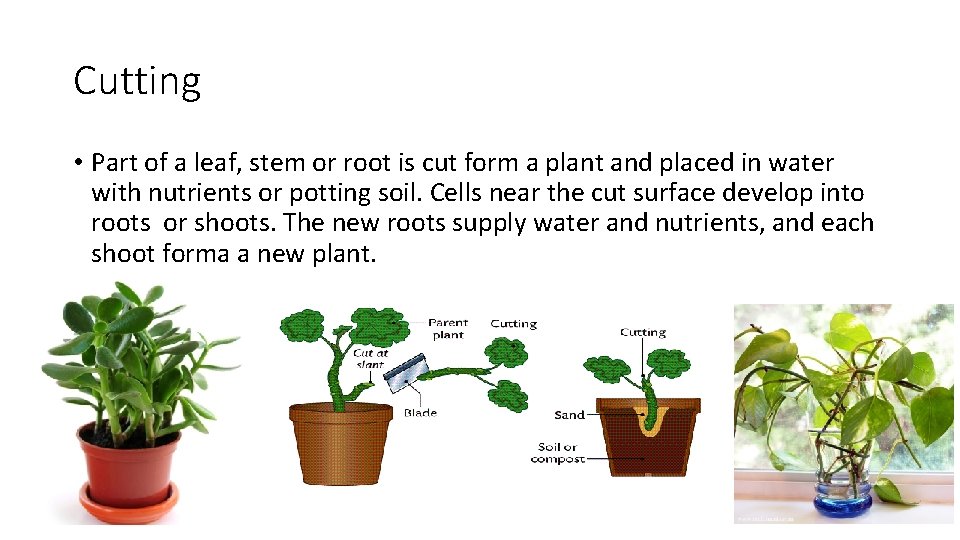
Cutting • Part of a leaf, stem or root is cut form a plant and placed in water with nutrients or potting soil. Cells near the cut surface develop into roots or shoots. The new roots supply water and nutrients, and each shoot forma a new plant.
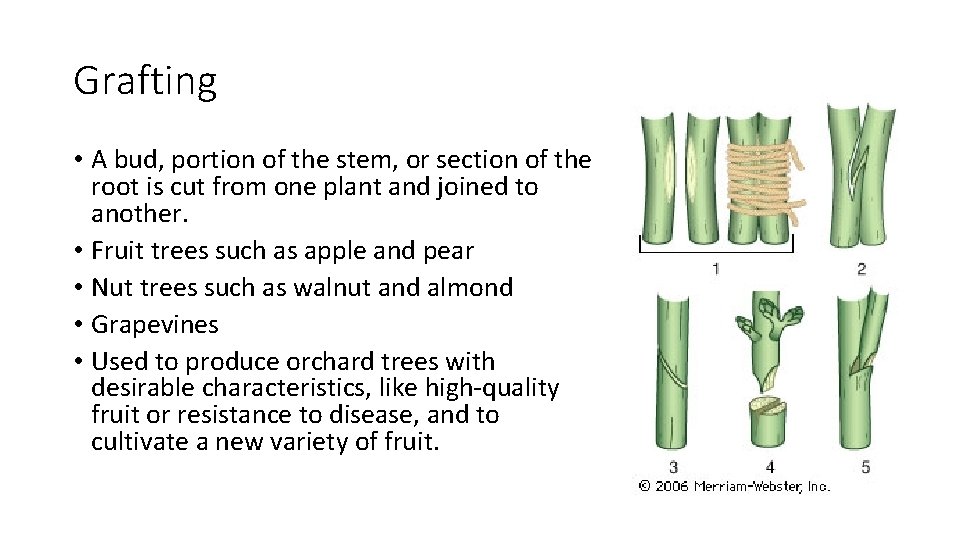
Grafting • A bud, portion of the stem, or section of the root is cut from one plant and joined to another. • Fruit trees such as apple and pear • Nut trees such as walnut and almond • Grapevines • Used to produce orchard trees with desirable characteristics, like high-quality fruit or resistance to disease, and to cultivate a new variety of fruit.
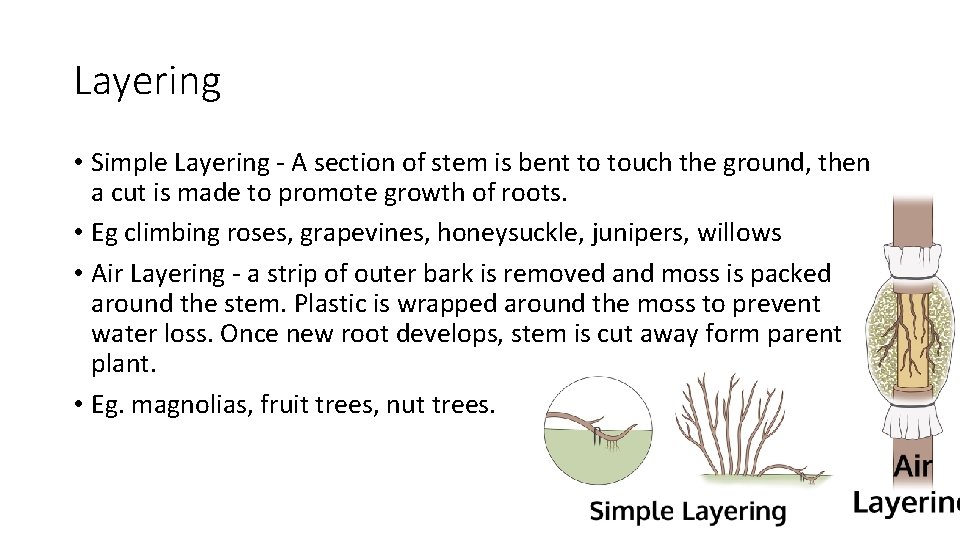
Layering • Simple Layering - A section of stem is bent to touch the ground, then a cut is made to promote growth of roots. • Eg climbing roses, grapevines, honeysuckle, junipers, willows • Air Layering - a strip of outer bark is removed and moss is packed around the stem. Plastic is wrapped around the moss to prevent water loss. Once new root develops, stem is cut away form parent plant. • Eg. magnolias, fruit trees, nut trees.
Characteristics of Asexual Reproduction • Only one organism is needed to reproduce • All offspring are genetically identical to each other and to the parent • A single organism can produce large numbers of offspring
Check your understanding 1. Describe an example of vegetative propagation. 2. Why are new strawberry plants that form from runners identical to the parent plant?
Check your understanding 1. 2. 3. 4. 5. 6. 7. What key piece of evidence tells you bacteria reproduce asexually? In what ways is reproduction in yeasts and bacteria similar? In what ways are they different? Why is a daughter yeast cell identical to the parent cell? Why is a spore considered a type of asexual reproduction? Give an example of vegetative propagation. CYU p 60
TEK (Traditional Ecological Knowledge) Includes sophisticated resource management methods that have been used for thousands of years. • Root plants such as camas, rice root, silverweed, and bitterroot were important sources of starches in the past. • First Peoples would manage camas meadows by replanting small, living sections of the harvested roots. • The bulb of the northern rice root, has small bulblets that look like rice. At the centre is a small sprout that can be replanted. The Kwakwaka’wakw word for it means “grandfather”