
TYPES AND STYLES OF COACHING YEAR 10 SPORT
- Slides: 9
TYPES AND STYLES OF COACHING YEAR 10 SPORT SCIENCE - COACHING
THREE TYPES OF COACHES • Autocratic • Democratic • Laissez Faire
AUTOCRATIC COACHING • Coach makes all the decisions. • Coach determines the activities covered and in what format. • Athletes follow instruction. • Can have very intense energy and will often punish athletes for failure
DEMOCRATIC COACH • Maintains open communication with players • Players are involved in the decision making process • Coach wants all players to enjoy themselves. • Gives athletes a sense of ownership of their progress.
LAISEZZ FAIRE (CASUAL COACH) • Relaxed and easy going. Works in an informal learning environment. • Works best with social sporting teams as well as very experienced, talented athletes.
WHICH COACHING STYLE SUITS • Auskick team • Wednesday night C Grade indoor soccer team • Under 17’s District cricket team • 16 year old Tennis player competing at national level.
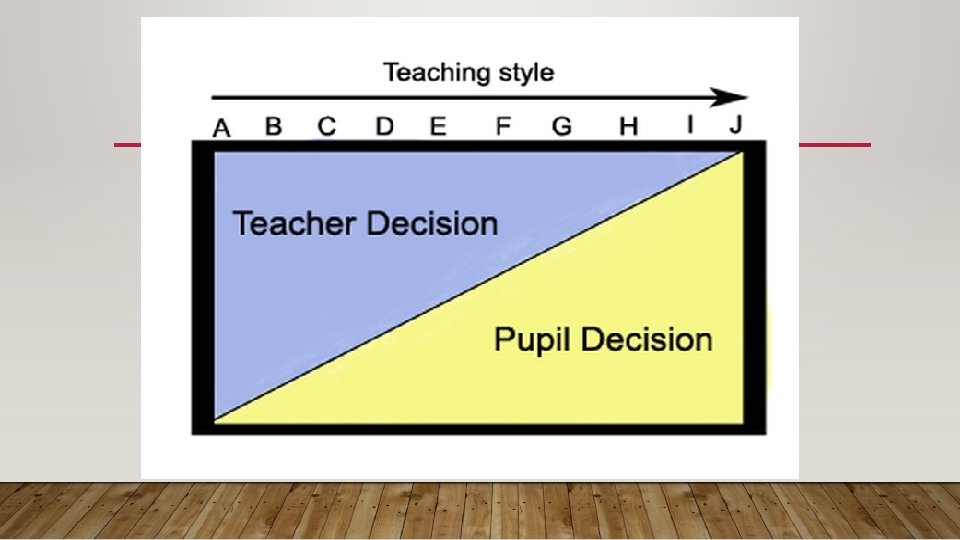
MOSSTON & ASHWORTH’S SPECTRUM • Developed a spectrum of teaching styles on which the decision making slowly moves from all teacher’s responsibility, to all students. • The spectrum was created with the belief that learning is a result of a chain of decision making. • The styles were designed so that students of all abilities could participate in the same activities at different levels and achieve their goals.
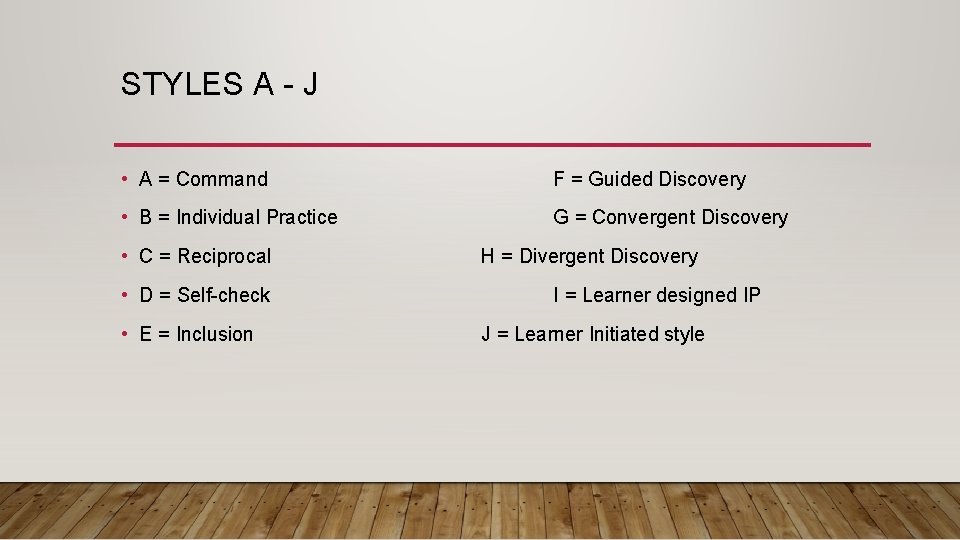
STYLES A - J • A = Command F = Guided Discovery • B = Individual Practice G = Convergent Discovery • C = Reciprocal • D = Self-check • E = Inclusion H = Divergent Discovery I = Learner designed IP J = Learner Initiated style