
Two Types of Cells Chapter 7 Cellular Structure





- Slides: 47
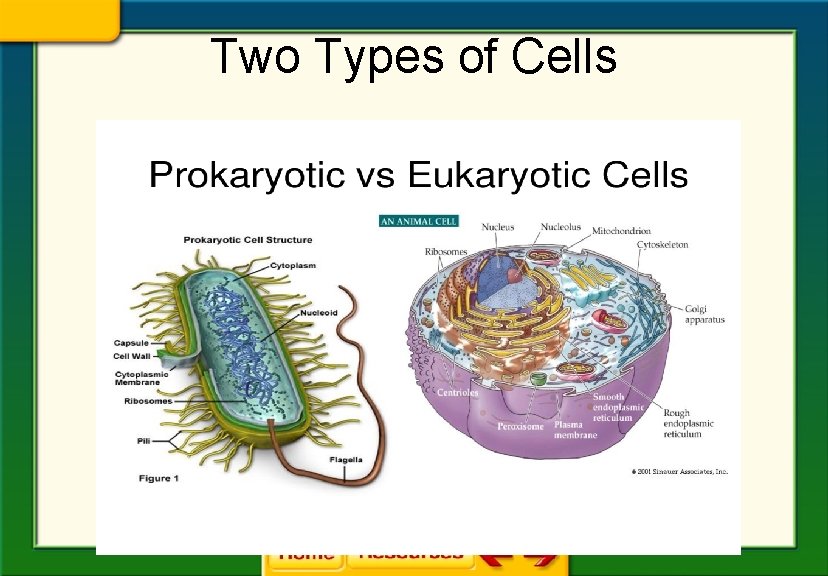
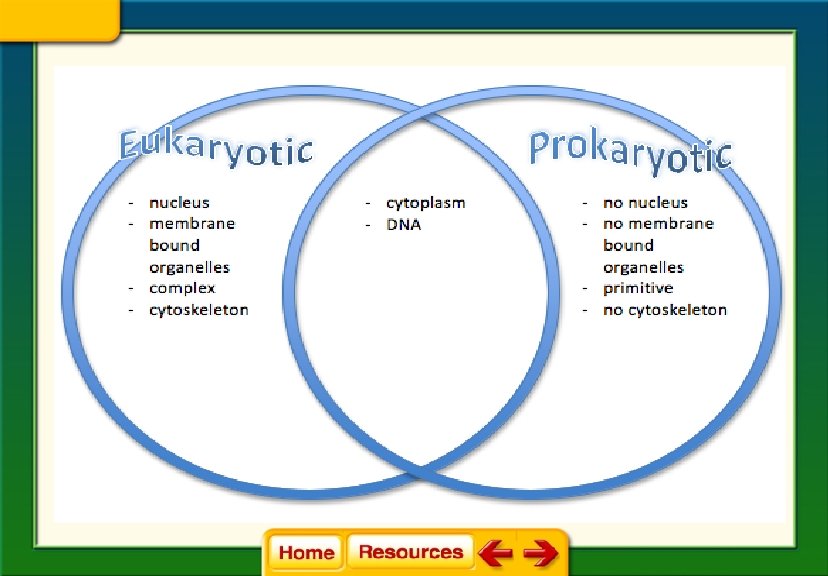
Two Types of Cells
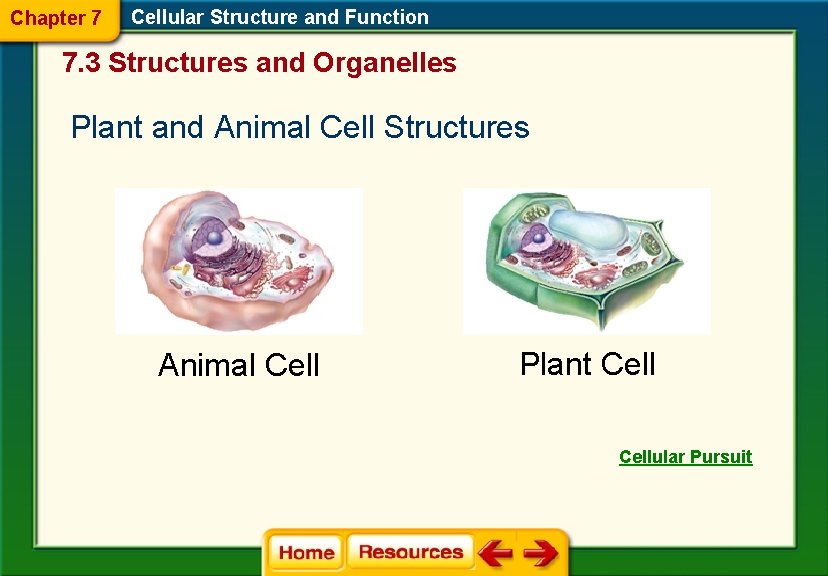
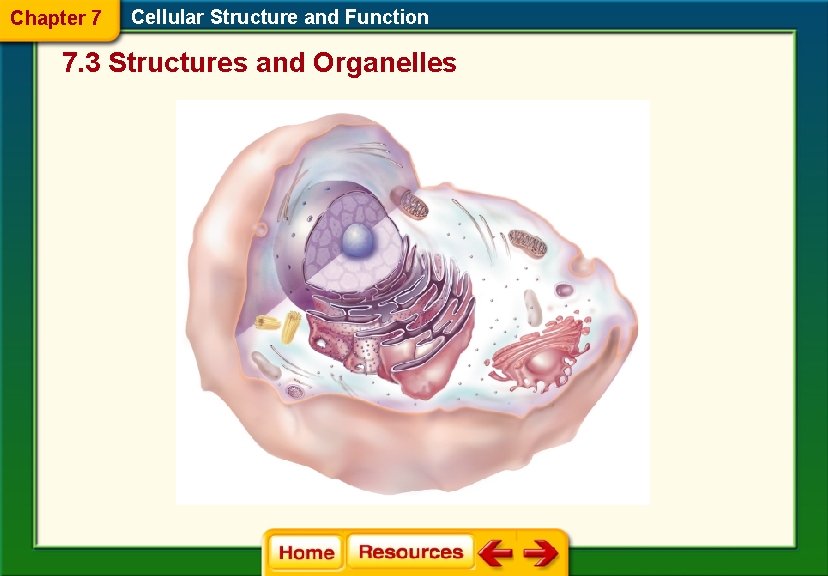
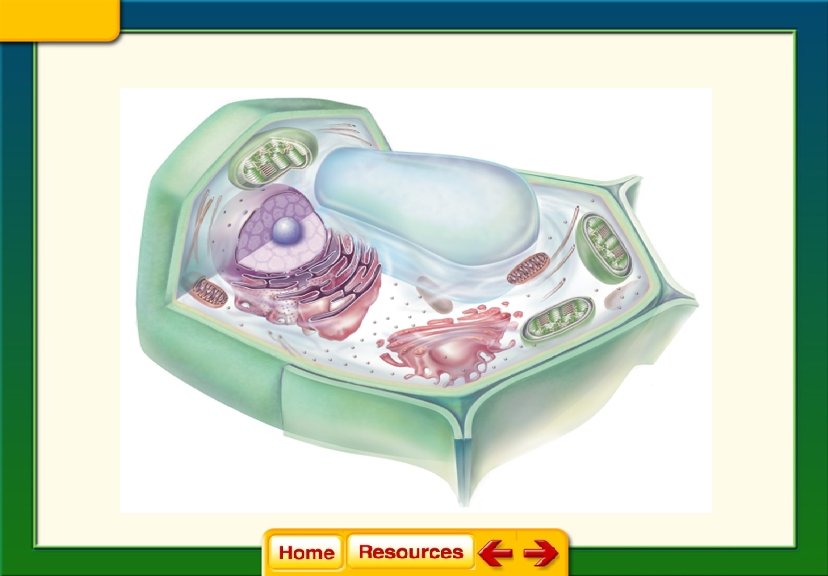
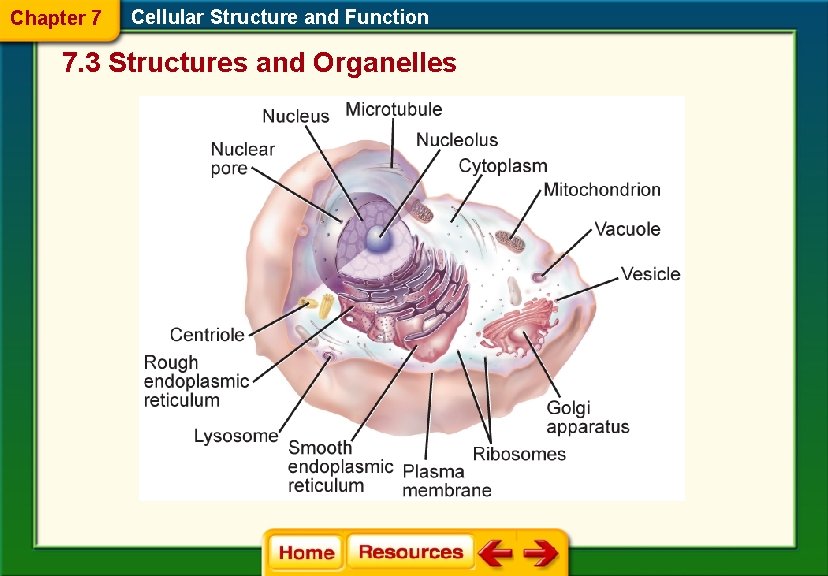
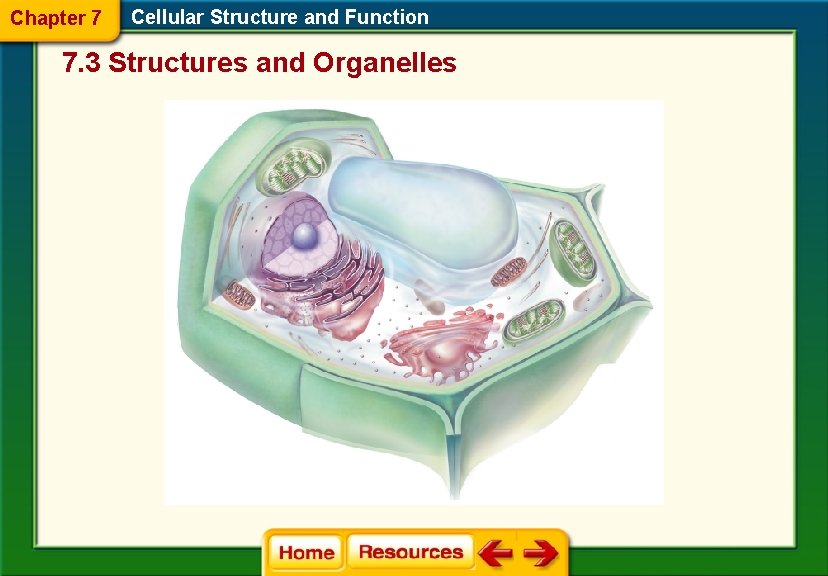
Chapter 7 Cellular Structure and Function 7. 3 Structures and Organelles Plant and Animal Cell Structures Animal Cell Plant Cellular Pursuit
Chapter 7 Cellular Structure and Function 7. 3 Structures and Organelles
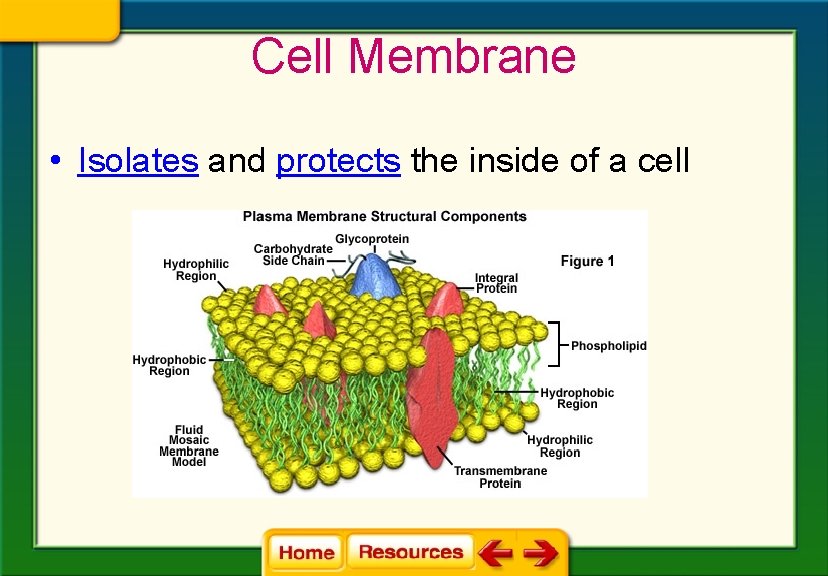
Cell Membrane • Isolates and protects the inside of a cell
• Inside the Cell Membrane
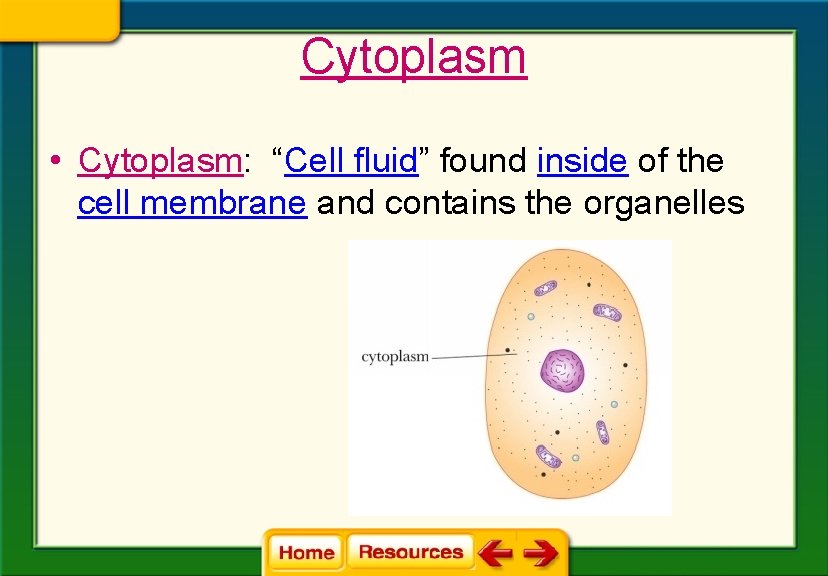
Cytoplasm • Cytoplasm: “Cell fluid” found inside of the cell membrane and contains the organelles
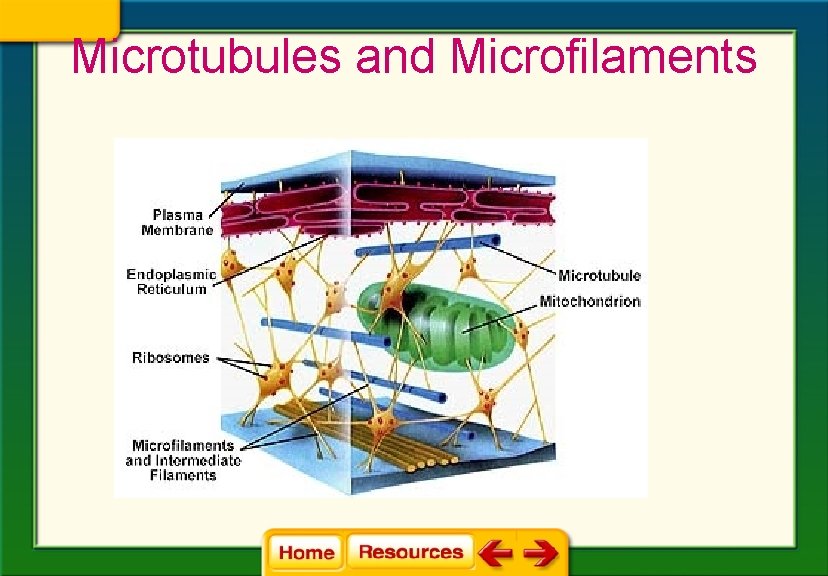
Cytoskeleton: variety of fibers and filaments that support cell structure and drive cell movement • Both microtubules and microfilaments are part of the cytoskeleton
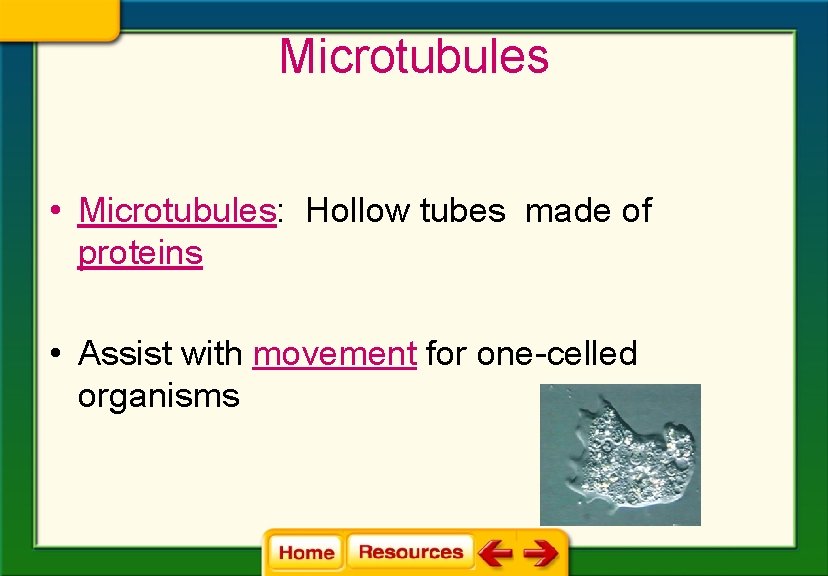
Microtubules • Microtubules: Hollow tubes made of proteins • Assist with movement for one-celled organisms
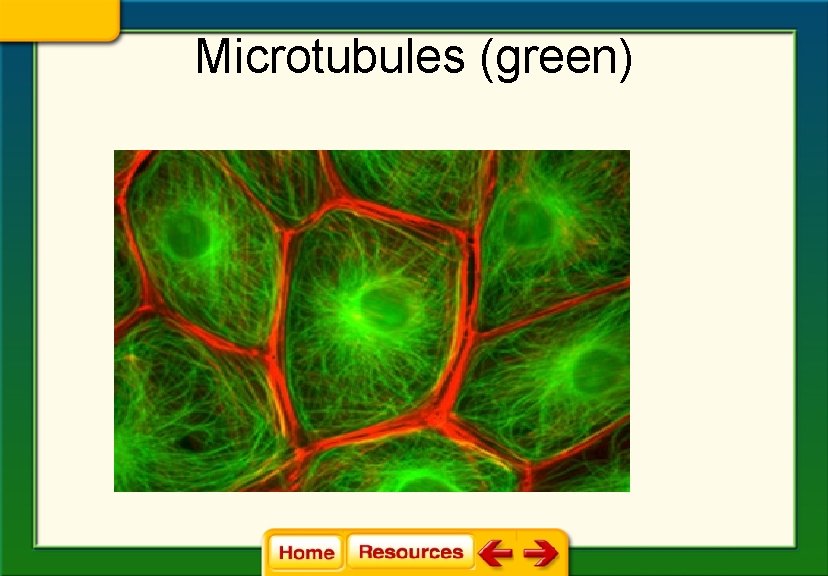
Microtubules (green)
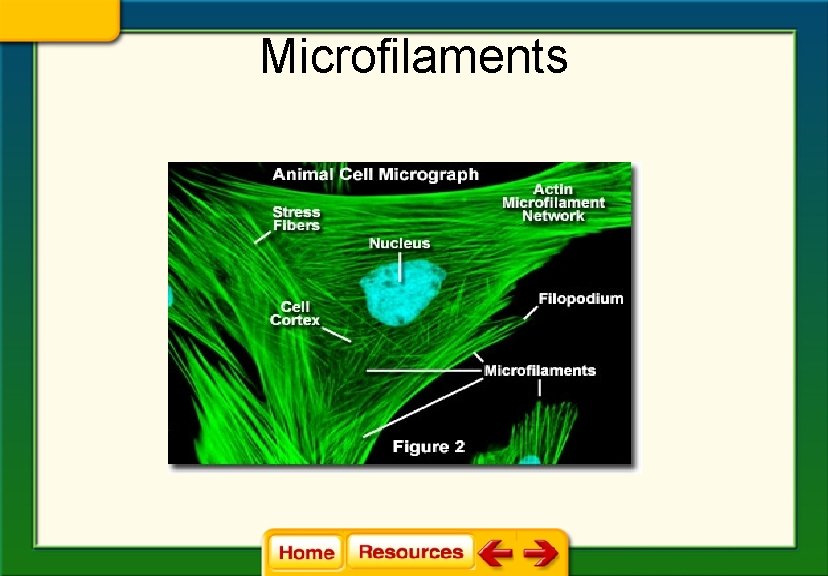
Microfilaments • Microfilaments: Also assist with movement • Ex. Responsible for muscle cells contractions
Microfilaments
Microtubules and Microfilaments
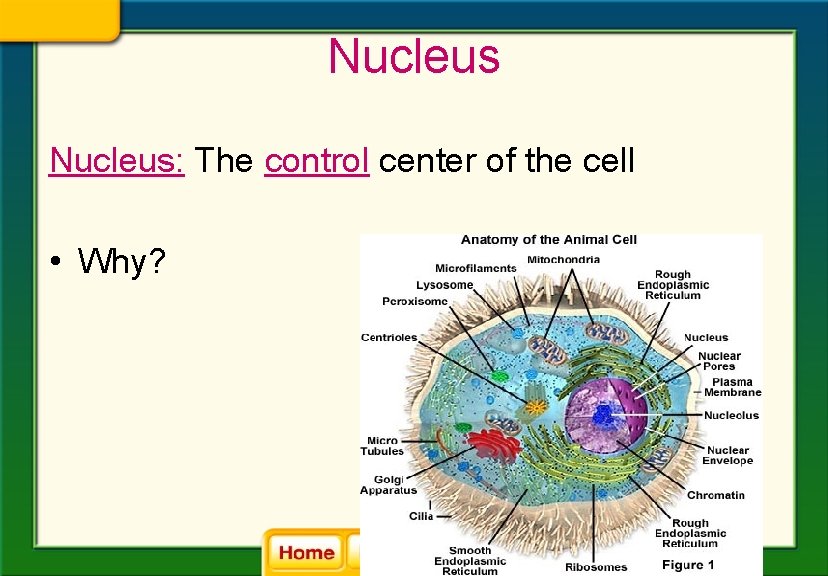
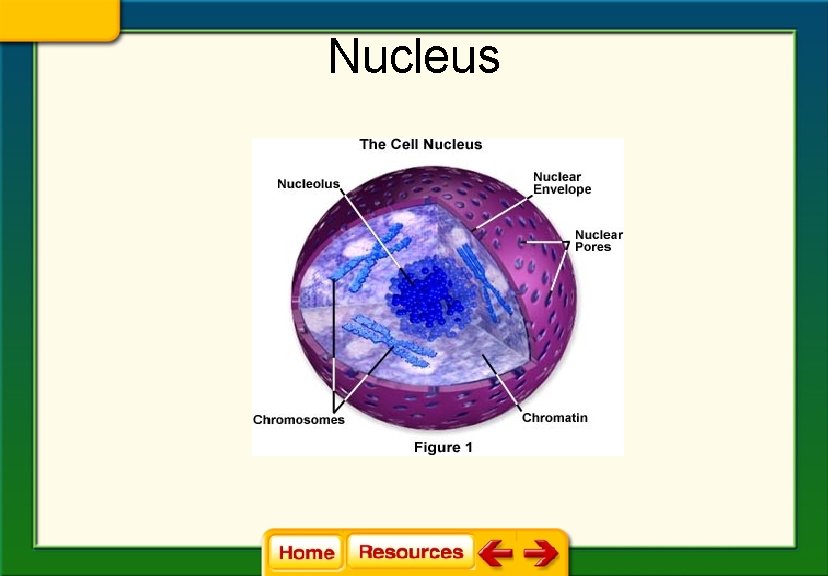
Nucleus: The control center of the cell • Why?
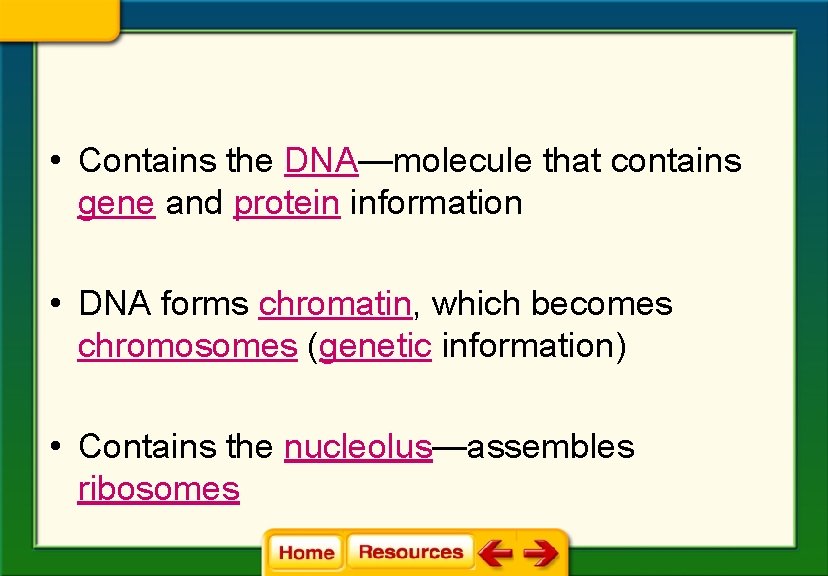
• Contains the DNA—molecule that contains gene and protein information • DNA forms chromatin, which becomes chromosomes (genetic information) • Contains the nucleolus—assembles ribosomes
Nucleus
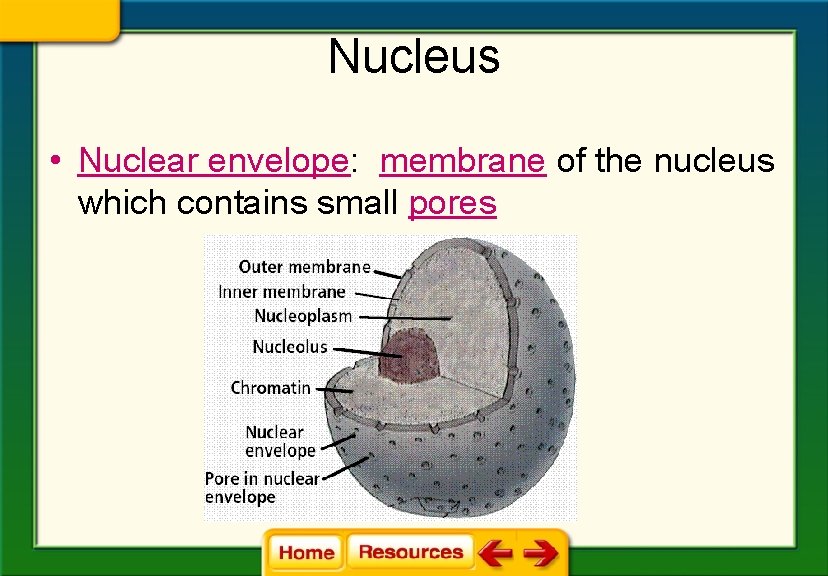
Nucleus • Nuclear envelope: membrane of the nucleus which contains small pores
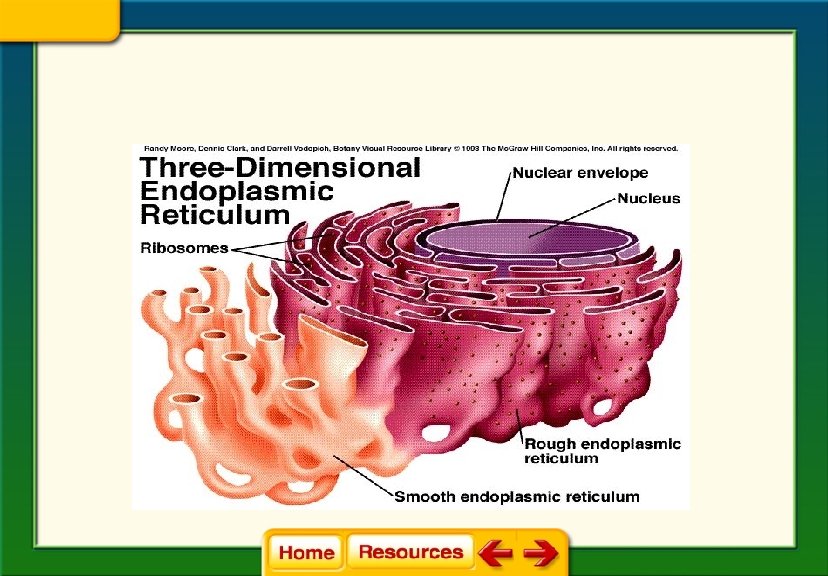
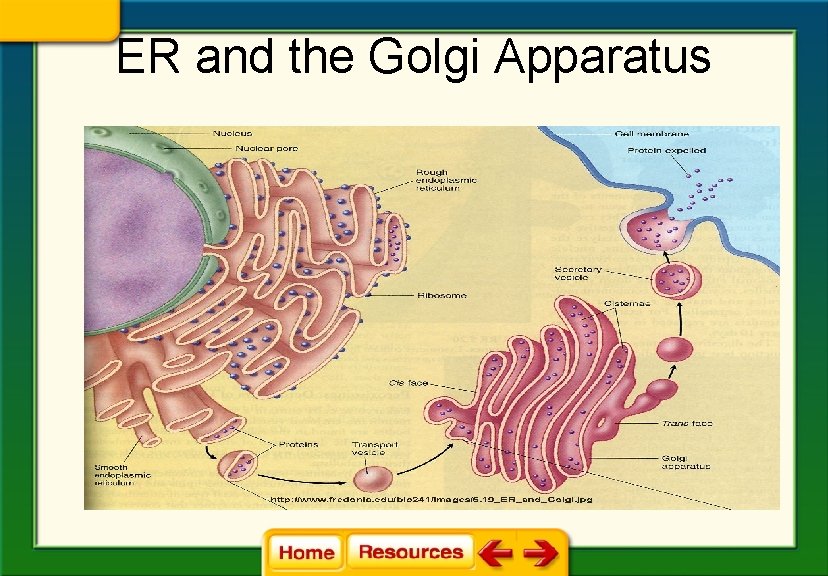
Endoplasmic Reticulum (ER) • Endoplasmic Reticulum (ER): a system of membranes that provide channels to move proteins and chemicals through the cell (think transport) • Rough ER: has ribosomes attached • Smooth ER: no ribosomes
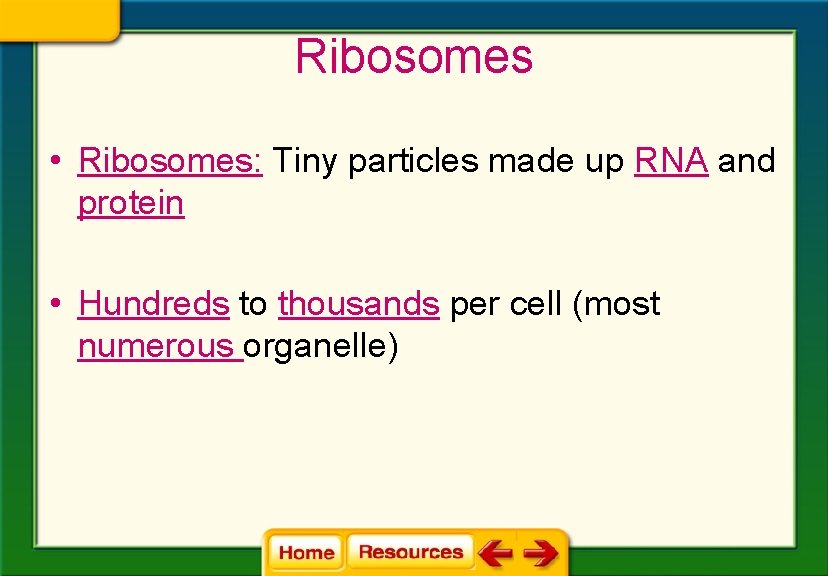
Ribosomes • Ribosomes: Tiny particles made up RNA and protein • Hundreds to thousands per cell (most numerous organelle)
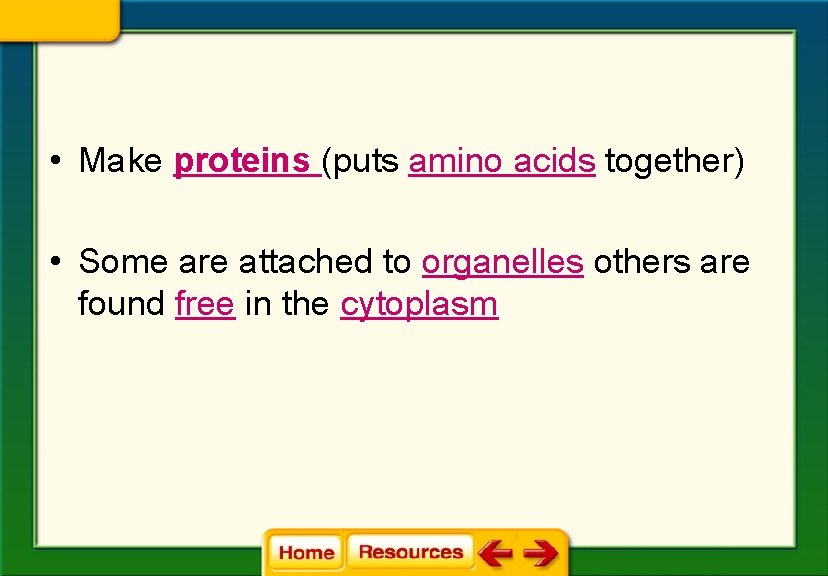
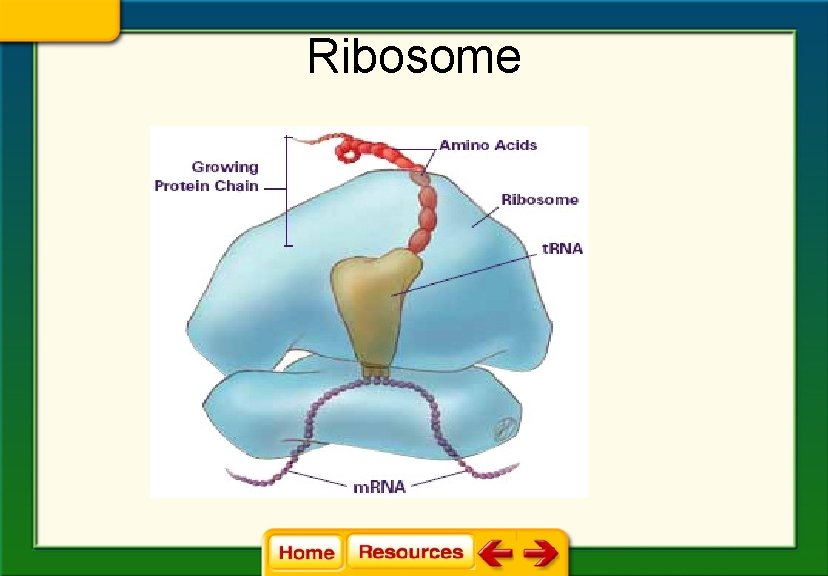
• Make proteins (puts amino acids together) • Some are attached to organelles others are found free in the cytoplasm
Ribosome
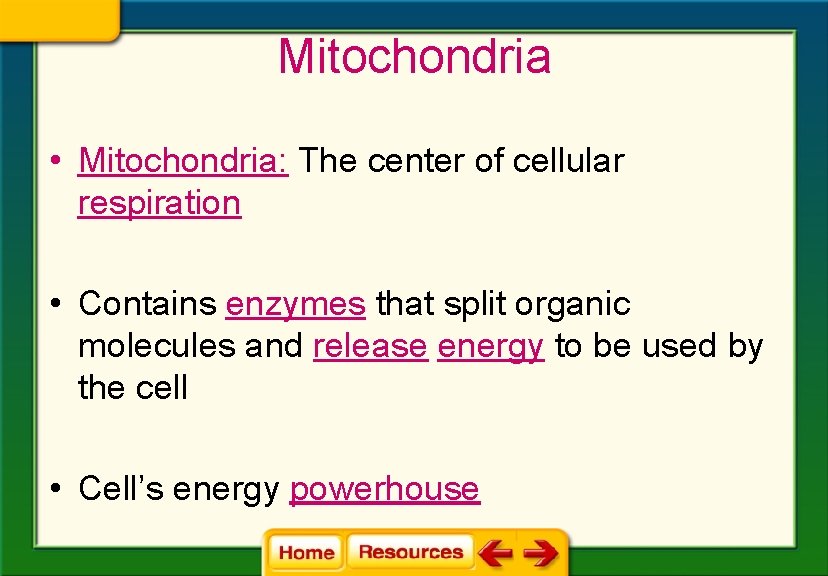
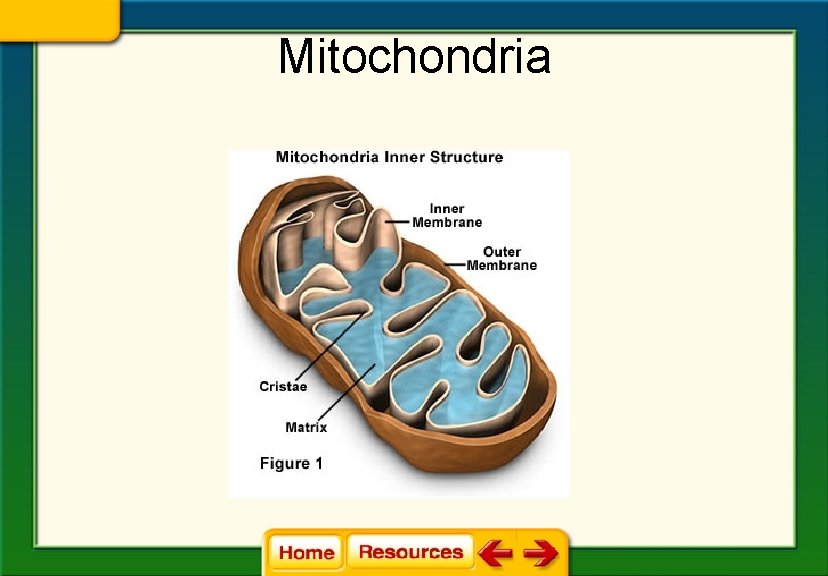
Mitochondria • Mitochondria: The center of cellular respiration • Contains enzymes that split organic molecules and release energy to be used by the cell • Cell’s energy powerhouse
Mitochondria
Lysosomes • Lysosomes: Sac-like membranes filled with enzymes that break down substances within the cells • Cell’s clean up crew
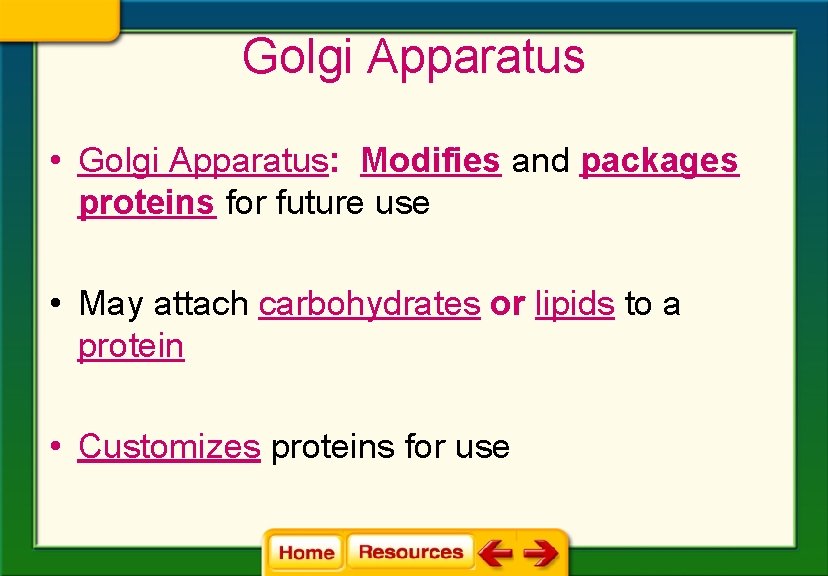
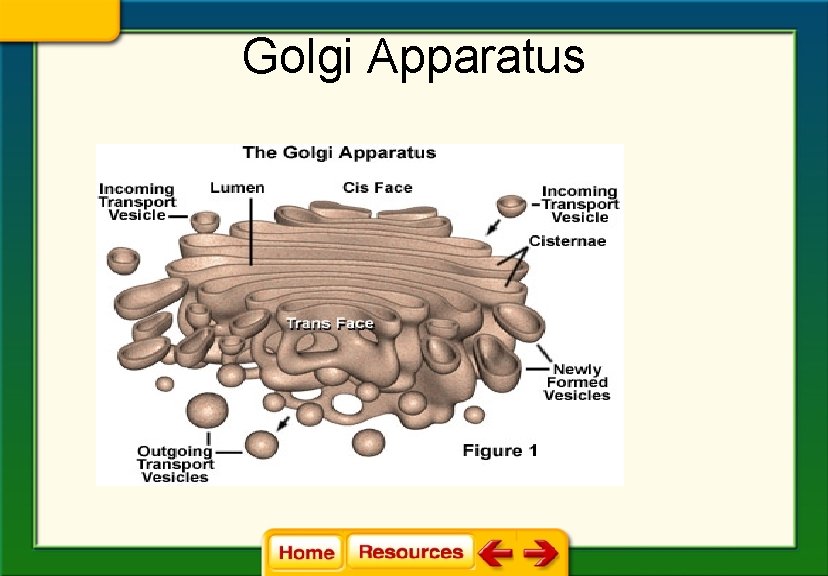
Golgi Apparatus • Golgi Apparatus: Modifies and packages proteins for future use • May attach carbohydrates or lipids to a protein • Customizes proteins for use
Golgi Apparatus
ER and the Golgi Apparatus
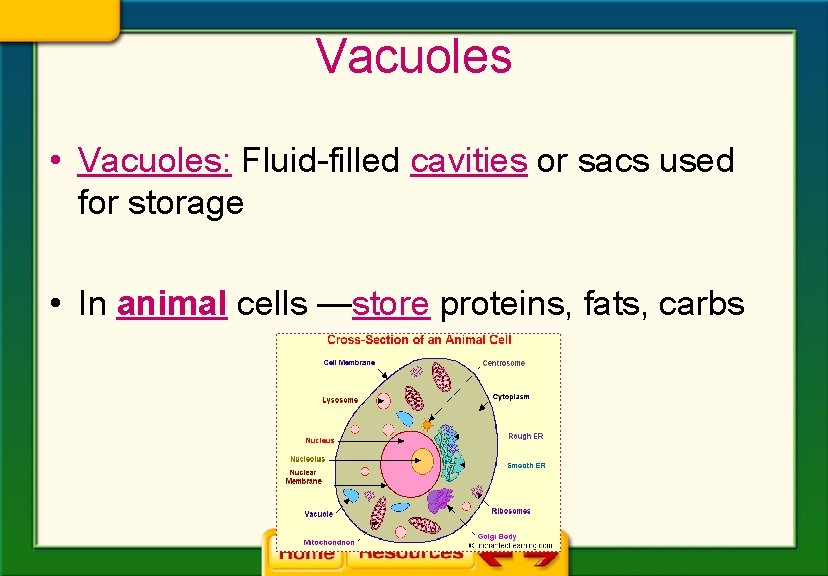
Vacuoles • Vacuoles: Fluid-filled cavities or sacs used for storage • In animal cells —store proteins, fats, carbs
• Unicellular animals —act as a pump that removes excess water and for motion (contractile vacuole)
Contractile Vacuole
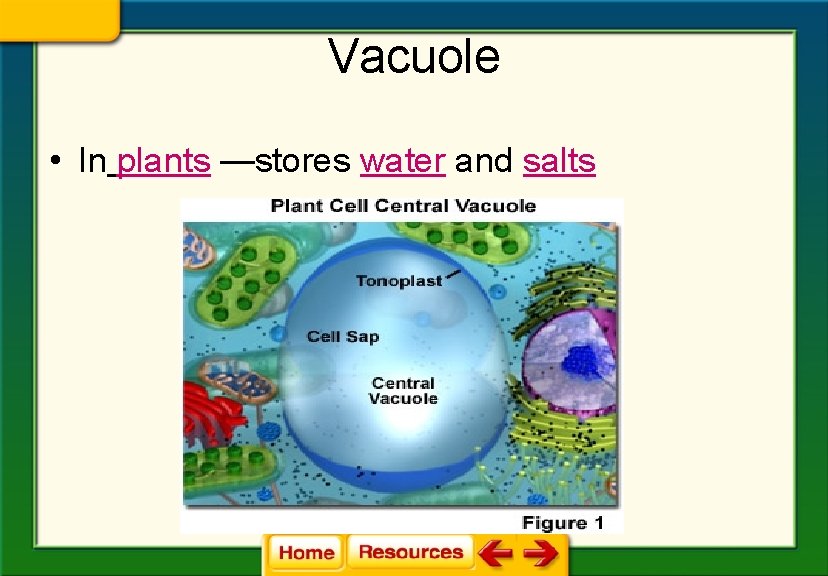
Vacuole • In plants —stores water and salts
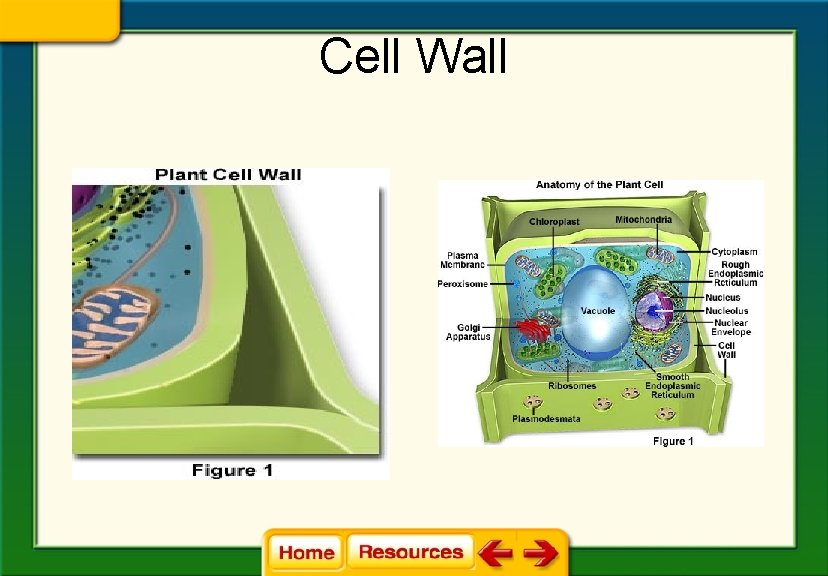
Cell Wall • Found only in plants!! • Provides protection and support • Very rigid
Cell Wall
Plastids • Plastids: storage organelles found only in plants! • Three types: – Chloroplasts – Leucoplasts – Chromoplasts
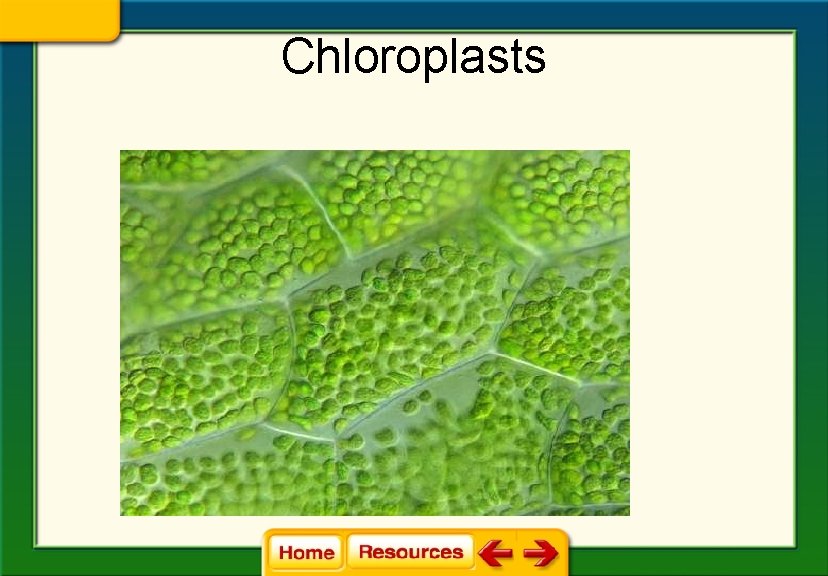
Chloroplasts (Type of Plastid) • Plants Only!! • Stores food and pigment • Provide the green color of leaves • Important with photosynthesis
Chloroplasts
Chloroplasts
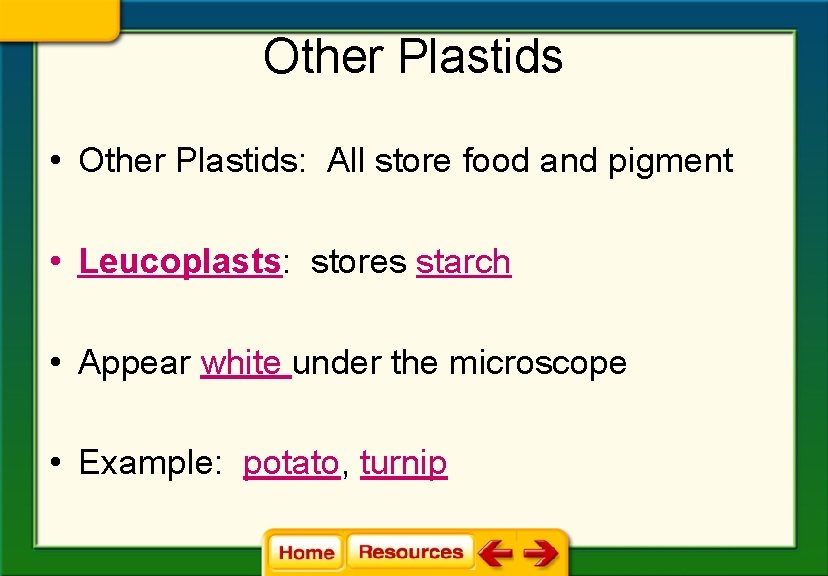
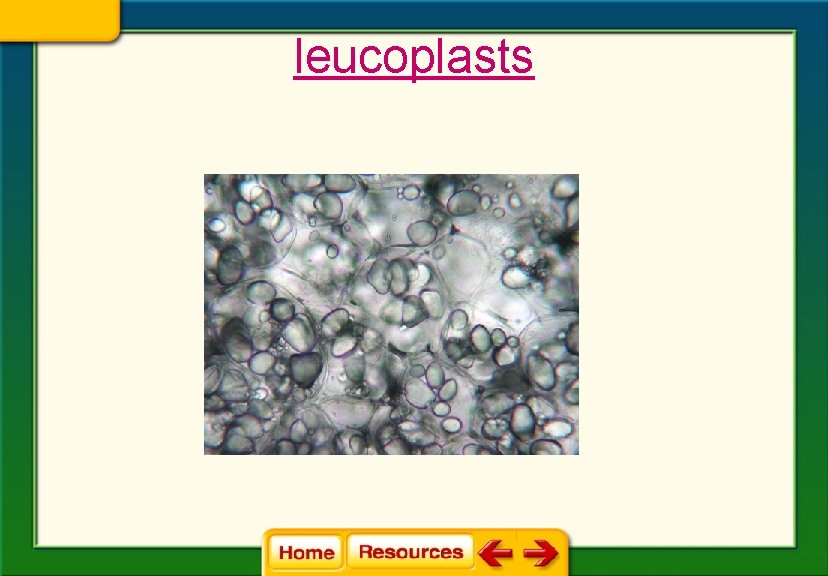
Other Plastids • Other Plastids: All store food and pigment • Leucoplasts: stores starch • Appear white under the microscope • Example: potato, turnip
leucoplasts
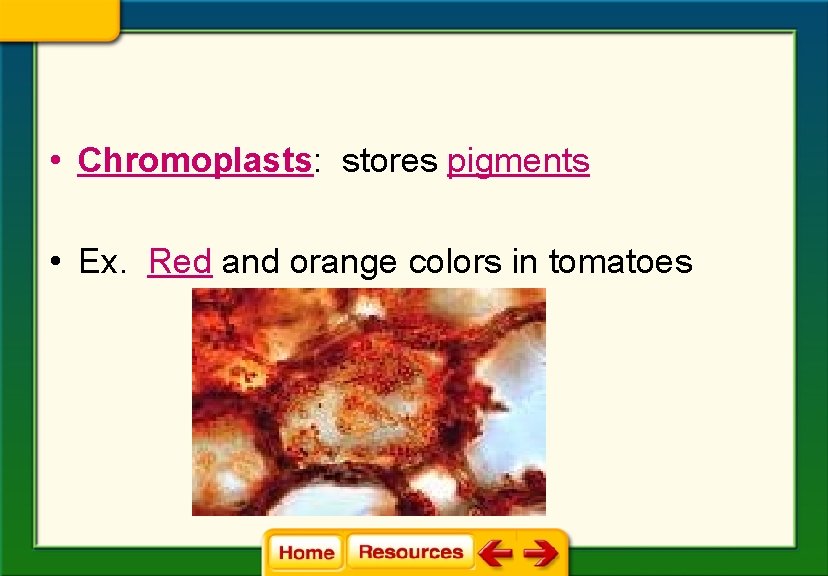
• Chromoplasts: stores pigments • Ex. Red and orange colors in tomatoes
Chapter 7 Cellular Structure and Function 7. 3 Structures and Organelles
Chapter 7 Cellular Structure and Function 7. 3 Structures and Organelles
Chapter 7 Cellular Structure and Function 7. 3 Structures and Organelles
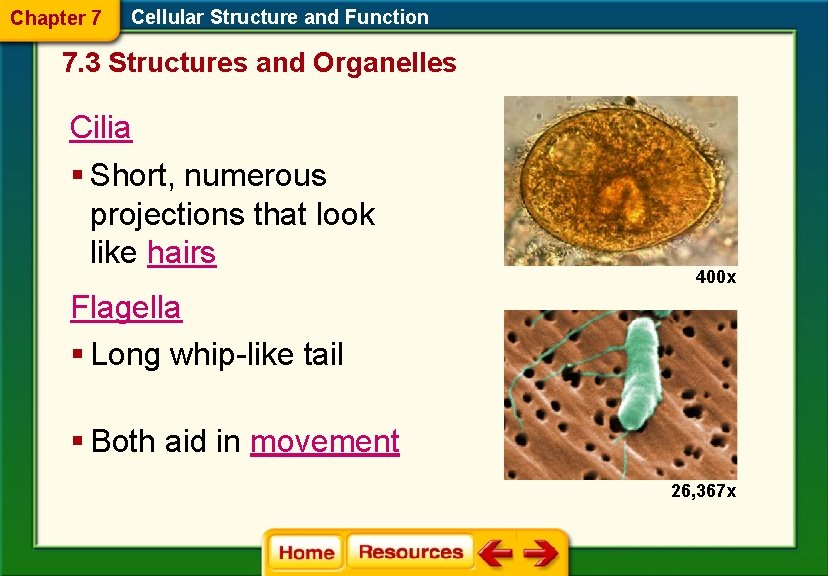
Chapter 7 Cellular Structure and Function 7. 3 Structures and Organelles Cilia § Short, numerous projections that look like hairs 400 x Flagella § Long whip-like tail § Both aid in movement 26, 367 x