
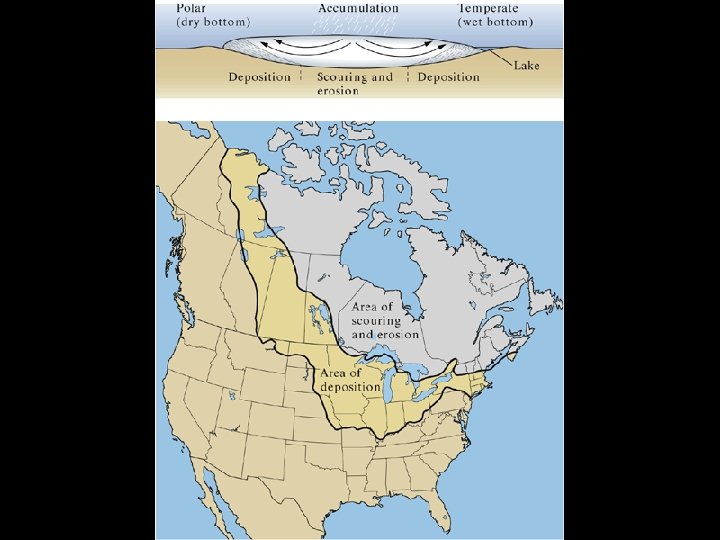
Two Different Types of Glacial Landforms 1 Erosional
- Slides: 26
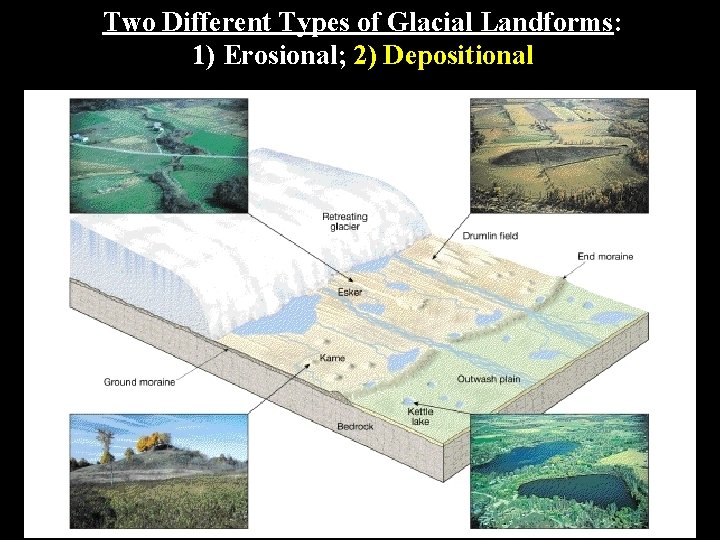
Two Different Types of Glacial Landforms: 1) Erosional; 2) Depositional
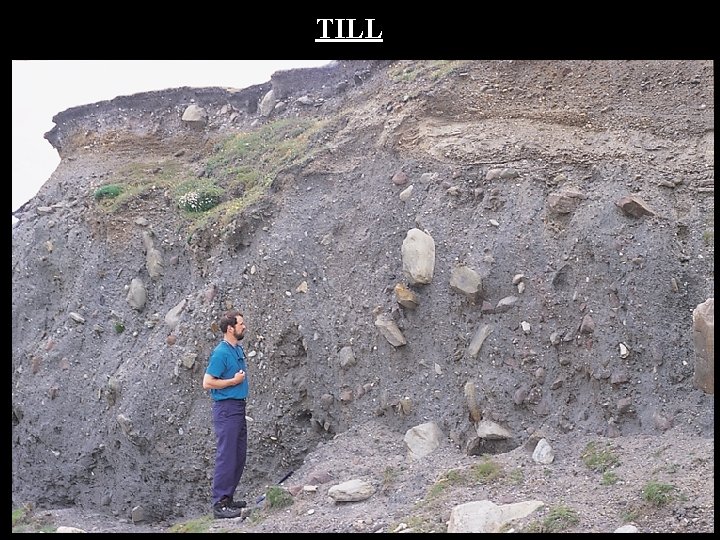
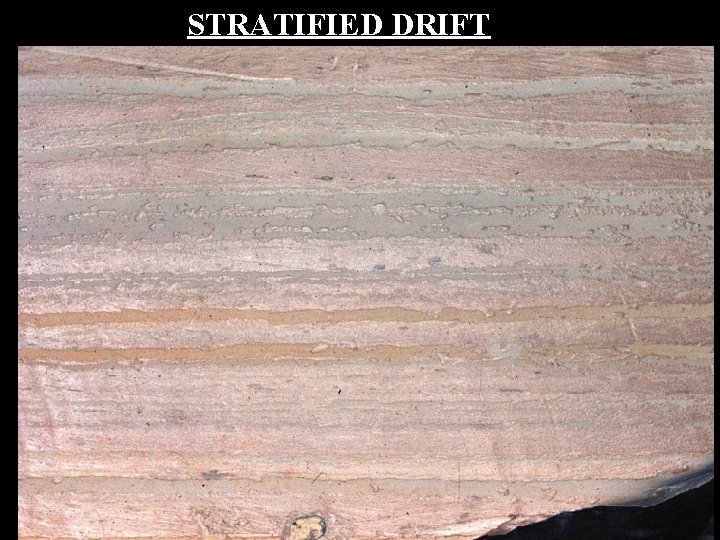
Types of Glacial Deposits: 1) Till – Left directly by the ice. Unsorted and unstratified. 1) Stratified Drift – Left by glacial meltwater. Usually sorted and layered.
TILL
STRATIFIED DRIFT
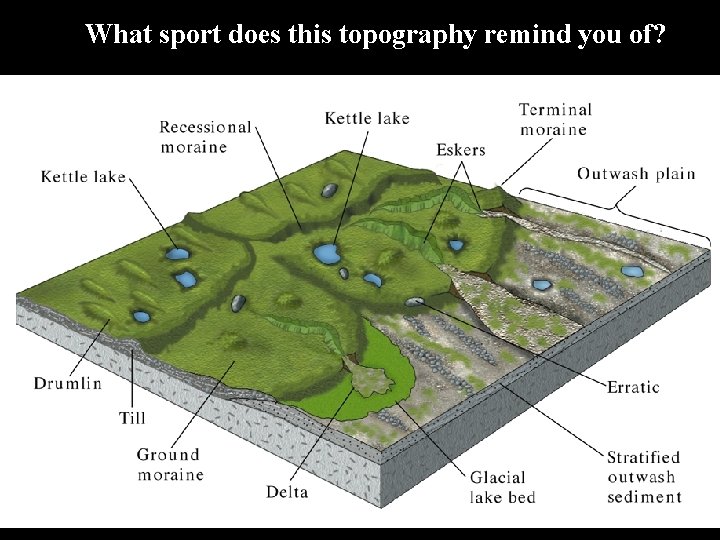
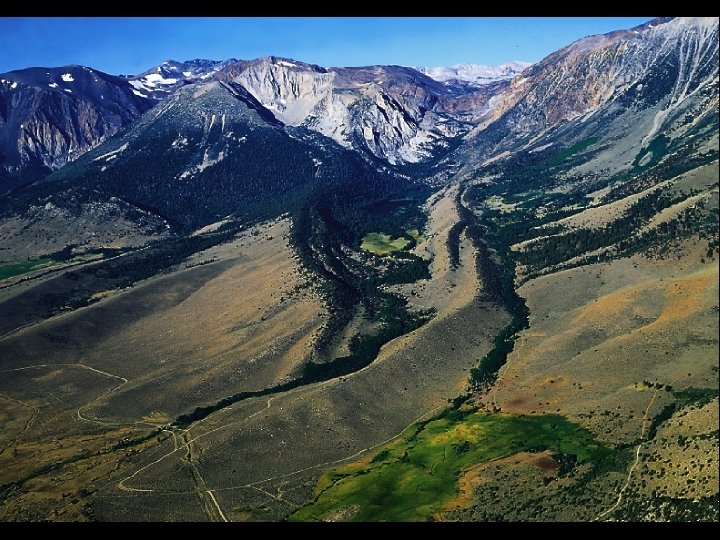
What sport does this topography remind you of?
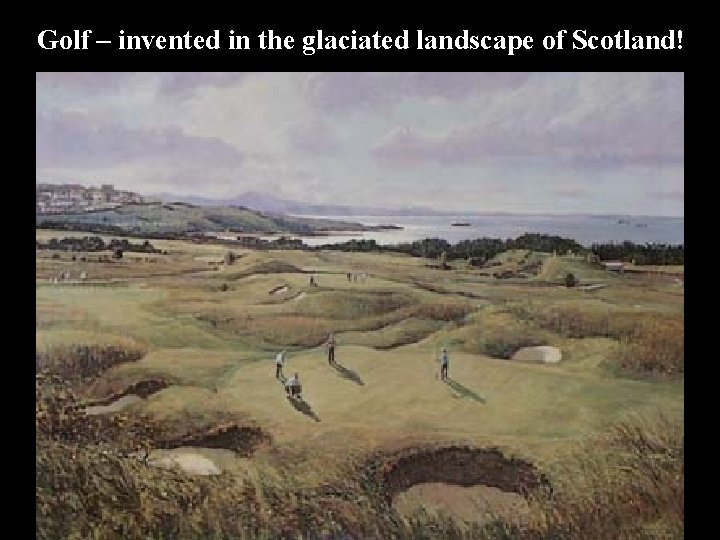
Golf – invented in the glaciated landscape of Scotland!
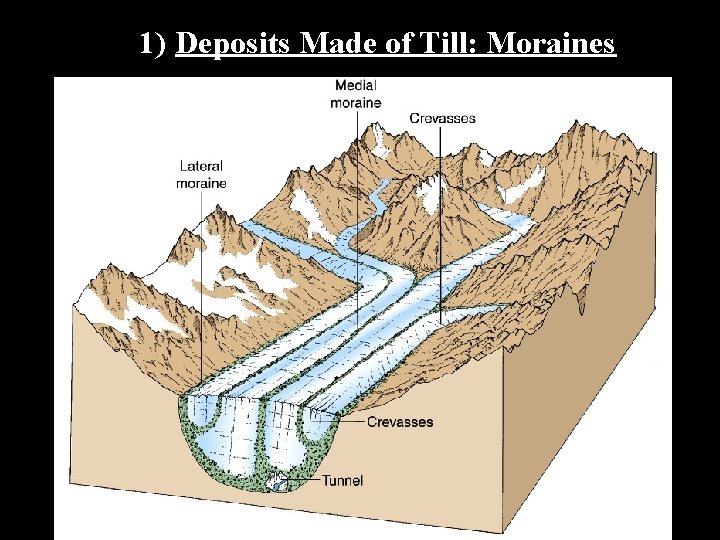
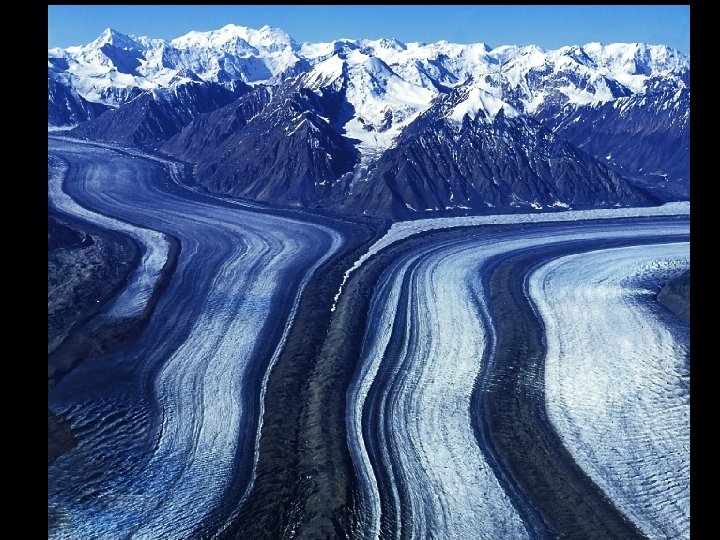
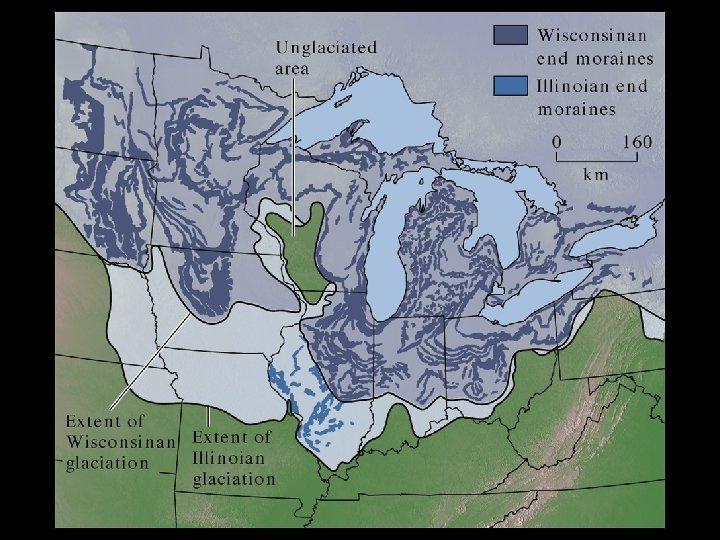
1) Deposits Made of Till: Moraines
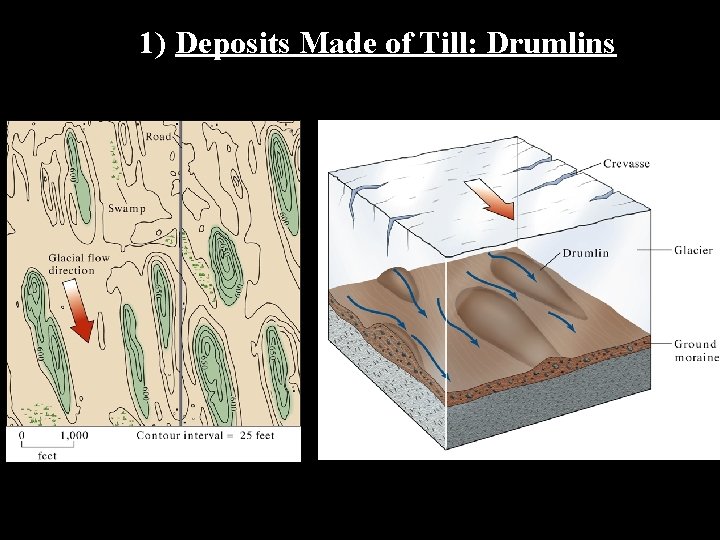
1) Deposits Made of Till: Drumlins
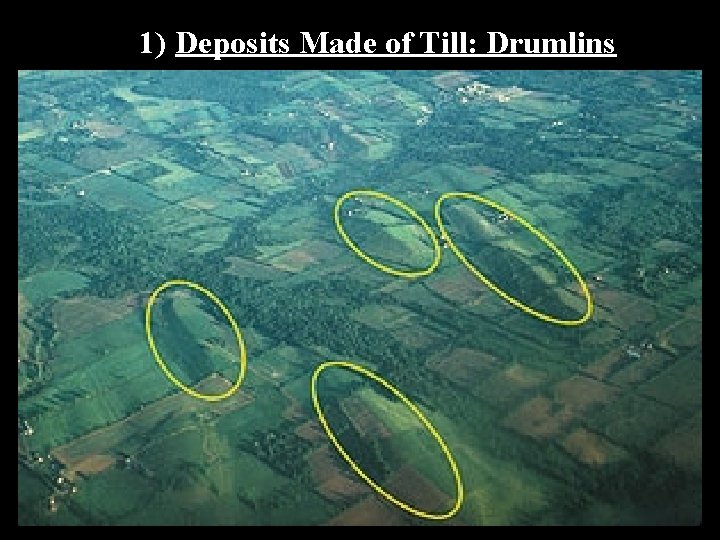
1) Deposits Made of Till: Drumlins
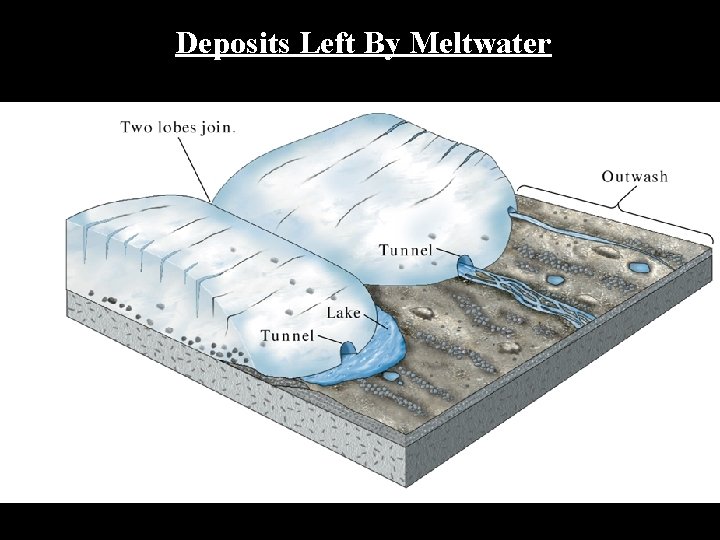
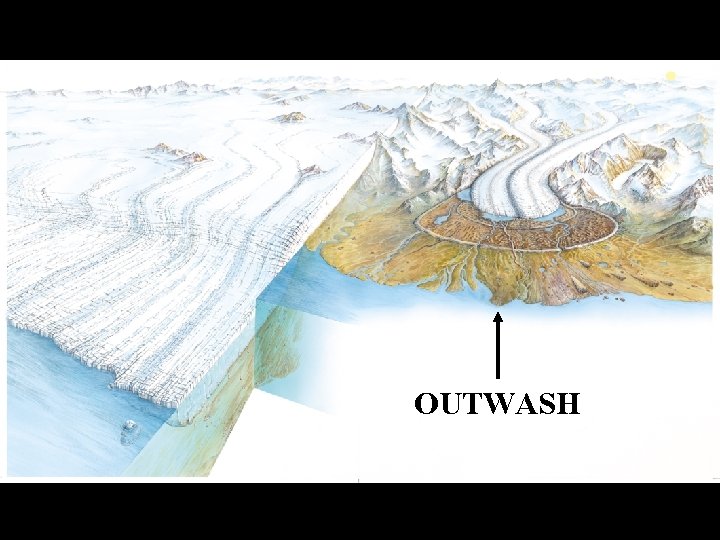
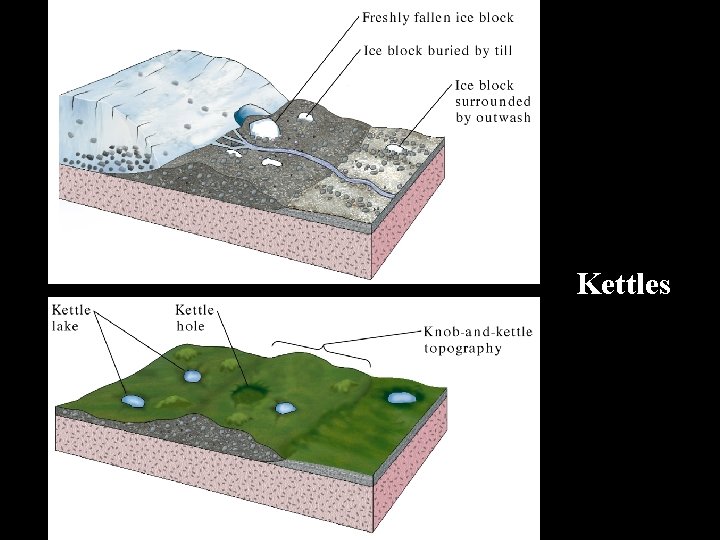
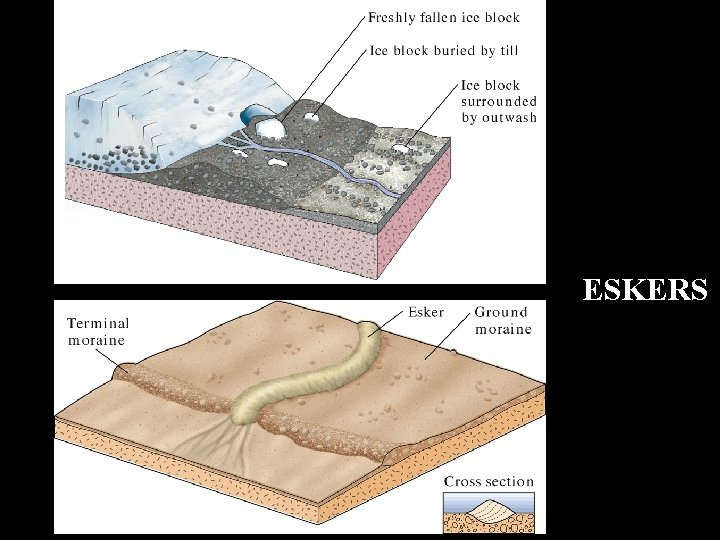
Deposits Left By Meltwater
OUTWASH
Kettles
ESKERS
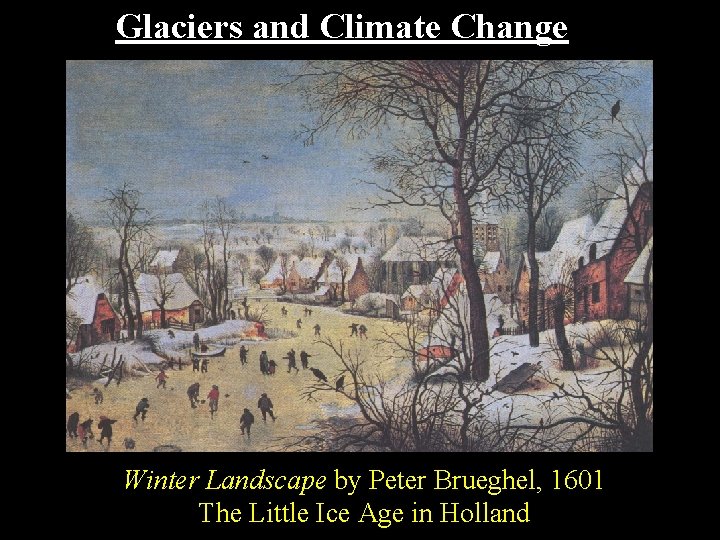
Glaciers and Climate Change Winter Landscape by Peter Brueghel, 1601 The Little Ice Age in Holland
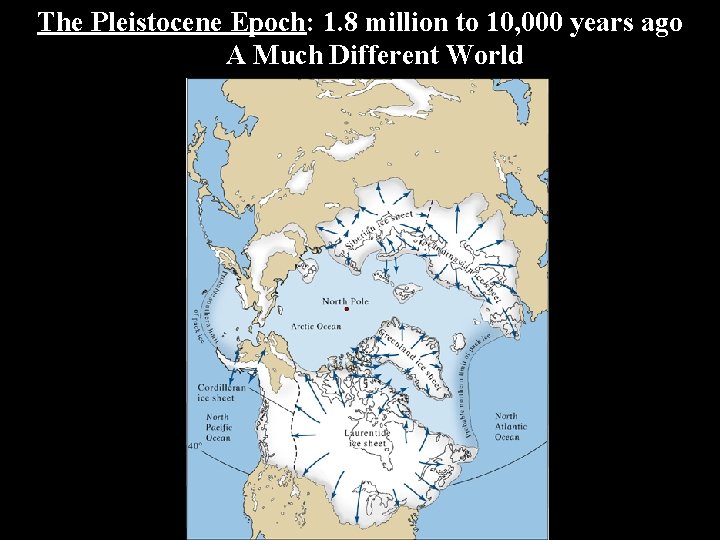
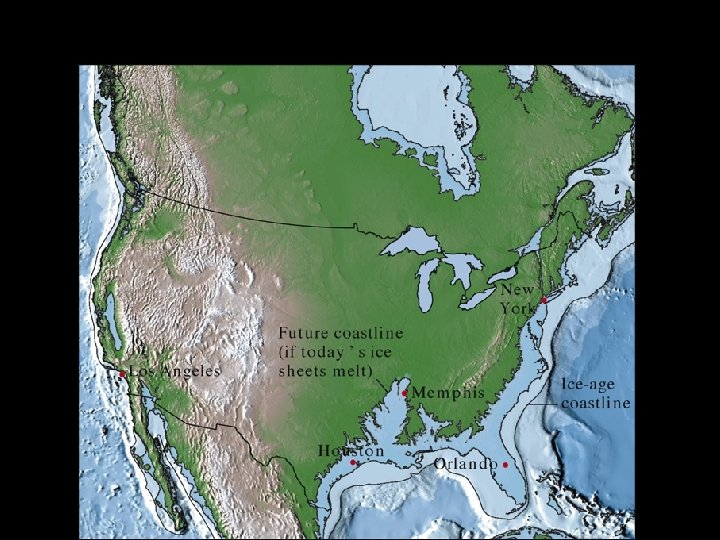
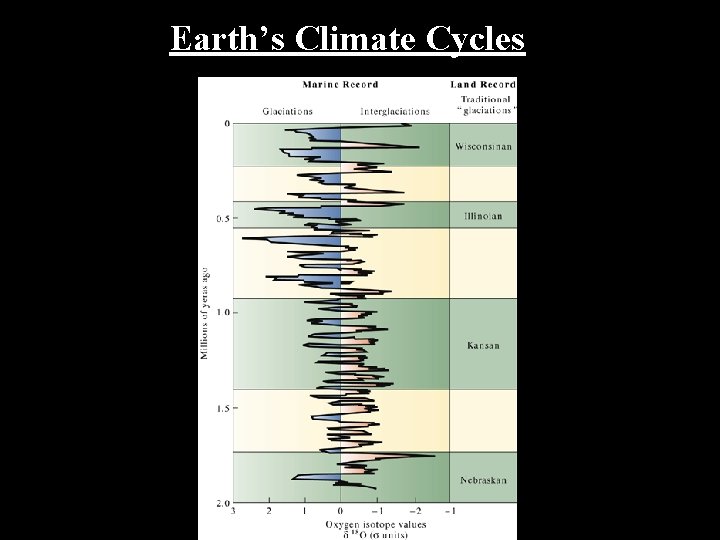
The Pleistocene Epoch: 1. 8 million to 10, 000 years ago A Much Different World
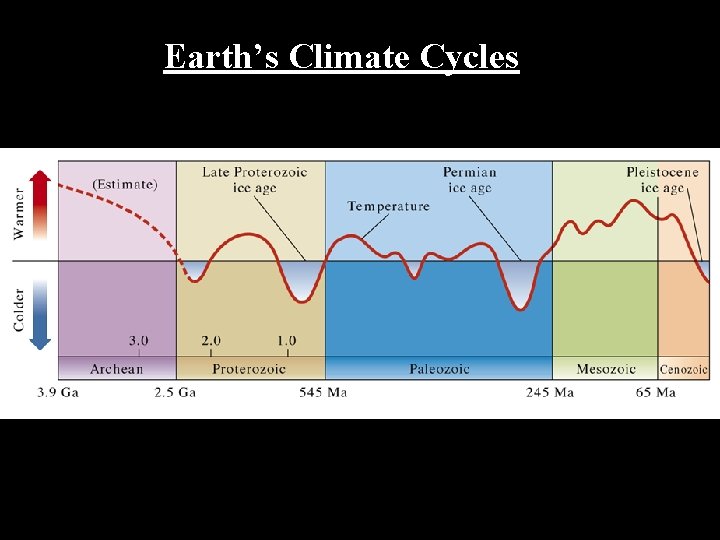
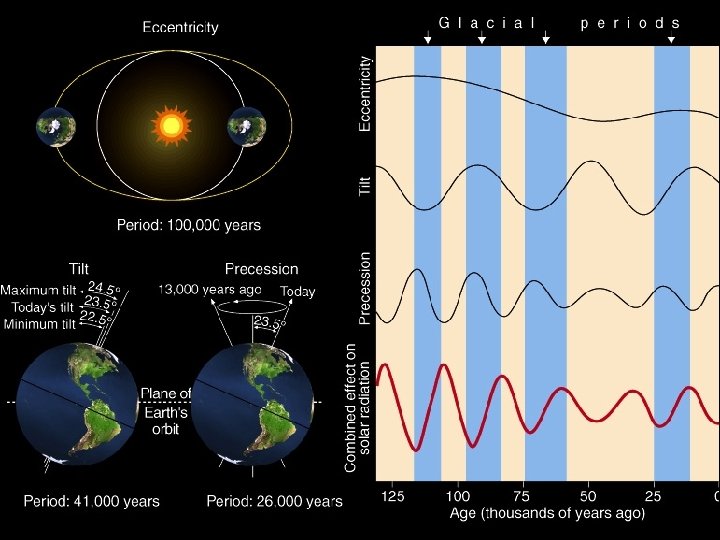
Earth’s Climate Cycles
Earth’s Climate Cycles
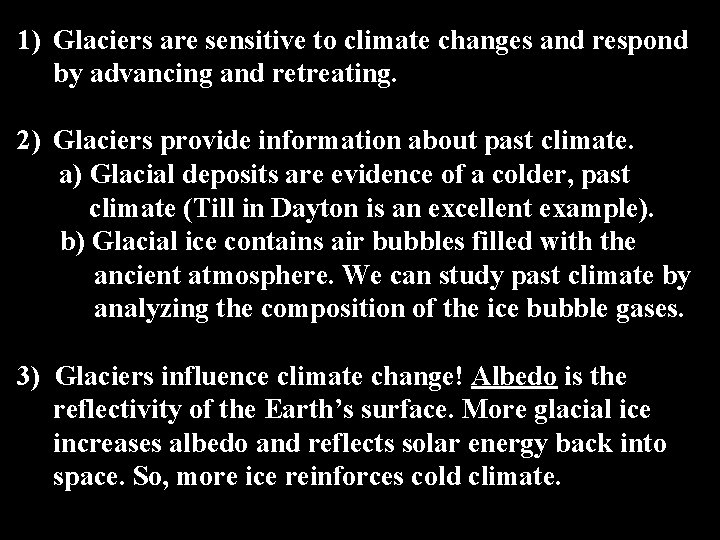
1) Glaciers are sensitive to climate changes and respond by advancing and retreating. 2) Glaciers provide information about past climate. a) Glacial deposits are evidence of a colder, past climate (Till in Dayton is an excellent example). b) Glacial ice contains air bubbles filled with the ancient atmosphere. We can study past climate by analyzing the composition of the ice bubble gases. 3) Glaciers influence climate change! Albedo is the reflectivity of the Earth’s surface. More glacial ice increases albedo and reflects solar energy back into space. So, more ice reinforces cold climate.
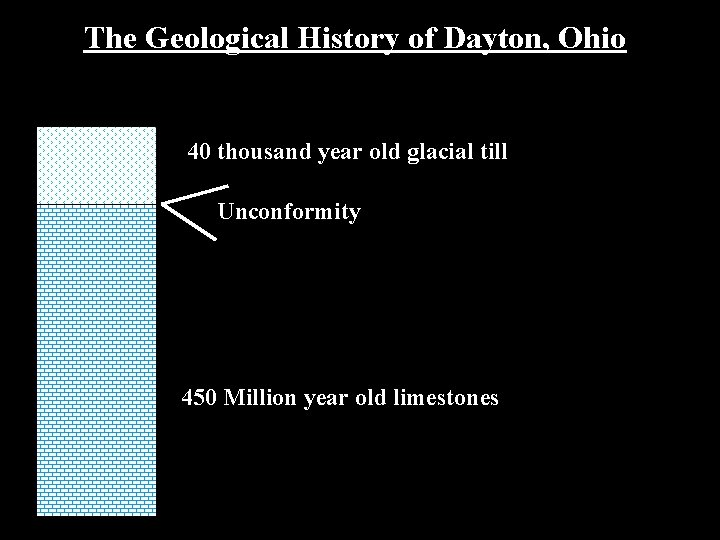
The Geological History of Dayton, Ohio 40 thousand year old glacial till Unconformity 450 Million year old limestones
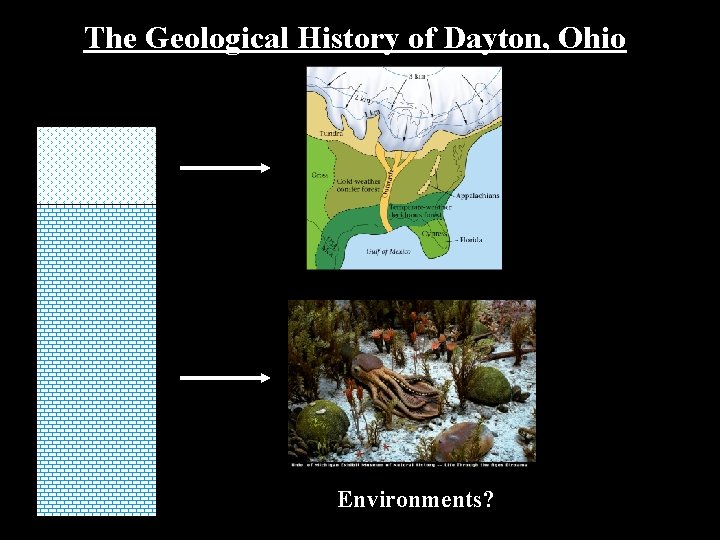
The Geological History of Dayton, Ohio Fig. 11. 6 b Environments?