
Tust Techasith 11 30 04 Medicinal Chemistry Dr
- Slides: 18
Tust Techasith 11 -30 -04 Medicinal Chemistry Dr. John Buynak
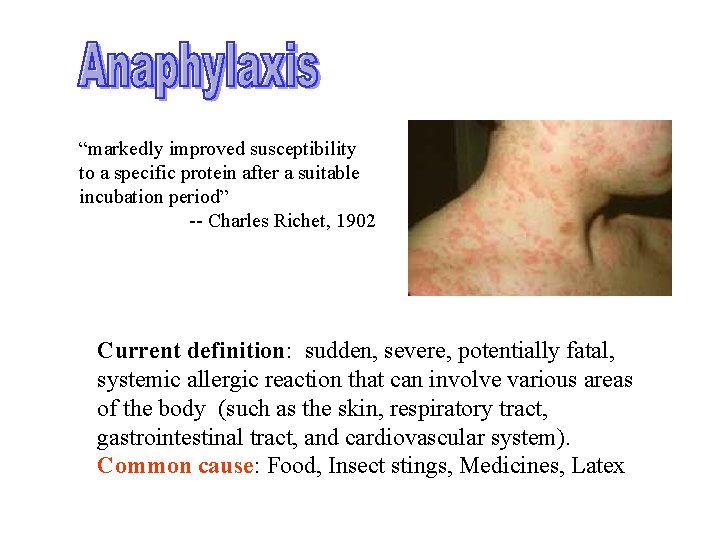
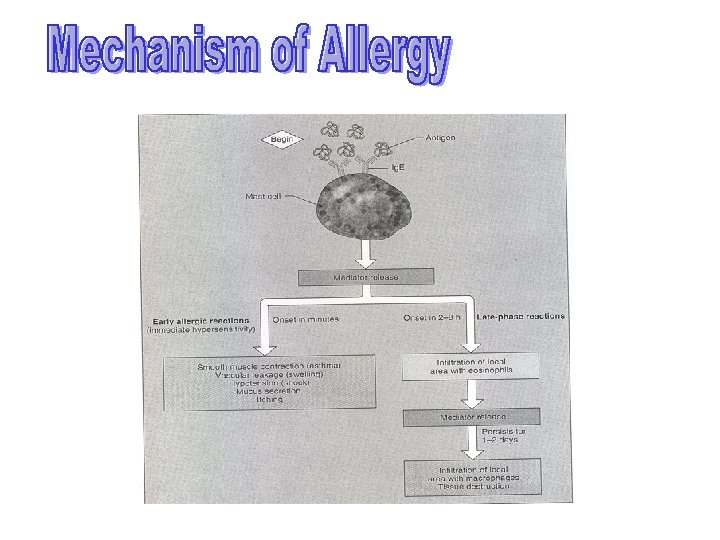
“markedly improved susceptibility to a specific protein after a suitable incubation period” -- Charles Richet, 1902 Current definition: sudden, severe, potentially fatal, systemic allergic reaction that can involve various areas of the body (such as the skin, respiratory tract, gastrointestinal tract, and cardiovascular system). Common cause: Food, Insect stings, Medicines, Latex
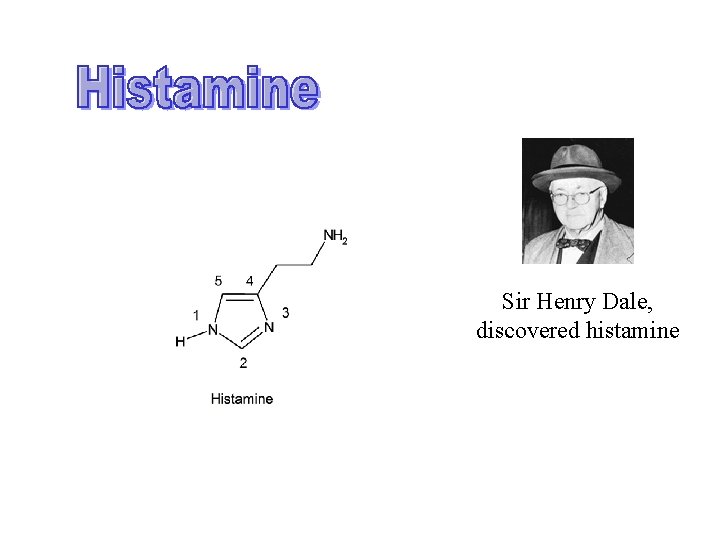
Sir Henry Dale, discovered histamine
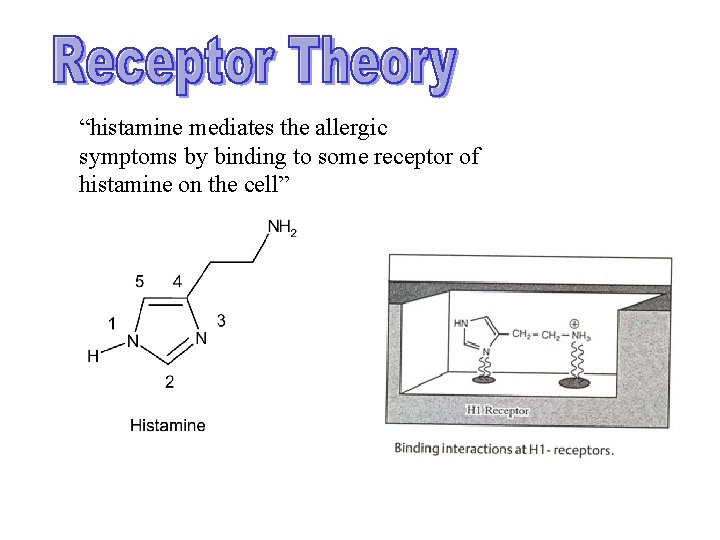
“histamine mediates the allergic symptoms by binding to some receptor of histamine on the cell”
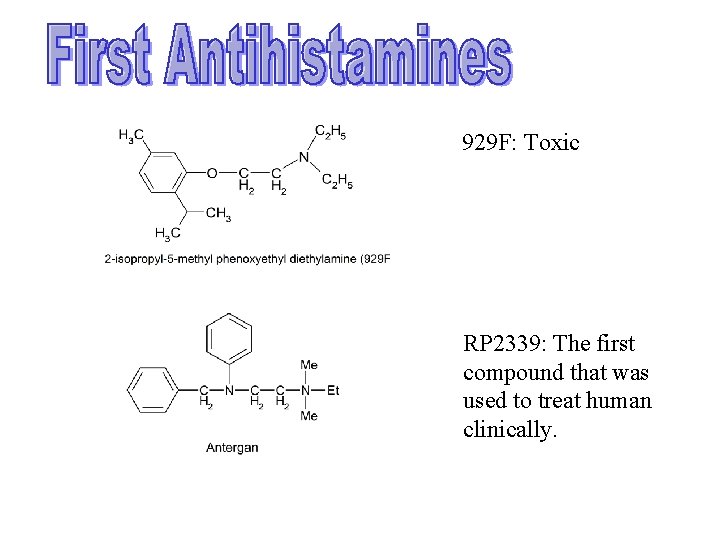
929 F: Toxic RP 2339: The first compound that was used to treat human clinically.
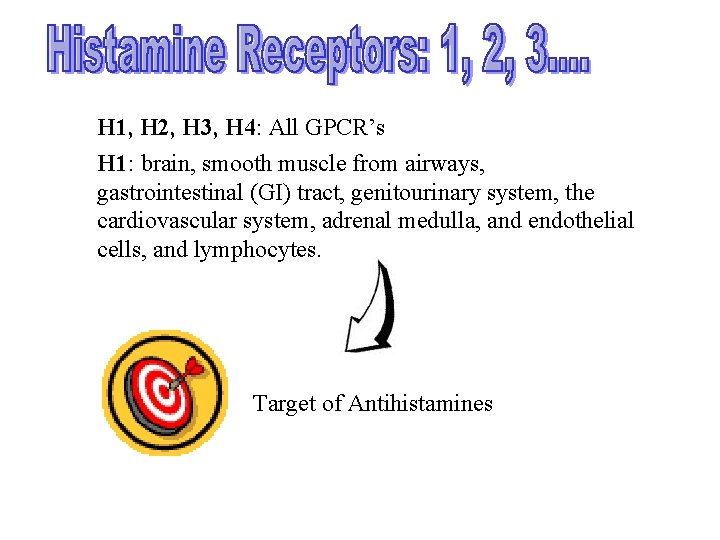
H 1, H 2, H 3, H 4: All GPCR’s H 1: brain, smooth muscle from airways, gastrointestinal (GI) tract, genitourinary system, the cardiovascular system, adrenal medulla, and endothelial cells, and lymphocytes. Target of Antihistamines
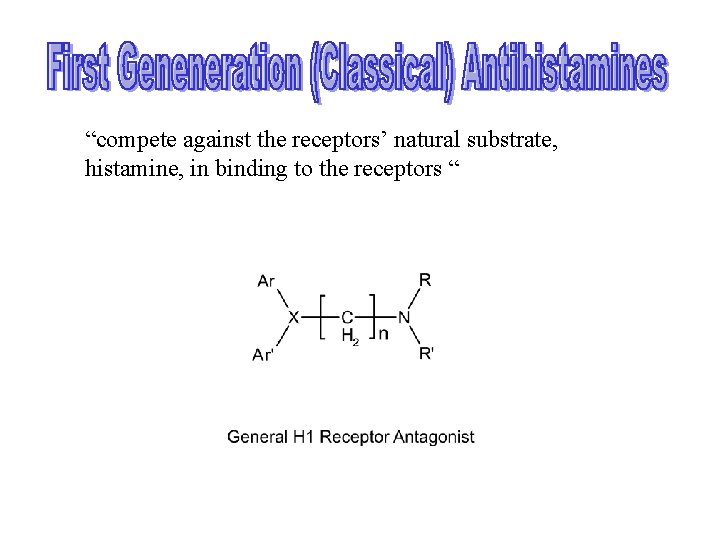
“compete against the receptors’ natural substrate, histamine, in binding to the receptors “
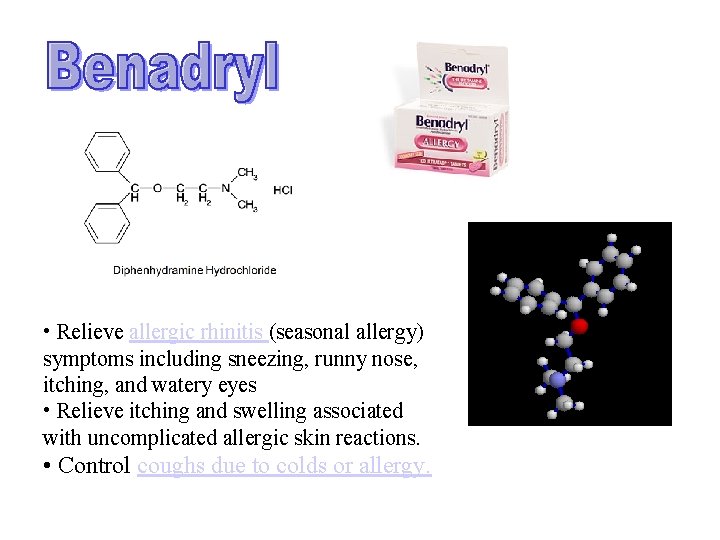
• Relieve allergic rhinitis (seasonal allergy) symptoms including sneezing, runny nose, itching, and watery eyes • Relieve itching and swelling associated with uncomplicated allergic skin reactions. • Control coughs due to colds or allergy.
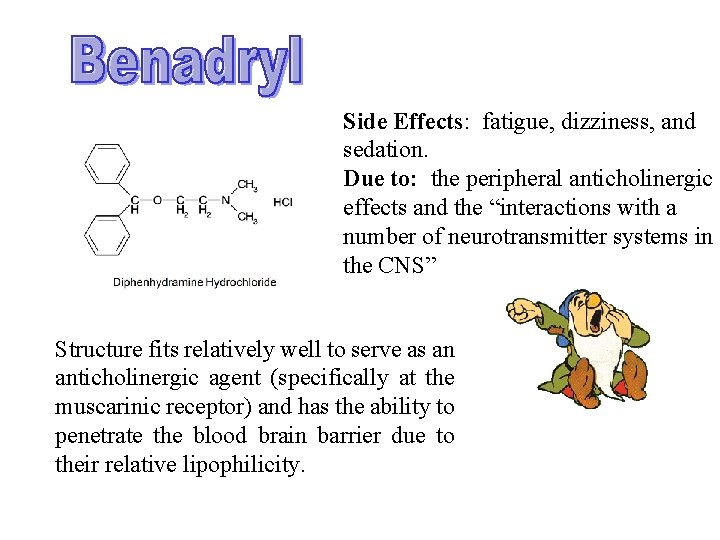
Side Effects: fatigue, dizziness, and sedation. Due to: the peripheral anticholinergic effects and the “interactions with a number of neurotransmitter systems in the CNS” Structure fits relatively well to serve as an anticholinergic agent (specifically at the muscarinic receptor) and has the ability to penetrate the blood brain barrier due to their relative lipophilicity.
“the primary objective of antihistamine research over the past 10 -15 years has centered on developing new drugs with higher selectivity for H 1 receptors and lacking undesirable CNS actions” Goal : designing antihistamines with “reduced ability to penetrate the CNS and decreased affinity for central histamine receptors”
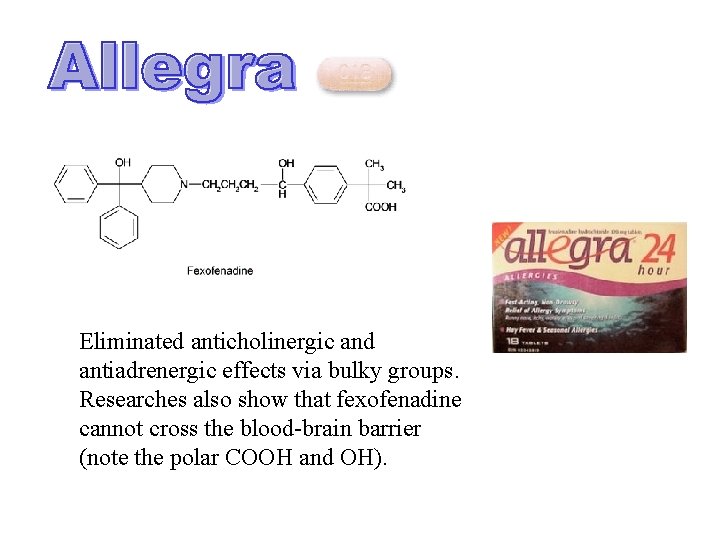
Eliminated anticholinergic and antiadrenergic effects via bulky groups. Researches also show that fexofenadine cannot cross the blood-brain barrier (note the polar COOH and OH).
H 2: mediate the histamine induced gastric acid secretion. Antihistaminic agents that target H 2 receptor such as cemetidine and tagamet are used to treat some gastrointestinal diseases such as peptic ulcers. H 3: “neural autoreceptor (presynaptic) serving to modulate histamine synthesis and release in the CNS”; one step up in the chain of histamine action H 4: found primarily in intestinal tissue, spleen, thymus, and immune active cells (such as T cells, neutrophils, and eosinophils), “which suggests an important role for H 4 receptors in the regulation of immune function”.
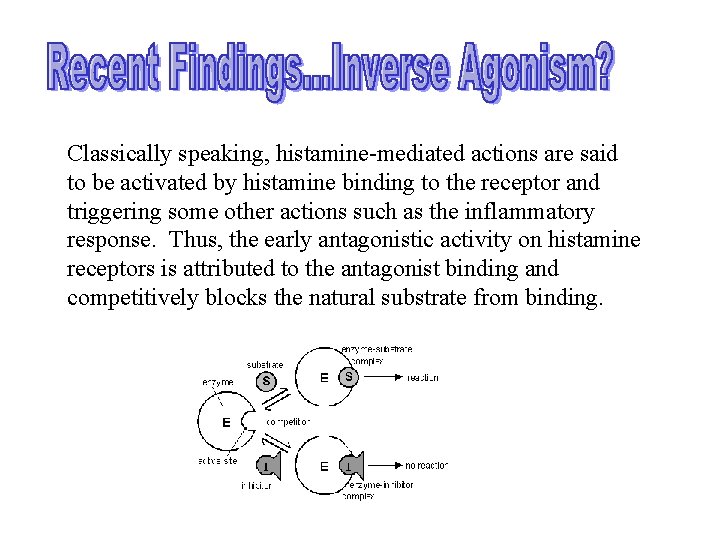
Classically speaking, histamine-mediated actions are said to be activated by histamine binding to the receptor and triggering some other actions such as the inflammatory response. Thus, the early antagonistic activity on histamine receptors is attributed to the antagonist binding and competitively blocks the natural substrate from binding.
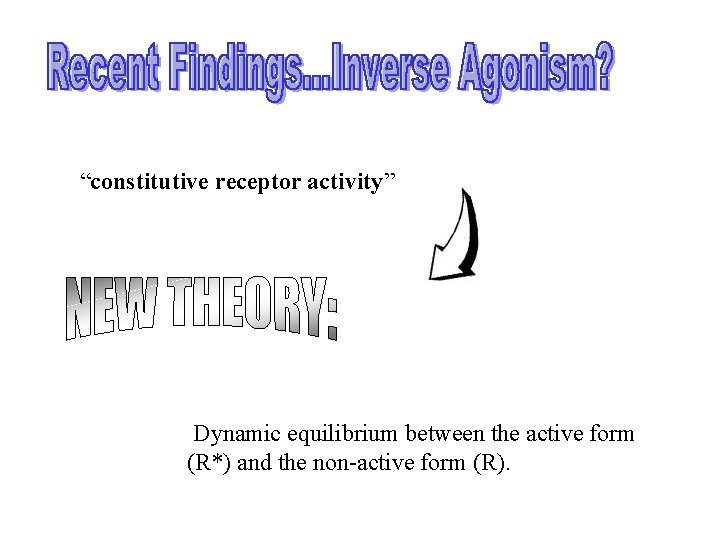
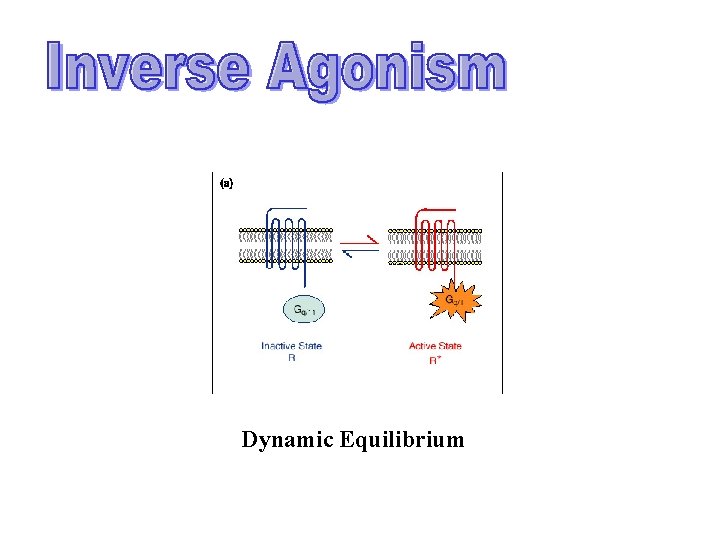
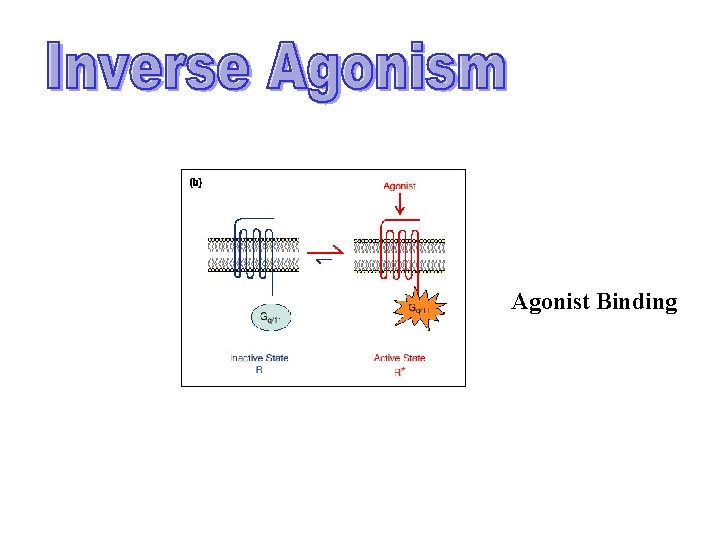
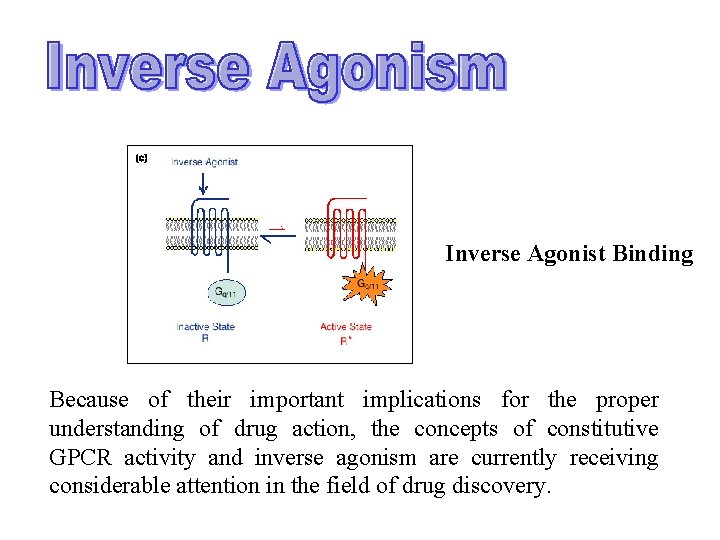
“constitutive receptor activity” Dynamic equilibrium between the active form (R*) and the non-active form (R).
Dynamic Equilibrium
Agonist Binding
Inverse Agonist Binding Because of their important implications for the proper understanding of drug action, the concepts of constitutive GPCR activity and inverse agonism are currently receiving considerable attention in the field of drug discovery.