
Turning Research Results into Policy addressing human capital


- Slides: 40
Turning Research Results into Policy - addressing human capital challenges in China Linxiu Zhang Professor / Deputy Director Center for Chinese Agricultural Policy Chinese Academy of Sciences Presentation at IAP conference on Science for Poverty Eradication and Sustainable Development Rio de Janeiro, Feb. 24 -27, 2013
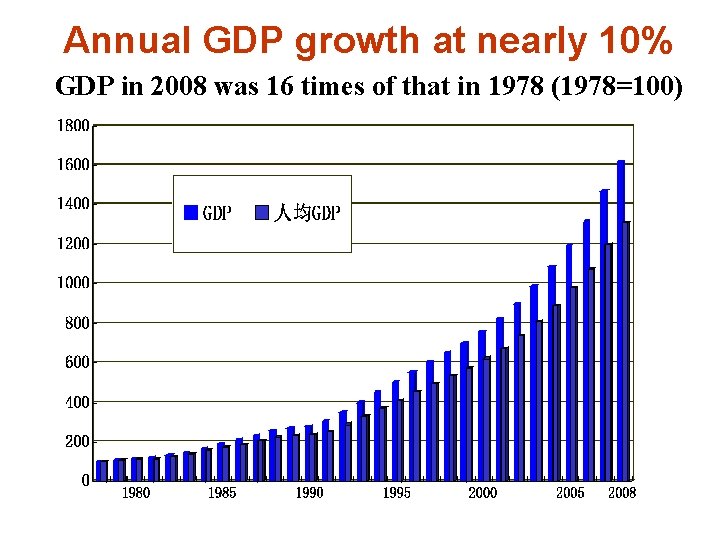
Annual GDP growth at nearly 10% GDP in 2008 was 16 times of that in 1978 (1978=100)
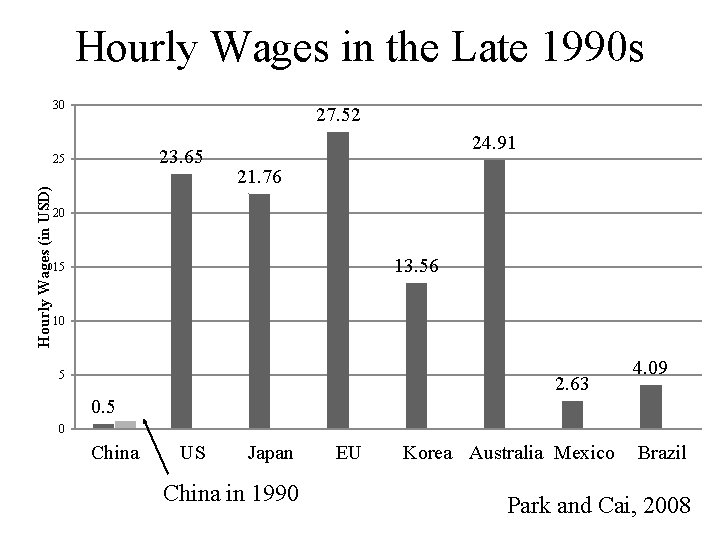
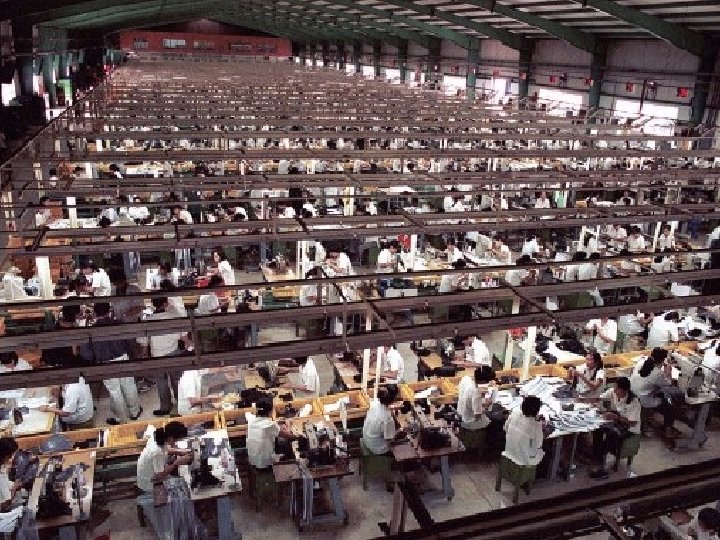
Hourly Wages in the Late 1990 s 30 27. 52 23. 65 Hourly Wages (in USD) 25 24. 91 21. 76 20 13. 56 15 10 5 2. 63 4. 09 0. 5 0 China US Japan China in 1990 EU Korea Australia Mexico Brazil Park and Cai, 2008
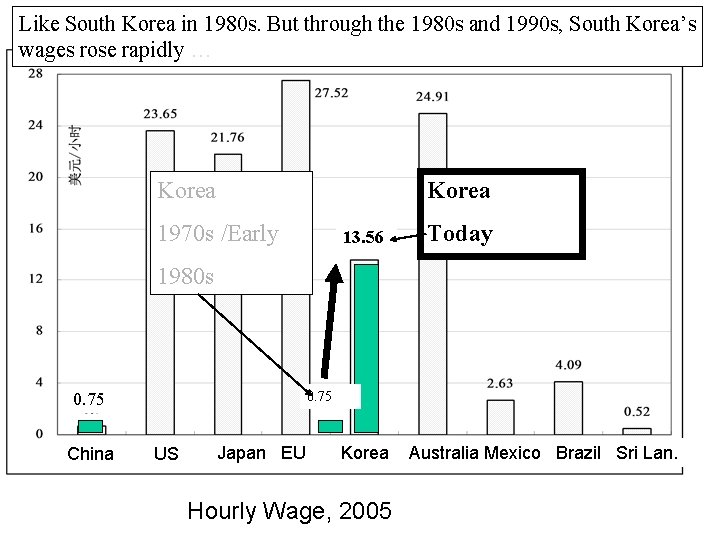
Like South Korea in 1980 s. But through the 1980 s and 1990 s, South Korea’s wages rose rapidly … Korea 1970 s /Early 13. 56 Today 1980 s 0. 75 0. 50 0. 75 China US Japan EU Korea Hourly Wage, 2005 Australia Mexico Brazil Sri Lan.
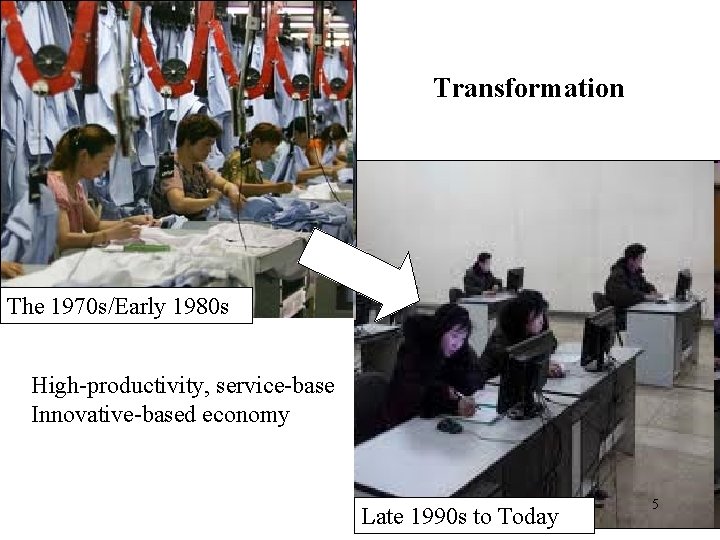
Transformation The 1970 s/Early 1980 s High-productivity, service-base Innovative-based economy Late 1990 s to Today 5
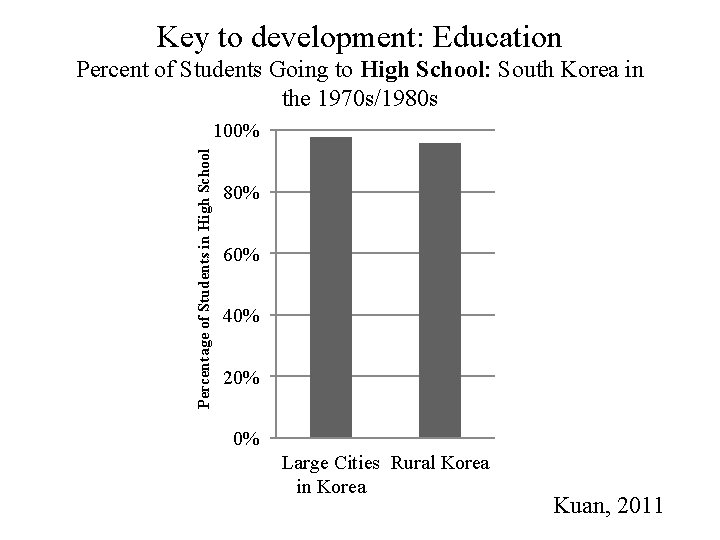
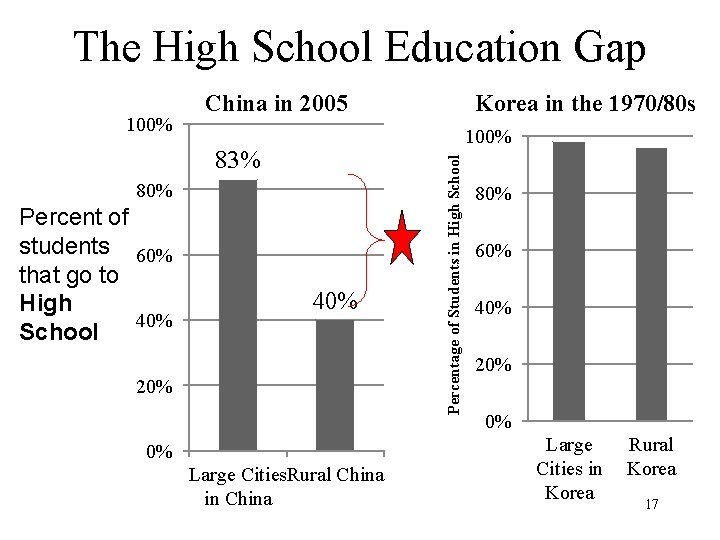
Key to development: Education Percent of Students Going to High School: South Korea in the 1970 s/1980 s Percentage of Students in High School 100% 80% 60% 40% 20% 0% Large Cities Rural Korea in Korea Kuan, 2011
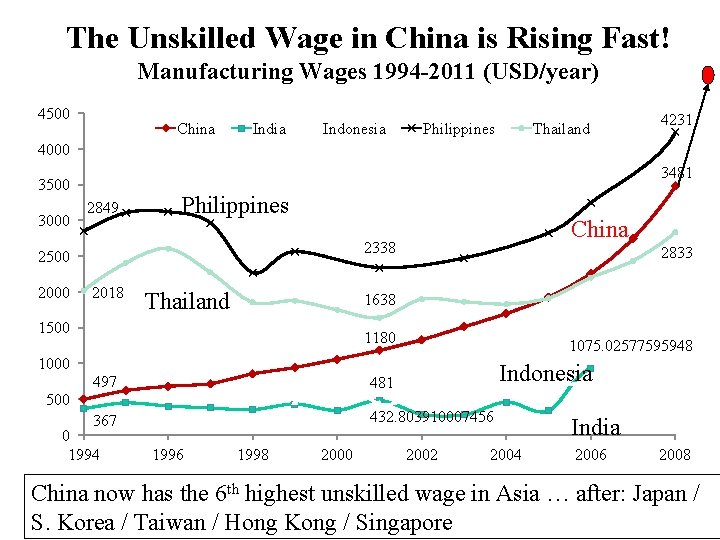
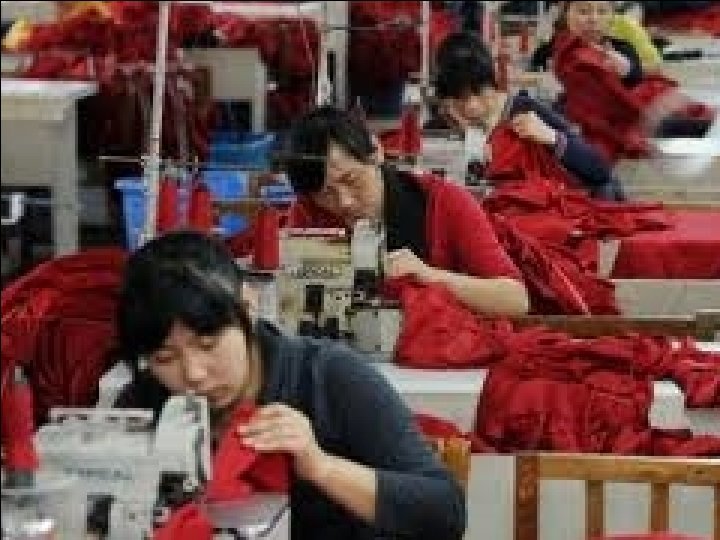
The Unskilled Wage in China is Rising Fast! Manufacturing Wages 1994 -2011 (USD/year) 4500 China India Indonesia Philippines Thailand 4231 4000 3481 3500 3000 2849 Philippines 2338 2500 2000 China 2018 Thailand 2833 1638 1500 1180 1075. 02577595948 1000 Indonesia 497 481 367 432. 803910007456 500 0 1994 1996 1998 2000 2002 2004 India 2006 2008 China now has the 6 th highest unskilled wage in Asia … after: Japan / Source: International Labor Organization LABORSTA Database S. Korea / Taiwan / Hong Kong / Singapore
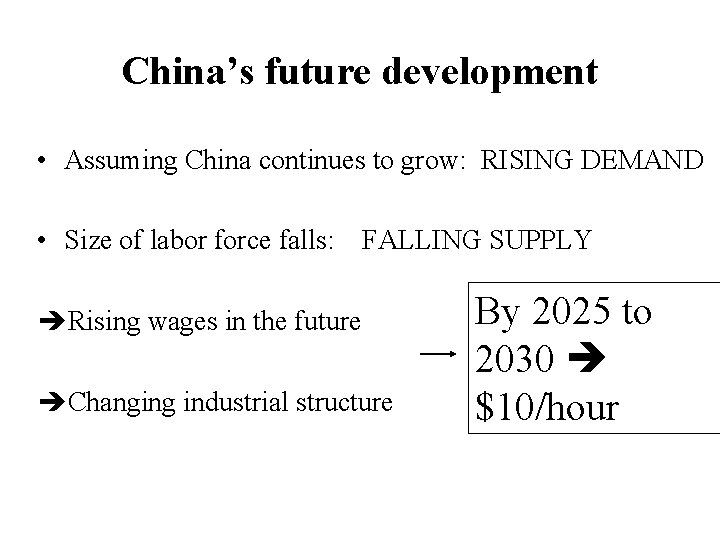
China’s future development • Assuming China continues to grow: RISING DEMAND • Size of labor force falls: FALLING SUPPLY Rising wages in the future Changing industrial structure By 2025 to 2030 $10/hour
So: China’s real challenge is coming … and there are fundamental questions: – Can China transform itself like, for example: South Korea – Can China invest enough in innovation and scientific advancements – If so, will China has quality labour forces or adequate human capital to make these transformations?
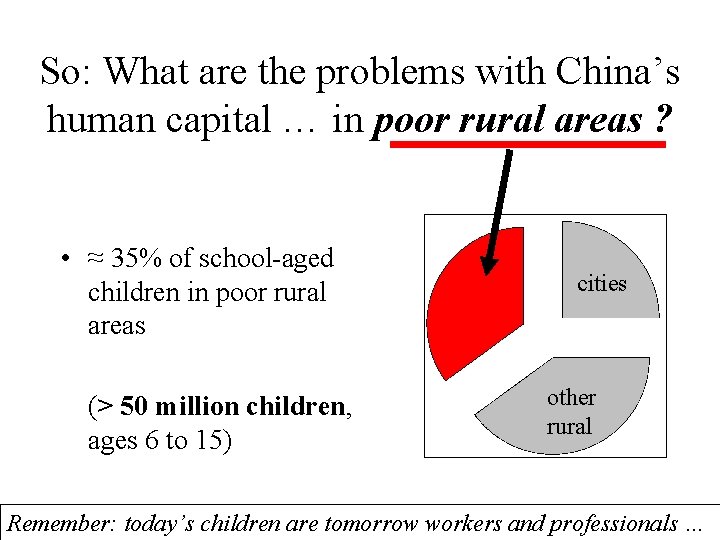
So: What are the problems with China’s human capital … in poor rural areas ? • ≈ 35% of school-aged children in poor rural areas (> 50 million children, ages 6 to 15) cities other rural Remember: today’s children are tomorrow workers and professionals …
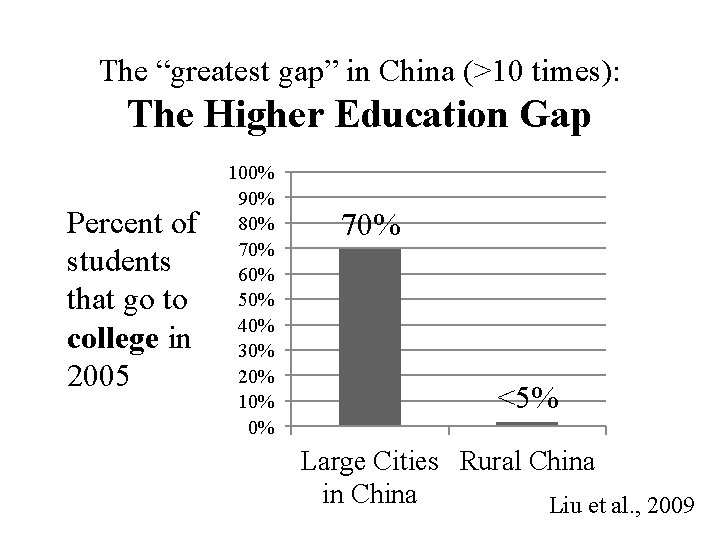
The “greatest gap” in China (>10 times): The Higher Education Gap Percent of students that go to college in 2005 100% 90% 80% 70% 60% 50% 40% 30% 20% 10% 0% 70% <5% Large Cities Rural China in China Liu et al. , 2009
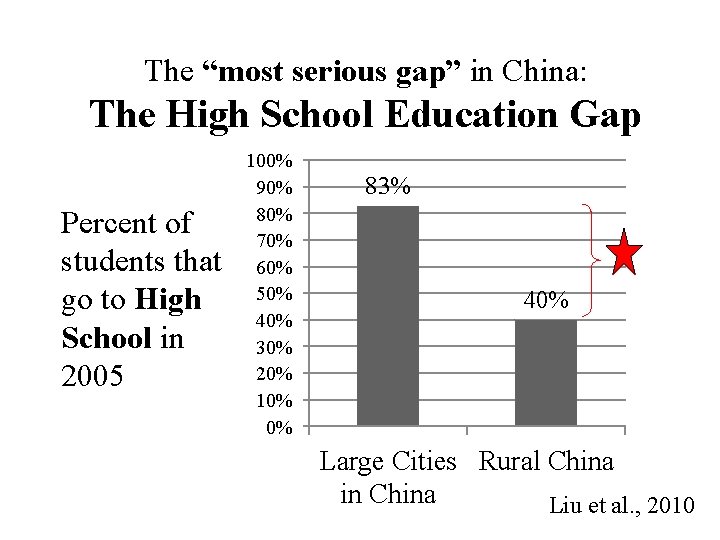
The “most serious gap” in China: The High School Education Gap Percent of students that go to High School in 2005 100% 90% 80% 70% 60% 50% 40% 30% 20% 10% 0% 83% 40% Large Cities Rural China in China Liu et al. , 2010
The High School Education Gap 100% 83% 80% Percent of students 60% that go to High 40% School Korea in the 1970/80 s 40% 20% 0% Large Cities. Rural China in China Percentage of Students in High School 100% China in 2005 80% 60% 40% 20% 0% Large Cities in Korea Rural Korea 17
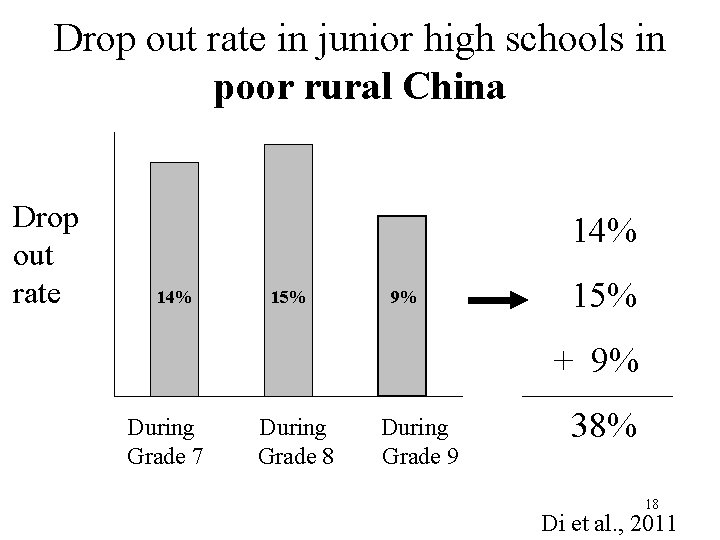
Drop out rate in junior high schools in poor rural China Drop out rate 14% 15% 9% 15% + 9% During Grade 7 During Grade 8 During Grade 9 38% 18 Di et al. , 2011
Problems start way before middle school: The underperformance of students from China’s underserved rural and migrant areas Due to
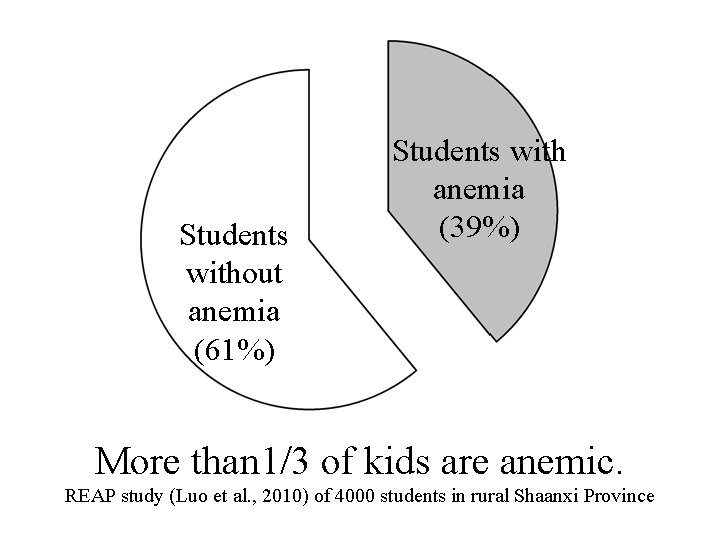
Students without anemia (61%) Students with anemia (39%) More than 1/3 of kids are anemic. REAP study (Luo et al. , 2010) of 4000 students in rural Shaanxi Province
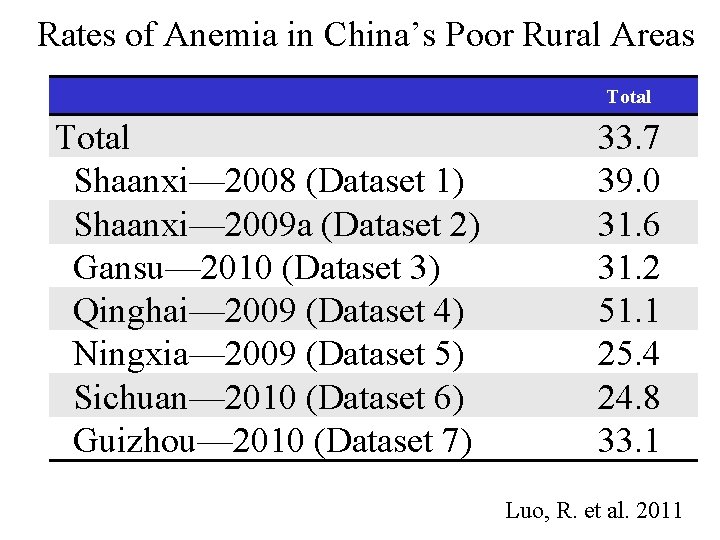
Rates of Anemia in China’s Poor Rural Areas Total Shaanxi— 2008 (Dataset 1) Shaanxi— 2009 a (Dataset 2) Gansu— 2010 (Dataset 3) Qinghai— 2009 (Dataset 4) Ningxia— 2009 (Dataset 5) Sichuan— 2010 (Dataset 6) Guizhou— 2010 (Dataset 7) 33. 7 39. 0 31. 6 31. 2 51. 1 25. 4 24. 8 33. 1 Luo, R. et al. 2011
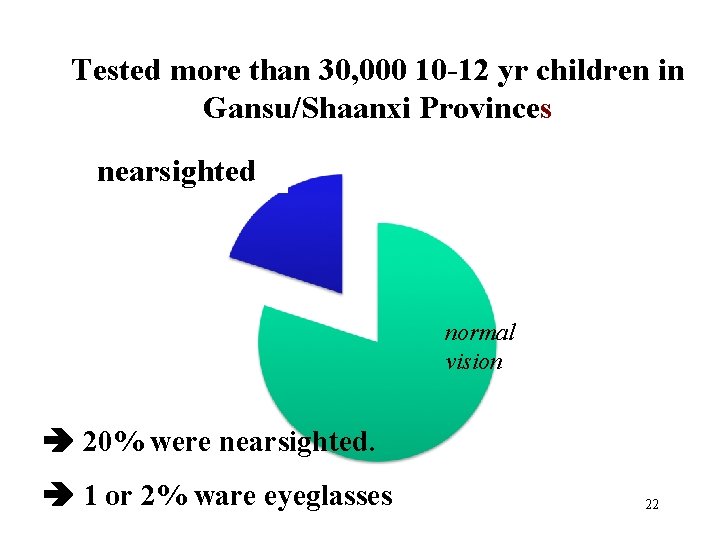
Tested more than 30, 000 10 -12 yr children in Gansu/Shaanxi Provinces nearsighted normal vision 20% were nearsighted. 1 or 2% ware eyeglasses 22
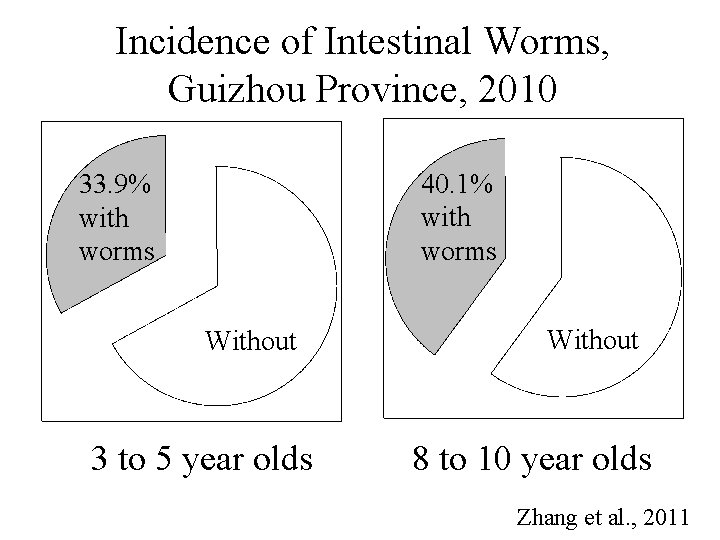
Incidence of Intestinal Worms, Guizhou Province, 2010 40. 1% with worms 33. 9% with worms Without 3 to 5 year olds Without 8 to 10 year olds Zhang et al. , 2011
What happens when we provide these results to policy makers? Ministry of Education: “Why should we care? This is the Health System’s problem” Ministry of Health: “We know they exist … tell us how to solve them in a effective / cost efficient way”
A Story of persistence & policy success: Rural Education Action Project (REAP) a Research Organization/NGO/Government Organization/Policy Action partnership At Stanford University In China
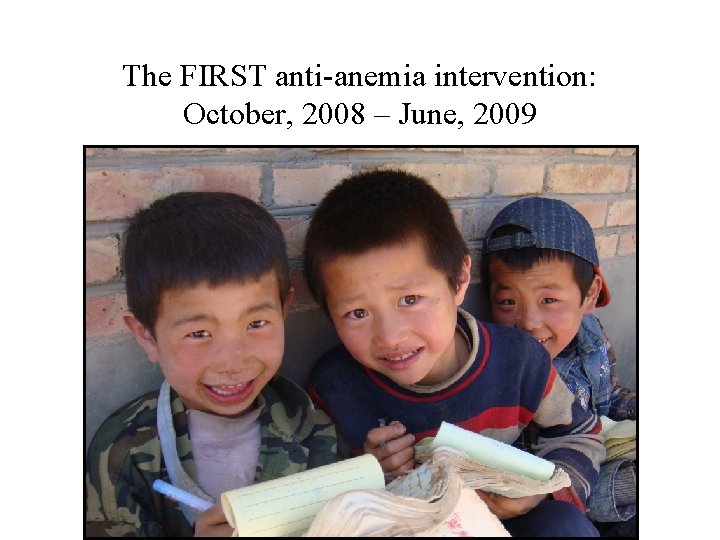
The FIRST anti-anemia intervention: October, 2008 – June, 2009
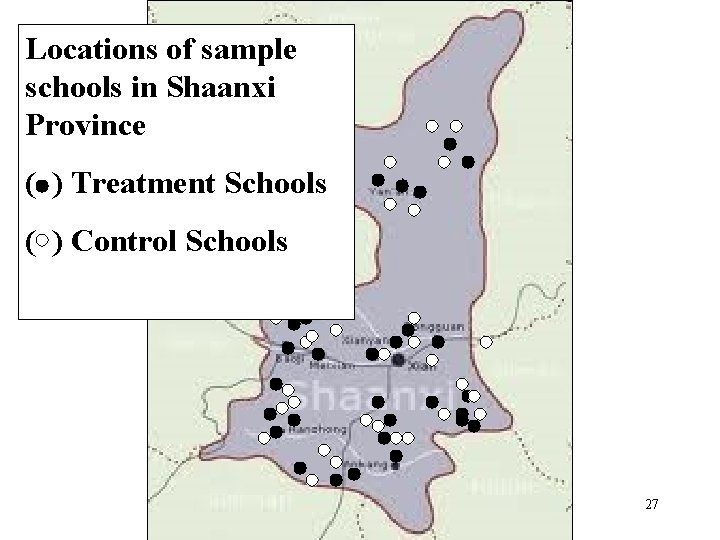
Locations of sample schools in Shaanxi Province ( ) Treatment Schools * ( ) Control Schools 27
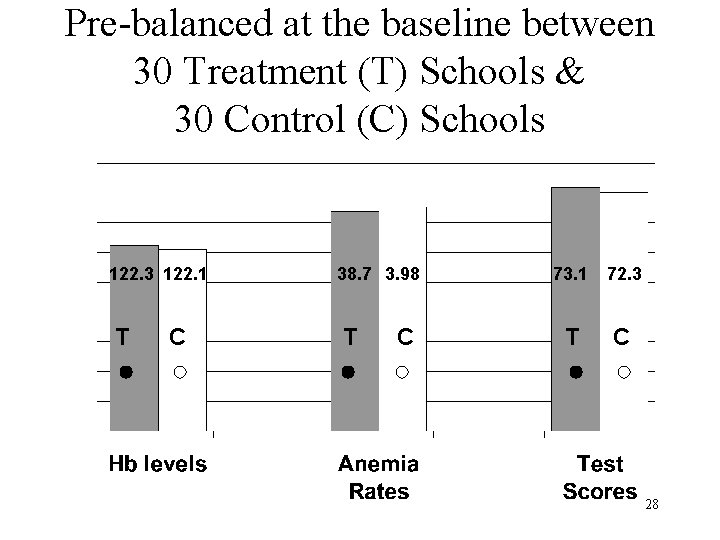
Pre-balanced at the baseline between 30 Treatment (T) Schools & 30 Control (C) Schools 122. 3 122. 1 T C 38. 7 3. 98 T C 73. 1 72. 3 T C 28
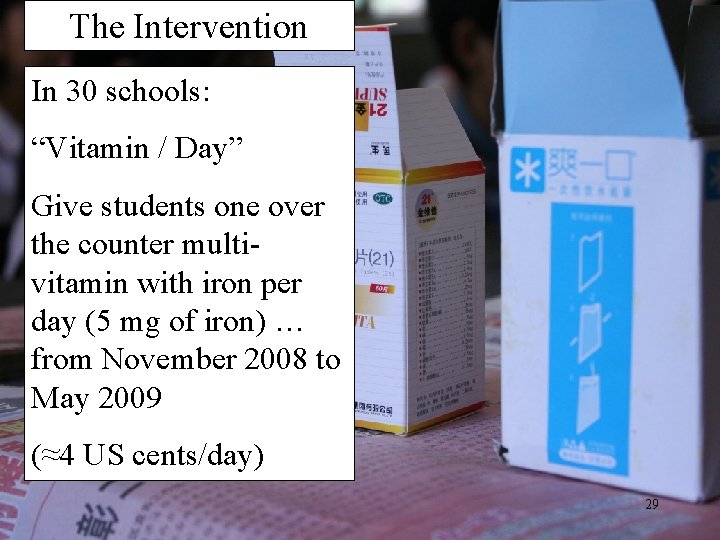
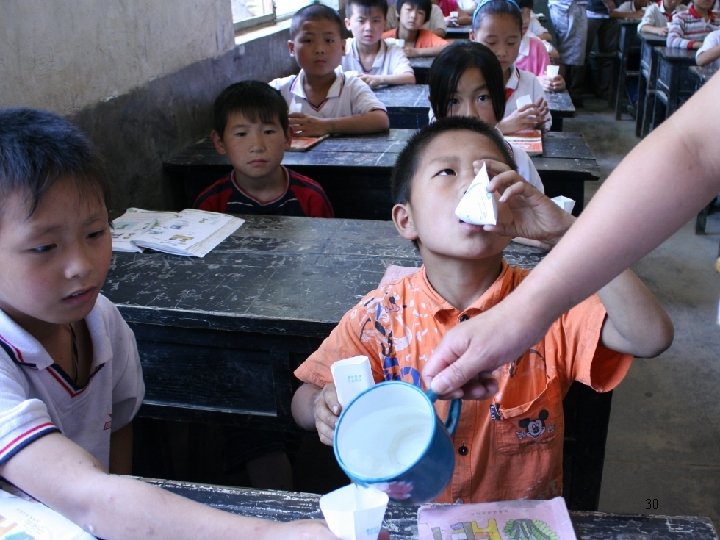
The Intervention In 30 schools: “Vitamin / Day” Give students one over the counter multivitamin with iron per day (5 mg of iron) … from November 2008 to May 2009 (≈4 US cents/day) 29
30
30 control schools Zero: no vitamins 31
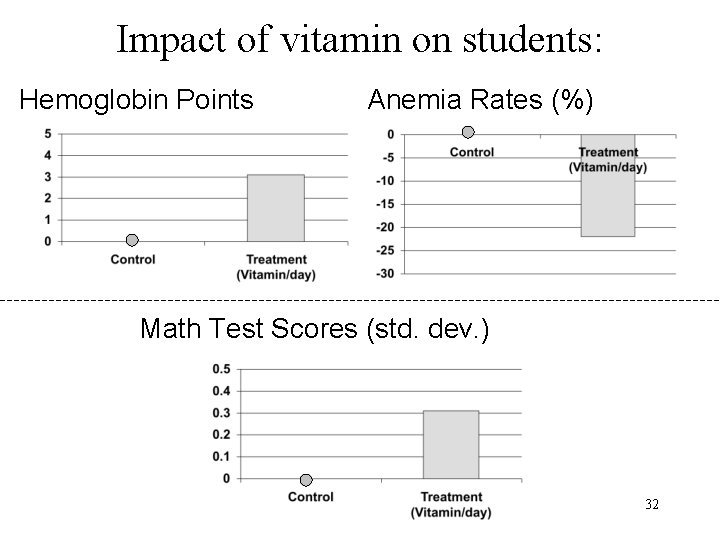
Impact of vitamin on students: Hemoglobin Points Anemia Rates (%) Math Test Scores (std. dev. ) 32
After all that … 4 years of hard work and more than 10 evaluations to test what works and what does not work and why? … 3 policy briefs October 30, 2011: China’s new nutrition program: $2. 5 billion USD / year for 10 year: put nutrition into schools of 680 poor Western China counties
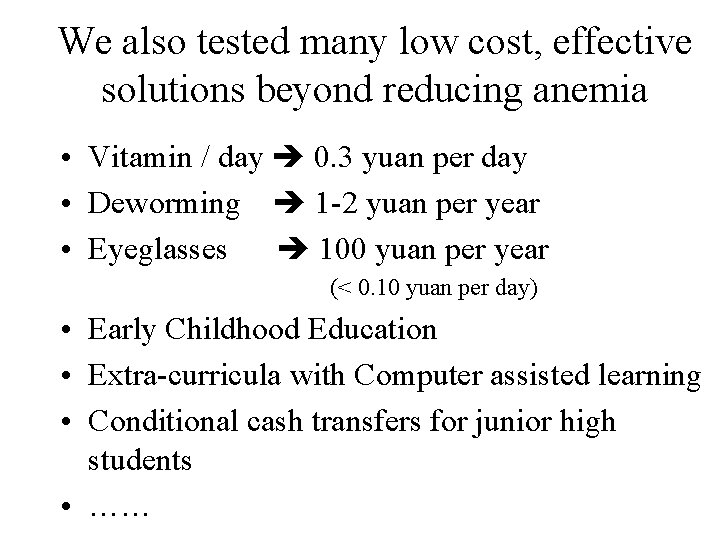
We also tested many low cost, effective solutions beyond reducing anemia • Vitamin / day 0. 3 yuan per day • Deworming 1 -2 yuan per year • Eyeglasses 100 yuan per year (< 0. 10 yuan per day) • Early Childhood Education • Extra-curricula with Computer assisted learning • Conditional cash transfers for junior high students • ……
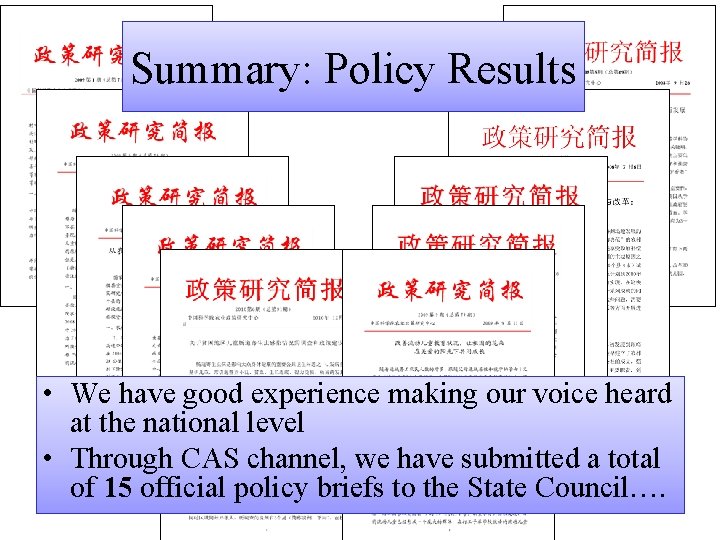
Summary: Policy Results • We have good experience making our voice heard at the national level • Through CAS channel, we have submitted a total of 15 official policy briefs to the State Council….
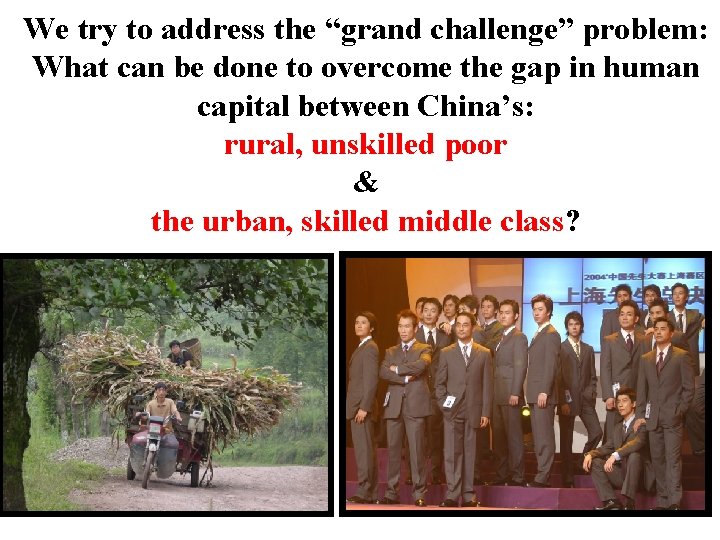
We try to address the “grand challenge” problem: What can be done to overcome the gap in human capital between China’s: rural, unskilled poor & the urban, skilled middle class?
Leaders in China needs to realize • For China to invest and overcome today’s human capital gap … and tomorrow’ inequality gap …the price tag is high … but feasible • And this is NOT only spending on the poor and vulnerable … this is an investment into China’s stable … sustainable growth … this is an investment into the future of everyone that has a future in China … 37
The optimistic view • China can overcome it … • If aggressively invest … it is late … but, not too late … • China has plenty of fiscal resources …the key is to recognize the significance 38
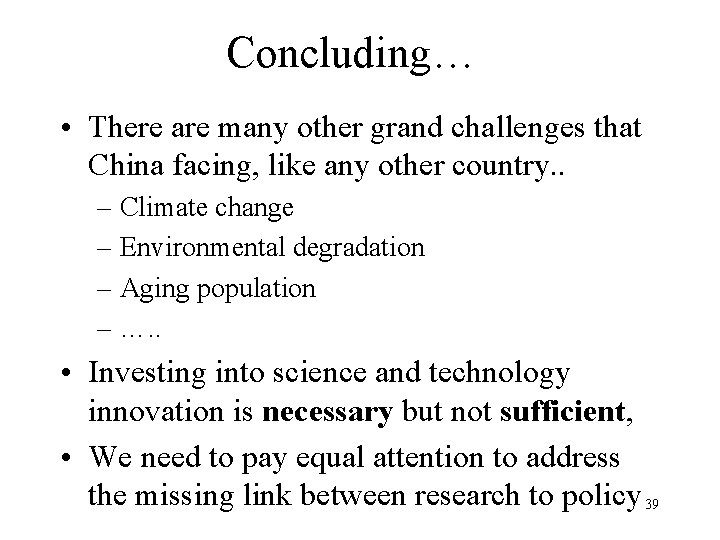
Concluding… • There are many other grand challenges that China facing, like any other country. . – Climate change – Environmental degradation – Aging population – …. . • Investing into science and technology innovation is necessary but not sufficient, • We need to pay equal attention to address the missing link between research to policy 39
Thank You! www. reapchina. org www. ccap. org. cn 40