
Turbulence and local winds Scales of Atmospheric Motion
Turbulence and local winds
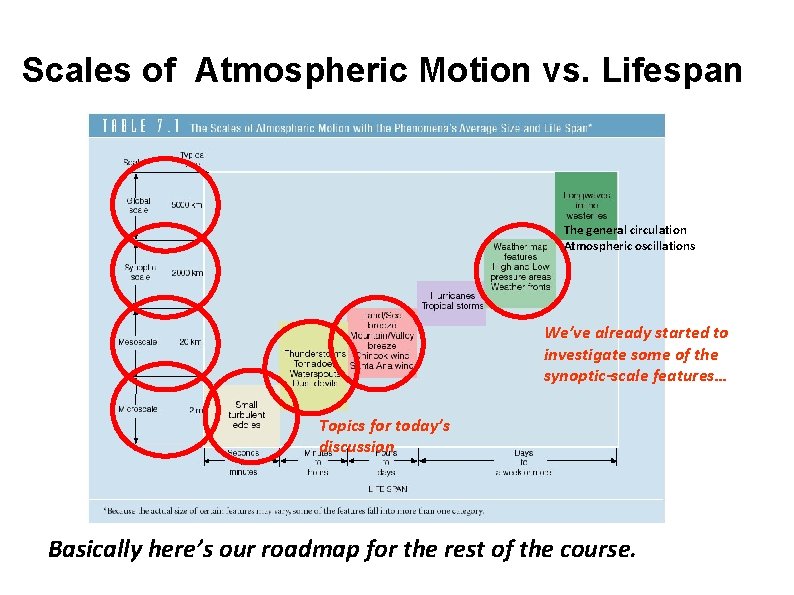
Scales of Atmospheric Motion vs. Lifespan The general circulation Atmospheric oscillations We’ve already started to investigate some of the synoptic-scale features… Topics for today’s discussion Basically here’s our roadmap for the rest of the course.
The smallest type of atmospheric motion is turbulence… it is defined as small scale changes in wind speed or direction(wind shear) It is chaotic, changes rapidly, and occurs over small distances This makes it hard to predict… …although we cannot predict individual gusts or eddies, we can identify some locations where turbulence usually occurs
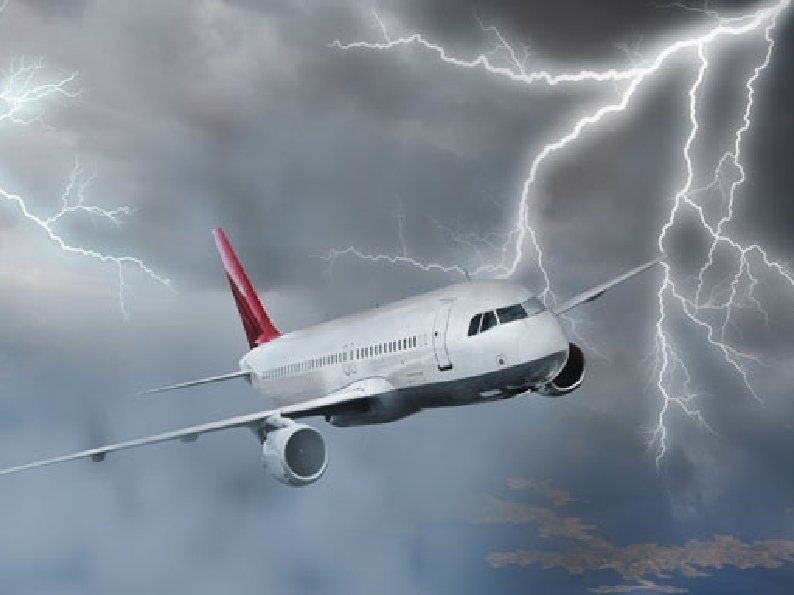
“From the flight deck… please return to your seats and fasten your seatbelts, there is a bit of weather ahead and we might get a couple bumps…”
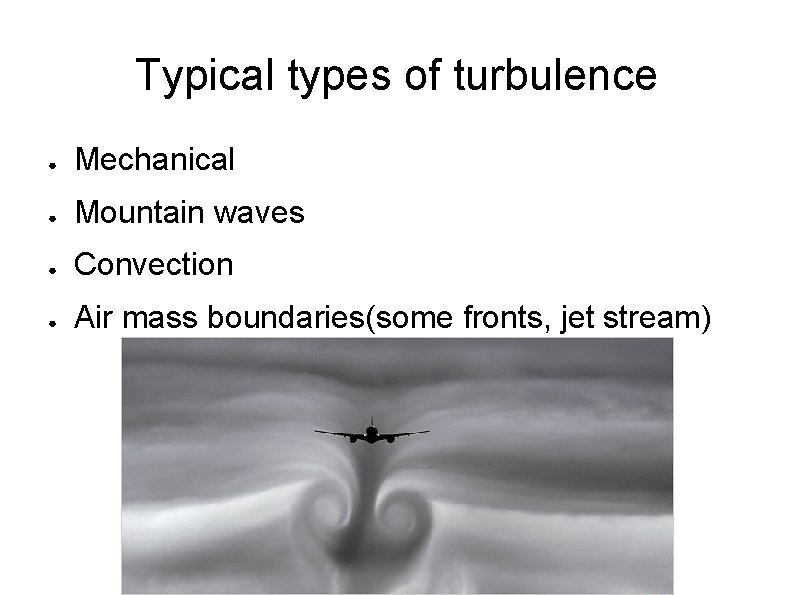
Typical types of turbulence ● Mechanical ● Mountain waves ● Convection ● Air mass boundaries(some fronts, jet stream)
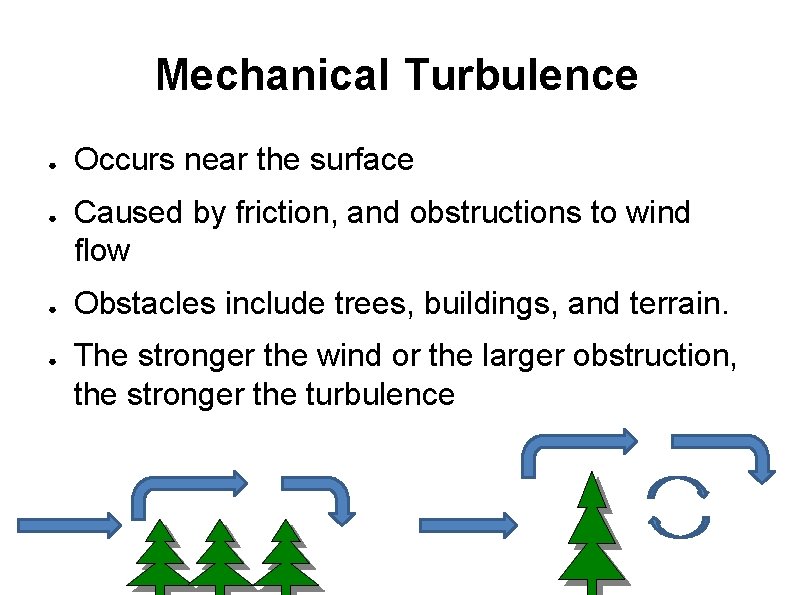
Mechanical Turbulence ● ● Occurs near the surface Caused by friction, and obstructions to wind flow Obstacles include trees, buildings, and terrain. The stronger the wind or the larger obstruction, the stronger the turbulence
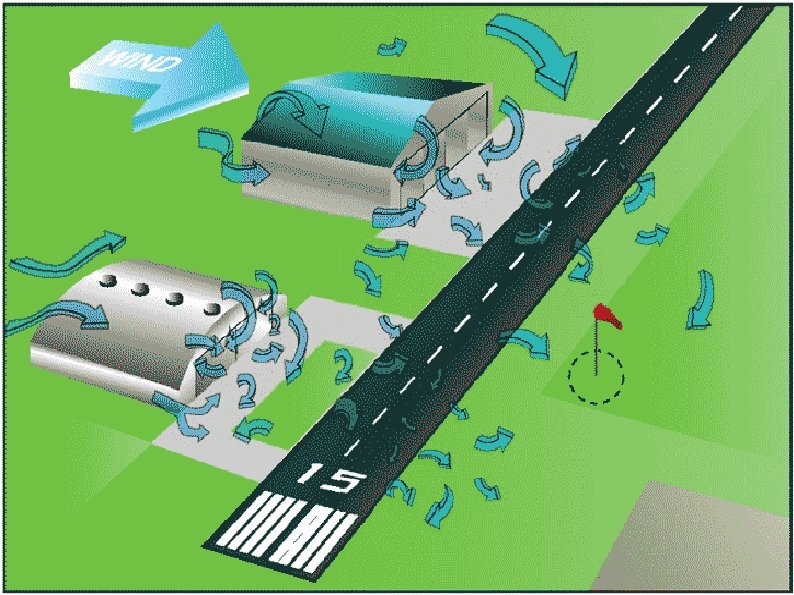
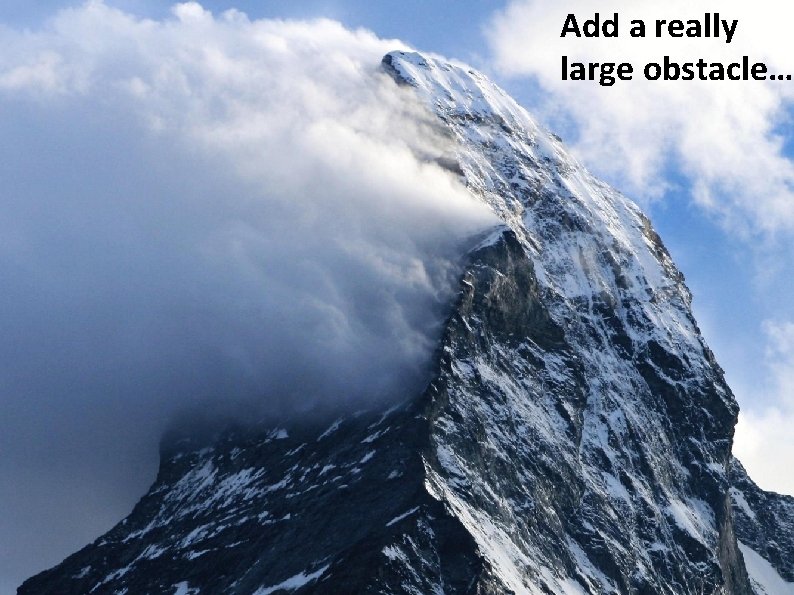
Add a really large obstacle….
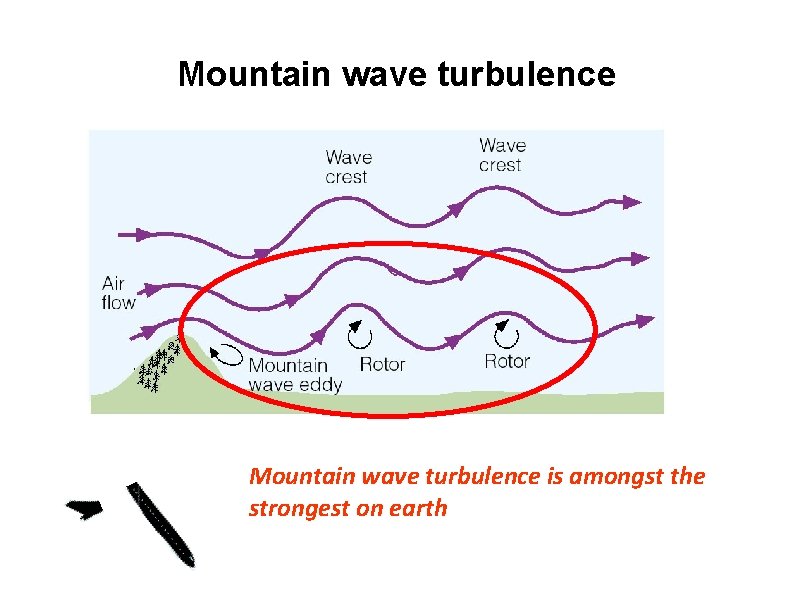
Mountain wave turbulence is amongst the strongest on earth
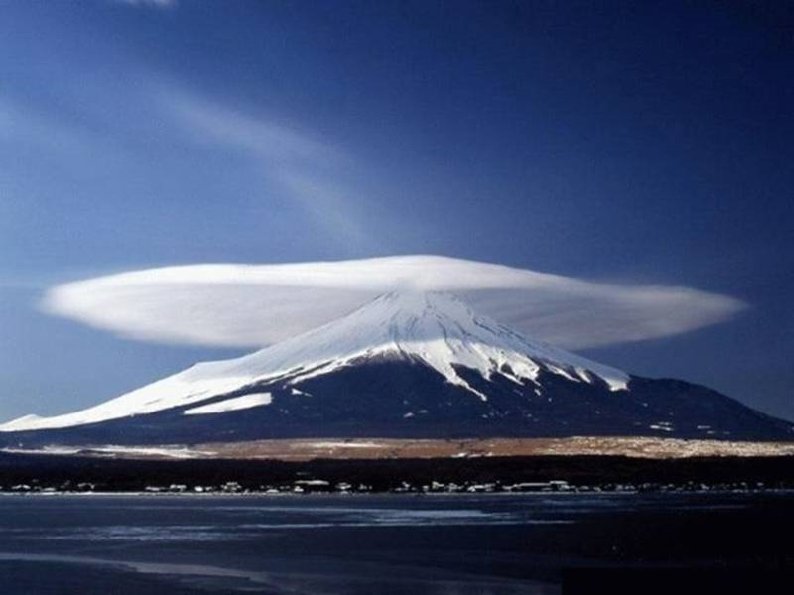
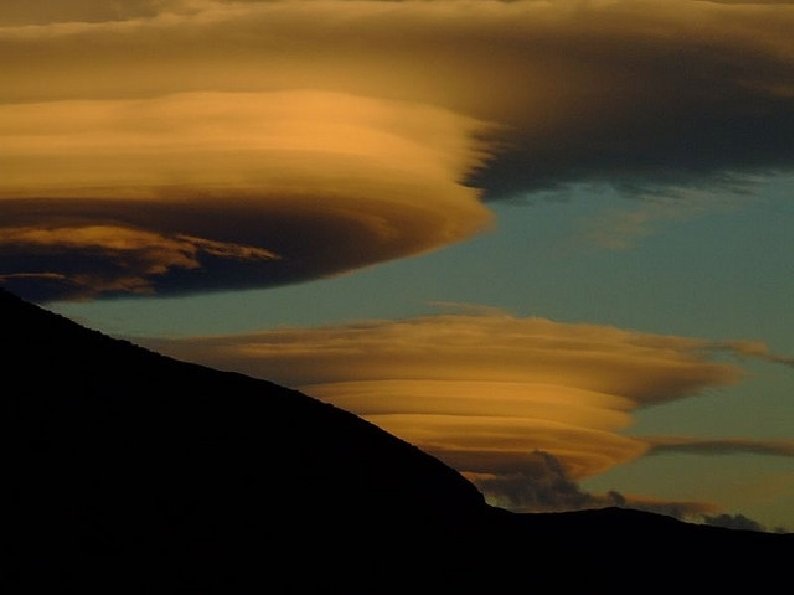
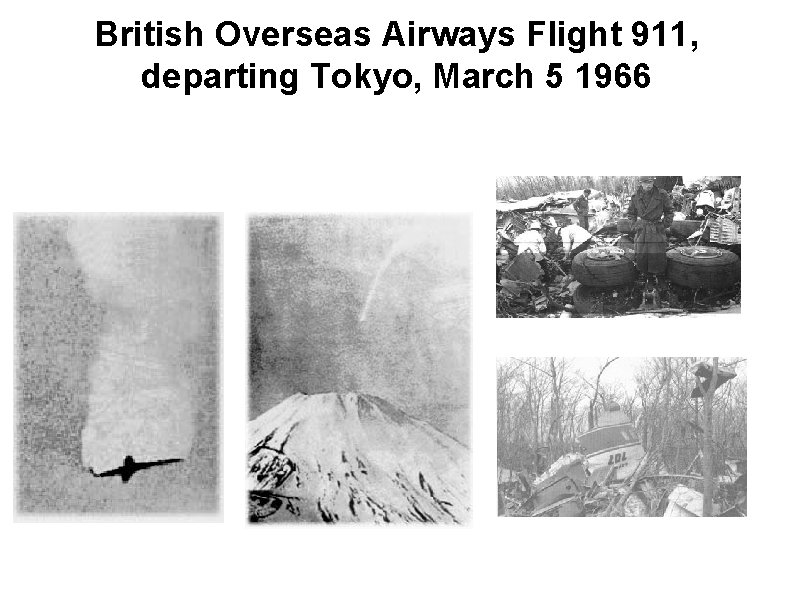
British Overseas Airways Flight 911, departing Tokyo, March 5 1966
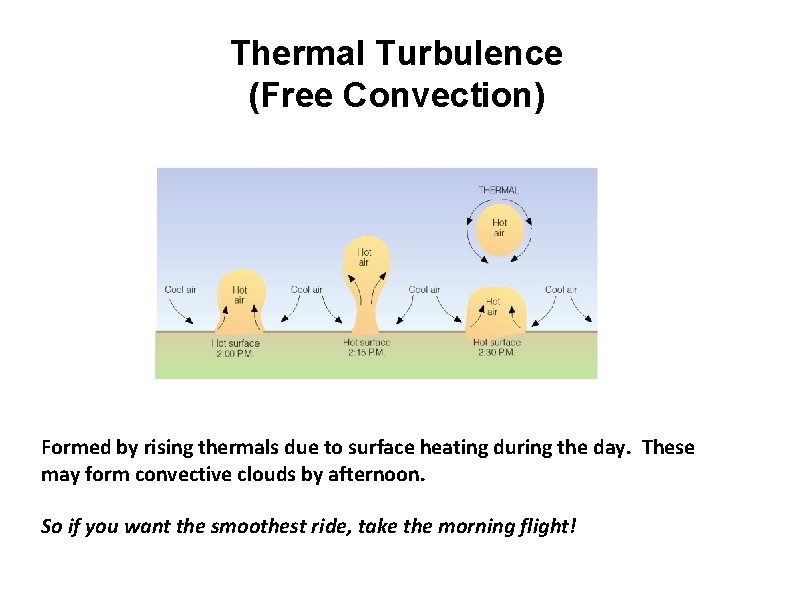
Thermal Turbulence (Free Convection) Formed by rising thermals due to surface heating during the day. These may form convective clouds by afternoon. So if you want the smoothest ride, take the morning flight!
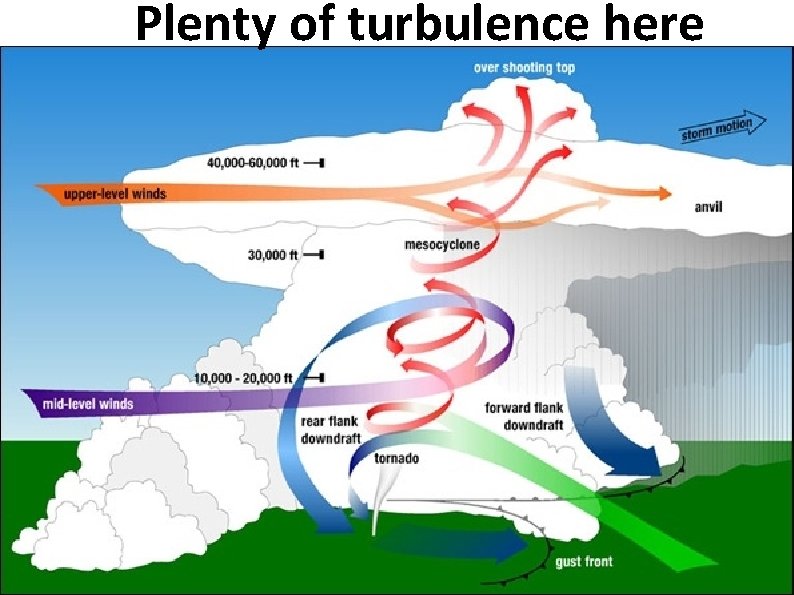
Plenty of turbulence here
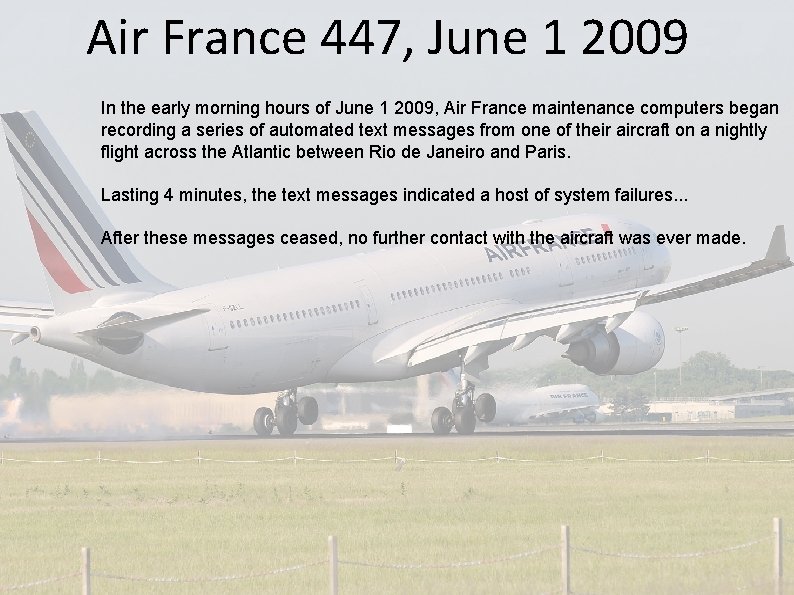
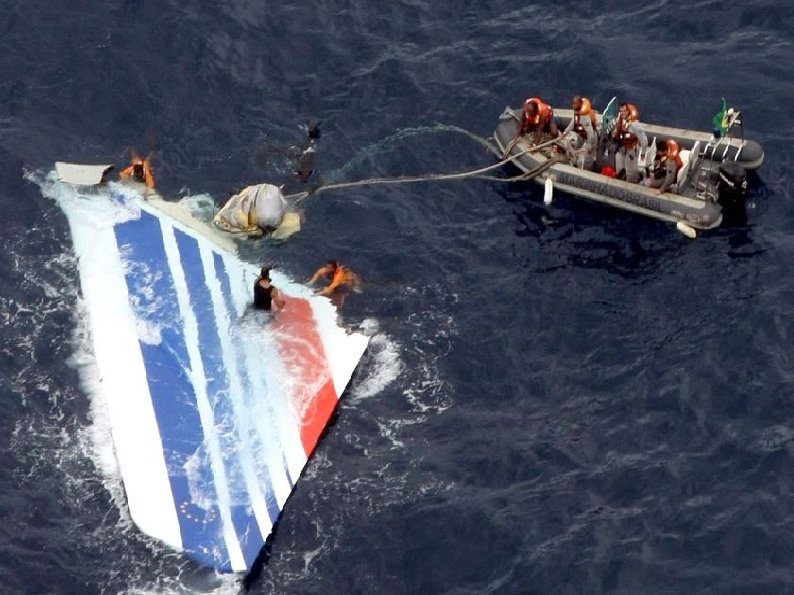
Air France 447, June 1 2009 In the early morning hours of June 1 2009, Air France maintenance computers began recording a series of automated text messages from one of their aircraft on a nightly flight across the Atlantic between Rio de Janeiro and Paris. Lasting 4 minutes, the text messages indicated a host of system failures. . . After these messages ceased, no further contact with the aircraft was ever made.
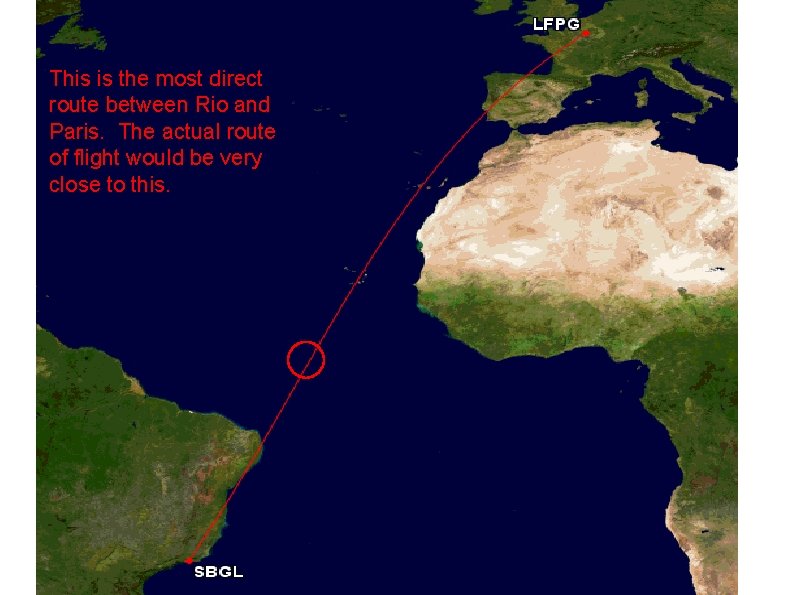
This is the most direct route between Rio and Paris. The actual route of flight would be very close to this.
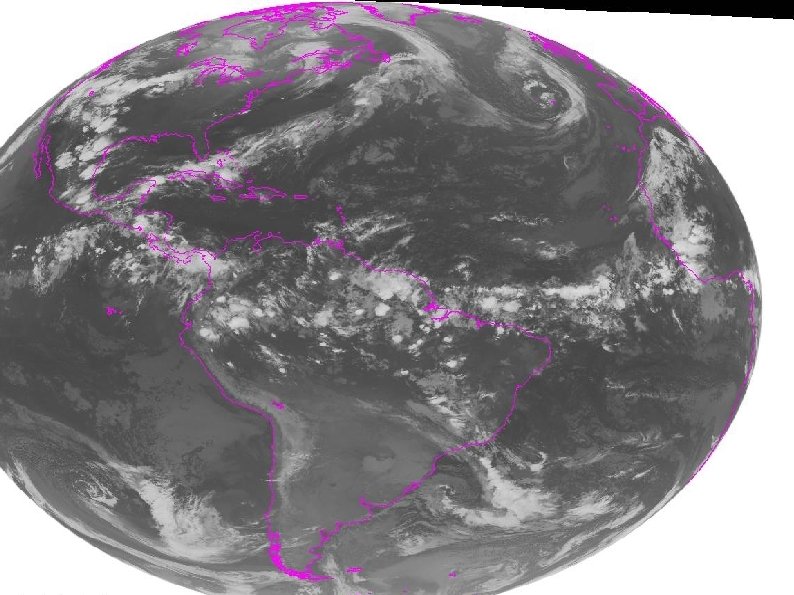
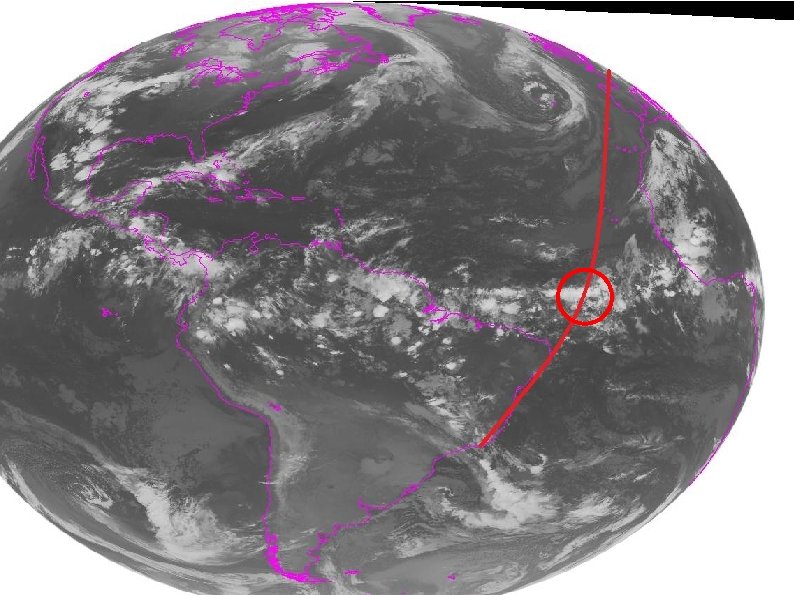
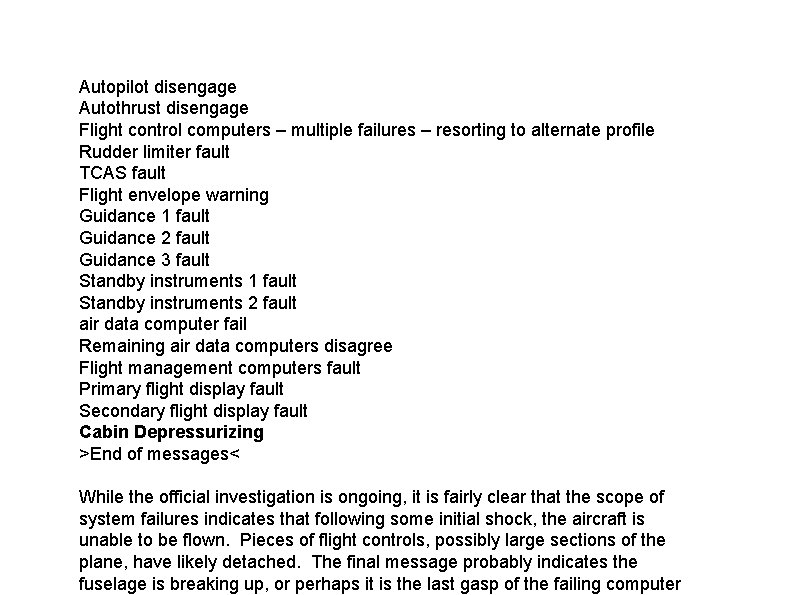
Autopilot disengage Autothrust disengage Flight control computers – multiple failures – resorting to alternate profile Rudder limiter fault TCAS fault Flight envelope warning Guidance 1 fault Guidance 2 fault Guidance 3 fault Standby instruments 1 fault Standby instruments 2 fault air data computer fail Remaining air data computers disagree Flight management computers fault Primary flight display fault Secondary flight display fault Cabin Depressurizing >End of messages< While the official investigation is ongoing, it is fairly clear that the scope of system failures indicates that following some initial shock, the aircraft is unable to be flown. Pieces of flight controls, possibly large sections of the plane, have likely detached. The final message probably indicates the fuselage is breaking up, or perhaps it is the last gasp of the failing computer
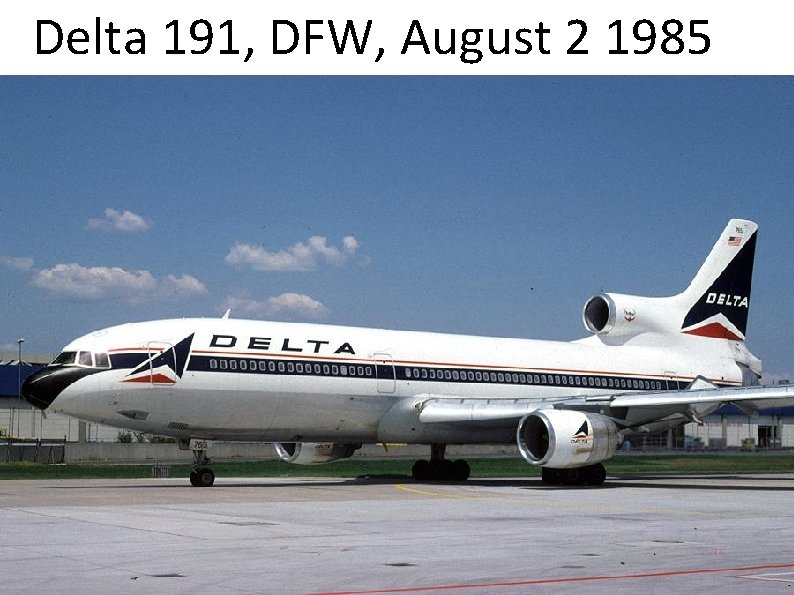
Delta 191, DFW, August 2 1985
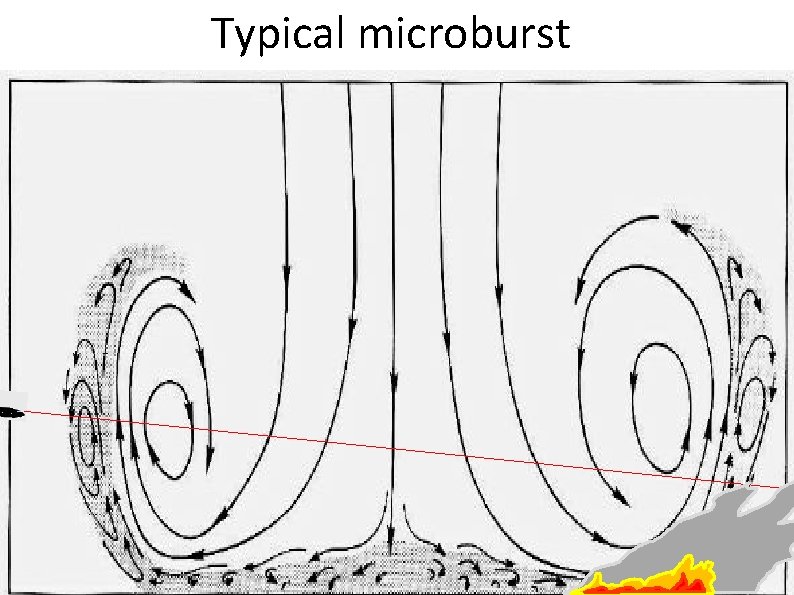
Typical microburst Airport
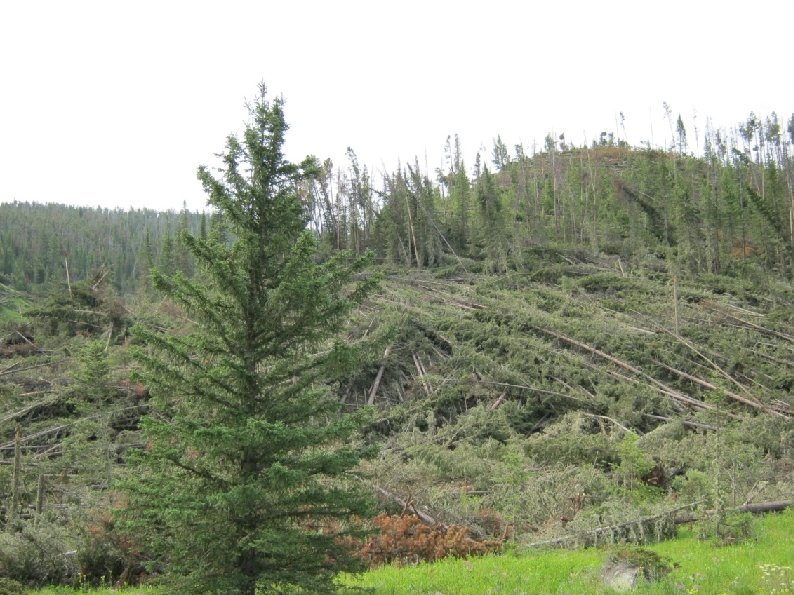
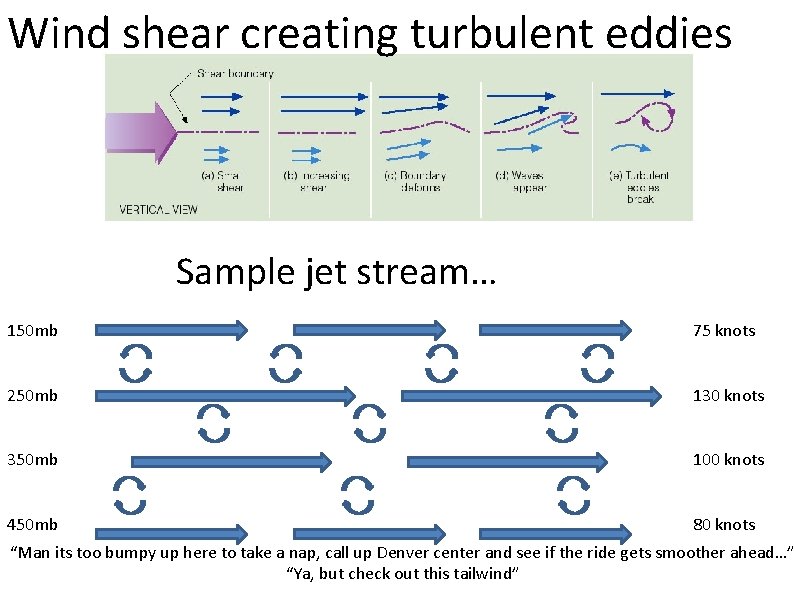
Wind shear creating turbulent eddies Sample jet stream… 150 mb 75 knots 250 mb 130 knots 350 mb 100 knots 450 mb 80 knots “Man its too bumpy up here to take a nap, call up Denver center and see if the ride gets smoother ahead…” “Ya, but check out this tailwind”
Turbulence Detection
Local Winds: Sea-Land Breeze Mountain-Valley Circulation Basically the same physical idea for each one: 1. 2. A direct thermal circulation which occurs a small enough scale that the pressure gradient is the dominant force which drives the wind. Driven by the diurnal cycle of solar heating.
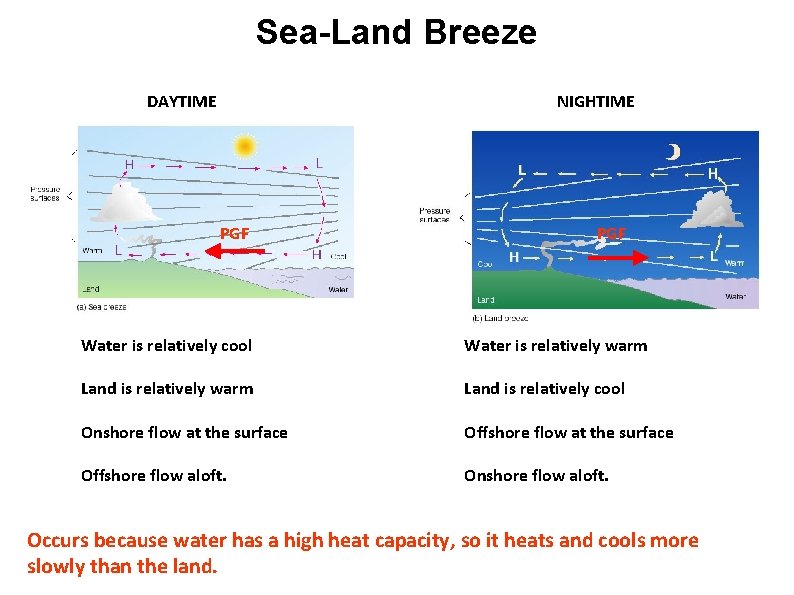
Sea-Land Breeze DAYTIME NIGHTIME PGF Water is relatively cool Water is relatively warm Land is relatively cool Onshore flow at the surface Offshore flow aloft. Onshore flow aloft. Occurs because water has a high heat capacity, so it heats and cools more slowly than the land.
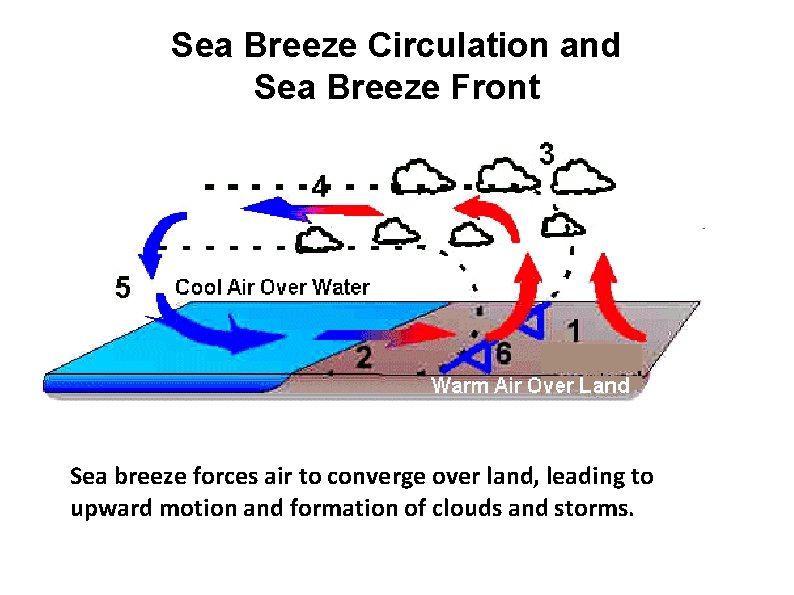
Sea Breeze Circulation and Sea Breeze Front Sea breeze forces air to converge over land, leading to upward motion and formation of clouds and storms.
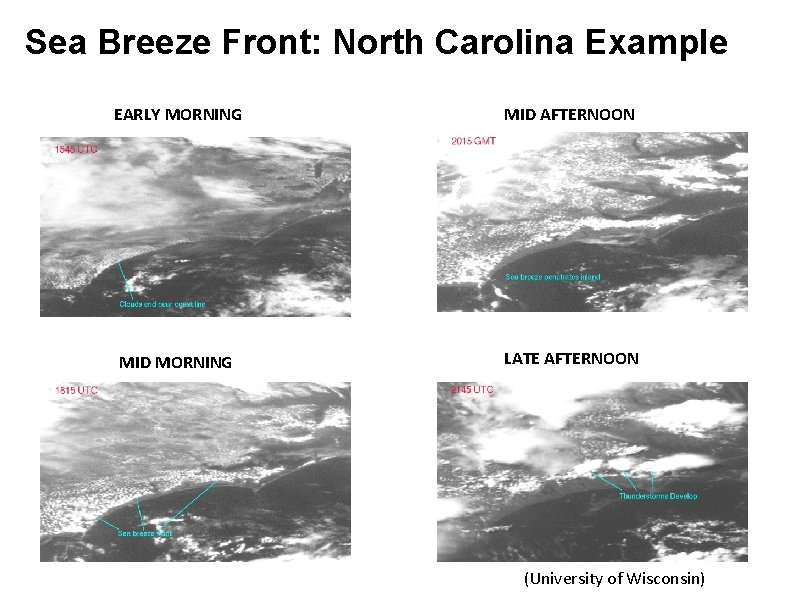
Sea Breeze Front: North Carolina Example EARLY MORNING MID AFTERNOON MID MORNING LATE AFTERNOON (University of Wisconsin)
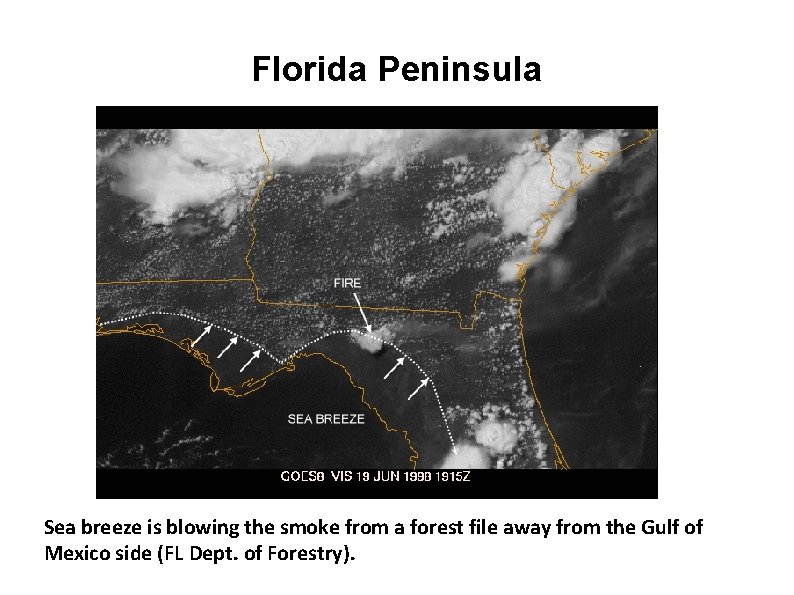
Florida Peninsula Sea breeze is blowing the smoke from a forest file away from the Gulf of Mexico side (FL Dept. of Forestry).
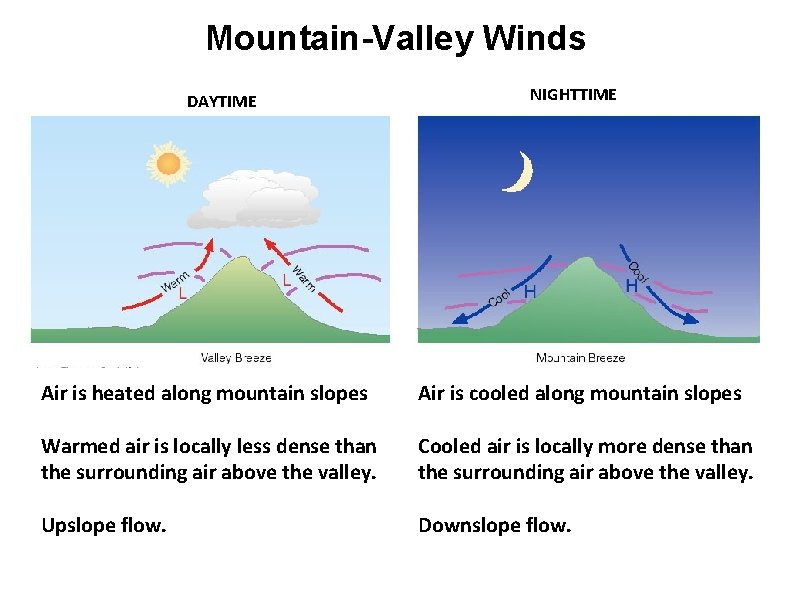
Mountain-Valley Winds DAYTIME NIGHTTIME Air is heated along mountain slopes Air is cooled along mountain slopes Warmed air is locally less dense than the surrounding air above the valley. Cooled air is locally more dense than the surrounding air above the valley. Upslope flow. Downslope flow.
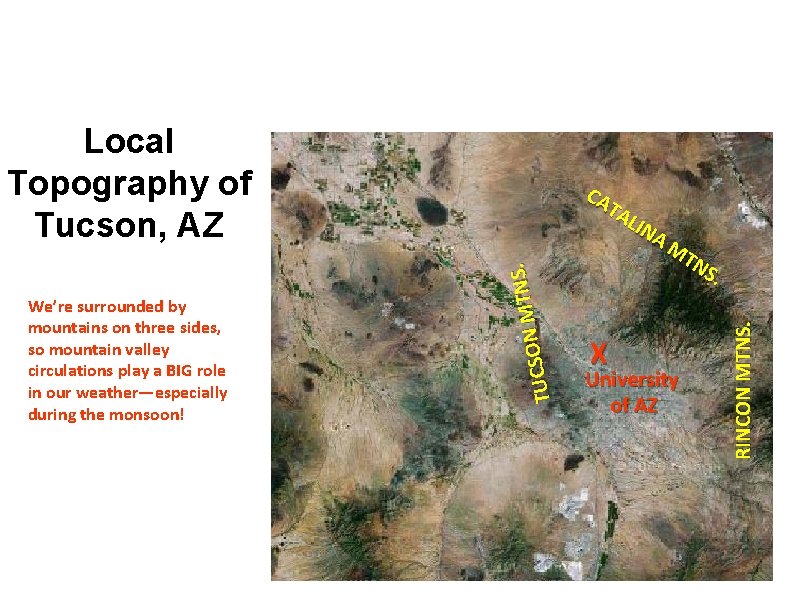
CA TA LIN AM TN S. X University of AZ RINCON MTNS. We’re surrounded by mountains on three sides, so mountain valley circulations play a BIG role in our weather—especially during the monsoon! NS. T M N TUCSO Local Topography of Tucson, AZ
- Slides: 33