
Tuberculosis Faris Bakri Microbiology Mycobacterium tuberculosis M bovis

Tuberculosis Faris Bakri
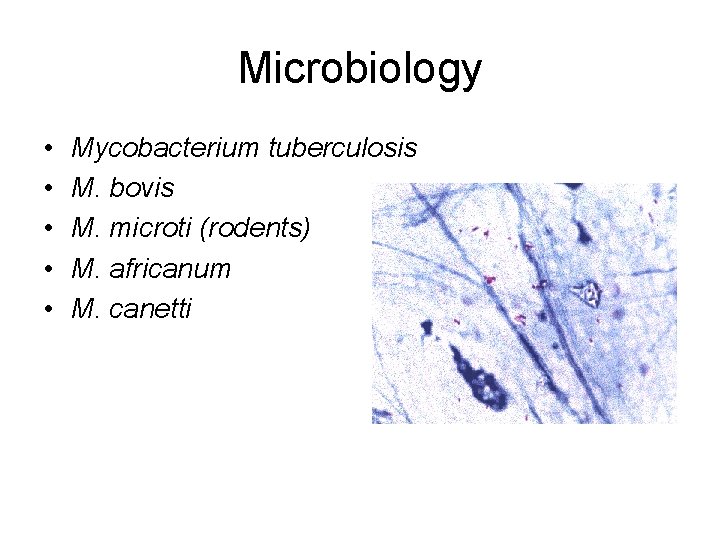
Microbiology • • • Mycobacterium tuberculosis M. bovis M. microti (rodents) M. africanum M. canetti
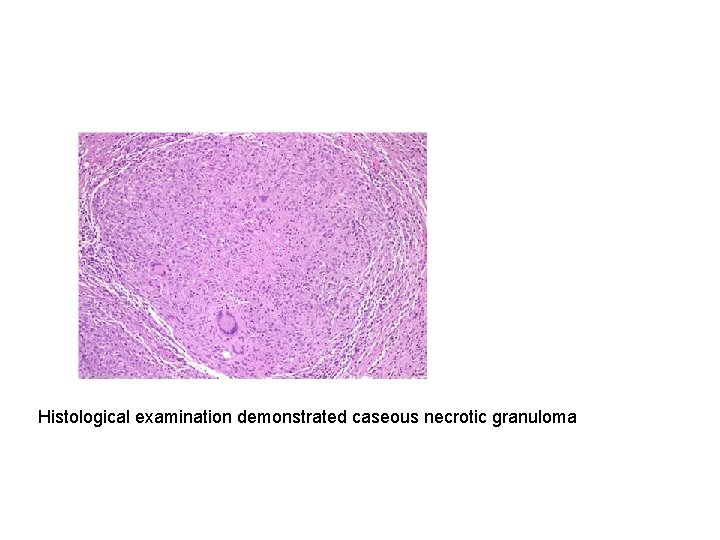
Histological examination demonstrated caseous necrotic granuloma
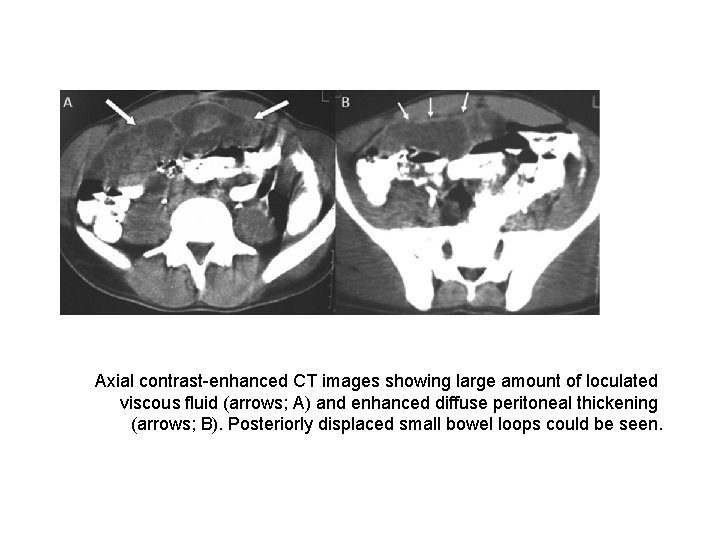
Axial contrast-enhanced CT images showing large amount of loculated viscous fluid (arrows; A) and enhanced diffuse peritoneal thickening (arrows; B). Posteriorly displaced small bowel loops could be seen.
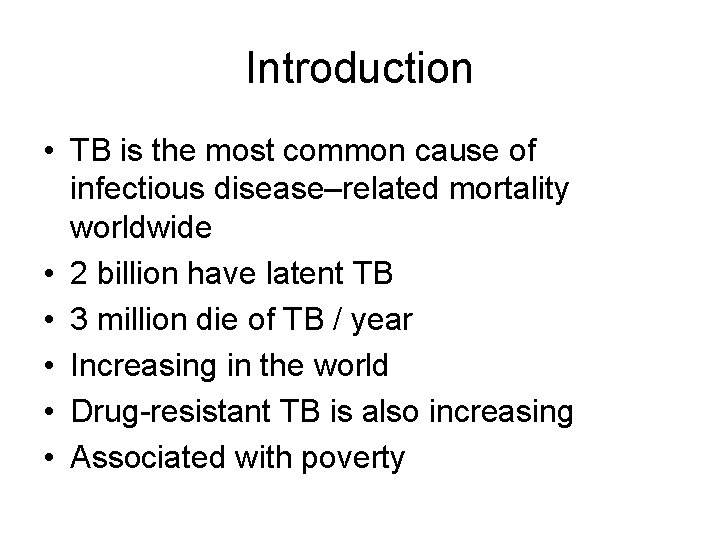
Introduction • TB is the most common cause of infectious disease–related mortality worldwide • 2 billion have latent TB • 3 million die of TB / year • Increasing in the world • Drug-resistant TB is also increasing • Associated with poverty
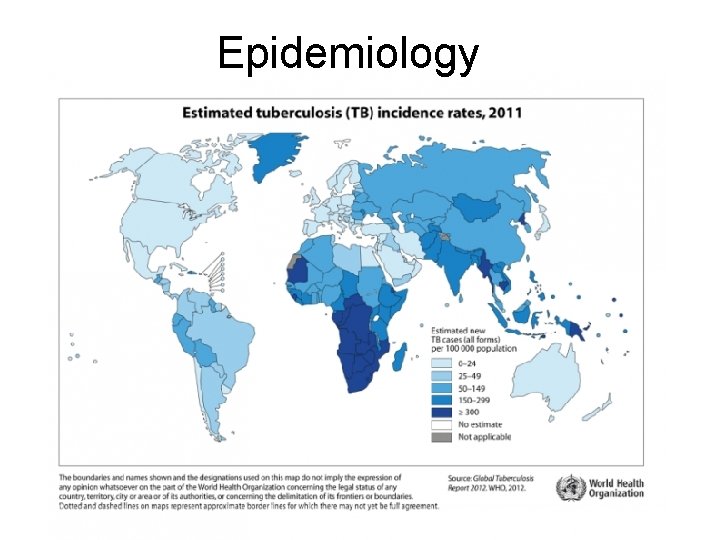
Epidemiology
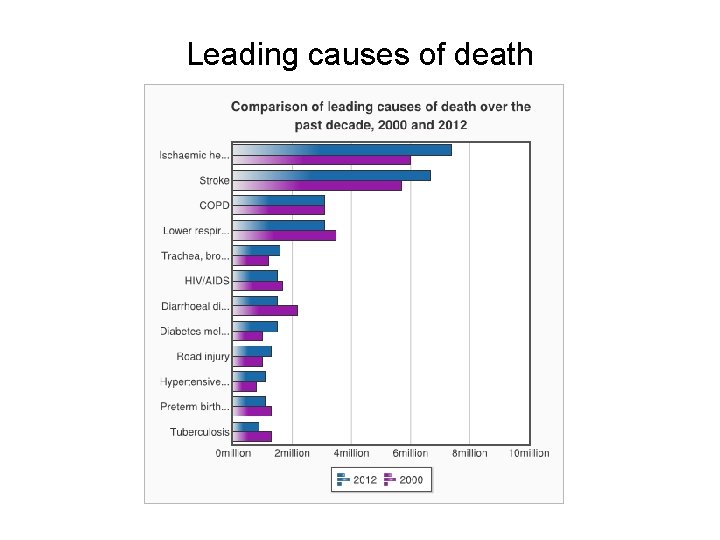
Leading causes of death
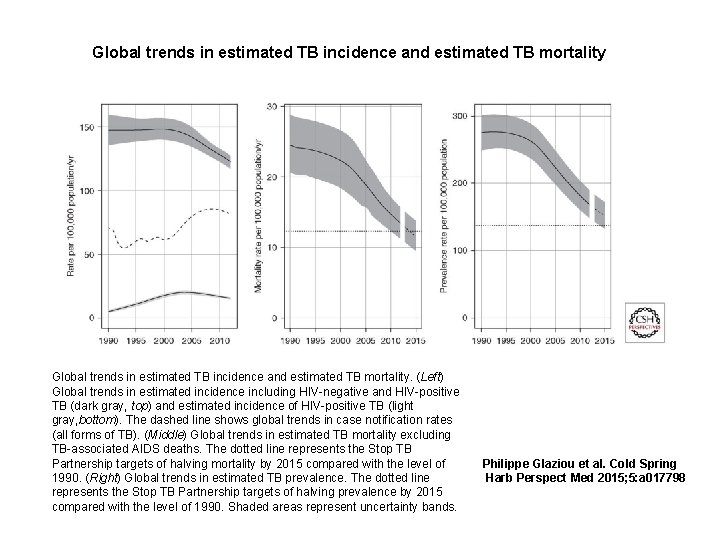
Global trends in estimated TB incidence and estimated TB mortality. (Left) Global trends in estimated incidence including HIV-negative and HIV-positive TB (dark gray, top) and estimated incidence of HIV-positive TB (light gray, bottom). The dashed line shows global trends in case notification rates (all forms of TB). (Middle) Global trends in estimated TB mortality excluding TB-associated AIDS deaths. The dotted line represents the Stop TB Partnership targets of halving mortality by 2015 compared with the level of 1990. (Right) Global trends in estimated TB prevalence. The dotted line represents the Stop TB Partnership targets of halving prevalence by 2015 compared with the level of 1990. Shaded areas represent uncertainty bands. Philippe Glaziou et al. Cold Spring Harb Perspect Med 2015; 5: a 017798
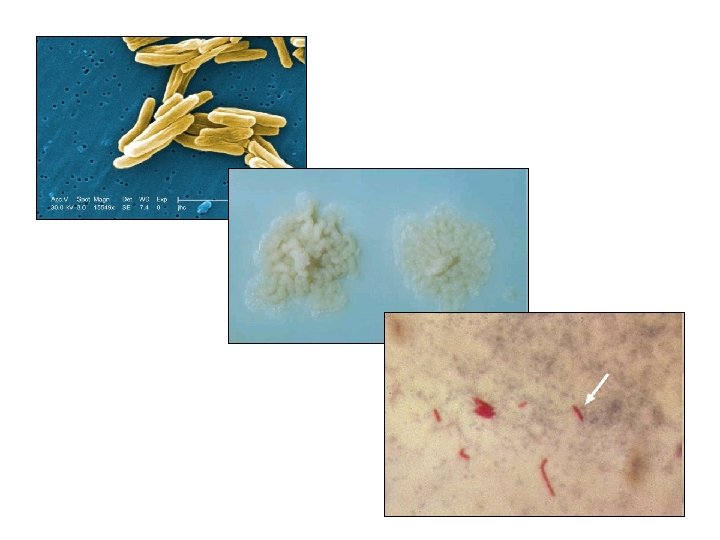
Microbiology • M tuberculosis • slow-growing organism – 4 -8 weeks for visible growth on solid medium • Acid fast bacilli • M bovis – From cattles
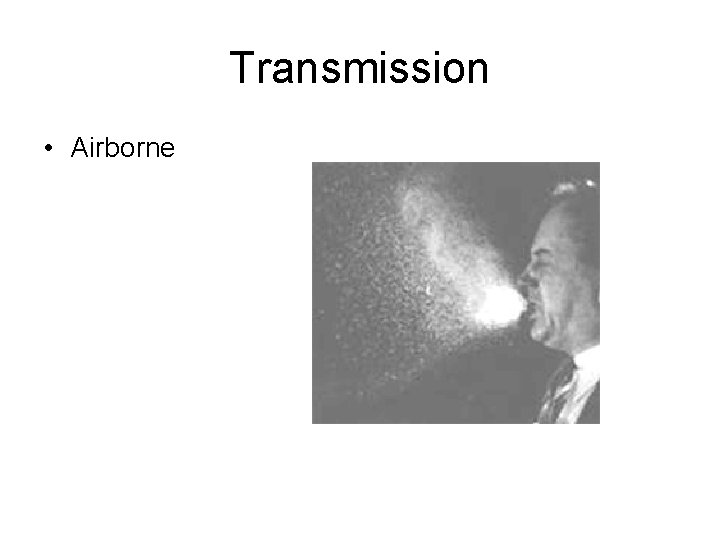
Transmission • Airborne
Pathophysiology • Humans are the only known reservoir for Mycobacterium tuberculosis (MTB) • Transmission: airborne droplet nuclei 1. When inhaled, droplet nuclei are deposited within the terminal airspaces of the lung 2. macrophages ingest and transport the bacteria to regional lymph nodes A. B. C. D. may be killed by the immune system they may multiply and cause primary TB may become dormant and remain asymptomatic may proliferate after a latency period (reactivation disease)
Epidemiology • Jordan 7 – 10 / 100, 000 • USA: 4. 4 / 100, 000 (60% are foreigners)
• case-fatality was 50% for untreated pts before antibiotics • now 4%
symptoms Pulmonary tuberculosis (TB) • • • cough fever weight loss hemoptysis chest pain anorexia, fatigue, and night sweats
symptoms TB meningitis • headache that is either intermittent or persistent for 2 -3 weeks • Subtle mental status changes may progress to coma over a period of days to weeks • Fever may be low-grade or absent
Skeletal TB • most common is the spine (Pott disease) – back pain or stiffness – Lower-extremity paralysis occurs in 50% • TB arthritis usually involves one joint – the hips and knees are affected most commonly > the ankle > elbow > wrist > and shoulder
Gastrointestinal TB • • • Any site in the GI may become infected: non healing ulcers of the mouth or anus difficulty swallowing abdominal pain mimicking peptic ulcer disease malabsorption diarrhea hematochezia
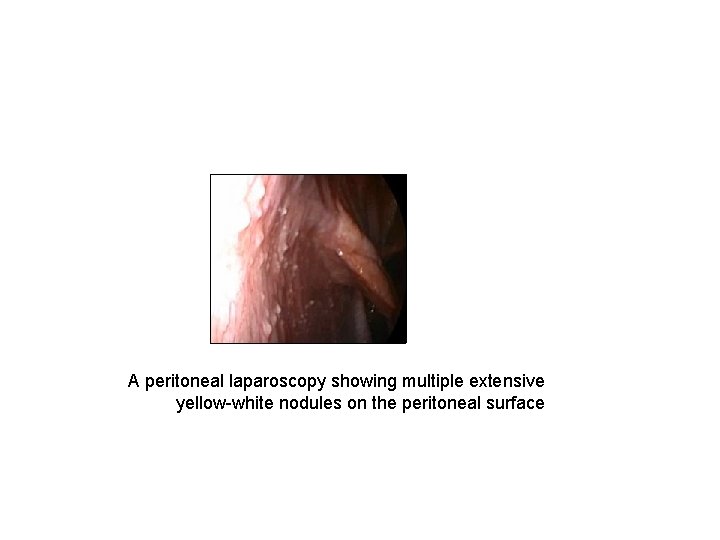
A peritoneal laparoscopy showing multiple extensive yellow-white nodules on the peritoneal surface
Other sites • TB lymphadenitis (scrofula) • Genitourinary TB • Cutaneous TB
Diagnosis • sputum: in the early morning on 3 days – every 8 hours (hospital) – Children: early-morning gastric aspirate • • bronchoscopy with biopsy and bronchial washing bone marrow Bx liver Bx ± blood cultures • PCR on smears
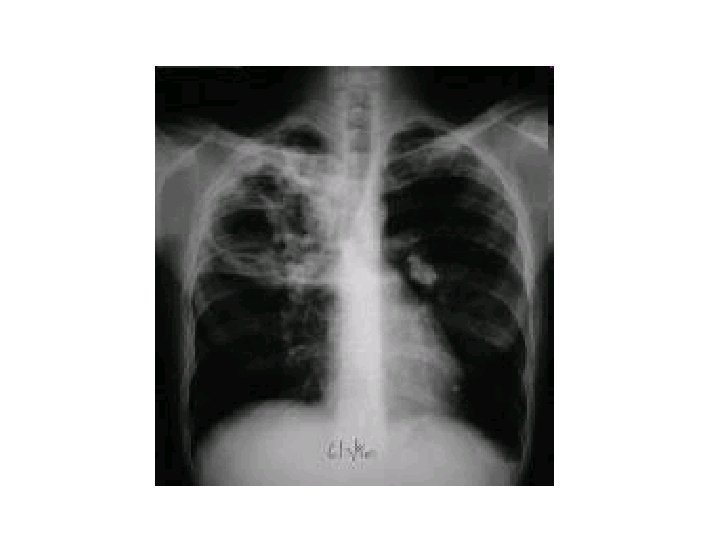
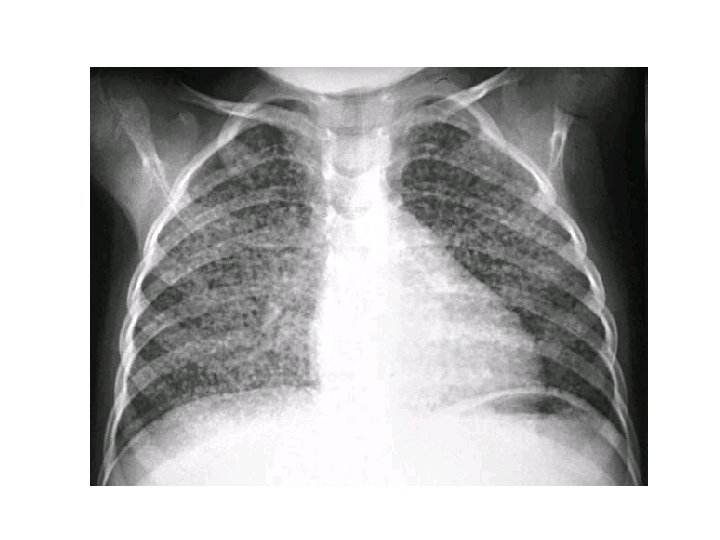
Diagnosis • Obtain HIV in all patients with TB • CXR – – – may show a patchy nodular infiltrate upper-lobe involvement is most common in any part of the lung cavity: indicates advanced infection • high bacterial load • Miliary TB: appearance of numerous small nodular lesions that resemble millet seeds on CXR
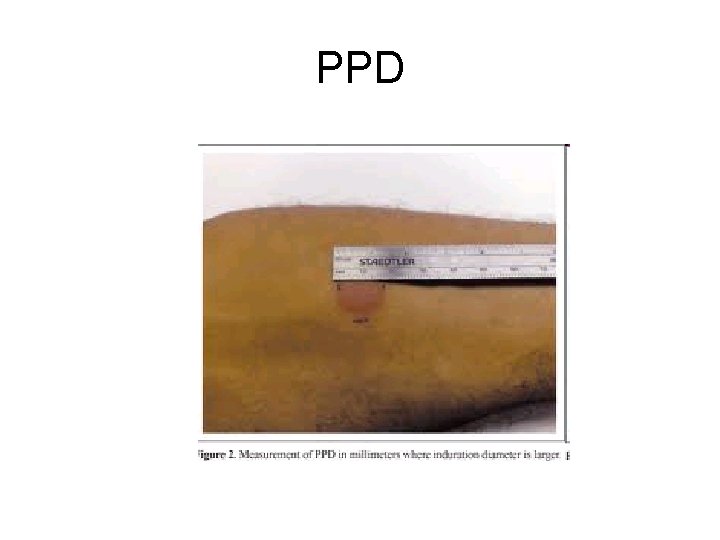
PPD • PPD: tuberculin skin testing (Mantoux test) – is the most widely available test for diagnosing TB in the absence of active disease (Latent infection) – intradermal injection – 48 -72 hours – size of induration, not the erythema – Booster effect – ? Dx role in TB
PPD • PPD testing for tuberculosis (TB) is done among persons at high risk for the development of TB disease who would benefit from treatment of latent TB infection (LTBI) • All testing activities should be accompanied by a plan for the necessary follow-up medical evaluation and treatment
Groups that should be tested for LTBI • Persons at higher risk for exposure to or infection with TB – Close contact of a person known or suspected to have TB – Residents and employees of high risk settings – HCW – Low income populations – Children exposed to adults in high risk
Groups that should be tested for LTBI Persons at higher risk for TB once infected ØIllicit drug use ØCertain medical conditions ØHIV ØRecently infected with M. TB (2 yrs)
PPD
Treatment • Initial empiric treatment of TB • Start on a 4 -drug regimen – INH (ioniazid) – Rifampin – Pyrazinamide – Ethambutol or streptomycin • Prolonged course > 6 months
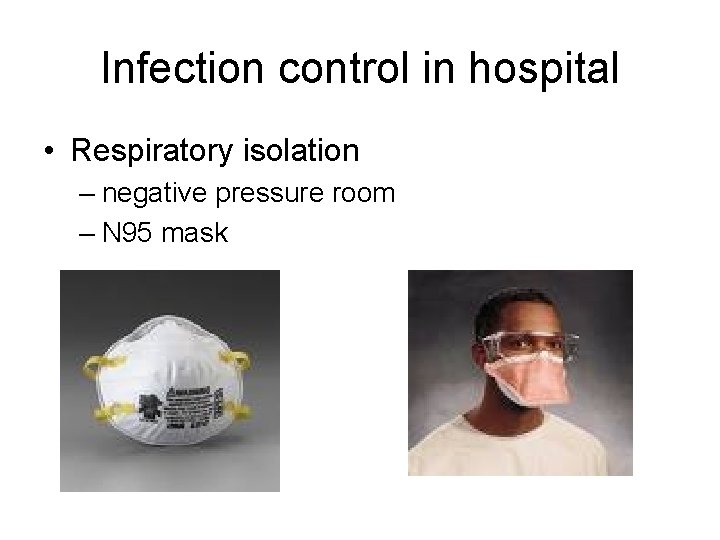
Infection control in hospital • Respiratory isolation – negative pressure room – N 95 mask

- Slides: 33