True or False If I dont eat fat
- Slides: 20
True or False? ? ? § If I don’t eat fat, I won’t get fat. § FALSE a calorie is a calorie § Pasta is bad and should be avoided § FALSE. Pasta is a good source of carbs, your body’s primary gasoline § Fat is bad and should be avoided. § FALSE. Fat helps the body to absorb certain vitamins and supplies energy § Some foods, like celery and grapefruit cause the body to burn more calories that are actually contained in that food. § FALSE. Digestion is not a major calorie burning process § Eating after 8 p. m. is bad. § FALSE. It is the actual number of calories IN A DAY that matters, not when you eat them.
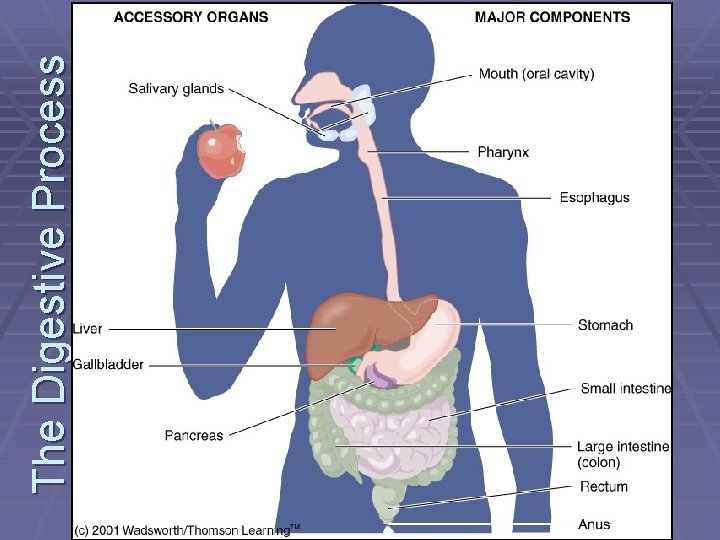
The Digestive Process
Calories § = a measure of the energy content of food § Carbohydrates and Proteins are about 4 cal/gram § Fats are 9 cal/ gram
Nutrients Elements necessary for growth, energy, and repair of tissues. There are 6: § § § Carbohydrates Fats Protein Vitamins Minerals Water calorie = unit to measure energy in food
Carbohydrates § § Provide energy and fiber Contain 4 cal/gram RDA is 60% of daily calorie intake Sources include grains, cereal, pasta, fruits and vegetables, nuts, and sugars § Three types § Simple carbohydrates (monosaccharides and disaccharides)= sugars § Glucose, fructose, sucrose § Complex carbohydrates = starches § Fiber § Soluble § Insoluble
Fats § Function: long term energy, insulation, carrier § § § of certain vitamins, and feeling of satiety (feeling of fullness) Cal value: 9 cal/gram RDA: 20 -30% of foods should come from fat Types: saturated and unsaturated fats (monounsaturated/polyunsaturated)
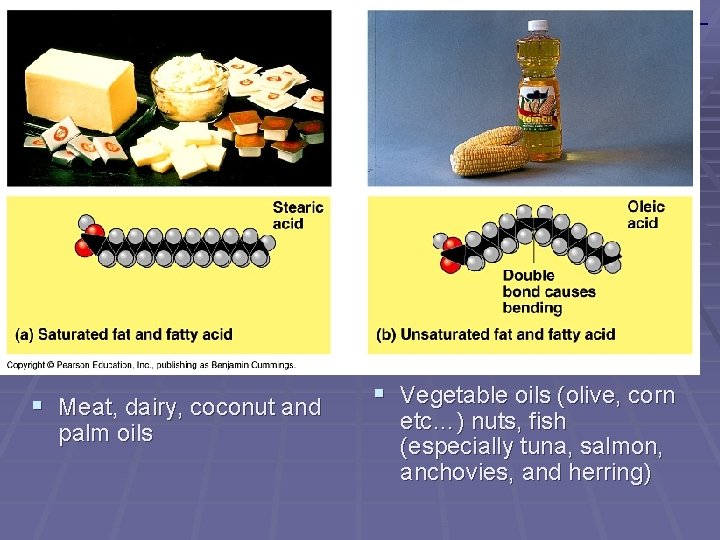
Fats: § Saturated Fats § Unsaturated Fats § Provide energy, trigger § Also provide energy, but production of cholesterol trigger more HDL and LDL. production and less cholesterol and LDL § Sources: Red meat, production dairy products, egg yolks, coconut and palm Sources: Some fish, oils avocados, olive, canola and peanut oils, vegetable oils, soft margarine
Proteins § Builds and repairs tissues, provide fuel for bodies § Cal value: 4 cal/gram § RDA: 15% of food intake § Sources include: meat, poultry, fish, eggs, beans, nuts, cheese, tofu, vegetables, some fruits, pasta, breads, cereal and rice
Vitamins § Facilitate use of other nutrients, involved in regulating growth, maintaining tissue and manufacturing blood cell, hormones, and other body components. § Fruits, vegetables, grains, some meat and dairy products
Minerals § Help build bones and teeth, aid in muscle function and nervous system activity, assist in various body functions including growth and energy production § Many foods § Major minerals - Sodium, Potassium, Chloride, Calcium, Phosphorus, Magnesium § Trace Minerals – iron, zinc, selenium, molybdenum, iodine, copper, manganese, flouride, chromium
Water § Carries nutrients and removes waste, removes toxins, regulates body temperature. § Found in: liquids, fruits, vegetables
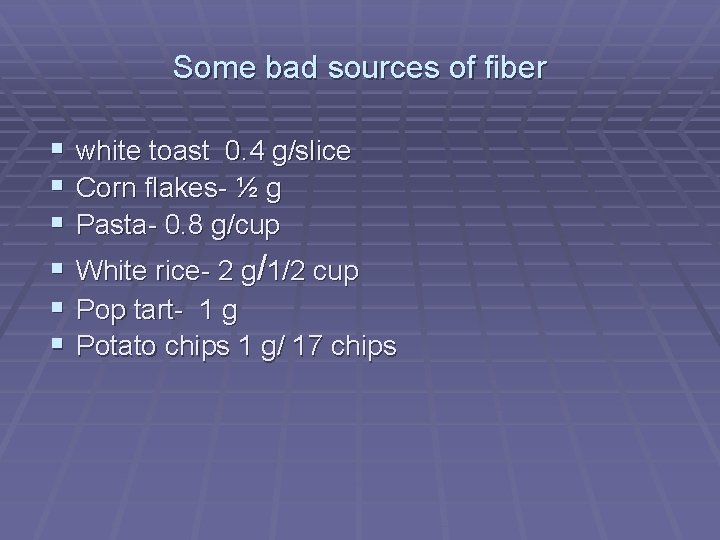
Some bad sources of fiber § § § white toast 0. 4 g/slice Corn flakes- ½ g Pasta- 0. 8 g/cup White rice- 2 g/1/2 cup Pop tart- 1 g Potato chips 1 g/ 17 chips
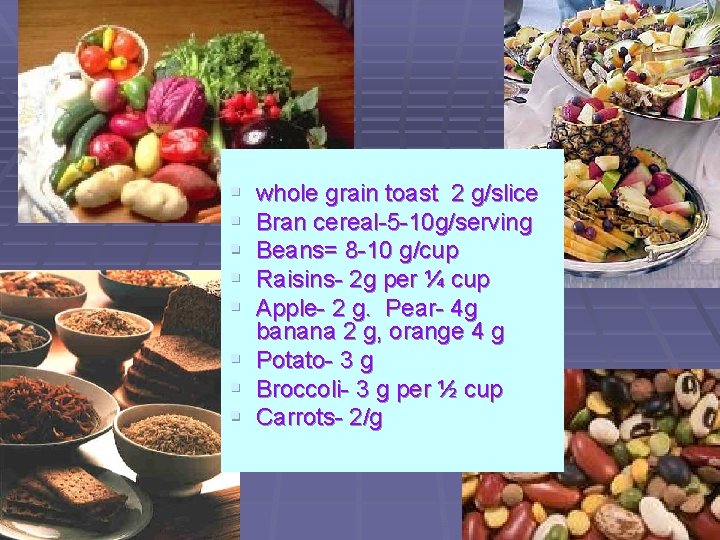
Some good sources of fiber § § § § whole grain toast 2 g/slice Bran cereal-5 -10 g/serving Beans= 8 -10 g/cup Raisins- 2 g per ¼ cup Apple- 2 g. Pear- 4 g banana 2 g, orange 4 g Potato- 3 g Broccoli- 3 g per ½ cup Carrots- 2/g
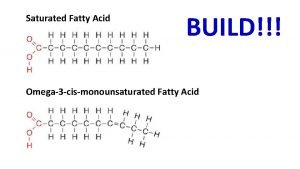
Figure 5. 11 Examples of saturated and unsaturated fats and fatty acids § Meat, dairy, coconut and palm oils § Vegetable oils (olive, corn etc…) nuts, fish (especially tuna, salmon, anchovies, and herring)
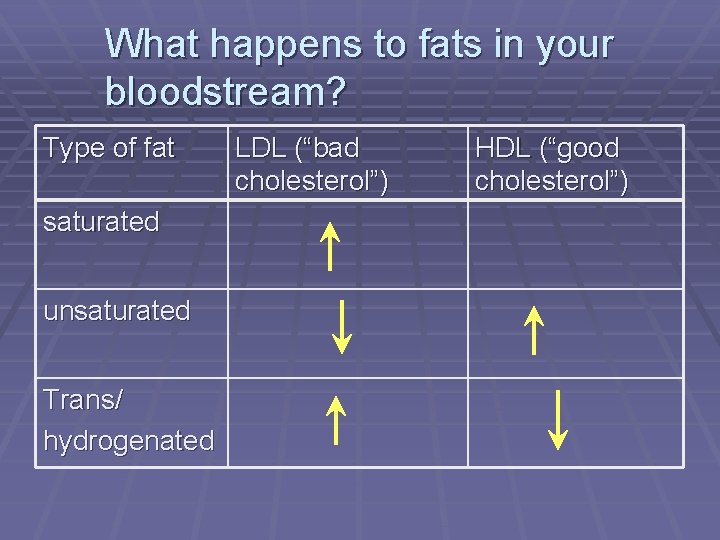
What happens to fats in your bloodstream? Type of fat saturated unsaturated Trans/ hydrogenated LDL (“bad cholesterol”) HDL (“good cholesterol”)
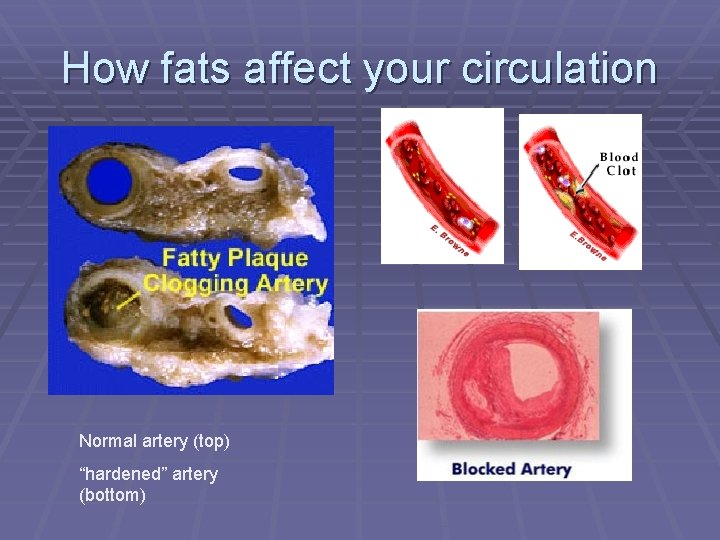
How fats affect your circulation Normal artery (top) “hardened” artery (bottom)
HOW CAN I REDUCE THE FAT IN MY DIET? ? § Read food labels- avoid products with hydrogenated and partially hydrogenated oils § Use low fat and skim dairy products § Trim visible fat from meat § Avoid cream based sauces § Find substitutes § Low fat yogurt for sour cream, olive oil for butter and margarine etc…
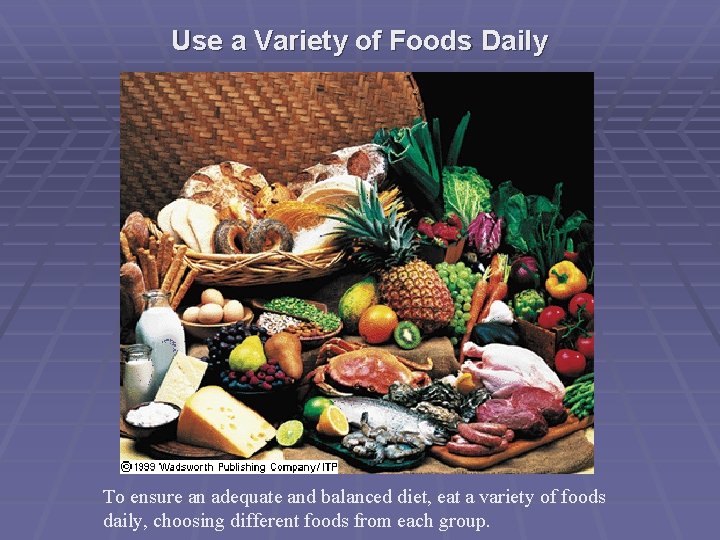
Use a Variety of Foods Daily To ensure an adequate and balanced diet, eat a variety of foods daily, choosing different foods from each group.
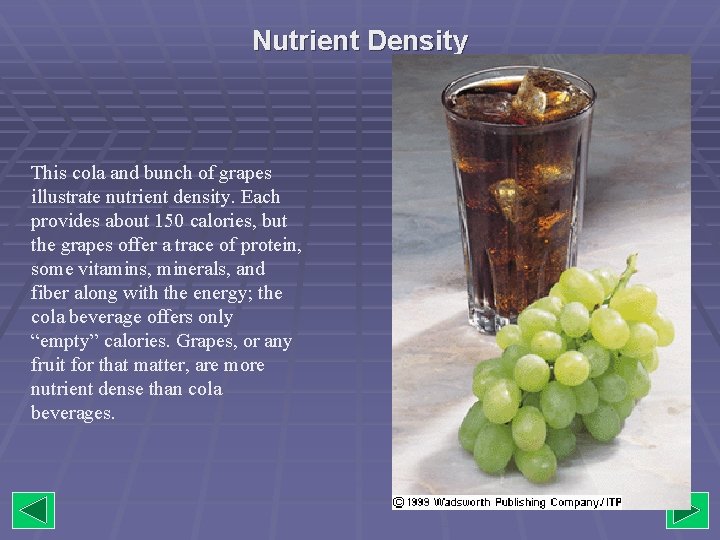
Nutrient Density This cola and bunch of grapes illustrate nutrient density. Each provides about 150 calories, but the grapes offer a trace of protein, some vitamins, minerals, and fiber along with the energy; the cola beverage offers only “empty” calories. Grapes, or any fruit for that matter, are more nutrient dense than cola beverages.