
Triple response of histamine Dr Raz Mohammed Lab
Triple response of histamine Dr. Raz Mohammed Lab. 5 25. 04. 016
• Histamine belongs to a group of compounds called autacoids, that includes (in addition to histamine) prostaglandin and serotonin. • These autacoids differ from circulating hormones in that they are produced by many tissues rather than in specific endocrine glands.
Histamine • Histamine is a chemical messenger that mediates: 1. Allergic and inflammatory reactions, 2. gastric acid secretion, 3. and neurotransmission in parts of the brain.
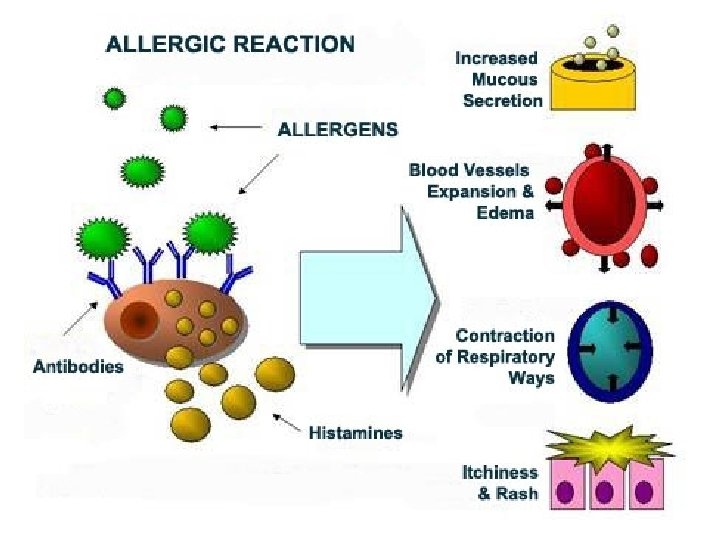
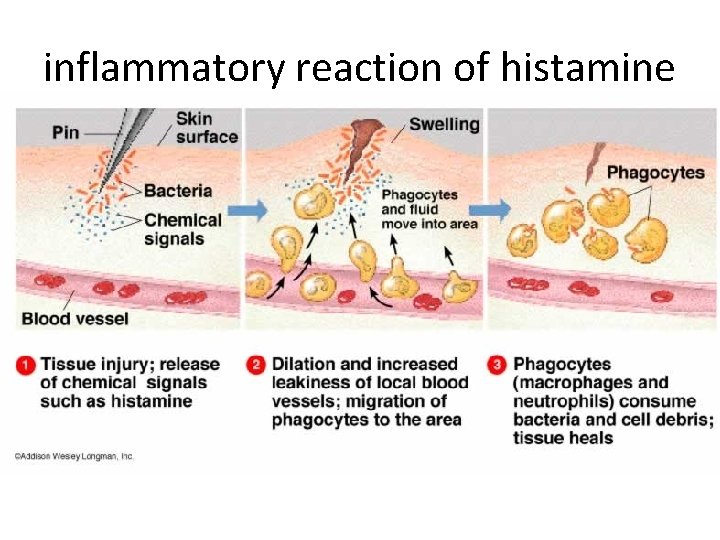
inflammatory reaction of histamine
Release of histamine: • Stimuli causing the release of histamine from tissues include the destruction of cells as a result of cold, bacterial toxins, bee sting venoms, or trauma.
Types of histamine receptor • • H 1 receptor H 2 receptor H 3 receptor H 4 receptor.
H 1 receptor antagonists • • • Non- sedative: Cetrizine Loratadine Terfenadine Desloratadine fexofenadine
Sedative antihistamines 1. 2. 3. 4. 5. 6. 7. Chlorpheniramine Promethazine Diphenhydramine Clemastine Cyproheptadine Triploridine hydroxyzine
H 2 receptor antagonists • These are a class of drugs used to block the action of histamine on parietal cells in the stomach, decreasing the production of acid by these cells. • Nizatidine • Ranitidine • Cimetidine • Famotidine
Actions of Histamine 1. Smooth muscle: Histamine causes contraction of the smooth muscle of the ileum, bronchi and bronchioles, and uterus. 2. Blood vessels: Histamine causes vasodilation. Capillary permeability also increases causing edema.
3. Skin: histamine release in the skin cause itching, because it stimulates sensory nerve endings. 4. Gastric secretion: Histamine stimulates the secretion of gastric acid by action on H 2 receptors.
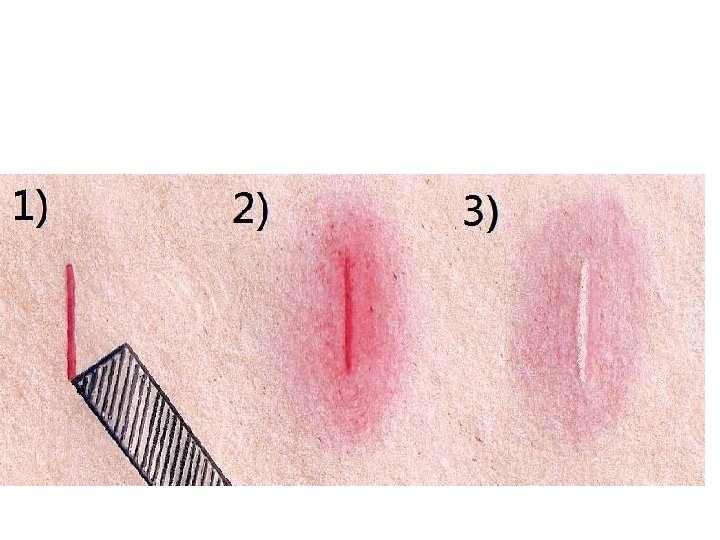
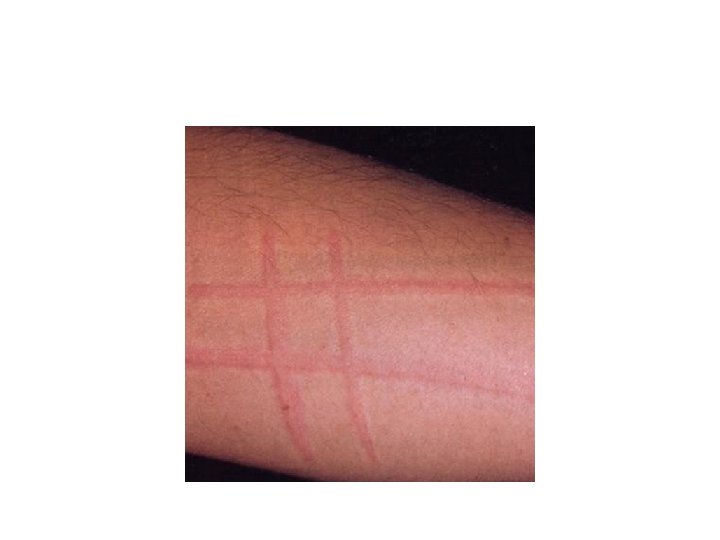
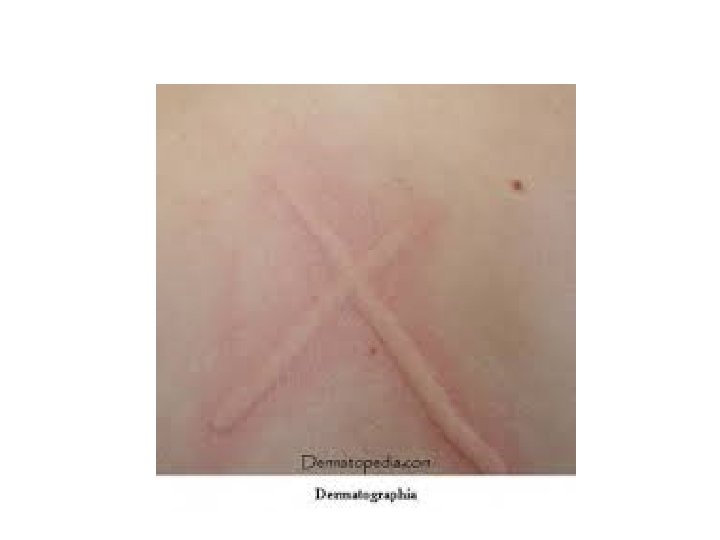
Triple response: • If histamine is injected intradermally or when the skin is exposed to a physical trauma a triple response will be elicited. That consists of: 1. Localized red spot: immediate redness of the skin, extending for a few (mm) around the site of injection, that appears within few seconds and recovers maximally in a bout minute (direct vasodilation) due to capillary dilation.
Triple response: 2. Bright red flush (Flare): red and irregular extending a bout (1 cm) beyond the original red spot and developes slowly. Results in itching and pain, due to arteriolar dilatation. 3. Wheal (edema): It occurs in 1 or 2 minutes. Occupying the same area at the original red spot of injection site. Due to increased capillary permeability and due to exudation of fluid from capillaries and venules.
- Slides: 17