
Trends in Neuroanesthesia Christopher M Wike BSN RN
Trends in Neuroanesthesia Christopher M. Wike, BSN, RN, CCRN, SRNA David J. Krasucki, BSN, RN, CCRN, SRNA Villanova University/Crozer-Chester Medical Center School of Nurse Anesthesia Class of 2016
Objectives • Describe pharmacology/physiology related to neuroanesthesia • Identify the foundations for selection of anesthetic techniques • Identify outcomes related to pharmacologic and nonpharmacologic techniques • Identify emerging neuroanesthetic pharmacology and techniques • Understand the need for future studies in outcomes related to neuroanesthetic care
Part I - Neurophysiology David J. Krasucki, BSN, RN, CCRN Villanova University/Crozer- Chester Medical Center School of Nurse Anesthesia Class of 2016
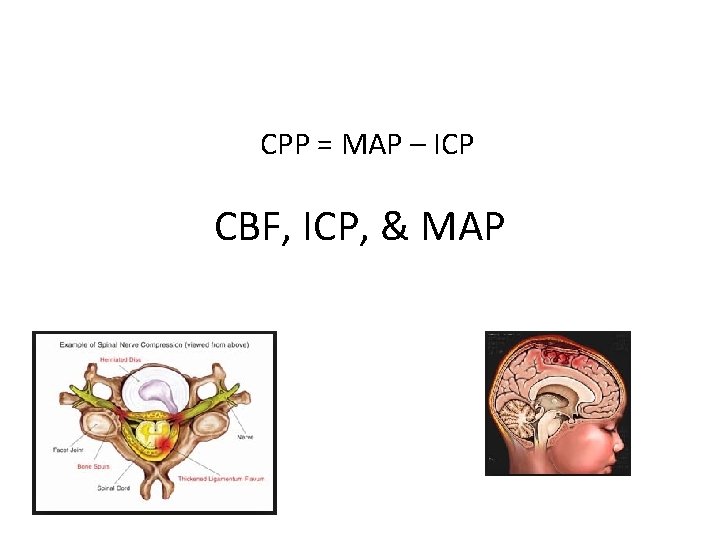
CPP = MAP – ICP CBF, ICP, & MAP

MAP and CPP

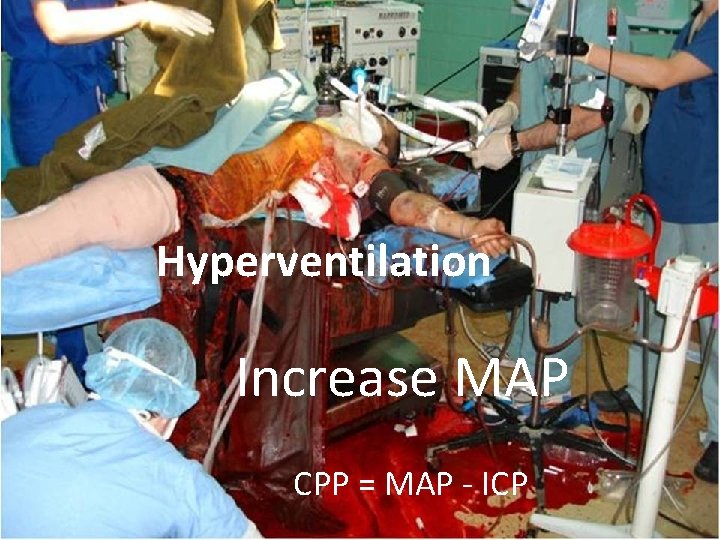
Hyperventilation Increase MAP CPP = MAP - ICP
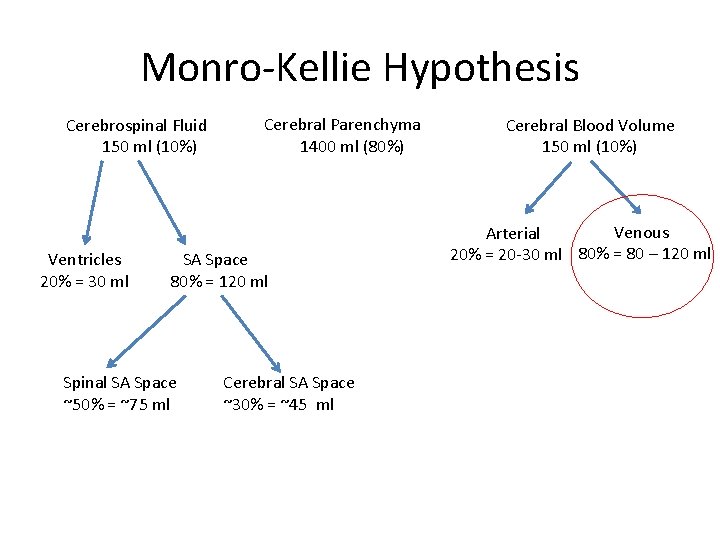
Monro-Kellie Hypothesis Cerebrospinal Fluid 150 ml (10%) Ventricles 20% = 30 ml Cerebral Parenchyma 1400 ml (80%) SA Space 80% = 120 ml Spinal SA Space ~50% = ~75 ml Cerebral SA Space ~30% = ~45 ml Cerebral Blood Volume 150 ml (10%) Venous Arterial 20% = 20 -30 ml 80% = 80 – 120 ml

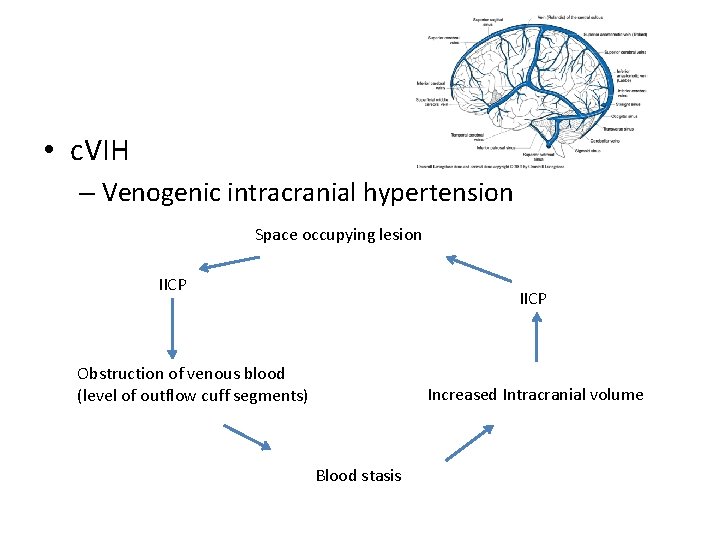
• c. VIH – Venogenic intracranial hypertension Space occupying lesion IICP Obstruction of venous blood (level of outflow cuff segments) Increased Intracranial volume Blood stasis
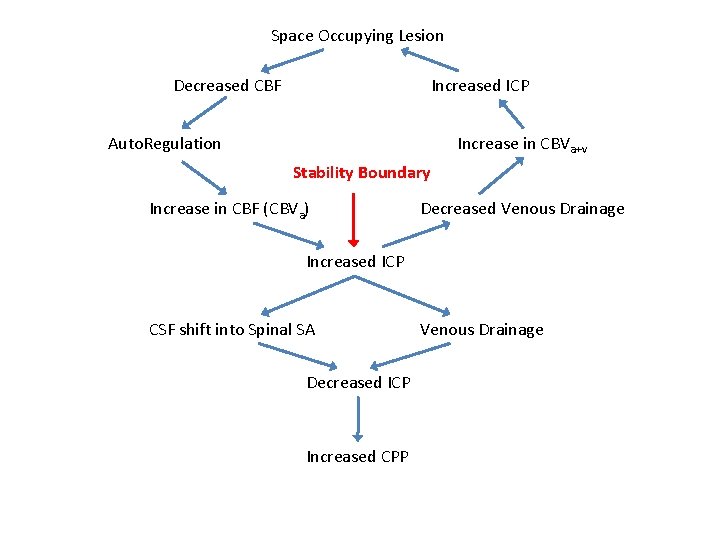
Space Occupying Lesion Decreased CBF Increased ICP Auto. Regulation Increase in CBVa+v Stability Boundary Increase in CBF (CBVa) Decreased Venous Drainage Increased ICP CSF shift into Spinal SA Decreased ICP Increased CPP Venous Drainage
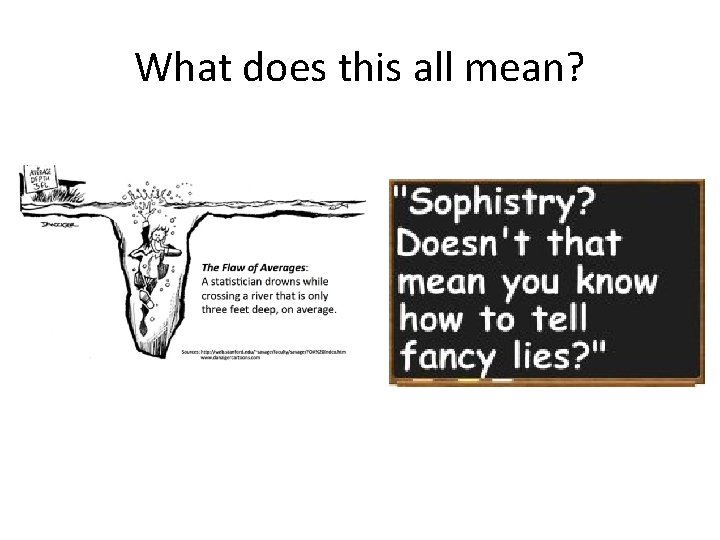
What does this all mean?
Part II - Neuropharmacology Christopher M. Wike, BSN, RN, CCRN, SRNA Villanova University/Crozer- Chester Medical Center School of Nurse Anesthesia Class of 2016
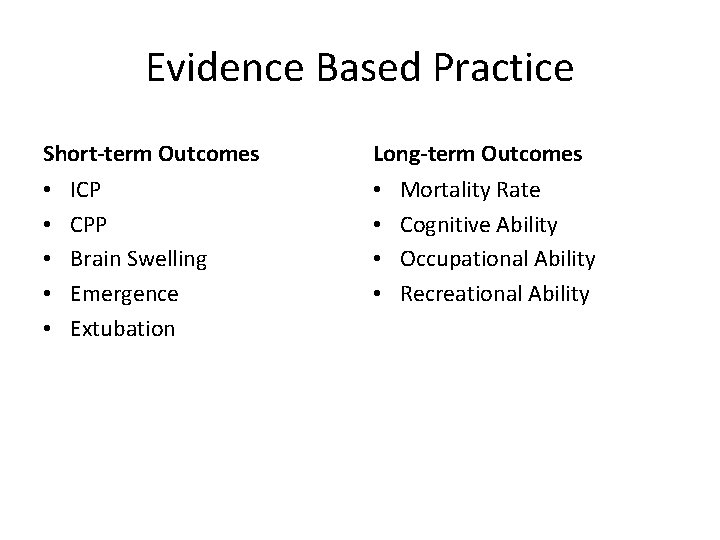
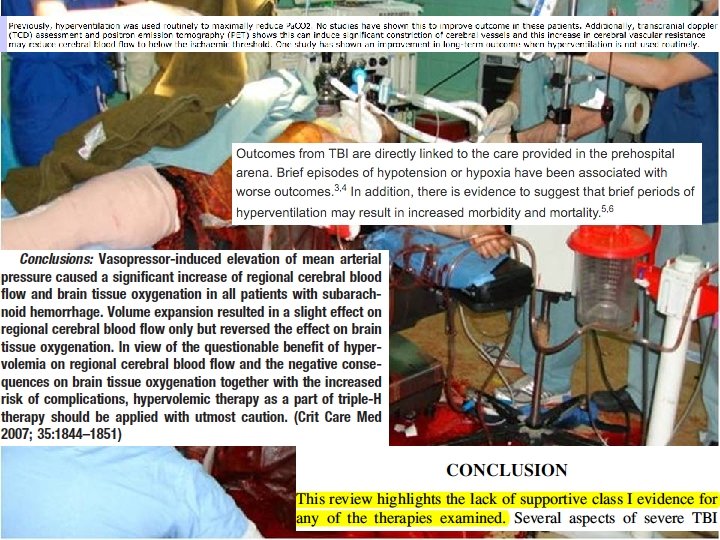
Evidence Based Practice Short-term Outcomes • • • ICP CPP Brain Swelling Emergence Extubation Long-term Outcomes • • Mortality Rate Cognitive Ability Occupational Ability Recreational Ability
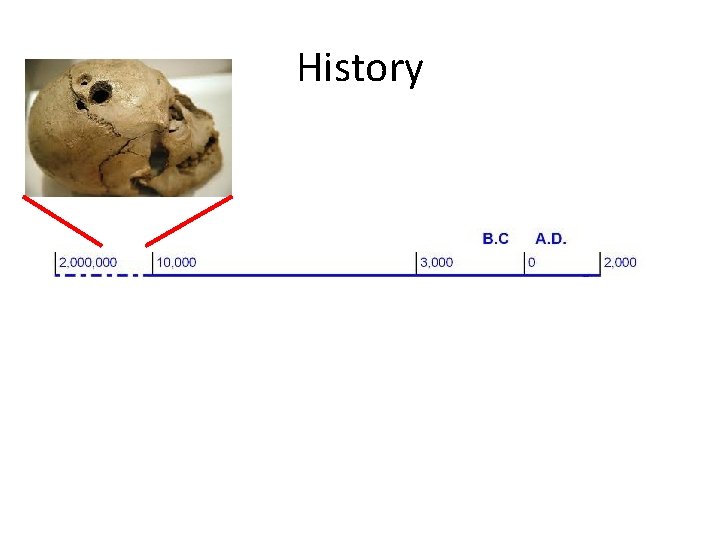
History
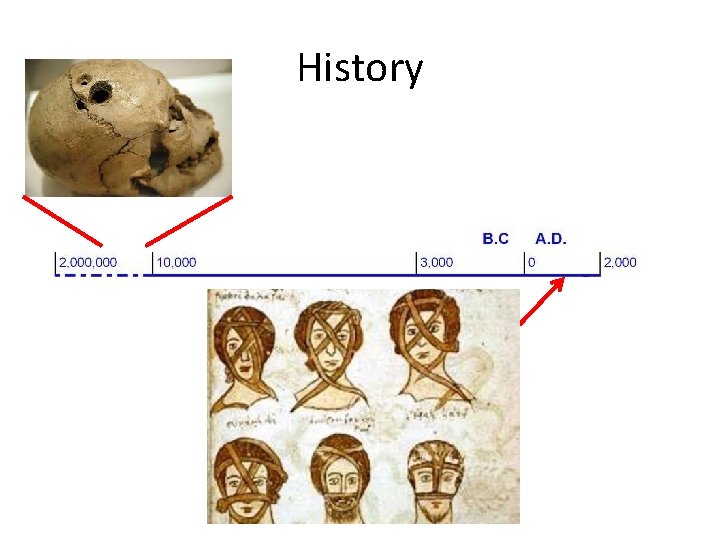
History
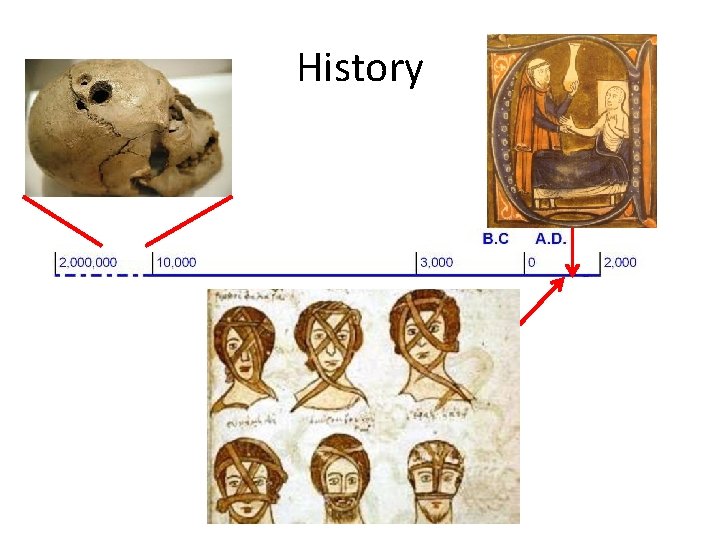
History
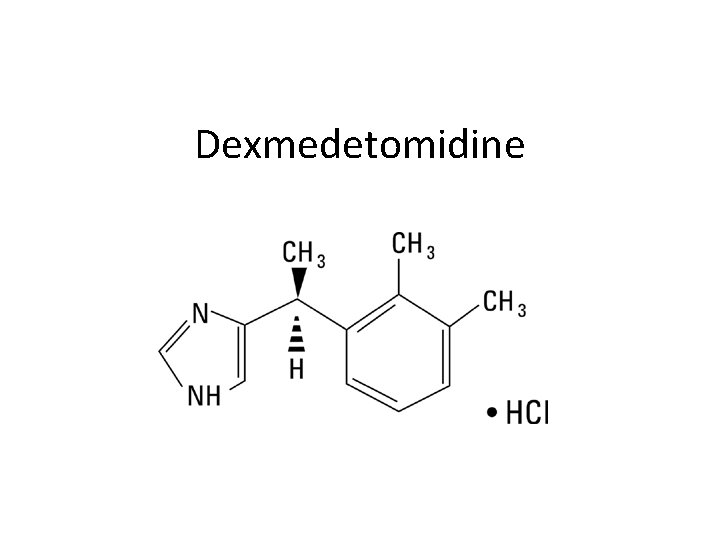
Dexmedetomidine
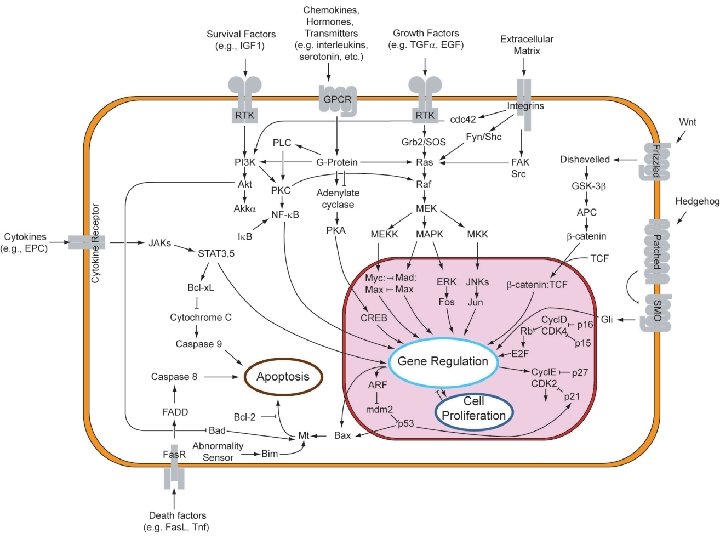
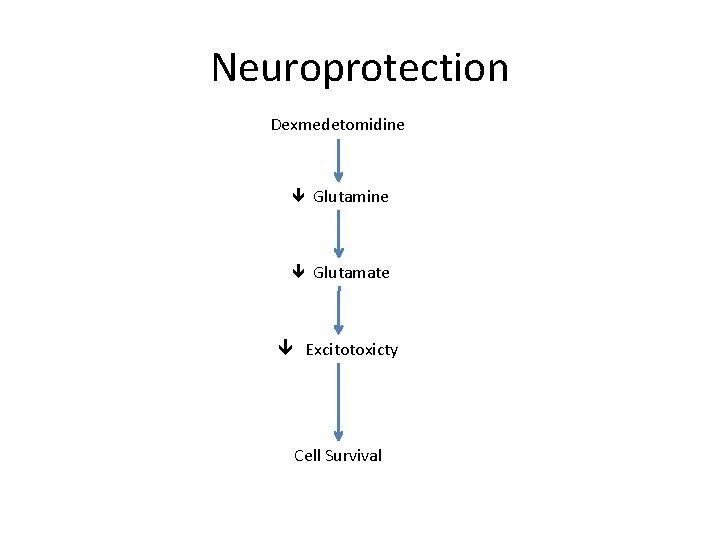
Neuroprotection Dexmedetomidine Glutamate Excitotoxicty Cell Survival
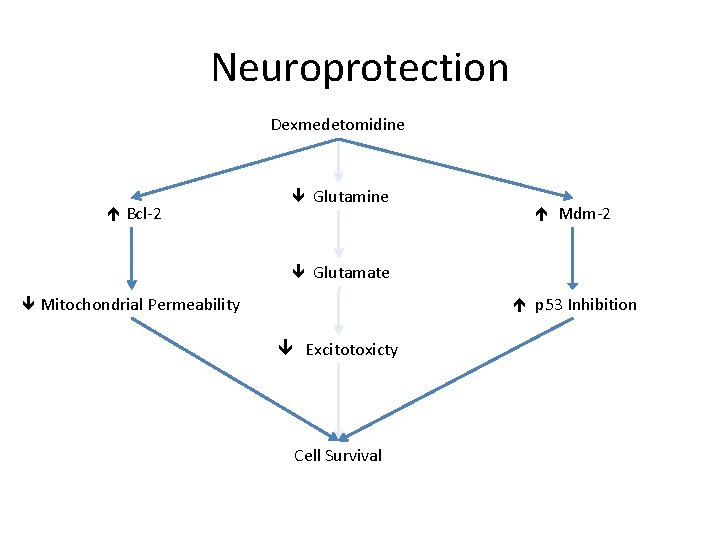
Neuroprotection Dexmedetomidine Bcl-2 Glutamine Mdm-2 Glutamate Mitochondrial Permeability p 53 Inhibition Excitotoxicty Cell Survival
Dexmedetomidine • Intraoperative – Hemodynamic perturbation – Awake procedures – Evoked potentials • Additional Points – Hypothermia – P 450 induction
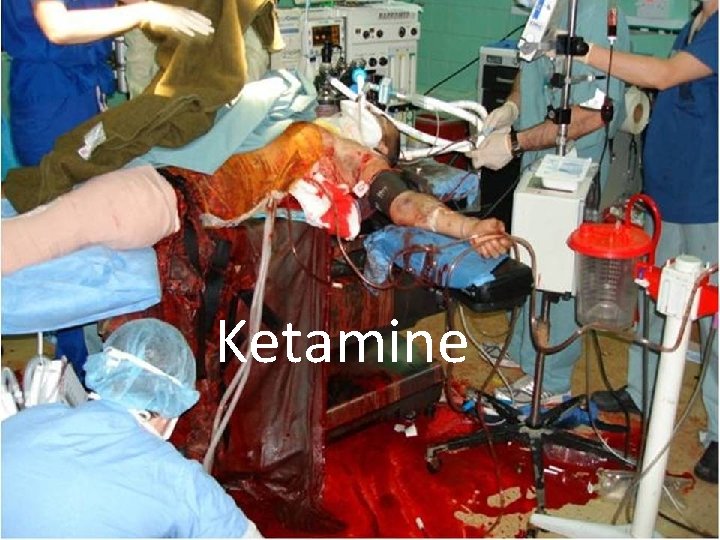
Ketamine
Ketamine then • Gardner, Olson, & Lichtiger, 1971 – All 11 patients had increased ICP • Gibbs, 1972 – Only 6 out of 20 patients had increased ICP • Shapiro, Wyte, & Harris, 1972 – 5 out of 7 had increased ICP • Wyte, 1972 – 2 patients…
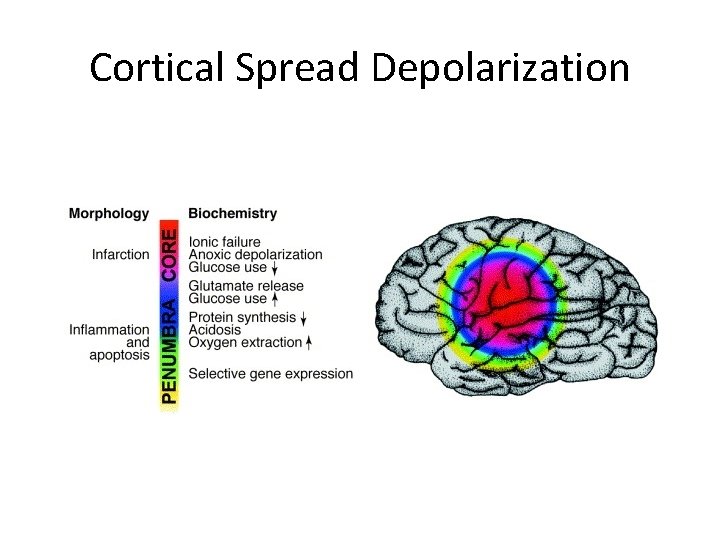
Cortical Spread Depolarization
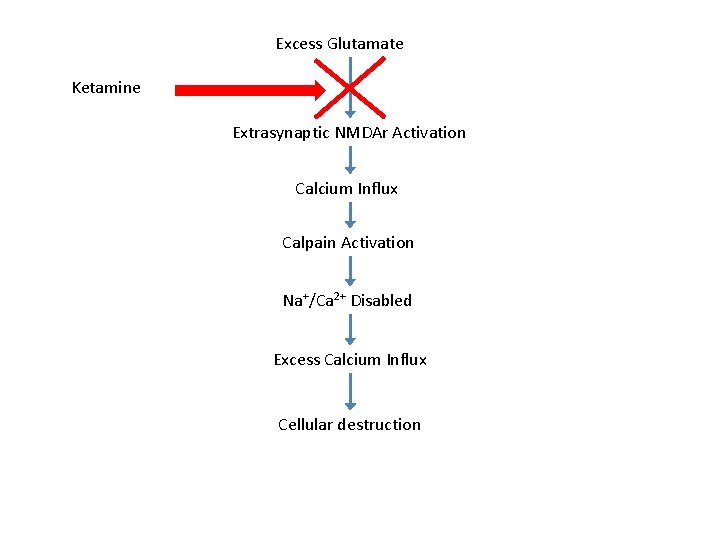
Excess Glutamate Ketamine Extrasynaptic NMDAr Activation Calcium Influx Calpain Activation Na+/Ca 2+ Disabled Excess Calcium Influx Cellular destruction
Ketamine now • Cohen and colleagues, 2014 – 10 studies, 953 patients – 6 studies include TBI (GCS <8) – “No evidence…”
“WE HAVE ALWAYS DONE IT THIS WAY”
References Aaslid, R. , Lindegaard, K. , Sorteberg, W. , & Nornes, H. (1989). Cerebral autoregulation dynamics in humans. Stroke, 20(1), 45 -52. http: //dx. doi. org/10. 1161/01. str. 20. 1. 45 Adamides, A. , Winter, C. , Lewis, P. , Cooper, D. , Kossmann, T. , & Rosenfeld, J. (2006). CURRENT CONTROVERSIES IN THE MANAGEMENT OF PATIENTS WITH SEVERE TRAUMATIC BRAIN INJURY. ANZ J Surg, 76(3), 163 -174. http: //dx. doi. org/10. 1111/j. 1445 -2197. 2006. 03674. x Bowles, E. , & Gold, M. (2012). Rethinking the paradigm: Evaluation of ketamine as a neurosurgical anesthetic. Journal of the American Association of Nurse Anesthetists, 80(6), 445 -452 Retrieved from https: //www. aana. com/newsandjournal/Documents/rethink-paradigm-1212 -p 445 -452. pdf Bratton, S. , Chestnut, R. , Ghajar, J. , Mc. Connell Hammond, F. , Harris, O. , & Hartl, R. et al. (2007). IX. Cerebral Perfusion Thresholds. Journal Of Neurotrauma, 24(supplement 1), S-59 -S-64. http: // dx. doi. org/10. 1089/neu. 2007. 9987 Chang, L. , Raty, S. , Ortiz, J. , Bailard, N. , & Mathew, S. (2013). The emerging use of ketamine for anesthesia and sedation in traumatic brain injuries. CNS Neuroscience and Therapeutics, 19(6), 390 -395 doi: 10. 1111/cns. 12077 Chen, J. , Wang, X. , Luan, L. , Chao, B. , Bo, P. , Song, H. , & Pang, Q. (2012). Biological characteristics of the cerebral venous system and its hemodynamic response to intracranial hypertension. Chinese Medical Journal, 125(7), 1303 -09. Chivukula, S. , Grandhi, R. , & Friedlander, R. (2014). A brief history of early neuroanesthesia. Neurosurgical Focus, 36(4), 1 -5. Retrieved from http: //thejns. org/doi/abs/10. 3171/2014. 2. FOCUS 13578 Cohen, L. Athaide, V. , Wickham, M. , Doyle-Waters, M. , Rose, N. , & Hohl, C. (2015). The effect of ketamine in intracranial and cerebral perfusion pressure and health outcomes: A systematic review. Annals of Emergency Medicine, 65(1), 43 -51 doi: 10. 1016/j. annemergmed. 2014. 06. 018. Crystal, G. (2012). Alpha 1 Agonists and Myocardial Blood Flow—There Is More to the Story!. Anesthesia & Analgesia, 114(2), 477. http: //dx. doi. org/10. 1213/ane. 0 b 013 e 31823 b 26 d 2 Dinsmore, J. (2007). Anaesthesia for elective neurosurgery. British Journal of Anaesthesia, 99(1), 68 -74 doi: 10. 1093/bja/aem 132 Drummond, J. (2013). Popular Misunderstandings in Neuroanesthesia. Anesthesia & Analgesia, 117, 7 -10. http: //dx. doi. org/10. 1213/ane. 0 b 013 e 318295 d 4 d 7 Fandino, J. & Stocker, R. (1999). Catheterization of the Internal Jugular Vein for Jugular Bulb Oxygen Saturation Monitoring After Brain Injury: Fandino J, Stocker R Catheterization of the internal j ugular vein for jugular bulb oxygen saturation monitoring after brain injury I Intensive Care Med 1999: 14 279 -290. Journal Of Intensive Care Medicine, 14(6), 279 -290. http: //dx. doi. org/ 10. 1177/088506669901400605 Farag, E. , Argalious, M. , Sessler, D. I. , Kurz, A. , Ebrahim, Z. Y. , & Schubert, A. (2011). Use of α 2 -Agonists in Neuroanesthesia: An Overview. The Ochsner Journal, 11(1), 57– 69. Flexman, A. , Meng, L. , & Gelb, A. (2015). Outcomes in neuroanesthesia: What matters most? Canadian Journal of Anesthesia, doi: 10. 1007/s 12630 -015 -0522 -9 Gaetz, M. (2004). The neurophysiology of brain injury. Clinical Neurophysiology, 115(1), 4 -18. http: //dx. doi. org/10. 1016/s 1388 -2457(03)00258 -x Gardner, A. , Olson, B. , & Lichtiger, M. (1971). Cerebrospinal-fluid pressure during dissociative anesthesia with ketamine. Anesthesiology, 35(2), 226 -228 Retrieved from http: // anesthesiology. pubs. asahq. org/article. aspx? articleid=1963153 Gibbs, J. M. (1972). The effect of intravenous ketamine on cerebrospinal fluid pressure. British Journal of Anaesthesia, 44, 1298 -1301 Retrieved from http: //bja. oxfordjournals. org/content/ 44/12/1298. full. pdf Hicks, J. (2005). The siphon controversy counterpoint: the brain need not be "baffling". AJP: Regulatory, Integrative And Comparative Physiology, 289(2), R 629 -R 632. http: //dx. doi. org/10. 1152/ ajpregu. 00810. 2004 Hudetz, J. , & Pagel, P. (2010). Neuroprotection by ketamine: A review of the experimental and clinical evidence. Journal of Cardiothoracic and vascular anesthesia, 24(1), 131 -142 doi: 10. 1053/j. jvca. 2009. 05. 008 Ito, H. , Ibaraki, M. , Kanno, I. , Fukuda, H. , & Miura, S. (2005). Changes in the arterial fraction of human cerebral blood volume during hypercapnia and hypocapnia measured by positron emission tomography. Journal Of Cerebral Blood Flow & Metabolism, 25(7), 852 -857. http: //dx. doi. org/10. 1038/sj. jcbfm. 9600076 Muench, E. , Horn, P. , Bauhuf, C. , Roth, H. , Philipps, M. , & Hermann, P. et al. (2007). Effects of hypervolemia and hypertension on regional cerebral blood flow, intracranial pressure, and brain tissue oxygenation after subarachnoid hemorrhage*. Critical Care Medicine, 35(8), 1844 -1851. http: //dx. doi. org/10. 1097/01. ccm. 0000275392. 08410. dd Kim, T. , Hendrich, K. , Masamoto, K. , & Kim, S. (2006). Arterial versus total blood volume changes during neural activity-induced cerebral blood flow change: implication for BOLD f. MRI. Journal Of Cerebral Blood Flow & Metabolism, 27(6), 1235 -1247. http: //dx. doi. org/10. 1038/sj. jcbfm. 9600429 Mokri, B. (2001). The Monro-Kellie hypothesis: Applications in CSF volume depletion. Neurology, 56(12), 1746 -1748. http: //dx. doi. org/10. 1212/wnl. 56. 12. 1746 MUNCK, O. & LASSEN, N. (1957). Bilateral Cerebral Blood Flow and Oxygen Consumption in Man by use of Krypton 85. Circulation Research, 5(2), 163 -168. http: //dx. doi. org/10. 1161/01. res. 5. 2. 163 Pasternak, J. J. , & Lanier, W. L. (2015). Neuroanesthesioloy update. Journal of Neurosurgical Anesthesiology, 27(2), 87 -122 doi: 10. 1097/ANA. 0000000167 Sakabe, T. (2009). Neuroanesthesia - the history and future. Bull Yamaguchi Med School, 56(3 -4), 21 -31. Shapiro, H. , Wyte, S. , & Harris, A. (1972). Ketamine anaesthesia in patients with intracranial pathology. British Journal of Anaesthesia, 44(11), 1200 -1204 doi: 10. 1093/bja/44. 11. 1200 Stocchetti, N. , Maas, A. , Chieregato, A. , & van der Plas, A. (2005). Hyperventilation in Head Injury. Chest, 127(5), 1812 -1827. http: //dx. doi. org/10. 1378/chest. 127. 5. 1812 Tameem, A. & Krovvidi, H. (2013). Cerebral physiology. British Journal Of Anesthesia. Tang, S. , Yu, J. , Li, J. , & Sun, J. (2015). Neuroprotective effect of ketamine on acute spinal cord injury in rats. Genetics and Molecular Research, 14(2), 3551 -3556 doi: 10. 4238/2015. April. 17. 4 Truog, R. (2010). Translating research on communication in the intensive care unit into effective educational strategies*. Critical Care Medicine, 38(3), 976 -977. http: //dx. doi. org/10. 1097/ccm. 0 b 013 e 3181 cc 1380 Ursino, M. & Di Giammarco, P. (1991). A mathematical model of the relationship between cerebral blood volume and intracranial pressure changes: The generation of plateau waves. Annals Of Biomedical Engineering, 19(1), 15 -42. http: //dx. doi. org/10. 1007/bf 02368459 Welling, L. Welling, M. , Teixeria, M. , & Figueiredo, E. (2015). Cortical spread depolarization and ketamine: a revival of an old drug or a new era of neuroprotective drugs? World Neurosurgery, 83(4), 396 -397 doi: 10. 1016/j. wneu. 2015. 01. 006
- Slides: 31