
Trends in Library Resource Management and Discovery Marshall
Trends in Library Resource Management and Discovery Marshall Breeding Independent Consultant, Author, and Founder and Publisher, Library Technology Guides http: //librarytechnology. org/ http: //twitter. com/mbreeding August 08, 2015 OCLC Seminar
Description Marshall Breeding will give an overview of the current realm of library resource management systems and discovery services, highlighting some of the major technology trends. These products increasingly leverage use data and social networking concepts to provide more targeted and personalized services.
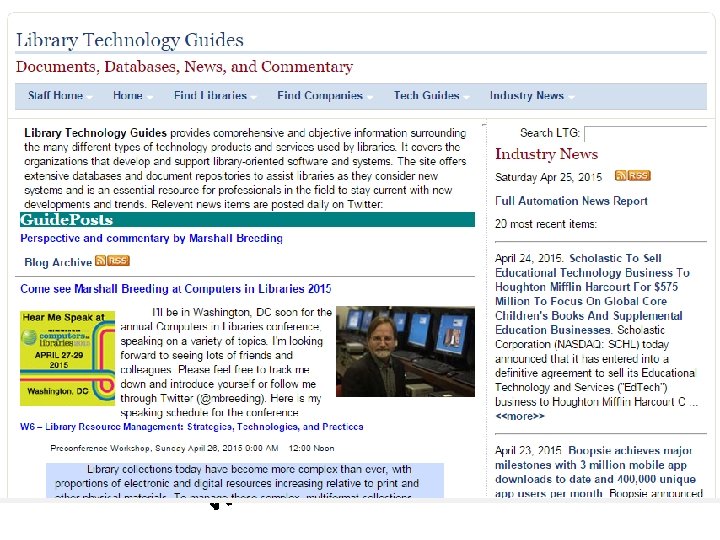
Library Technology Guides o l o hn g r o. y g w i l. ww c e t y r a br
Libraries. org data Visualizations based on ILS data in libraries. org
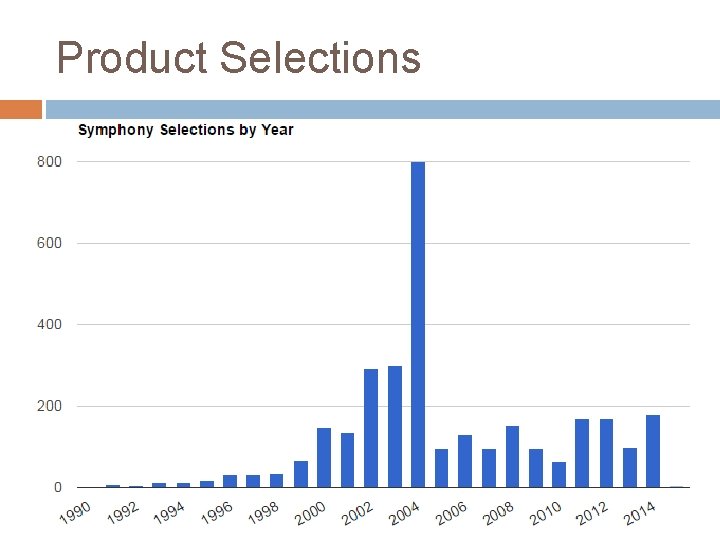
Product Selections
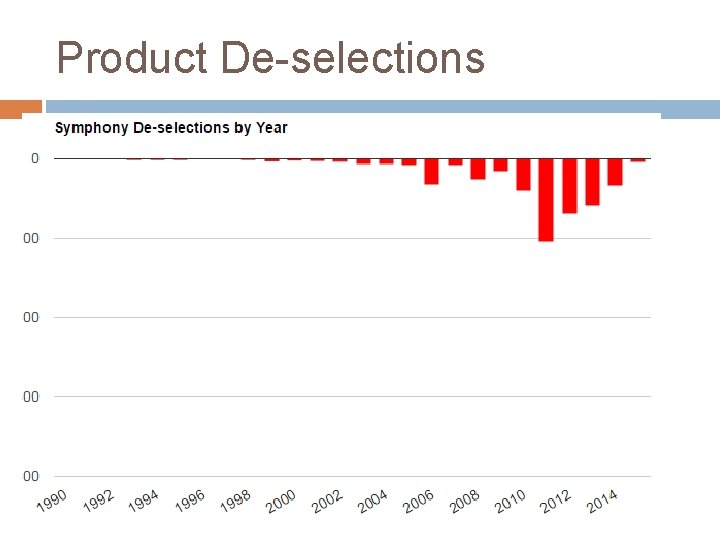
Product De-selections
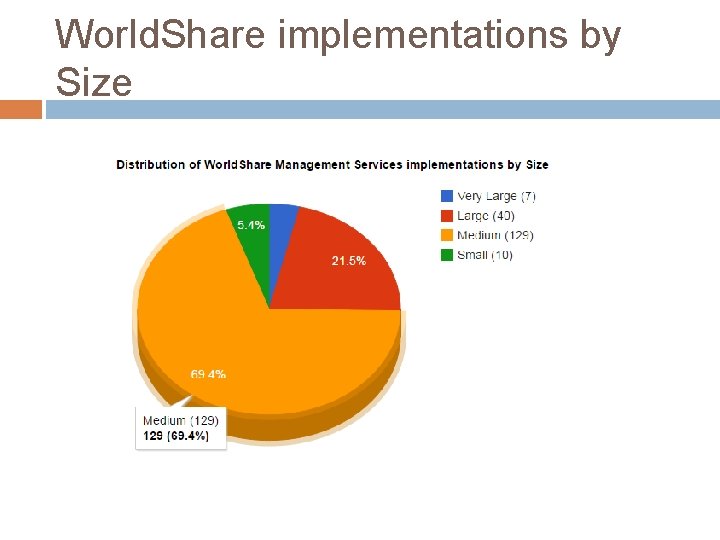
World. Share implementations by Size
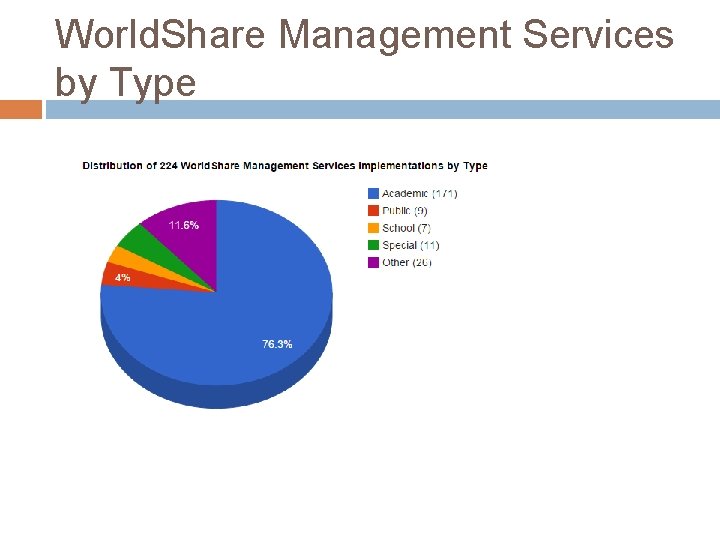
World. Share Management Services by Type
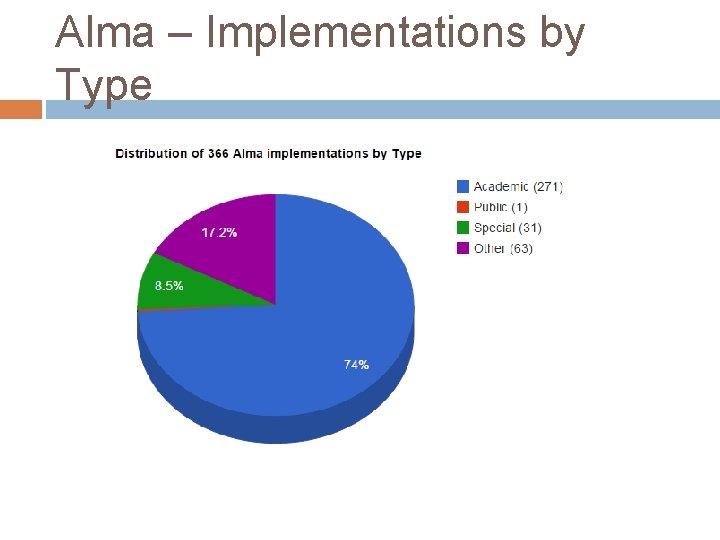
Alma – Implementations by Type
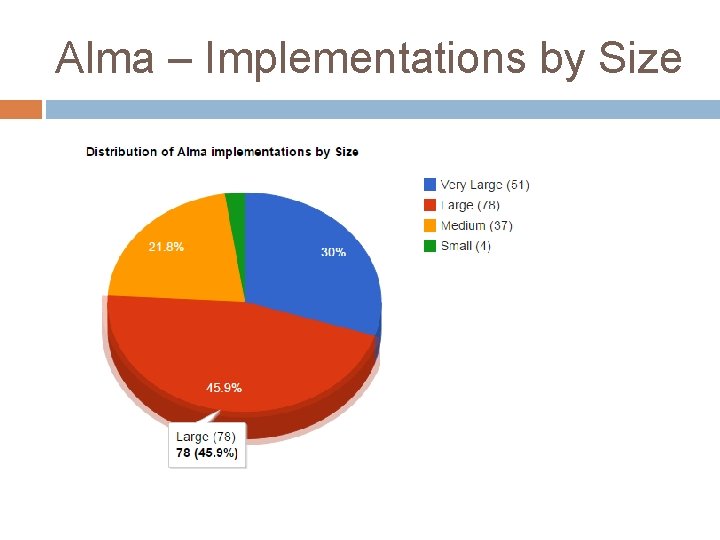
Alma – Implementations by Size
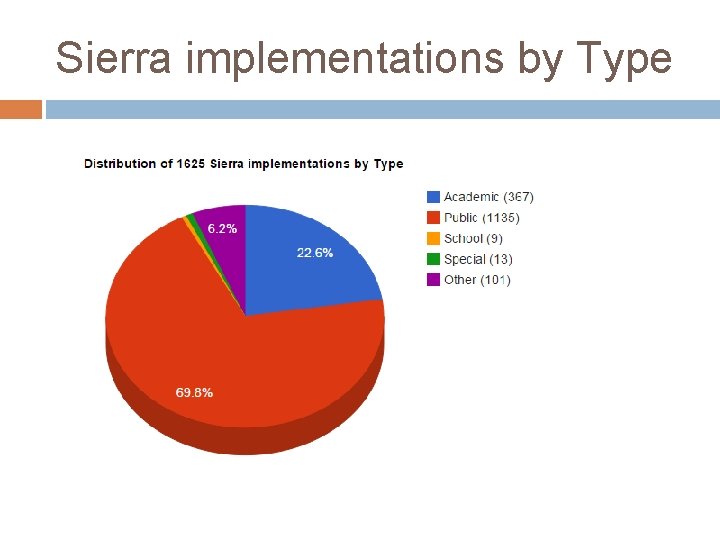
Sierra implementations by Type
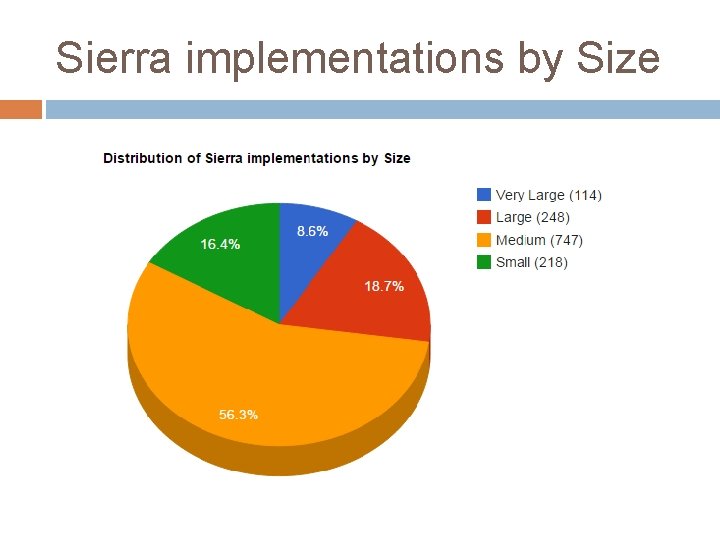
Sierra implementations by Size
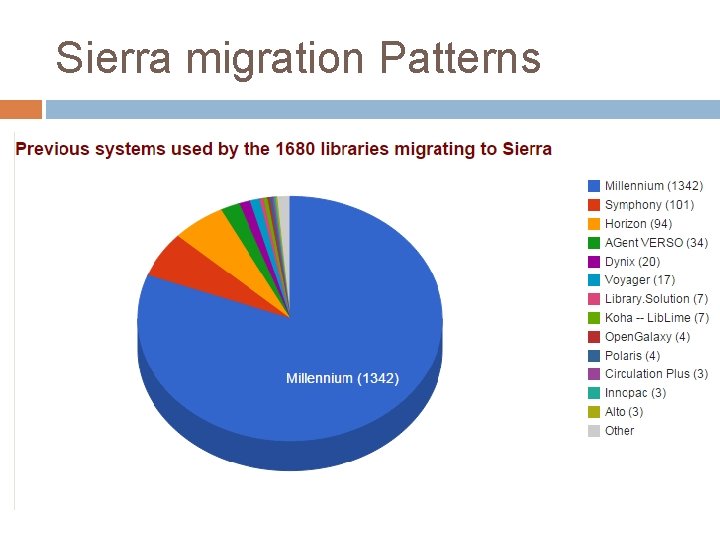
Sierra migration Patterns
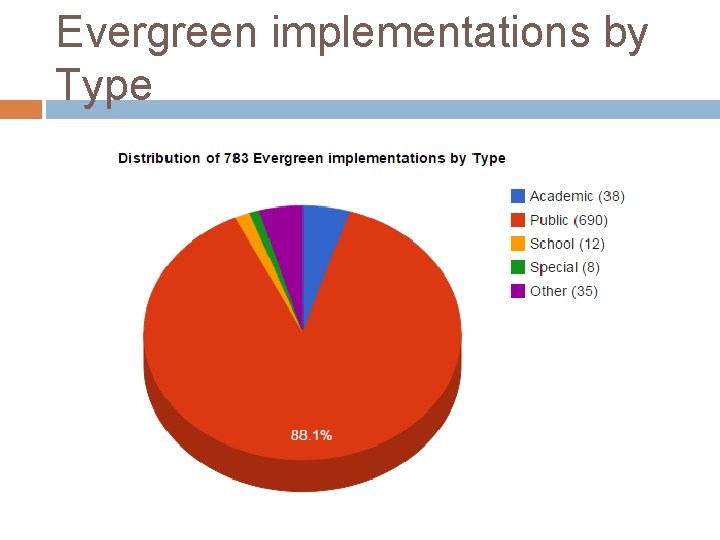
Evergreen implementations by Type
Perceptions 2014 http: //librarytechnology. org/perceptions/2014/ Annual survey for Libraries Satisfaction levels for � Company � Current ILS � Service � Loyalty � Migration Plans 3, 141 Responses 80 Countries
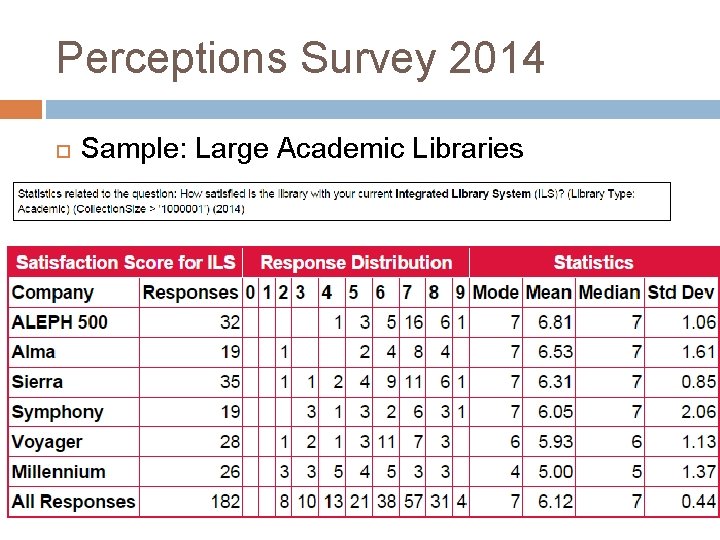
Perceptions Survey 2014 Sample: Large Academic Libraries
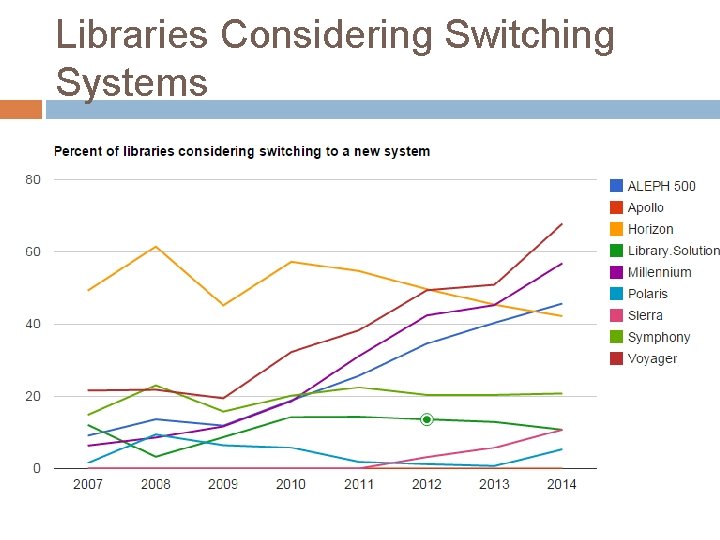
Libraries Considering Switching Systems
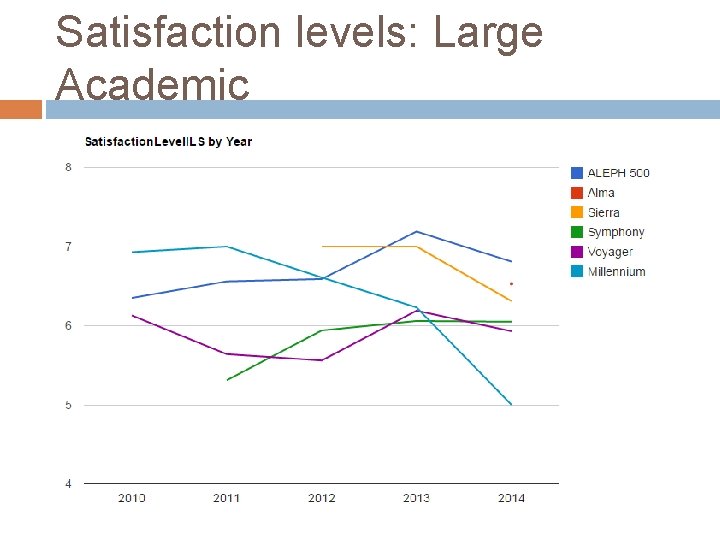
Satisfaction levels: Large Academic
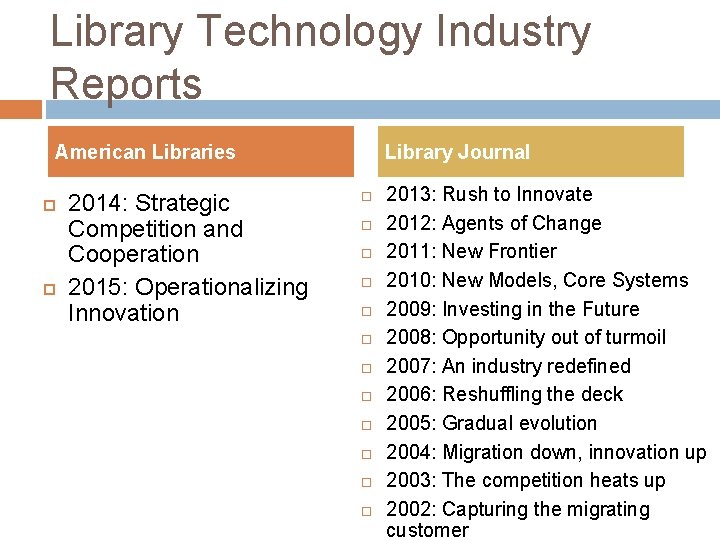
Library Technology Industry Reports American Libraries 2014: Strategic Competition and Cooperation 2015: Operationalizing Innovation Library Journal 2013: Rush to Innovate 2012: Agents of Change 2011: New Frontier 2010: New Models, Core Systems 2009: Investing in the Future 2008: Opportunity out of turmoil 2007: An industry redefined 2006: Reshuffling the deck 2005: Gradual evolution 2004: Migration down, innovation up 2003: The competition heats up 2002: Capturing the migrating customer
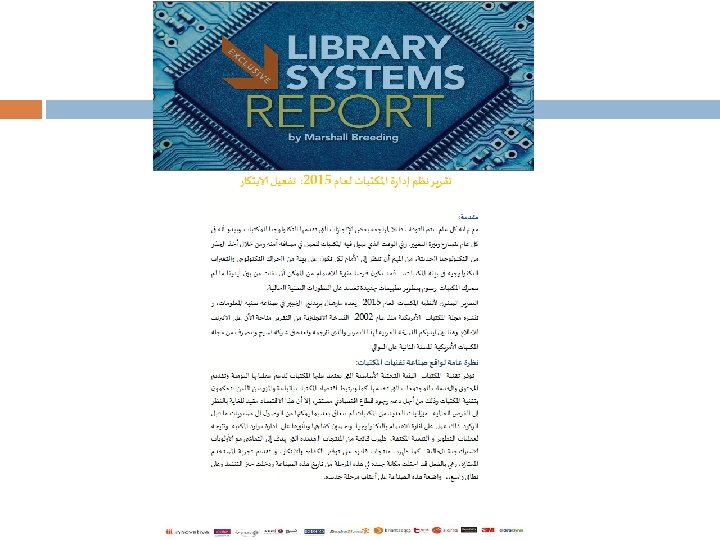
Library Systems Report 2015 “Operationalizing innovation” http: //americanlibrariesmagazine. org/2015/05/01/library-systems-report/
Industry Revenues $1. 8 billion global industry $805 million from companies involved in the US $495 million from US Libraries
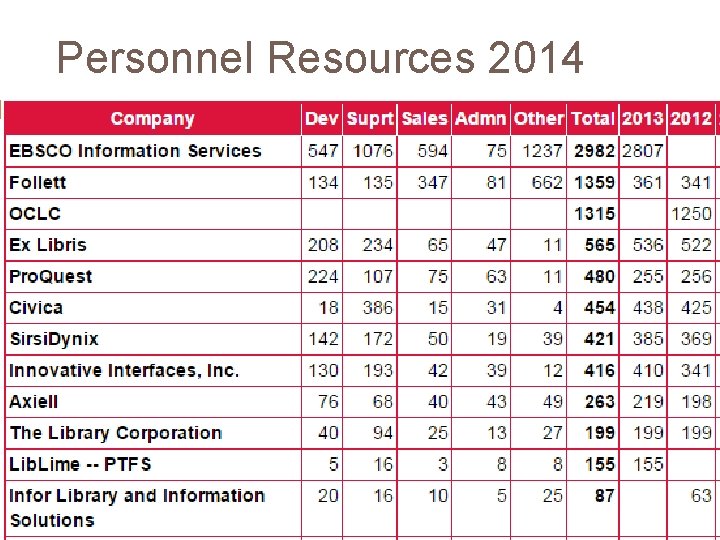
Personnel Resources 2014
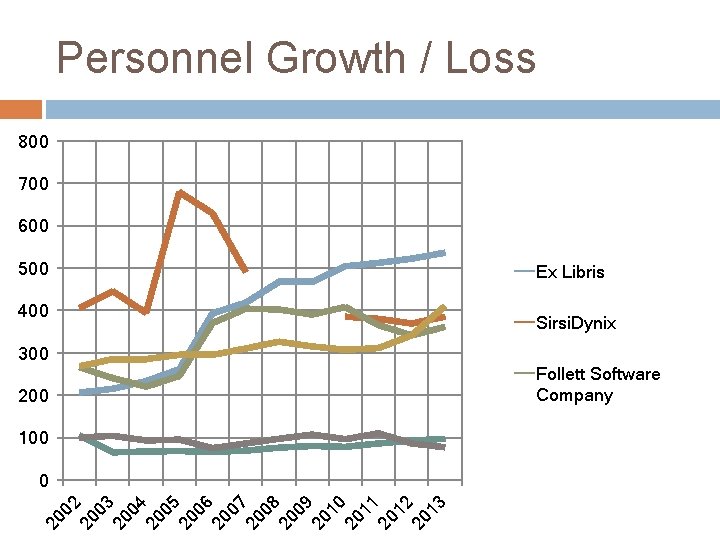
Personnel Growth / Loss 800 700 600 500 Ex Libris 400 Sirsi. Dynix 300 Follett Software Company 200 100 20 02 20 03 20 04 20 05 20 06 20 07 20 08 20 09 20 10 20 11 20 12 20 13 0
Industry and Business Trends
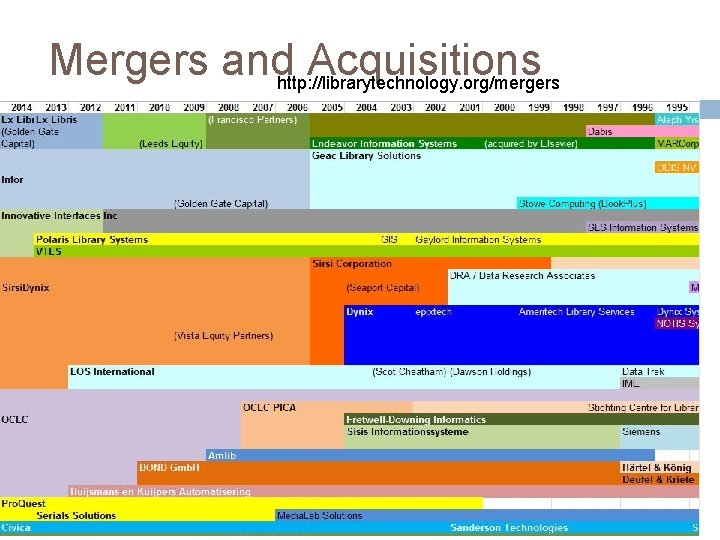
Mergers and Acquisitions http: //librarytechnology. org/mergers
Consolidation Industry dominated by a small number of large organizations EBSCO Information Services Pro. Quest OCLC Ex Libris Innovative Interfaces Sirsi. Dynix Follett
Mid-sized and Small Companies Limited geographic scope Sector-specific products Maintain profitable niche Acquisition targets
Overlap between Content and Technology Content companies ever more deeply extended into resource management and discovery technologies Technology companies involved in content creation and integration � E-resource Knowledgebases (Journal level) � Discovery indexes (Article level)
EBSCO Information Services � Subject Indexing: EBSCO databases � Content aggregation: EBSCOhost platform � Discovery Technology: EBSCO Discovery Service � Print acquisition pipeline: YBP, GOBI 3 � Serials Acquisition pipeline EBSCO Subscription Services � E-books (academic)
Pro. Quest Database creation and aggregation � Pro. Quest Platform Print acquisition pipeline: Couts, Myi. Library Discovery Technology: Summon Resource management � 360 Resource Manager � 360 Link � Intota (Print + electronic)
Library sector involvement Ex Libris: Higher Education � o. Mbiel campus. M platform Pro. Quest: Colleges and University Follett: Pre. K-12 schools and districts Sirsi. Dynix: Public, academic, special Innovative: Public, Academic, special OCLC: current emphasis on academic
Industry Growth Organic: capture new accounts Technology: Shift to hosted services Geographic: expand into new international regions
Ownership models Private Equity � Ex Libris (Golden Gate) � Innovative (HCCG, JMI) � Sirsi. Dynix (ICV) Family owned � Follett � EBSCO � Pro. Quest (Snyder / Goldman Sachs) Membership owned � OCLC
Technology Trends
Deployment strategies In previous phase, libraries preferred local hosting and were skeptical of hosted offerings Libraries now favor hosted services � Lack local IT staff and facilities � Prefer to use technical personnel for tasks other than infrastructure upkeep � Expect leverage for resource sharing and other benefits Ongoing concern for data ownership, privacy, local control
Software as a Service Globally deployed platform � Scaleable, redundant, secure Web-native interfaces Multi-tenant: multiple institutional, single code base Globally shared resources Institutionally segregated resources
Hosted services Hosted instances of client/server systems Locally installed staff clients Institutional or consortial instance Very difficult to reengineer client/server products to multi-tenant platforms Common to move to hosted service even when not changing systems
Open source ILS Software model favored by libraries Current products oriented to small to mid-sized libraries � Koha -- institutional � Evergreen – consortial Academic and research libraries � Kuali OLE
API Ecosystem Applications Programming Interface Programmatically extract or load data, consume functionality Real-time interoperability with external systems and services Supplements or replaces standard protocols Community platforms: documentation, sharable code, sandbox environment
Metadata models MARC dominates ILS products Library Services Platforms assume multiple metadata formats Full support expected for RDA Expectation to support BIBFAME in near future
Trends in Library Resource Management
Academic Libraries: Collection spending dominated by subscriptions to electronic content Remnant spending for monographs � Firm orders for print � Demand-driven acquisitions for e-books
Transition to Electronic Publishing Academic libraries devote majority of collections budgets to electronic materials Open access represents a growing proportion of scholarly resources, though still a small minority Public libraries increasingly offer e-book lending services Academic libraries: primarily electronic collections Public Libraries: Primarily physical collections
Implications of e-publishing Resource management systems for academic libraries must be optimized for electronic resources � License management � Open access outside of paid subscriptions � Portfolio-based management – use knowledge base to delineate individual titles and date coverage of aggregated content packages Efficiently manage e-books � Demand-driven acquisitions
Public Libraries: Vigorous lending of print materials Rising interest in e-book lending Marginal investment in e-resource databases
E-book lending High demand for integration technologies E-book lending fully blended within the library’s own online catalog or discovery interface Simple selection, download, and reading of ebooks Librarians demand fair pricing models � Publishers continue to fear impact on sales � Impose policies that create more friction
Integrate e-book platforms Overdrive 3 M Cloud Library Axis 360
Manage local e-book collections “Douglas County” model Owned, locally hosted titles Odilo as example of new type of e-book service provider
School Libraries: Access to appropriate resources � Age � Reading level Oriented to district-wide resource management and discovery Low per-school costs for technology Technologies that penetrate beyond the library into the school or district Different assumptions for privacy and security
Functionality Trends
Fragmented Resource Management Integrated Library System for management of (mostly) print Duplicative financial systems between library and university Electronic Resource Management E-Resource knowledge base and Link Resolver A-Z e-journal lists and other finding aids Interlibrary loan (borrowing and lending) Digital Collections Management platforms (CONTENTdm, Digi. Tool, etc. ) Separate systems for archival materials and special collections Discovery-layer services for broader access to library collections No effective integration services / interoperability among disconnected systems, non-aligned metadata schemes
Cycles of fragmentation > unification Early Phase: Modular automation Integrated Library Systems Proliferation of systems to manage electronic resources and digital collections Current unification phase: library services platforms bring together print and electronic resource management Next phase? Bring archival and digital assets under common management platform
Comprehensive Resource Management Simplify resource management through platform consolidation Separate components: ILS + ERM + Open. URL Resolver + Digital Asset management, etc. very inefficient model Consolidation requires a flexible platform capable of managing multiple type of library materials, multiple metadata formats, with appropriate workflows
Library Services Platform Library-specific software. Technical infrastructure to help libraries automate their internal operations, manage collections, fulfillment requests, and deliver services Services-oriented architecture � Exposes Web services and other API’s � Facilitates the services libraries offer to their users � Platform General infrastructure for library automation � Consistent with the concept of Platform as a Service � Library programmers address the APIs of the platform to extend functionality, create connections with other systems, dynamically interact with data �
Library Services Platforms – Functional Manages electronic and print formats of materials Replaces multiple incumbent products Extensive Metadata Management Multiple procurement workflows Knowledgebases Built-in collection analytics Decision support for collection development
Knowledge bases Electronic Resource Management based on collective database of the body of e-content rather than library-by-library management LSP extends knowledge base model to all resources Make links or associations from local holdings to common bibliographic records � World. Share Management Services – based on World. Cat Bibliographic records � Ex Libris Alma – includes Community Zone of shared records and resources � Intota: expanded knowledge base that includes MARC and other resources
Actionable analytics Previous generation of ILS offered reports Libraries now expect sophisticated analytics Make data-driven collection decisions � Anticipate interest and use levels � Cost per use
Support for BIBFRAME New bibliographic framework based on mapping MARC concepts and data into linked data model No direct support for BIBFRAME in either integrated library systems or library services platforms Developers are involved in BIBFRAME initiative Operational implementations will come once the model has stabilized Current phase of experimental projects and prototypes Applies differently to discovery versus resource management
Library Services Platforms – Technical Beyond Client/Server Computing Multi-tenant platforms Web-based interfaces Services-oriented architecture Exposes APIs for extensibility and interoperability Interoperable
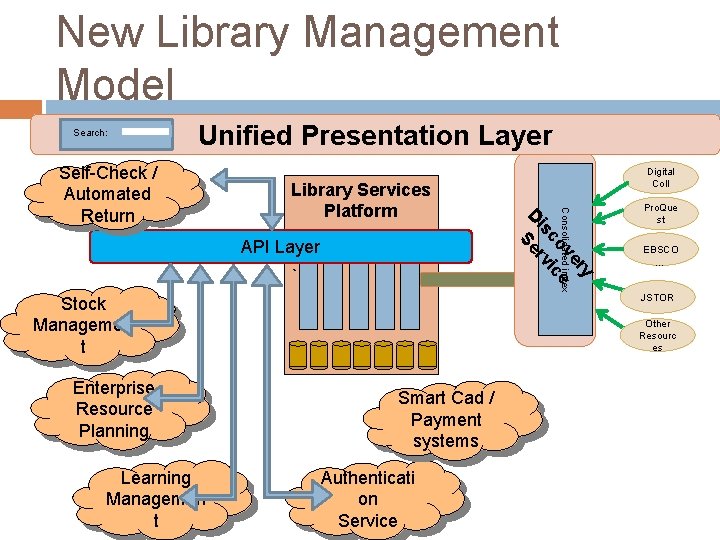
New Library Management Model Search: Unified Presentation Layer Library Services Platform API Layer ` Stock Managemen t Enterprise Resource Planning Learning Managemen t Digital Coll y er Consolidated index ov ce sc vi Di Ser Self-Check / Automated Return Pro. Que st EBSCO … JSTOR Other Resourc es Smart Cad / Payment systems Authenticati on Service
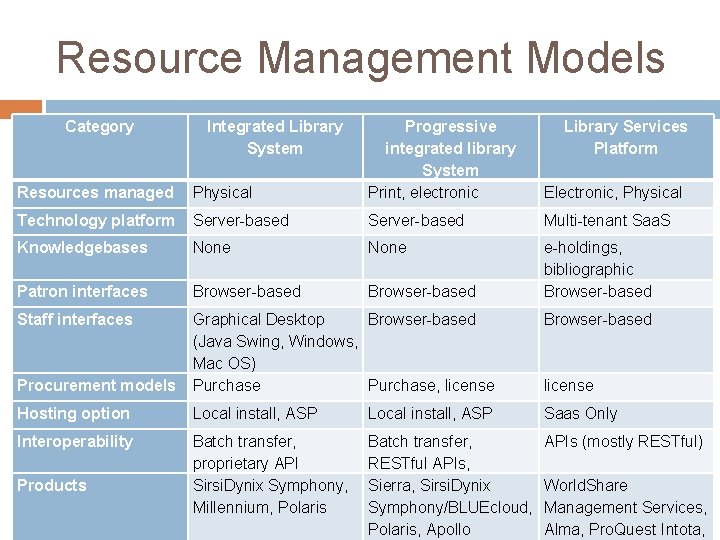
Resource Management Models Category Resources managed Physical Progressive integrated library System Print, electronic Technology platform Server-based Multi-tenant Saa. S Knowledgebases None Patron interfaces Browser-based e-holdings, bibliographic Browser-based Staff interfaces Browser-based Procurement models Graphical Desktop Browser-based (Java Swing, Windows, Mac OS) Purchase, license Hosting option Local install, ASP Saas Only Interoperability Batch transfer, proprietary API Sirsi. Dynix Symphony, Millennium, Polaris Batch transfer, RESTful APIs, Sierra, Sirsi. Dynix Symphony/BLUEcloud, Polaris, Apollo APIs (mostly RESTful) Products Integrated Library System Library Services Platform Electronic, Physical license World. Share Management Services, Alma, Pro. Quest Intota,
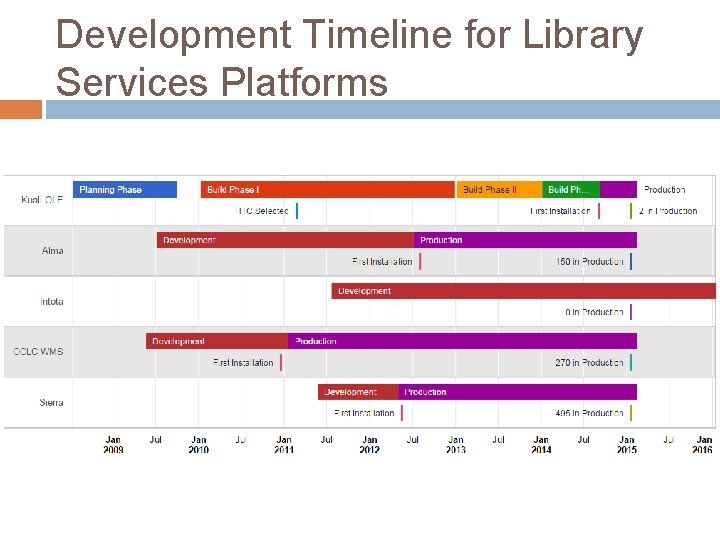
Development Timeline for Library Services Platforms
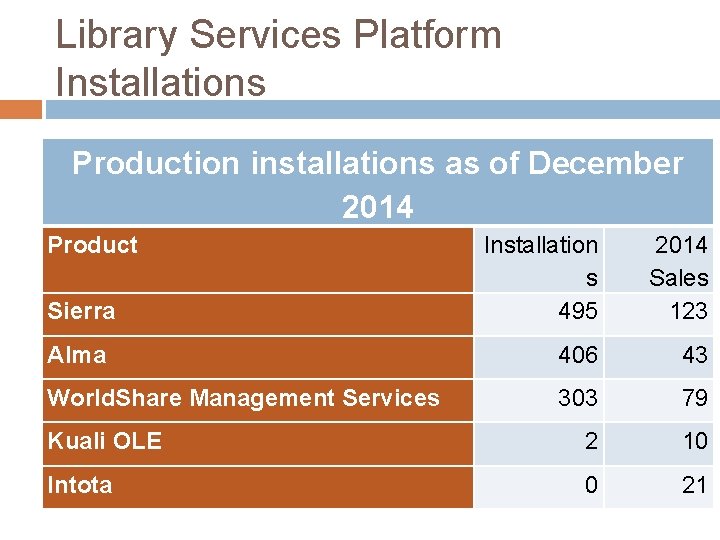
Library Services Platform Installations Production installations as of December 2014 Product Installation s 495 2014 Sales 123 Alma 406 43 World. Share Management Services 303 79 Kuali OLE 2 10 Intota 0 21 Sierra
Cycle of adoption and deployment Beginning of a new cycle of transition that will last a decade Development and beta phase complete Now in mass deployment phase Over the course of the next decade, academic libraries will replace their current legacy products with new platforms Not just a change of technology but a substantial change in the ways that libraries manage their resources and deliver their services
Trends in library resource discovery
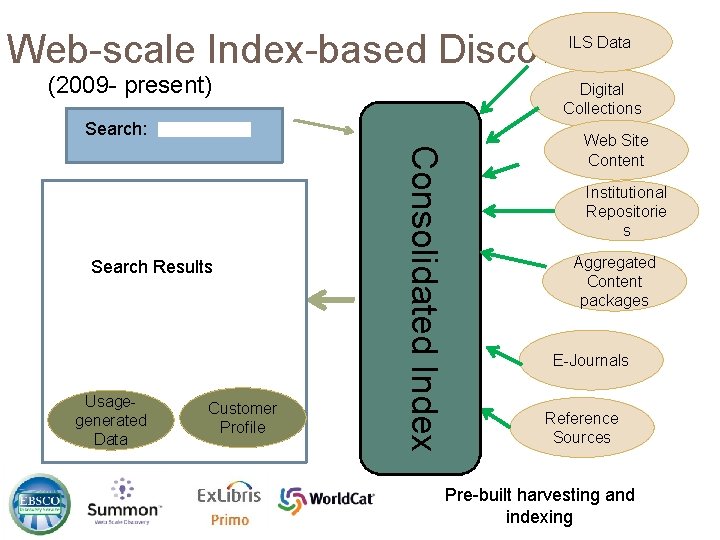
Web-scale Index-based Discovery ILS Data (2009 - present) Digital Collections Search: Usagegenerated Data Customer Profile Consolidated Index Search Results Web Site Content Institutional Repositorie s Aggregated Content packages … E-Journals Reference Sources Pre-built harvesting and indexing
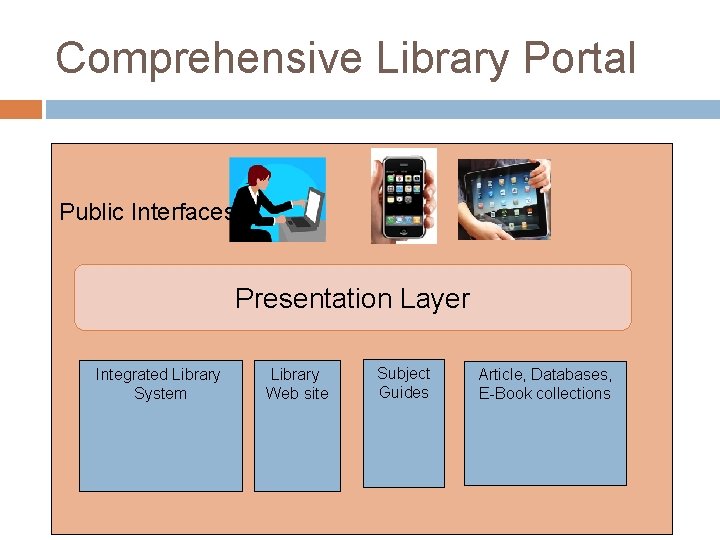
Comprehensive Library Portal Public Interfaces: Presentation Layer Integrated Library System Library Web site Subject Guides Article, Databases, E-Book collections
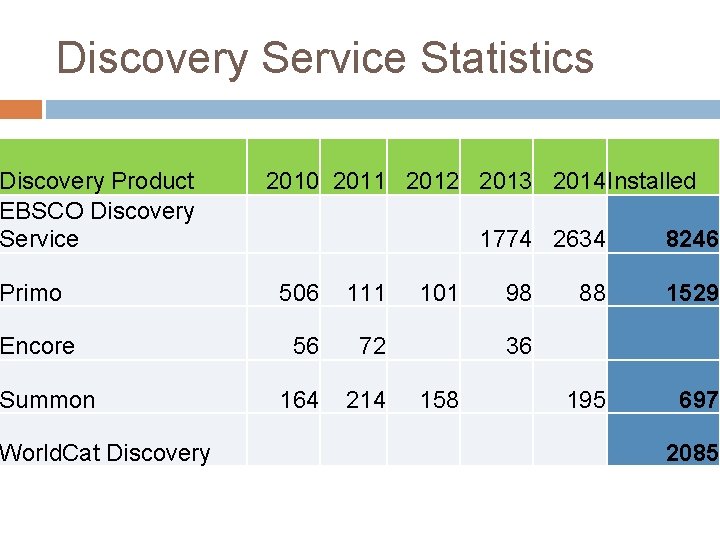
Discovery Service Statistics Discovery Product EBSCO Discovery Service 2010 2011 2012 2013 2014 Installed 1774 2634 Primo 506 Encore 56 Summon World. Cat Discovery 164 111 101 72 214 98 8246 88 1529 195 697 36 158 2085
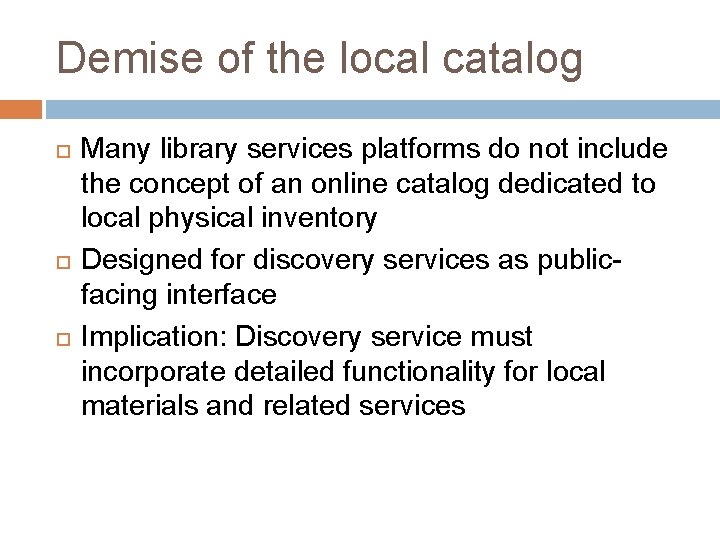
Demise of the local catalog Many library services platforms do not include the concept of an online catalog dedicated to local physical inventory Designed for discovery services as publicfacing interface Implication: Discovery service must incorporate detailed functionality for local materials and related services
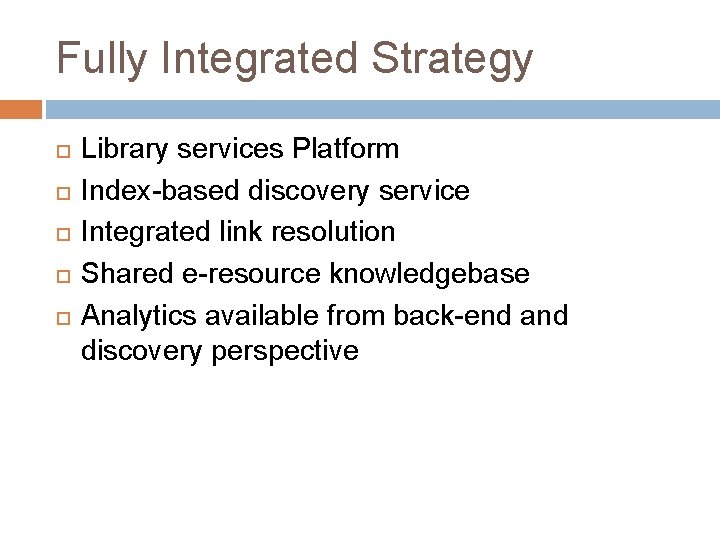
Fully Integrated Strategy Library services Platform Index-based discovery service Integrated link resolution Shared e-resource knowledgebase Analytics available from back-end and discovery perspective
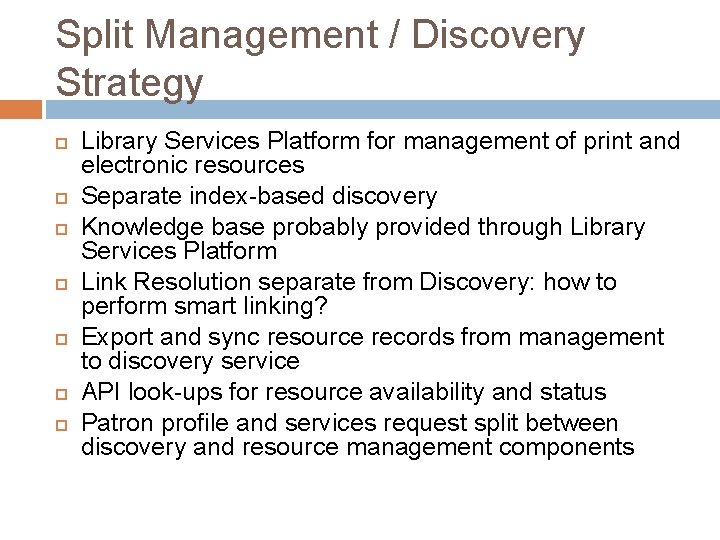
Split Management / Discovery Strategy Library Services Platform for management of print and electronic resources Separate index-based discovery Knowledge base probably provided through Library Services Platform Link Resolution separate from Discovery: how to perform smart linking? Export and sync resource records from management to discovery service API look-ups for resource availability and status Patron profile and services request split between discovery and resource management components
Beyond Library Discovery happens elsewhere
Discovery Beyond Library-provided Interfaces Reality that most discovery happens external to library Improve discoverability of library resources � Locally: through incorporation of SEO and semantic encoding Especially schema. org � Globally: OCLC, Google Scholar and other services
Discovery beyond Library Interfaces Improved performance of library content through Google Scholar � Same expectations for transparency? Better exposure of library-oriented content � Schema. org or other microdata formats Better exposure of scholarly resources � Open access & Proprietary Embedded tools in other campus interfaces
Changing models of Resource Sharing
Progressive consolidation of library services Centralization of technical infrastructure of multiple libraries within a campus Resource sharing support � Direct borrowing among partner institutions Shared infrastructure between institutions � Examples: 2 CUL (Columbia University / Cornell University) � Orbis Cascade Alliance (37 independent colleges and universities to merge into shared LSP)
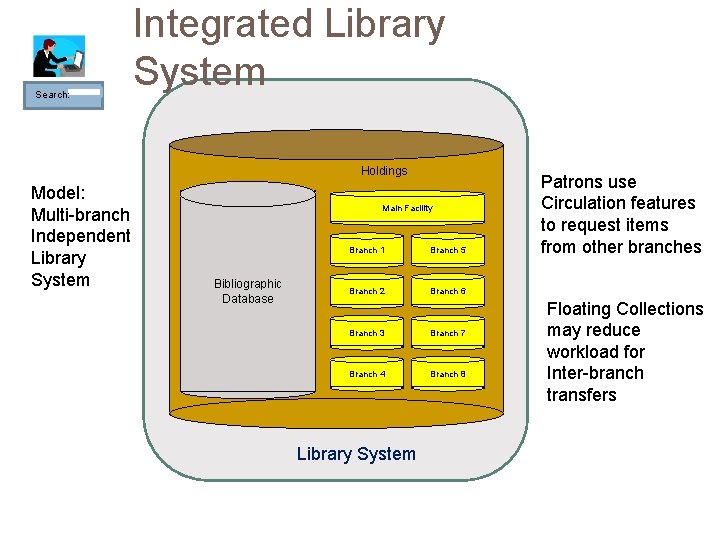
Search: Integrated Library System Holdings Model: Multi-branch Independent Library System Main Facility Bibliographic Database Branch 1 Branch 5 Branch 2 Branch 6 Branch 3 Branch 7 Branch 4 Branch 8 Library System Patrons use Circulation features to request items from other branches Floating Collections may reduce workload for Inter-branch transfers
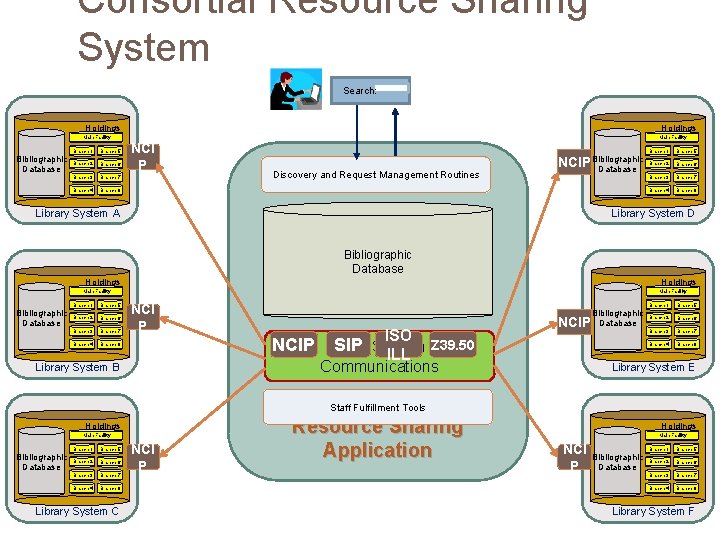
Consortial Resource Sharing System Search: Holdings Main Facility Bibliographic Database Branch 1 Branch 5 Branch 2 Branch 6 Branch 3 Branch 7 Branch 4 Branch 8 Main Facility NCI P Discovery and Request Management Routines NCIP Bibliographic Database Library System A Branch 1 Branch 5 Branch 2 Branch 6 Branch 3 Branch 7 Branch 4 Branch 8 Library System D Bibliographic Database Holdings Main Facility Bibliographic Database Branch 1 Branch 5 Branch 2 Branch 6 Branch 3 Branch 7 Branch 4 Branch 8 Main Facility NCI P Library System B ISO Z 39. 50 NCIP SIP Inter-System ILL Communications Bibliographic NCIP Database Branch 1 Branch 5 Branch 2 Branch 6 Branch 3 Branch 7 Branch 4 Branch 8 Library System E Staff Fulfillment Tools Holdings Main Facility Bibliographic Database Branch 1 Branch 5 Branch 2 Branch 6 Branch 3 Branch 7 Branch 4 Branch 8 Library System C NCI P Resource Sharing Application Holdings Main Facility NCI P Bibliographic Database Branch 1 Branch 5 Branch 2 Branch 6 Branch 3 Branch 7 Branch 4 Branch 8 Library System F
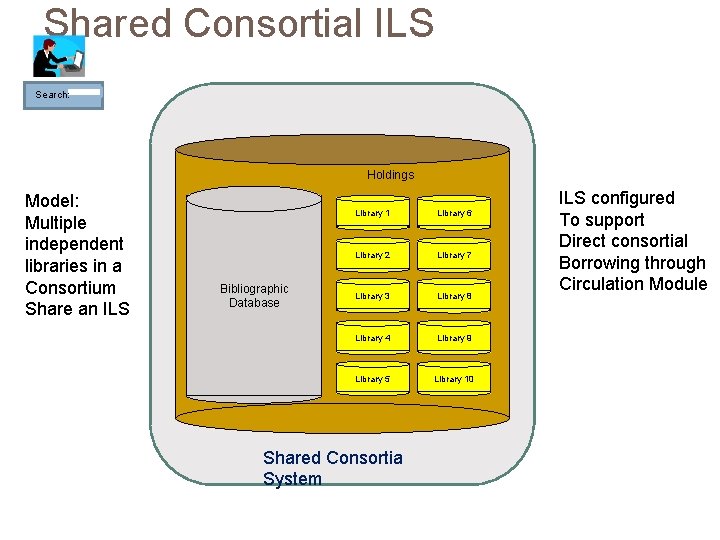
Shared Consortial ILS Search: Holdings Model: Multiple independent libraries in a Consortium Share an ILS Bibliographic Database Library 1 Library 6 Library 2 Library 7 Library 3 Library 8 Library 4 Library 9 Library 5 Library 10 Shared Consortia System ILS configured To support Direct consortial Borrowing through Circulation Module
Shared Infrastructure Common discovery � Retention of local automation systems � Technical complex with moderate operational benefits Common discovery + Resource Management Systems Shared Resource management with local discovery options
Benefits of shared infrastructure Increased cooperation and resource sharing Collaborative collection management Lower costs per institution Greater universe of content readily available to patrons Avoid add-on components for union catalog and resource requests and routing
Shared infrastructure Projects Orbis Cascade WHELF South Australia Ireland Public Libraries JULAC California State University System of Georgia Complete Florida Plus Program University of Wisconsin system
Large-scale Implementations Scale of any given project is no longer limited Multi-tenant systems are already supporting very large numbers of sites Shared implementation does not necessarily require more resources than separate ones Industry Impact: � Winner-take-all dynamic can disrupt sales trends � Favors products and companies oriented toward consortia and large systems
Questions and discussion
- Slides: 85