
Trees of Virginia Introduction Trees are a renewable
Trees of Virginia
Introduction �Trees are a renewable resource �Numerous environmental, economic, and cultural benefits �Improve our quality of life
What trees do �Moderate our climate �Provide clean water �Provide fresh air �Homes for wildlife �Beauty �Recreation �Provide jobs, wood products �Quiet places to observe nature
Forests constantly change �Swift change �Fire �Ice �Wind �Timber harvest
Forests also change slowly �Succession �Climate change
Virginia Forests �Hardwood forest covers over 20% of the total forest of VA �If left undisturbed, most if not all of VA would be forested �We have at least 3 tree harvests in most areas �Only a few remote areas still have virgin forest �Pines are mostly pioneer species
Tree Identification 101 �Trees can be identified in a variety of ways �Parts, types and position of leaves �Shape of leaves �Types of buds �Types of leaf margins �Types of flowers �Types of fruits
Conifers aka Gymnosperms �Have needles not leaves �Photosynthesize all year long �Are very flexible to withstand heavy snowfall
Deciduous trees �Lose leaves in fall �Go dormant during the winter �Actively grow spring, summer, fall �Adaptations for life in the temperate zone

Simple versus compound

Pinnate versus palmate
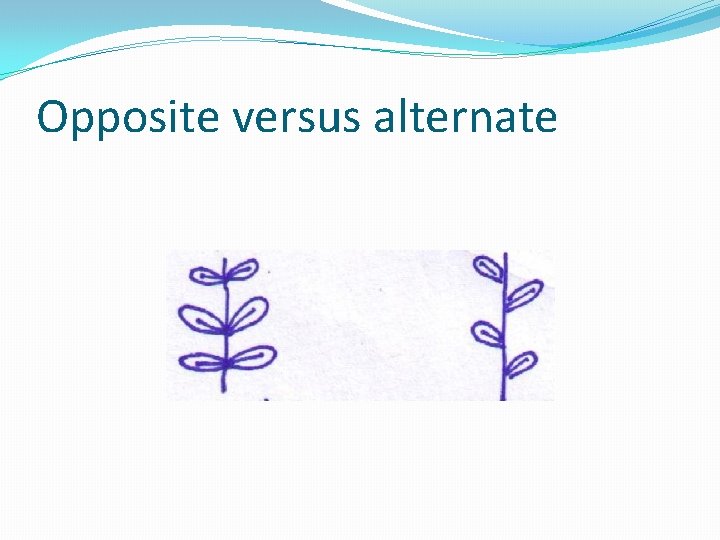
Opposite versus alternate
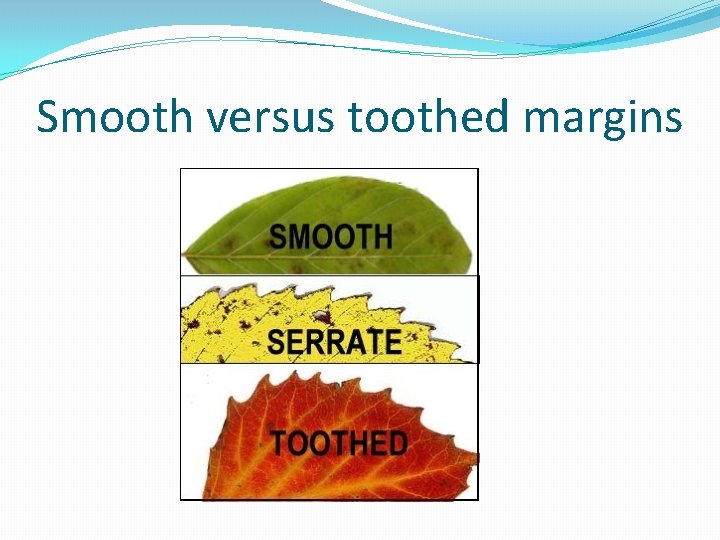
Smooth versus toothed margins
Identify common trees at BRHS �For each tree use the tree guides �Cut out the tree picture and paste it in your nature journal �Identify the tree by its common name �Identify its habitat �Height at maturity �One interesting fact about the tree
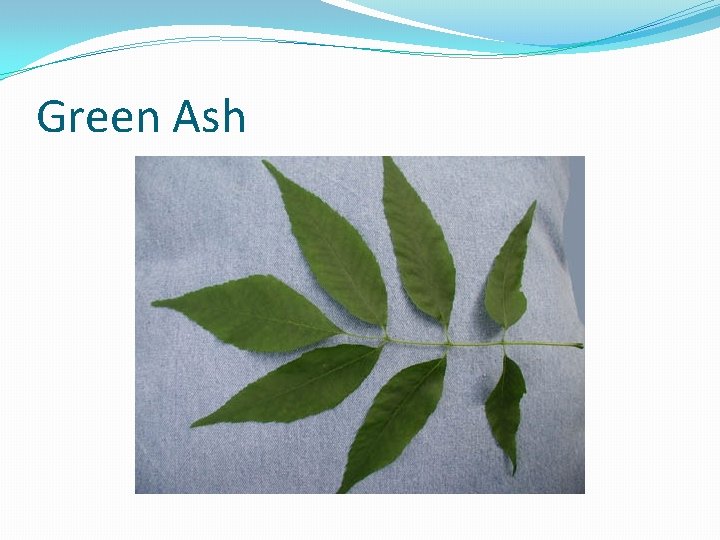
Green Ash
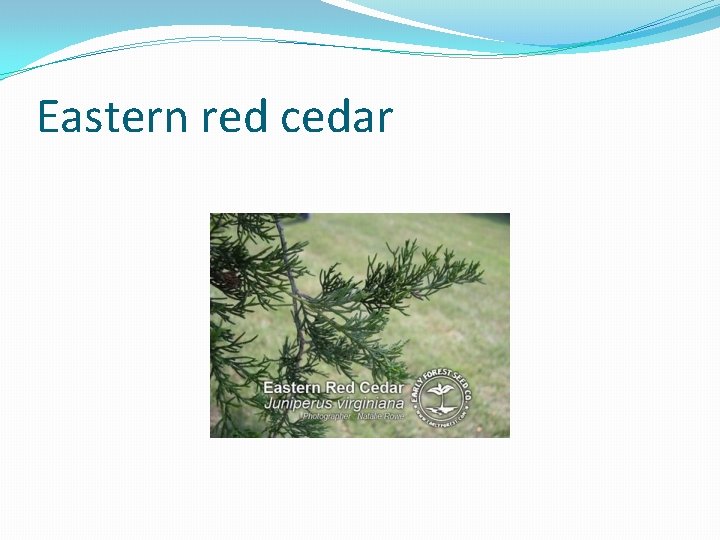
Eastern red cedar
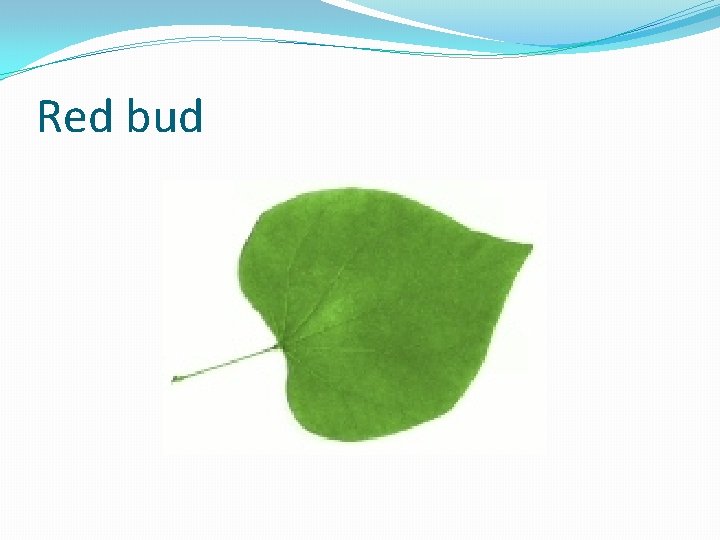
Red bud
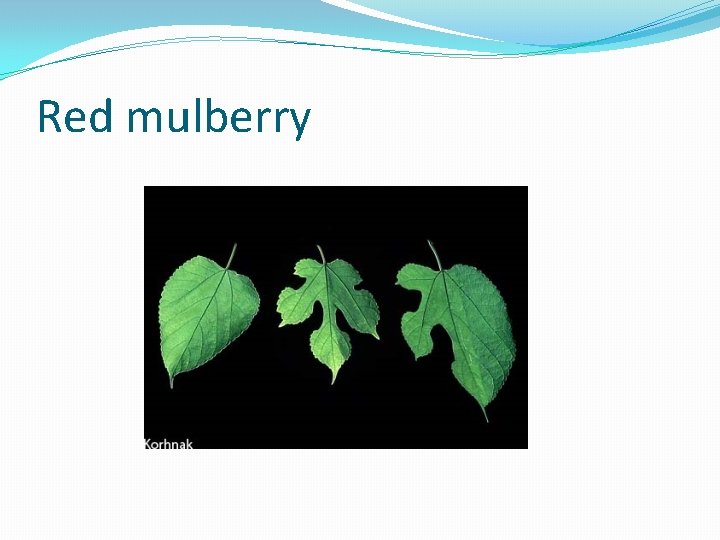
Red mulberry
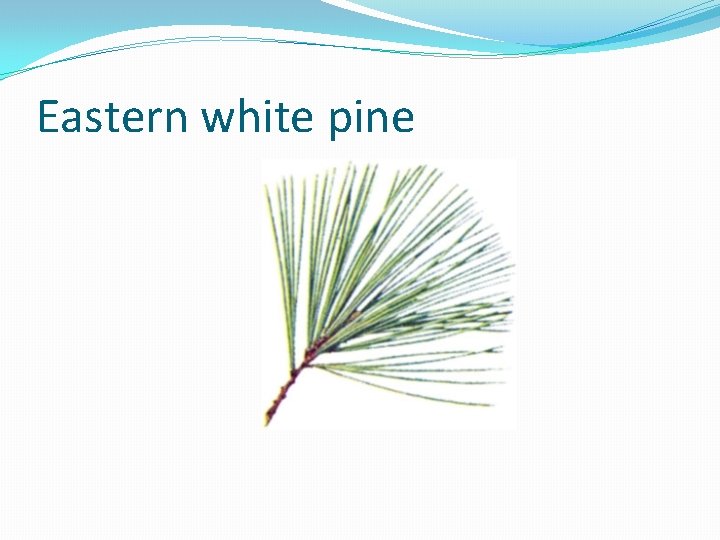
Eastern white pine
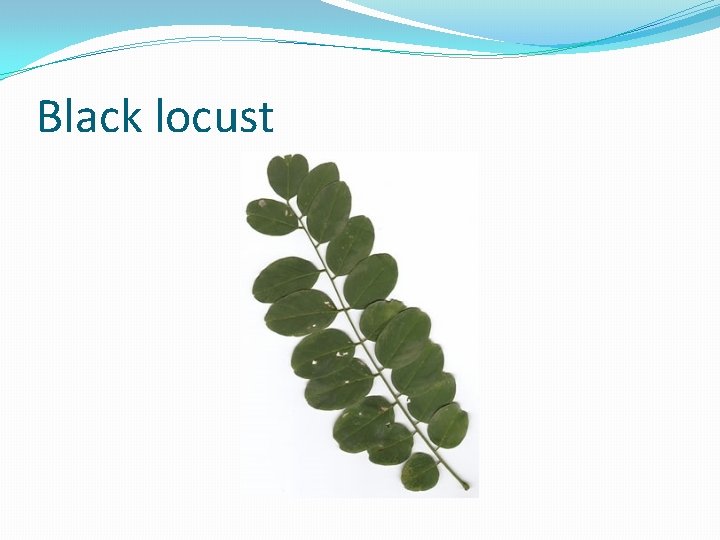
Black locust
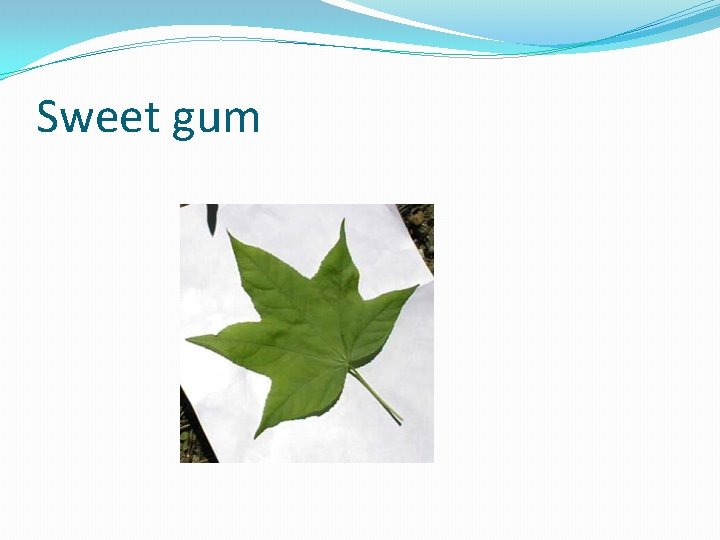
Sweet gum
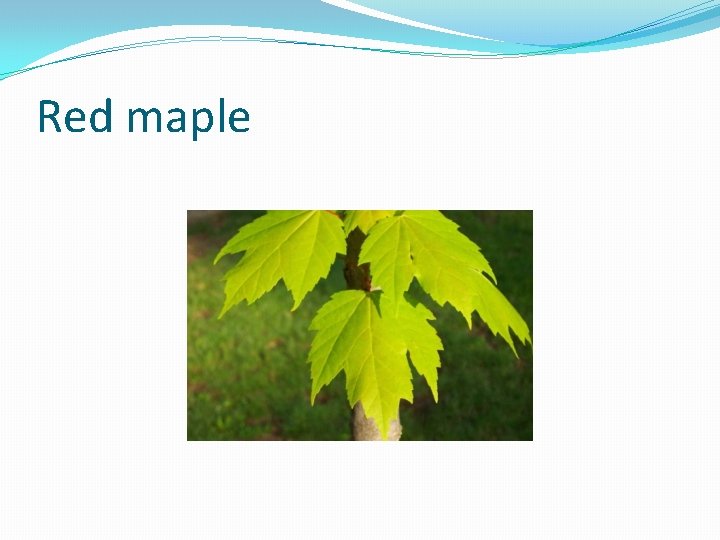
Red maple
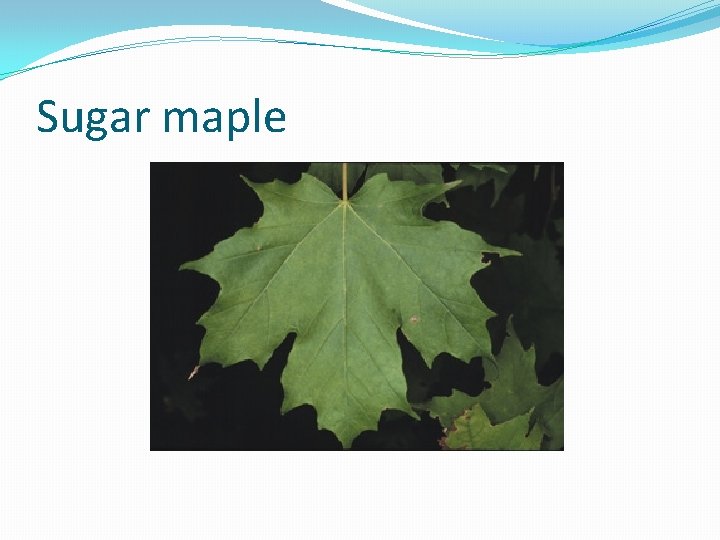
Sugar maple
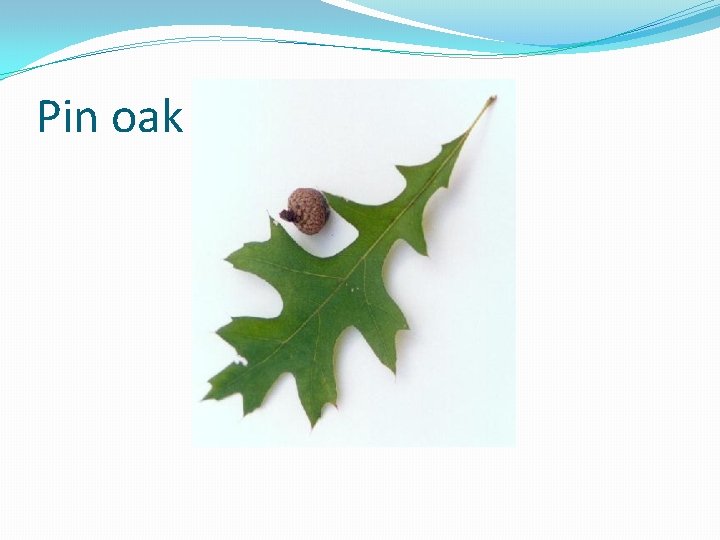
Pin oak
- Slides: 24