
Treatment Options in Advanced Heart Failure December 7

Treatment Options in Advanced Heart Failure December 7, 2016 Hansie M. Mathelier MD, FACC Clinical Assistant Professor of Medicine Penn Presbyterian Medical Center
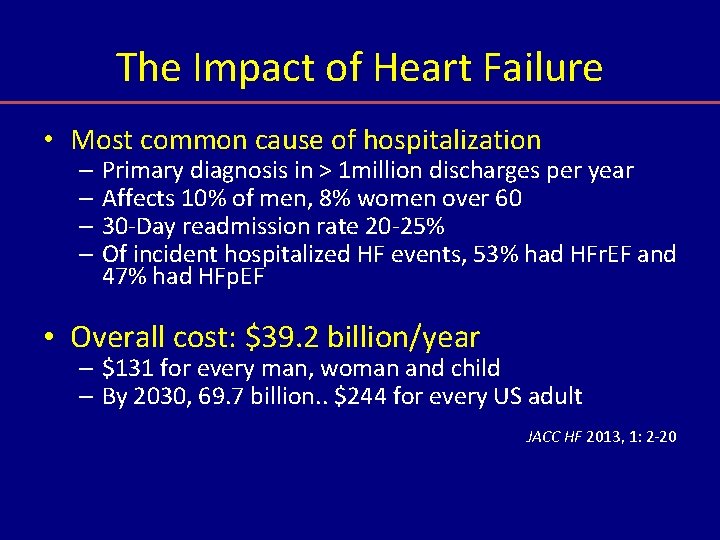
The Impact of Heart Failure • Most common cause of hospitalization – Primary diagnosis in > 1 million discharges per year – Affects 10% of men, 8% women over 60 – 30 -Day readmission rate 20 -25% – Of incident hospitalized HF events, 53% had HFr. EF and 47% had HFp. EF • Overall cost: $39. 2 billion/year – $131 for every man, woman and child – By 2030, 69. 7 billion. . $244 for every US adult JACC HF 2013, 1: 2 -20
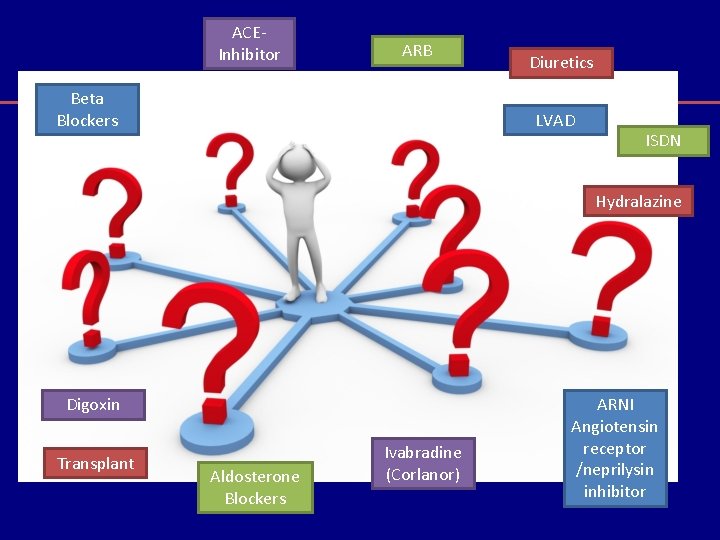
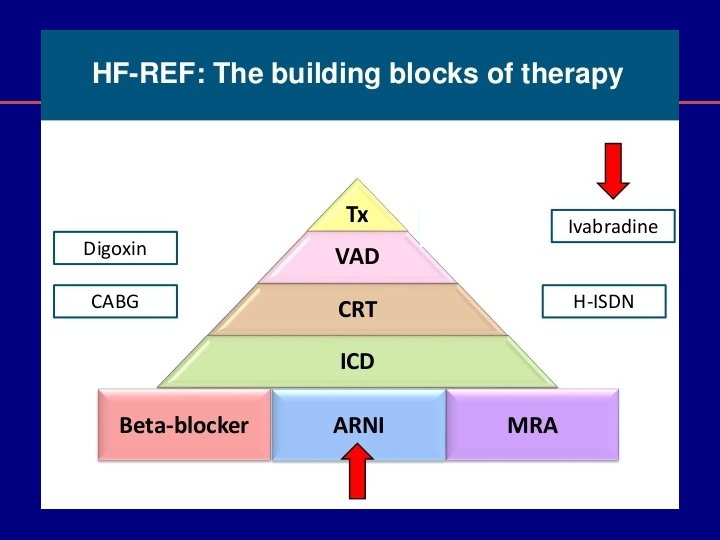
ACEInhibitor ARB Beta Blockers Diuretics LVAD ISDN Hydralazine Digoxin Transplant Aldosterone Blockers Ivabradine (Corlanor) ARNI Angiotensin receptor /neprilysin inhibitor
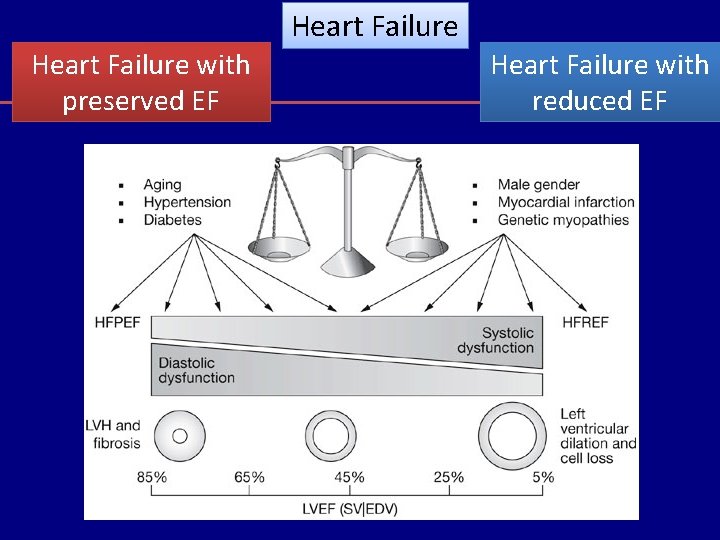
Heart Failure with preserved EF Heart Failure with reduced EF
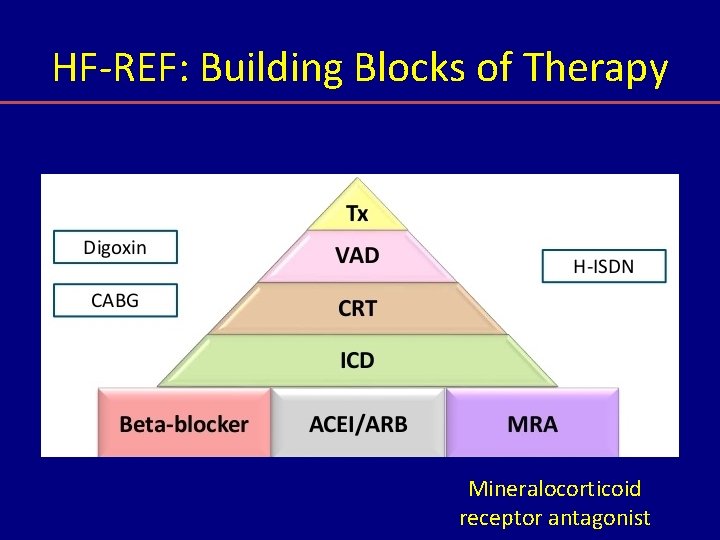
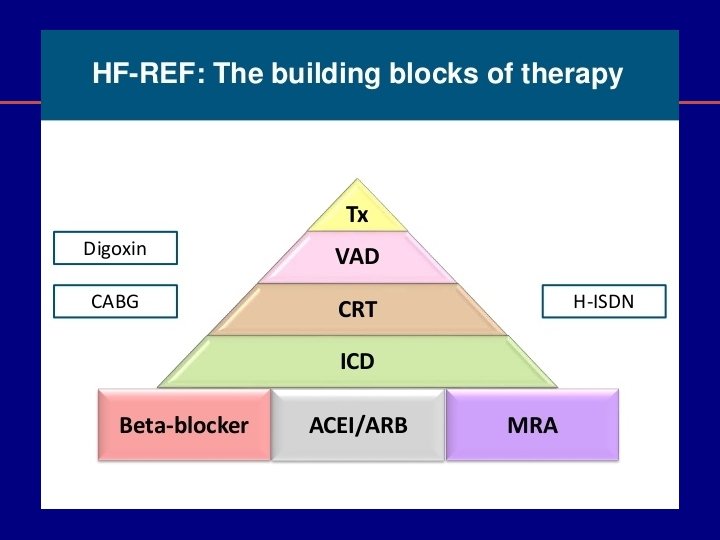
HF-REF: Building Blocks of Therapy Mineralocorticoid receptor antagonist
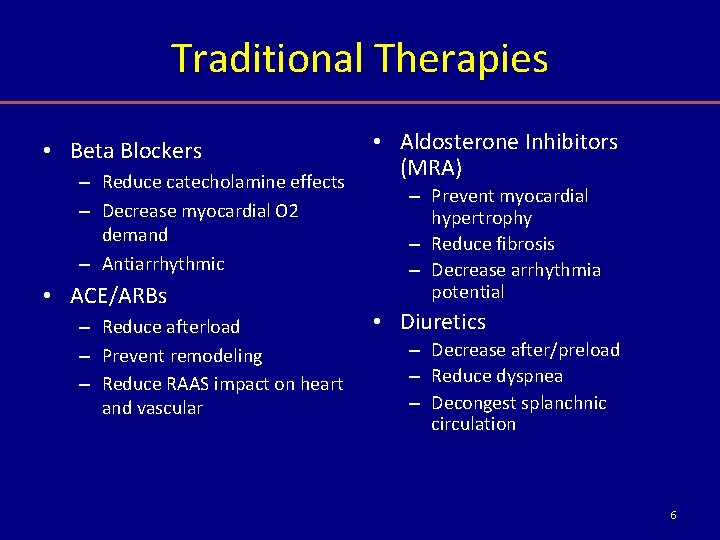
Traditional Therapies • Beta Blockers – Reduce catecholamine effects – Decrease myocardial O 2 demand – Antiarrhythmic • ACE/ARBs – Reduce afterload – Prevent remodeling – Reduce RAAS impact on heart and vascular • Aldosterone Inhibitors (MRA) – Prevent myocardial hypertrophy – Reduce fibrosis – Decrease arrhythmia potential • Diuretics – Decrease after/preload – Reduce dyspnea – Decongest splanchnic circulation 6
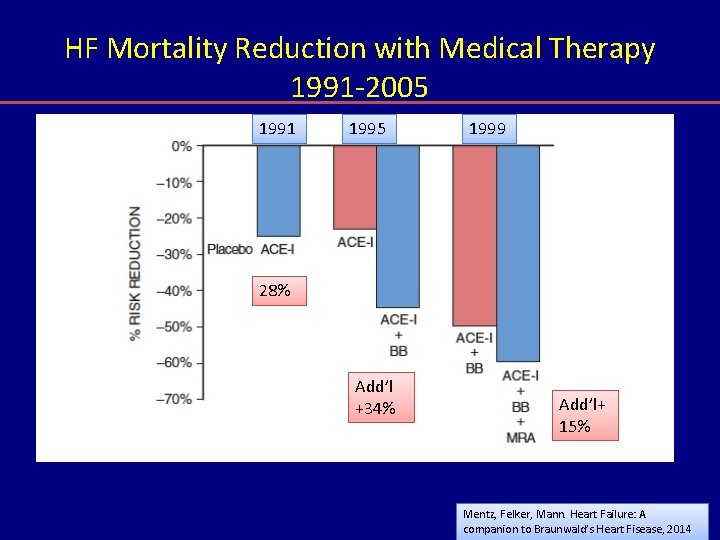
HF Mortality Reduction with Medical Therapy 1991 -2005 1991 1995 1999 28% Add’l +34% Add’l+ 15% Mentz, Felker, Mann. Heart Failure: A companion to Braunwald’s Heart Fisease, 2014

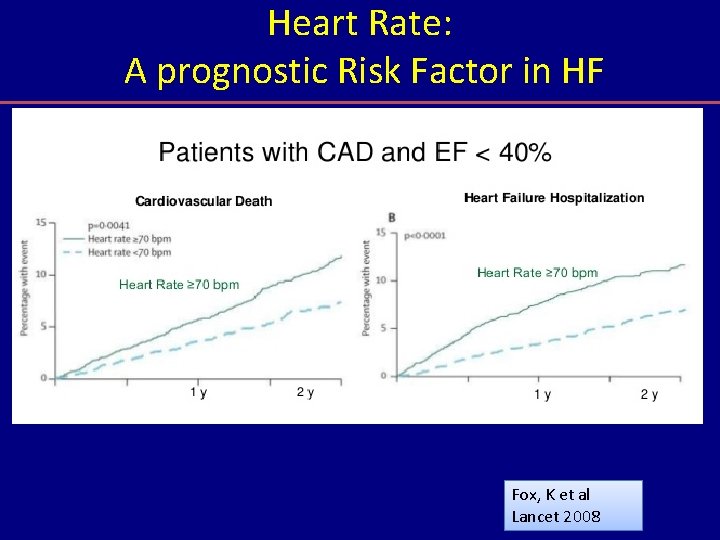
Heart Rate: A prognostic Risk Factor in HF Fox, K et al Lancet 2008
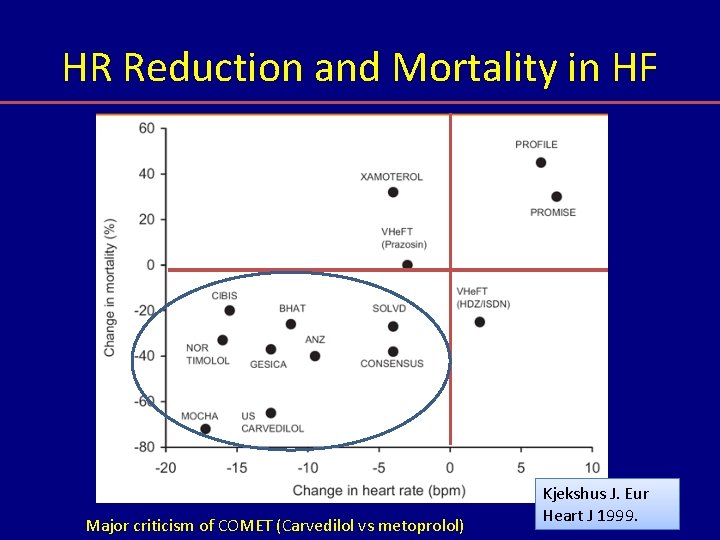
HR Reduction and Mortality in HF Major criticism of COMET (Carvedilol vs metoprolol) Kjekshus J. Eur Heart J 1999.
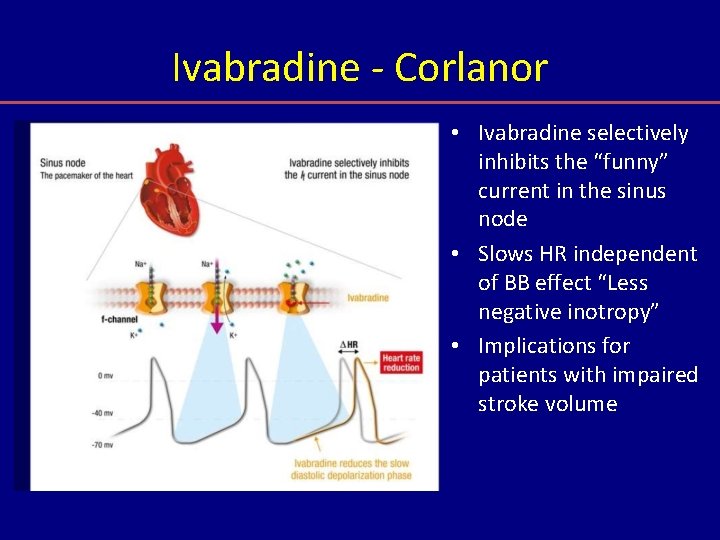
Ivabradine - Corlanor • Ivabradine selectively inhibits the “funny” current in the sinus node • Slows HR independent of BB effect “Less negative inotropy” • Implications for patients with impaired stroke volume
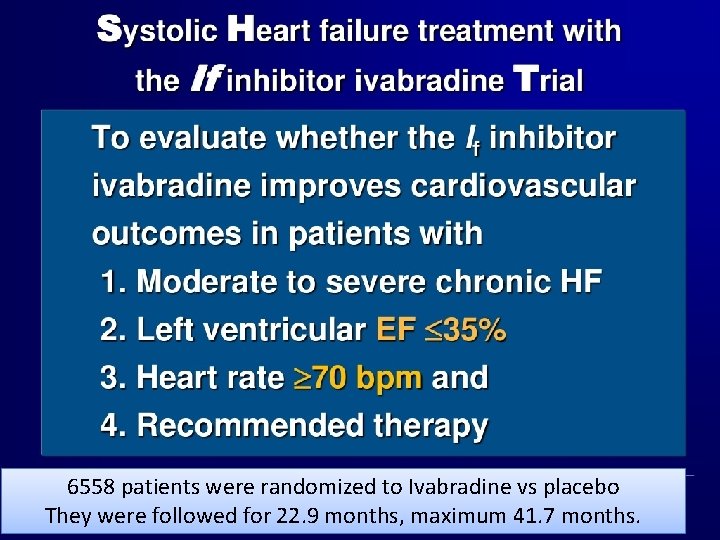
6558 patients were randomized to Ivabradine vs placebo They were followed for 22. 9 months, maximum 41. 7 months.
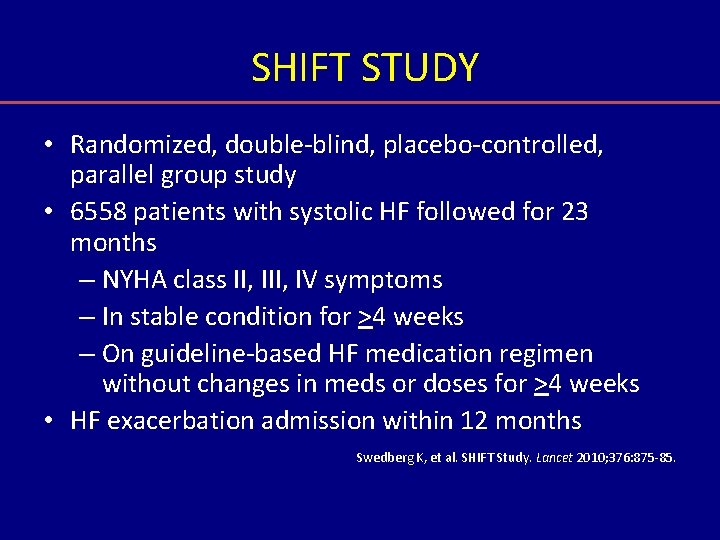
SHIFT STUDY • Randomized, double-blind, placebo-controlled, parallel group study • 6558 patients with systolic HF followed for 23 months – NYHA class II, IV symptoms – In stable condition for >4 weeks – On guideline-based HF medication regimen without changes in meds or doses for >4 weeks • HF exacerbation admission within 12 months Swedberg K, et al. SHIFT Study. Lancet 2010; 376: 875 -85.
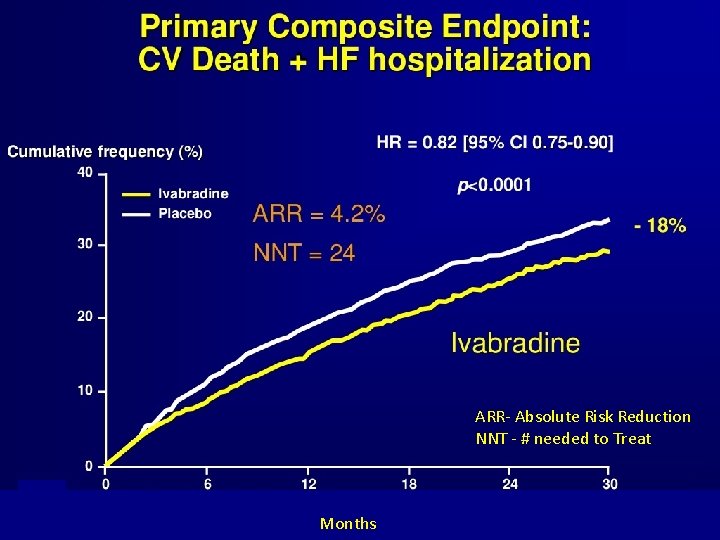
ARR- Absolute Risk Reduction NNT - # needed to Treat Months
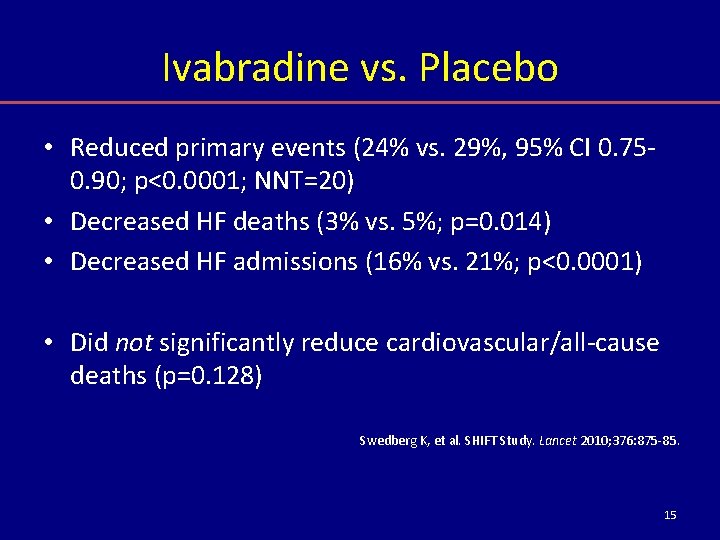
Ivabradine vs. Placebo • Reduced primary events (24% vs. 29%, 95% CI 0. 750. 90; p<0. 0001; NNT=20) • Decreased HF deaths (3% vs. 5%; p=0. 014) • Decreased HF admissions (16% vs. 21%; p<0. 0001) • Did not significantly reduce cardiovascular/all-cause deaths (p=0. 128) Swedberg K, et al. SHIFT Study. Lancet 2010; 376: 875 -85. 15
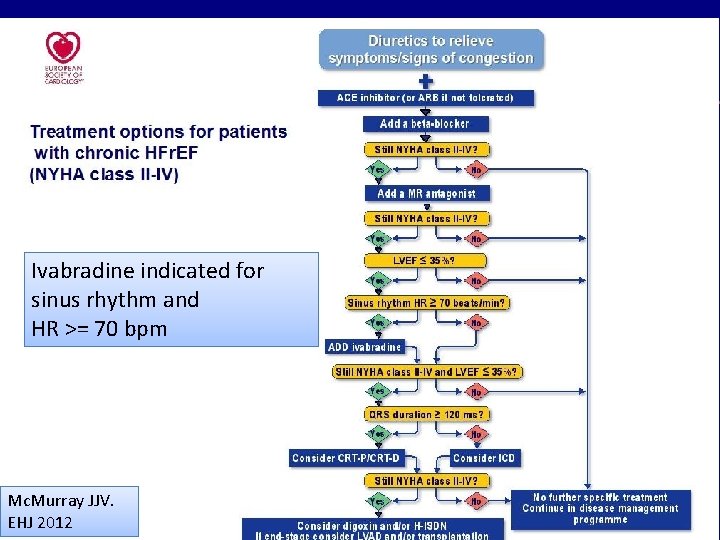
Ivabradine indicated for sinus rhythm and HR >= 70 bpm Mc. Murray JJV. EHJ 2012

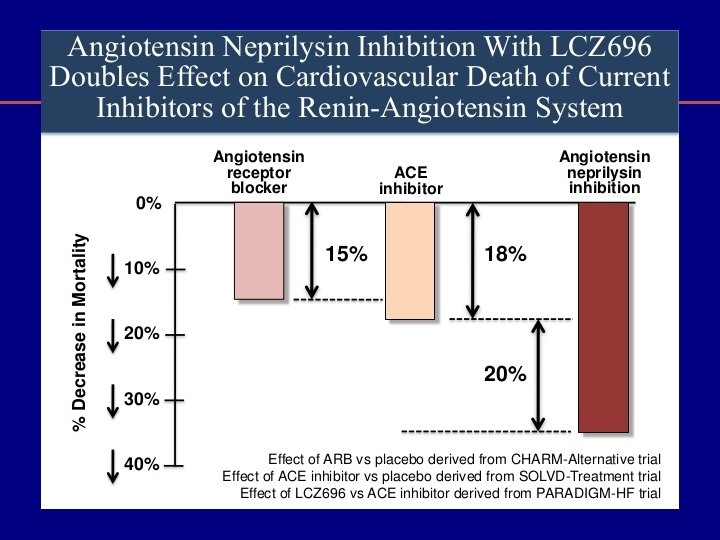
Entresto (Sacubitril/Valsartan)
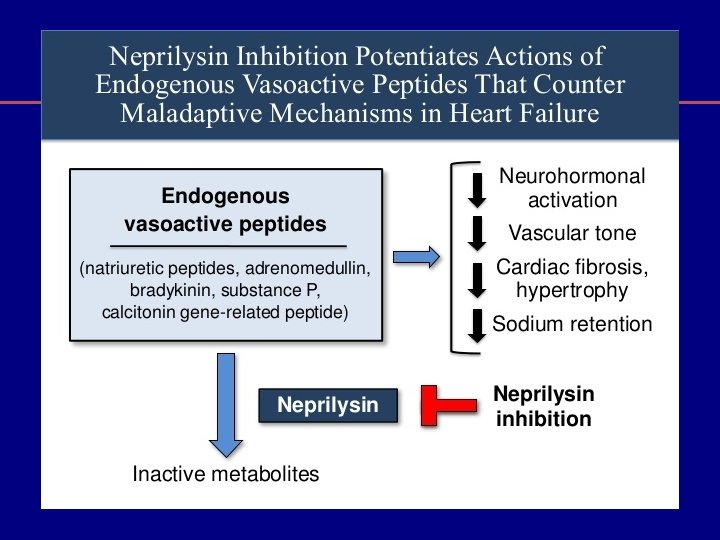
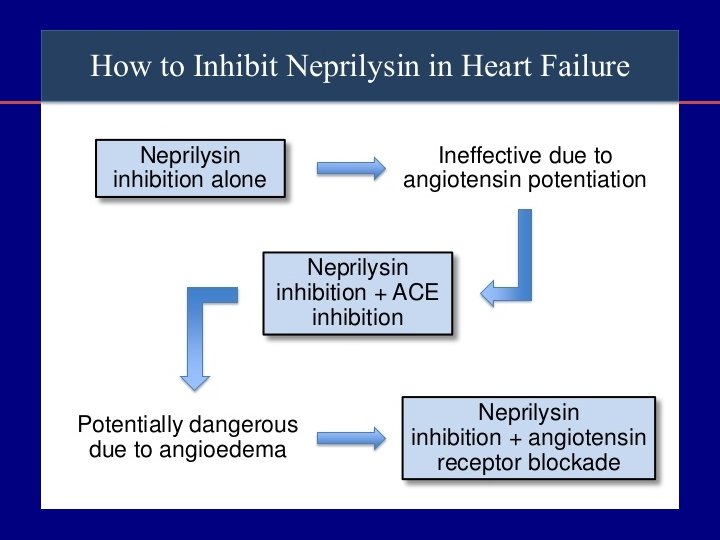
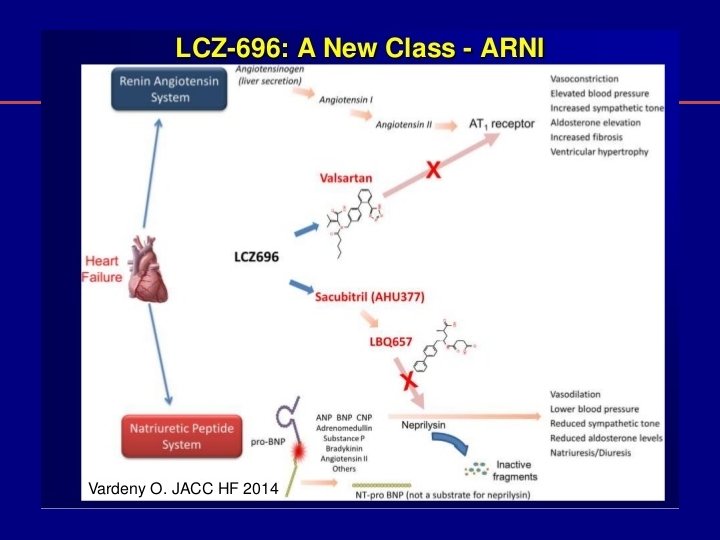
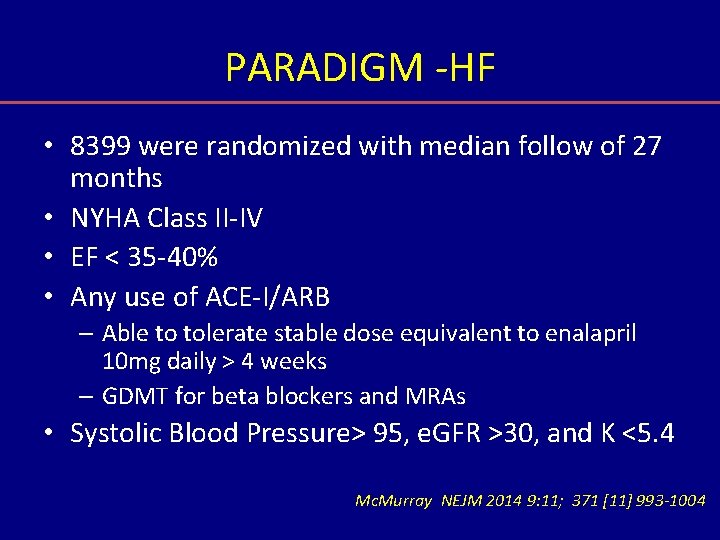
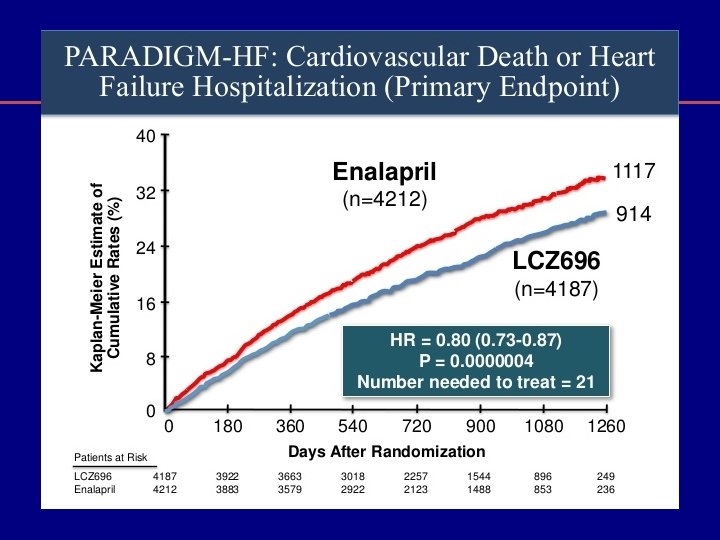
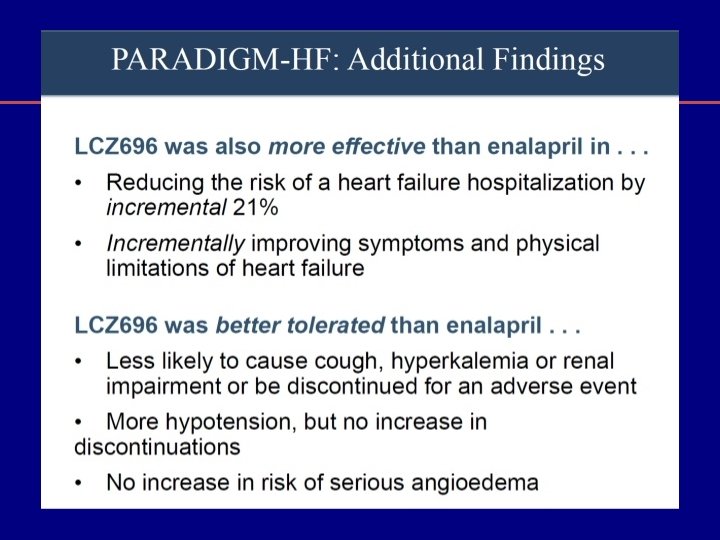
PARADIGM -HF • 8399 were randomized with median follow of 27 months • NYHA Class II-IV • EF < 35 -40% • Any use of ACE-I/ARB – Able to tolerate stable dose equivalent to enalapril 10 mg daily > 4 weeks – GDMT for beta blockers and MRAs • Systolic Blood Pressure> 95, e. GFR >30, and K <5. 4 Mc. Murray NEJM 2014 9: 11; 371 [11] 993 -1004
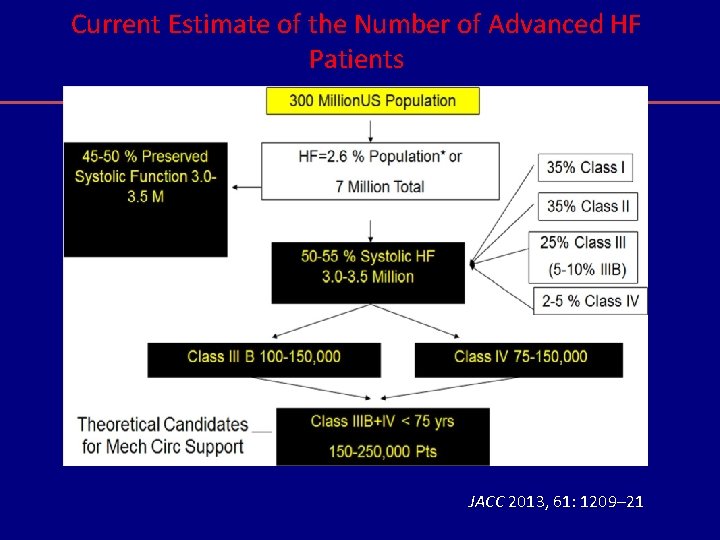
Current Estimate of the Number of Advanced HF Patients JACC 2013, 61: 1209– 21
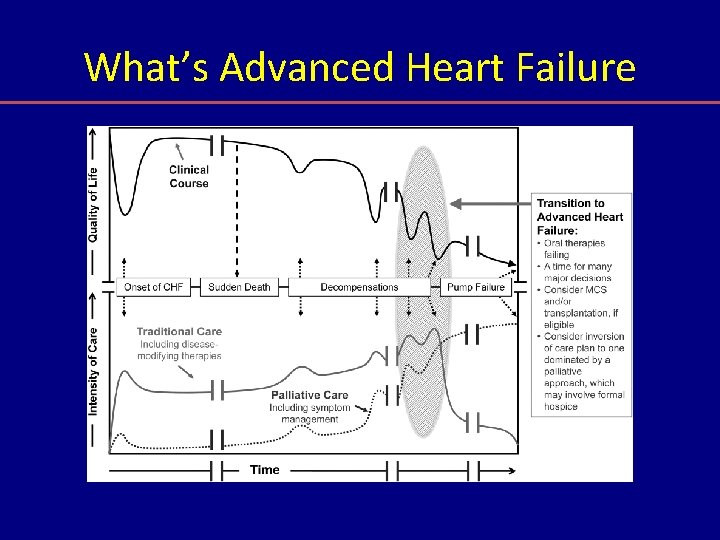
What’s Advanced Heart Failure
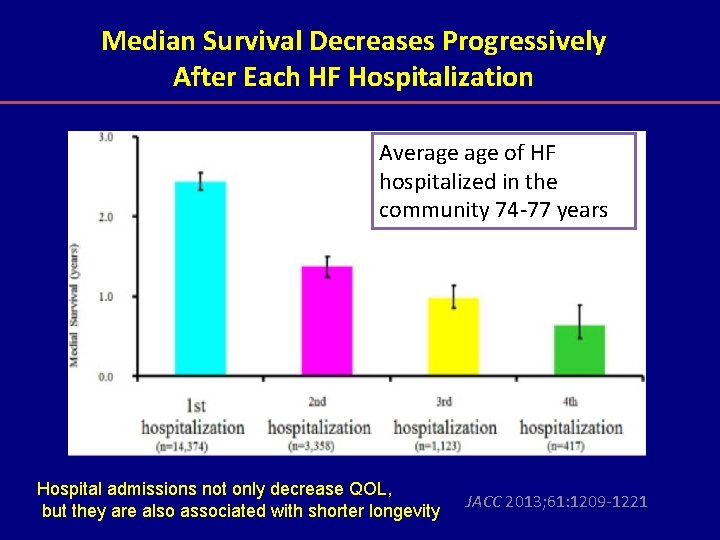
Median Survival Decreases Progressively After Each HF Hospitalization Average of HF hospitalized in the community 74 -77 years Hospital admissions not only decrease QOL, but they are also associated with shorter longevity JACC 2013; 61: 1209 -1221
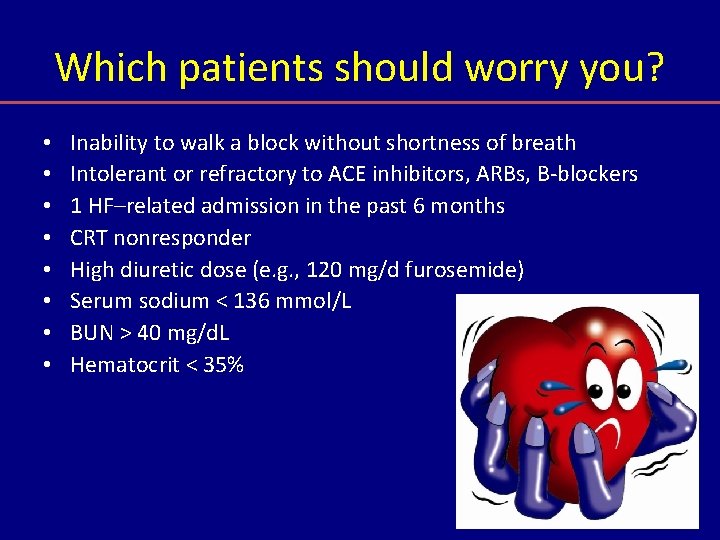
Which patients should worry you? • • Inability to walk a block without shortness of breath Intolerant or refractory to ACE inhibitors, ARBs, B-blockers 1 HF–related admission in the past 6 months CRT nonresponder High diuretic dose (e. g. , 120 mg/d furosemide) Serum sodium < 136 mmol/L BUN > 40 mg/d. L Hematocrit < 35%
Ventricular Assist Devices I LVADs
VENTRICULAR ASSIST DEVICES • Initially developed to address short term needs in patients who struggled coming off pump during cardiac surgery • With new technology, subsequently used when needed to provide hemodynamic support for those patients who were clinically declining while awaiting transplant
VENTRICULAR ASSIST DEVICES • Bridge to recovery – explant once clinically stabilized with expectation of acceptable native cardiac function (post MI) • Bridge to transplant – unable to wait until an organ is available • Bridge to decision – options unclear • Destination Therapy – non-transplant candidate 33
What is Destination Therapy? • Refers to VAD implantation for long-term use, rather than as a bridge to transplantation or recovery • Evolving technologies increase the horizon of time support can be sustained • These are not artificial hearts
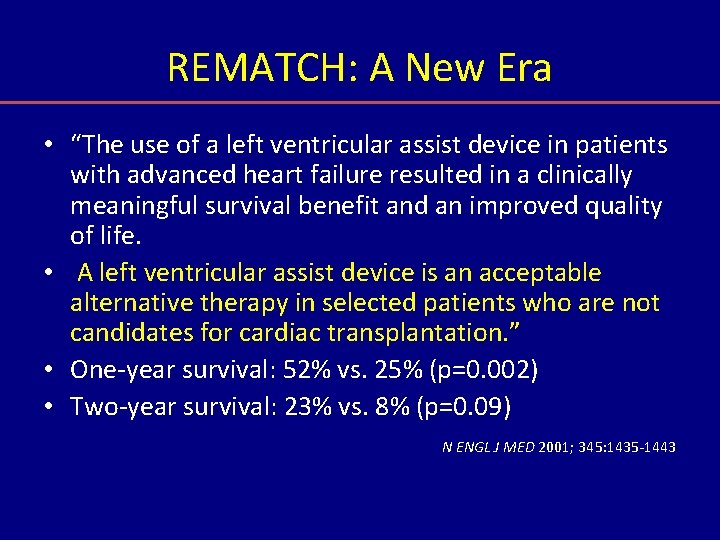
REMATCH: A New Era • “The use of a left ventricular assist device in patients with advanced heart failure resulted in a clinically meaningful survival benefit and an improved quality of life. • A left ventricular assist device is an acceptable alternative therapy in selected patients who are not candidates for cardiac transplantation. ” • One-year survival: 52% vs. 25% (p=0. 002) • Two-year survival: 23% vs. 8% (p=0. 09) N ENGL J MED 2001; 345: 1435 -1443
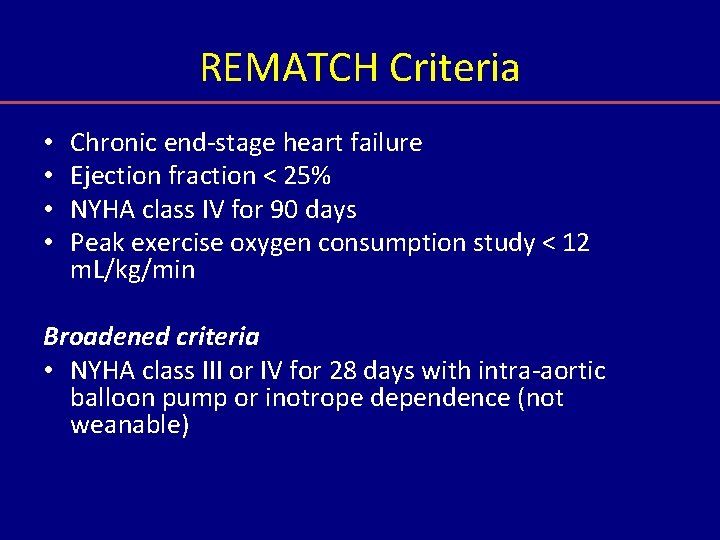
REMATCH Criteria • • Chronic end-stage heart failure Ejection fraction < 25% NYHA class IV for 90 days Peak exercise oxygen consumption study < 12 m. L/kg/min Broadened criteria • NYHA class III or IV for 28 days with intra-aortic balloon pump or inotrope dependence (not weanable)
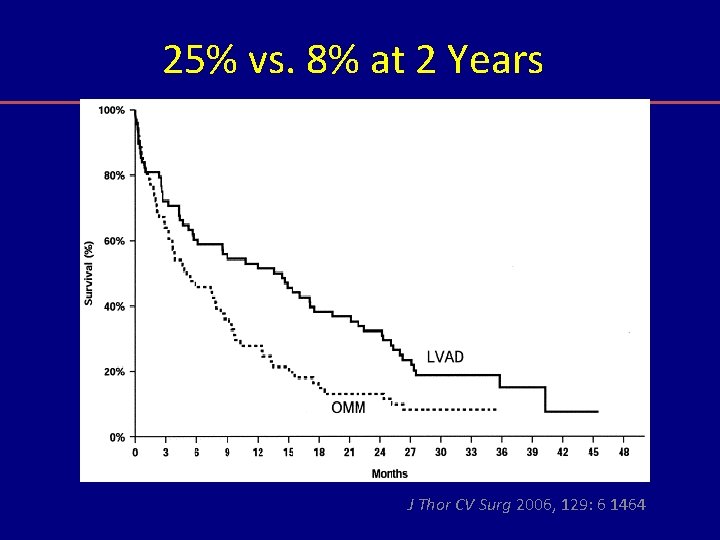
25% vs. 8% at 2 Years J Thor CV Surg 2006, 129: 6 1464
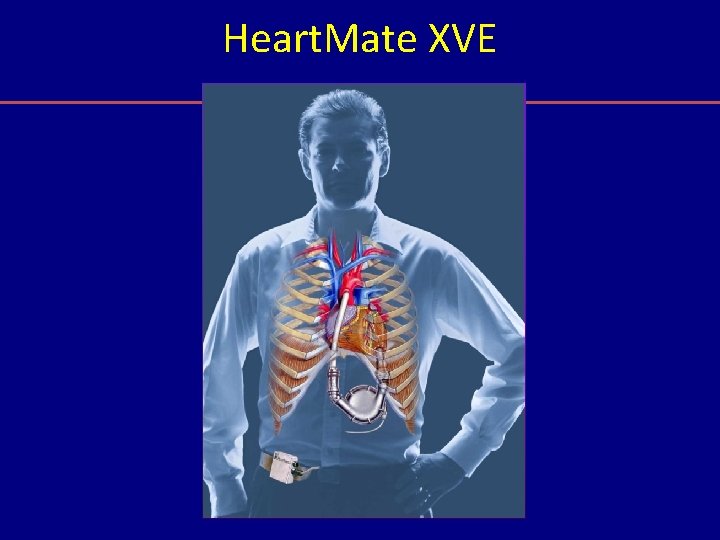
Heart. Mate XVE
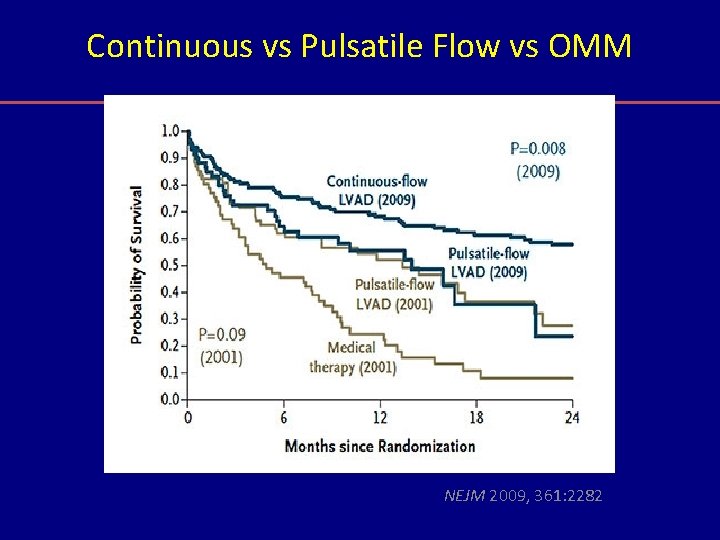
Continuous vs Pulsatile Flow vs OMM NEJM 2009, 361: 2282
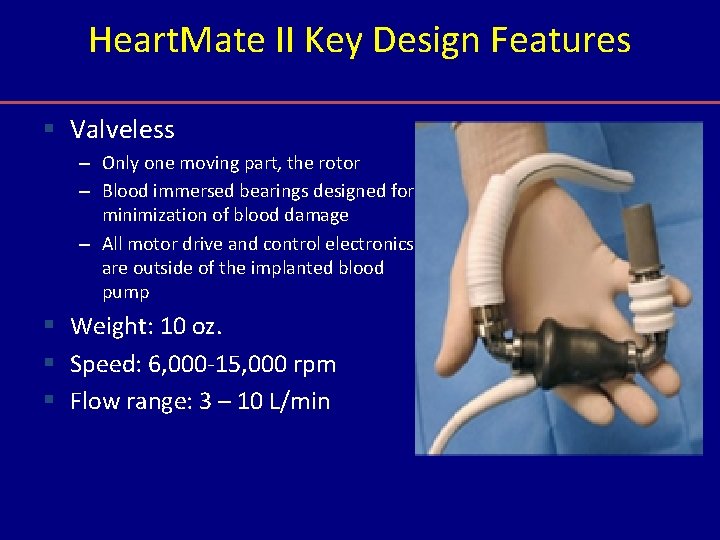
Heart. Mate II Key Design Features § Valveless – Only one moving part, the rotor – Blood immersed bearings designed for minimization of blood damage – All motor drive and control electronics are outside of the implanted blood pump § Weight: 10 oz. § Speed: 6, 000 -15, 000 rpm § Flow range: 3 – 10 L/min
VADs Improve Functional Status • > 80% of patients tested improved to NYHA class I/II from NYHA class IIIB/IV by 6 months – Sustained through 24 months • Six-minute walk distance improved to 340 m by 6 months from 181+/-138 and 225 +/- 142 m – Sustained through 24 months Circ Heart Fail 2012; 5; 241 -248
VADs Improve Quality of Life • When surveyed about lifestyle changes, VAD patients highlight the ability to drive, exercise, travel, return to work or school, and engage in hobbies and sexual activity as major contributors to improved QOL J Thorac Cardiovasc Surg 2004; 127: 1432– 5 J Thorac Cardiovasc Surg 2000; 119: 251– 9
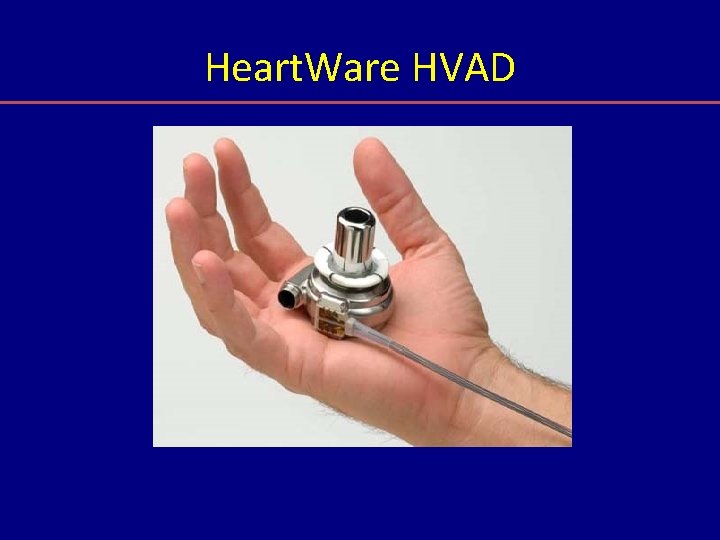
Heart. Ware HVAD
Heart. Ware HVAD • Pericardial placement – no pump pocket – Eliminates the need for abdominal surgery and device pockets • Provides up to 10 l/min of flow • Centrifugal design, continuous flow – – Hybrid magnetic / hydrodynamic impeller suspension Optimizes flow, pump surface washing, and hemocompatibility • Displaced volume = 50 cc, Weight = 160 g • Thin (4. 2 mm), flexible driveline with fatigue-resistant cables
ENDURANCE Trial • Prospective, randomized, un-blinded, multi-center, non-inferiority clinical trial to evaluate HVAD for destination therapy • Study population: – End-stage HF patients ineligible for cardiac transplantation • Primary endpoint: stroke-free survival at two years • Secondary endpoints: incidence of bleeding, major infection, device failure, health and functional status improvement. • Largest trial to date for long-term LVAD use
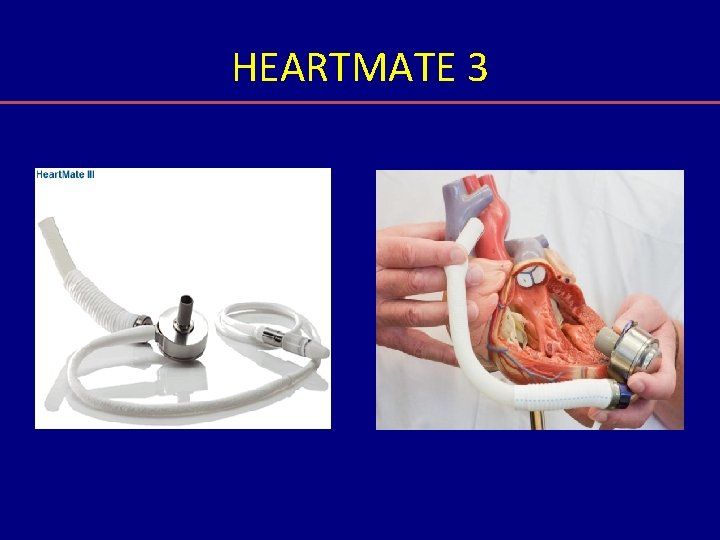
HEARTMATE 3
HEARTMATE 3 • Fully Magnetically Levitated – No bearings • Large pump gaps reduce blood trauma • Artificial pulse – Reduces risk of bleeding, AI, thrombosis, stroke • Textured blood contacting surfaces allow endothelialization • Output 2 – 10 L/min
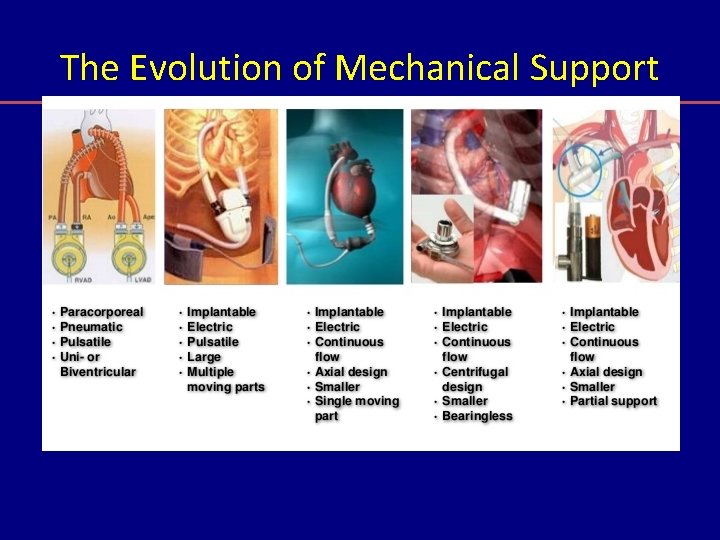
The Evolution of Mechanical Support

Who is a VAD Candidate?
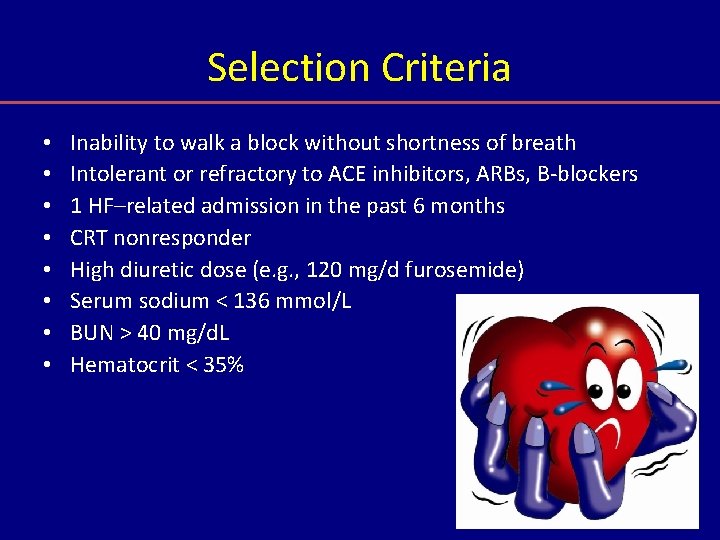
Selection Criteria • • Inability to walk a block without shortness of breath Intolerant or refractory to ACE inhibitors, ARBs, B-blockers 1 HF–related admission in the past 6 months CRT nonresponder High diuretic dose (e. g. , 120 mg/d furosemide) Serum sodium < 136 mmol/L BUN > 40 mg/d. L Hematocrit < 35%
Issues to Assess Pre-operatively • • • RV function – there is no DT RVAD Aortic insufficiency – may require AVR Anticoagulation - contraindications Insight/compliance – not a “quick fix” Family/social support – a total buy-in Financial – will insurance cover it? 51
When Should You Refer? • Medication intolerance • Repeat hospitalizations • Can’t “bounce back” • Failure to thrive 52

Before they get too sick A VAD is NOT a “Hail Mary Pass”
Thank you

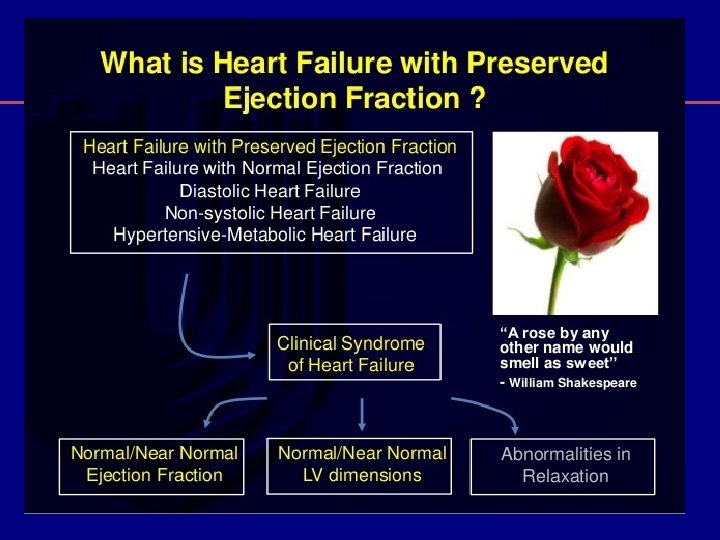
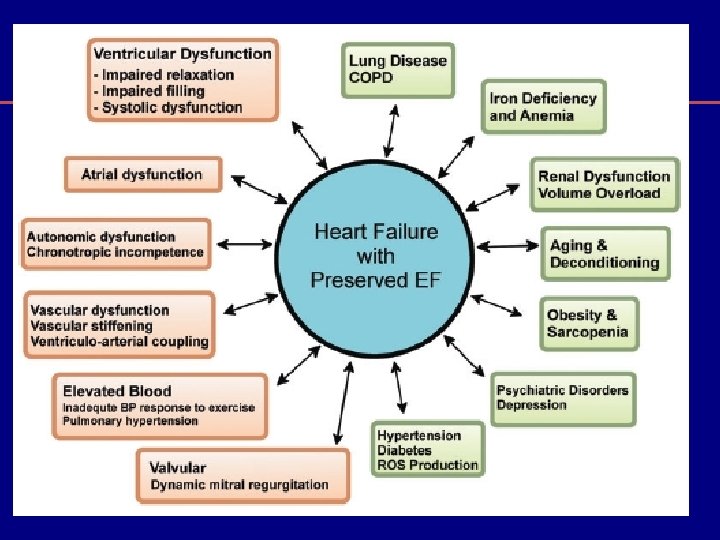
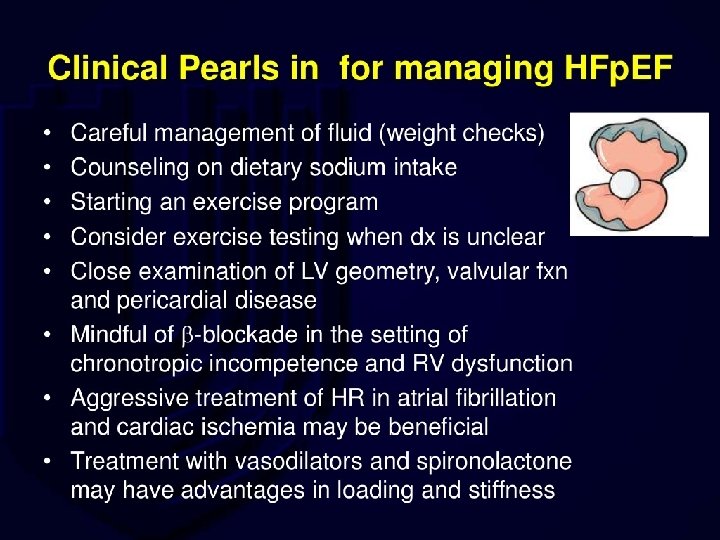
HFp. EF Heart Failure with Preserved EF

- Slides: 59