
Treatment in Advanced NonSmall Cell Lung Cancer NSCLC

- Slides: 49
Treatment in Advanced Non-Small Cell Lung Cancer
NSCLC| Epidemiology- Australia • 5 th most commonly diagnosed cancer in Australia – 8. 9% of new cancer diagnoses – In 2009: – 10, 193 cases (6034 men, 4159 women) – Projection to 2020 13, 640 • Mortality – In 2010 most common cause of cancer death • 18. 9% of cancer deaths • 8099 deaths ( 4934 men, 30165 women) • Age of diagnosis – Average 71
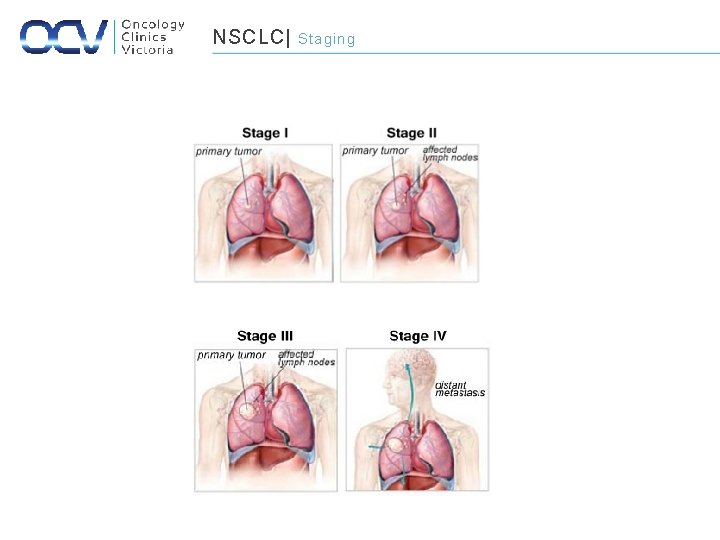
NSCLC| Staging
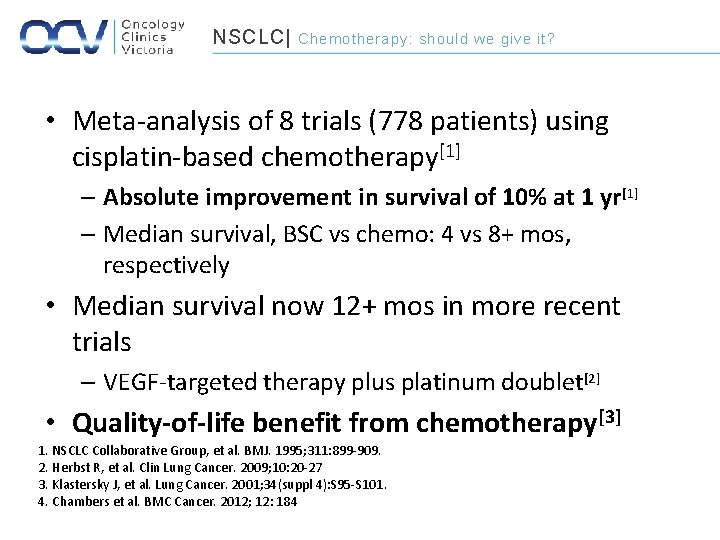
NSCLC| Chemotherapy: should we give it? • Meta-analysis of 8 trials (778 patients) using cisplatin-based chemotherapy[1] – Absolute improvement in survival of 10% at 1 yr[1] – Median survival, BSC vs chemo: 4 vs 8+ mos, respectively • Median survival now 12+ mos in more recent trials – VEGF-targeted therapy plus platinum doublet[2] • Quality-of-life benefit from chemotherapy[3] 1. NSCLC Collaborative Group, et al. BMJ. 1995; 311: 899 -909. 2. Herbst R, et al. Clin Lung Cancer. 2009; 10: 20 -27 3. Klastersky J, et al. Lung Cancer. 2001; 34(suppl 4): S 95 -S 101. 4. Chambers et al. BMC Cancer. 2012; 12: 184
NSCLC| Who should we give Chemotherapy to? • Age – Elderly patients with a good PS enjoy longer survival and a better quality of life when treated with chemotherapy compared with supportive care alone – May have higher toxic effects in bone marrow but derive the same survival benefit • Co-morbidities Langer CJ, Vangel M, Schiller J, et al. : Age-specific subanalysis of ECOG 1594 Langer CJ, Manola J, Bernardo P, et al. : Cisplatin-based therapy for elderly patients with advanced non-small-cell lung cancer: implications of Eastern Cooperative Oncology Group 5592
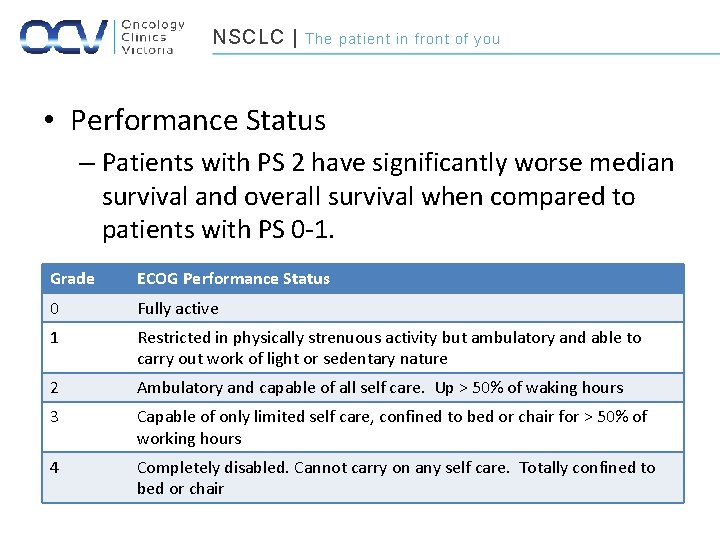
NSCLC | The patient in front of you • Performance Status – Patients with PS 2 have significantly worse median survival and overall survival when compared to patients with PS 0 -1. Grade ECOG Performance Status 0 Fully active 1 Restricted in physically strenuous activity but ambulatory and able to carry out work of light or sedentary nature 2 Ambulatory and capable of all self care. Up > 50% of waking hours 3 Capable of only limited self care, confined to bed or chair for > 50% of working hours 4 Completely disabled. Cannot carry on any self care. Totally confined to bed or chair
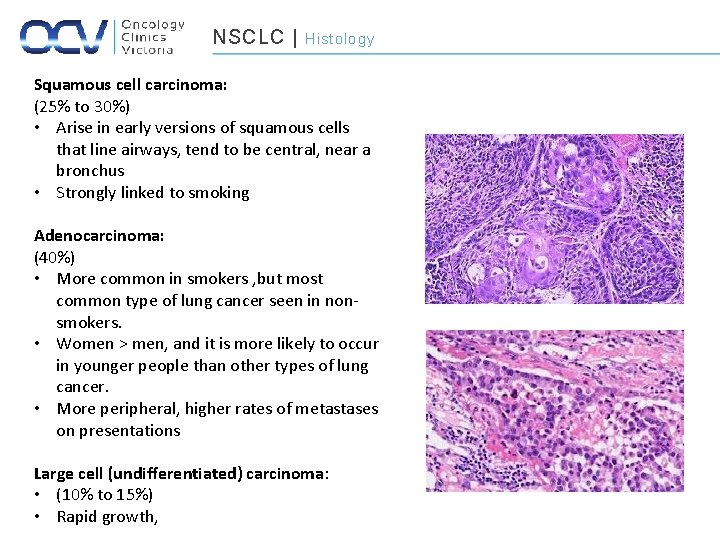
NSCLC | Histology Squamous cell carcinoma: (25% to 30%) • Arise in early versions of squamous cells that line airways, tend to be central, near a bronchus • Strongly linked to smoking Adenocarcinoma: (40%) • More common in smokers , but most common type of lung cancer seen in nonsmokers. • Women > men, and it is more likely to occur in younger people than other types of lung cancer. • More peripheral, higher rates of metastases on presentations Large cell (undifferentiated) carcinoma: • (10% to 15%) • Rapid growth,
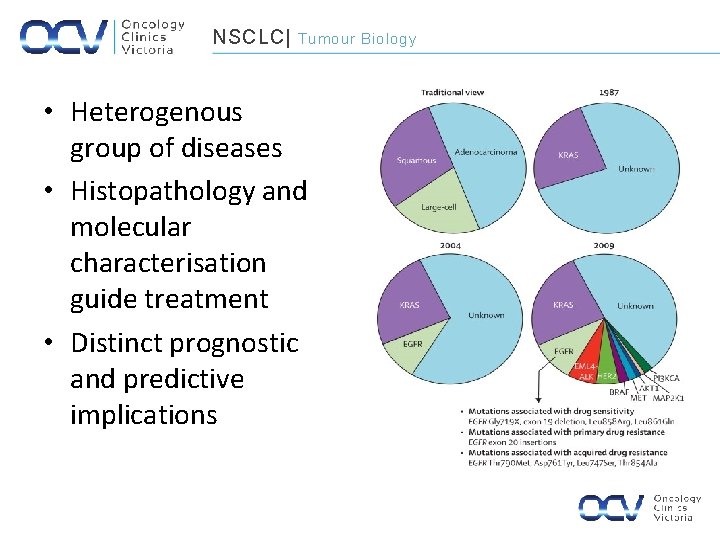
NSCLC| Tumour Biology • Heterogenous group of diseases • Histopathology and molecular characterisation guide treatment • Distinct prognostic and predictive implications
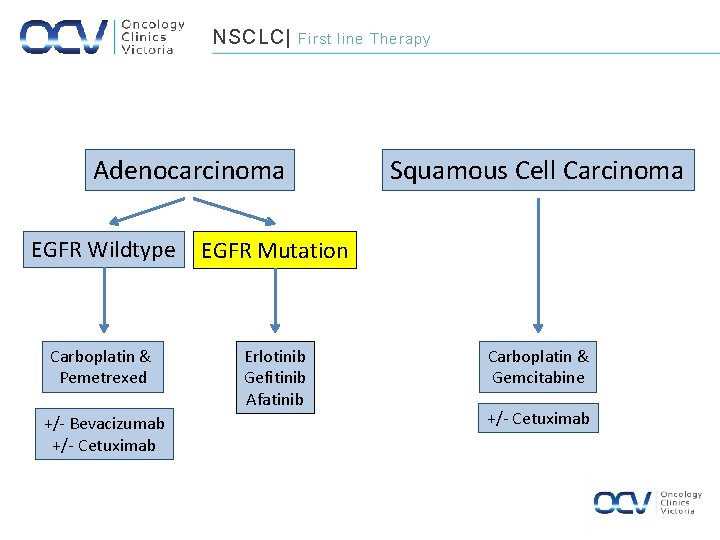
NSCLC| First line Therapy Adenocarcinoma EGFR Wildtype EGFR Mutation Carboplatin & Pemetrexed Erlotinib Gefitinib Afatinib +/- Bevacizumab +/- Cetuximab Squamous Cell Carcinoma Carboplatin & Gemcitabine +/- Cetuximab
NSCLC| Absent Mutations • Combination cytotoxic chemotherapy remains the backbone of initial systemic treatment
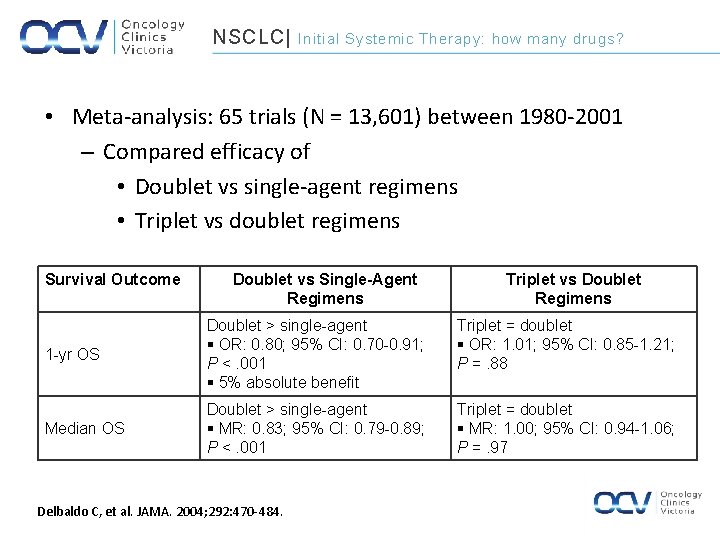
NSCLC| Initial Systemic Therapy: how many drugs? • Meta-analysis: 65 trials (N = 13, 601) between 1980 -2001 – Compared efficacy of • Doublet vs single-agent regimens • Triplet vs doublet regimens Survival Outcome Doublet vs Single-Agent Regimens Triplet vs Doublet Regimens 1 -yr OS Doublet > single-agent § OR: 0. 80; 95% CI: 0. 70 -0. 91; P <. 001 § 5% absolute benefit Triplet = doublet § OR: 1. 01; 95% CI: 0. 85 -1. 21; P =. 88 Median OS Doublet > single-agent § MR: 0. 83; 95% CI: 0. 79 -0. 89; P <. 001 Triplet = doublet § MR: 1. 00; 95% CI: 0. 94 -1. 06; P =. 97 Delbaldo C, et al. JAMA. 2004; 292: 470 -484.
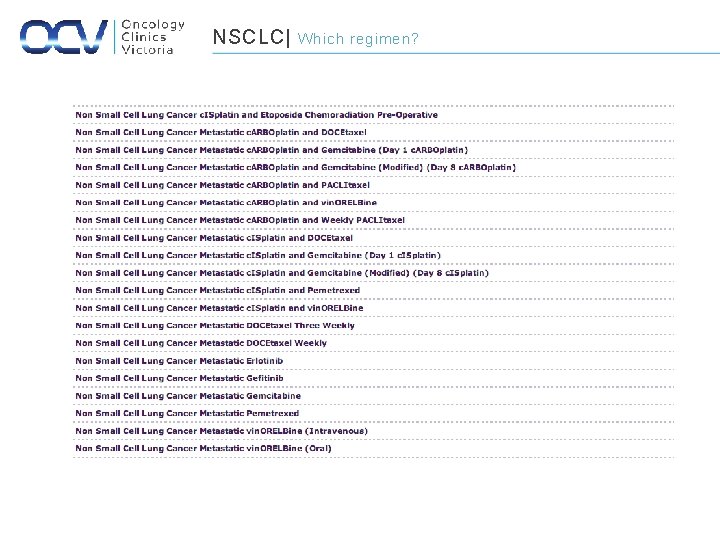
NSCLC| Which regimen?
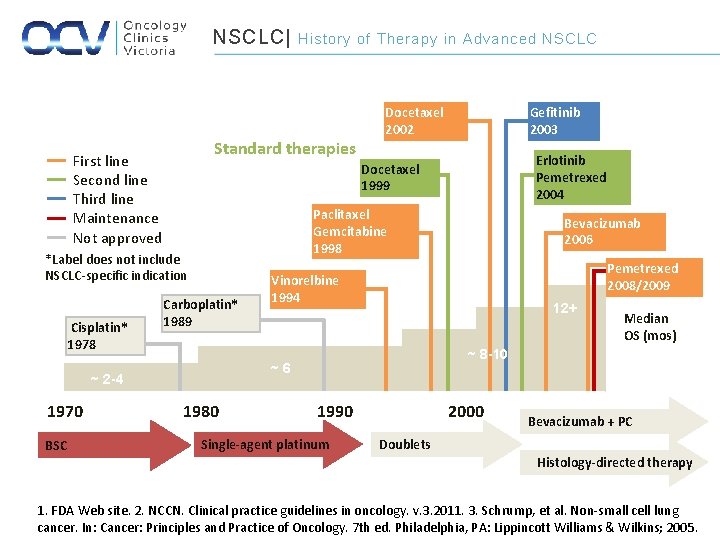
NSCLC| Standard therapies First line Second line Third line Maintenance Not approved BSC Gefitinib 2003 Erlotinib Pemetrexed 2004 Paclitaxel Gemcitabine 1998 Carboplatin* 1989 1980 Bevacizumab 2006 Pemetrexed 2008/2009 Vinorelbine 1994 12+ Median OS (mos) ~ 8 -10 ~6 ~ 2 -4 1970 Docetaxel 2002 Docetaxel 1999 *Label does not include NSCLC-specific indication Cisplatin* 1978 History of Therapy in Advanced NSCLC 1990 Single-agent platinum 2000 Bevacizumab + PC Doublets Histology-directed therapy 1. FDA Web site. 2. NCCN. Clinical practice guidelines in oncology. v. 3. 2011. 3. Schrump, et al. Non-small cell lung cancer. In: Cancer: Principles and Practice of Oncology. 7 th ed. Philadelphia, PA: Lippincott Williams & Wilkins; 2005.
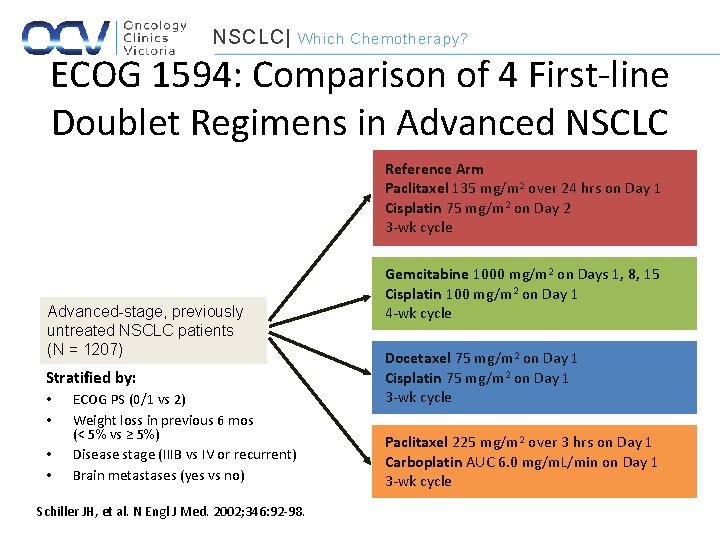
NSCLC| Which Chemotherapy? ECOG 1594: Comparison of 4 First-line Doublet Regimens in Advanced NSCLC Reference Arm Paclitaxel 135 mg/m 2 over 24 hrs on Day 1 Cisplatin 75 mg/m 2 on Day 2 3 -wk cycle Advanced-stage, previously untreated NSCLC patients (N = 1207) Stratified by: • • ECOG PS (0/1 vs 2) Weight loss in previous 6 mos (< 5% vs ≥ 5%) Disease stage (IIIB vs IV or recurrent) Brain metastases (yes vs no) Schiller JH, et al. N Engl J Med. 2002; 346: 92 -98. Gemcitabine 1000 mg/m 2 on Days 1, 8, 15 Cisplatin 100 mg/m 2 on Day 1 4 -wk cycle Docetaxel 75 mg/m 2 on Day 1 Cisplatin 75 mg/m 2 on Day 1 3 -wk cycle Paclitaxel 225 mg/m 2 over 3 hrs on Day 1 Carboplatin AUC 6. 0 mg/m. L/min on Day 1 3 -wk cycle
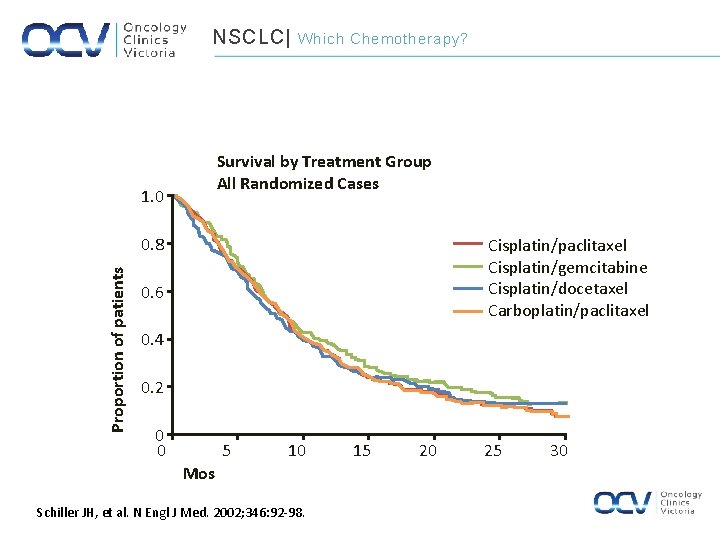
NSCLC| Which Chemotherapy? Survival by Treatment Group All Randomized Cases 1. 0 Proportion of patients 0. 8 Cisplatin/paclitaxel Cisplatin/gemcitabine Cisplatin/docetaxel Carboplatin/paclitaxel 0. 6 0. 4 0. 2 0 0 5 10 Mos Schiller JH, et al. N Engl J Med. 2002; 346: 92 -98. 15 20 25 30
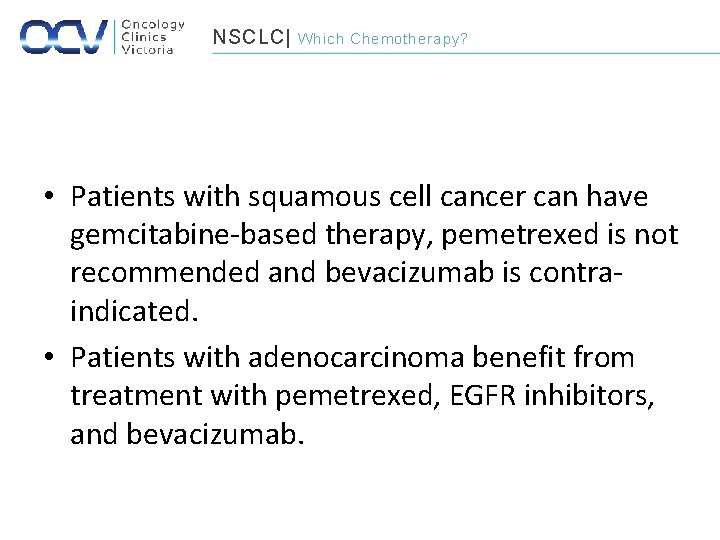
NSCLC| Which Chemotherapy? • Patients with squamous cell cancer can have gemcitabine-based therapy, pemetrexed is not recommended and bevacizumab is contraindicated. • Patients with adenocarcinoma benefit from treatment with pemetrexed, EGFR inhibitors, and bevacizumab.
NSCLC| Chemotherapy overview • Doublet chemotherapy for 4 -6 cycles is standard • Platinum combinations with vinorelbine, paclitaxel, docetaxel, gemcitabine, irinotecan, and pemetrexed yield similar improvements in survival. – Caveat: Patients with adenocarcinoma may benefit from pemetrexed. • Cisplatin and carboplatin yield similar improvements in outcome with different toxic effects. • Non-platinum combinations offer no advantage to platinum-based chemotherapy, and some studies demonstrate inferiority.
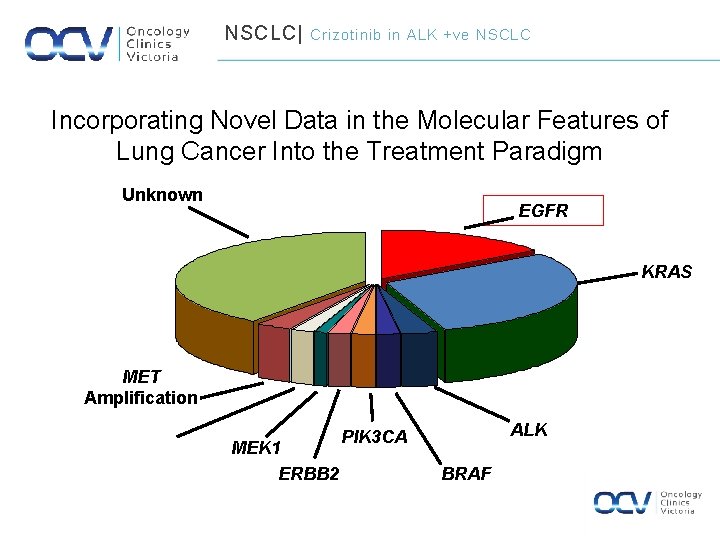
NSCLC| Additional Agents • Antiangiogenesis: – VEGF targeted (bevacizumab) • EGFR-targeted antibody – (cetuximab), TKI (erlotinib) • Newer targets – (ALK and others) • Recent identification of “driver mutations” in 50% of NSCLC adenocarcinomas
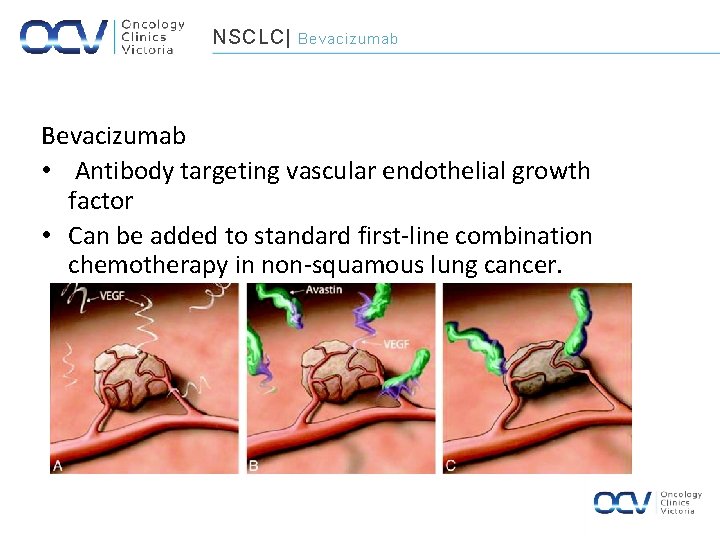
NSCLC| Bevacizumab • Antibody targeting vascular endothelial growth factor • Can be added to standard first-line combination chemotherapy in non-squamous lung cancer.
NSCLC| Bevacizumab: Adverse Effects • Hypertension • Bleeding – Haemoptysis – Brain mets – Squamous cells more likely to bleed • Poor wound healing
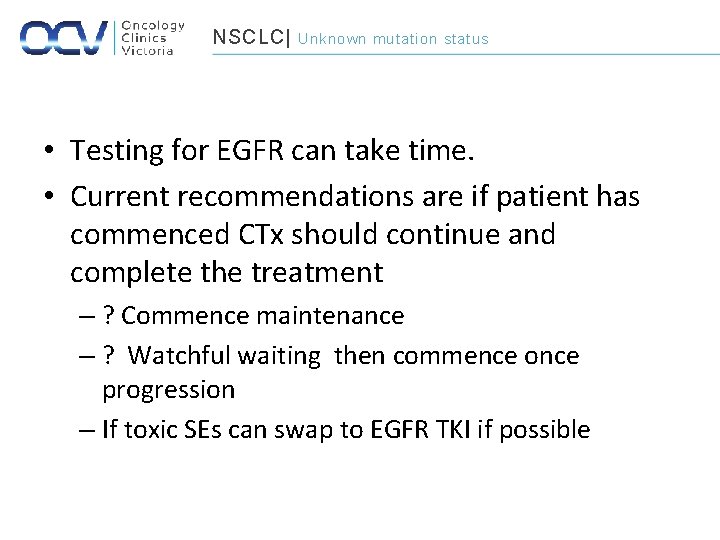
NSCLC| Unknown mutation status • Testing for EGFR can take time. • Current recommendations are if patient has commenced CTx should continue and complete the treatment – ? Commence maintenance – ? Watchful waiting then commence once progression – If toxic SEs can swap to EGFR TKI if possible
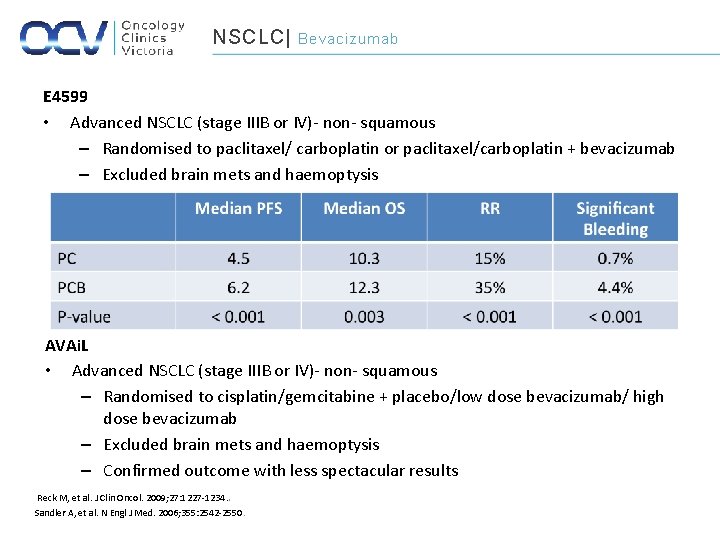
NSCLC| Bevacizumab E 4599 • Advanced NSCLC (stage IIIB or IV)- non- squamous – Randomised to paclitaxel/ carboplatin or paclitaxel/carboplatin + bevacizumab – Excluded brain mets and haemoptysis AVAi. L • Advanced NSCLC (stage IIIB or IV)- non- squamous – Randomised to cisplatin/gemcitabine + placebo/low dose bevacizumab/ high dose bevacizumab – Excluded brain mets and haemoptysis – Confirmed outcome with less spectacular results Reck M, et al. J Clin Oncol. 2009; 27: 1227 -1234. . Sandler A, et al. N Engl J Med. 2006; 355: 2542 -2550.
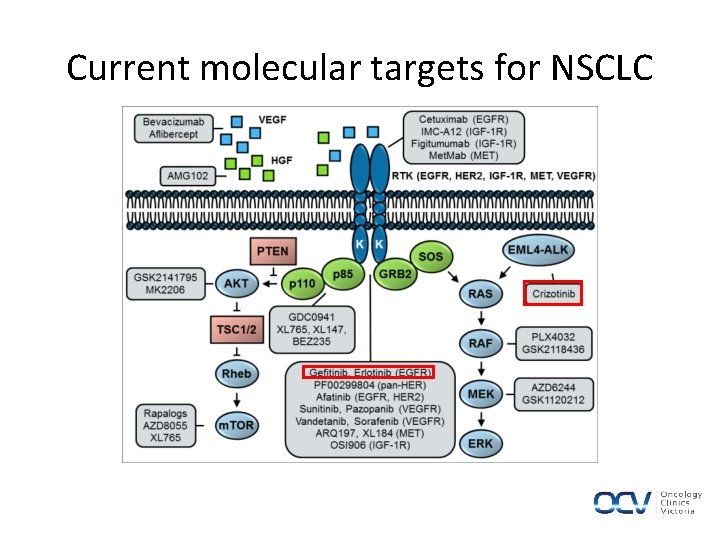
NSCLC| Genotype Directed Therapy • Oncogenic Activation – Epidermal Growth Factor Receptor – Anaplastic Lymphoma Kinase gene • MET as a therapeutic target in NSCLC
NSCLC| Driver Mutations • Mutations within cancer cells – Genes essential for cell growth and survival • Transformative – Initiate the evolution of a non-cancerous cell- to malignancy
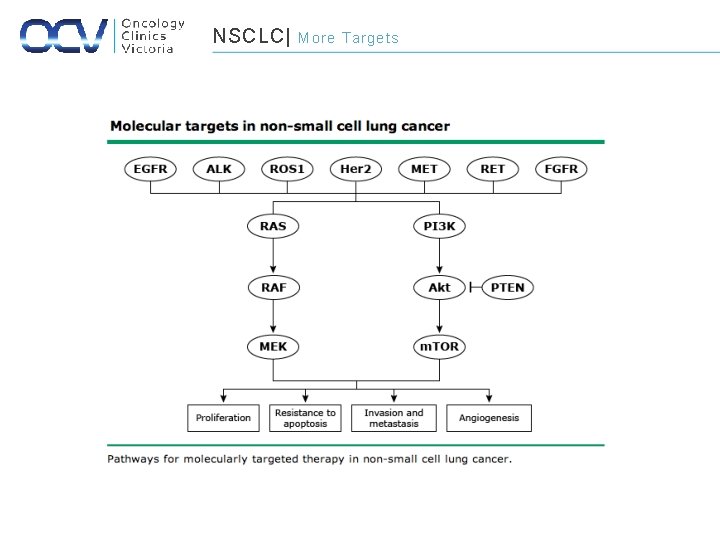
Current molecular targets for NSCLC
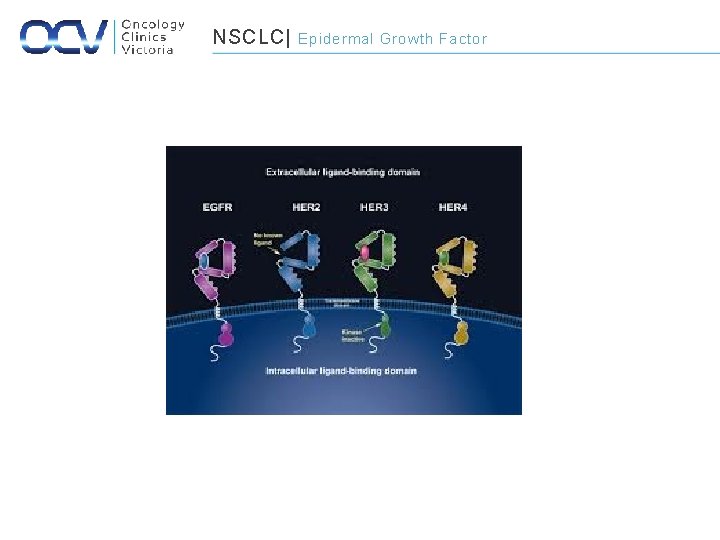
NSCLC| Epidermal Growth Factor
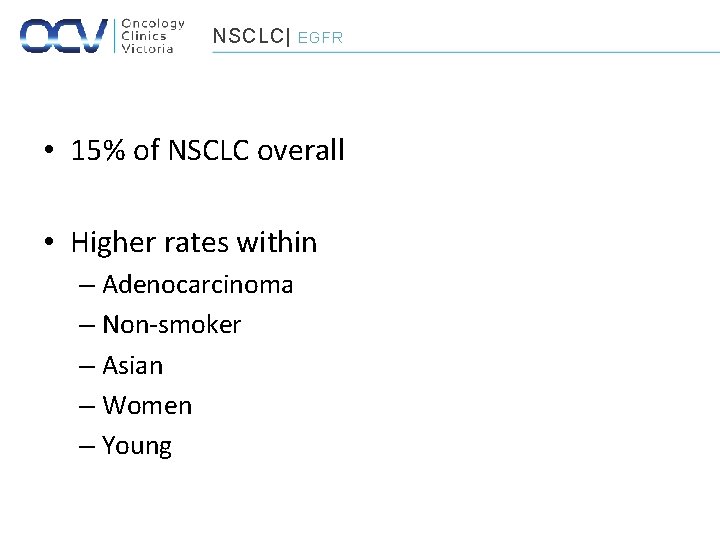
NSCLC| EGFR • 15% of NSCLC overall • Higher rates within – Adenocarcinoma – Non-smoker – Asian – Women – Young
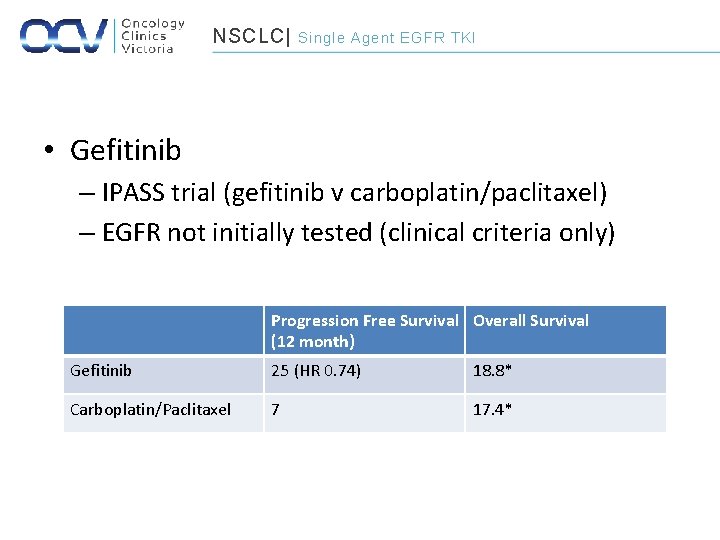
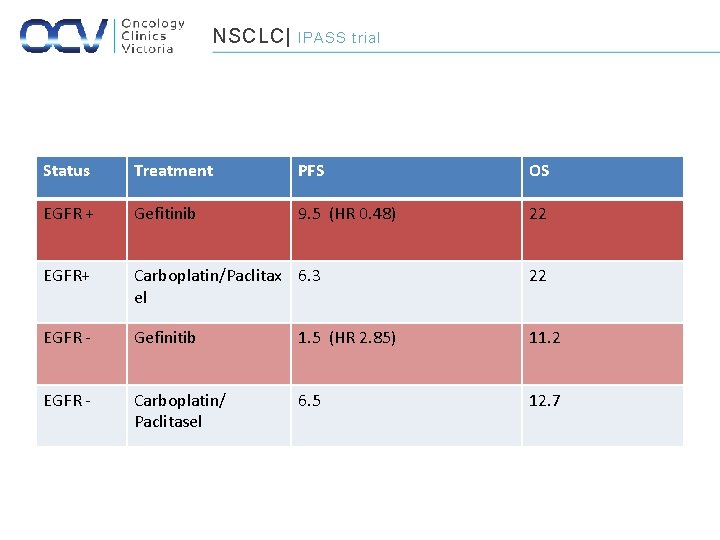
NSCLC| Single Agent EGFR TKI • Gefitinib – IPASS trial (gefitinib v carboplatin/paclitaxel) – EGFR not initially tested (clinical criteria only) Progression Free Survival Overall Survival (12 month) Gefitinib 25 (HR 0. 74) 18. 8* Carboplatin/Paclitaxel 7 17. 4*
NSCLC| IPASS trial Status Treatment PFS OS EGFR + Gefitinib 9. 5 (HR 0. 48) 22 EGFR+ Carboplatin/Paclitax 6. 3 el 22 EGFR - Gefinitib 1. 5 (HR 2. 85) 11. 2 EGFR - Carboplatin/ Paclitasel 6. 5 12. 7
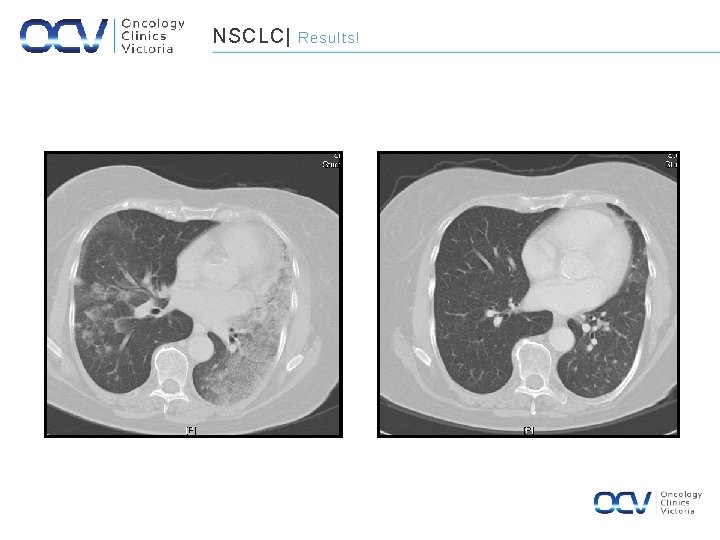
NSCLC| January 2002 Results! October 2004
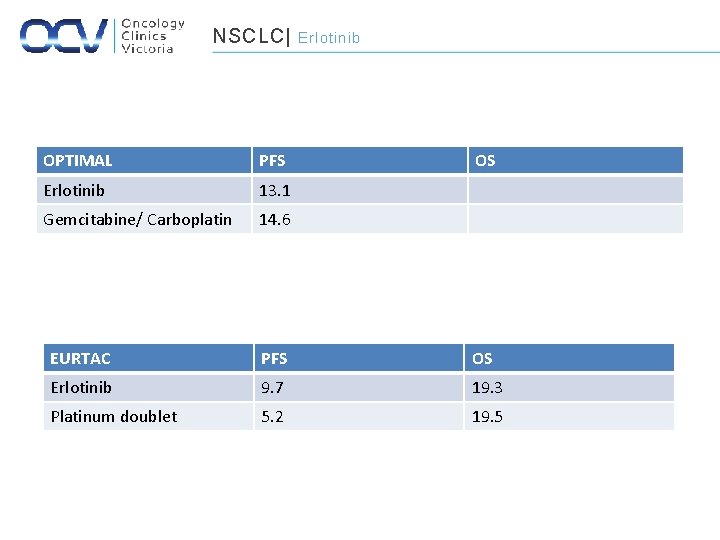
NSCLC| OPTIMAL PFS Erlotinib 13. 1 Gemcitabine/ Carboplatin 14. 6 Erlotinib OS EURTAC PFS OS Erlotinib 9. 7 19. 3 Platinum doublet 5. 2 19. 5
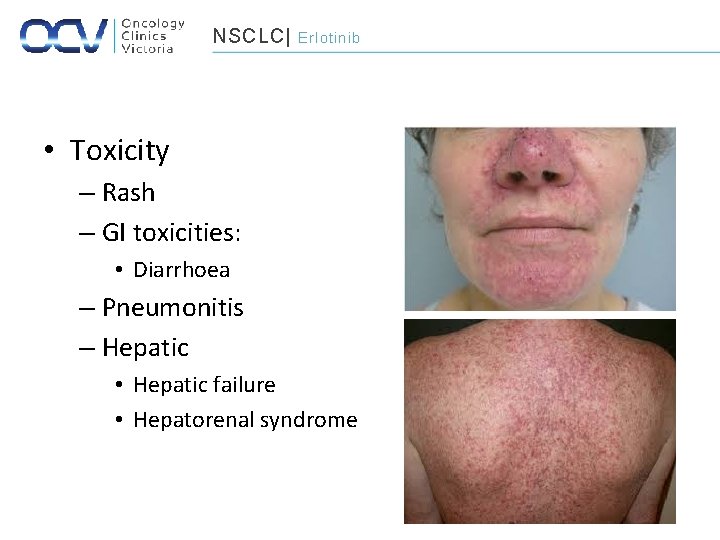
NSCLC| Erlotinib • Toxicity – Rash – GI toxicities: • Diarrhoea – Pneumonitis – Hepatic • Hepatic failure • Hepatorenal syndrome
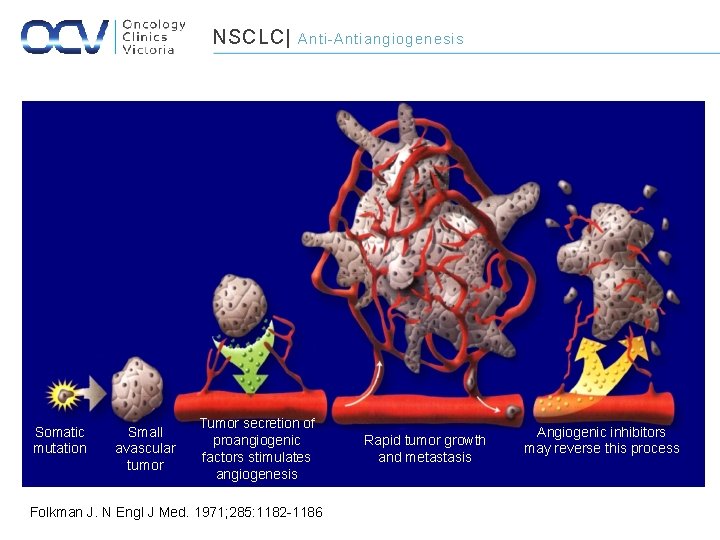
NSCLC| Somatic mutation Small avascular tumor Anti-Antiangiogenesis Tumor secretion of proangiogenic factors stimulates angiogenesis Folkman J. N Engl J Med. 1971; 285: 1182 -1186. Rapid tumor growth and metastasis Angiogenic inhibitors may reverse this process
NSCLC| Acquired resistance to EGFR • Over time there is formation of acquired resistance – 50% of acquired resistance is due to T 790 M – ? blocks binding of TKIs such as gefitinib and erlotinib – Irreversible EGFR-TKIs in development (afatinib, HKI 272, PF 00299804, BMS 690514) Kobayashi S, et al. N Engl J Med. 2005; 352: 786 -792. Engelman JA, et al. Science. 2007; 316: 10391043. Balak MN, et al. Clin Cancer Res. 2006; 12: 6494 -6501. Bean J, et al. Clin Cancer Res. 2008; 14: 7519 -7525.
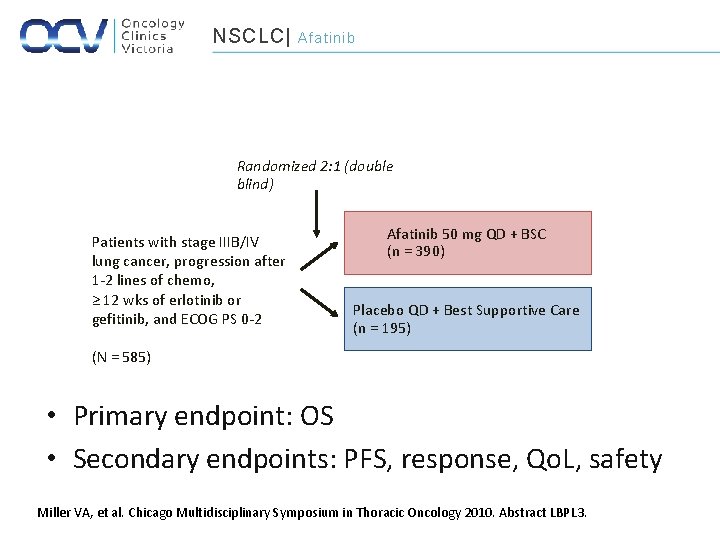
NSCLC| Afatinib Randomized 2: 1 (double blind) Patients with stage IIIB/IV lung cancer, progression after 1 -2 lines of chemo, ≥ 12 wks of erlotinib or gefitinib, and ECOG PS 0 -2 Afatinib 50 mg QD + BSC (n = 390) Placebo QD + Best Supportive Care (n = 195) (N = 585) • Primary endpoint: OS • Secondary endpoints: PFS, response, Qo. L, safety Miller VA, et al. Chicago Multidisciplinary Symposium in Thoracic Oncology 2010. Abstract LBPL 3.
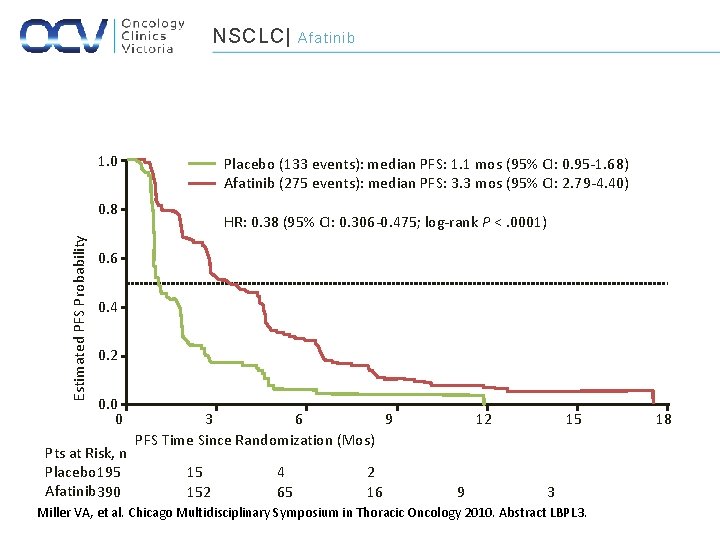
NSCLC| 1. 0 Placebo (133 events): median PFS: 1. 1 mos (95% CI: 0. 95 -1. 68) Afatinib (275 events): median PFS: 3. 3 mos (95% CI: 2. 79 -4. 40) 0. 8 Estimated PFS Probability Afatinib HR: 0. 38 (95% CI: 0. 306 -0. 475; log-rank P <. 0001) 0. 6 0. 4 0. 2 0. 0 0 Pts at Risk, n Placebo 195 Afatinib 390 3 6 9 PFS Time Since Randomization (Mos) 15 152 4 65 2 16 12 9 15 3 Miller VA, et al. Chicago Multidisciplinary Symposium in Thoracic Oncology 2010. Abstract LBPL 3. 18
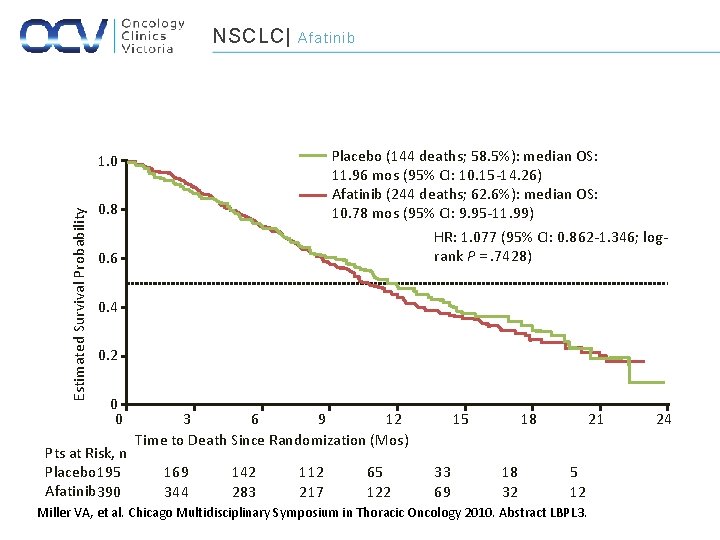
NSCLC| Afatinib Placebo (144 deaths; 58. 5%): median OS: 11. 96 mos (95% CI: 10. 15 -14. 26) Afatinib (244 deaths; 62. 6%): median OS: 10. 78 mos (95% CI: 9. 95 -11. 99) HR: 1. 077 (95% CI: 0. 862 -1. 346; logrank P =. 7428) Estimated Survival Probability 1. 0 0. 8 0. 6 0. 4 0. 2 0 0 Pts at Risk, n Placebo 195 Afatinib 390 3 6 9 12 Time to Death Since Randomization (Mos) 169 344 142 283 112 217 65 122 15 33 69 18 18 32 21 5 12 Miller VA, et al. Chicago Multidisciplinary Symposium in Thoracic Oncology 2010. Abstract LBPL 3. 24
NSCLC| Erlotinib • Met amplification ~ 20% of acquired resistance – Multiple drugs in development (XL 184 [cabozantinib], Met. Mab, ARQ 197) – Often combined with EGFR-TKI • Other resistance mutations in EGFR reported – T 854 A, D 761 Y. . .
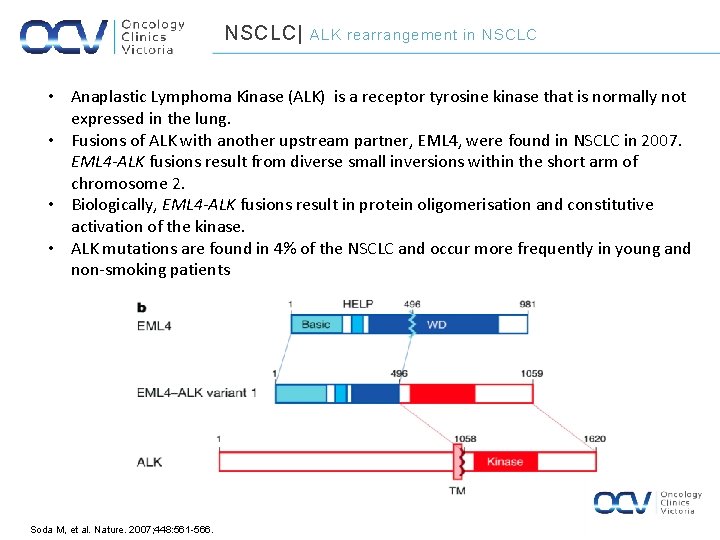
NSCLC| ALK rearrangement in NSCLC • Anaplastic Lymphoma Kinase (ALK) is a receptor tyrosine kinase that is normally not expressed in the lung. • Fusions of ALK with another upstream partner, EML 4, were found in NSCLC in 2007. EML 4 -ALK fusions result from diverse small inversions within the short arm of chromosome 2. • Biologically, EML 4 -ALK fusions result in protein oligomerisation and constitutive activation of the kinase. • ALK mutations are found in 4% of the NSCLC and occur more frequently in young and non-smoking patients Soda M, et al. Nature. 2007; 448: 561 -566.
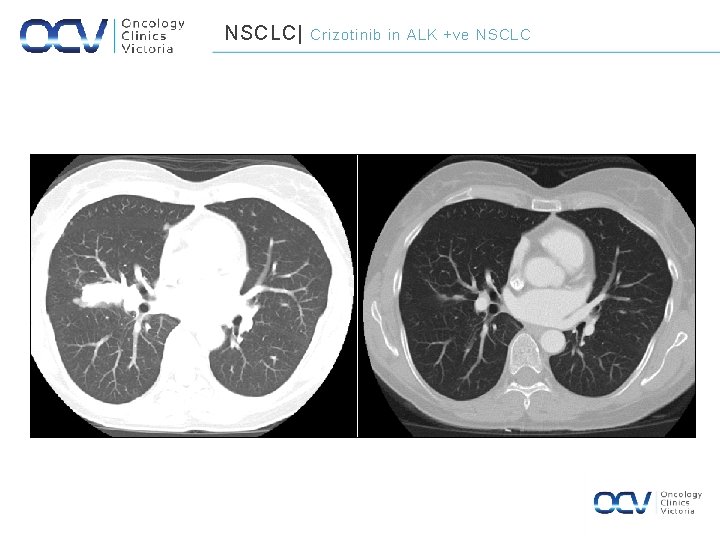
NSCLC| Crizotinib in ALK +ve NSCLC • Crizotinib – Dual selective inhibitor of ALK and c-MET – ATP-competitive inhibitor – Orally available small molecule – Potent inhibition of cell growth and induction of apoptosis in NSCLC cell lines – Demonstrated safety in dose-escalation study Tan W, et al. ASCO 2010. Abstract 2596.
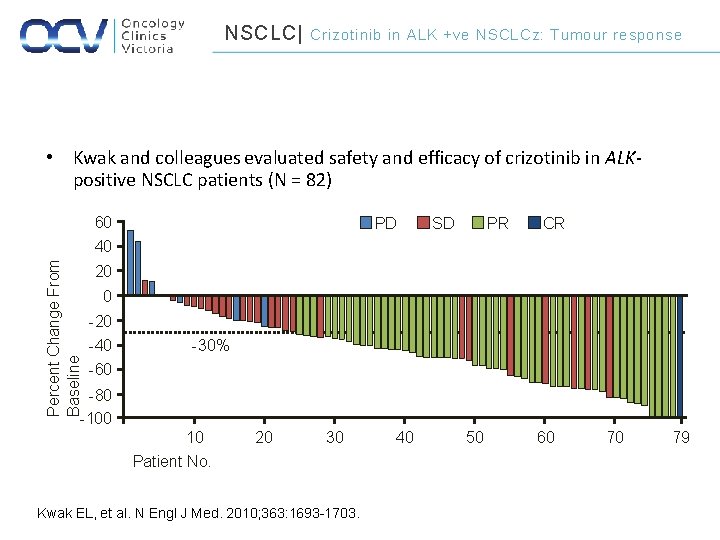
NSCLC| Crizotinib in ALK +ve NSCLCz: Tumour response • Kwak and colleagues evaluated safety and efficacy of crizotinib in ALKpositive NSCLC patients (N = 82) Percent Change From Baseline 60 40 PD SD PR CR 20 0 -20 -40 -30% -60 -80 -100 10 20 30 Patient No. Kwak EL, et al. N Engl J Med. 2010; 363: 1693 -1703. 40 50 60 70 79
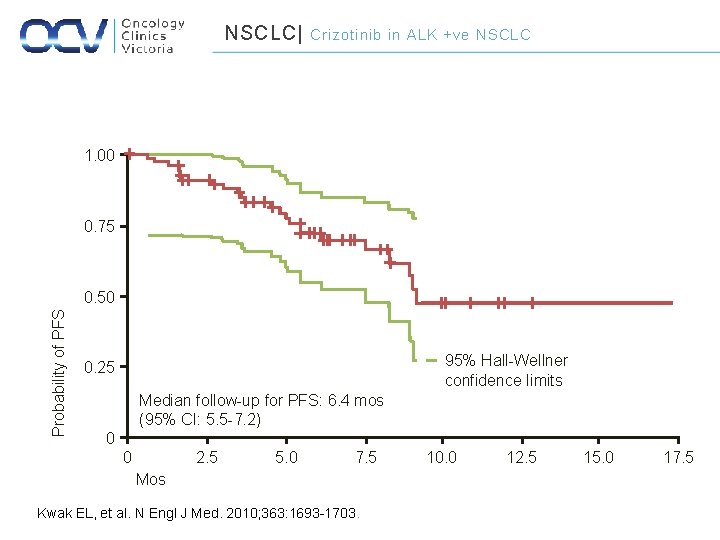
NSCLC| Crizotinib in ALK +ve NSCLC 1. 00 0. 75 Probability of PFS 0. 50 95% Hall-Wellner confidence limits 0. 25 Median follow-up for PFS: 6. 4 mos (95% CI: 5. 5 -7. 2) 0 0 2. 5 5. 0 7. 5 Mos Kwak EL, et al. N Engl J Med. 2010; 363: 1693 -1703. 10. 0 12. 5 15. 0 17. 5
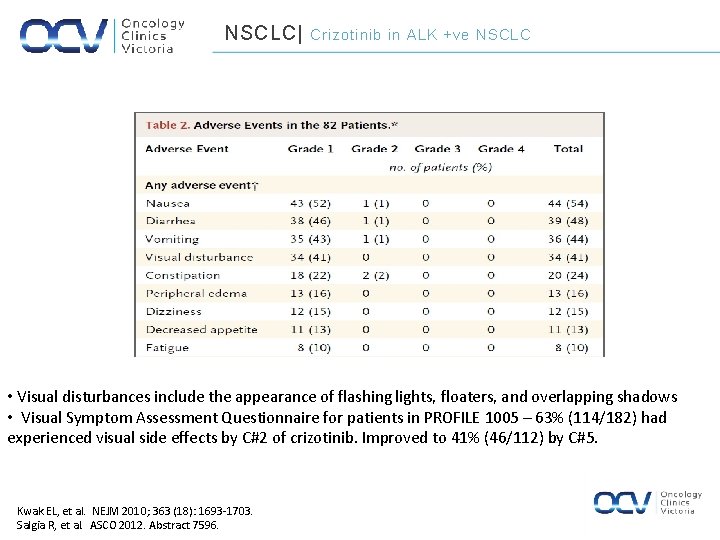
NSCLC| Crizotinib in ALK +ve NSCLC • Visual disturbances include the appearance of flashing lights, floaters, and overlapping shadows • Visual Symptom Assessment Questionnaire for patients in PROFILE 1005 – 63% (114/182) had experienced visual side effects by C#2 of crizotinib. Improved to 41% (46/112) by C#5. Kwak EL, et al. NEJM 2010; 363 (18): 1693 -1703. Salgia R, et al. ASCO 2012. Abstract 7596.
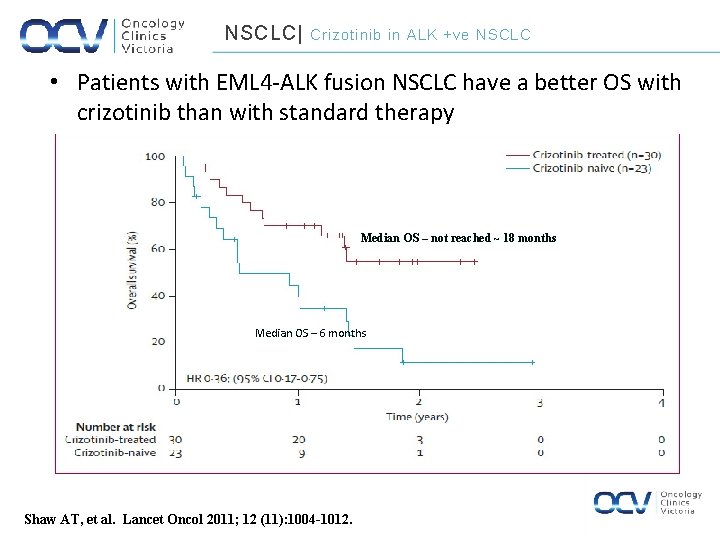
NSCLC| Crizotinib in ALK +ve NSCLC • Patients with EML 4 -ALK fusion NSCLC have a better OS with crizotinib than with standard therapy Median OS – not reached ~ 18 months Median OS – 6 months Shaw AT, et al. Lancet Oncol 2011; 12 (11): 1004 -1012.
NSCLC| September 2011 Crizotinib in ALK +ve NSCLC April 2012
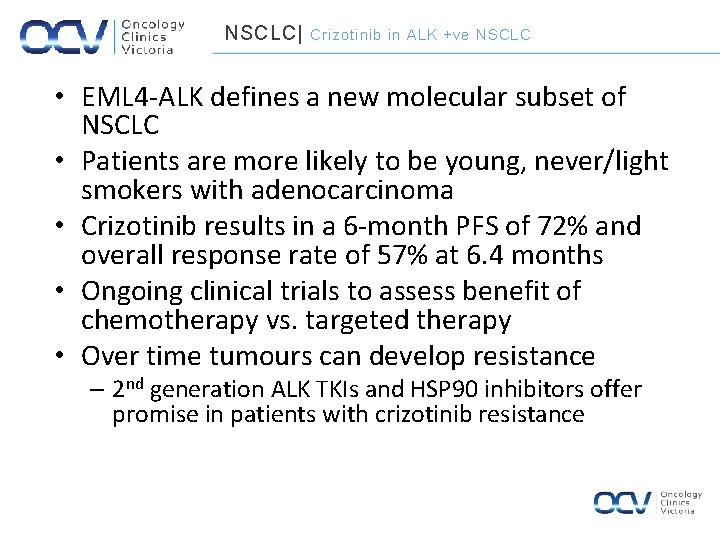
NSCLC| Crizotinib in ALK +ve NSCLC • EML 4 -ALK defines a new molecular subset of NSCLC • Patients are more likely to be young, never/light smokers with adenocarcinoma • Crizotinib results in a 6 -month PFS of 72% and overall response rate of 57% at 6. 4 months • Ongoing clinical trials to assess benefit of chemotherapy vs. targeted therapy • Over time tumours can develop resistance – 2 nd generation ALK TKIs and HSP 90 inhibitors offer promise in patients with crizotinib resistance
NSCLC| Crizotinib in ALK +ve NSCLC Incorporating Novel Data in the Molecular Features of Lung Cancer Into the Treatment Paradigm Unknown EGFR KRAS MET Amplification ERBB 2 Amplification MEK 1 ERBB 2 ALK PIK 3 CA BRAF
NSCLC| More Targets