
TREATMENT AND IMMUNE CONTROL OF MALARIA AND TB
TREATMENT AND IMMUNE CONTROL OF MALARIA AND TB Unit 4 Paul Thomas Paul. Thomas@stjude. org Department of Immunology St. Jude Children’s Research Hospital
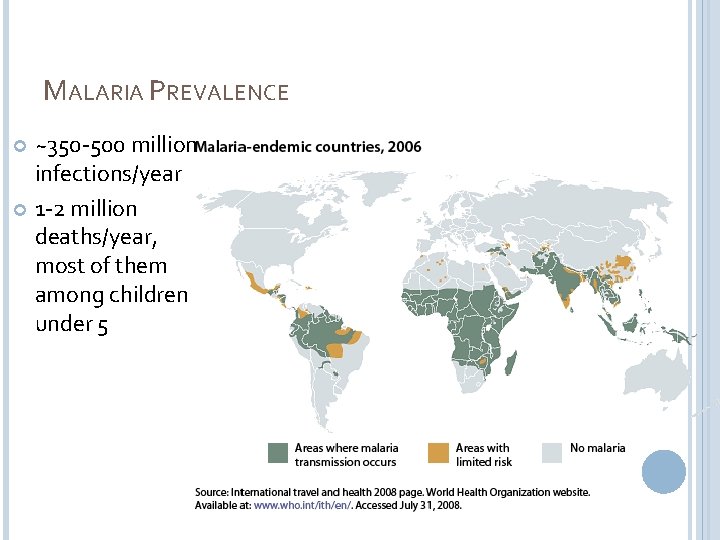
MALARIA PREVALENCE ~350 -500 million infections/year 1 -2 million deaths/year, most of them among children under 5
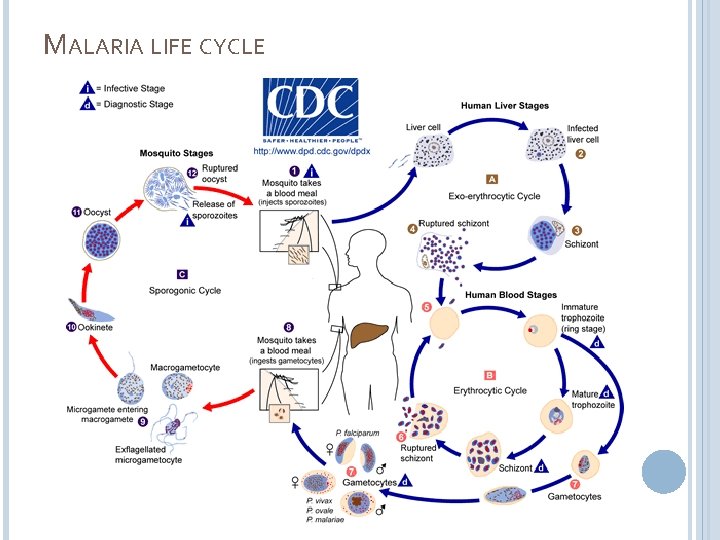
MALARIA LIFE CYCLE
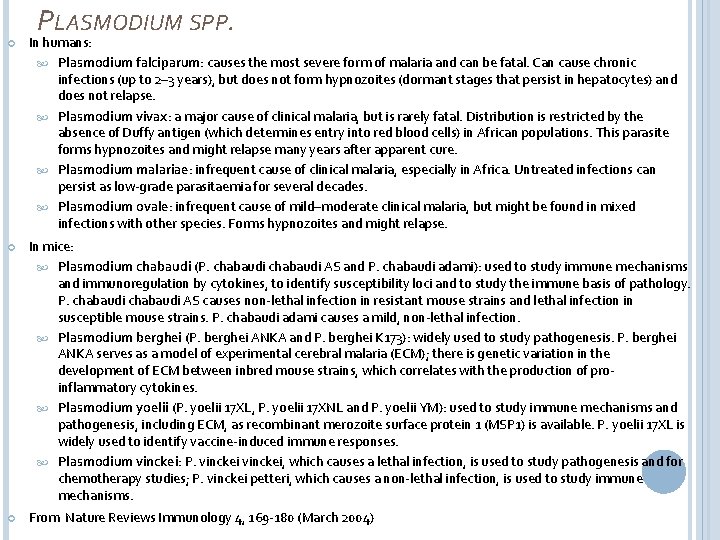
PLASMODIUM SPP. In humans: Plasmodium falciparum: causes the most severe form of malaria and can be fatal. Can cause chronic infections (up to 2– 3 years), but does not form hypnozoites (dormant stages that persist in hepatocytes) and does not relapse. Plasmodium vivax: a major cause of clinical malaria, but is rarely fatal. Distribution is restricted by the absence of Duffy antigen (which determines entry into red blood cells) in African populations. This parasite forms hypnozoites and might relapse many years after apparent cure. Plasmodium malariae: infrequent cause of clinical malaria, especially in Africa. Untreated infections can persist as low-grade parasitaemia for several decades. Plasmodium ovale: infrequent cause of mild–moderate clinical malaria, but might be found in mixed infections with other species. Forms hypnozoites and might relapse. In mice: Plasmodium chabaudi (P. chabaudi AS and P. chabaudi adami): used to study immune mechanisms and immunoregulation by cytokines, to identify susceptibility loci and to study the immune basis of pathology. P. chabaudi AS causes non-lethal infection in resistant mouse strains and lethal infection in susceptible mouse strains. P. chabaudi adami causes a mild, non-lethal infection. Plasmodium berghei (P. berghei ANKA and P. berghei K 173): widely used to study pathogenesis. P. berghei ANKA serves as a model of experimental cerebral malaria (ECM); there is genetic variation in the development of ECM between inbred mouse strains, which correlates with the production of proinflammatory cytokines. Plasmodium yoelii (P. yoelii 17 XL, P. yoelii 17 XNL and P. yoelii YM): used to study immune mechanisms and pathogenesis, including ECM, as recombinant merozoite surface protein 1 (MSP 1) is available. P. yoelii 17 XL is widely used to identify vaccine-induced immune responses. Plasmodium vinckei: P. vinckei, which causes a lethal infection, is used to study pathogenesis and for chemotherapy studies; P. vinckei petteri, which causes a non-lethal infection, is used to study immune mechanisms. From Nature Reviews Immunology 4, 169 -180 (March 2004)

PLASMODIUM SPP. : LIFE CYCLE DETERMINE DISEASE SEVERITY Exoerythrocytic schizogony and prepatent and incubation periods Prepatent period (days) Incubation period (days) Merozoite maturation (days) Merozoites produced P. falciparum P. vivax P. ovale P. malariae 6 -9 8 -12 10 -14 15 -18 7 -14 12 -17 16 -18 18 -40 5 -7 6 -8 9 12 -16 40, 000 15, 000 2000
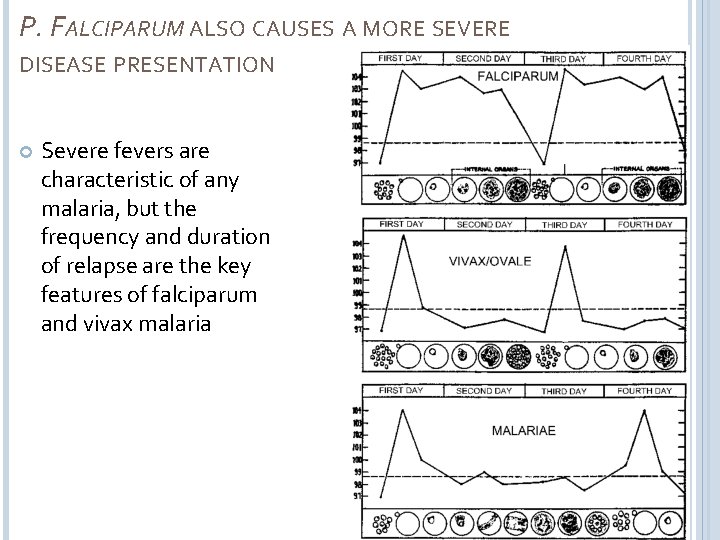
P. FALCIPARUM ALSO CAUSES A MORE SEVERE DISEASE PRESENTATION Severe fevers are characteristic of any malaria, but the frequency and duration of relapse are the key features of falciparum and vivax malaria
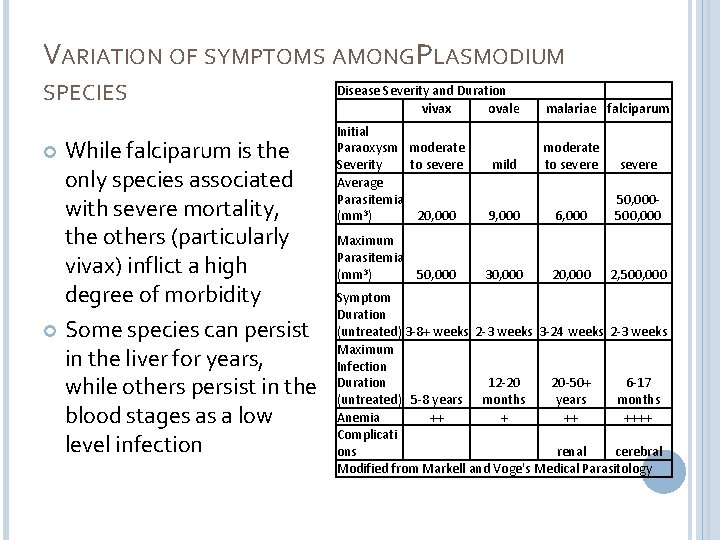
VARIATION OF SYMPTOMS AMONGPLASMODIUM SPECIES While falciparum is the only species associated with severe mortality, the others (particularly vivax) inflict a high degree of morbidity Some species can persist in the liver for years, while others persist in the blood stages as a low level infection Disease Severity and Duration vivax ovale Initial Paraoxysm moderate Severity to severe Average Parasitemia 20, 000 (mm 3) Maximum Parasitemia (mm 3) 50, 000 malariae falciparum moderate to severe 9, 000 6, 000 50, 000500, 000 30, 000 2, 500, 000 mild Symptom Duration (untreated) 3 -8+ weeks 2 -3 weeks 3 -24 weeks 2 -3 weeks Maximum Infection Duration 12 -20 20 -50+ 6 -17 (untreated) 5 -8 years months Anemia ++ ++++ Complicati ons renal cerebral Modified from Markell and Voge's Medical Parasitology
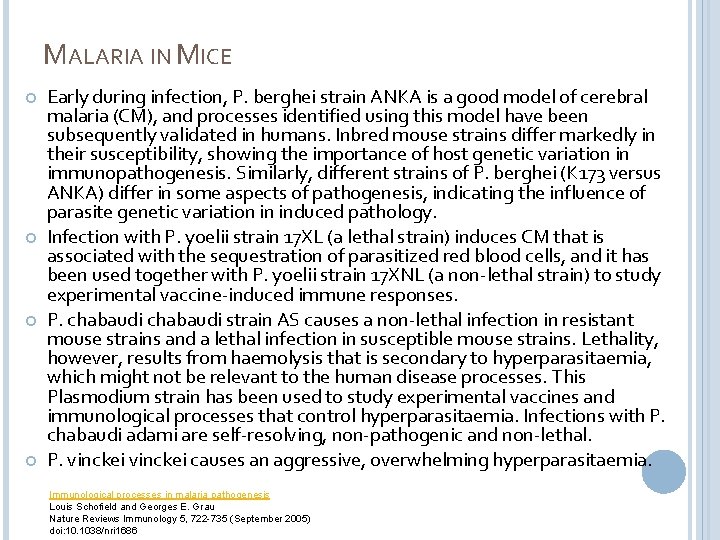
MALARIA IN MICE Early during infection, P. berghei strain ANKA is a good model of cerebral malaria (CM), and processes identified using this model have been subsequently validated in humans. Inbred mouse strains differ markedly in their susceptibility, showing the importance of host genetic variation in immunopathogenesis. Similarly, different strains of P. berghei (K 173 versus ANKA) differ in some aspects of pathogenesis, indicating the influence of parasite genetic variation in induced pathology. Infection with P. yoelii strain 17 XL (a lethal strain) induces CM that is associated with the sequestration of parasitized red blood cells, and it has been used together with P. yoelii strain 17 XNL (a non-lethal strain) to study experimental vaccine-induced immune responses. P. chabaudi strain AS causes a non-lethal infection in resistant mouse strains and a lethal infection in susceptible mouse strains. Lethality, however, results from haemolysis that is secondary to hyperparasitaemia, which might not be relevant to the human disease processes. This Plasmodium strain has been used to study experimental vaccines and immunological processes that control hyperparasitaemia. Infections with P. chabaudi adami are self-resolving, non-pathogenic and non-lethal. P. vinckei causes an aggressive, overwhelming hyperparasitaemia. Immunological processes in malaria pathogenesis Louis Schofield and Georges E. Grau Nature Reviews Immunology 5, 722 -735 (September 2005) doi: 10. 1038/nri 1686
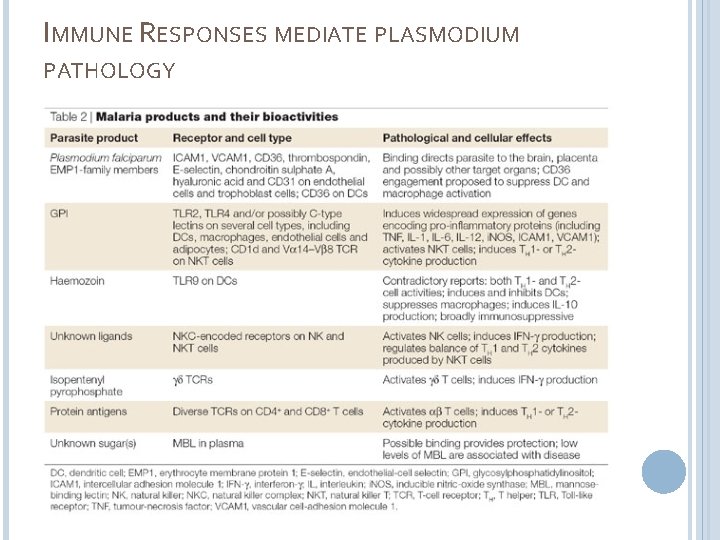
IMMUNE RESPONSES MEDIATE PLASMODIUM PATHOLOGY
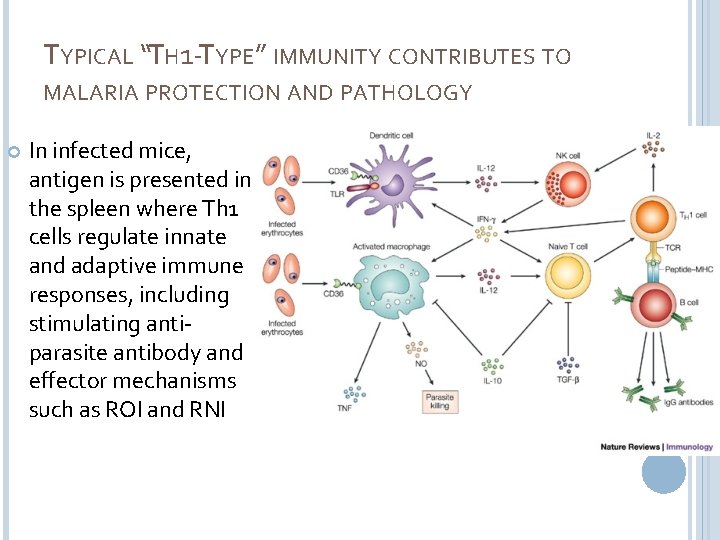
TYPICAL “TH 1 -TYPE” IMMUNITY CONTRIBUTES TO MALARIA PROTECTION AND PATHOLOGY In infected mice, antigen is presented in the spleen where Th 1 cells regulate innate and adaptive immune responses, including stimulating antiparasite antibody and effector mechanisms such as ROI and RNI
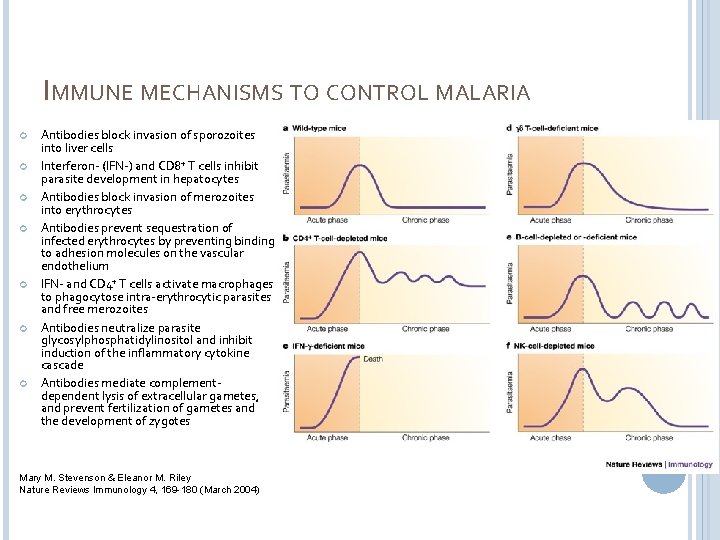
IMMUNE MECHANISMS TO CONTROL MALARIA Antibodies block invasion of sporozoites into liver cells Interferon- (IFN-) and CD 8 + T cells inhibit parasite development in hepatocytes Antibodies block invasion of merozoites into erythrocytes Antibodies prevent sequestration of infected erythrocytes by preventing binding to adhesion molecules on the vascular endothelium IFN- and CD 4+ T cells activate macrophages to phagocytose intra-erythrocytic parasites and free merozoites Antibodies neutralize parasite glycosylphosphatidylinositol and inhibit induction of the inflammatory cytokine cascade Antibodies mediate complementdependent lysis of extracellular gametes, and prevent fertilization of gametes and the development of zygotes Mary M. Stevenson & Eleanor M. Riley Nature Reviews Immunology 4, 169 -180 (March 2004)
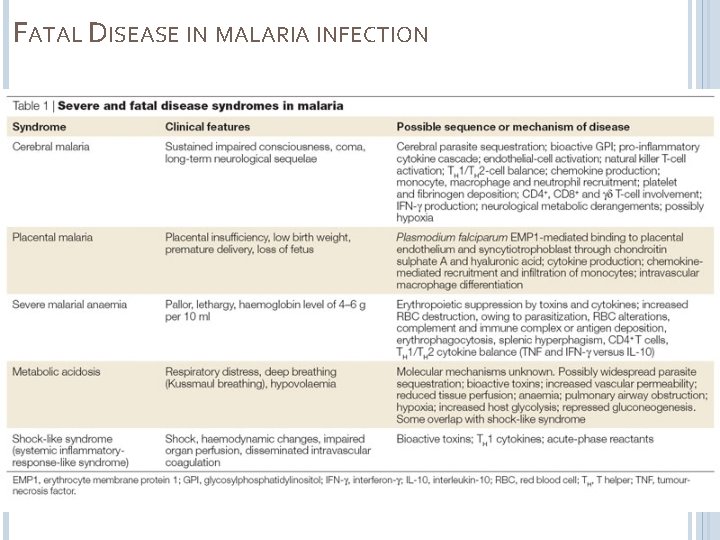
FATAL DISEASE IN MALARIA INFECTION
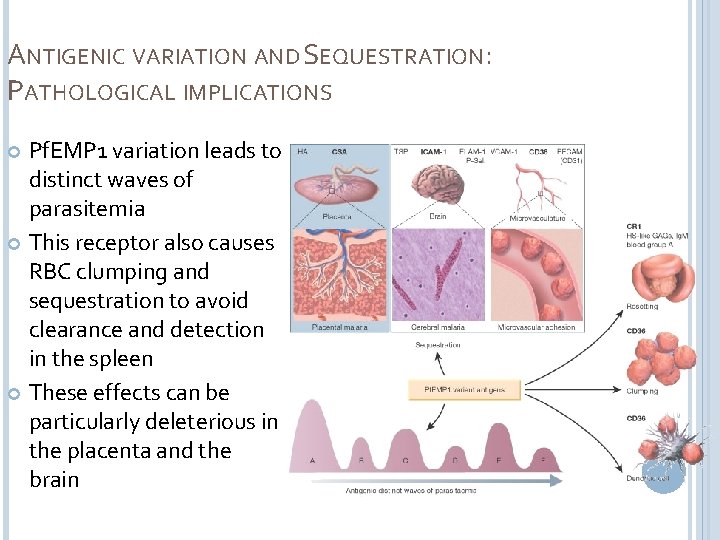
ANTIGENIC VARIATION AND SEQUESTRATION: PATHOLOGICAL IMPLICATIONS Pf. EMP 1 variation leads to distinct waves of parasitemia This receptor also causes RBC clumping and sequestration to avoid clearance and detection in the spleen These effects can be particularly deleterious in the placenta and the brain
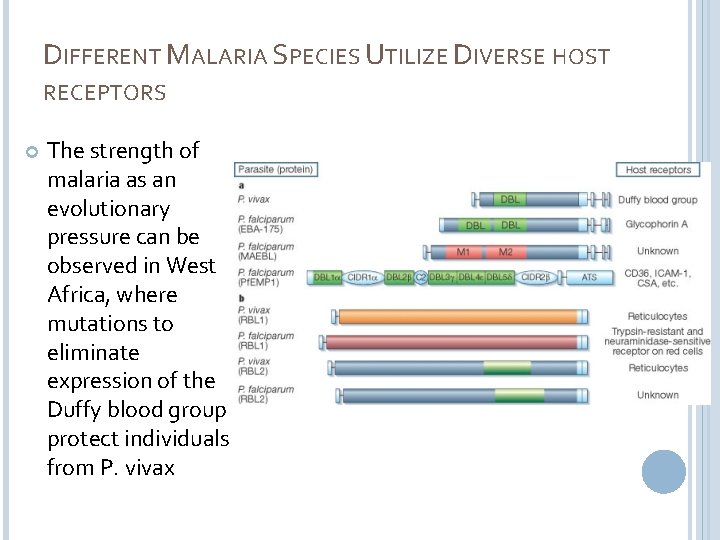
DIFFERENT MALARIA SPECIES UTILIZE DIVERSE HOST RECEPTORS The strength of malaria as an evolutionary pressure can be observed in West Africa, where mutations to eliminate expression of the Duffy blood group protect individuals from P. vivax
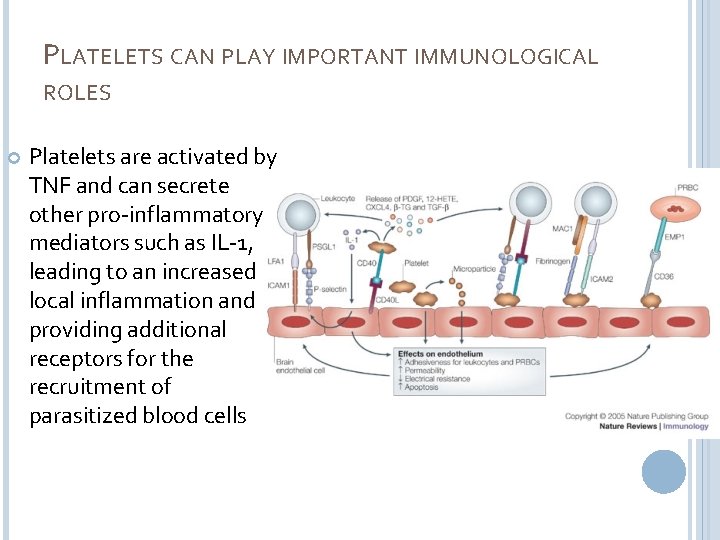
PLATELETS CAN PLAY IMPORTANT IMMUNOLOGICAL ROLES Platelets are activated by TNF and can secrete other pro-inflammatory mediators such as IL-1, leading to an increased local inflammation and providing additional receptors for the recruitment of parasitized blood cells
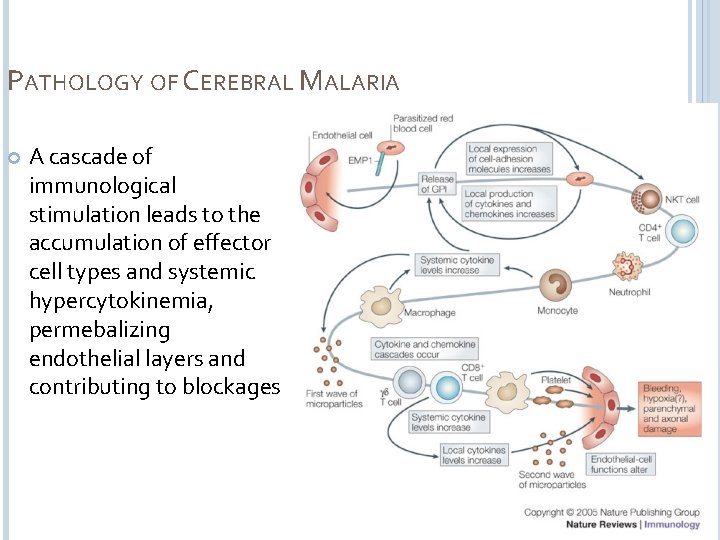
PATHOLOGY OF CEREBRAL MALARIA A cascade of immunological stimulation leads to the accumulation of effector cell types and systemic hypercytokinemia, permebalizing endothelial layers and contributing to blockages
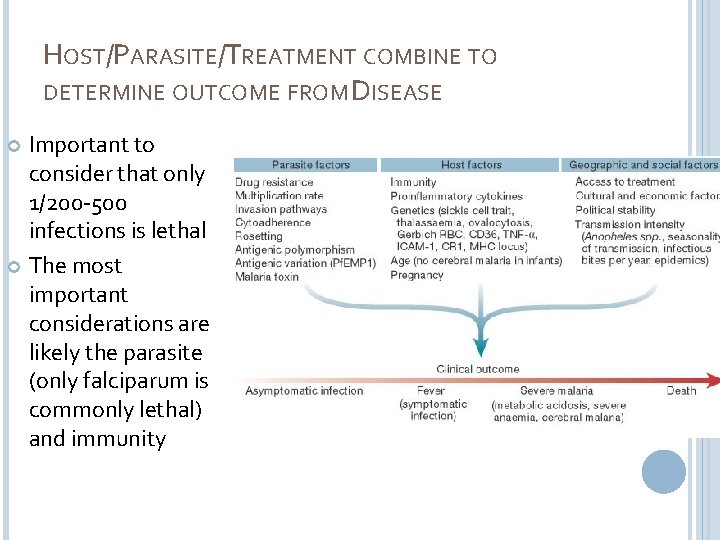
HOST/PARASITE/TREATMENT COMBINE TO DETERMINE OUTCOME FROM DISEASE Important to consider that only 1/200 -500 infections is lethal The most important considerations are likely the parasite (only falciparum is commonly lethal) and immunity
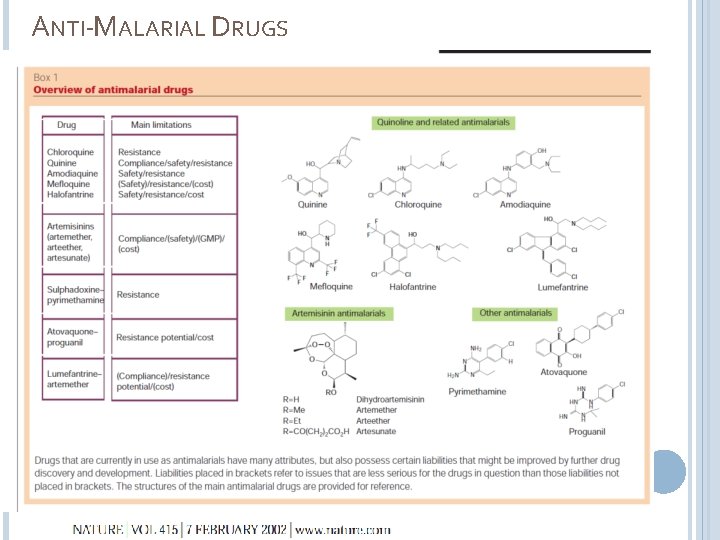
ANTI-MALARIAL DRUGS
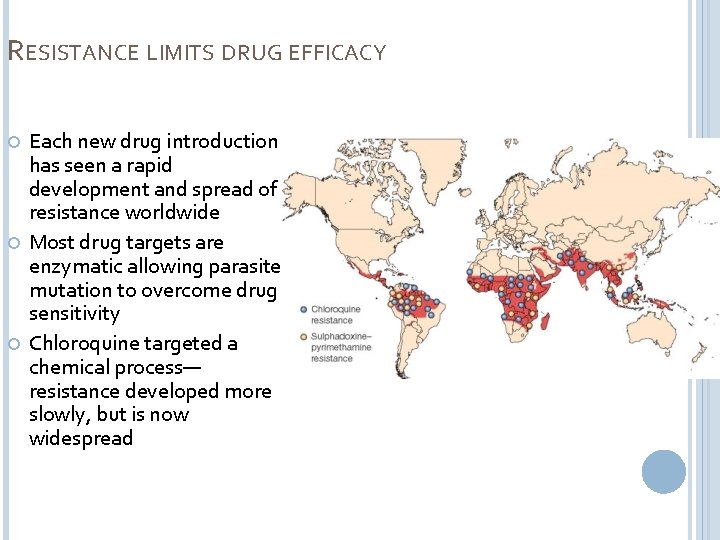
RESISTANCE LIMITS DRUG EFFICACY Each new drug introduction has seen a rapid development and spread of resistance worldwide Most drug targets are enzymatic allowing parasite mutation to overcome drug sensitivity Chloroquine targeted a chemical process— resistance developed more slowly, but is now widespread
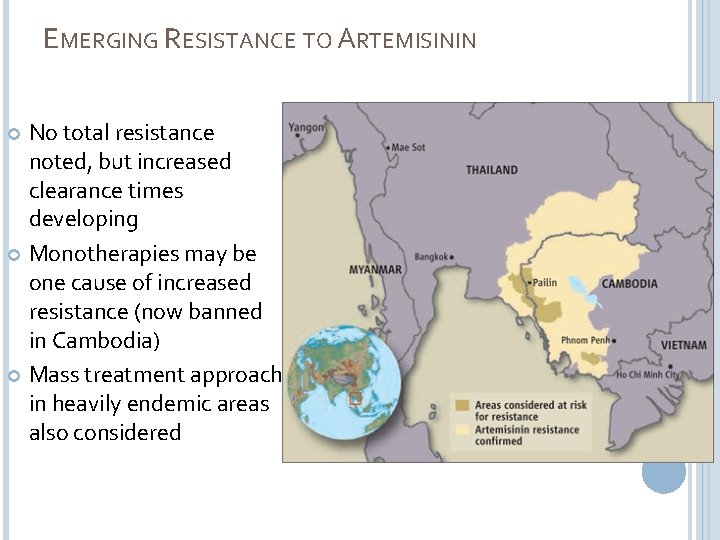
EMERGING RESISTANCE TO ARTEMISININ No total resistance noted, but increased clearance times developing Monotherapies may be one cause of increased resistance (now banned in Cambodia) Mass treatment approach in heavily endemic areas also considered
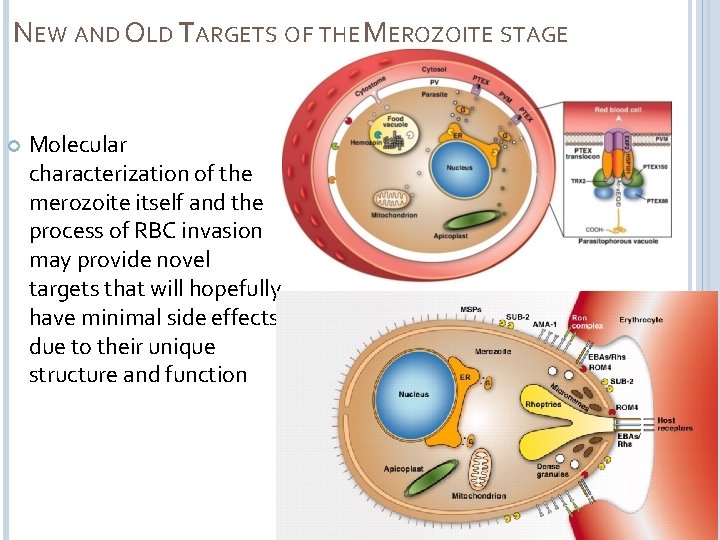
NEW AND OLD TARGETS OF THE MEROZOITE STAGE Molecular characterization of the merozoite itself and the process of RBC invasion may provide novel targets that will hopefully have minimal side effects due to their unique structure and function
VECTOR CONTROL Vector control efforts range from basic bed nets, to spraying insecticides externally and on house walls, to more sophisticated “vector engineering” efforts to produce malaria-resistant mosquitoes, among many others Math modeling of infectious spread has led to some hypotheses about which of these methods are the most effective (bed nets, house wall spraying) and which are unlikely to be effective (releasing resistant mosquitoes)
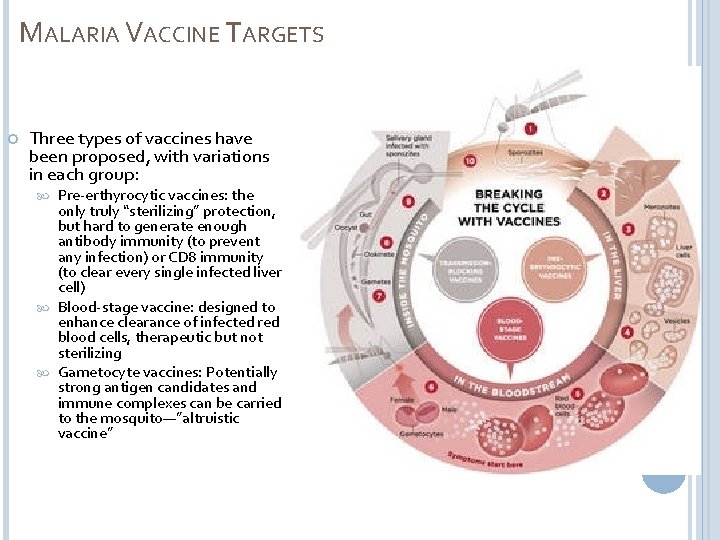
MALARIA VACCINE TARGETS Three types of vaccines have been proposed, with variations in each group: Pre-erthyrocytic vaccines: the only truly “sterilizing” protection, but hard to generate enough antibody immunity (to prevent any infection) or CD 8 immunity (to clear every single infected liver cell) Blood-stage vaccine: designed to enhance clearance of infected red blood cells, therapeutic but not sterilizing Gametocyte vaccines: Potentially strong antigen candidates and immune complexes can be carried to the mosquito—”altruistic vaccine”
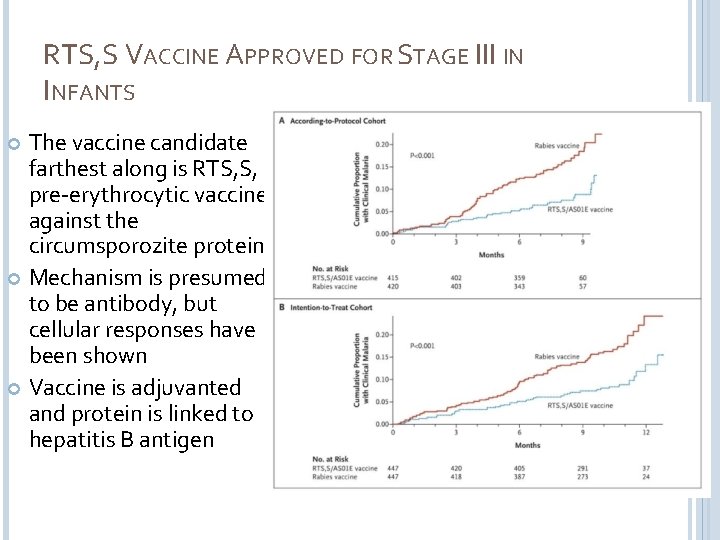
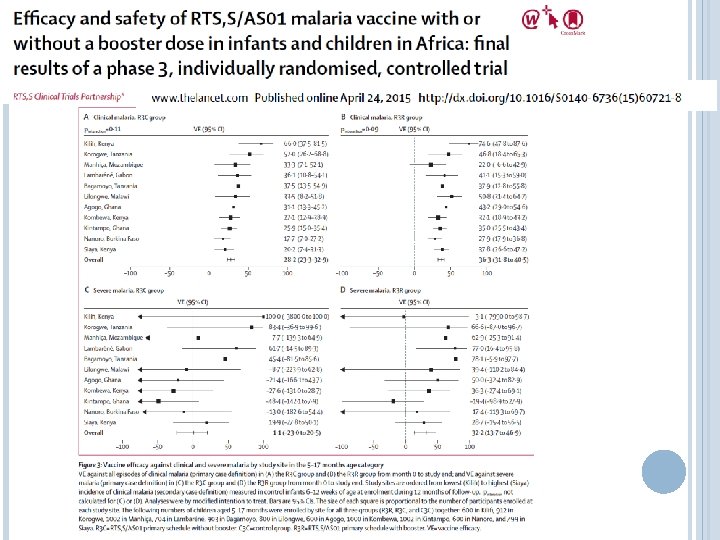
RTS, S VACCINE APPROVED FOR STAGE III IN INFANTS The vaccine candidate farthest along is RTS, S, a pre-erythrocytic vaccine against the circumsporozite protein Mechanism is presumed to be antibody, but cellular responses have been shown Vaccine is adjuvanted and protein is linked to hepatitis B antigen
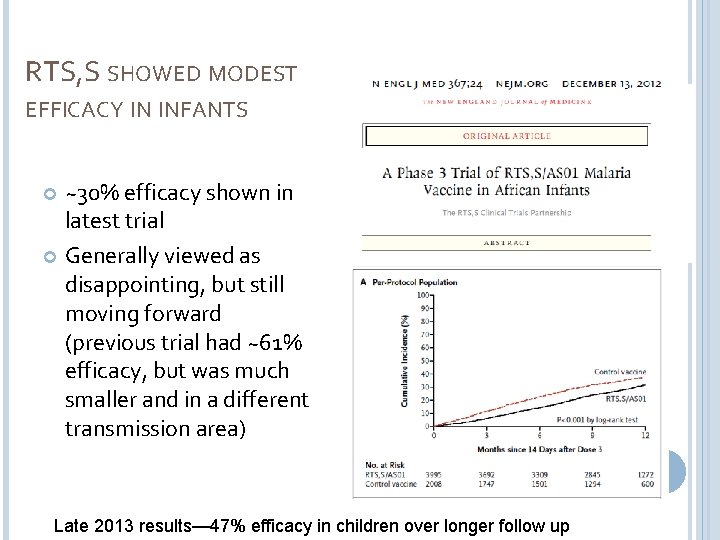
RTS, S SHOWED MODEST EFFICACY IN INFANTS ~30% efficacy shown in latest trial Generally viewed as disappointing, but still moving forward (previous trial had ~61% efficacy, but was much smaller and in a different transmission area) Late 2013 results— 47% efficacy in children over longer follow up
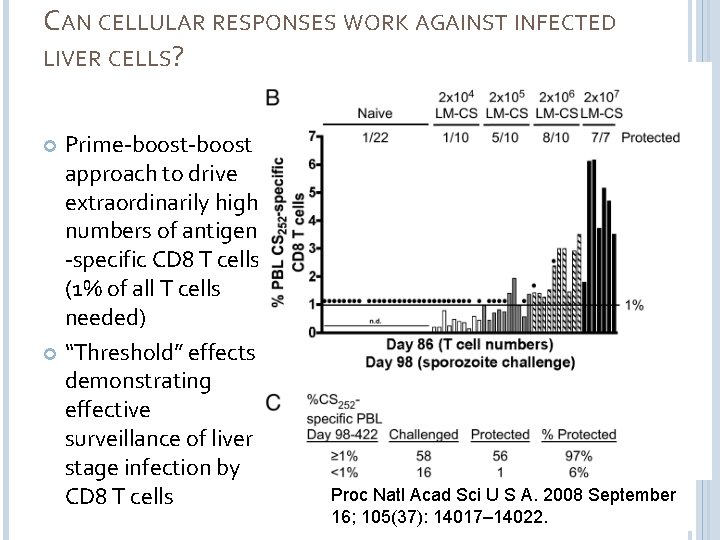
CAN CELLULAR RESPONSES WORK AGAINST INFECTED LIVER CELLS? Prime-boost approach to drive extraordinarily high numbers of antigen -specific CD 8 T cells (1% of all T cells needed) “Threshold” effects demonstrating effective surveillance of liver stage infection by CD 8 T cells Proc Natl Acad Sci U S A. 2008 September 16; 105(37): 14017– 14022.
MATH MODELING AND MALARIA Transmission models have contributed substantially to the understanding of malaria control Within host modeling is crucial to determine the potential efficacy of the three types of vaccine candidates The “threshold” effects of malaria infection (immunity is helpful in endemic regions, but requires frequent low grade re-infection) are particularly suited to a quantitative approach
IMMUNE CONTROL OF MYCOBACTERIUM TUBERCULOSIS
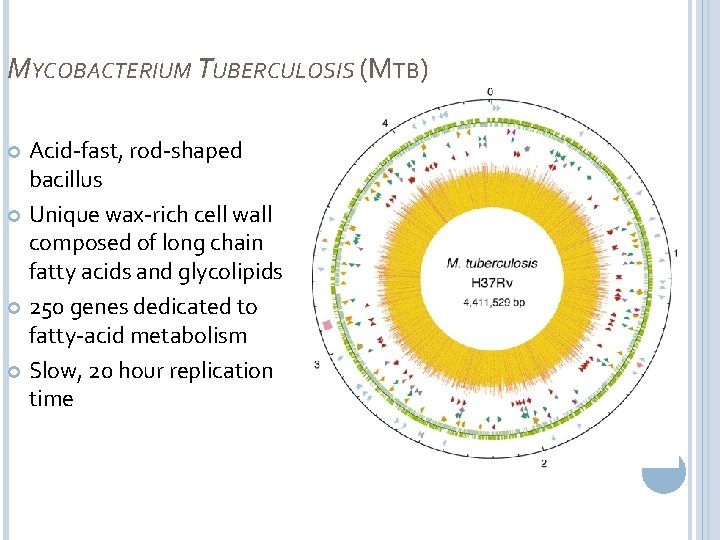
MYCOBACTERIUM TUBERCULOSIS (MTB) Acid-fast, rod-shaped bacillus Unique wax-rich cell wall composed of long chain fatty acids and glycolipids 250 genes dedicated to fatty-acid metabolism Slow, 20 hour replication time
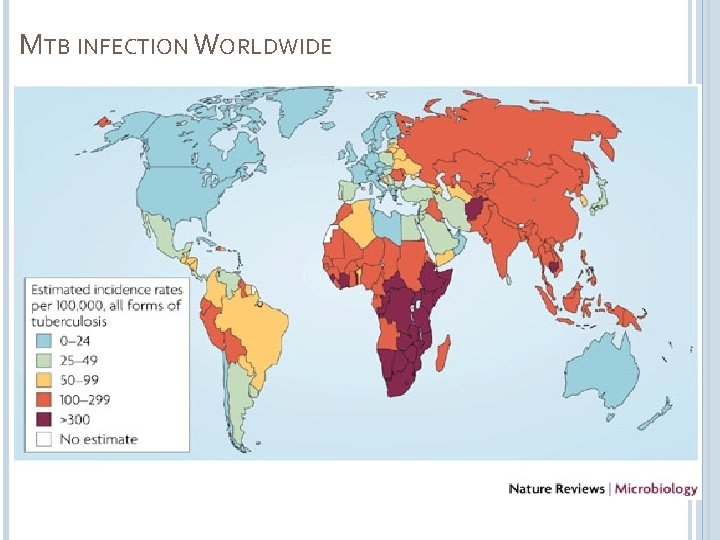
MTB INFECTION WORLDWIDE
MTB IMPACT 2. 2 million deaths/year Burden of diseases in DALY (disability-adjusted life years) Total Disability Adjusted Life Years: 45 million (3. 1%). 2 billion individuals infected with M. tuberculosis 10% risk of developing disease following infection Untreated, disease mortality is 50% 8 million new tuberculosis cases per year (1 new case every 4 seconds) 10– 15 individuals infected annually by a single untreated patient
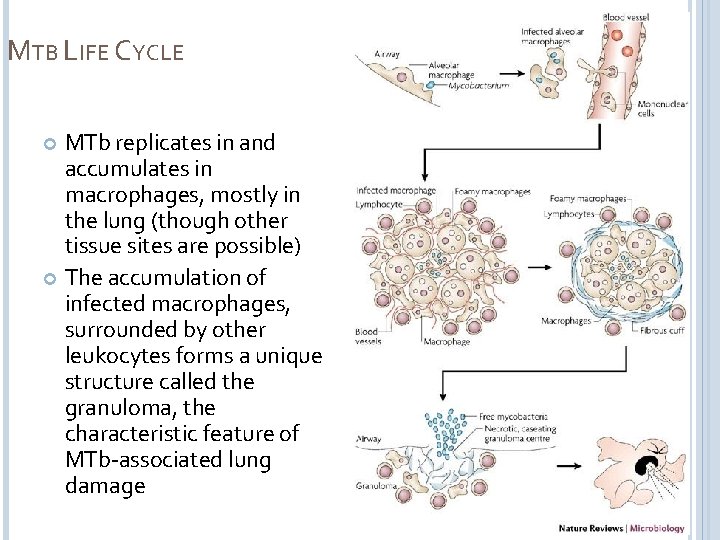
MTB LIFE CYCLE MTb replicates in and accumulates in macrophages, mostly in the lung (though other tissue sites are possible) The accumulation of infected macrophages, surrounded by other leukocytes forms a unique structure called the granuloma, the characteristic feature of MTb-associated lung damage
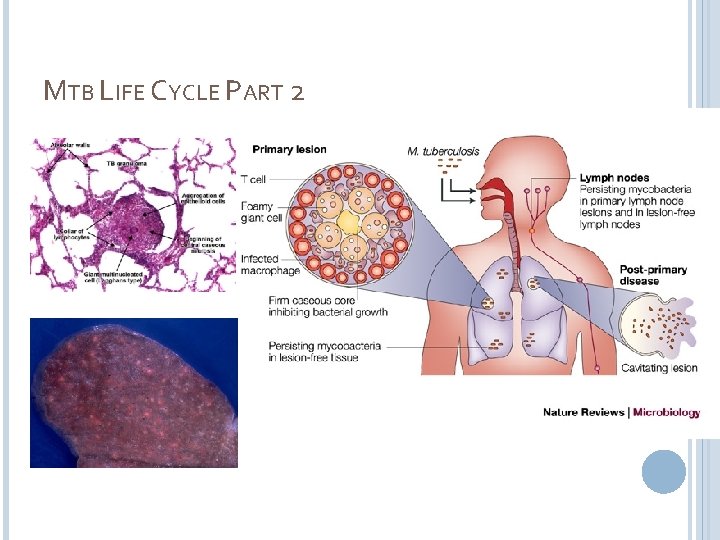
MTB LIFE CYCLE PART 2
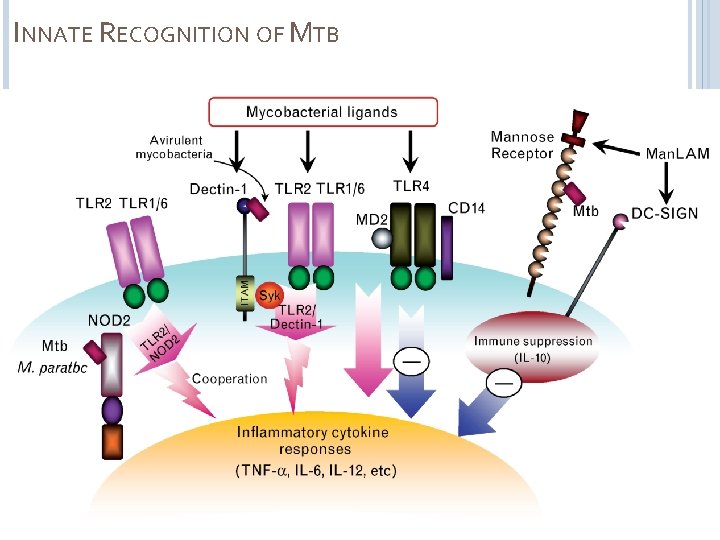
INNATE RECOGNITION OF MTB
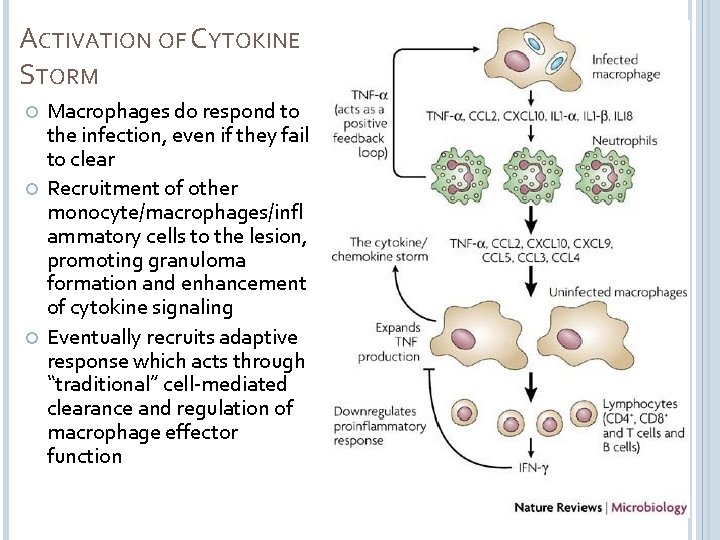
ACTIVATION OF CYTOKINE STORM Macrophages do respond to the infection, even if they fail to clear Recruitment of other monocyte/macrophages/infl ammatory cells to the lesion, promoting granuloma formation and enhancement of cytokine signaling Eventually recruits adaptive response which acts through “traditional” cell-mediated clearance and regulation of macrophage effector function
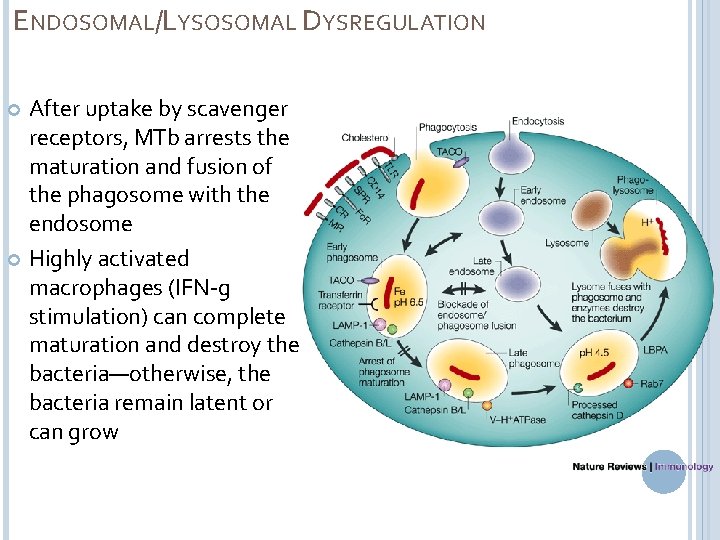
ENDOSOMAL/LYSOSOMAL DYSREGULATION After uptake by scavenger receptors, MTb arrests the maturation and fusion of the phagosome with the endosome Highly activated macrophages (IFN-g stimulation) can complete maturation and destroy the bacteria—otherwise, the bacteria remain latent or can grow
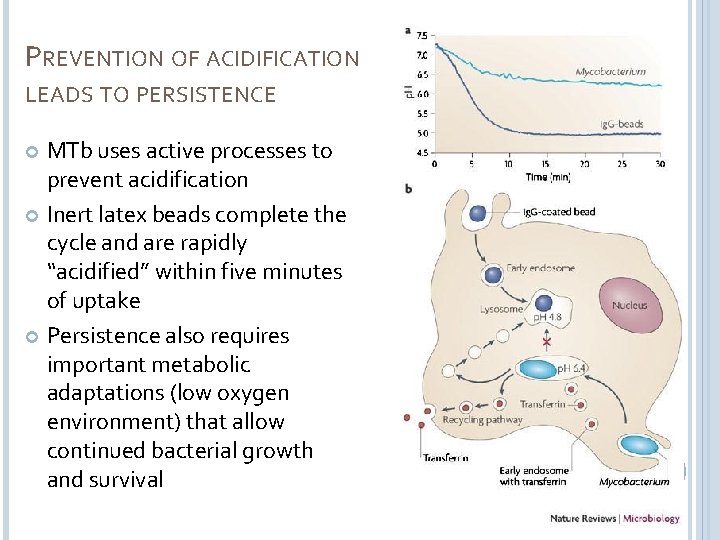
PREVENTION OF ACIDIFICATION LEADS TO PERSISTENCE MTb uses active processes to prevent acidification Inert latex beads complete the cycle and are rapidly “acidified” within five minutes of uptake Persistence also requires important metabolic adaptations (low oxygen environment) that allow continued bacterial growth and survival
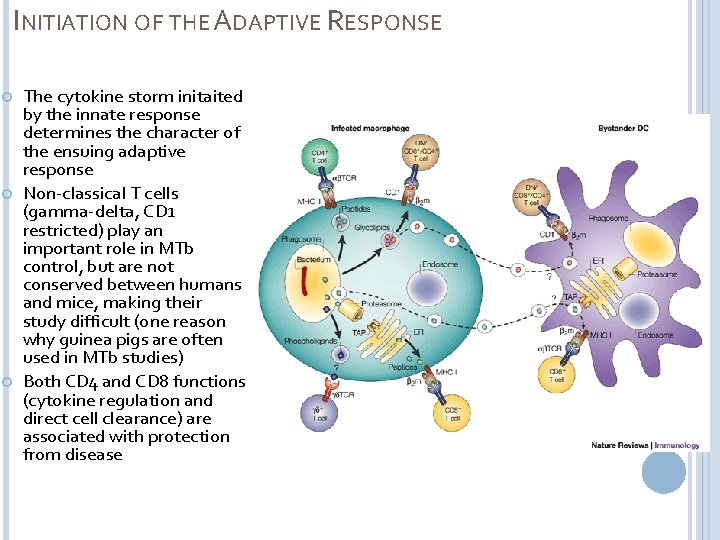
INITIATION OF THE ADAPTIVE RESPONSE The cytokine storm initaited by the innate response determines the character of the ensuing adaptive response Non-classical T cells (gamma-delta, CD 1 restricted) play an important role in MTb control, but are not conserved between humans and mice, making their study difficult (one reason why guinea pigs are often used in MTb studies) Both CD 4 and CD 8 functions (cytokine regulation and direct cell clearance) are associated with protection from disease
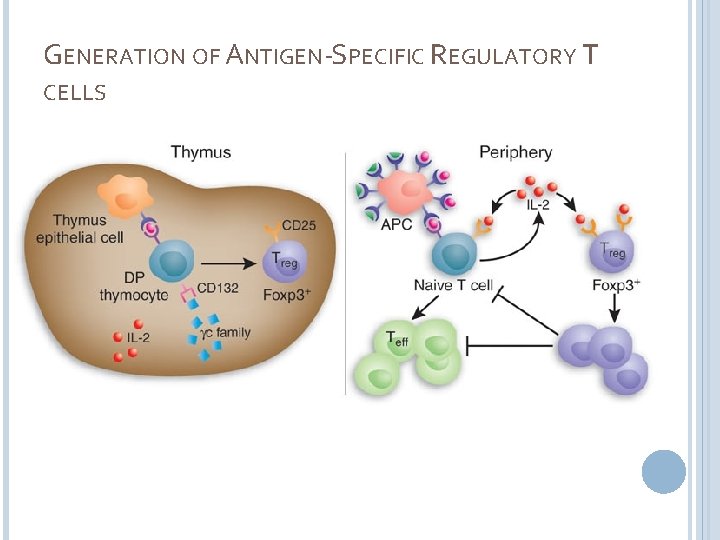
GENERATION OF ANTIGEN-SPECIFIC REGULATORY T CELLS
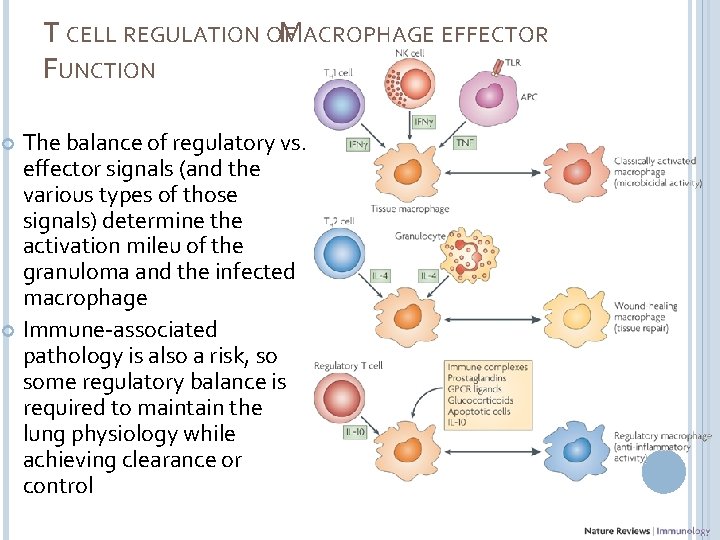
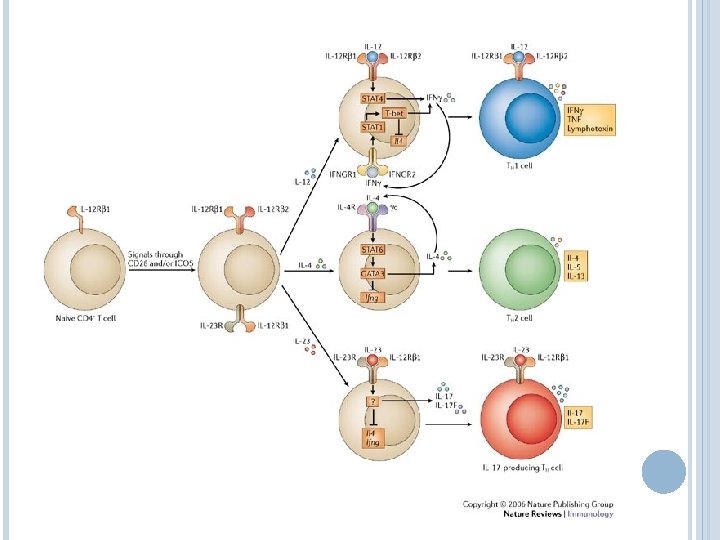
T CELL REGULATION OF MACROPHAGE EFFECTOR FUNCTION The balance of regulatory vs. effector signals (and the various types of those signals) determine the activation mileu of the granuloma and the infected macrophage Immune-associated pathology is also a risk, so some regulatory balance is required to maintain the lung physiology while achieving clearance or control
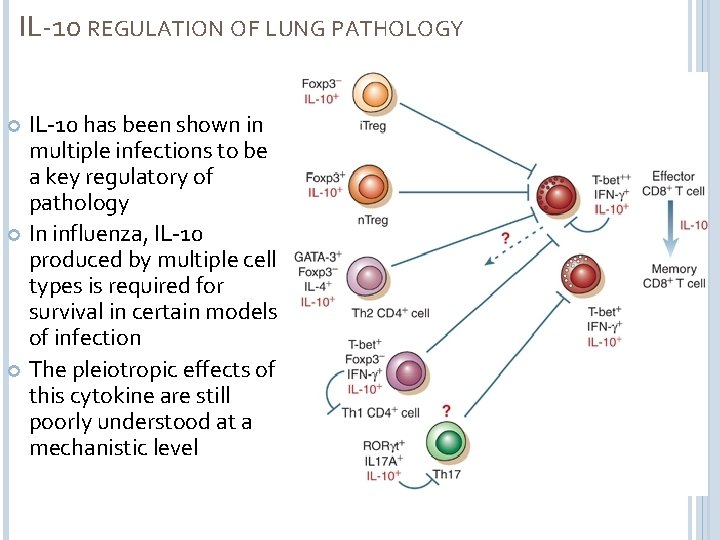
IL-10 REGULATION OF LUNG PATHOLOGY IL-10 has been shown in multiple infections to be a key regulatory of pathology In influenza, IL-10 produced by multiple cell types is required for survival in certain models of infection The pleiotropic effects of this cytokine are still poorly understood at a mechanistic level
CONTROL OF MTB
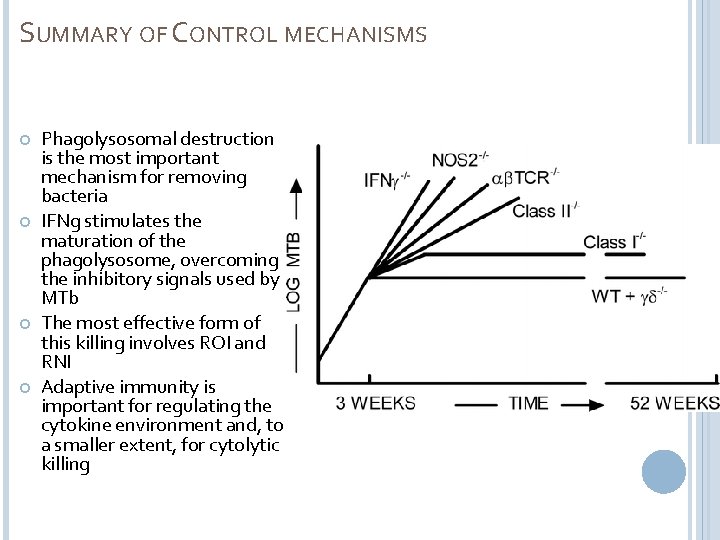
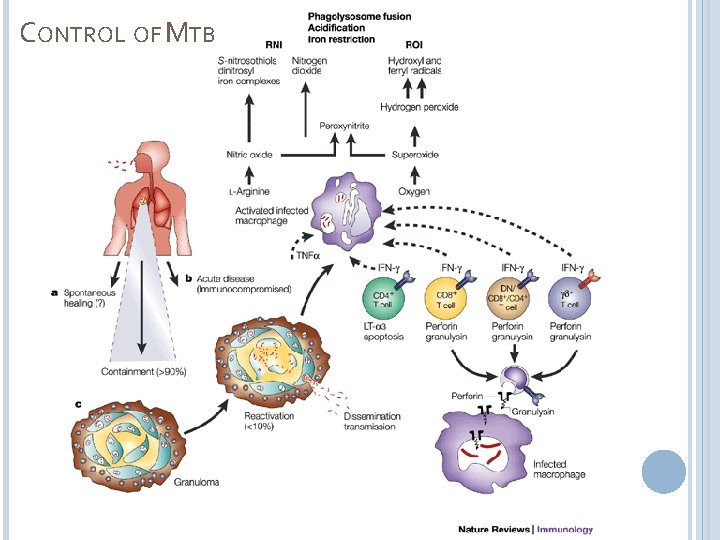
SUMMARY OF CONTROL MECHANISMS Phagolysosomal destruction is the most important mechanism for removing bacteria IFNg stimulates the maturation of the phagolysosome, overcoming the inhibitory signals used by MTb The most effective form of this killing involves ROI and RNI Adaptive immunity is important for regulating the cytokine environment and, to a smaller extent, for cytolytic killing
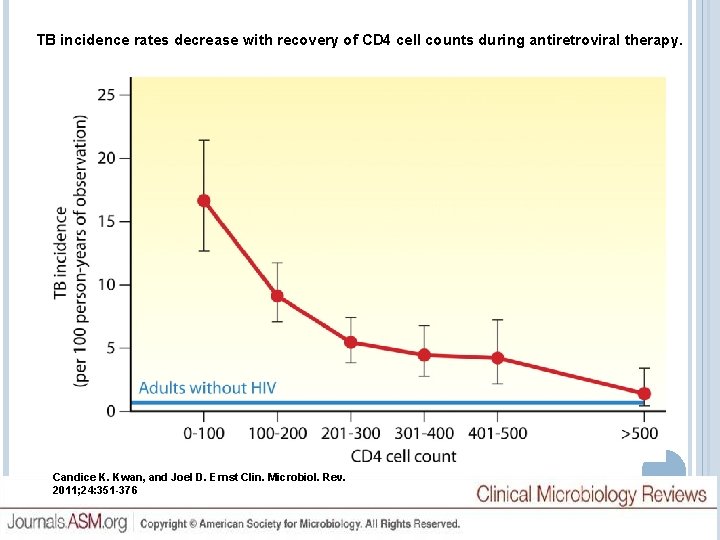
TB incidence rates decrease with recovery of CD 4 cell counts during antiretroviral therapy. Candice K. Kwan, and Joel D. Ernst Clin. Microbiol. Rev. 2011; 24: 351 -376
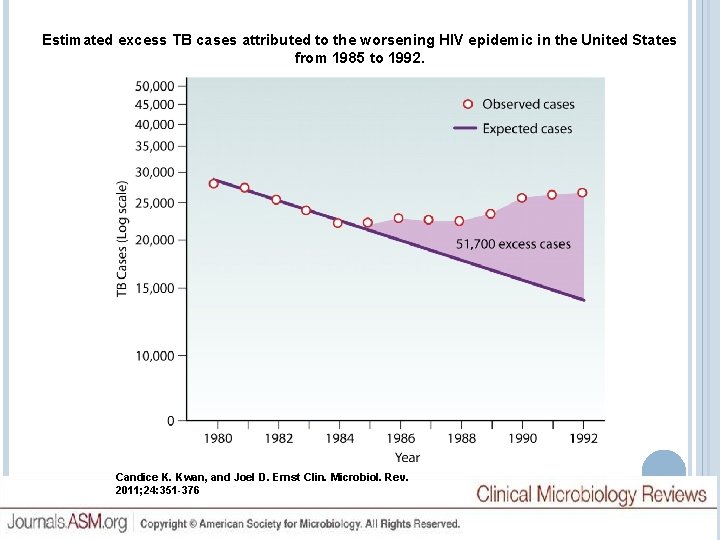
Estimated excess TB cases attributed to the worsening HIV epidemic in the United States from 1985 to 1992. Candice K. Kwan, and Joel D. Ernst Clin. Microbiol. Rev. 2011; 24: 351 -376
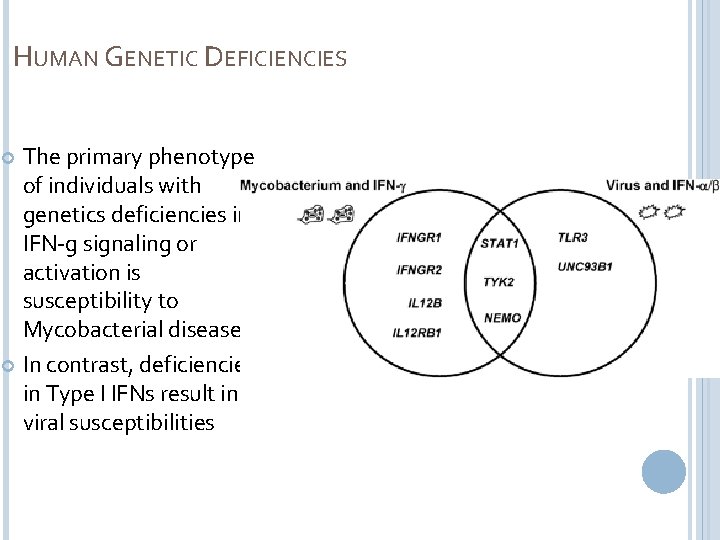
HUMAN GENETIC DEFICIENCIES The primary phenotype of individuals with genetics deficiencies in IFN-g signaling or activation is susceptibility to Mycobacterial disease In contrast, deficiencies in Type I IFNs result in viral susceptibilities
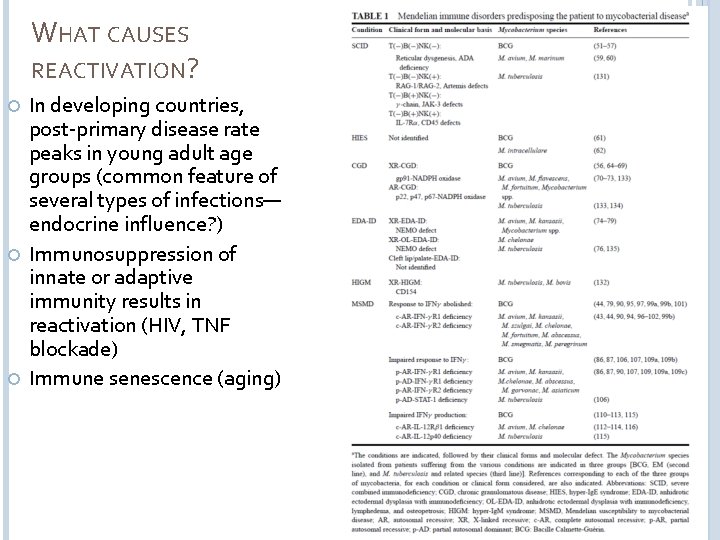
WHAT CAUSES REACTIVATION? In developing countries, post-primary disease rate peaks in young adult age groups (common feature of several types of infections— endocrine influence? ) Immunosuppression of innate or adaptive immunity results in reactivation (HIV, TNF blockade) Immune senescence (aging)
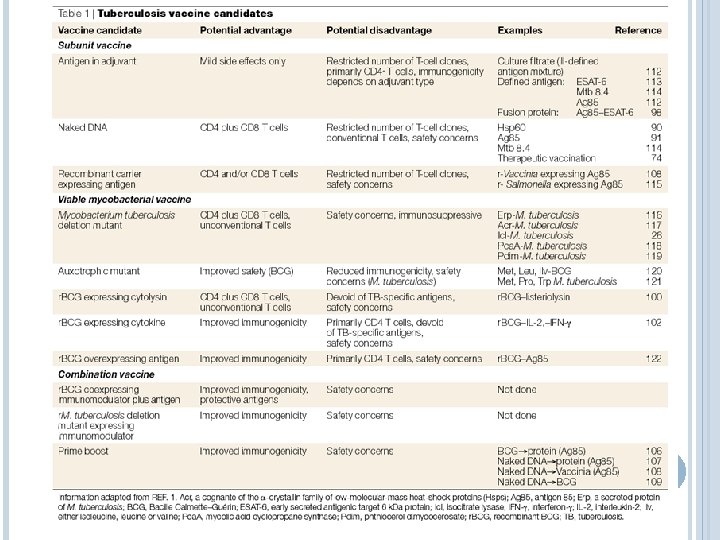
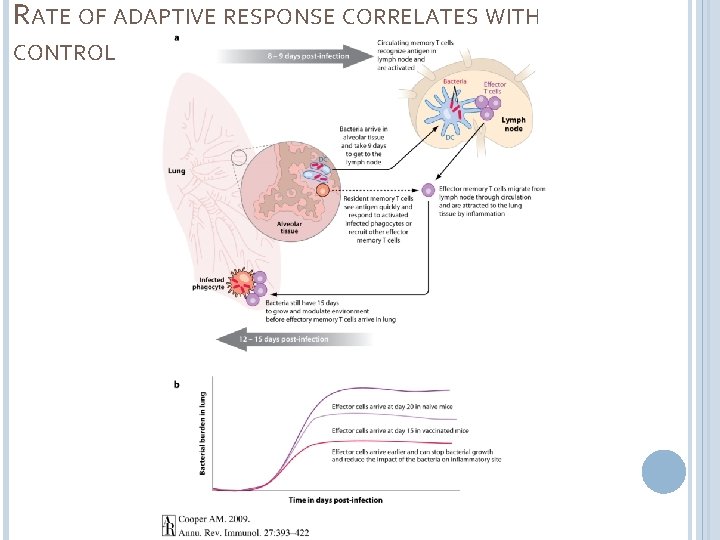
RATE OF ADAPTIVE RESPONSE CORRELATES WITH CONTROL
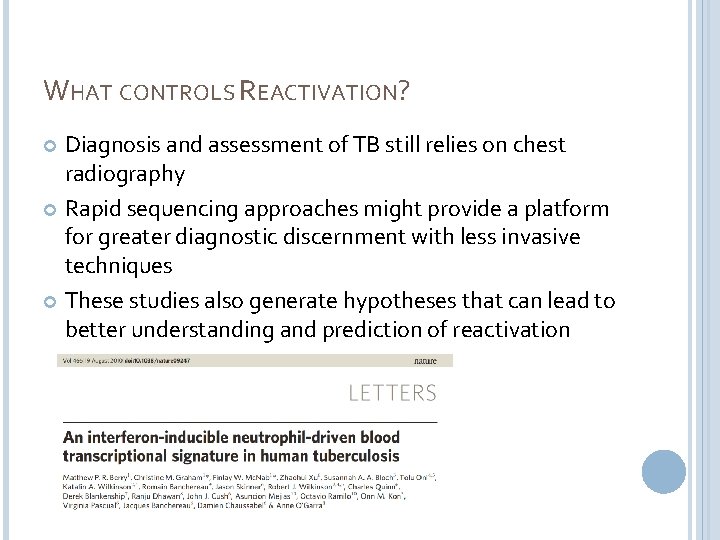
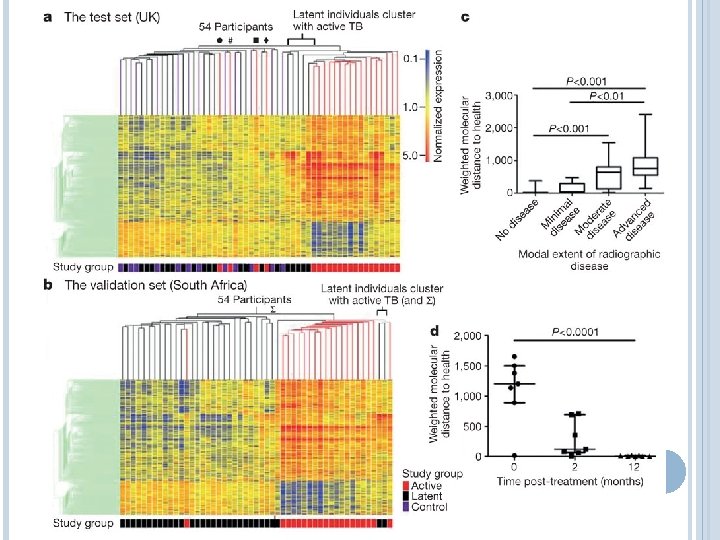
WHAT CONTROLS REACTIVATION? Diagnosis and assessment of TB still relies on chest radiography Rapid sequencing approaches might provide a platform for greater diagnostic discernment with less invasive techniques These studies also generate hypotheses that can lead to better understanding and prediction of reactivation
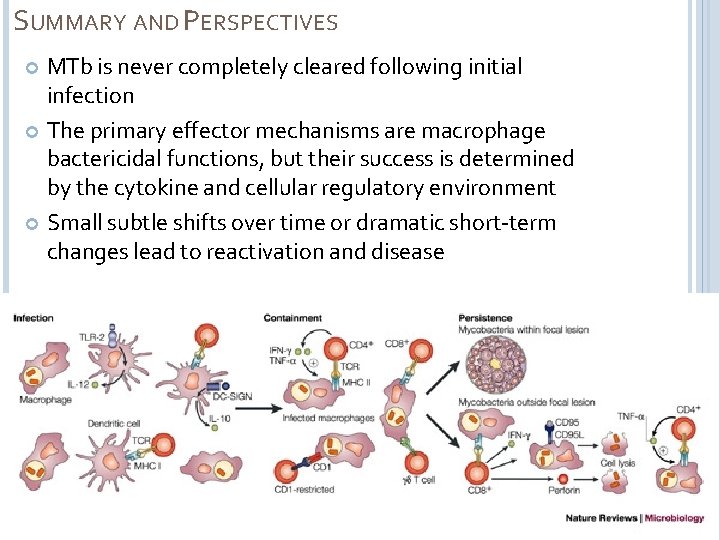
SUMMARY AND PERSPECTIVES MTb is never completely cleared following initial infection The primary effector mechanisms are macrophage bactericidal functions, but their success is determined by the cytokine and cellular regulatory environment Small subtle shifts over time or dramatic short-term changes lead to reactivation and disease
- Slides: 54