
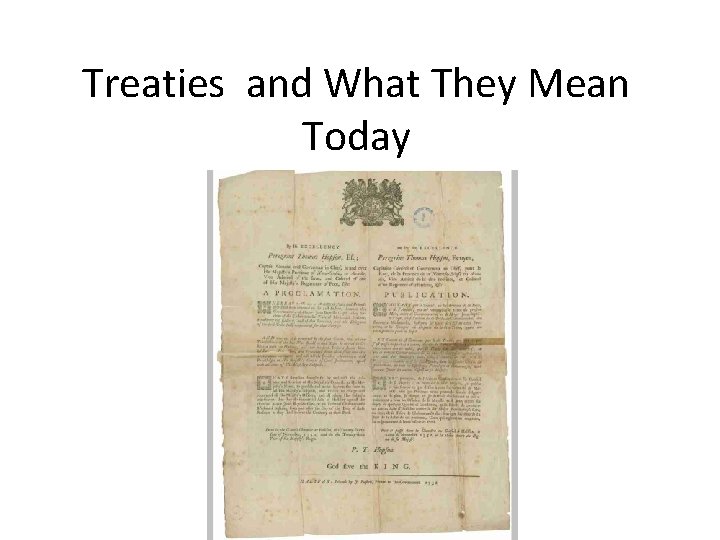
Treaties and What They Mean Today Treaties are
- Slides: 18
Treaties and What They Mean Today
Treaties: are agreements that set out long-standing promises, mutual obligations and benefits for both parties. The British Crown first began entering into treaties to end hostilities and encourage cooperation between the British and First Nations.
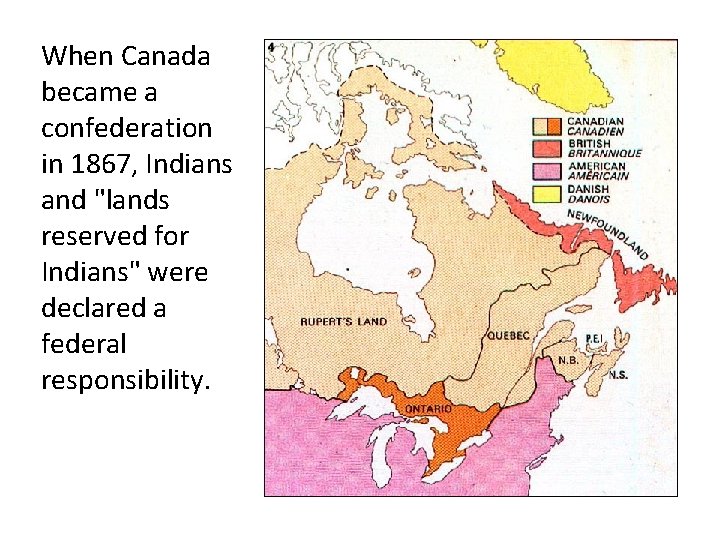
When Canada became a confederation in 1867, Indians and "lands reserved for Indians" were declared a federal responsibility.
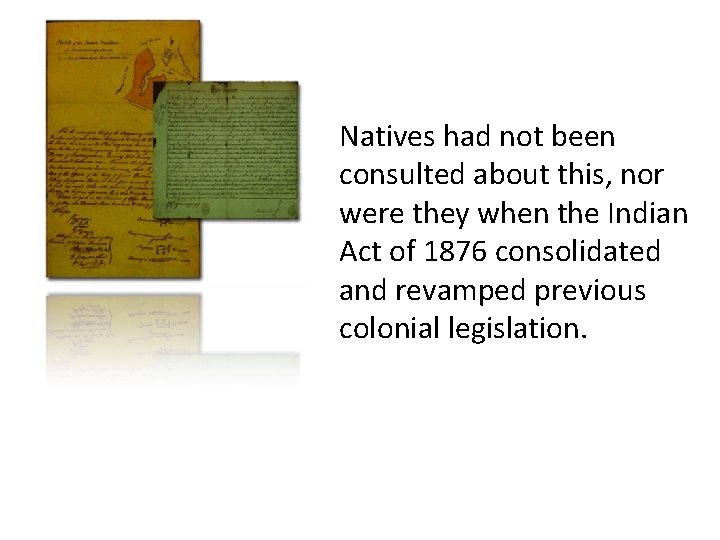
Natives had not been consulted about this, nor were they when the Indian Act of 1876 consolidated and revamped previous colonial legislation.
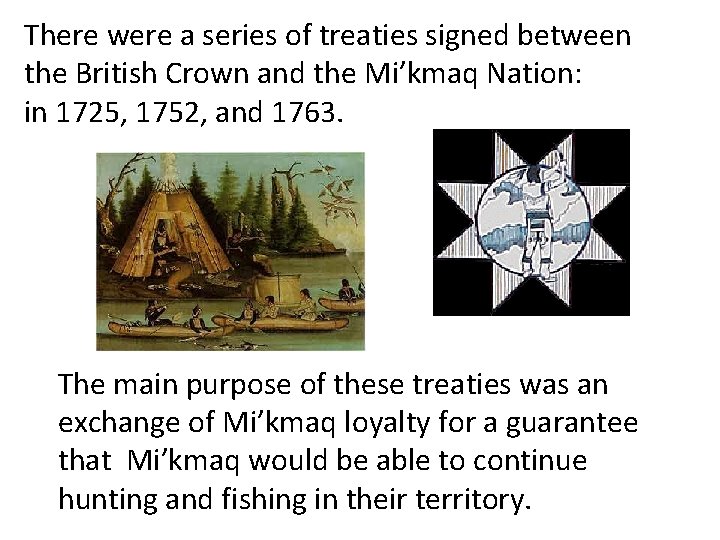
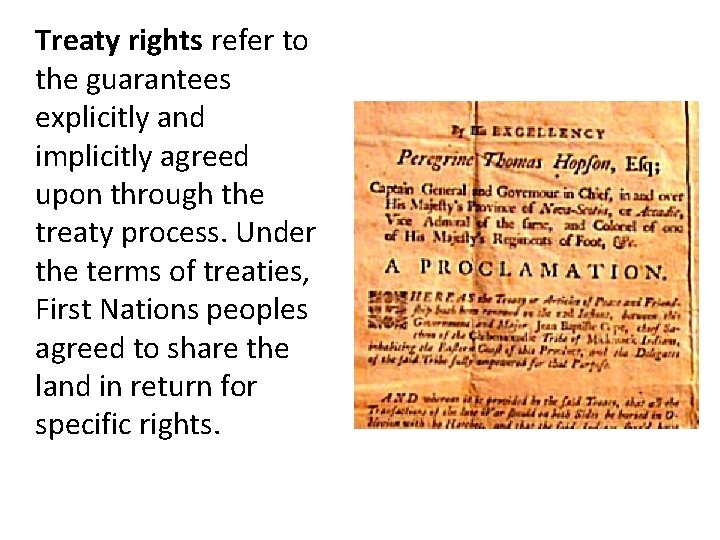
There were a series of treaties signed between the British Crown and the Mi’kmaq Nation: in 1725, 1752, and 1763. The main purpose of these treaties was an exchange of Mi’kmaq loyalty for a guarantee that Mi’kmaq would be able to continue hunting and fishing in their territory.
These treaties have been recognized by the Supreme Court of Canada as legal and binding through its decisions in cases that have extended well into the present century.
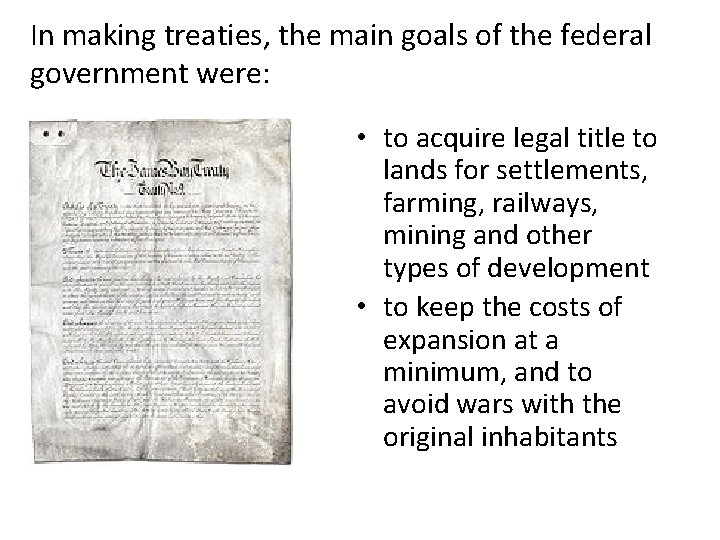
In making treaties, the main goals of the federal government were: • to acquire legal title to lands for settlements, farming, railways, mining and other types of development • to keep the costs of expansion at a minimum, and to avoid wars with the original inhabitants
"Indian rights to land, resources, culture, language, a livelihood and self-government are not something conferred by treaties or offered to Indians as concessions by a beneficent government. These are the rights which Indian Nations enjoy from time immemorial. These rights are preexisting and inviolable. A Canadian constitution can accommodate Indian rights, it cannot diminish, alter or eliminate them. " Soifer, (1992)
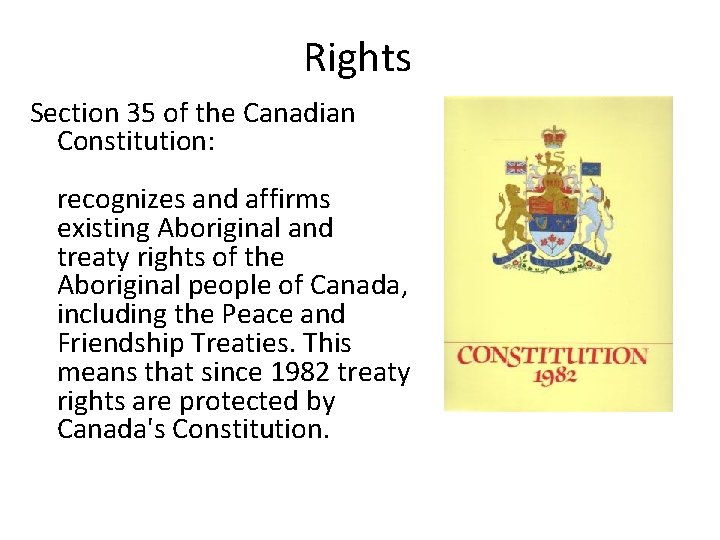
Rights Section 35 of the Canadian Constitution: recognizes and affirms existing Aboriginal and treaty rights of the Aboriginal people of Canada, including the Peace and Friendship Treaties. This means that since 1982 treaty rights are protected by Canada's Constitution.
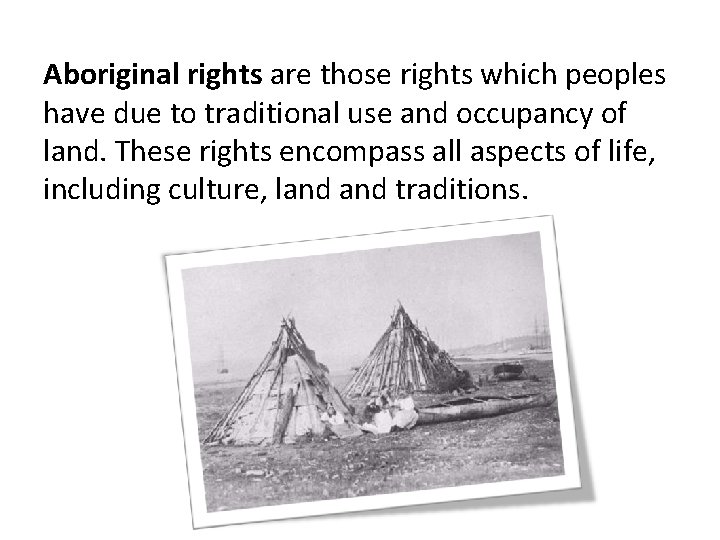
Aboriginal rights are those rights which peoples have due to traditional use and occupancy of land. These rights encompass all aspects of life, including culture, land traditions.
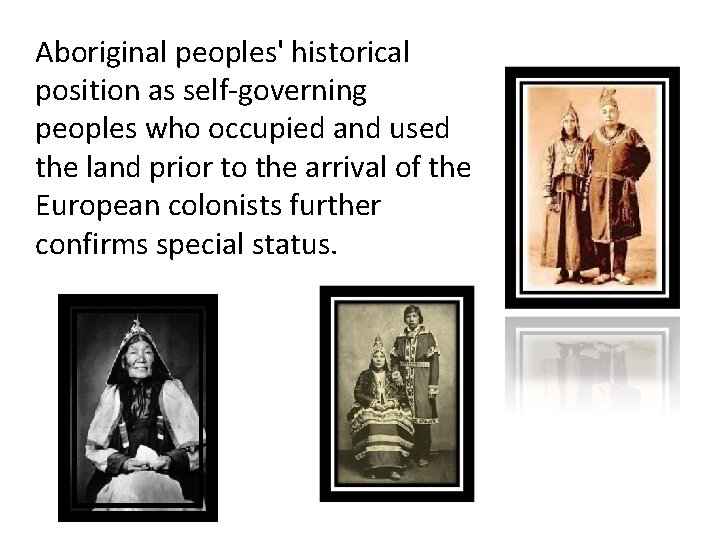
Aboriginal peoples' historical position as self-governing peoples who occupied and used the land prior to the arrival of the European colonists further confirms special status.
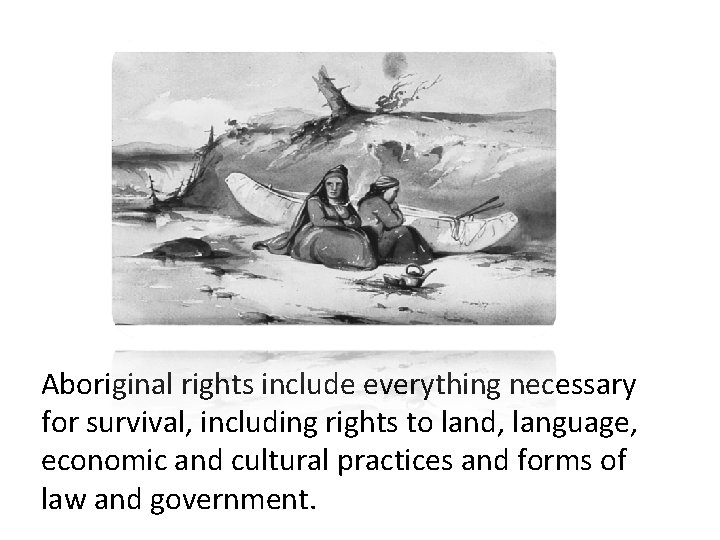
Aboriginal rights include everything necessary for survival, including rights to land, language, economic and cultural practices and forms of law and government.
Treaty rights refer to the guarantees explicitly and implicitly agreed upon through the treaty process. Under the terms of treaties, First Nations peoples agreed to share the land in return for specific rights.
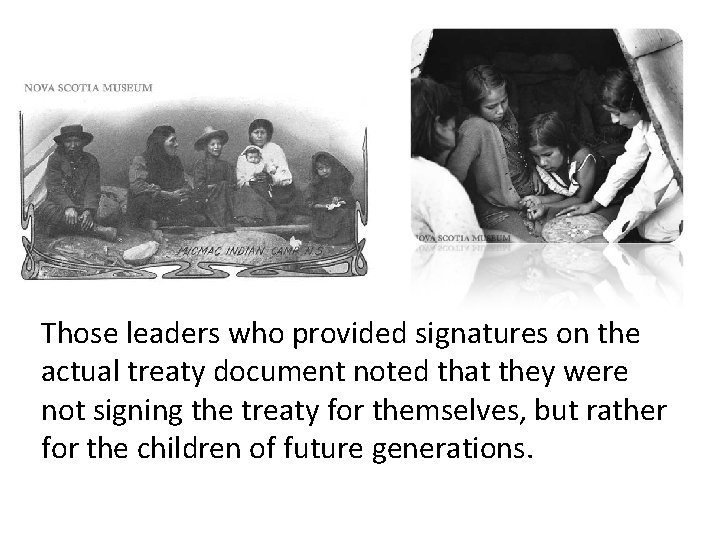
Those leaders who provided signatures on the actual treaty document noted that they were not signing the treaty for themselves, but rather for the children of future generations.
Treaties Today: Treaty land entitlement concerns fulfilment of the promise of reserve land in the numbered treaties. Considerable debate has occurred over degree of fulfilment or non-fulfilment of the treaty obligations.
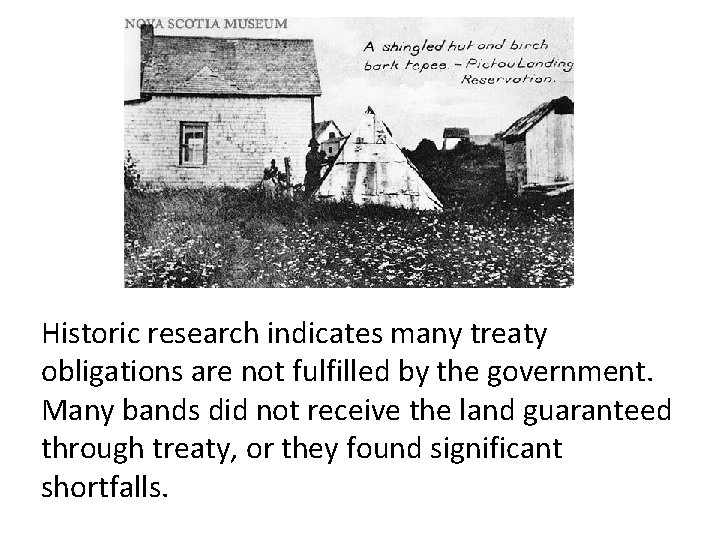
Historic research indicates many treaty obligations are not fulfilled by the government. Many bands did not receive the land guaranteed through treaty, or they found significant shortfalls.
Friendship Treaty of 1752 • Activity