
Trauma Informed Care in a Primary Care Setting







- Slides: 54
Trauma Informed Care in a Primary Care Setting For Primary Care Providers Caring for Children in Oregon
START TRAINER Teri Pettersen, MD OAFP Conference 11 March 2016
A Project Of The Oregon Pediatric Society Oregon Chapter of the American Academy of Pediatrics (AAP) Sponsored by: Oregon Health Authority
Contributing Colleagues • • Ken Carlson, MD Deborah Carlson , MD Meg Cary, MD, MPH Tam Grigsby, MD RJ Gillespie, MD, MHPE Peg King, MPH Dean Moshofsky, MD u Laura Wilson: START Program Assistant
DISCLAIMER The Oregon Pediatric Society (OPS), a Chapter of the American Academy of Pediatrics, has no conflict of interest, and is not affiliated with any other organization, vendor or company. Reasonable attempts have been made to provide accurate and complete information. The practitioner or provider is responsible for use of this educational material, and any information provided should not be a substitution for the professional judgment of the practitioner or provider.
Goals and objectives: • View Trauma Informed Care though a Public Health Framework • Embrace the core principle that HOW we think and HOW we practice is the underlying tenet of Trauma Informed Care • Feel motivated and capable of embarking on this TIC journey
Trauma Informed Care
What is Required to Provide TIC? • • Secure, healthy adults Good emotional management skills Intellectual and emotional intelligence Able to actively teach and be a role model Consistently empathetic and patient Able to endure intense emotional labor Self-disciplined, self controlled, and never likely to abuse power Sanctuaryweb. com
Trauma-Informed Care A shift from wondering what is wrong with a person that would have them act the way they do to asking what happened to a person that would have them react the way they do.
This Is A Public Health Issue
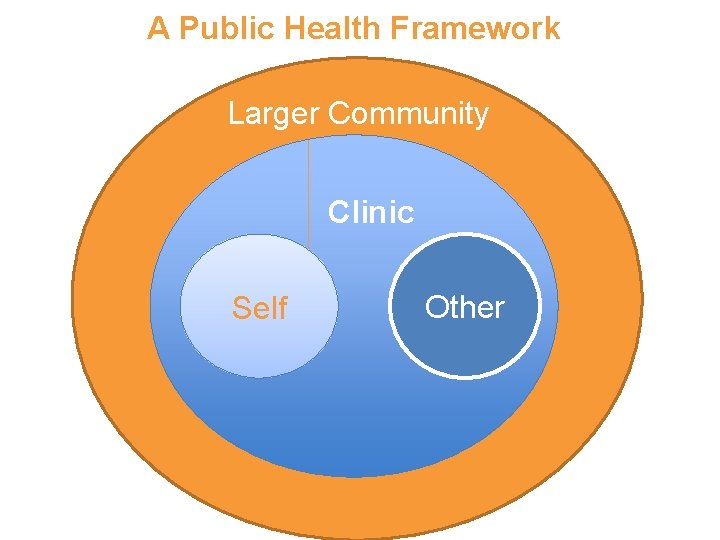
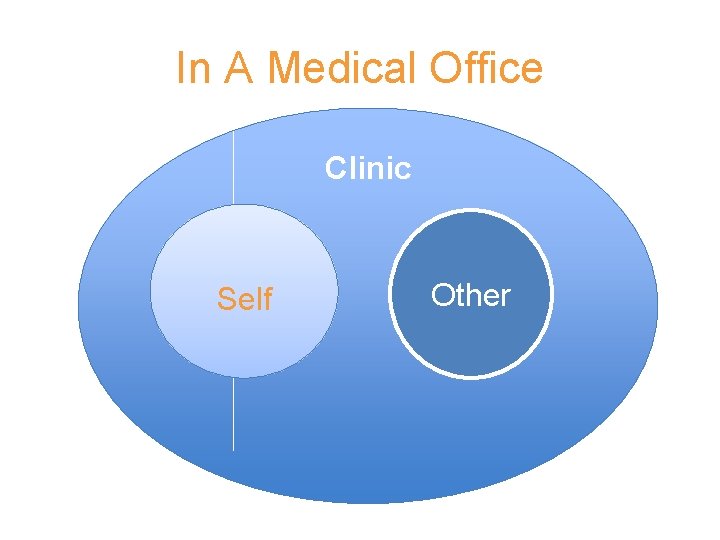
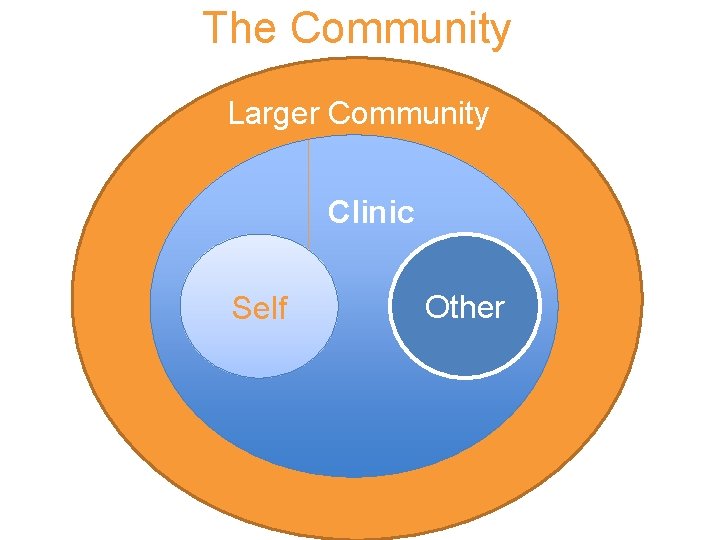
A Public Health Framework Larger Community Clinic Self Other
Self
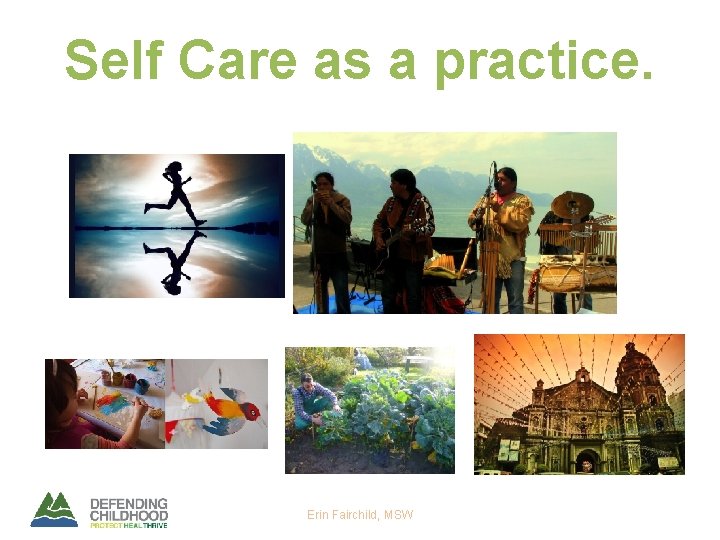
Self Care as a practice. Erin Fairchild, MSW
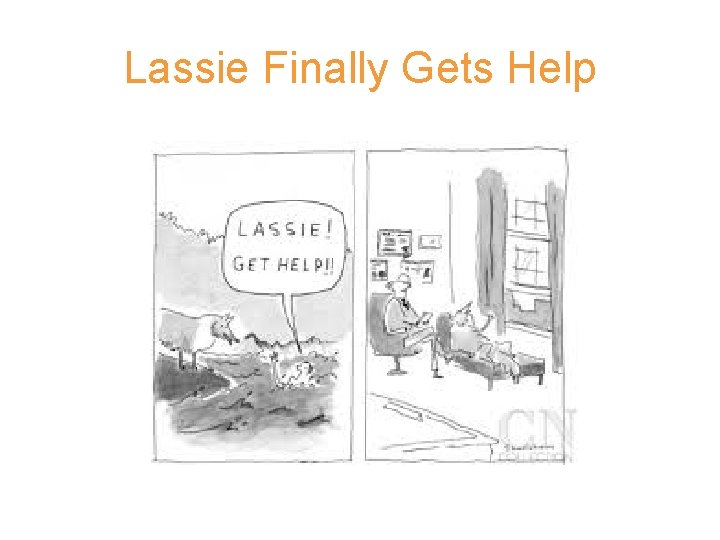
Lassie Finally Gets Help
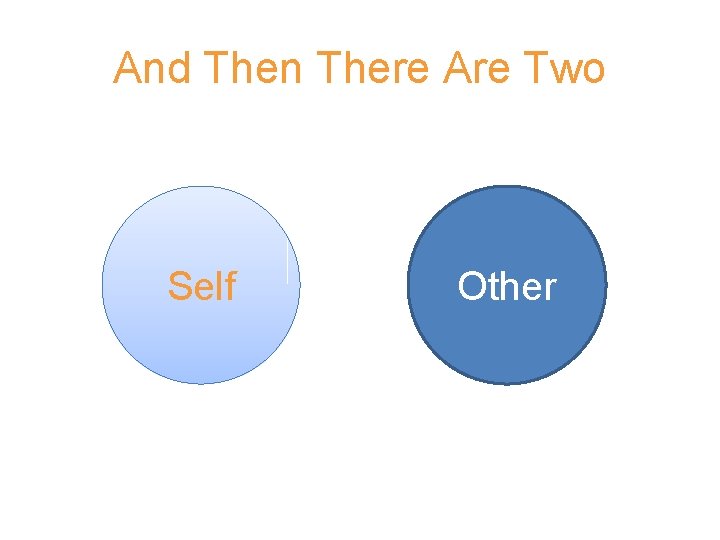
And Then There Are Two Self Other
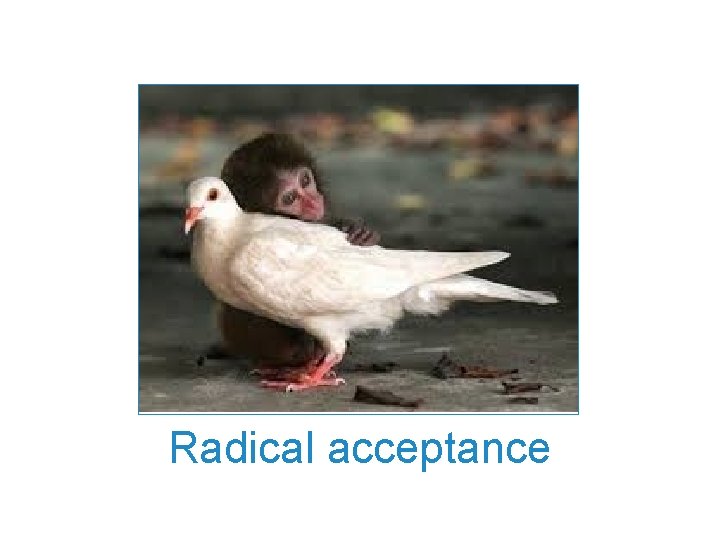
Radical acceptance
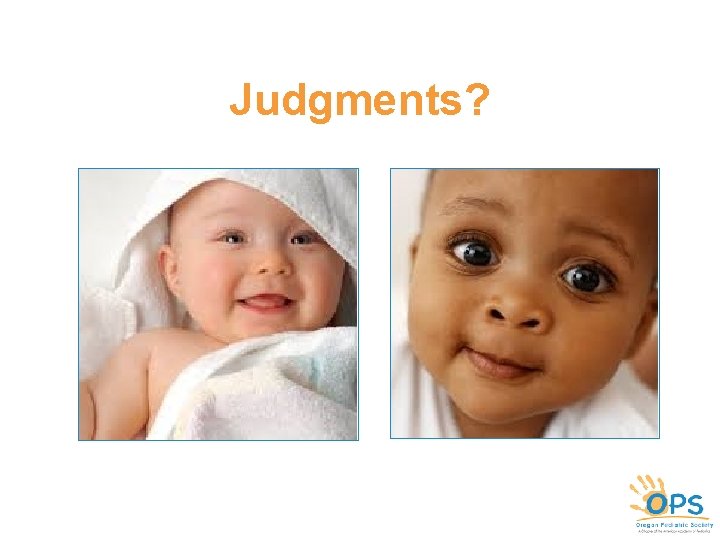
Judgments?
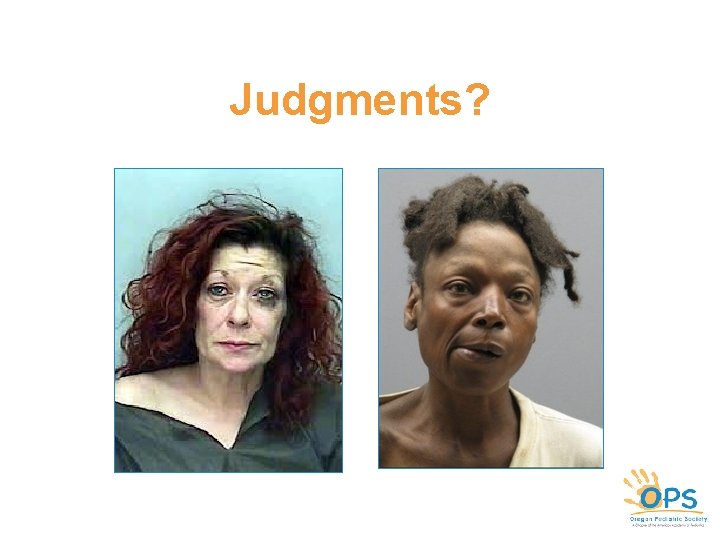
Judgments?
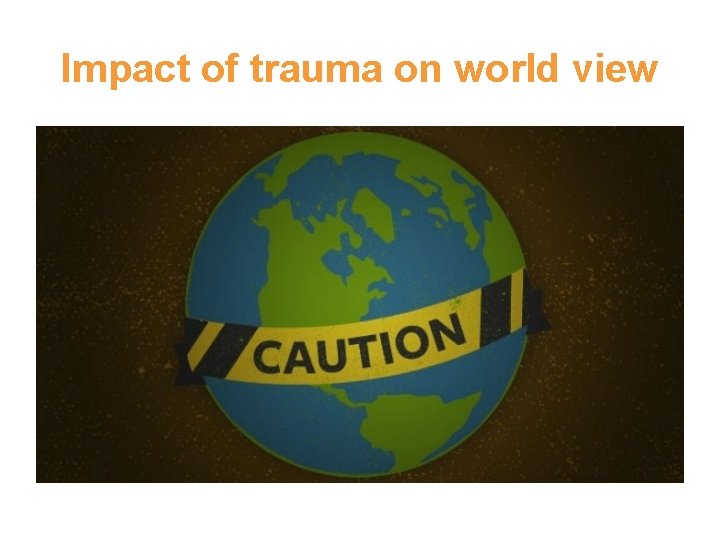
Impact of trauma on world view
The ‘difficult’ patient/parent • Chronically late or ‘no shows’ • ‘Loses it’ with the front office staff • Complains about anything and/or everything • Short tempered with their children • ‘Frequent Fliers’ or frequent callers • ‘Non-compliant’ patients • Deadbeat Dads • Wishing for ‘parentectomies’ Tam Grigsby, MD, OHSU
“People almost never change without first feeling understood. ” - Stone et al. , Difficult Conversations
Listening When you take the time to listen, patients feel as though that you’ve spent a longer time with them than you actually have.
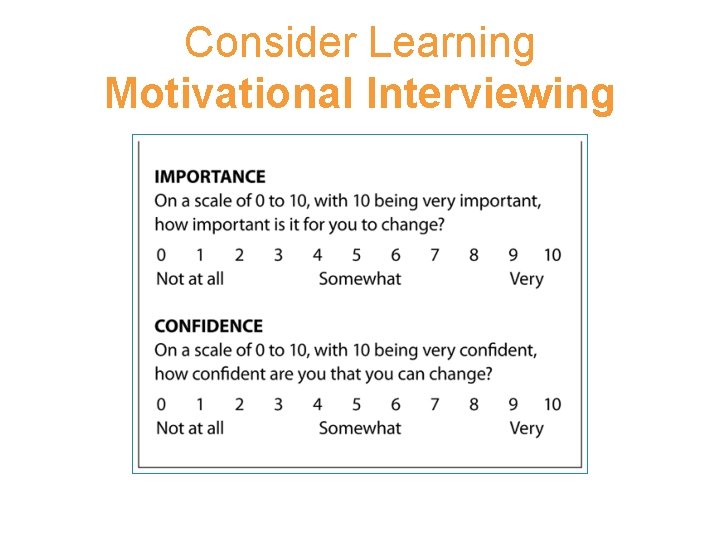
Consider Learning Motivational Interviewing
Two Important Tips Make no assumptions about how a person has been affected by what seems to be a traumatic event – ask If you learn about a trauma history, it doesn’t mean you have to fix it Elizabeth Hudson LCSW
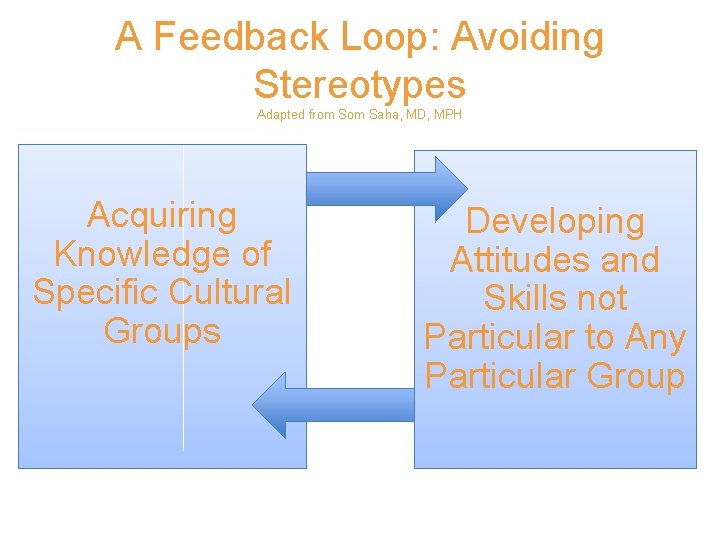
Cultural humility Recognition that your own way of thinking is not the best or only way of thinking. Tervalon and Murray-Garcia, J Health Care Poor Underserved, 1998
A Feedback Loop: Avoiding Stereotypes Adapted from Saha, MD, MPH Acquiring Knowledge of Specific Cultural Groups Developing Attitudes and Skills not Particular to Any Particular Group
In A Medical Office Clinic Self Other
“I can tell within about 30 seconds of walking into a doctor’s office whether it is a safe place or not” Related to Dr Jeff Todahl, U of Oregon Center for Prevention of Abuse and Neglect’
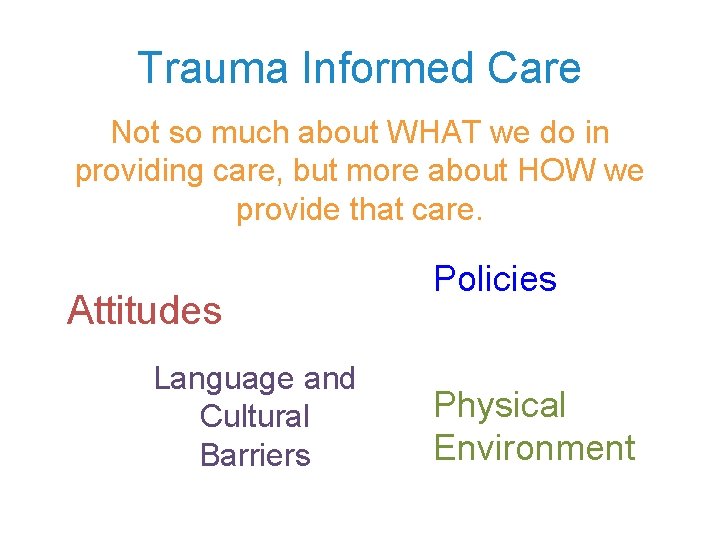
Trauma Informed Care Not so much about WHAT we do in providing care, but more about HOW we provide that care. Attitudes Language and Cultural Barriers Policies Physical Environment
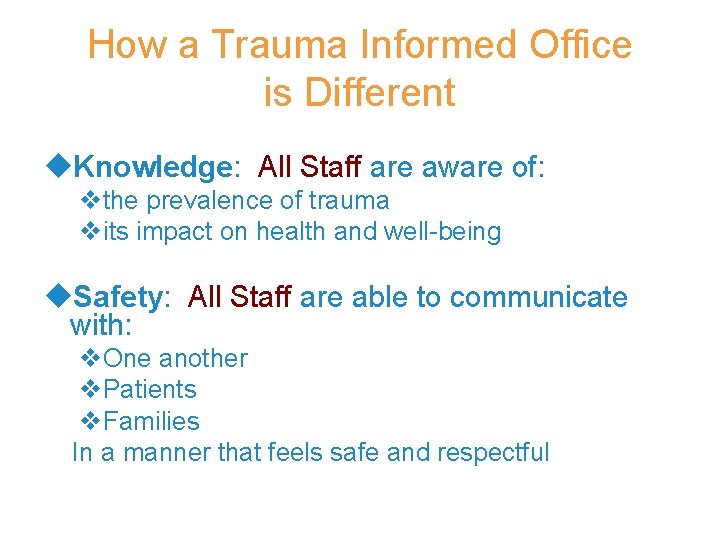
How a Trauma Informed Office is Different u. Knowledge: All Staff are aware of: vthe prevalence of trauma vits impact on health and well-being u. Safety: All Staff are able to communicate with: v. One another v. Patients v. Families In a manner that feels safe and respectful
u. The Physical Environment: v. Welcoming and Calm u. Families are Involved and Empowered: v. Clinical decision making v. Program Development v. Feedback is solicited
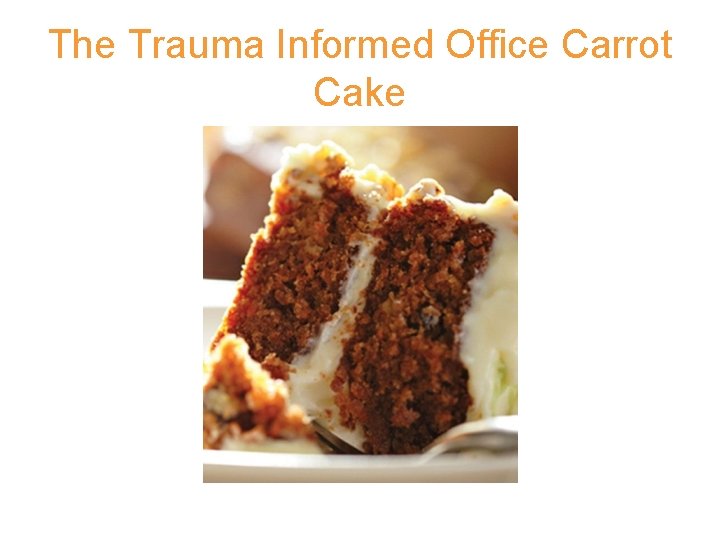
The Trauma Informed Office Carrot Cake
“The world is moved not only by the mighty shoves of the heroes, but also by the aggregate of the tiny pushes of each honest worker. ” - Helen Keller
Every contact
Who benefits? A trauma-informed organization: • • Increases safety Improves the social environment Cares for the caregivers Improves the quality of services Reduces negative encounters Increases success and satisfaction at work Promotes organizational wellness Improves the bottom line Adapted from The National Council on Community Behavioral Healthcare
Where Do I Start?
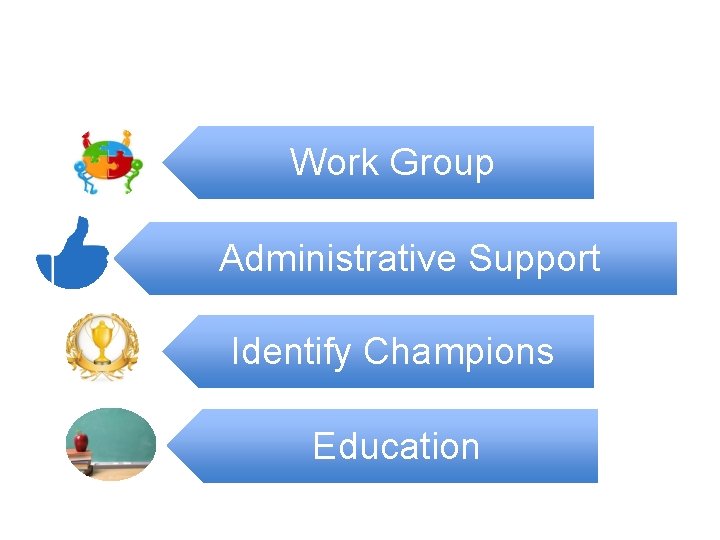
Work Group Administrative Support Identify Champions Education
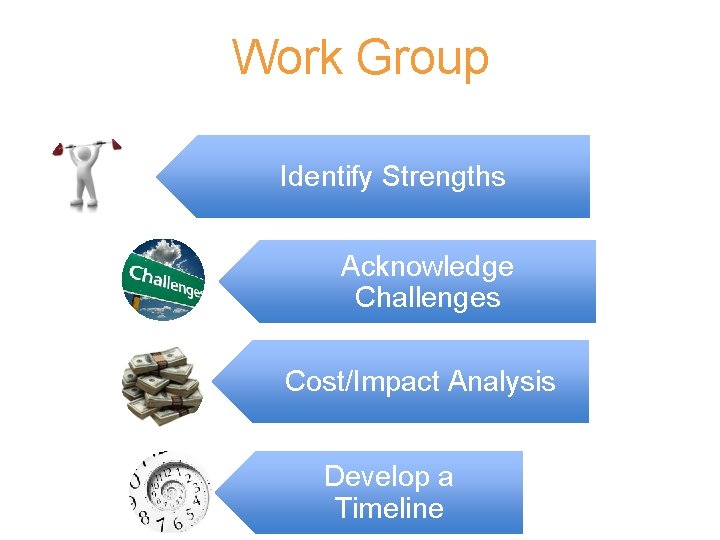
Work Group Identify Strengths Acknowledge Challenges Cost/Impact Analysis Develop a Timeline
A bed of roses?
Maybe it is • Working with individuals who are contending with early and/or chronic life stress can be stressful to providers. • We are trading frustration for the risk of vicarious trauma
The Community Larger Community Clinic Self Other
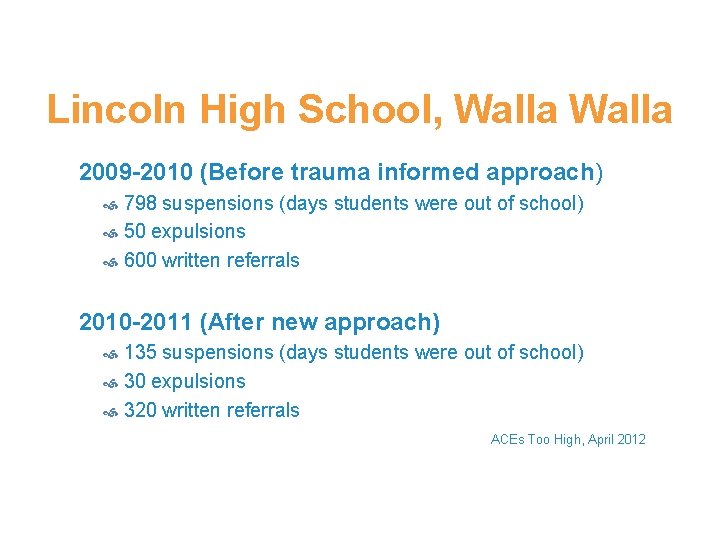
Lincoln High School, Walla 2009 -2010 (Before trauma informed approach) 798 suspensions (days students were out of school) 50 expulsions 600 written referrals 2010 -2011 (After new approach) 135 suspensions (days students were out of school) 30 expulsions 320 written referrals ACEs Too High, April 2012
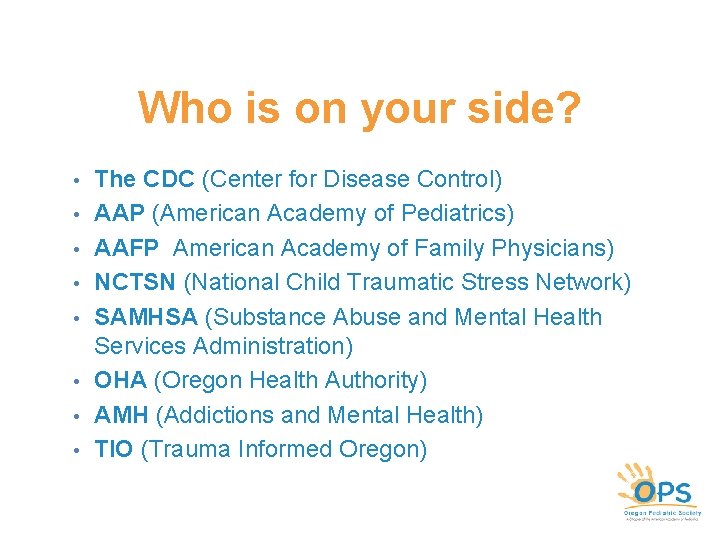
Who is on your side? • • The CDC (Center for Disease Control) AAP (American Academy of Pediatrics) AAFP American Academy of Family Physicians) NCTSN (National Child Traumatic Stress Network) SAMHSA (Substance Abuse and Mental Health Services Administration) OHA (Oregon Health Authority) AMH (Addictions and Mental Health) TIO (Trauma Informed Oregon)
OPAL-K Oregon Psychiatric Access Line about Kids psychiatric phone consultation for medical practitioners who treat children and adolescents 9 am to 5 pm, Monday through Friday 855 -966 -7255 (toll-free) or 503 -346 -1000 (Portland metro) register online: www. ohsu. edu/opalk fax: 503 -346 -1389 email: opalk@ohsu. edu
Improving Child and Adolescent Health in Primary Care Settings Trainings for Primary Care Providers Caring for Children and Adolescents in Oregon
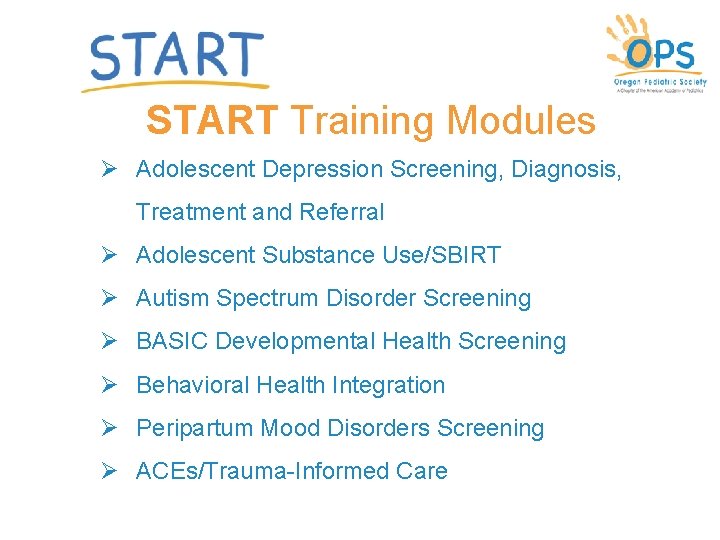
START Training Modules Ø Adolescent Depression Screening, Diagnosis, Treatment and Referral Ø Adolescent Substance Use/SBIRT Ø Autism Spectrum Disorder Screening Ø BASIC Developmental Health Screening Ø Behavioral Health Integration Ø Peripartum Mood Disorders Screening Ø ACEs/Trauma-Informed Care
Thank you