
Transradial Approach for Common Femoral Artery Intervention Involving
- Slides: 17
Transradial Approach for Common Femoral Artery Intervention Involving Fem-Fem Bypass Division of Endovascular Interventions Mount Sinai Hospital July 22, 2020
Patient History • 70 yo. M with a PMHx of HTN, HLD, asthma, NIDDM, CKD III, HFp. EF (LVEF 55%), MGUS, CAD s/p CABG and PAD s/p fem-fem bypass who presents with lifestyle limiting claudication that has progressed to pain at rest (Rutherford 4) • PMHx: as above • PSHx: 2 v. CABG 2007 (patent LIMA-LAD, occluded SVG-RPDA), PAD s/p bilateral iliac stenting c/b L common iliac occlusion s/p R L fem-fem bypass 2007 and repeat R common iliac stent PTA in 2015 • Meds: Aspirin, Atorvastatin, Furosemide, Ipratropium-Albuterol, Isosorbide-Mononitrate, Lisinopril, Metformin, Metoprolol Succinate, Rivaroxaban (2. 5 mg BID)
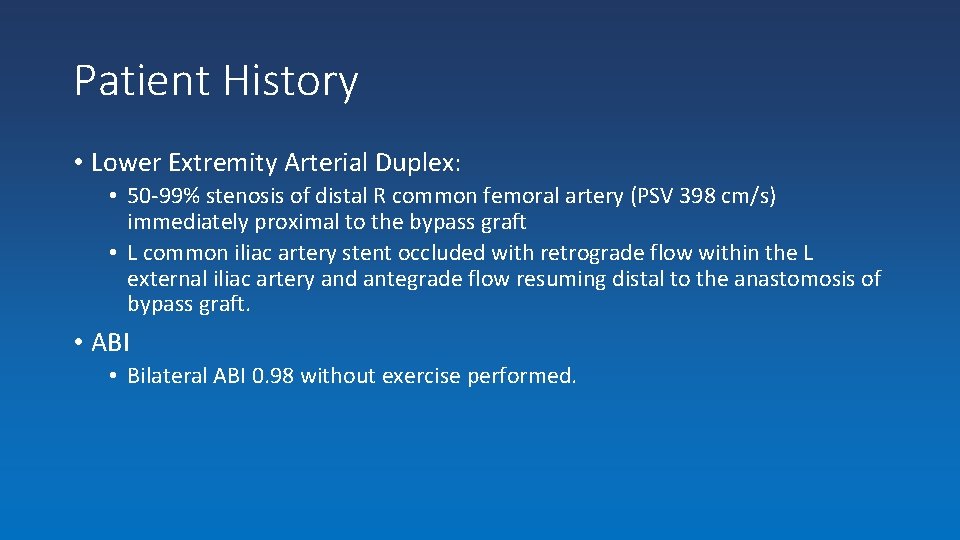
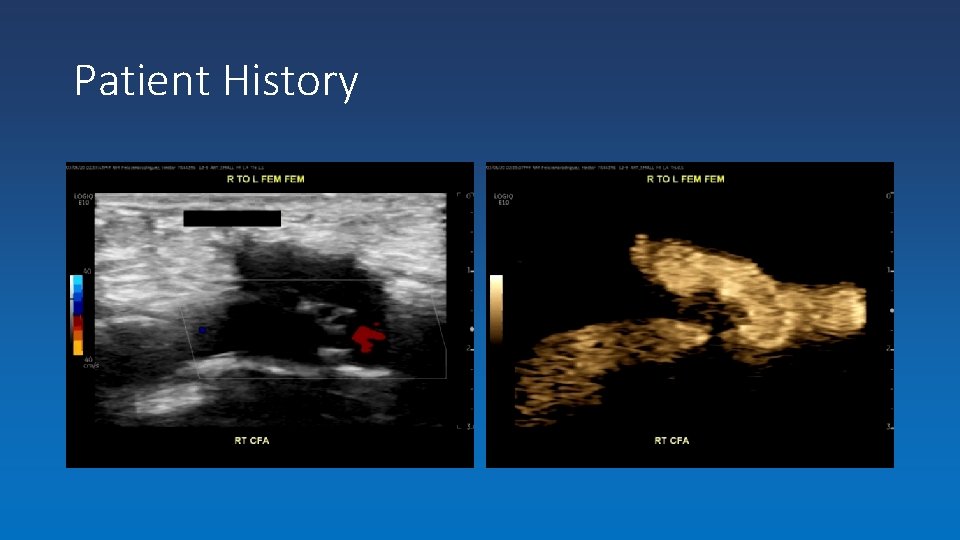
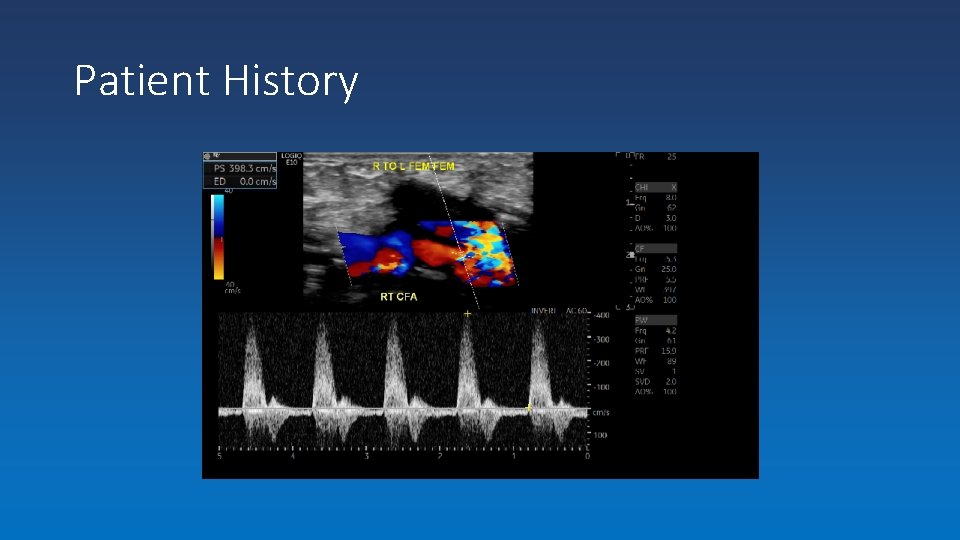
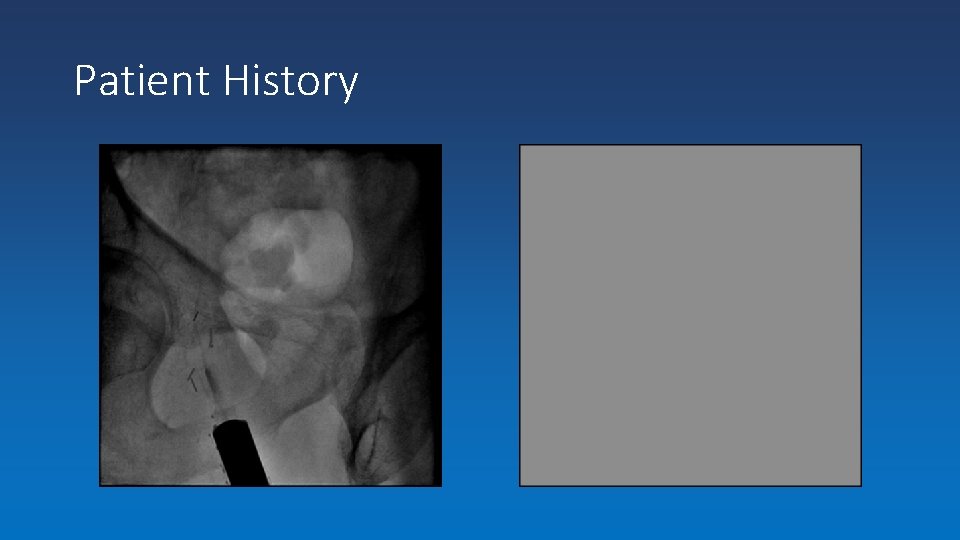
Patient History • Lower Extremity Arterial Duplex: • 50 -99% stenosis of distal R common femoral artery (PSV 398 cm/s) immediately proximal to the bypass graft • L common iliac artery stent occluded with retrograde flow within the L external iliac artery and antegrade flow resuming distal to the anastomosis of bypass graft. • ABI • Bilateral ABI 0. 98 without exercise performed.
Patient History
Patient History
Patient History
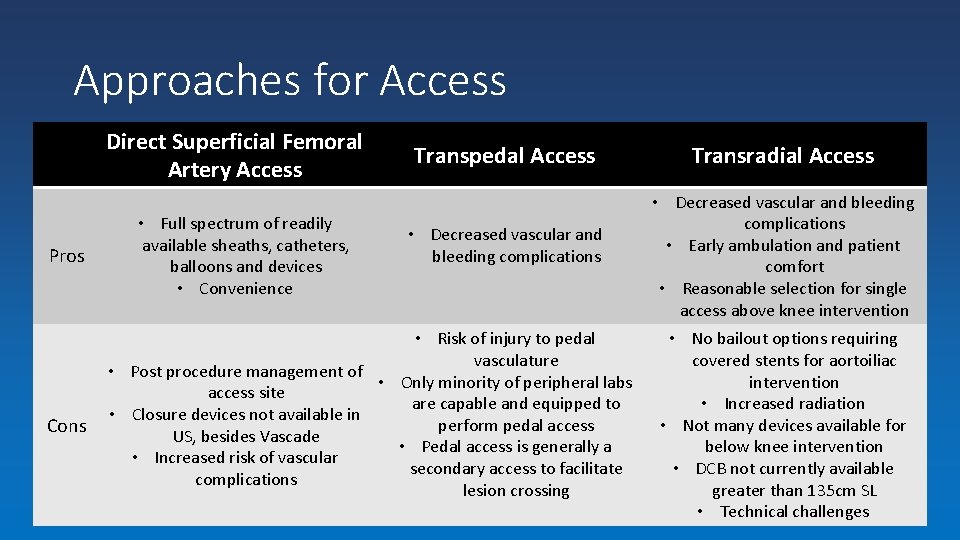
Approaches for Access Direct Superficial Femoral Artery Access Pros Cons • Full spectrum of readily available sheaths, catheters, balloons and devices • Convenience Transpedal Access • Decreased vascular and bleeding complications • Risk of injury to pedal vasculature • Post procedure management of • Only minority of peripheral labs access site are capable and equipped to • Closure devices not available in perform pedal access US, besides Vascade • Pedal access is generally a • Increased risk of vascular secondary access to facilitate complications lesion crossing Transradial Access • Decreased vascular and bleeding complications • Early ambulation and patient comfort • Reasonable selection for single access above knee intervention • No bailout options requiring covered stents for aortoiliac intervention • Increased radiation • Not many devices available for below knee intervention • DCB not currently available greater than 135 cm SL • Technical challenges
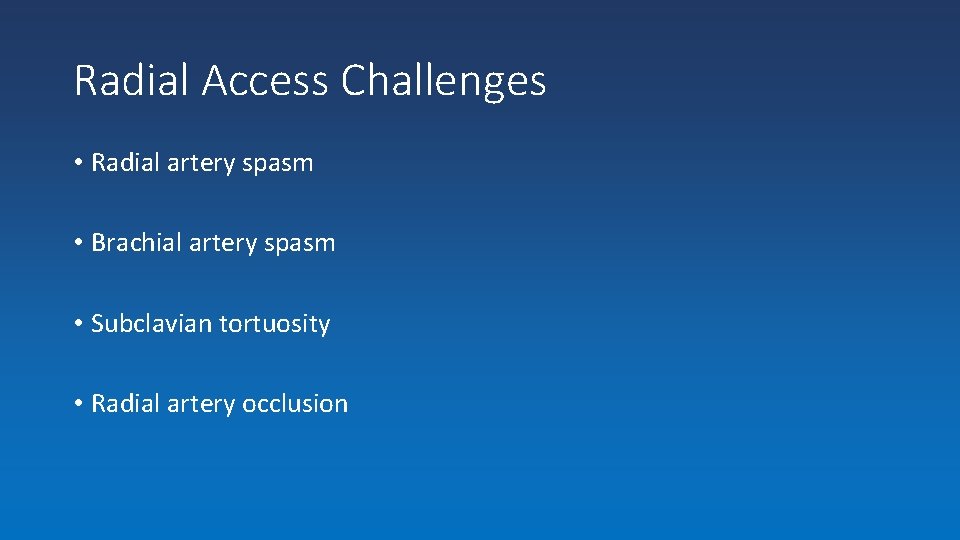
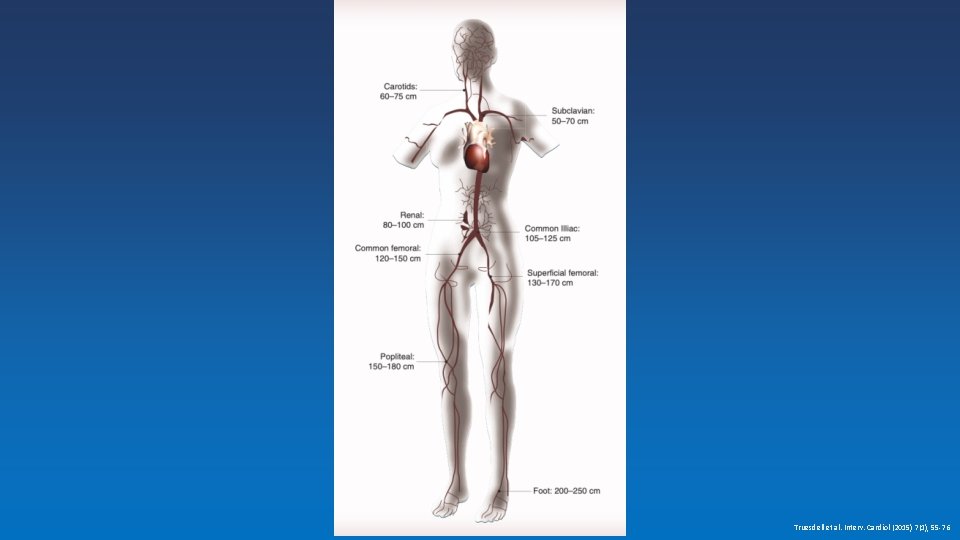
Radial Access Challenges • Radial artery spasm • Brachial artery spasm • Subclavian tortuosity • Radial artery occlusion
Truesdell et al. Interv. Cardiol (2015) 7(1), 55 -76
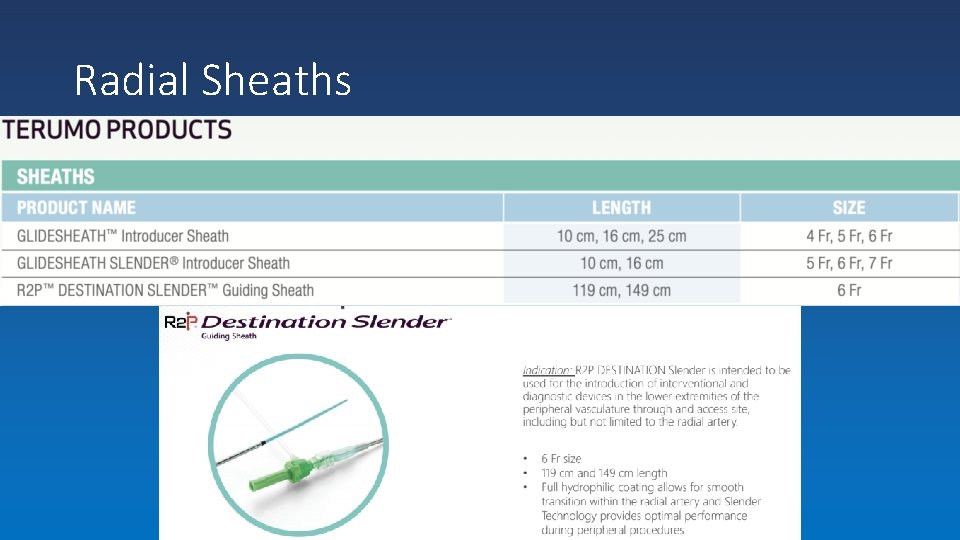
Radial Sheaths
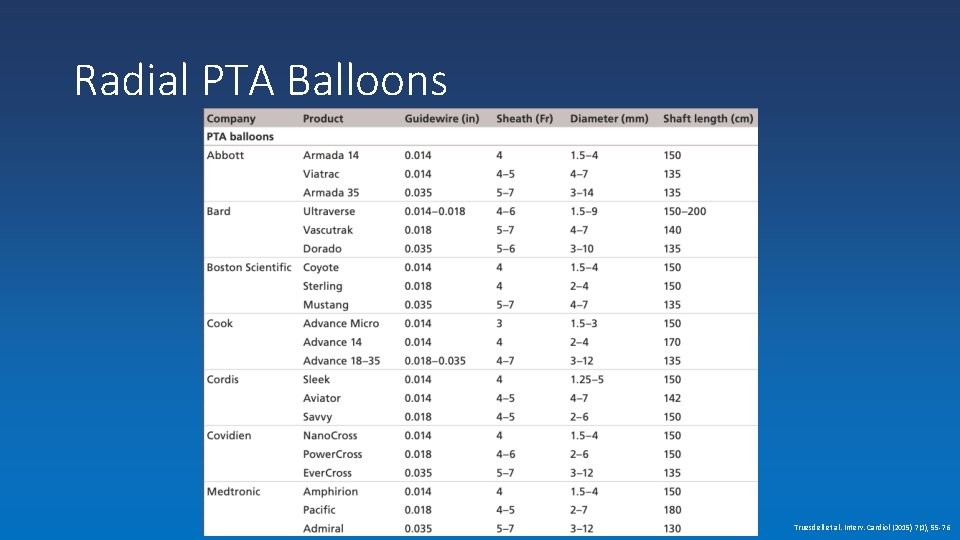
Radial PTA Balloons Truesdell et al. Interv. Cardiol (2015) 7(1), 55 -76
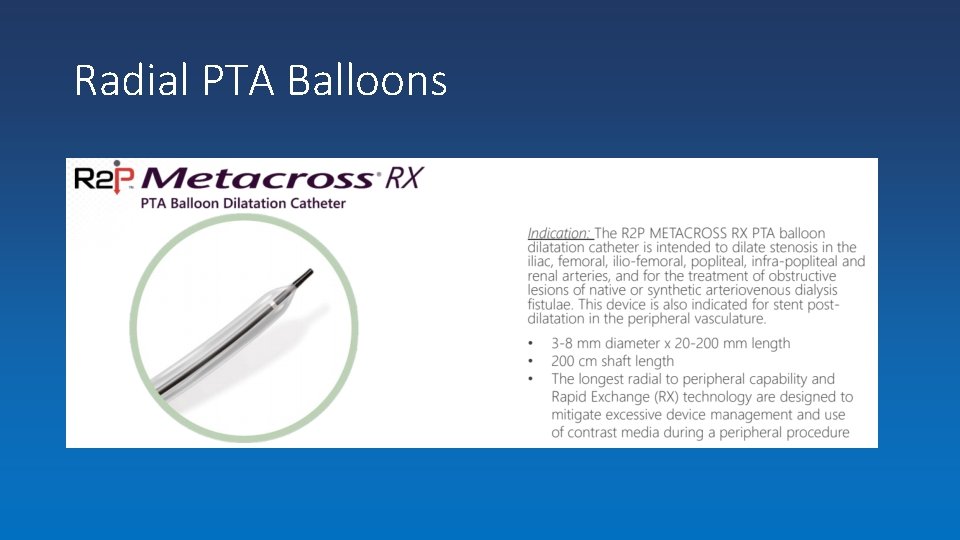
Radial PTA Balloons
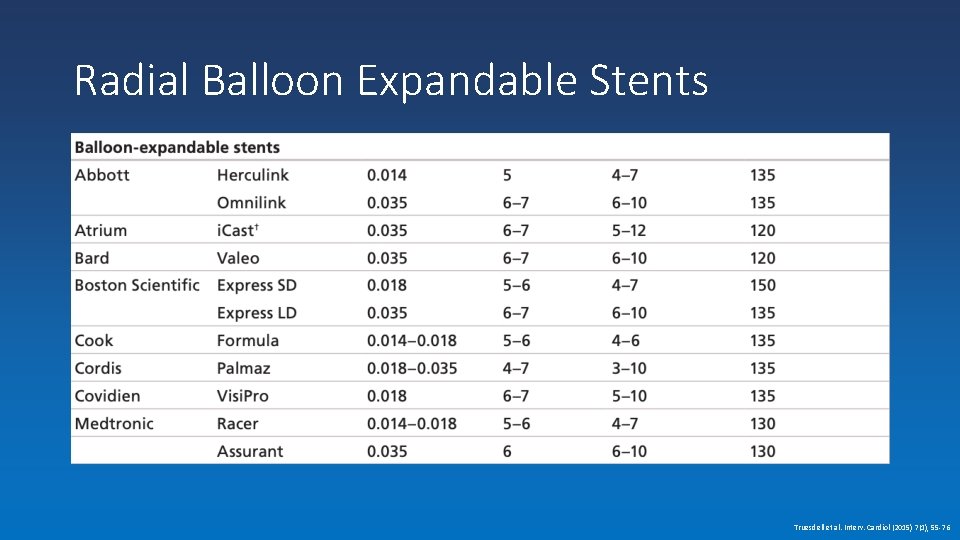
Radial Balloon Expandable Stents Truesdell et al. Interv. Cardiol (2015) 7(1), 55 -76
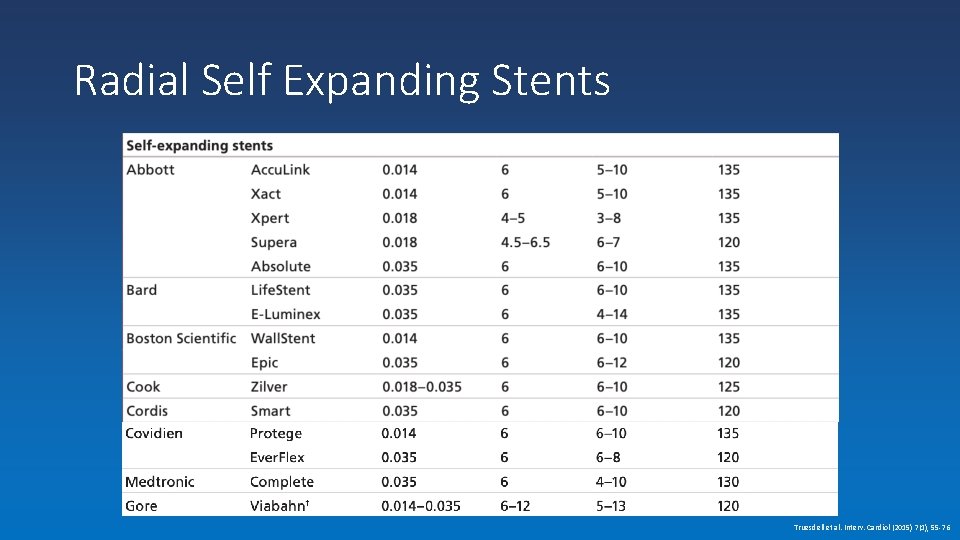
Radial Self Expanding Stents Truesdell et al. Interv. Cardiol (2015) 7(1), 55 -76
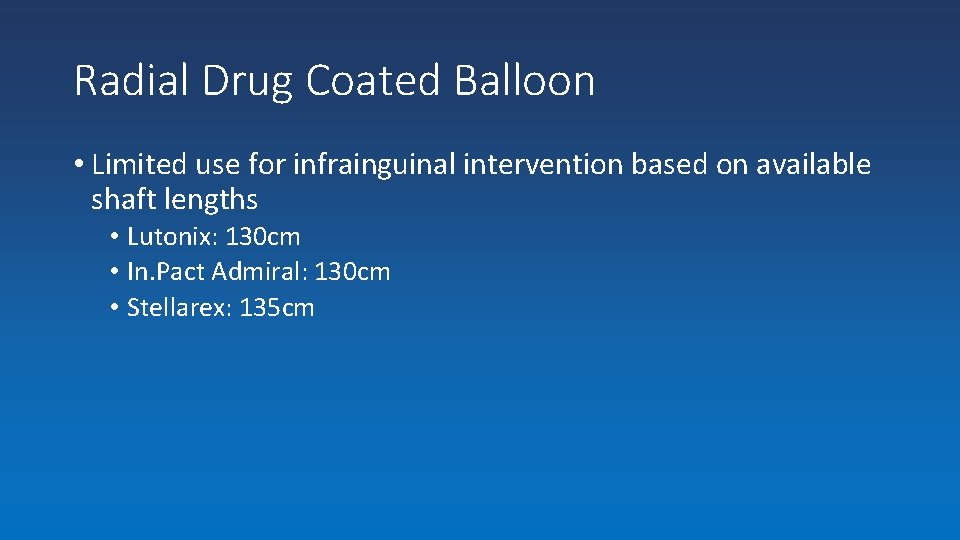
Radial Drug Coated Balloon • Limited use for infrainguinal intervention based on available shaft lengths • Lutonix: 130 cm • In. Pact Admiral: 130 cm • Stellarex: 135 cm
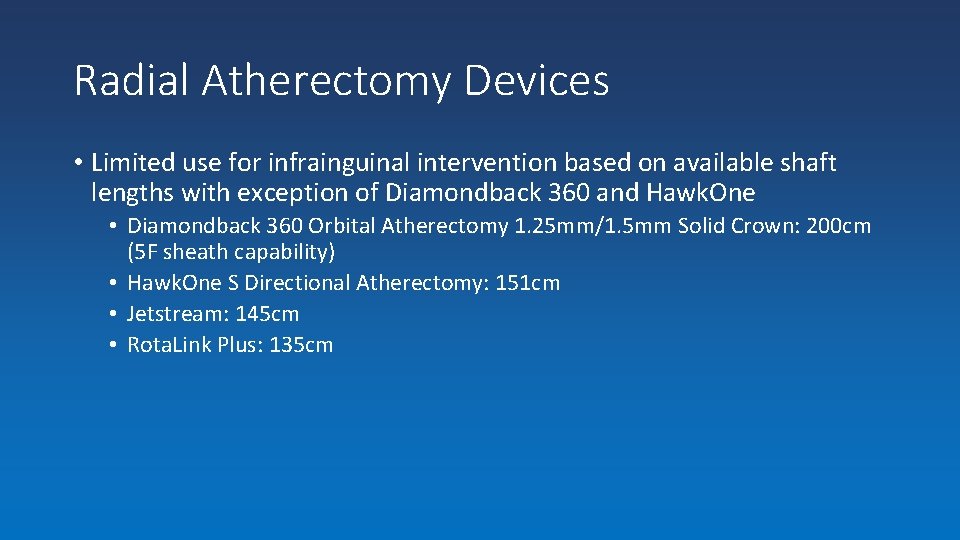
Radial Atherectomy Devices • Limited use for infrainguinal intervention based on available shaft lengths with exception of Diamondback 360 and Hawk. One • Diamondback 360 Orbital Atherectomy 1. 25 mm/1. 5 mm Solid Crown: 200 cm (5 F sheath capability) • Hawk. One S Directional Atherectomy: 151 cm • Jetstream: 145 cm • Rota. Link Plus: 135 cm
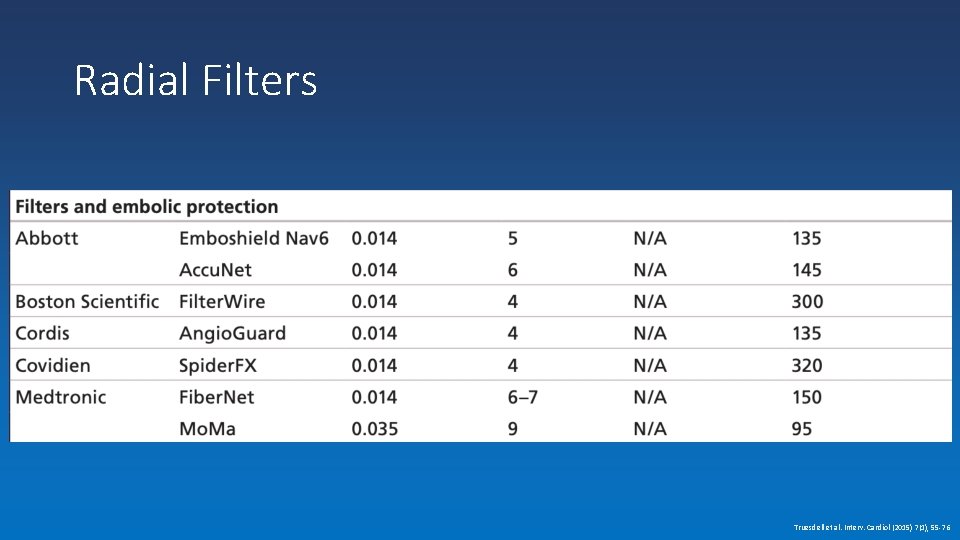
Radial Filters Truesdell et al. Interv. Cardiol (2015) 7(1), 55 -76