
Transportation In the early 1800 s George Stephenson
- Slides: 17
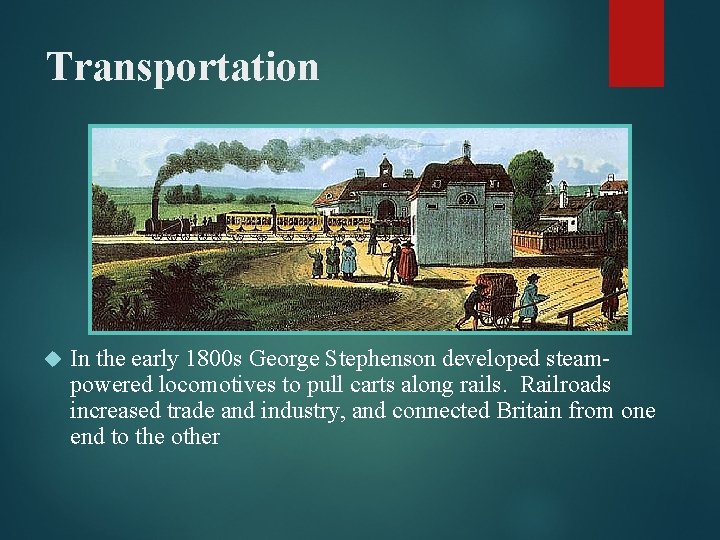
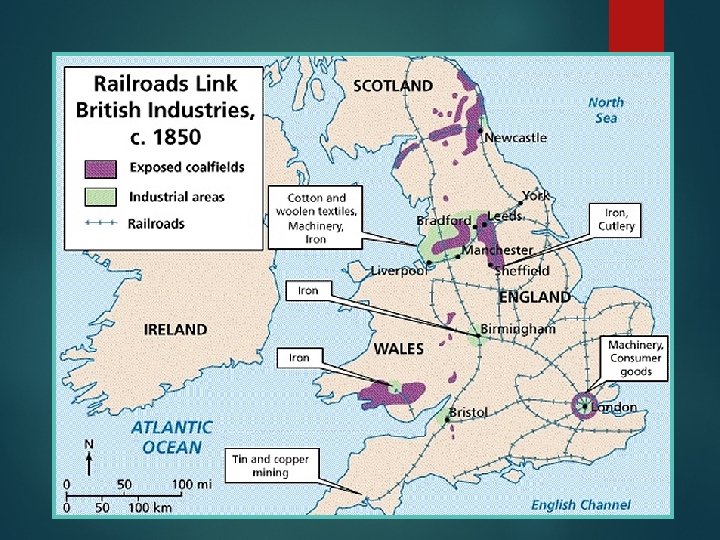
Transportation In the early 1800 s George Stephenson developed steampowered locomotives to pull carts along rails. Railroads increased trade and industry, and connected Britain from one end to the other
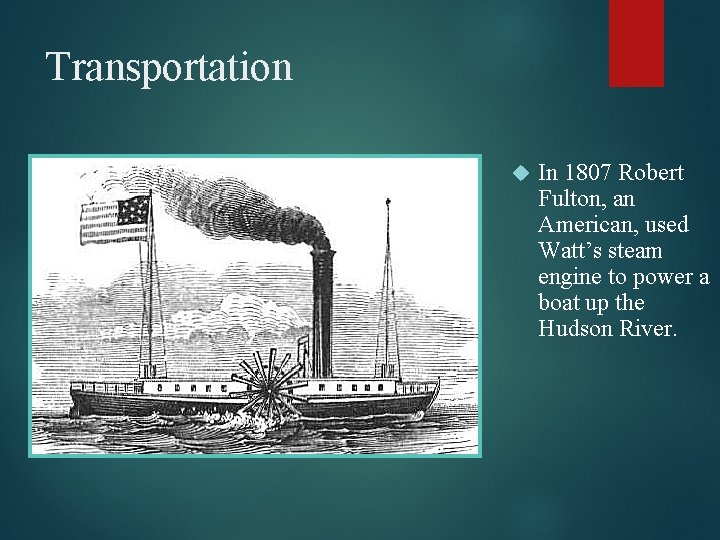
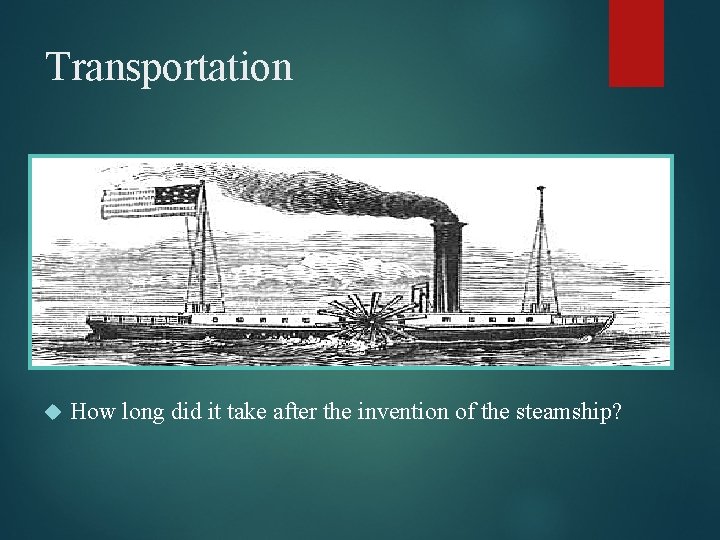
Transportation In 1807 Robert Fulton, an American, used Watt’s steam engine to power a boat up the Hudson River.
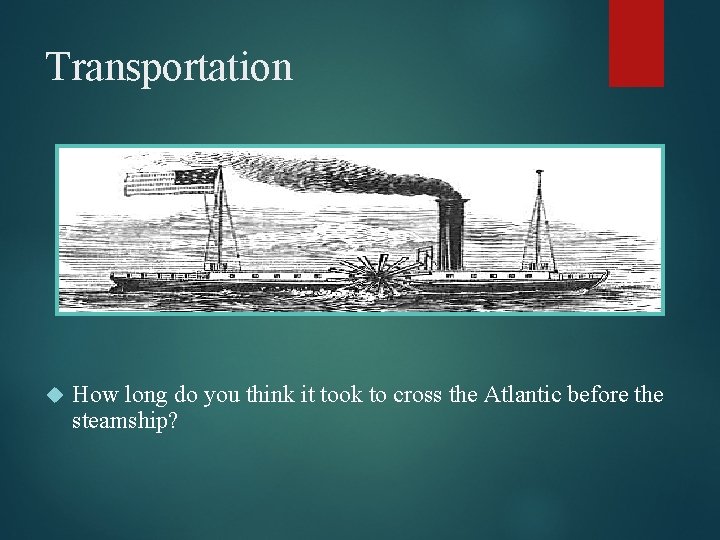
Transportation How long do you think it took to cross the Atlantic before the steamship?
Transportation How long did it take after the invention of the steamship?
Effects of the Industrial Revolution
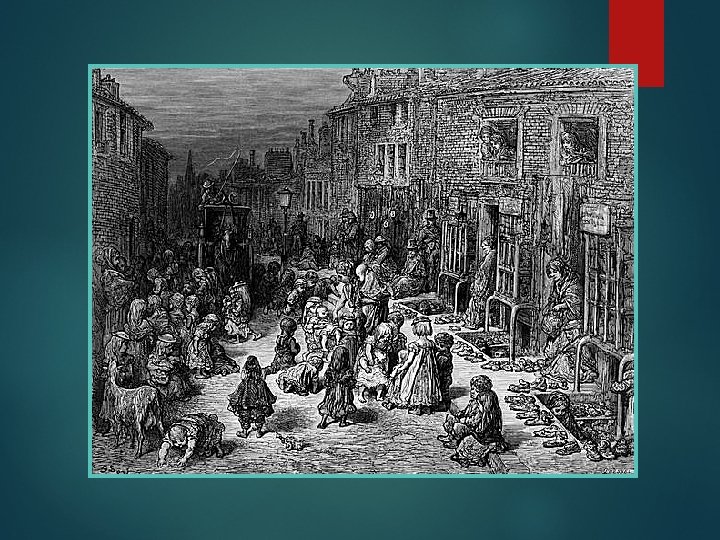
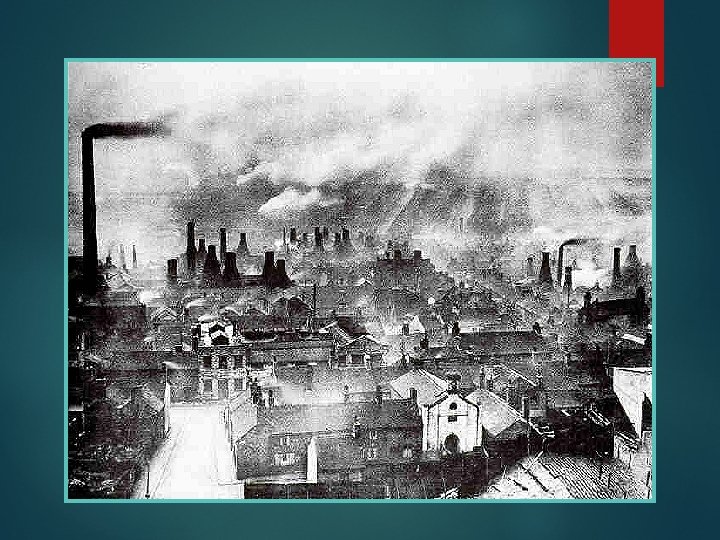
Urbanization During the Industrial Revolution, people moved from villages and towns into cities Urbanization: movement of people to cities Garbage filled overcrowded city streets and disease spread
“It was a town of red brick, or brick that would have been red if the smoke and ashes had allowed it; but, as matters stood, it was a town of unnatural red and black, like the painted face of a savage. It was a town of machinery and tall chimneys, out which interminable serpents of smoke trailed themselves forever and ever, and never got uncoiled. It had a black canal, and a river ran purple with ill-smelling dye. ” Charles Dickens, Hard Times
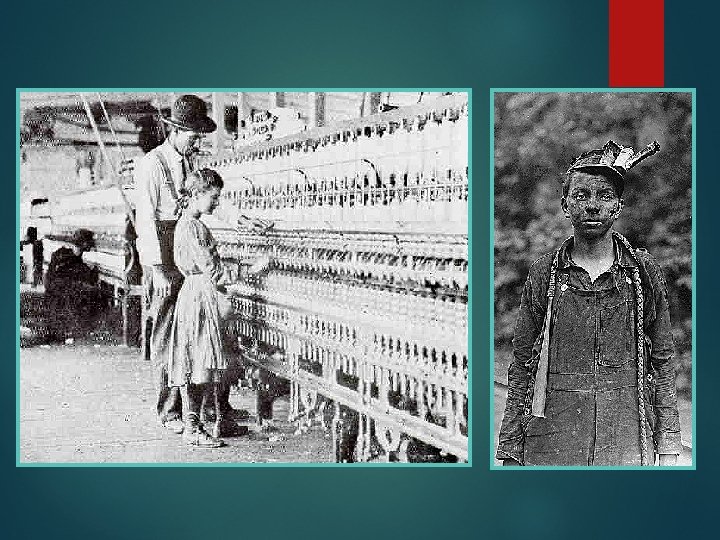
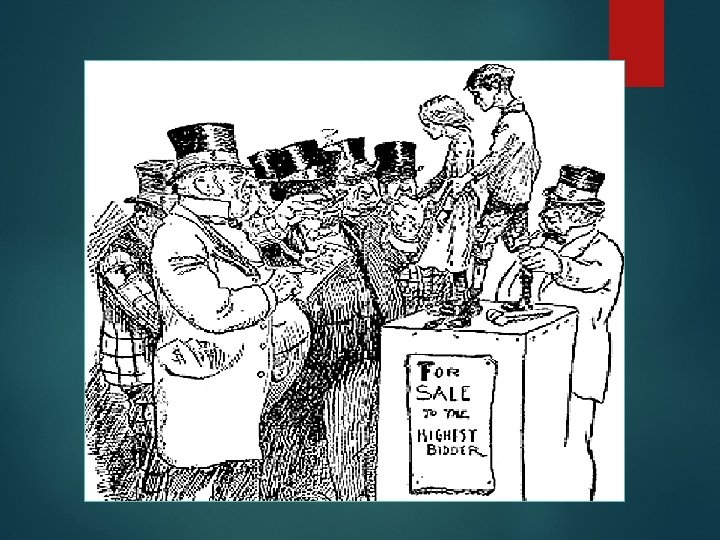
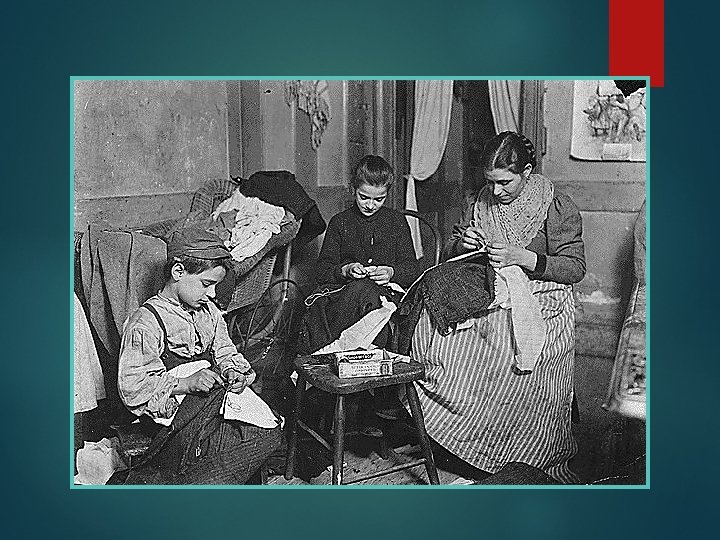
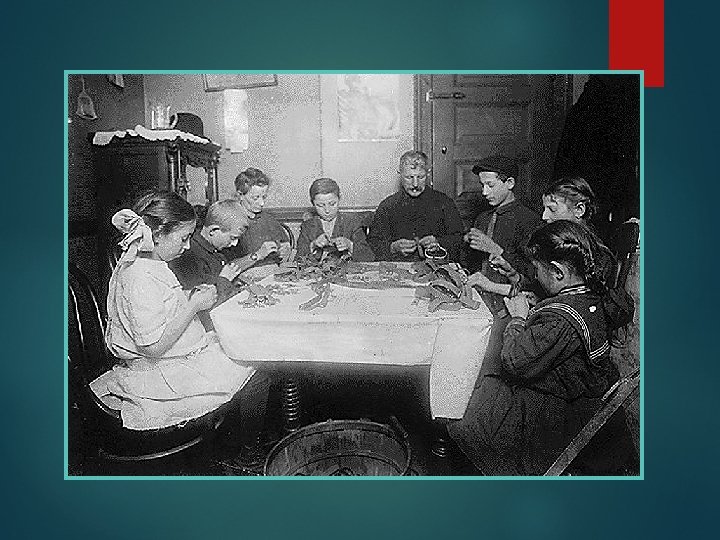
Poor Working Conditions Factory conditions were very harsh. Men, women, and even children worked 12 to 16 hours a day Work was monotonous and boring, and could also be dangerous and unhealthy Women were hired because they could be paid less than men Children were hired by textile mills and mines because of their size
New Class Structure Upper class: rich, industrial business owners Upper middle class: professionals like doctors and lawyers Lower middle class: teachers, shop owners, office workers Working class: factory workers
New Class Structure Impact on Women Middle class women Enjoyed Greater more economic opportunities access to education Affected by idea of “separate spheres” Working-class Separated women from families Found jobs because more people could afford to hire them Some or no improvement to status