
TRANSPORTATION ENGINEERING Modes of transport Roadways Railways Airways

- Slides: 68
TRANSPORTATION ENGINEERING
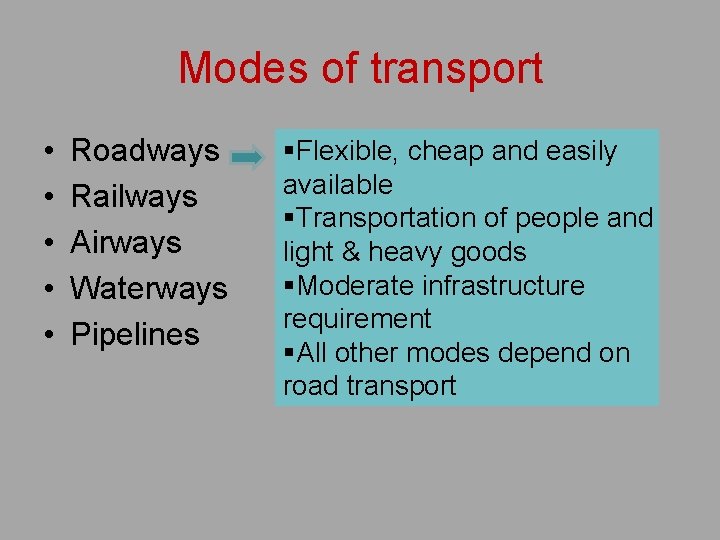
Modes of transport • • • Roadways Railways Airways Waterways Pipelines §Flexible, cheap and easily available §Transportation of people and light & heavy goods §Moderate infrastructure requirement §All other modes depend on road transport
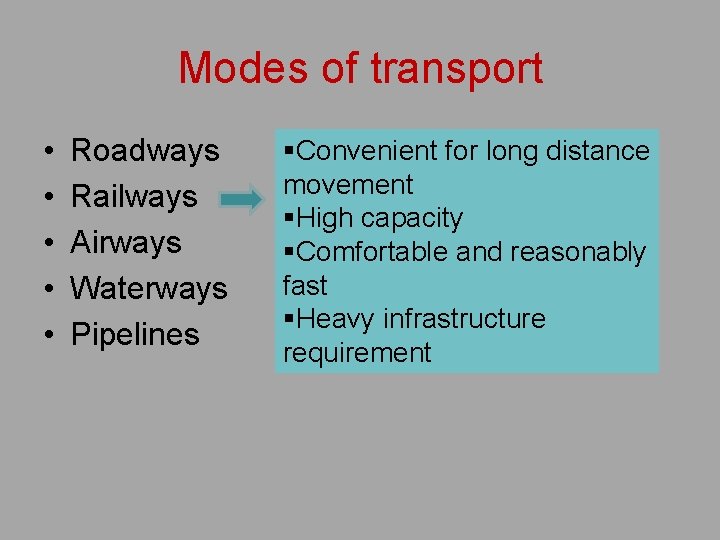
Modes of transport • • • Roadways Railways Airways Waterways Pipelines §Convenient for long distance movement §High capacity §Comfortable and reasonably fast §Heavy infrastructure requirement
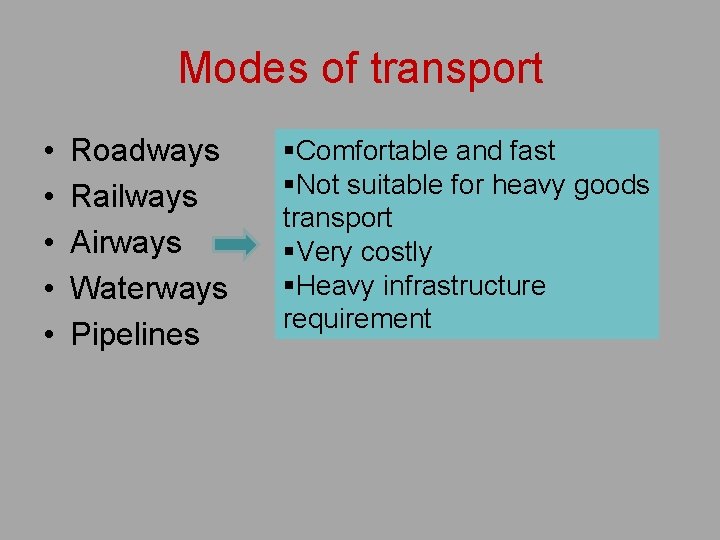
Modes of transport • • • Roadways Railways Airways Waterways Pipelines §Comfortable and fast §Not suitable for heavy goods transport §Very costly §Heavy infrastructure requirement
Modes of transport • • • Roadways Railways Airways Waterways Pipelines §Oldest form of transport §High capacity §Cheap §Moderately fast
Modes of transport • • • Roadways Railways Airways Waterways Pipelines §Transport oil, water, gases etc.
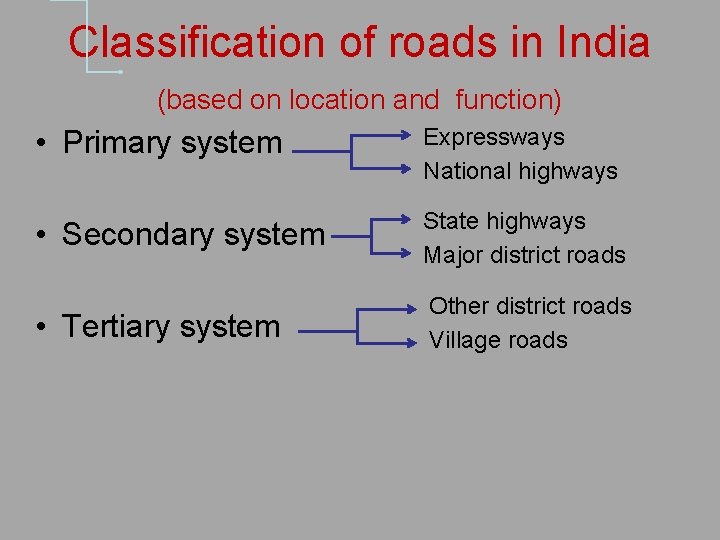
Classification of roads in India (based on location and function) • Primary system Expressways National highways • Secondary system State highways Major district roads • Tertiary system Other district roads Village roads
Classification based on materials • Earth roads – locally available soil • Soil stabilized roads- earth roads- stabilized – mechanical, cement, bitumen, lime • Gravel roads- one or two layers of gravel mixed with soil • Water bound macadam roads- aggregates bonded with water and soil • Bituminous roads- coal tar or bitumen
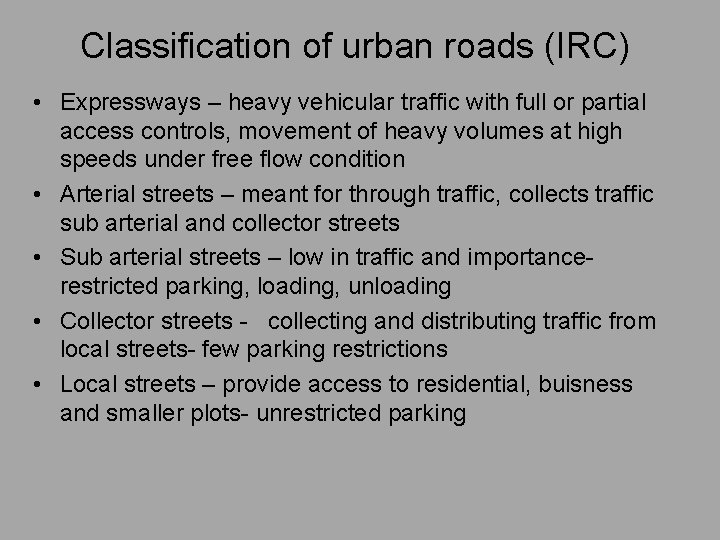
Classification of urban roads (IRC) • Expressways – heavy vehicular traffic with full or partial access controls, movement of heavy volumes at high speeds under free flow condition • Arterial streets – meant for through traffic, collects traffic sub arterial and collector streets • Sub arterial streets – low in traffic and importancerestricted parking, loading, unloading • Collector streets - collecting and distributing traffic from local streets- few parking restrictions • Local streets – provide access to residential, buisness and smaller plots- unrestricted parking
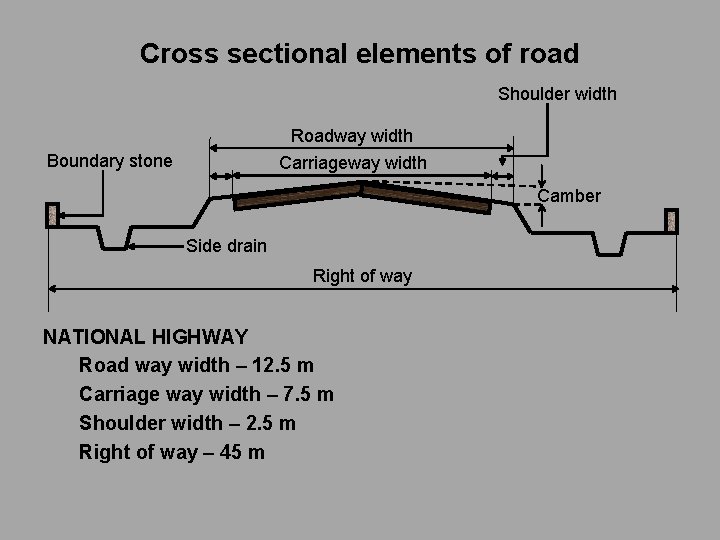
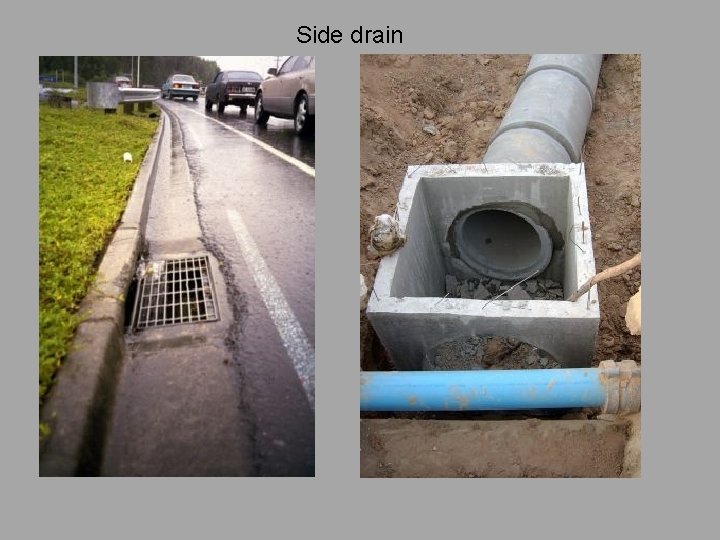
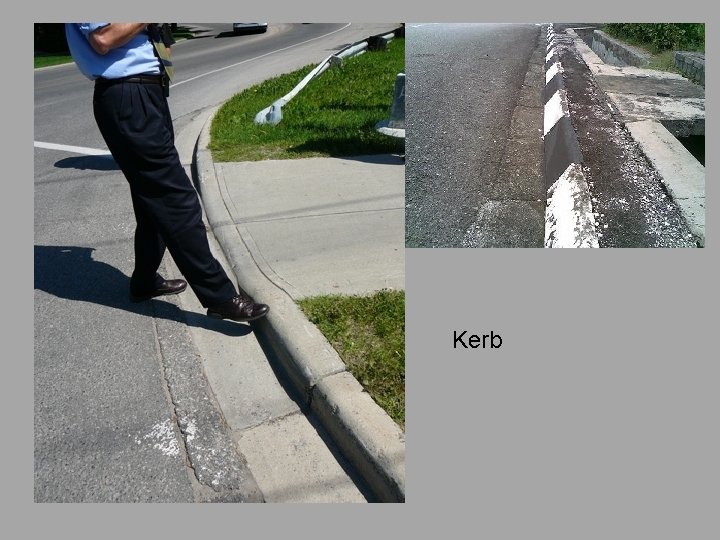
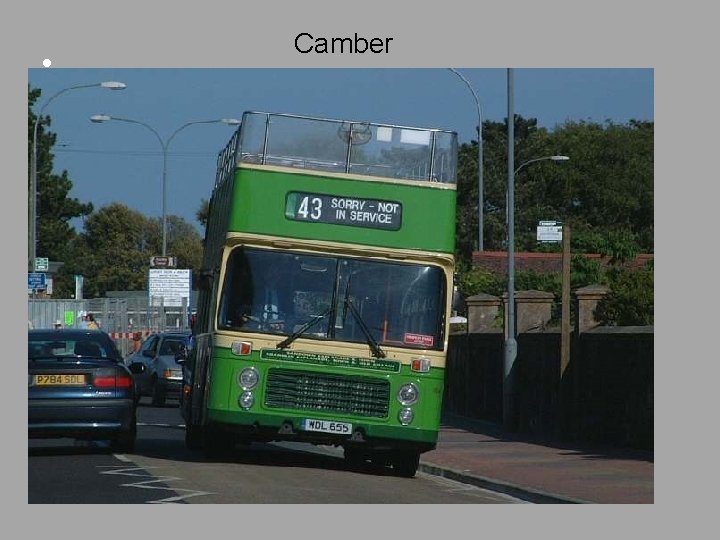
Cross sectional elements of road Shoulder width Roadway width Boundary stone Carriageway width Camber Side drain Right of way NATIONAL HIGHWAY Road way width – 12. 5 m Carriage way width – 7. 5 m Shoulder width – 2. 5 m Right of way – 45 m
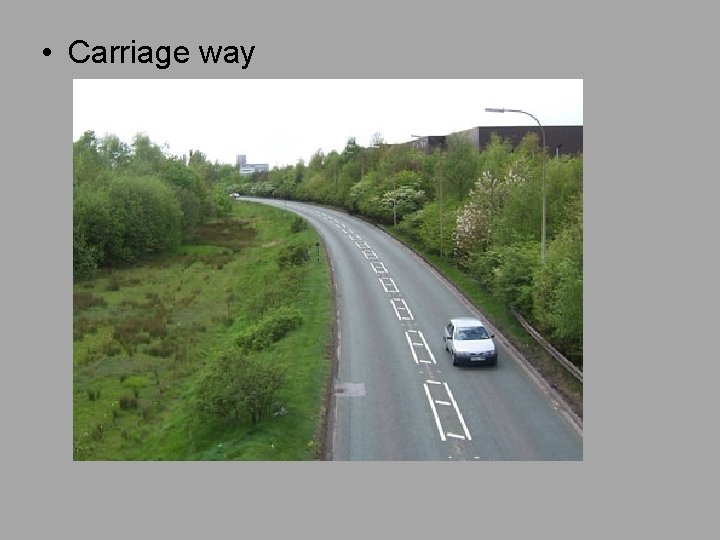
• Carriage way
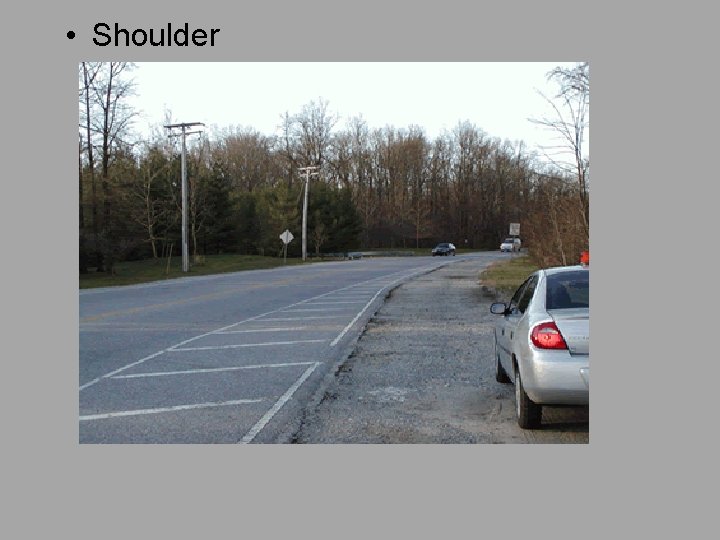
• Shoulder
• . Side drain
• . Kerb
• . Camber
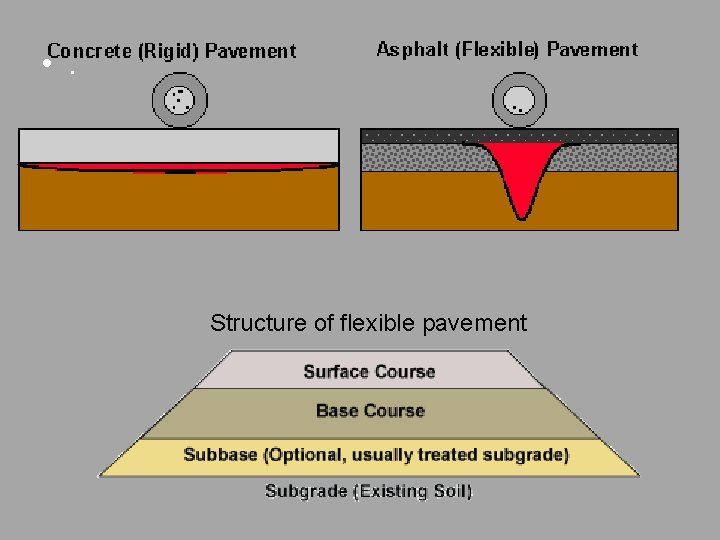
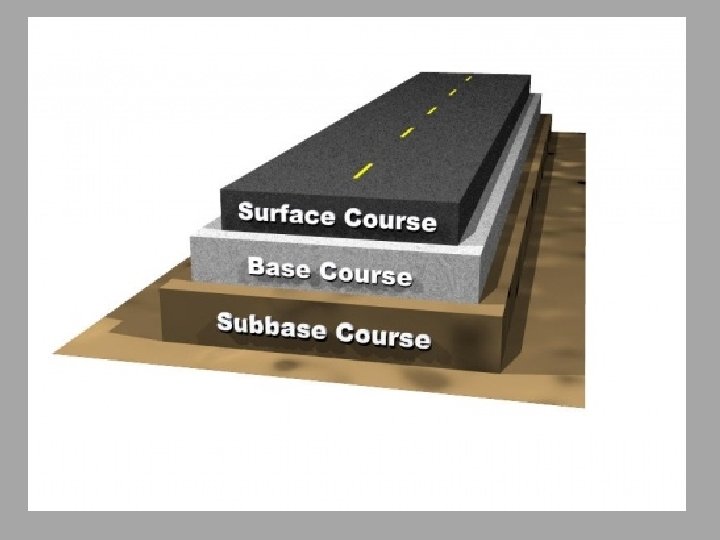
• . Structure of flexible pavement
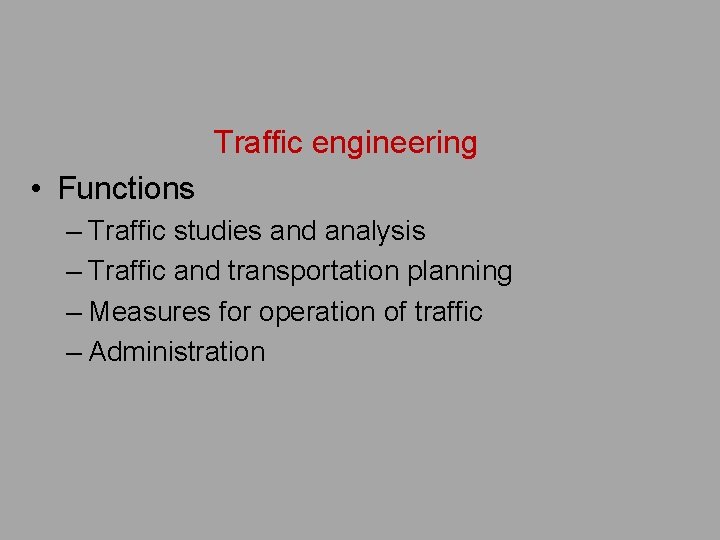
Traffic engineering • Functions – Traffic studies and analysis – Traffic and transportation planning – Measures for operation of traffic – Administration
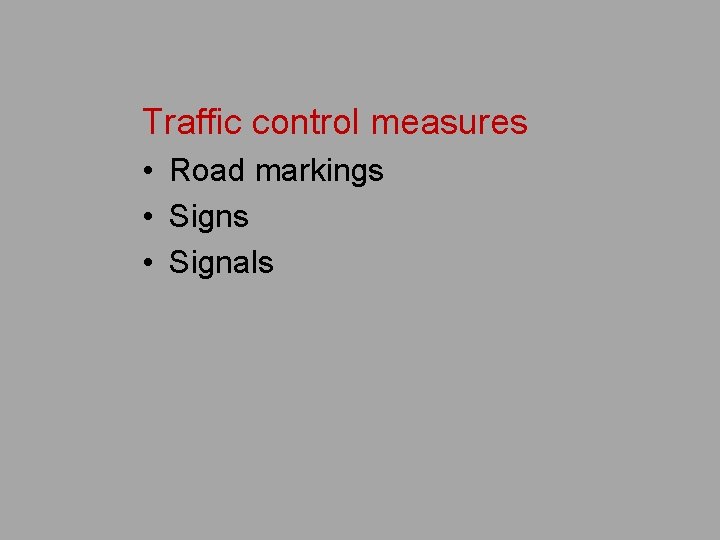
Traffic control measures • Road markings • Signals
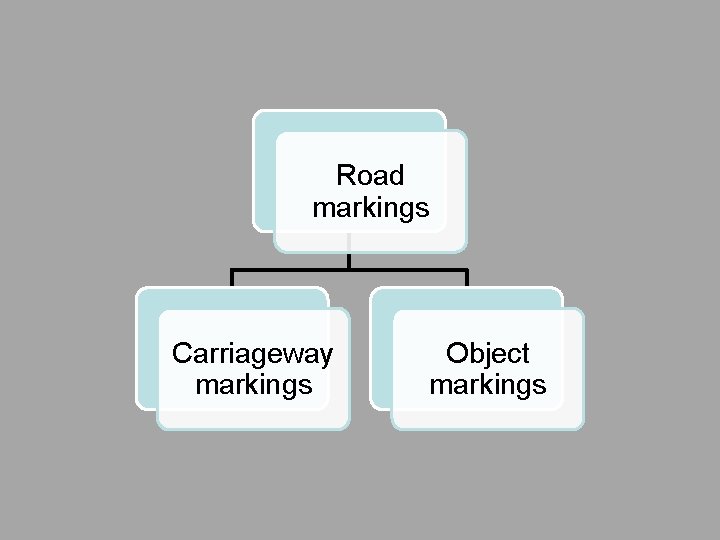
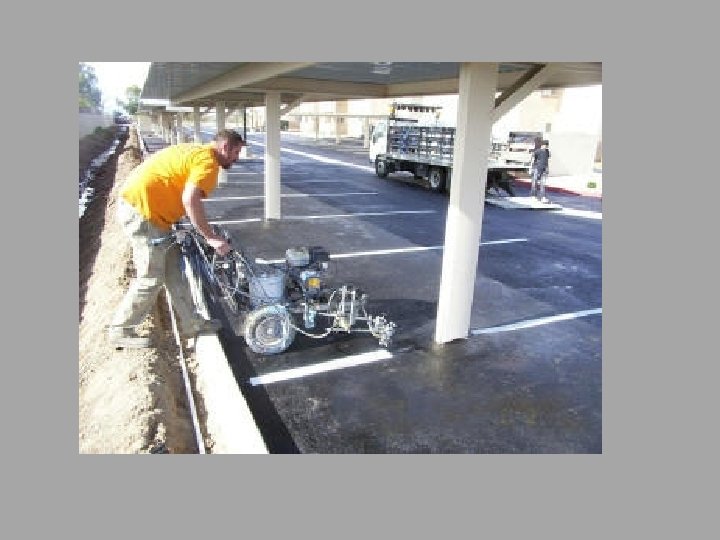
Road markings Carriageway markings Object markings
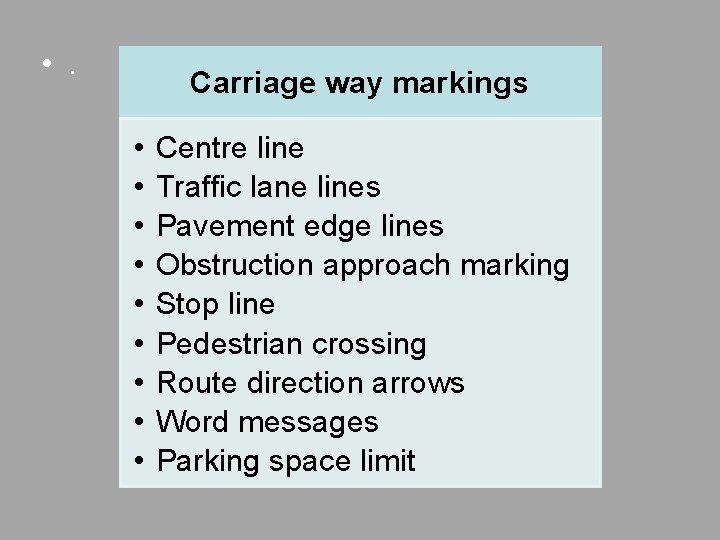
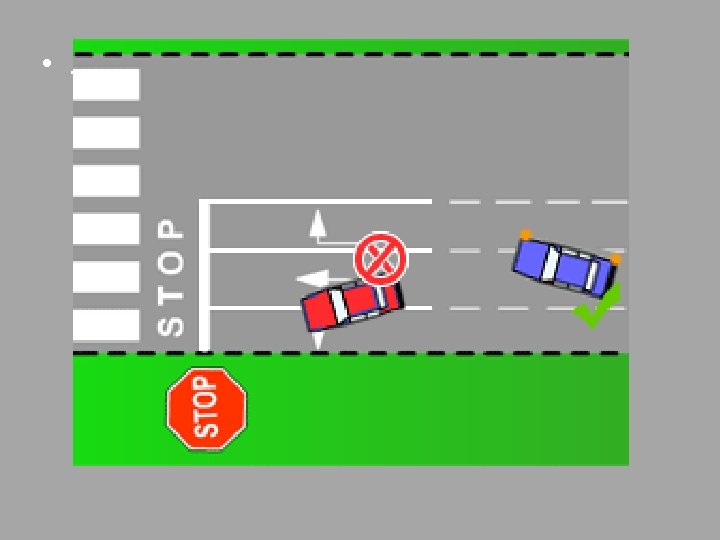
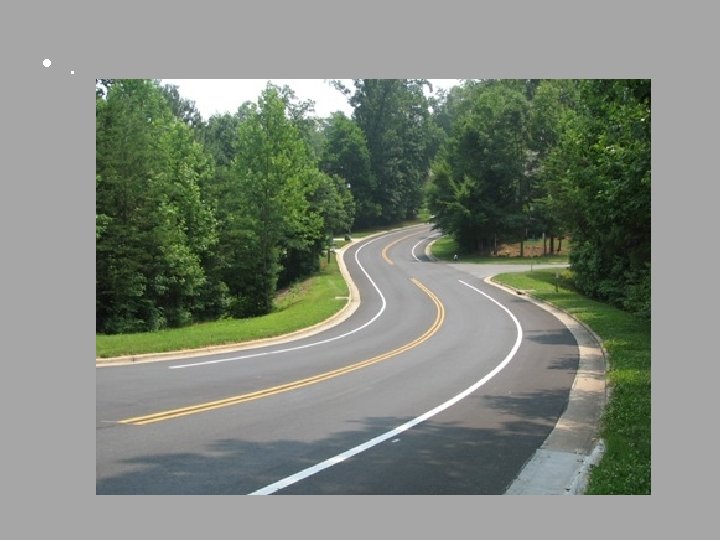
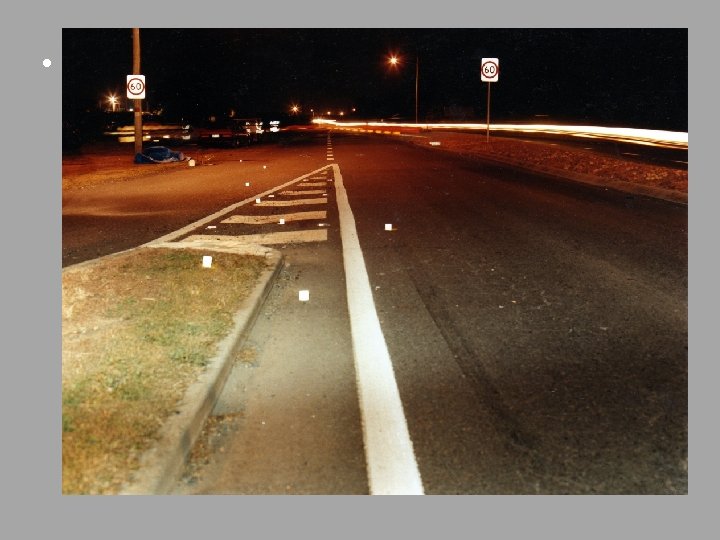
• . Carriage way markings • • • Centre line Traffic lane lines Pavement edge lines Obstruction approach marking Stop line Pedestrian crossing Route direction arrows Word messages Parking space limit
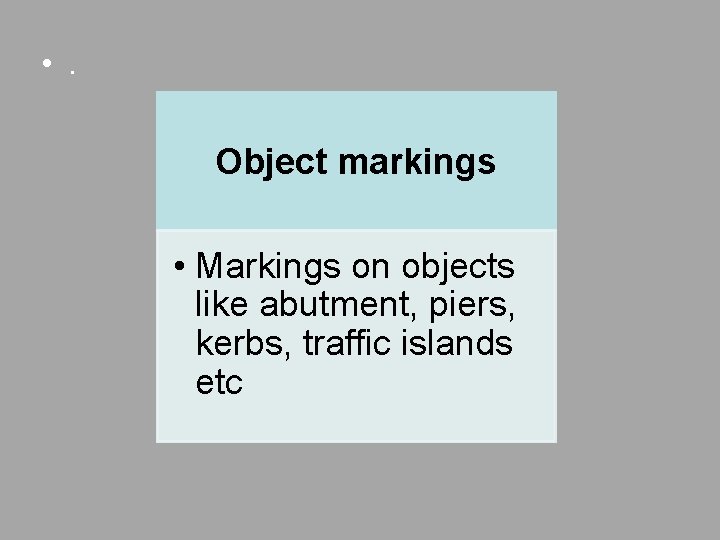
• . Object markings • Markings on objects like abutment, piers, kerbs, traffic islands etc
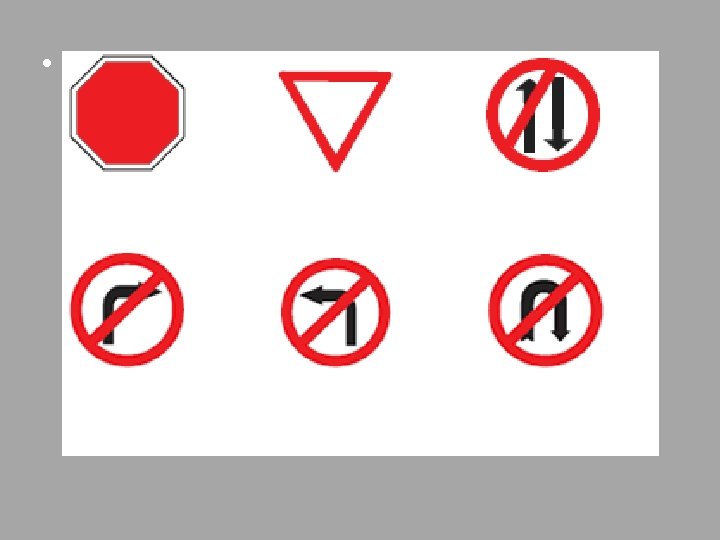
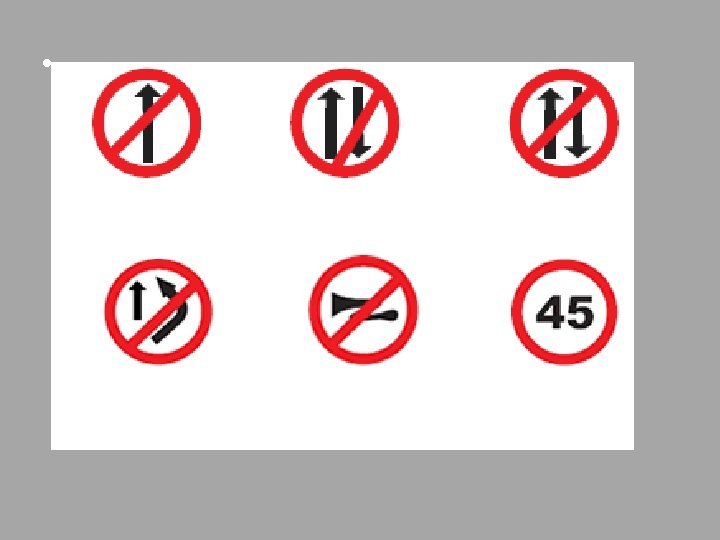
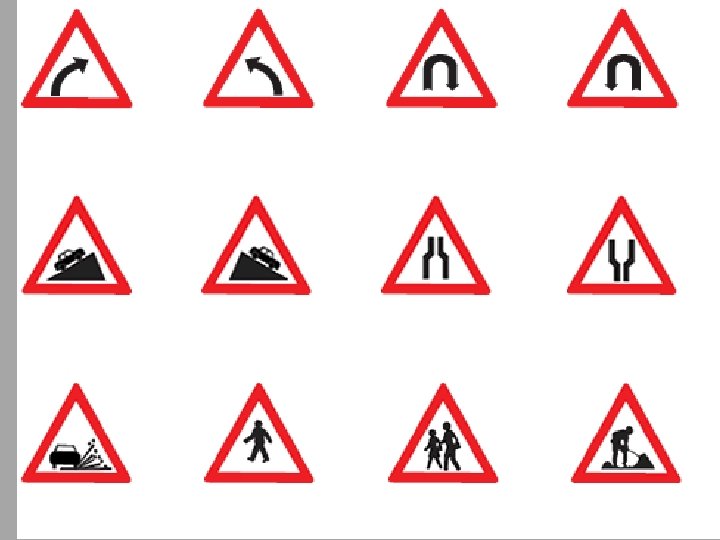
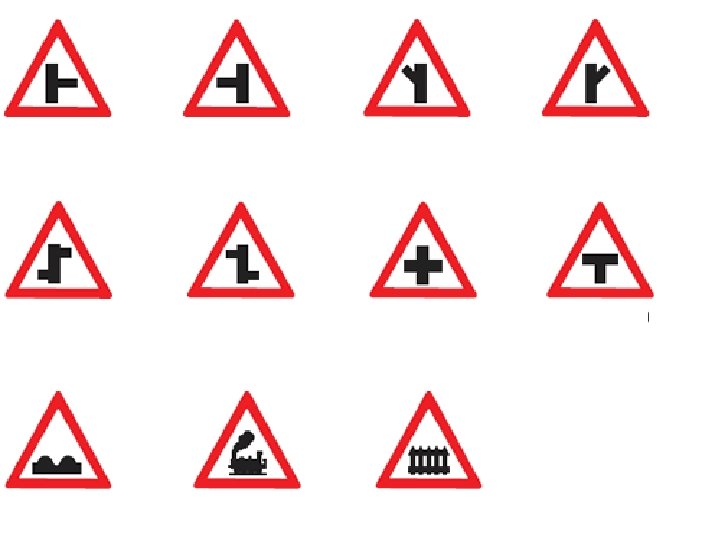
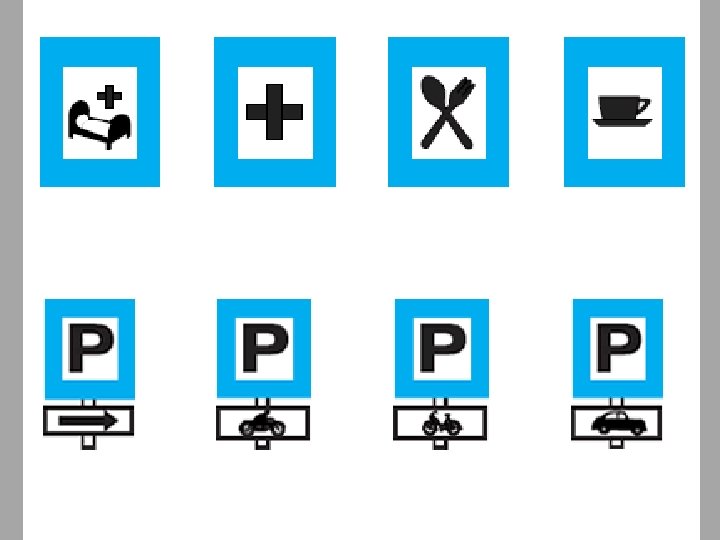
TRAFFIC SIGNS 1. Regulatory signs or mandatory signs 2. Warning signs or cautionary signs 3. Informatory signs or guide signs
• . TRAFFIC SIGNS 1. Regulatory signs or mandatory signs 2. Warning signs or cautionary signs 3. Informatory signs or guide signs
• . TRAFFIC SIGNS 1. Regulatory signs or mandatory signs 2. Warning signs or cautionary signs 3. Informatory signs or guide signs
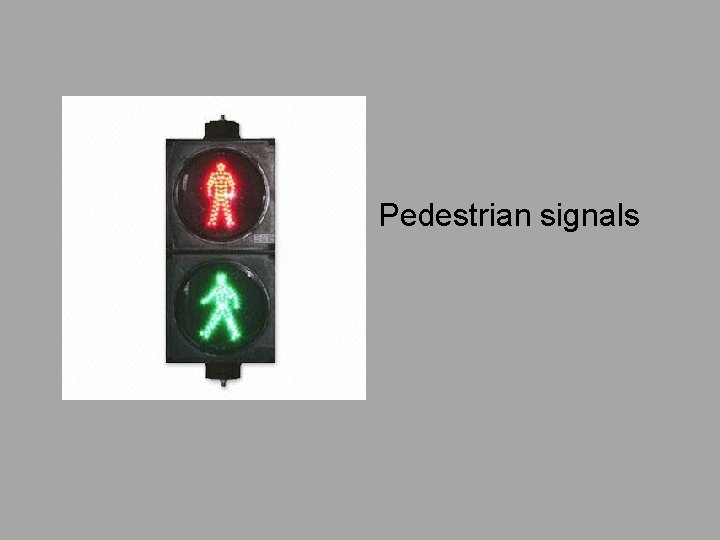
Types of signals 1. Traffic control signals • Fixed time signal • Vehicle actuated signal • Manually operated signal • Pedestrian signal 2. Pedestrian signals
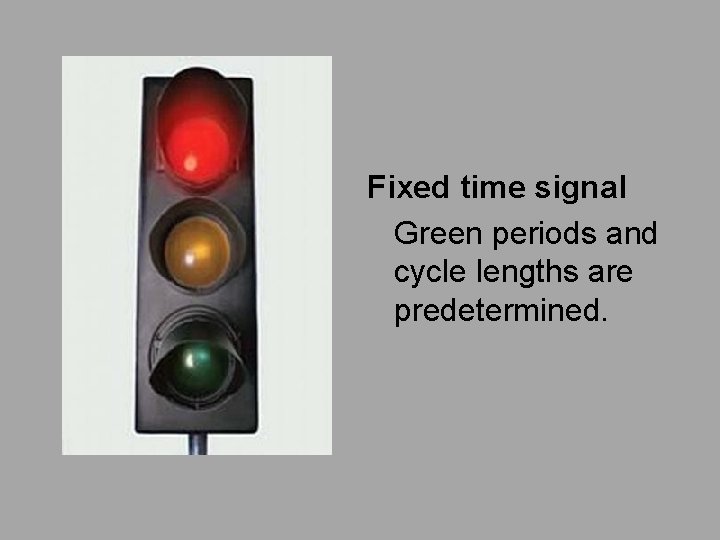
Fixed time signal Green periods and cycle lengths are predetermined.
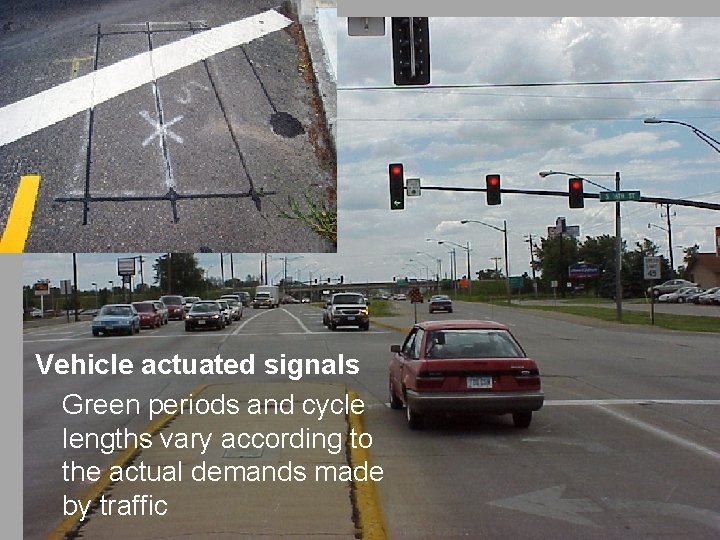
Vehicle actuated signals Green periods and cycle lengths vary according to the actual demands made by traffic
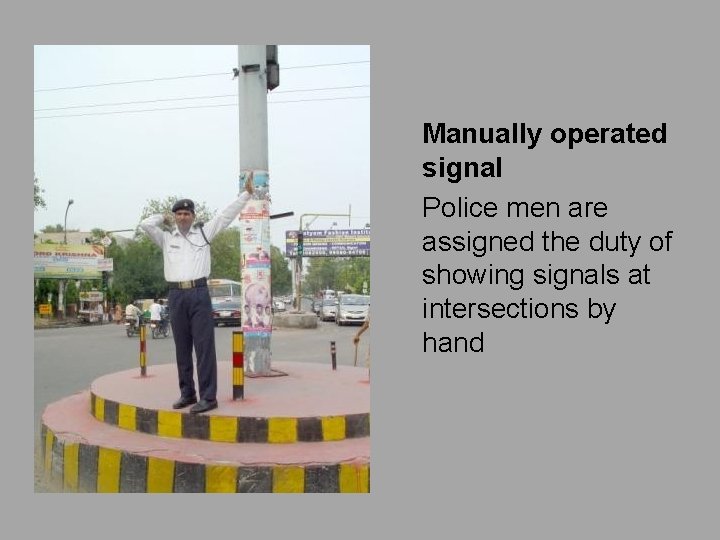
Manually operated signal Police men are assigned the duty of showing signals at intersections by hand
Pedestrian signals
TRAFFIC ISLANDS Purposes • Separation of conflicts • Control of speed • Protection of vehicles leaving or crossing main stream • Protection of pedestrians • Elimination of excessive intersectional traffic • Blockage of prohibited movements • Location for traffic control devices
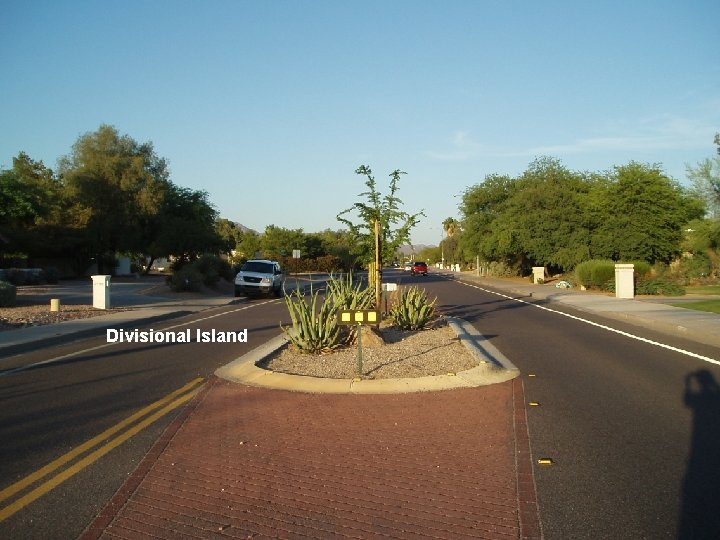
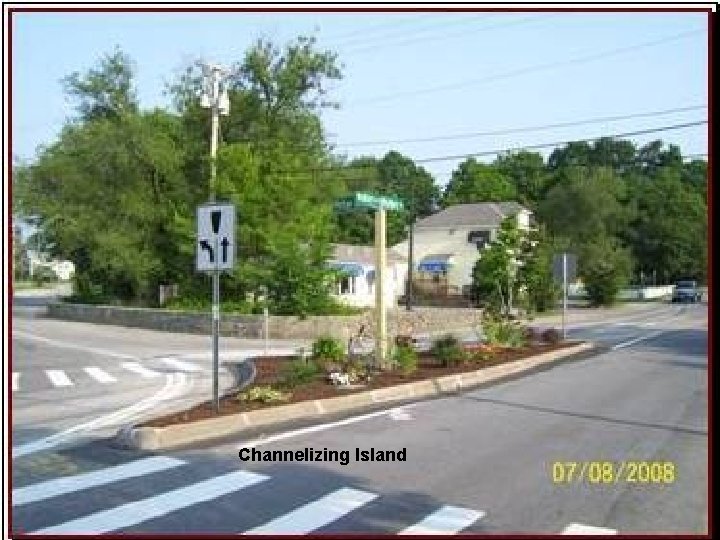
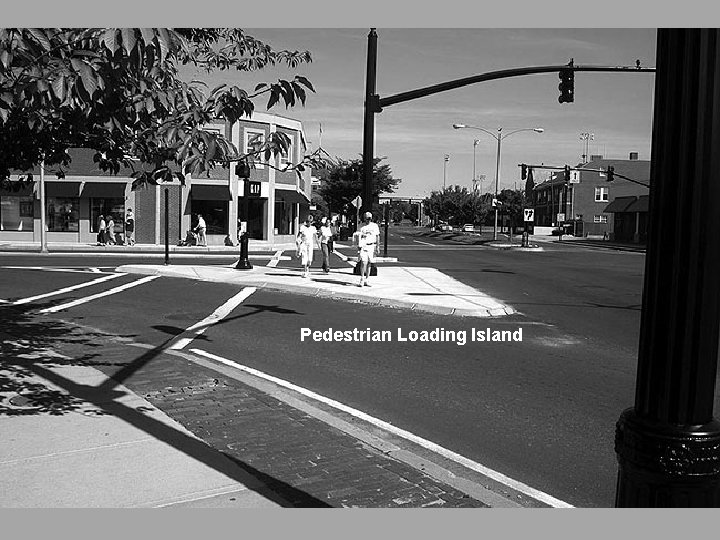
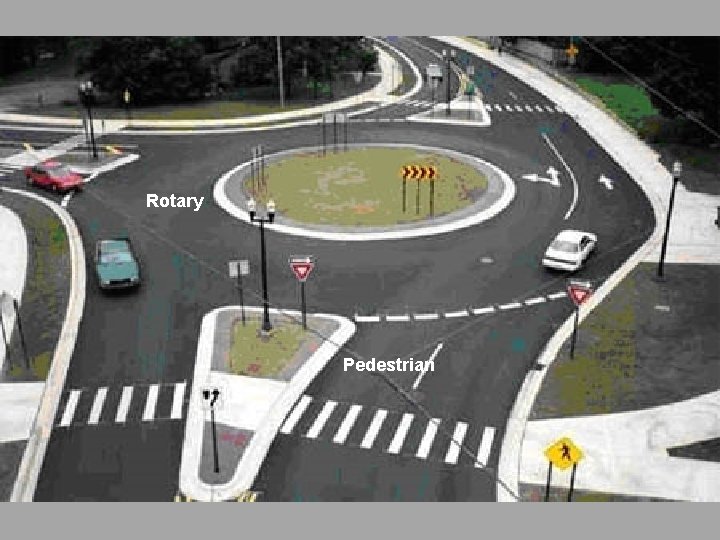
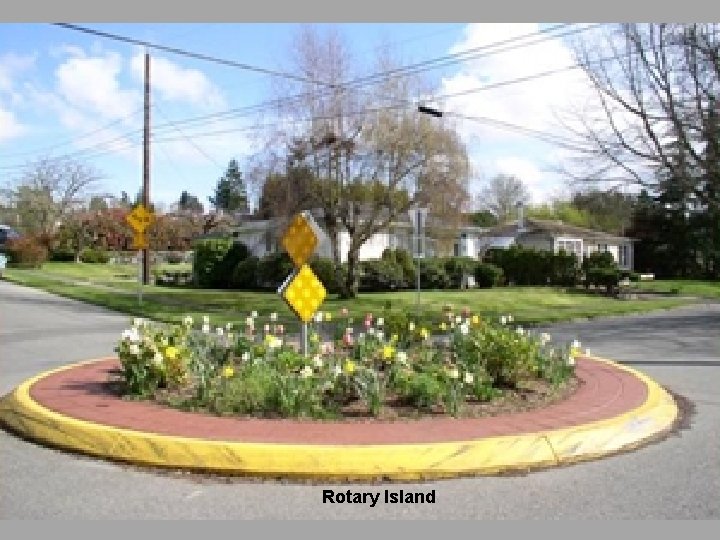
Types of traffic islands • Divisional islands • Channelizing islands • Pedestrian loading islands • Rotary islands
Divisional Island
Channelizing Island
Pedestrian Loading Island
Rotary Pedestrian
Rotary Island
ROAD ACCIDENTS Causes Related with – Road users – Vehicles – Road and its conditions – Environmental factors
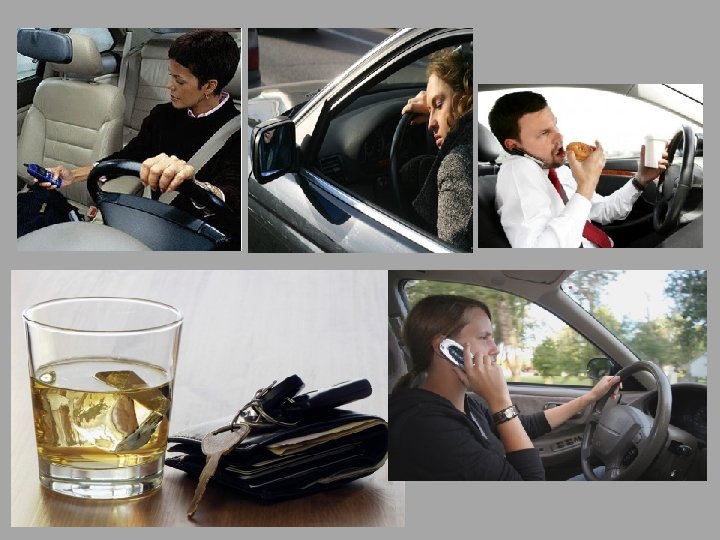
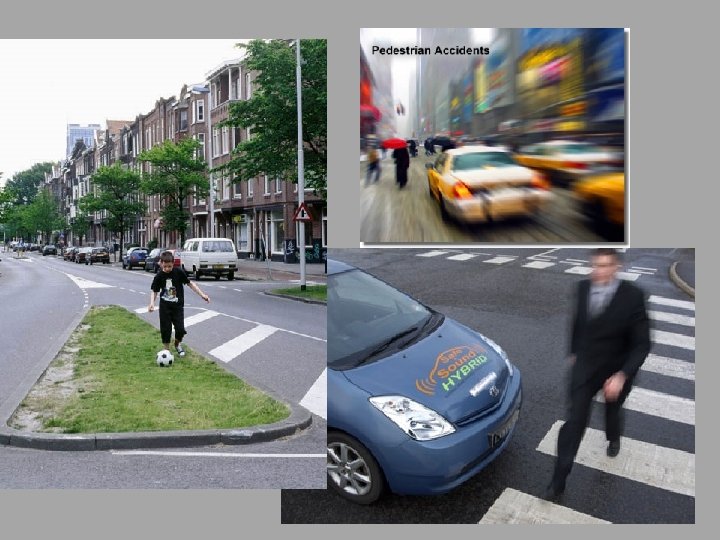
Road users Drivers Wrong overtaking Over Speeding Under influence of alcohol Violation of traffic rules and signs Fatigue and insufficient rest Passengers Pedestrians
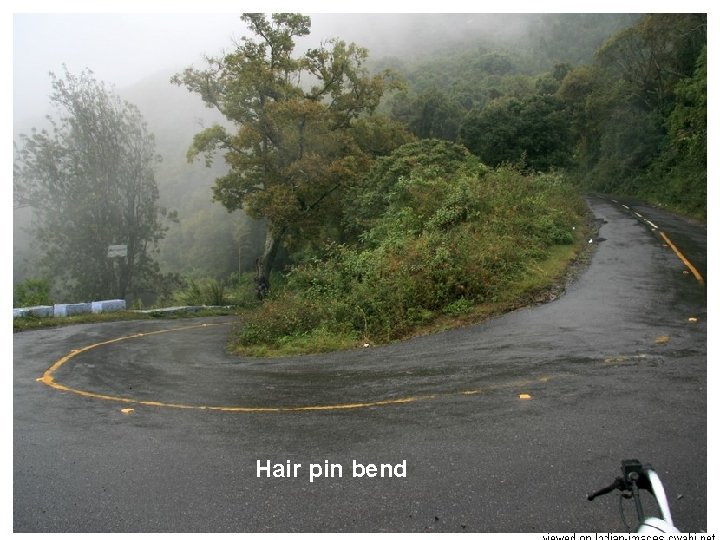
Hair pin bend
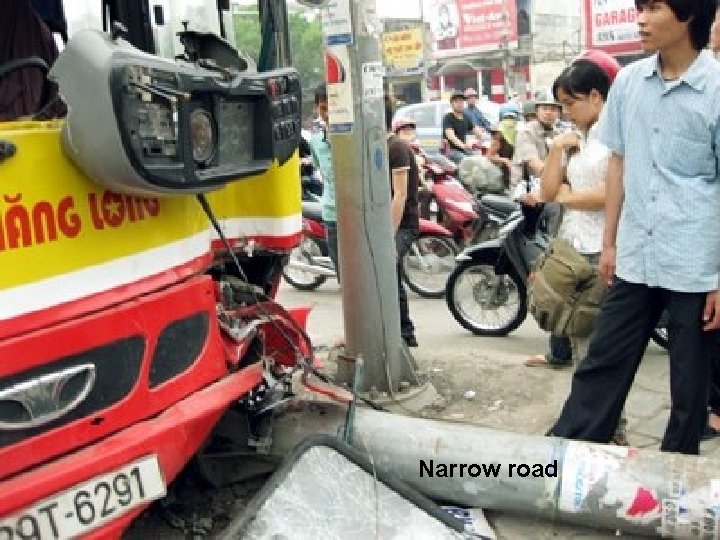
Narrow road
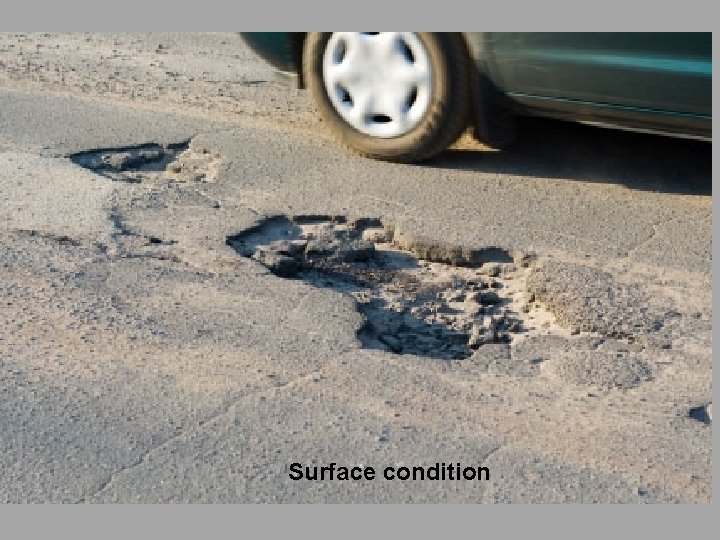
Surface condition
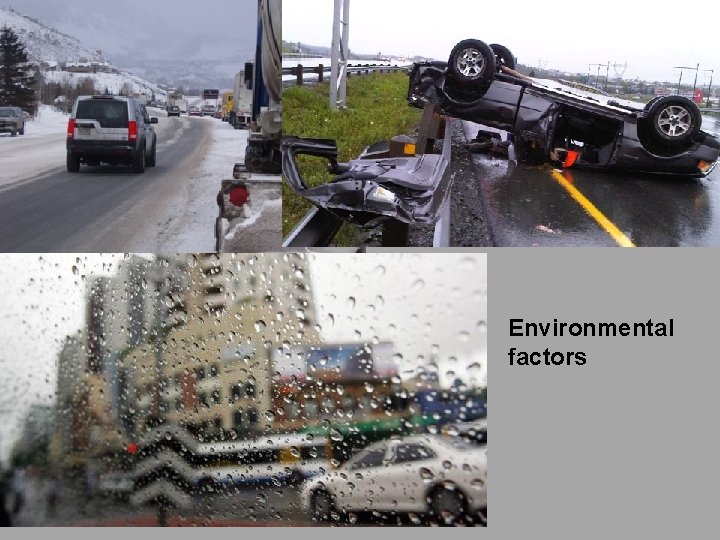
Environmental factors
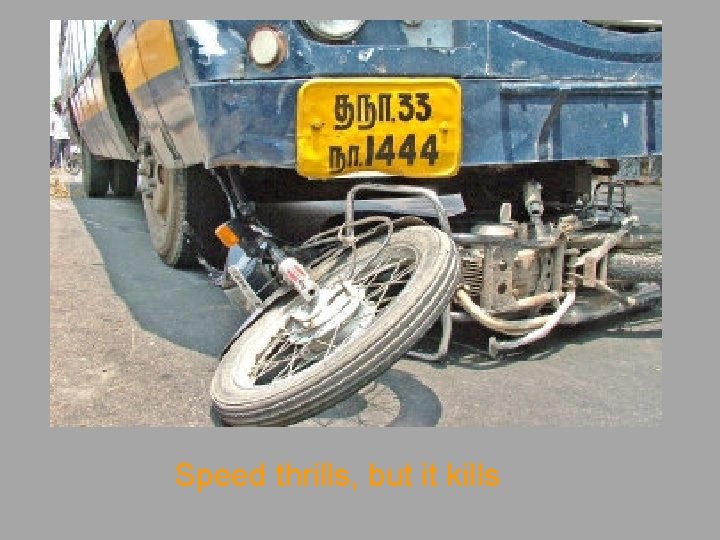
Speed thrills, but it kills
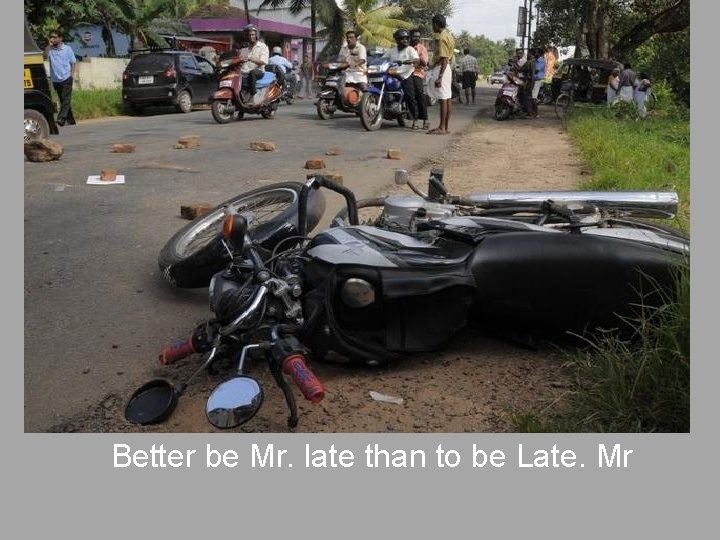
Better be Mr. late than to be Late. Mr
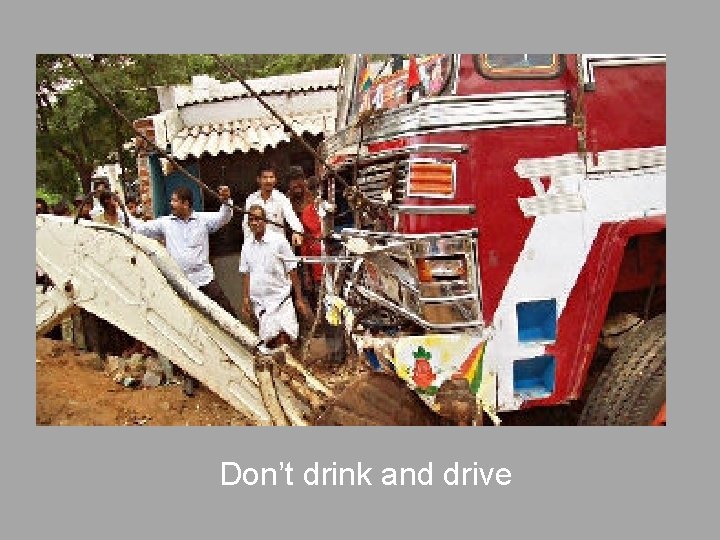
Don’t drink and drive
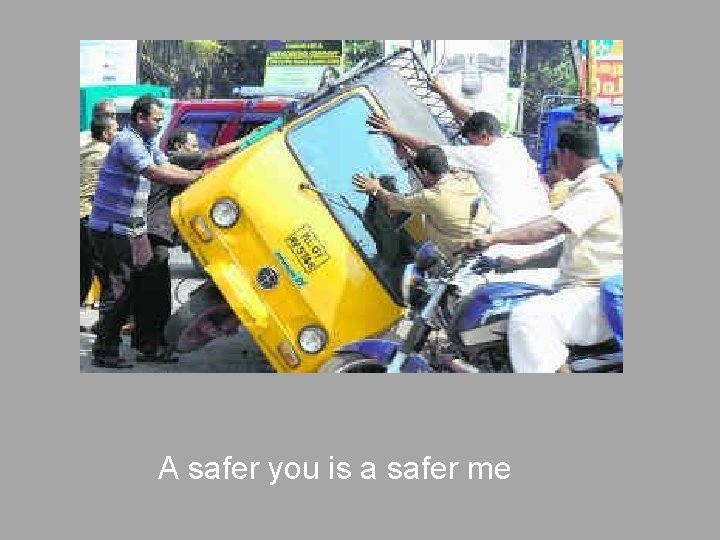
A safer you is a safer me
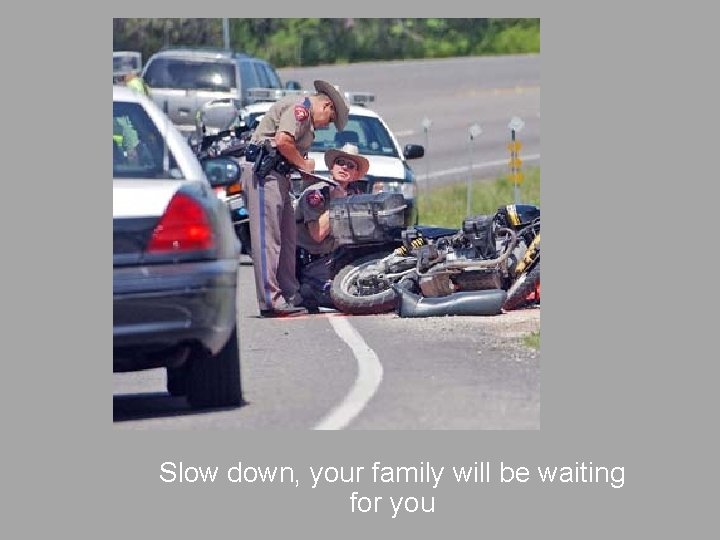
Slow down, your family will be waiting for you
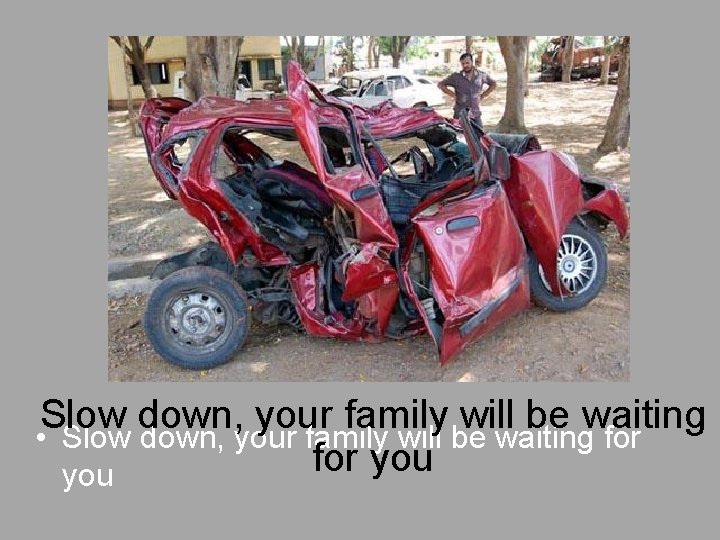
Slow down, your family will be waiting • Slow down, your family will be waiting for you
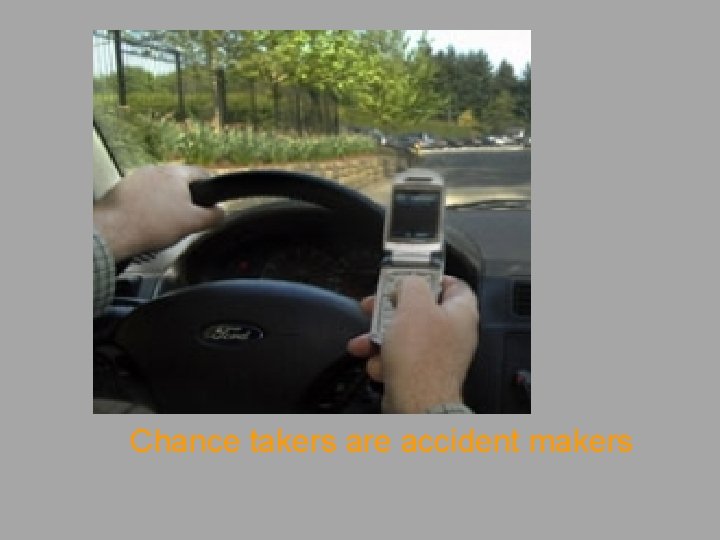
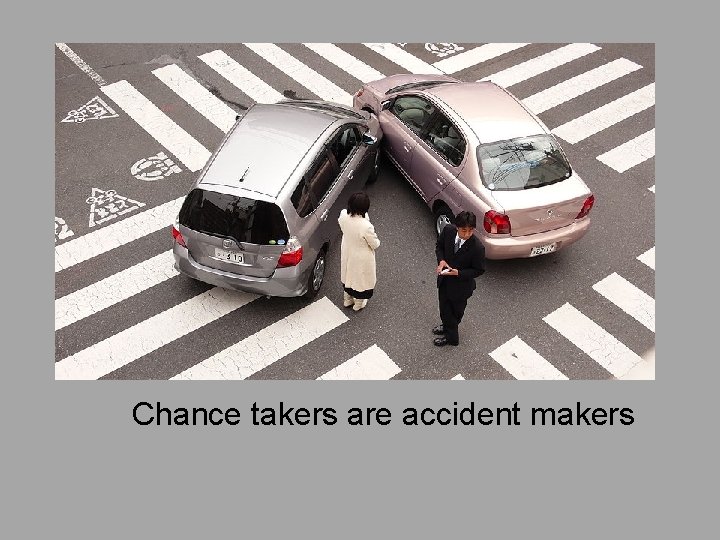
Chance takers are accident makers
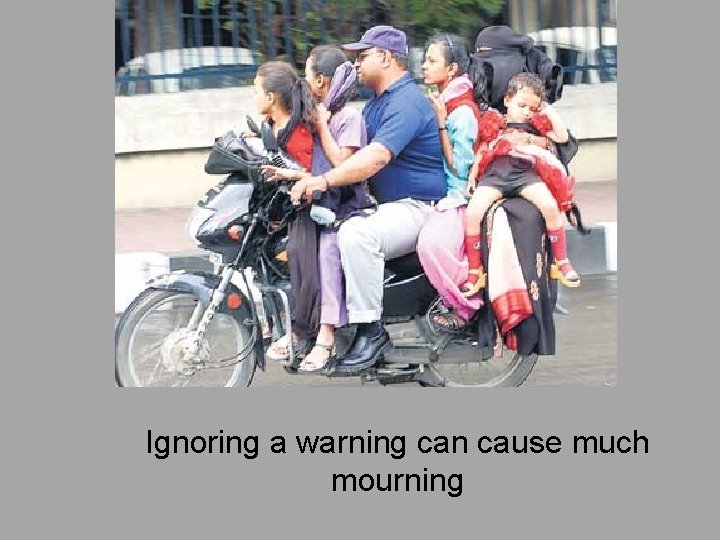
Ignoring a warning can cause much mourning
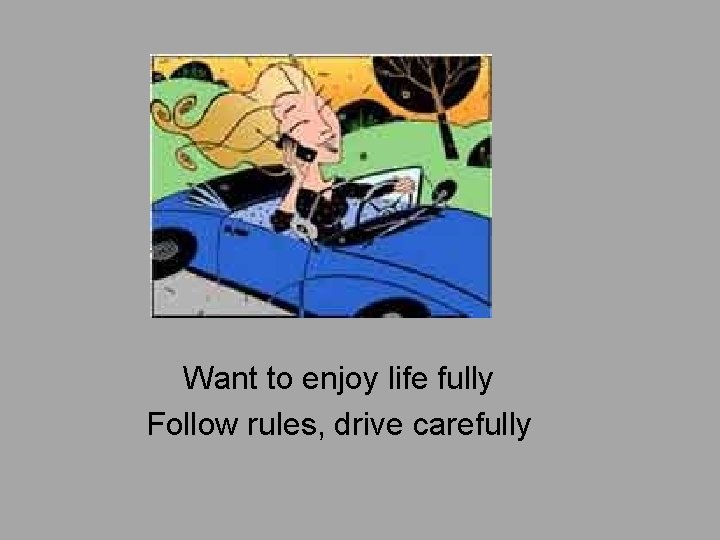
Want to enjoy life fully Follow rules, drive carefully
Chance takers are accident makers
Alert Today-Alive Tomorrow