
Transport Passive and Active Structure of Cell membranes
Transport: Passive and Active
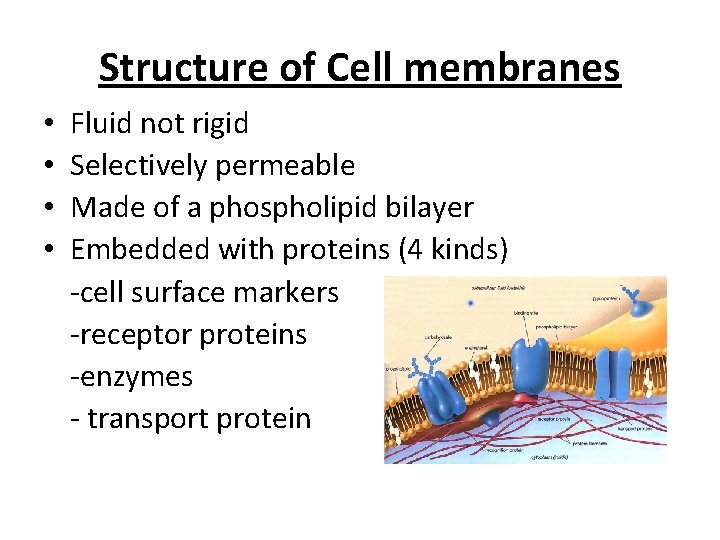
Structure of Cell membranes • • Fluid not rigid Selectively permeable Made of a phospholipid bilayer Embedded with proteins (4 kinds) -cell surface markers -receptor proteins -enzymes - transport protein
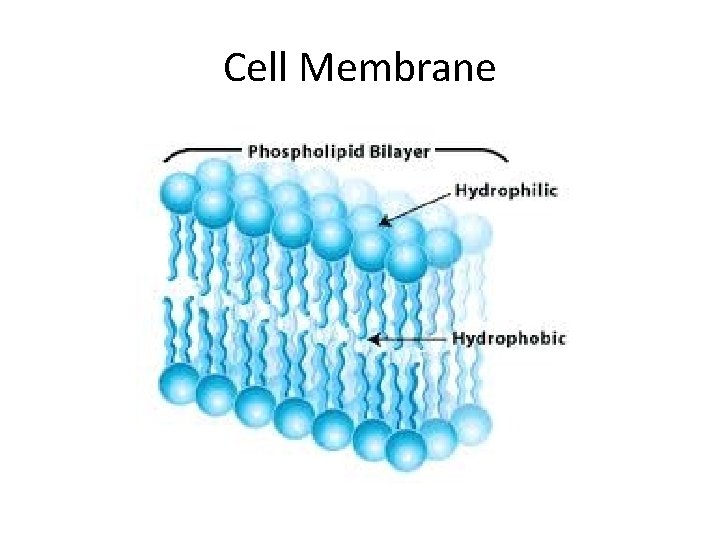
Cell Membrane
Passive Transport • Movement of substances from one side of the membrane to another WITHOUT the use of ENERGY • Ex. Diffusion • Facilitated diffusion • osmosis
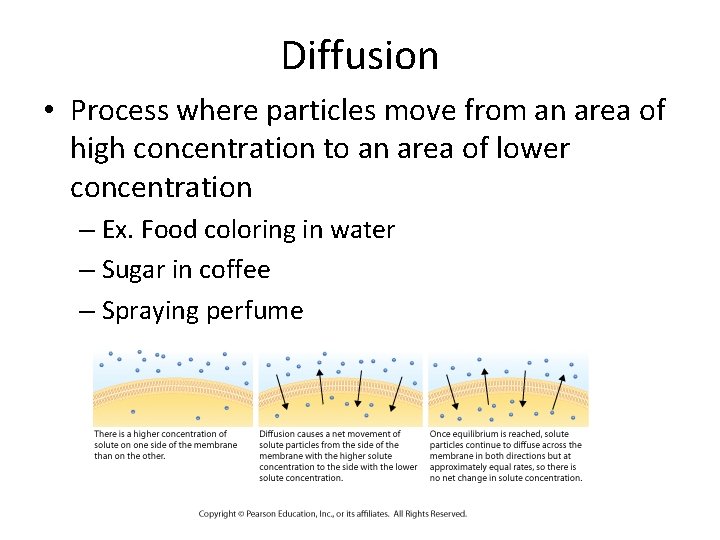
Diffusion • Process where particles move from an area of high concentration to an area of lower concentration – Ex. Food coloring in water – Sugar in coffee – Spraying perfume
Facilitated Diffusion • Membrane is a phospholipid bilayer. Substances that are non-polar tent to pass through easier than polar or large molecules…they need help. • Proteins in cell membrane act as carriers and channels, helping (facilitating) molecules pass through. • Ex. Glucose, Cl-
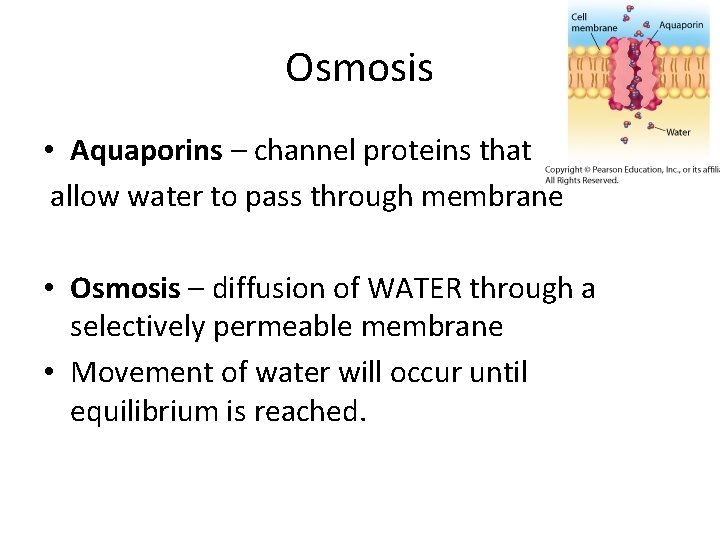
Osmosis • Aquaporins – channel proteins that allow water to pass through membrane • Osmosis – diffusion of WATER through a selectively permeable membrane • Movement of water will occur until equilibrium is reached.
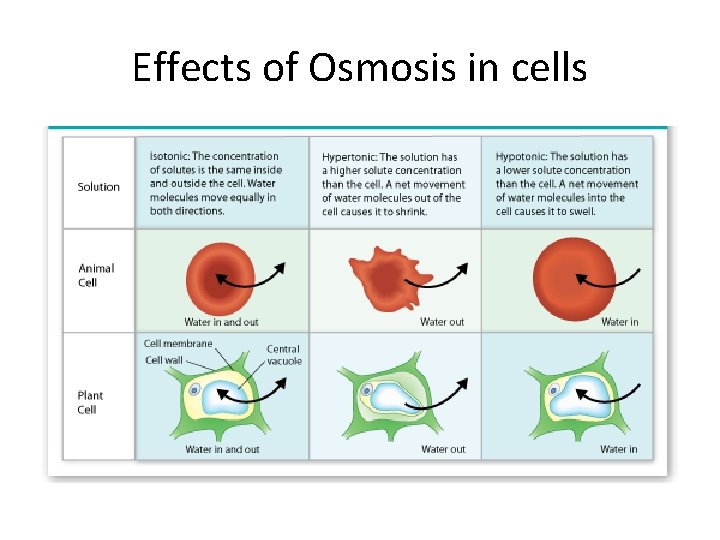
Effects of Osmosis in cells
Active transport • Moving a substance against its concentration gradient, from a low to high concentration • Requires energy via ATP
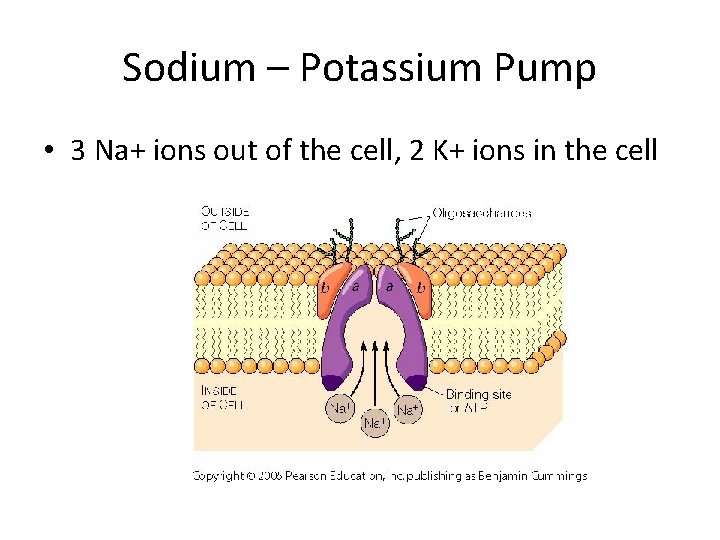
Sodium – Potassium Pump • 3 Na+ ions out of the cell, 2 K+ ions in the cell
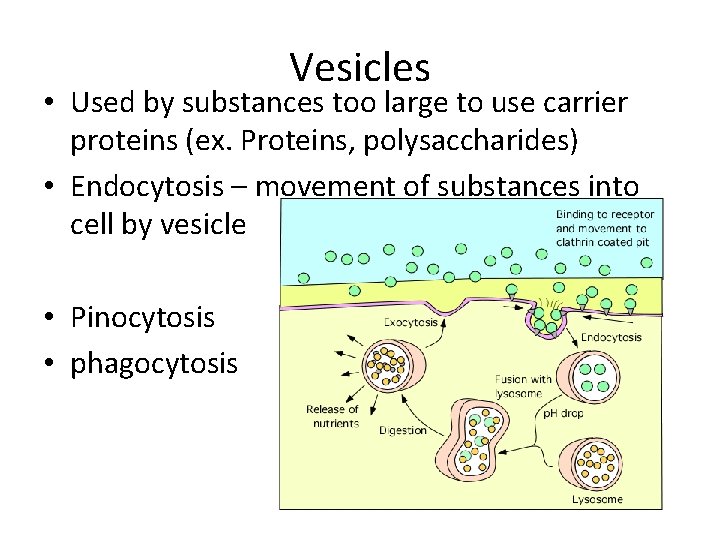
Vesicles • Used by substances too large to use carrier proteins (ex. Proteins, polysaccharides) • Endocytosis – movement of substances into cell by vesicle • Pinocytosis • phagocytosis
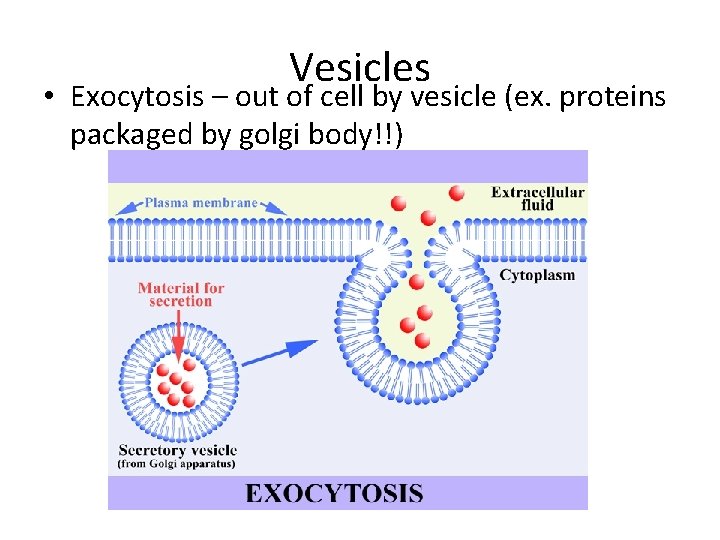
Vesicles • Exocytosis – out of cell by vesicle (ex. proteins packaged by golgi body!!)
- Slides: 12