
Transport in Plants Title Transport in Plants Lesson



- Slides: 30
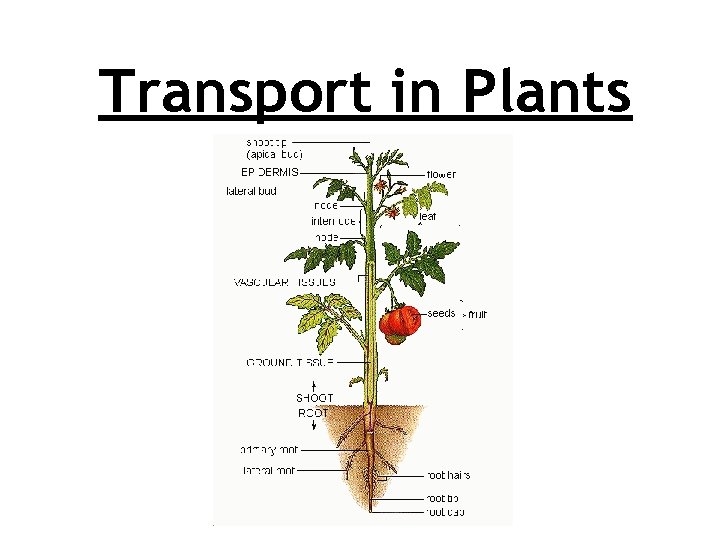
Transport in Plants
Title: Transport in Plants Lesson objective: 1. Can I explain the role of vascular tissue? Grade C/B 2. Can I describe the distribution of vascular tissue in plants? Grade D/C Starter: Name specialized cells in the plant and what their roles are….
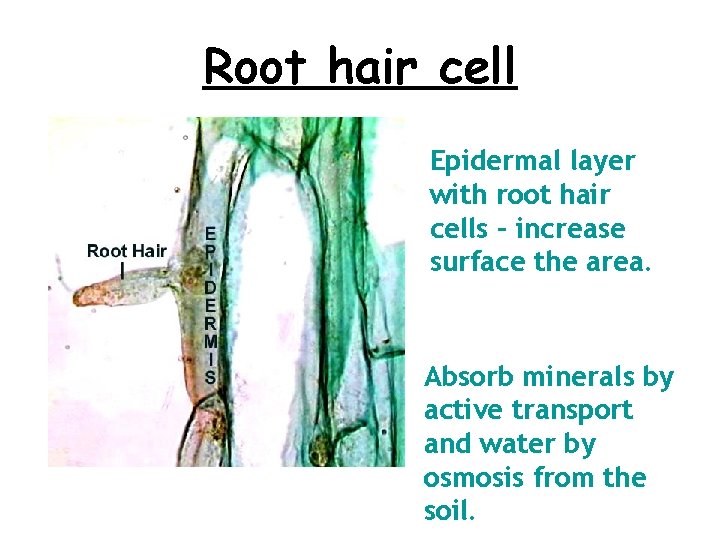
Root hair cell Epidermal layer with root hair cells – increase surface the area. Absorb minerals by active transport and water by osmosis from the soil.
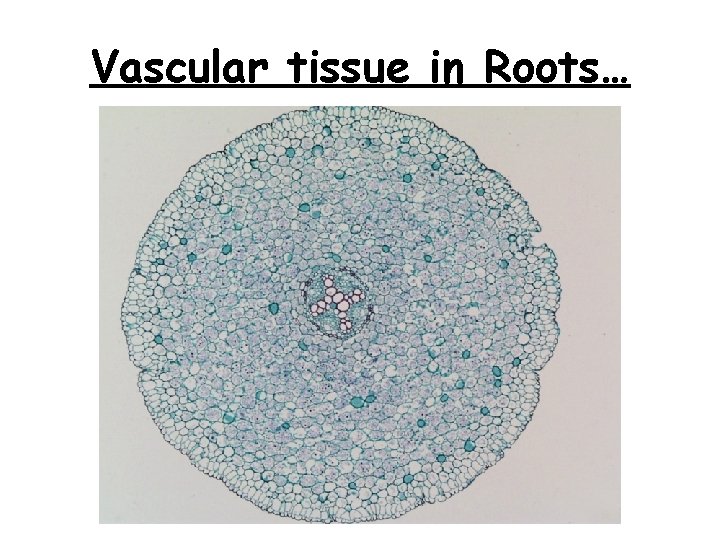
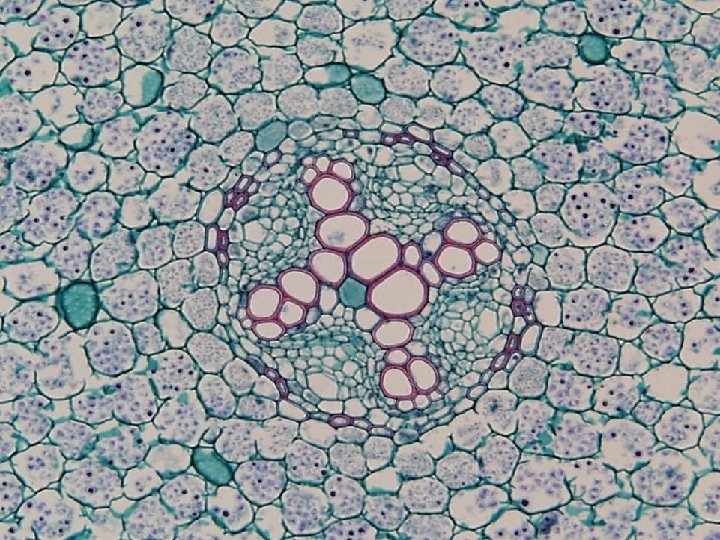
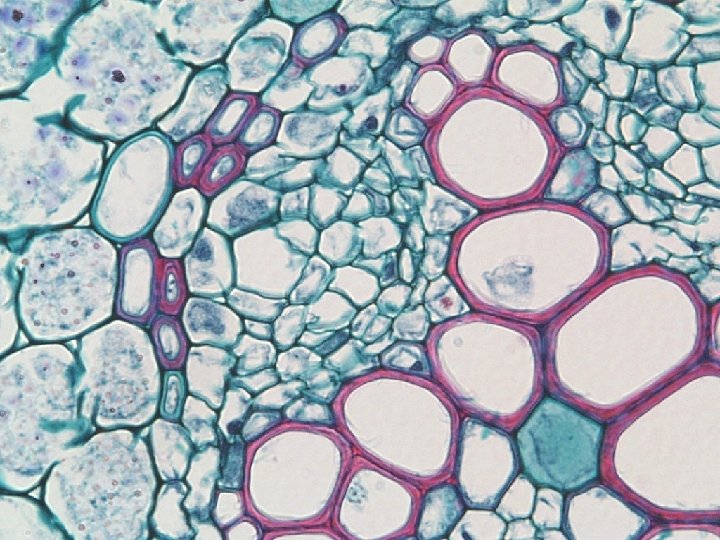
Vascular tissue in Roots…
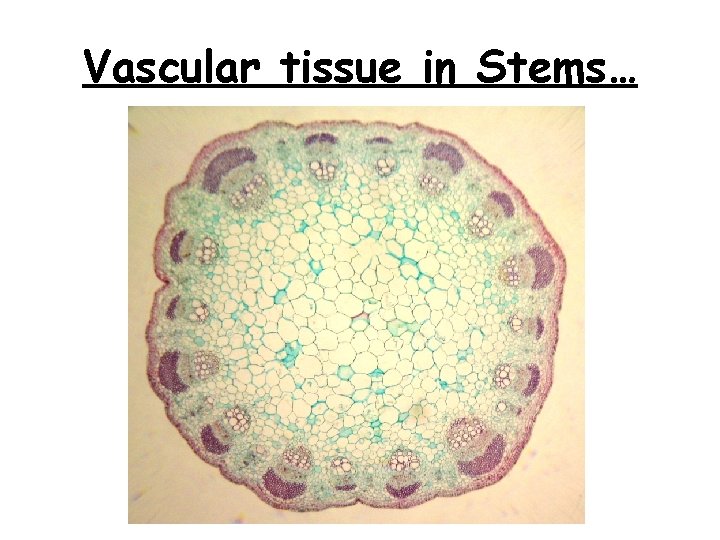
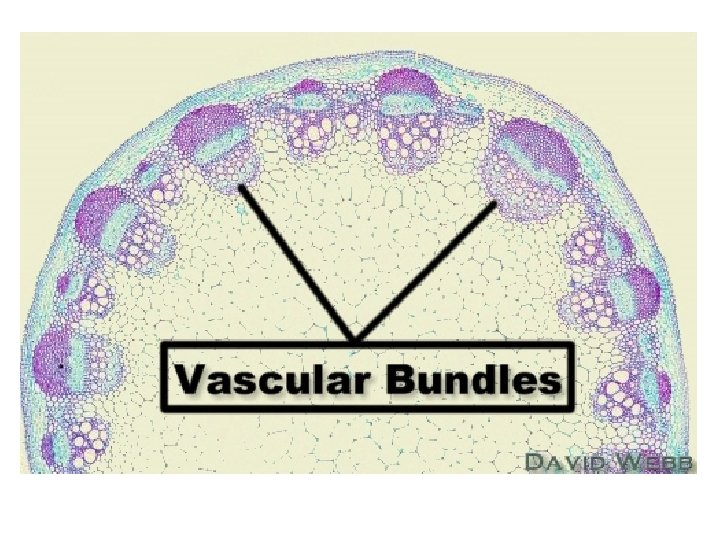
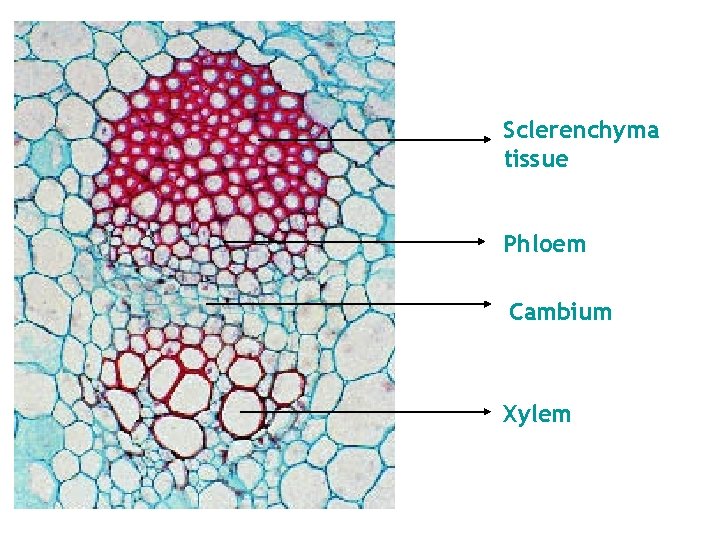
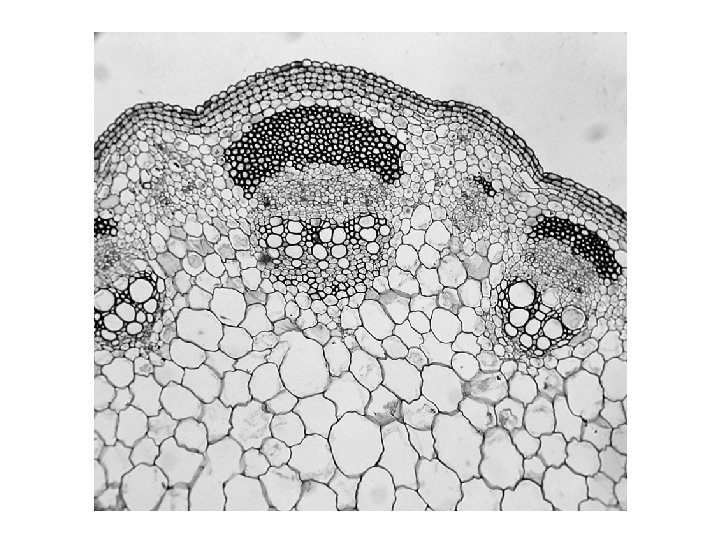
Vascular tissue in Stems…
Sclerenchyma tissue Phloem Cambium Xylem
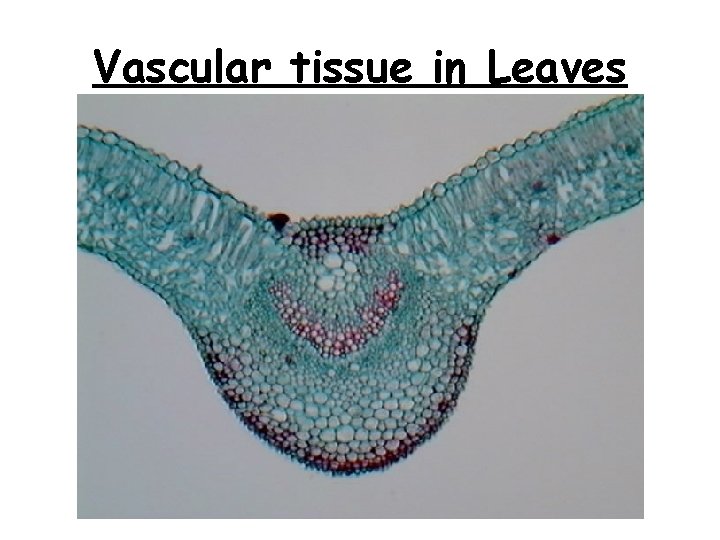
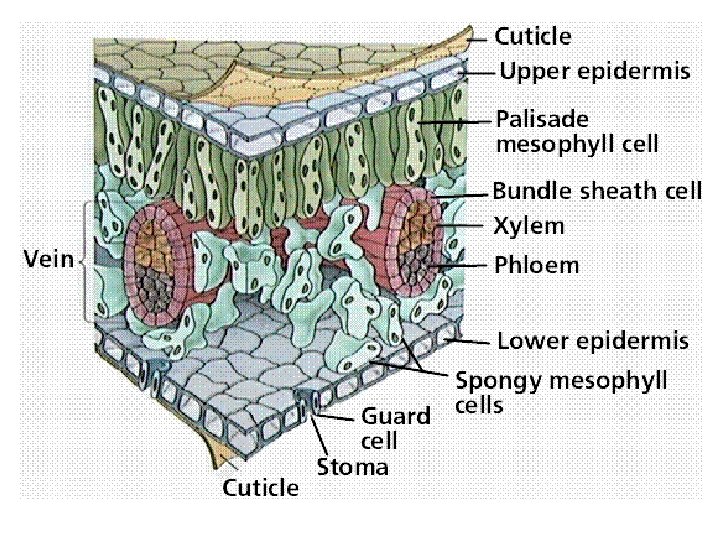
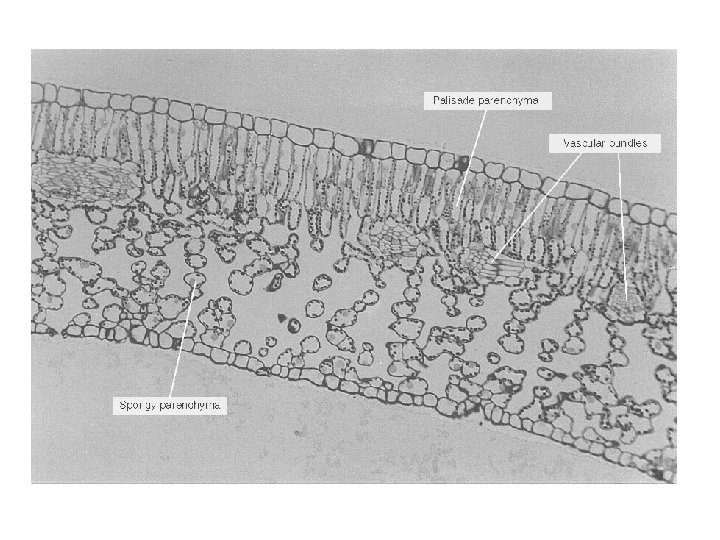
Vascular tissue in Leaves
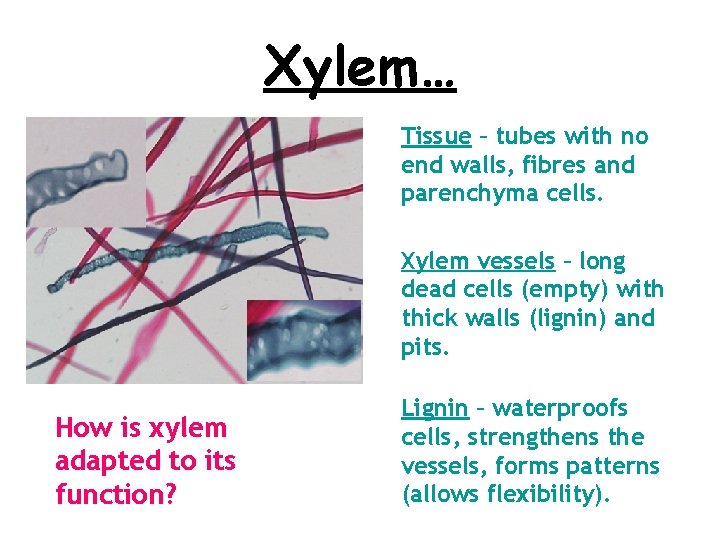
Xylem… Tissue – tubes with no end walls, fibres and parenchyma cells. Xylem vessels – long dead cells (empty) with thick walls (lignin) and pits. How is xylem adapted to its function? Lignin – waterproofs cells, strengthens the vessels, forms patterns (allows flexibility).
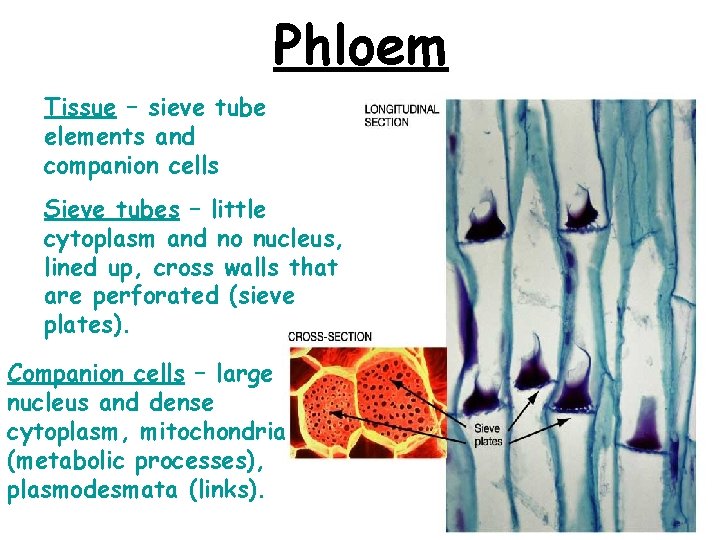
Phloem Tissue – sieve tube elements and companion cells Sieve tubes – little cytoplasm and no nucleus, lined up, cross walls that are perforated (sieve plates). Companion cells – large nucleus and dense cytoplasm, mitochondria (metabolic processes), plasmodesmata (links).
To do… Microscope work – make schematic diagrams of the root and stem, fully labelled.
Title: Transpiration Lesson objective: 1. Can I describe how transpiration occurs and how to measure it? Grade C 2. Can I explain transpiration and what could affect the rate ? Grade B/A Homework: Notes on xylem and phloem…. Starter: Identify the plant organ and add the labels in….
Specialised tissues… In your groups – make a mini-factfile on one of the three tissues: xylem, phloem or stomata… You can: • Use your mobile phones – video your fact file • Use the paper provided to make a ‘leaflet’ You have 10 minutes…. .
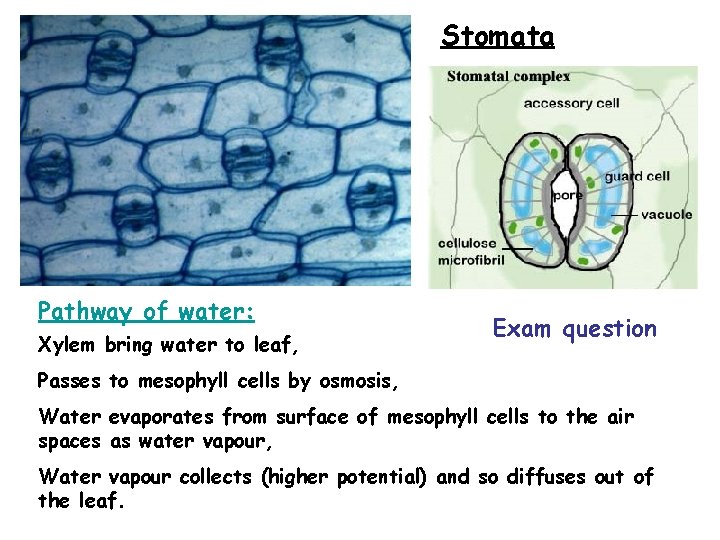
Stomata Pathway of water: Xylem bring water to leaf, Exam question Passes to mesophyll cells by osmosis, Water evaporates from surface of mesophyll cells to the air spaces as water vapour, Water vapour collects (higher potential) and so diffuses out of the leaf.
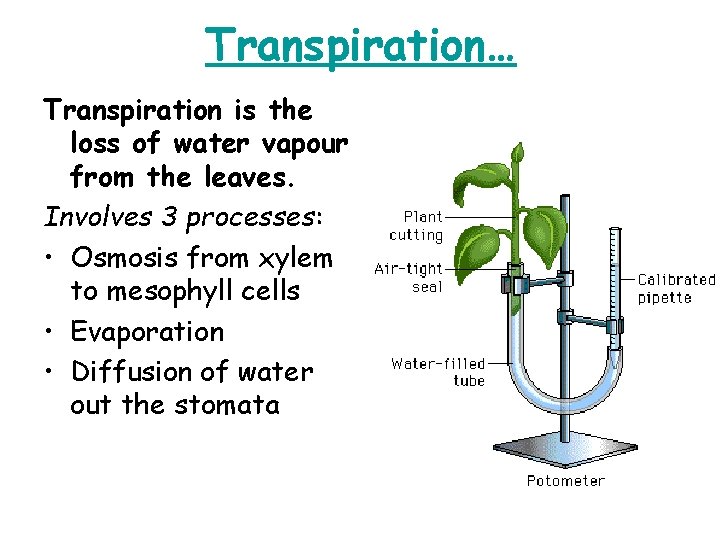
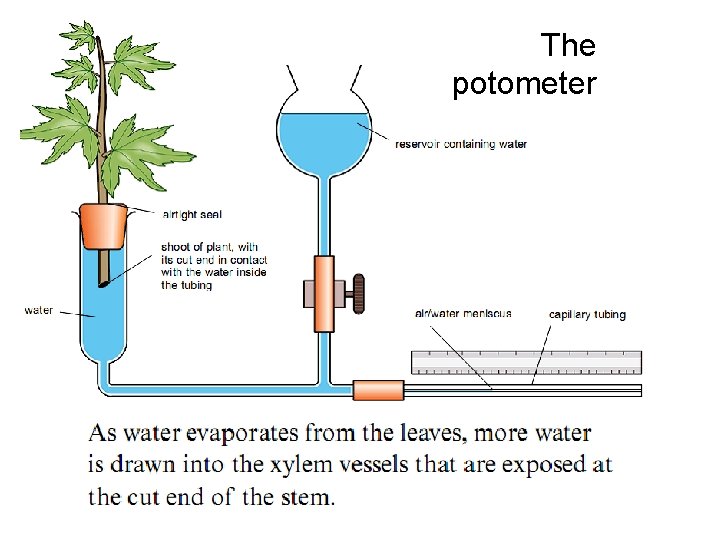
Transpiration… Transpiration is the loss of water vapour from the leaves. Involves 3 processes: • Osmosis from xylem to mesophyll cells • Evaporation • Diffusion of water out the stomata
The potometer
Title: Transpiration Lesson objective: 1. Can I describe the factors that affect the rate of transpiration? Grade C 2. Can I explain how plants reduce water loss? Grade B/A Starter: Exam question….
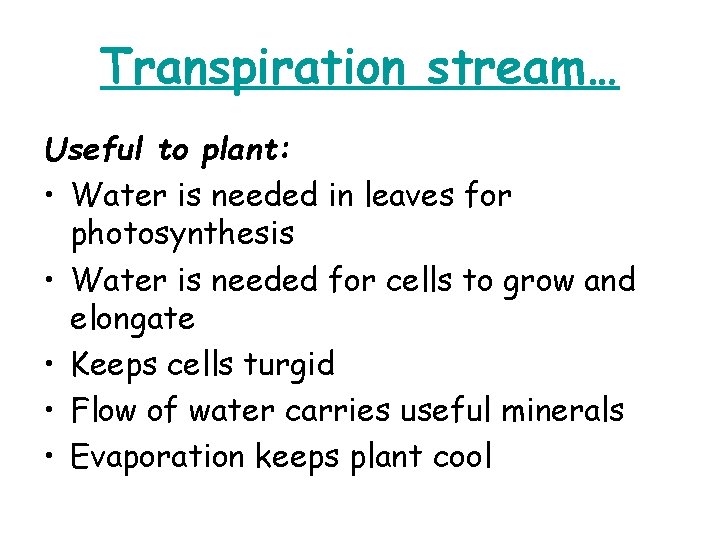
Transpiration stream… Useful to plant: • Water is needed in leaves for photosynthesis • Water is needed for cells to grow and elongate • Keeps cells turgid • Flow of water carries useful minerals • Evaporation keeps plant cool
Factors affecting transpiration. . Number of leaves Number, size and position of stomata Cuticle Light Temperature Humidity Air movement Water availability
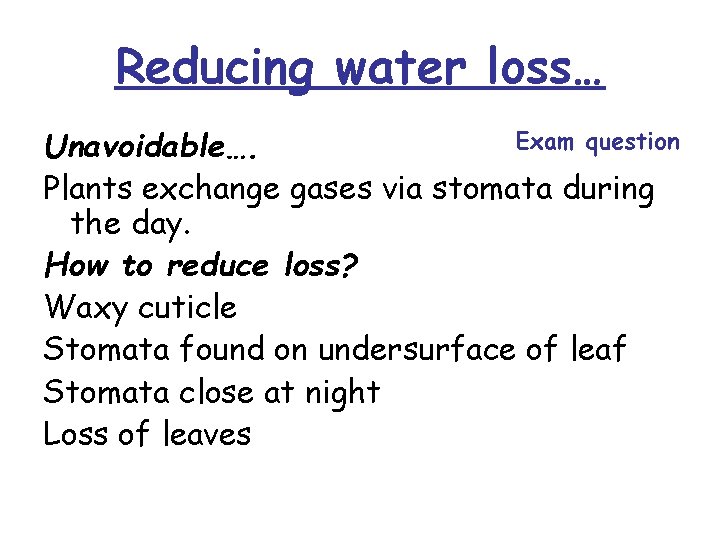
Reducing water loss… Exam question Unavoidable…. Plants exchange gases via stomata during the day. How to reduce loss? Waxy cuticle Stomata found on undersurface of leaf Stomata close at night Loss of leaves
Loss of too much water…?
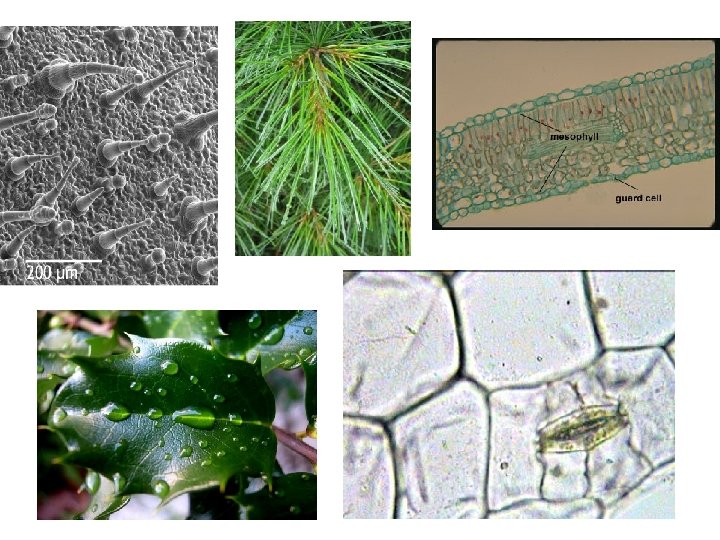
Xerophytes… Plants that are adapted to living in dry/arid conditions – they are able to reduce water loss from leaves in numerous ways….
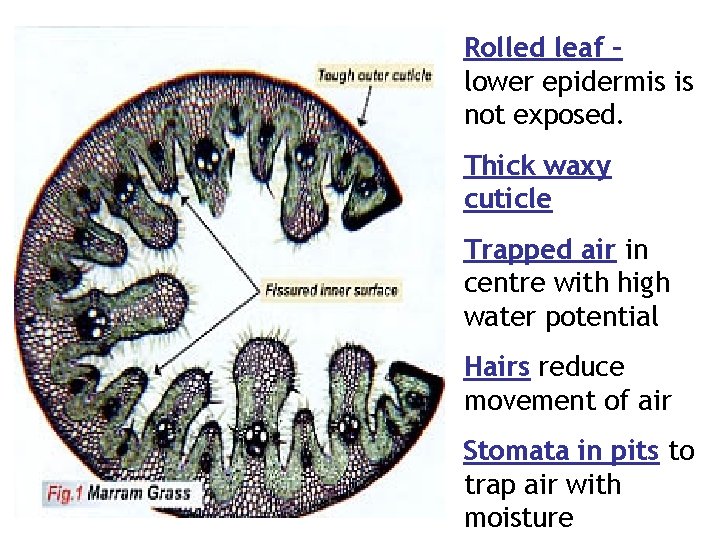
Rolled leaf – lower epidermis is not exposed. Thick waxy cuticle Trapped air in centre with high water potential Hairs reduce movement of air Stomata in pits to trap air with moisture