
TRANSPORT ACROSS CELL MEMBRANE SPECIFIC LEARNING OBJECTIVES Define
TRANSPORT ACROSS CELL MEMBRANE
SPECIFIC LEARNING OBJECTIVES ■ Define and classify active transport ■ Types of carrier protein for transport ■ Explain the types of active transport with suitable examples
Active transport Movement of substances against their chemical and electrical gradient. This form of transport requires energy which is derived from ATP ■ Primary active transport ■ Secondary active transport ■ Vesicular transport
Primary active transport They directly use the energy obtained from the hydrolysis of ATP. The primary active transport consists of: ■ Sodium –potassium pump ■ Calcium pump ■ Potassium Hydrogen pump
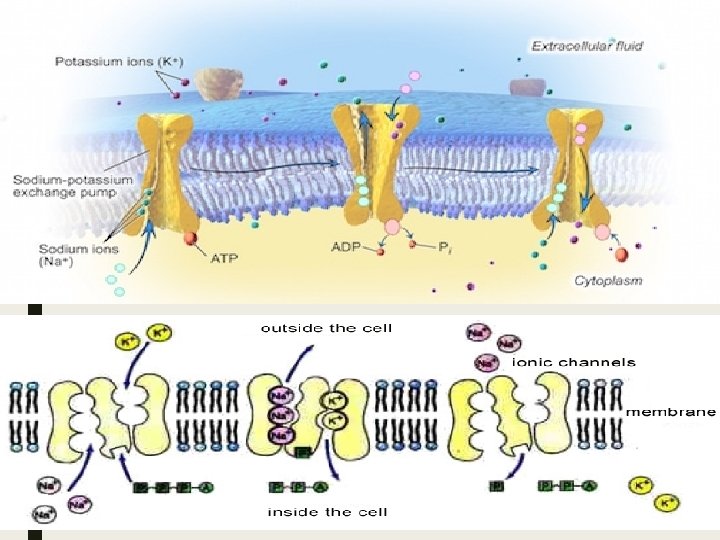
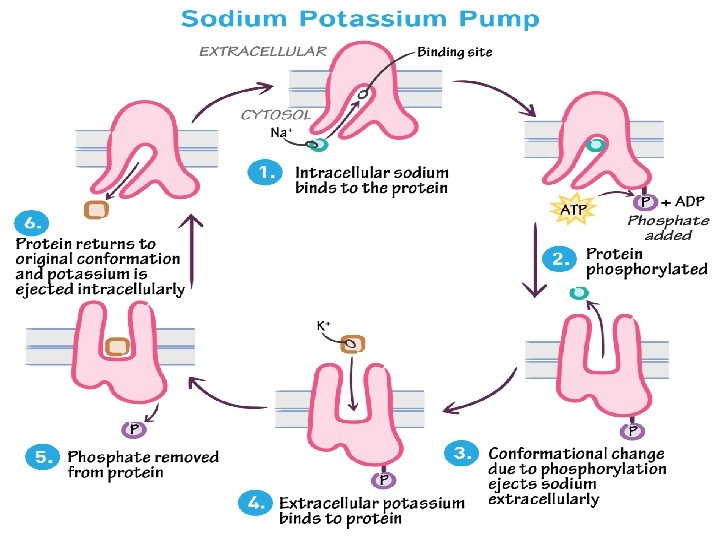
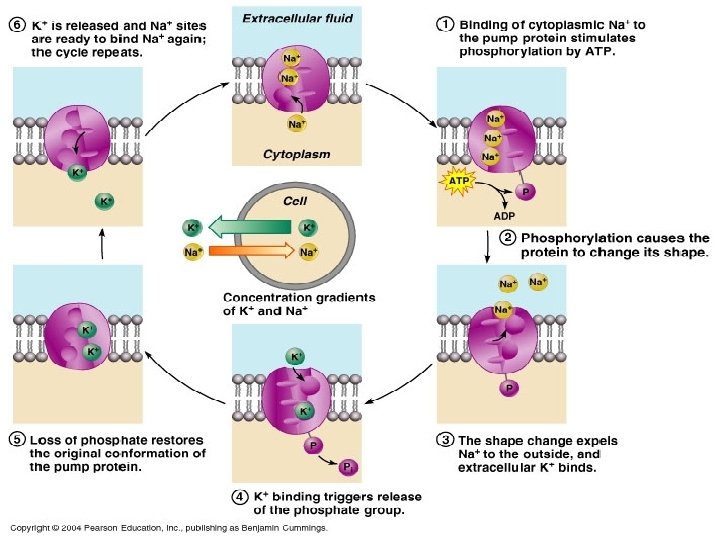
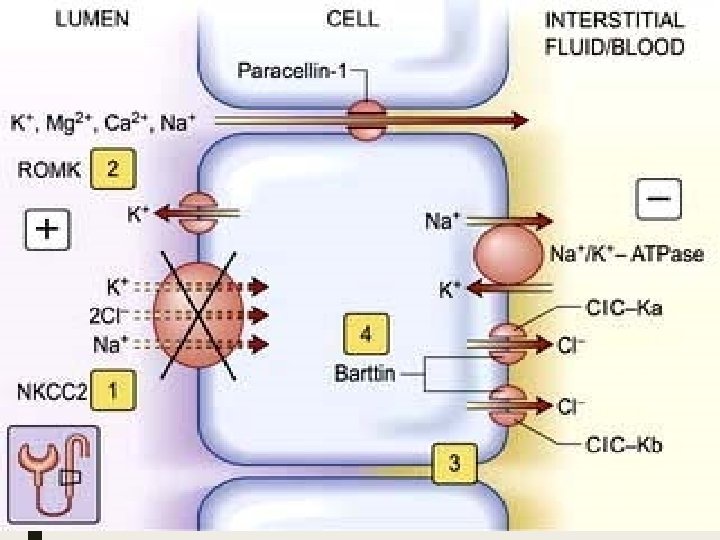
Functions ■ It maintains the Na and K gradients across the membrane, which is essential for the genesis of RMP ■ Under resting state Na-K pump utilizes major part of energy and accounts for a large part in the basal metabolism ■ It participates in the secondary active transport of amino acids and glucose through co-transport system by creating Na gradient ■ Primary transport of Na by Na-K ATPase also facilitates a passive transport of Cl, HCO 3 and H 2 O ■ Stimulants of Na-K ATPase: Thyroid hormones, insulin, aldosterone ■ Inhibitors of Na-K ATPase: Hypoxia, low temperature, digoxin

Calcium pump
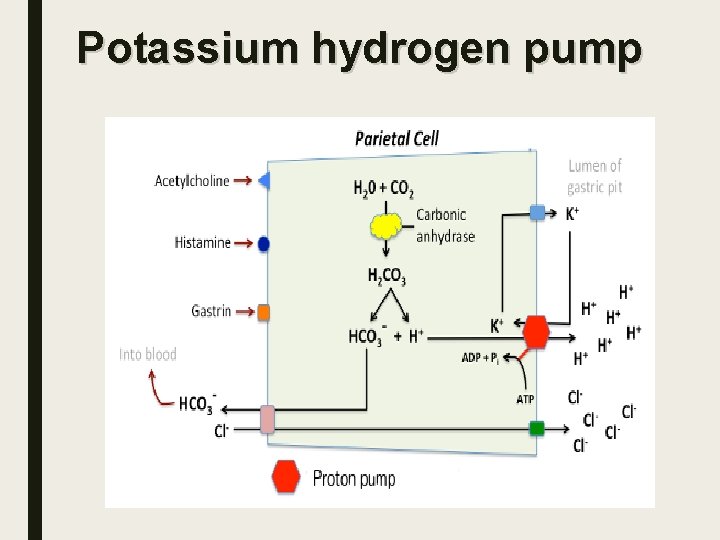
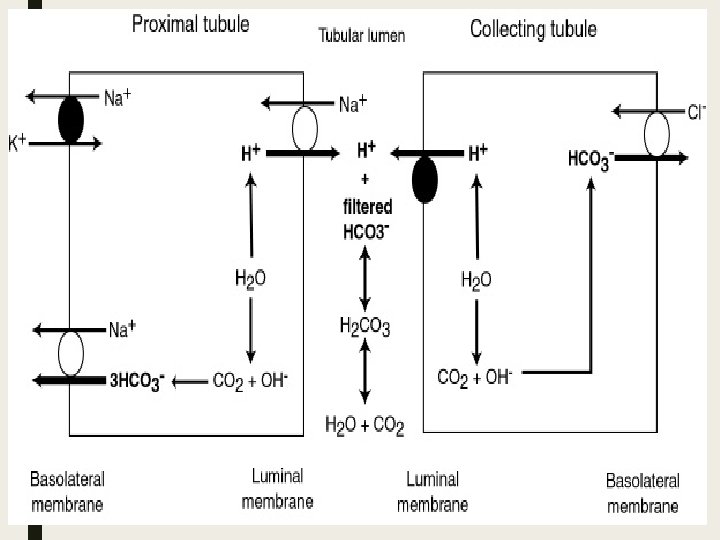
Potassium hydrogen pump
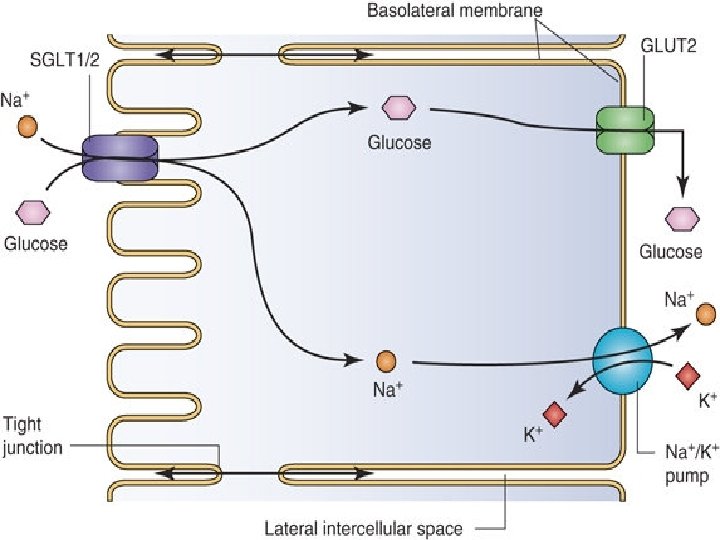
Secondary active transport Here the active transport of Na is coupled with the transport of other substances Two types: ■ Co-transport ■ Counter transport
Transporters Uniporters : Transports a single molecule in one direction. Eg: facilitated diffusion of glucose Symporters: Transports two molecules in the same direction. Eg: secondary active transport of glucose Antiporters: Transports molecules in the opposite direction. Eg: Na-K pump, Na-Ca exchangers, Na-H exchangers
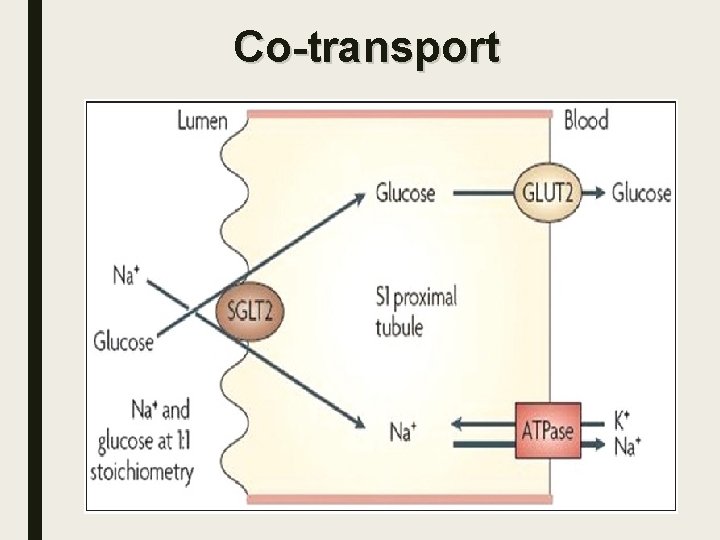
Co-transport
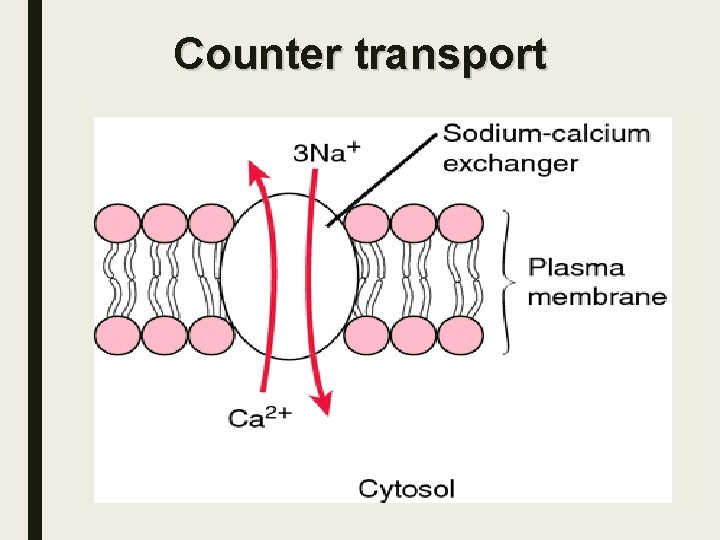
Counter transport
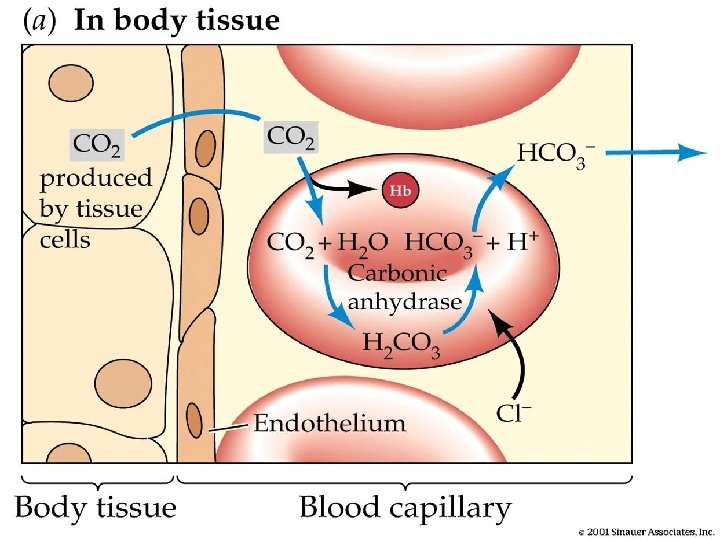
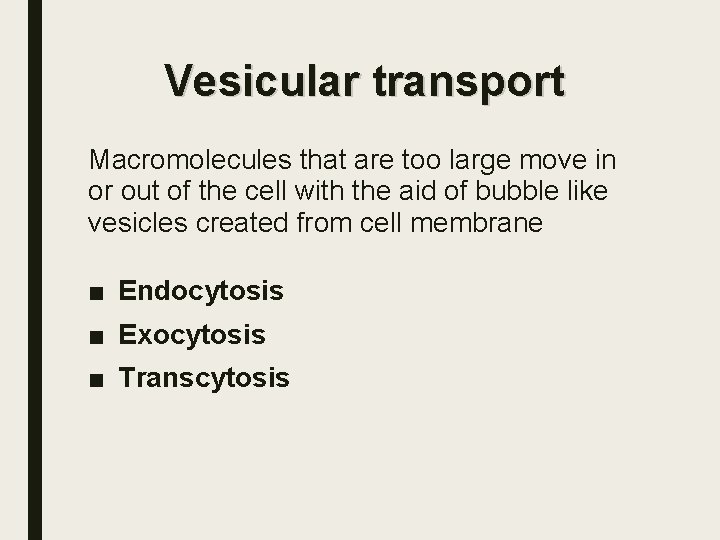
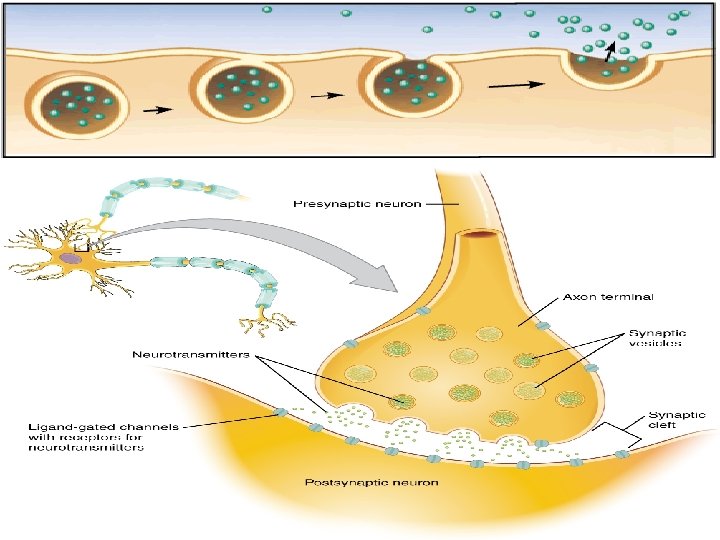
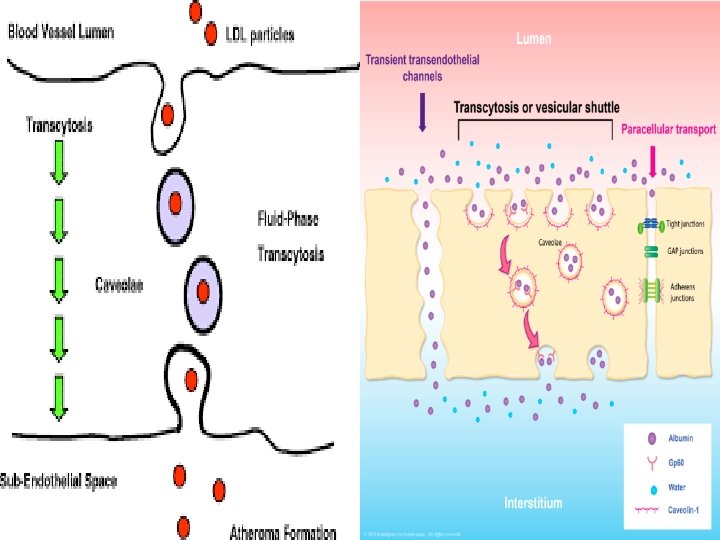
Vesicular transport Macromolecules that are too large move in or out of the cell with the aid of bubble like vesicles created from cell membrane ■ Endocytosis ■ Exocytosis ■ Transcytosis
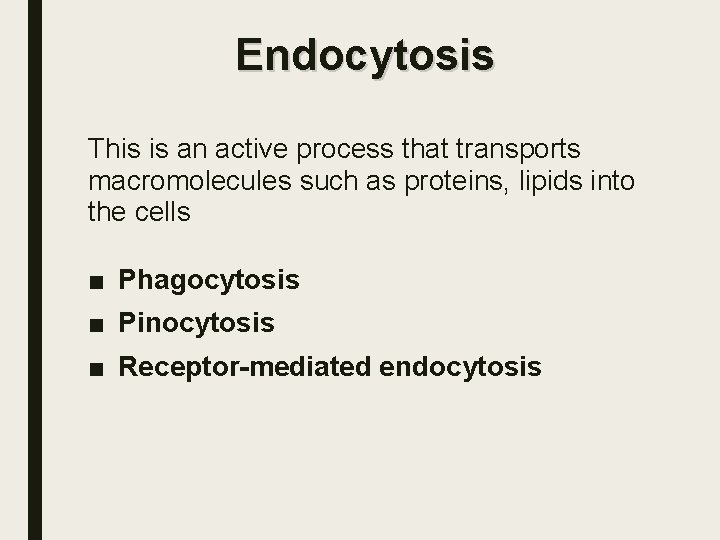
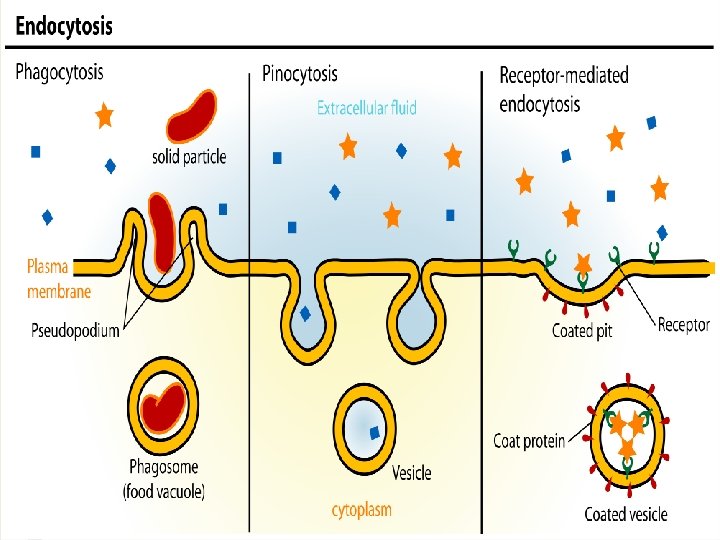
Endocytosis This is an active process that transports macromolecules such as proteins, lipids into the cells ■ Phagocytosis ■ Pinocytosis ■ Receptor-mediated endocytosis
Summary
References ■ Comprehensive Textbook of Medical Physiology (Vol 2, 1 stedition) G K Pal ■ Essentials of Medical Physiology. (8 th edition) K Sembulingam ■ https: //microbenotes. com/active-transport/ ■ https: //biologydictionary. net/active-transport/ ■ https: //www. pinterest. com/pin/141652350754 913102/ ■ https: //www. memorangapp. com/flashcards/7 5641/CCF+Physiology+L 1+%26+2+Intro%2 C+Homeostasis%2 C+Membrane+Transport/

- Slides: 26